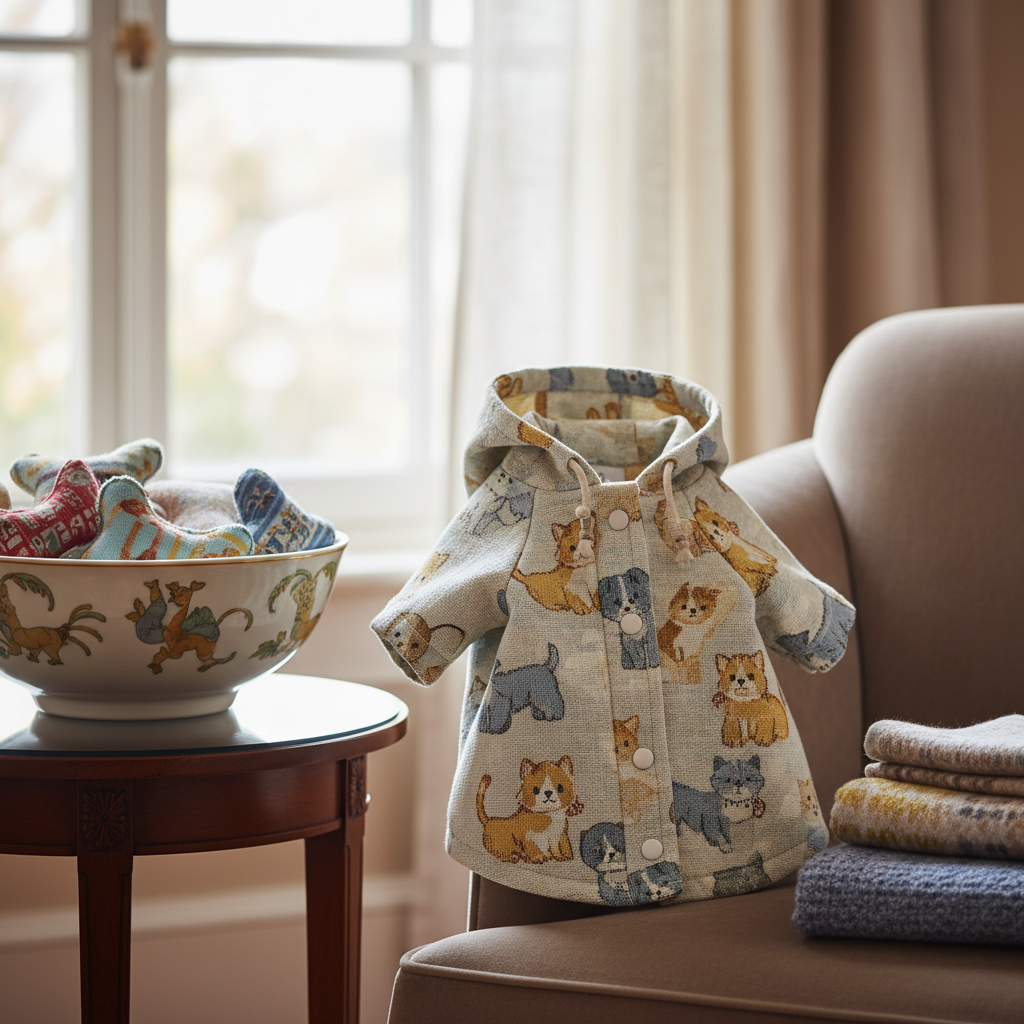
The humble raincoat, often overlooked, plays a vital role in protecting individuals from the elements globally. From the monsoon rains of Southeast Asia to the unpredictable weather of the Pacific Northwest, the need for effective waterproof outerwear is universal. Understanding the nuances of raincoat design, materials, and functionality is crucial for ensuring safety, comfort, and preparedness in a world increasingly impacted by climate change.
The global raincoat market is a multi-billion dollar industry, driven by factors such as rising disposable incomes, increasing outdoor recreational activities, and a growing awareness of the importance of protective clothing. According to market research reports, the demand for raincoats continues to rise, particularly in emerging economies where climate variability presents significant challenges. This demand necessitates continuous innovation in materials and designs to provide optimal protection and durability.
Beyond personal use, raincoats are indispensable in various professional settings, including emergency services, construction, agriculture, and transportation. They are also critical in humanitarian aid efforts, providing essential protection to those affected by natural disasters. The significance of a reliable raincoat extends far beyond simply staying dry; it’s about maintaining functionality and safety in challenging conditions.
The Global Significance of raincoat
The global need for effective raincoats is intrinsically linked to climate patterns and environmental challenges. Regions prone to heavy rainfall, such as Southeast Asia and the Amazon basin, rely heavily on raincoats for everyday life and occupational safety. Furthermore, increased frequency of extreme weather events, like hurricanes and monsoons, underscores the essential role these garments play in disaster preparedness and response.
The United Nations Office for Disaster Risk Reduction (UNDRR) highlights the importance of protective clothing, including raincoats, in mitigating the impact of natural disasters. Providing affected populations with adequate rain protection can significantly reduce health risks associated with exposure to the elements, such as hypothermia and waterborne diseases. This demonstrates the humanitarian significance of widespread access to quality rainwear.
Defining the raincoat
Simply put, a raincoat is a waterproof or water-resistant garment designed to protect the wearer from rain. Traditionally, raincoats were made from waterproofed fabrics like waxed cotton or rubberized materials. However, modern raincoats utilize a wide range of advanced synthetic fabrics, such as polyurethane (PU), polyvinyl chloride (PVC), and various breathable waterproof membranes.
The evolution of the raincoat reflects advancements in materials science and textile engineering. Initially conceived as practical protective wear, raincoats have also become fashion statements, with diverse styles and designs catering to various tastes and needs. This duality – functionality and fashion – contributes to the raincoat’s enduring relevance in contemporary society.
In a modern industrial context, the demand for high-performance raincoats extends beyond consumer markets. Specialized raincoats are crucial for industries operating in harsh weather conditions, such as maritime shipping, construction, and emergency services, ensuring worker safety and operational efficiency.
Key Components of a Quality raincoat
Several key components determine the quality and effectiveness of a raincoat. The primary element is the waterproof fabric itself. Factors like water column pressure (measured in millimeters) indicate the fabric’s resistance to water penetration. Breathability, often measured by Moisture Vapor Transmission Rate (MVTR), is equally important, preventing the buildup of moisture inside the garment.
Seam sealing is another critical factor. Even the most waterproof fabric is vulnerable to leaks through seams if they aren’t properly sealed. Taped seams, where a waterproof tape is applied to the inside of the garment, are essential for creating a truly waterproof barrier. Furthermore, quality zippers and closures play a crucial role in preventing water ingress.
Finally, the overall design and construction contribute significantly to a raincoat’s performance. Features such as a hood, adjustable cuffs, and a storm flap provide additional protection against the elements. The cut and fit of the raincoat also influence comfort and freedom of movement.
Performance Metrics for raincoats
Evaluating a raincoat’s effectiveness involves considering several key performance metrics. Waterproofing, as mentioned earlier, is typically assessed using water column pressure tests, with higher values indicating greater resistance. However, waterproofness alone isn’t sufficient; breathability is equally important for comfort and preventing overheating.
Durability is another critical factor. Raincoats should withstand regular use and exposure to the elements without significant degradation. Abrasion resistance, measured using tests like the Martindale rub test, indicates the fabric's ability to withstand wear and tear.
Raincoat Performance Comparison
Applications of raincoats Across Industries
The utility of a raincoat extends far beyond individual use. In the maritime industry, sailors and port workers rely on heavy-duty, waterproof raincoats to withstand harsh sea conditions. Construction workers utilize raincoats to maintain productivity and safety during inclement weather.
Emergency responders, including firefighters and paramedics, depend on specialized raincoats that offer both waterproofing and high visibility. Agricultural workers also benefit significantly from raincoats, protecting them from the elements while working in the fields. These diverse applications demonstrate the crucial role raincoats play in maintaining operational efficiency and ensuring worker wellbeing across various sectors.
The Long-Term Value of Investing in raincoats
Investing in a high-quality raincoat offers several long-term benefits. A durable raincoat will last for years, reducing the need for frequent replacements and saving money in the long run. Moreover, a well-maintained raincoat can retain its waterproof properties, providing consistent protection over time.
Beyond the financial savings, a reliable raincoat offers peace of mind and enhanced safety. Knowing you are adequately protected from the elements allows you to focus on your tasks without worrying about discomfort or health risks. The psychological benefit of preparedness and comfort is an often-underestimated aspect of investing in quality outerwear.
From a sustainability perspective, choosing a durable and responsibly manufactured raincoat minimizes environmental impact. Reducing consumption and supporting ethical production practices contribute to a more sustainable future.
Future Trends and Innovations in raincoat Technology
The future of raincoat technology is driven by advancements in materials science and a growing focus on sustainability. Researchers are developing new waterproof membranes that are both highly breathable and environmentally friendly, reducing reliance on traditional petrochemical-based materials.
Smart fabrics with integrated sensors are also emerging, offering features like temperature regulation and moisture monitoring. Furthermore, advancements in manufacturing techniques, such as 3D printing, may enable customized raincoat designs tailored to individual needs and body types.
The integration of nanotechnology holds promise for creating self-cleaning and self-repairing raincoat fabrics, further enhancing durability and reducing maintenance requirements. These innovations signify a move towards more advanced, sustainable, and personalized raincoat solutions.
Summary of Key Future Trends for raincoat Development
| Trend Category |
Key Innovations |
Potential Impact |
Development Timeline |
| Sustainable Materials |
Bio-based Waterproof Membranes |
Reduced Environmental Footprint |
2-5 Years |
| Smart Fabrics |
Integrated Temperature Sensors |
Enhanced Comfort & Safety |
5-10 Years |
| Manufacturing Processes |
3D Printing for Customization |
Personalized Fit & Design |
3-7 Years |
| Nanotechnology |
Self-Cleaning Fabric Coatings |
Increased Durability & Reduced Maintenance |
7-10+ Years |
| Waterproof Coatings |
PFC-Free Durable Water Repellents |
Reduced Harmful Chemical Exposure |
Currently Available |
| Design Innovation |
Modular raincoat Systems |
Adaptability to Changing Weather Conditions |
2-5 Years |
FAQS
The ideal waterproof rating for a raincoat depends on your intended use. For light rain and everyday wear, a rating of 5,000mm is generally sufficient. However, for heavy rain, prolonged exposure, or more demanding activities, a rating of 10,000mm or higher is recommended. Consider the breathability rating alongside waterproofing; higher waterproof ratings often come with reduced breathability, leading to discomfort. A raincoat with a good balance is ideal.
Proper care is crucial for maintaining a raincoat’s waterproof performance. Avoid using harsh detergents or fabric softeners, as these can damage the waterproof coating. Wash your raincoat separately in cool water and tumble dry on low heat. Periodically re-applying a durable water repellent (DWR) treatment can help restore the coating's effectiveness. Always follow the manufacturer’s instructions on the care label.
Waterproof raincoats are designed to provide complete protection from rain, preventing any water from penetrating the fabric. They typically utilize waterproof membranes and taped seams. Water-resistant raincoats, on the other hand, offer some protection from light rain but may allow water to seep through during heavy or prolonged exposure. They are often more breathable but less protective than waterproof options. A true raincoat will be labelled as waterproof.
Yes, breathable raincoats are generally worth the investment, especially for activities involving exertion. Breathability allows moisture vapor from your body to escape, preventing you from overheating and becoming damp from the inside. This leads to greater comfort and a more enjoyable experience. While more expensive, a breathable raincoat prevents the clammy feeling often associated with non-breathable waterproof garments.
Sustainable raincoat materials are gaining prominence. Options include recycled polyester made from plastic bottles, bio-based waterproof membranes derived from renewable sources, and PFC-free DWR treatments. Look for raincoats certified by organizations like bluesign or OEKO-TEX, which ensure environmentally responsible production processes. Choosing a durable raincoat also reduces the need for frequent replacements.
Choosing the correct size raincoat is crucial for both comfort and effectiveness. A raincoat should allow enough room for layering underneath without restricting movement. Consider your typical layering habits and choose a size accordingly. Many brands offer size charts with detailed measurements. A well-fitting raincoat should provide full coverage and protect you from the elements without feeling too bulky or restrictive.
Conclusion
In conclusion, the raincoat is far more than just a garment; it’s a crucial tool for protection, safety, and comfort in a world increasingly challenged by unpredictable weather. From its humble beginnings to its modern, technologically advanced iterations, the raincoat has continually evolved to meet the needs of a diverse global population. Understanding the key components, performance metrics, and emerging trends in raincoat technology empowers consumers to make informed choices and invest in quality outerwear.
Looking ahead, continued innovation in sustainable materials, smart fabrics, and manufacturing processes will shape the future of the raincoat. By prioritizing durability, functionality, and environmental responsibility, we can ensure that this essential garment continues to provide reliable protection for generations to come. For a wide selection of high-quality raincoats, visit our website: www.qsclothing.com