Rainwear jackets are essential protective garments designed to shield the wearer from rain, wind, and cold. Globally, the demand for high-quality rainwear jackets is consistently high, driven by factors like changing climate patterns, increasing outdoor recreational activities, and the need for protective gear in various industries. These jackets aren’t just about staying dry; they’re about safety, comfort, and extending the usability of outdoor spaces and work environments, making them a crucial component of modern life.
The rainwear jacket market is a significant segment of the broader outerwear industry. According to reports, the global waterproof clothing market was valued at over $28 billion in 2022 and is projected to grow significantly in the coming years. This growth is fueled by innovations in fabric technology, such as breathable waterproof membranes, and a growing consumer awareness of the importance of weather protection. The need for durable, reliable, and comfortable rainwear is paramount, especially in regions prone to heavy rainfall or extreme weather events.
From everyday commuters to professional outdoor workers, the applications of a reliable rainwear jacket are vast. They represent a vital investment in personal wellbeing and productivity, offering protection from the elements and enabling individuals to carry out their activities regardless of the weather. Understanding the intricacies of rainwear jacket construction, materials, and features is increasingly important for both consumers and industry professionals.
Introduction to Rainwear Jackets
Rainwear jackets have evolved significantly from simple oiled cloth garments to highly technical, performance-driven apparel. Modern rainwear focuses on balancing waterproof protection with breathability, ensuring comfort during activity. The increasing sophistication in fabric technology, design, and manufacturing processes are making rainwear jackets more effective and user-friendly than ever before.
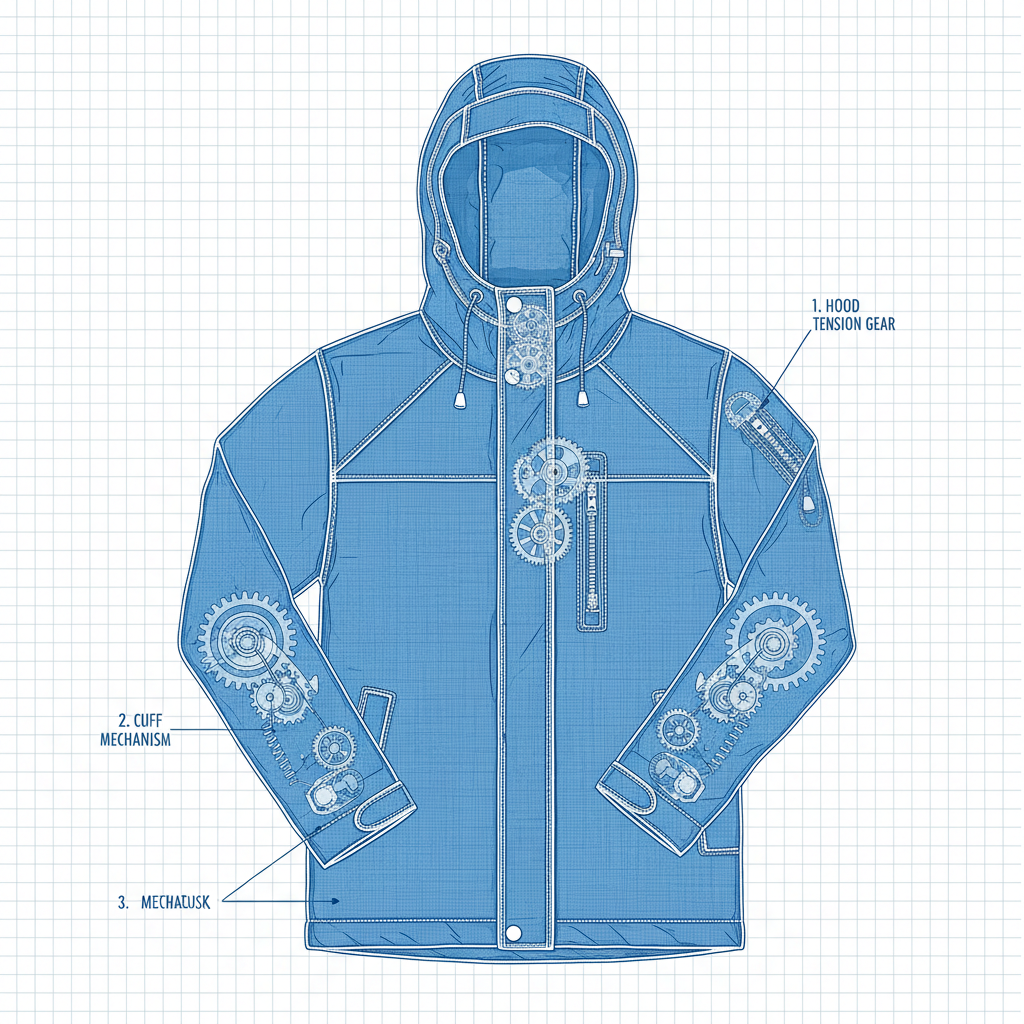
The functionality of a rainwear jacket extends beyond simply repelling water. Factors like seam sealing, hood design, pocket placement, and adjustable cuffs all contribute to the overall performance and usability of the jacket. These details are critical for maintaining a dry and comfortable experience in challenging weather conditions, and manufacturers continually innovate to enhance these features.
Defining a Rainwear Jacket
A rainwear jacket is an outer garment specifically designed to protect the wearer from rain and wind. It differs from standard jackets primarily through its waterproof or water-resistant construction, utilizing materials and treatments that prevent water penetration. These jackets typically feature a tightly woven fabric or a waterproof membrane, often combined with a Durable Water Repellent (DWR) finish.
The connection to modern industry is strong. Professionals working in construction, agriculture, emergency services, and maritime industries rely heavily on high-performance rainwear jackets to maintain safety and productivity in inclement weather. The humanitarian sector utilizes rainwear jackets as critical supplies in disaster relief efforts, providing protection to those affected by floods, storms, and other weather-related emergencies.
Beyond purely functional applications, rainwear jackets have become a fashion statement, with designs ranging from minimalist and practical to stylish and trendy. This wider appeal has broadened the market, leading to greater innovation and choice for consumers seeking both protection and aesthetic value.
Core Components of Rainwear Jackets
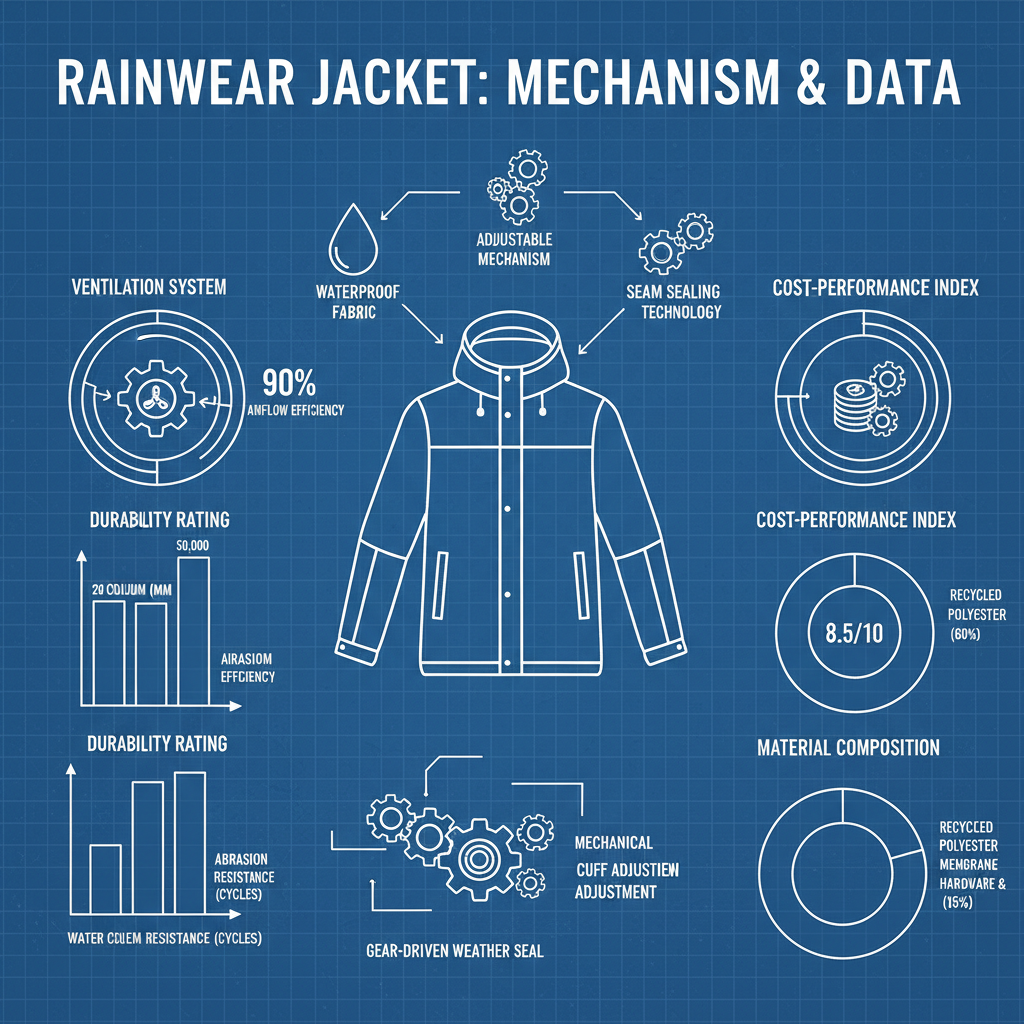
Several key factors determine the performance and quality of a rainwear jacket. Waterproofness is paramount, often measured in millimeters (mm) indicating the amount of water pressure the fabric can withstand. Breathability, measured in grams per square meter per 24 hours (g/m²/24h), determines how effectively the jacket allows moisture vapor to escape, preventing overheating and discomfort.
Durability is crucial, encompassing the resilience of the fabric to abrasion, tearing, and general wear and tear. Factors like denier (fabric thread count) and reinforcement in high-wear areas contribute to jacket longevity. Seam sealing is also vital, as seams are potential entry points for water; taped or welded seams prevent leakage.
Finally, Comfort and Fit play a significant role. Ergonomic designs, adjustable features (hoods, cuffs, waistbands), and appropriate layering options enhance the overall user experience. Lightweight materials and strategic ventilation also contribute to comfort during prolonged wear.
Applications of Rainwear Jackets Globally
Rainwear jackets are used extensively in a wide range of applications around the globe. In post-disaster relief operations, they provide crucial protection to aid workers and affected populations in flooded or storm-ravaged areas. They are also essential for outdoor workers in industries like construction, forestry, and agriculture, safeguarding them from inclement weather and allowing them to maintain productivity.
In remote industrial zones, such as oil rigs or mining operations located in harsh climates, rainwear jackets are a critical component of worker safety and well-being. Maritime industries rely heavily on waterproof and breathable jackets for crew members working on ships and offshore platforms. Furthermore, recreational users – hikers, campers, cyclists, and outdoor enthusiasts – benefit from the protection offered by high-quality rainwear.
Geographically, regions with high rainfall, such as Southeast Asia, the Pacific Northwest of the United States, and the United Kingdom, exhibit consistently high demand for rainwear jackets. However, their use extends to virtually all corners of the world, as unpredictable weather patterns necessitate reliable protection from the elements.
Rainwear Jacket Performance Metrics
Advantages and Long-Term Value
The advantages of investing in a quality rainwear jacket are numerous. From a cost perspective, a durable jacket will last for years, eliminating the need for frequent replacements. Sustainability is also a key benefit, as a longer-lasting product reduces waste and the environmental impact associated with manufacturing.
The social impact of providing reliable rainwear is significant, particularly in vulnerable communities. Protecting individuals from the elements enhances their safety, health, and productivity. A reliable rainwear jacket also promotes dignity and well-being, enabling individuals to participate fully in their communities regardless of the weather. Trust in a garment that performs consistently builds confidence and peace of mind.
Future Trends and Innovations
The future of rainwear jackets is poised for significant advancements. The development of bio-based and recycled materials is gaining momentum, aiming to reduce the environmental footprint of production. Innovations in membrane technology are focusing on achieving even higher levels of waterproofness and breathability while minimizing weight and bulk.
Digital integration is also emerging, with potential for features like smart sensors to monitor body temperature and adjust ventilation accordingly. Automation in manufacturing processes is expected to improve efficiency and reduce costs. Overall, the trend is toward more sustainable, high-performance, and technologically advanced rainwear jackets.
Challenges and Solutions
One common challenge in the rainwear jacket industry is balancing waterproofness with breathability. Highly waterproof materials often lack breathability, leading to discomfort during activity. Solutions involve utilizing advanced membrane technologies, such as electrospun membranes or microporous films, that allow water vapor to escape while blocking liquid water.
Another challenge is ensuring the durability of DWR finishes, which can wear off over time. Researchers are exploring more durable and environmentally friendly DWR treatments, including bio-based options. Addressing the issue of microplastic shedding from synthetic fabrics is also crucial, with ongoing efforts to develop fabrics that minimize microplastic release during washing.
Finally, the cost of high-performance rainwear can be prohibitive for some consumers. Innovative manufacturing techniques and the use of more affordable sustainable materials can help to lower costs without compromising quality.
Summary of Rainwear Jacket Challenges and Solutions
| Challenge |
Impact on Rainwear Jacket Performance |
Proposed Solution |
Implementation Feasibility (1-10) |
| Waterproofness vs. Breathability |
Compromised comfort; overheating during activity |
Advanced membrane technologies (electrospun, microporous) |
8 |
| DWR Finish Durability |
Reduced water repellency over time |
Bio-based and more resilient DWR treatments |
7 |
| Microplastic Shedding |
Environmental pollution |
Develop fabrics minimizing microplastic release |
6 |
| High Production Cost |
Limited accessibility for some consumers |
Automated manufacturing and affordable materials |
7 |
| Material Sourcing Sustainability |
Environmental Impact of raw material acquisition |
Increased use of recycled and bio-based materials |
9 |
| Seam Sealing Reliability |
Potential water leakage through seams |
Improved seam sealing techniques and materials |
8 |
FAQS
High-quality rainwear jackets often utilize materials like Gore-Tex, a waterproof and breathable membrane, or other similar proprietary technologies. The outer layer is typically made from nylon or polyester, chosen for their durability and water resistance. Reinforcements in high-wear areas may include heavier denier fabrics. The choice of material impacts the jacket's breathability, waterproofness, and overall lifespan.
Proper care is essential for maintaining a rainwear jacket's performance. Regularly clean the jacket with a mild detergent and cool water, following the manufacturer's instructions. Avoid using harsh chemicals or fabric softeners, as these can damage the waterproof coating. Re-apply a DWR treatment as needed to maintain water repellency. Store the jacket in a dry, well-ventilated area.
Waterproof jackets are designed to completely prevent water from penetrating the fabric, often using a waterproof membrane. Water-resistant jackets, on the other hand, can repel light rain but may allow water to seep through during heavier downpours. Waterproof jackets generally offer superior protection but may be less breathable than water-resistant options.
Sealed seams are incredibly important in a rainwear jacket. Seams are potential entry points for water, even if the fabric itself is waterproof. Seam sealing involves applying a waterproof tape or coating to the seams to prevent water from leaking through. Fully taped seams offer the best protection, while partially taped seams may leave some areas vulnerable.
The waterproof rating, measured in millimeters (mm), indicates the amount of water pressure the fabric can withstand before water begins to penetrate. A higher number indicates greater waterproofness. A rating of 5,000mm is generally considered waterproof for light rain, while 10,000mm or higher is suitable for heavier rainfall and more demanding conditions.
Consider your intended use. For light rain and casual wear, a water-resistant jacket may suffice. For hiking, camping, or working in wet conditions, a fully waterproof jacket with sealed seams is essential. Pay attention to breathability, durability, and fit. Layering is also important for regulating temperature and maximizing comfort.
Conclusion
In conclusion, the rainwear jacket represents a vital piece of protective apparel with widespread applications. From everyday commuters to professionals working in challenging environments, a quality rainwear jacket offers unparalleled protection, comfort, and durability. Innovations in materials and design are continually enhancing the performance and sustainability of these garments.
Looking ahead, the future of rainwear jackets promises even greater advancements in sustainability, technology, and performance. By embracing eco-friendly materials, innovative manufacturing techniques, and user-centric designs, the industry can continue to provide reliable and effective protection from the elements for years to come.