Rainwear encompasses a broad spectrum of protective garments designed to shield individuals from precipitation, ranging from light showers to torrential downpours. Its significance is globally pervasive, impacting diverse sectors like agriculture, construction, outdoor recreation, and emergency response. Understanding the nuances of rainwear – its materials, construction, and performance characteristics – is crucial for ensuring safety, comfort, and productivity in wet weather conditions. Investing in quality rainwear isn’t merely about staying dry; it’s about protecting health, enabling work, and enhancing overall quality of life.
The global rainwear market is substantial and growing, driven by increasing awareness of weather-related risks and the demand for functional and stylish apparel. Reports from organizations like the World Meteorological Organization highlight the increasing frequency and intensity of extreme weather events, fueling the need for reliable protective clothing. Moreover, evolving fashion trends and a rising emphasis on outdoor lifestyles are contributing to the diversification and expansion of the rainwear industry. This constant evolution requires staying informed about advancements in materials and design.
Ultimately, understanding rainwear is vital not just for consumers but also for industries supplying protective equipment and organizations involved in disaster preparedness. Properly selected rainwear can mitigate risks, reduce costs associated with weather-related disruptions, and improve the well-being of individuals across various professions and activities. Selecting appropriate rainwear is an investment in safety and preparedness.
The Importance of Rainwear
Rainwear serves as a critical line of defense against the detrimental effects of wet weather, safeguarding health and productivity. Exposure to rain and cold can lead to hypothermia, respiratory infections, and decreased work efficiency. High-quality rainwear mitigates these risks by maintaining core body temperature and preventing water saturation of clothing.
Beyond individual protection, reliable rainwear is essential for various industries operating outdoors. From agricultural workers and construction crews to emergency responders and outdoor enthusiasts, effective rain protection ensures safe and continued operation even in adverse conditions. Proper gear improves morale and reduces potential accidents.
Defining Rainwear: From Function to Fashion
At its most basic, rainwear refers to clothing specifically designed to repel or resist water penetration. Historically, this meant heavy, oilskin coats or rubberized materials. However, modern rainwear has evolved considerably, incorporating advanced fabrics and technologies to provide both protection and comfort. The definition extends beyond simple jackets and pants to include hats, boots, and even full-body suits designed for specific applications.
The connection between rainwear and modern industry is multifaceted. From specialized protective gear for industrial workers handling hazardous materials to high-performance waterproof apparel for athletes, rainwear is engineered to meet specific demands. The integration of fashion elements – cuts, colors, and styles – has further broadened its appeal, transforming it from a purely functional item to a versatile wardrobe staple.
Increasingly, humanitarian needs also drive innovation in rainwear design. Durable and rapidly deployable rainwear can provide crucial protection for displaced populations and aid workers in disaster relief scenarios. Rainwear serves a wide range of purposes, making it a necessity in diverse contexts.
Core Components of Effective Rainwear
Effective rainwear is a result of careful consideration of several key components. Durability is paramount, ensuring the garment can withstand repeated use and exposure to harsh conditions. This depends on the quality of materials and construction techniques.
Waterproofness is, of course, central. This is typically achieved through waterproof membranes, coatings, or tightly woven fabrics. Breathability is equally important to prevent the buildup of moisture inside the garment, maintaining comfort during physical activity. Good rainwear balances waterproofness with breathability.
Finally, design features like sealed seams, adjustable hoods, and strategically placed pockets enhance functionality and protection. The fit should allow for layering of clothing underneath without restricting movement. Properly designed rainwear is a system, not just a single garment.
Rainwear Performance Metrics
Evaluating rainwear requires understanding key performance metrics. Waterproof rating, measured in millimeters (mm), indicates the amount of water pressure a fabric can withstand before leaking. Higher ratings denote greater waterproofness.
Breathability, often measured in grams of moisture vapor transmitted per square meter per 24 hours (g/m²/24h), determines how effectively the fabric allows moisture vapor to escape. Higher breathability ratings are essential for active pursuits.
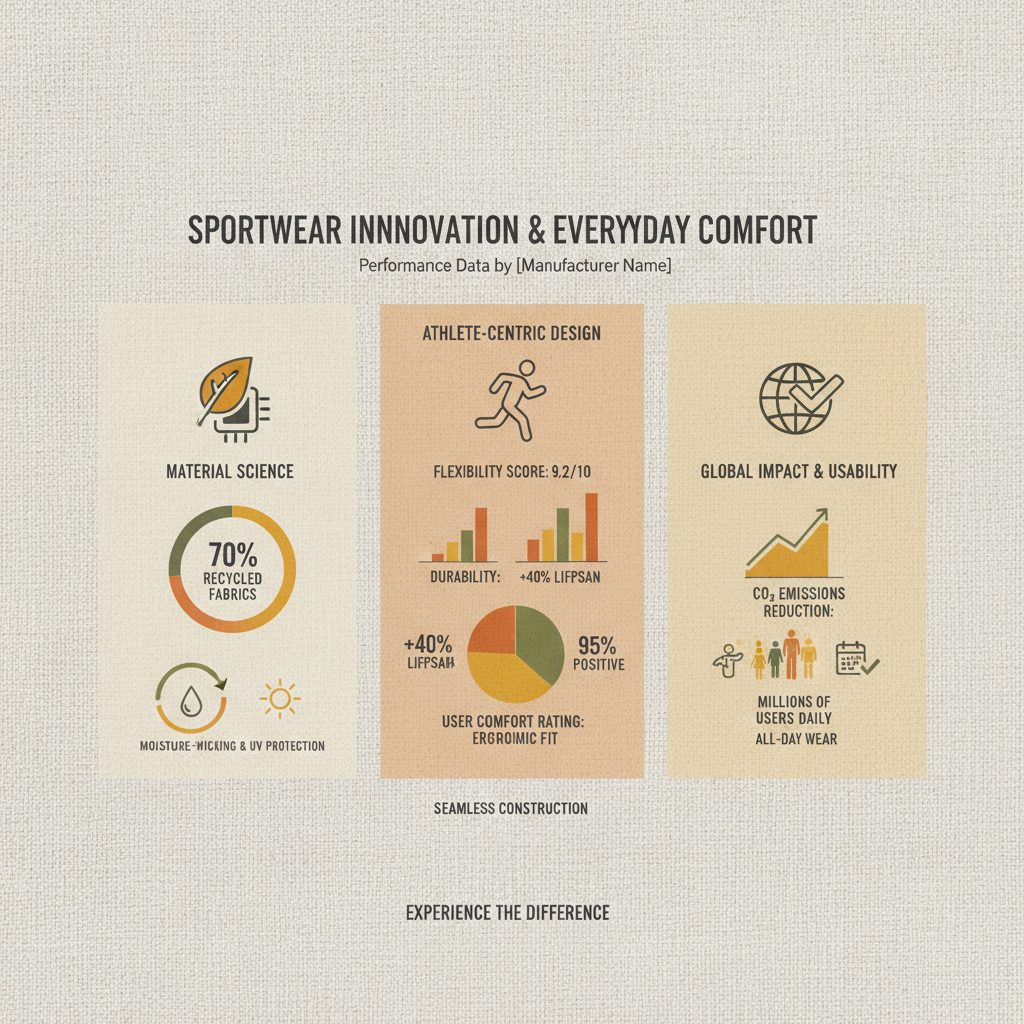
Rainwear Performance Ratings
Global Applications of Rainwear
The applications of rainwear are incredibly diverse, spanning geographical regions and industries. In post-disaster relief operations, waterproof garments are vital for aid workers and affected populations, providing protection from the elements and preventing the spread of disease.
Within the agricultural sector, rainwear safeguards farmers from prolonged exposure to wet conditions, enabling continued crop cultivation and harvesting. In remote industrial zones – such as oil rigs or construction sites in harsh climates – robust rainwear ensures worker safety and productivity.
The Value Proposition of Quality Rainwear
Investing in quality rainwear delivers tangible benefits. Cost savings result from reduced healthcare expenses related to weather-related illnesses, increased worker productivity, and extended garment lifespan. Sustainability is also a key consideration, as durable rainwear minimizes the need for frequent replacements.
Beyond the practical advantages, quality rainwear promotes safety, dignity, and a sense of well-being. Knowing one is adequately protected instills confidence and allows individuals to focus on their tasks without the distraction of discomfort. The reliability of trusted rainwear builds trust and enhances overall operational efficiency.
Selecting appropriate rainwear isn't just about purchasing a product; it's about making a strategic investment in the health, safety, and well-being of individuals and organizations.
Future Trends in Rainwear Technology
The future of rainwear is poised for significant innovation. Developments in sustainable materials, such as recycled fabrics and bio-based waterproof coatings, are gaining momentum. Nanotechnology promises to create even more effective waterproof and breathable fabrics with enhanced durability.
Digital transformation is also impacting the industry, with smart rainwear incorporating sensors to monitor environmental conditions and provide personalized comfort adjustments. Automation in manufacturing processes is streamlining production and reducing costs. The integration of these technologies will lead to more functional, sustainable, and user-friendly rainwear solutions.
Furthermore, policy changes aimed at promoting sustainable manufacturing practices and responsible waste management will likely shape the future landscape of the rainwear industry.
Analysis of Future Rainwear Trends
| Trend Category |
Impact on Waterproofing |
Sustainability Rating (1-10) |
Adoption Timeline |
| Recycled Fabrics |
Maintains acceptable waterproofing with advancements in coating technology. |
9 |
Currently Widely Available |
| Bio-Based Coatings |
Potential for highly effective waterproofing, but still under development. |
8 |
3-5 Years |
| Nanotechnology |
Revolutionary potential for creating hyper-waterproof and breathable fabrics. |
7 |
5-10 Years |
| Smart Rainwear (Sensors) |
Indirectly improves waterproofing by optimizing ventilation and moisture management. |
6 |
3-5 Years |
| Automated Manufacturing |
Improves consistency and quality control in rainwear production. |
5 |
Currently Being Implemented |
| Circular Economy Models |
Promotes reuse and recycling of rainwear materials, reducing waste. |
10 |
Ongoing Development |
FAQS
Waterproof rainwear completely prevents water from penetrating the fabric, typically with a high waterproof rating (over 10,000mm). Water-resistant rainwear, however, only repels water to a certain extent, offering protection during light showers but becoming saturated in heavier rainfall. The best choice depends on the anticipated weather conditions and activity level.
Proper care is crucial for maintaining the performance of rainwear. Always follow the manufacturer's instructions, but generally, this includes washing with a mild detergent, avoiding fabric softeners, and tumble drying on low heat. Regularly re-applying a Durable Water Repellent (DWR) coating can also help restore waterproofness.
DWR (Durable Water Repellent) is a coating applied to the outer fabric of rainwear that causes water to bead up and roll off, rather than soaking in. This prevents the fabric from becoming saturated, which can reduce breathability and waterproofness. DWR coatings wear off over time and require re-application.
For hiking and backpacking, prioritize lightweight, breathable, and waterproof rainwear. Look for jackets and pants with features like adjustable hoods, pit zips for ventilation, and taped seams. A waterproof rating of at least 10,000mm and a breathability rating of 10,000 g/m²/24h are recommended.
A simple test is to sprinkle water onto the fabric. If the water beads up and rolls off, the rainwear is still waterproof. If the water soaks in, the DWR coating may have worn off, or the waterproof membrane may be compromised. Re-applying a DWR coating or considering a new garment is advisable.
Yes, increasingly, eco-friendly rainwear options are available. These garments utilize recycled fabrics, bio-based waterproof coatings, and sustainable manufacturing processes. Look for certifications like bluesign® or Oeko-Tex® to ensure environmental responsibility.
Conclusion
In conclusion, rainwear is far more than just clothing; it's a vital component of safety, productivity, and well-being in a world increasingly impacted by unpredictable weather. From its humble beginnings as basic protection against the elements to its modern iteration as a technologically advanced and sustainable apparel category, rainwear has consistently adapted to meet evolving needs. Understanding the core components, performance metrics, and emerging trends in rainwear is crucial for making informed choices and maximizing its benefits.
Looking ahead, continued innovation in materials, design, and manufacturing will undoubtedly drive further advancements in rainwear technology. Embracing sustainability, prioritizing functionality, and focusing on user comfort will be key to shaping the future of this essential category. For high-quality and reliable rainwear, explore our comprehensive collection today.