To be honest, the whole outdoor wear market… it’s gotten crazy. Everyone's talking about sustainability now, which is good, but also makes things complicated. Used to be, you just needed something that wouldn’t fall apart after a week. Now, they want recycled polyester, bio-based this and that… It's not bad, but finding materials that actually hold up on a tough job site? That's the real trick. I saw a booth at ISPO a few months back, all singing and dancing about 'eco-friendly' fabrics. Felt like wrapping paper, honestly.
Have you noticed everyone's obsessed with layering systems? It makes sense, temperature control is key, but folks get too hung up on the tech. Give me a solid, well-insulated jacket any day. All these fancy membranes… they work, sure, but they also fail in predictable ways. Especially around the seams. And don't even get me started on waterproof zippers.
The whole point of outdoor wear, to me, is protection. Not just from the weather, but from the work itself. Scuffs, tears, abrasion… these jackets take a beating.
The Current State of Outdoor Wear Manufacturing
It's global, plain and simple. Most of the actual manufacturing, you’ll find it in Vietnam, China, Bangladesh. The quality… well, it varies. I encountered this at a factory in Shenzhen last time, they were churning out stuff that looked good on paper, but the stitching was atrocious. Really atrocious. They rushed the assembly.
There's a big push for nearshoring, trying to get production closer to North America and Europe. But it’s tough. Labor costs are a killer, and finding skilled workers is a nightmare. Lots of talk, not a lot of action, honestly.
Design Pitfalls and Common Mistakes
Over-engineering. That's the biggest one. They try to pack in too many features, too much tech, and forget about simplicity. A jacket with twenty pockets? Who needs twenty pockets? Strangely, it always ends up being the simplest designs that last the longest.
Another thing: bad seam placement. If a seam is going to rub against a backpack strap or a harness, it needs to be reinforced. I've seen so many jackets fail just because of a poorly placed seam. It's like they don't think about how people actually use this stuff.
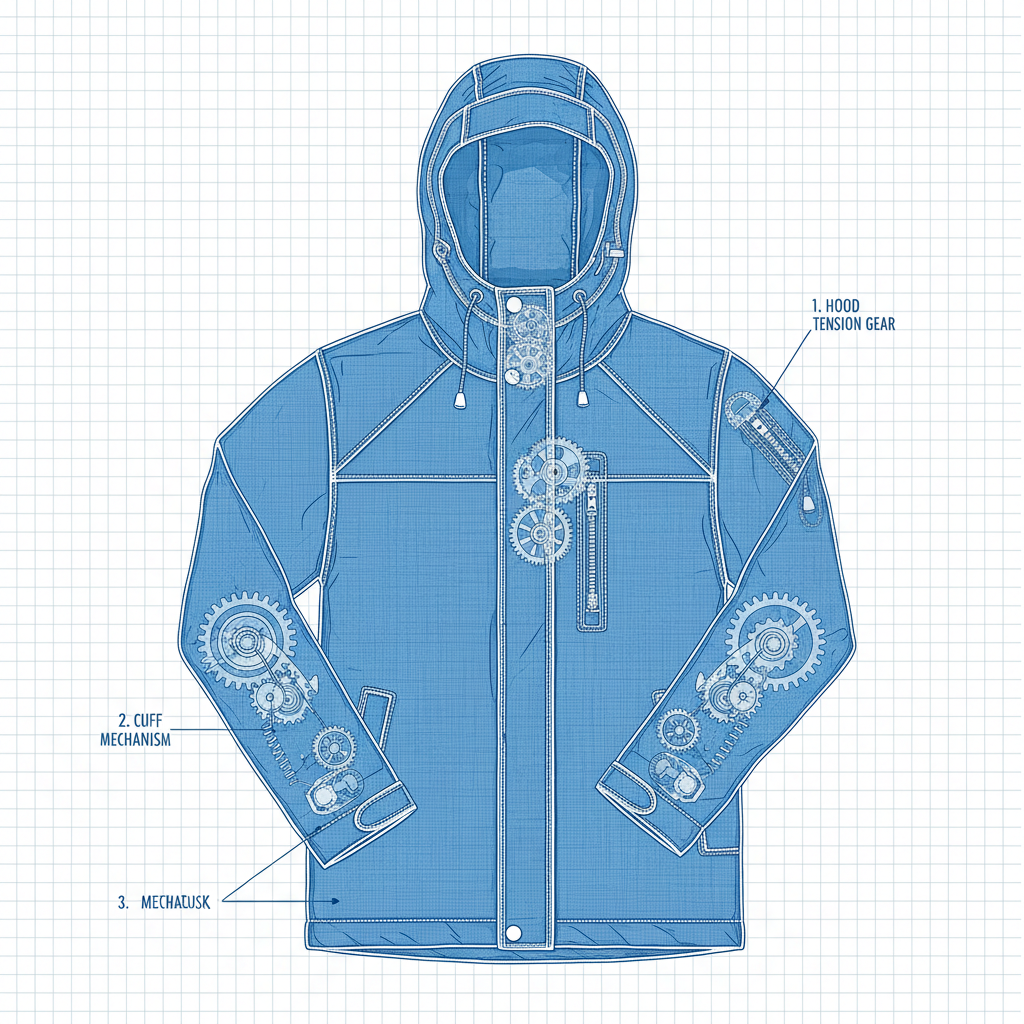
And the hoods! Oh, the hoods. Too bulky, too floppy, not adjustable enough… a good hood is crucial, and so few of them get it right.
Material Science: What Works, What Doesn’t
Gore-Tex is the gold standard, obviously. But it's expensive, and it's not always necessary. For a lot of applications, a good polyurethane coating will do just fine. The trick is finding a coating that’s durable and breathable.
I'm a big fan of Cordura. That stuff is tough. It smells like…well, it smells like Cordura, you know? That distinctive chemical smell. But it takes a beating. I’ve seen Cordura packs that have been dragged across mountains for years and still look almost new.
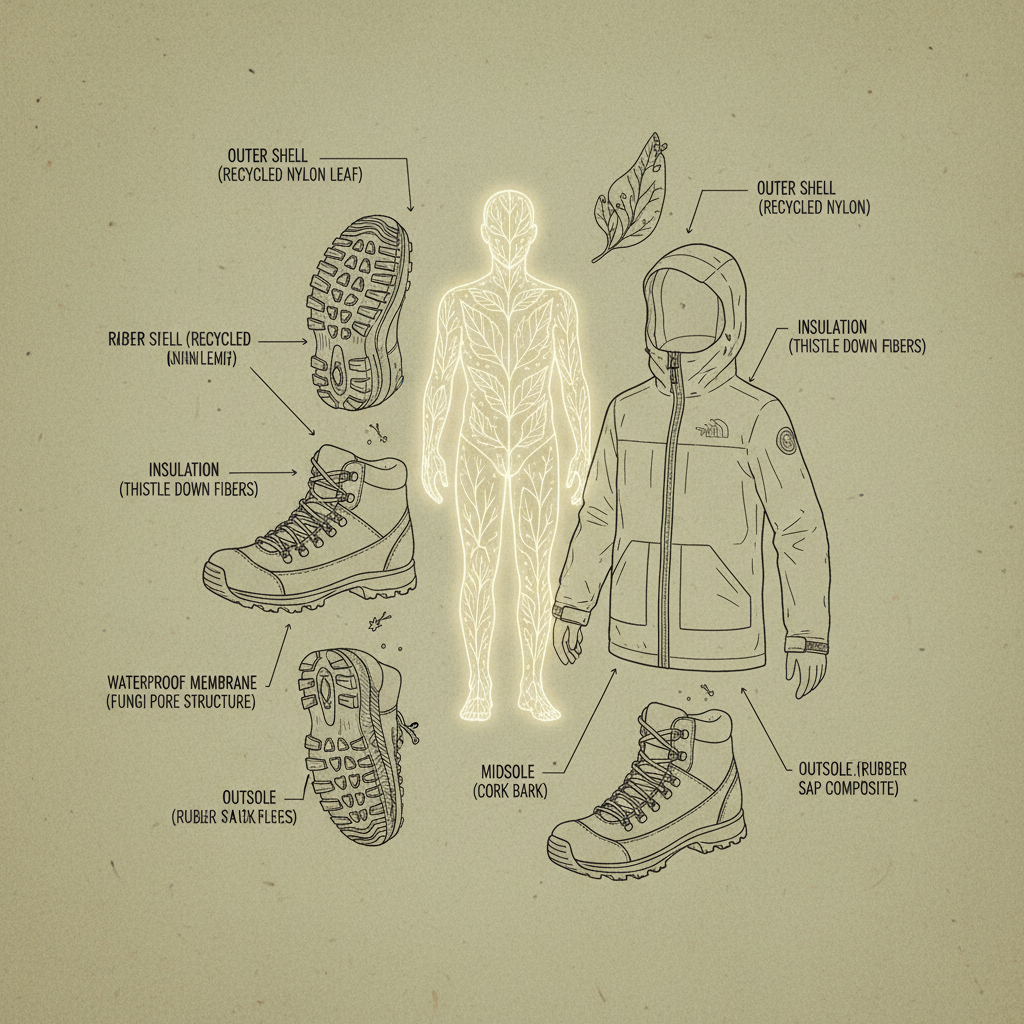
Recycled polyester is okay, but the quality can be inconsistent. You really need to test it thoroughly to make sure it’s up to snuff. And frankly, some of the bio-based materials… they just don’t hold up. They feel flimsy, they break down faster. They're good for marketing, but not for actual use.
Real-World Testing and Durability
Lab tests are useless. Absolutely useless. They can tell you how much water pressure a fabric can withstand, but they can't tell you how it's going to perform when you're scrambling over rocks in a downpour.
We do field testing. We send jackets to construction workers, to hikers, to climbers, to anyone who's going to put them through hell. And we get feedback. Brutal, honest feedback. That's the only way to know if a product is going to last.
Durability Ratings for Common Outdoor Wear Materials
User Behavior and Practical Applications
People don't use gear like the marketing materials say they will. They throw it in the back of their truck, they leave it in the rain, they spill coffee on it. You have to design for that. You have to assume they're going to abuse it.
I’ve seen construction workers using outdoor jackets as workwear, which they aren't always intended for. They're hauling lumber, bending metal, things like that. It changes the requirements completely. You need extra reinforcement, more durable materials, a simpler design.
Advantages, Disadvantages, and Customization
The big advantage of modern outdoor wear is versatility. You can adapt to changing conditions, layer up or down as needed. But that also means more complexity, more potential points of failure.
Disadvantage? The price. Good outdoor gear is expensive. And it's getting more expensive all the time.
Customization is huge. Last month, that small boss in Shenzhen who makes smart home devices insisted on changing the interface to on all our jackets – wanted a built-in charger for their heated vests. A total pain in the neck, but it’s what the client wanted. Anyway, I think we can do almost anything if the price is right.
A Deep Dive into Production Processes
It starts with the pattern making. Getting that right is crucial. Then comes cutting, sewing, and finishing. The sewing is where most of the quality control happens. You need skilled operators, and you need to inspect every seam.
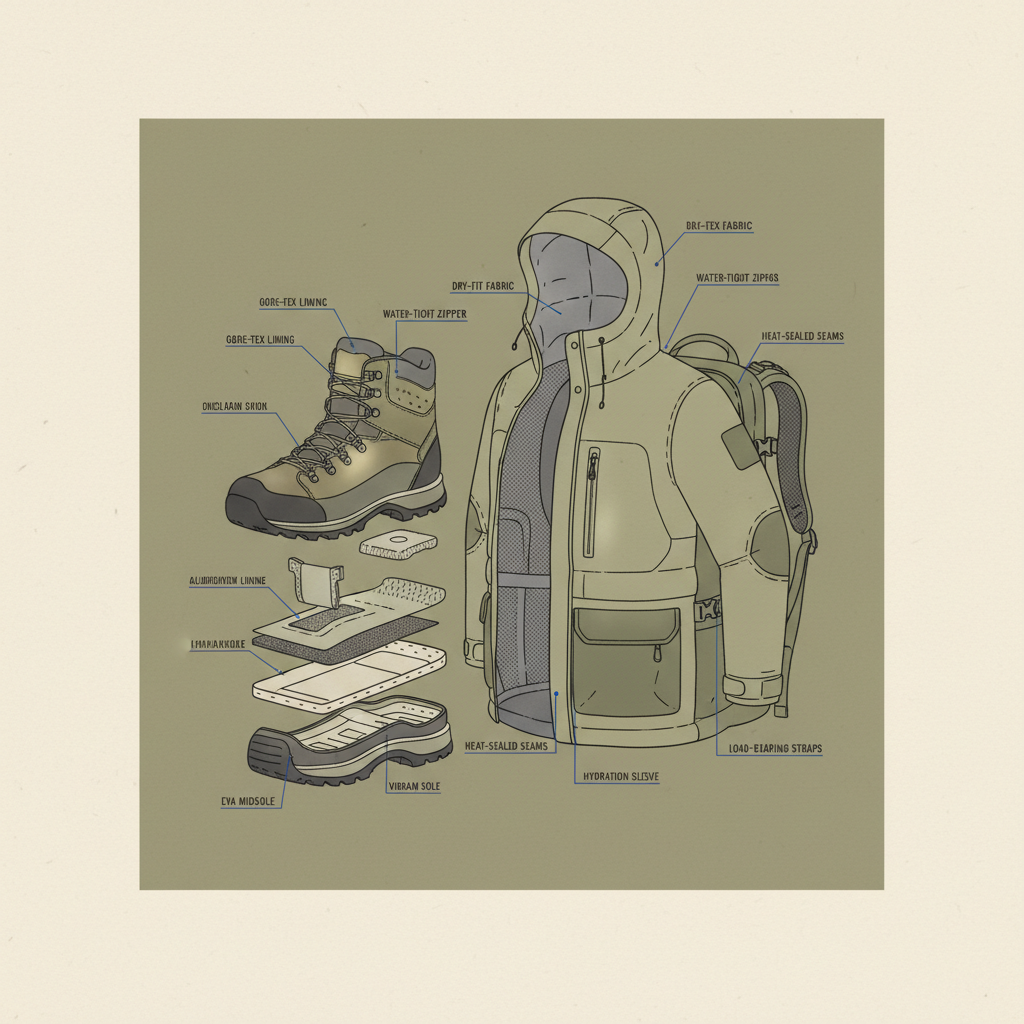
Waterproofing is a whole other beast. It’s not just about the fabric; it’s about the seams, the zippers, the closures. You need to tape all the seams, and you need to use waterproof zippers. And you need to test it thoroughly.
A lot of it is just plain hard work. Long hours, repetitive tasks, and a lot of attention to detail.
Core Production Process Summary
| Process Stage |
Key Quality Checks |
Potential Bottlenecks |
Typical Cost per Unit |
| Pattern Making |
Accuracy, Fit, Material Usage |
Complex Designs, Tight Tolerances |
$2 - $5 |
| Cutting |
Clean Cuts, Minimal Waste |
Fabric Defects, Machine Calibration |
$1 - $3 |
| Sewing |
Seam Strength, Stitch Quality, Alignment |
Skilled Labor Shortage, Machine Downtime |
$5 - $10 |
| Waterproofing |
Seam Sealing, Zipper Integrity, Fabric Resistance |
Incorrect Application, Material Compatibility |
$3 - $7 |
| Finishing & QC |
Overall Appearance, Functionality, Defect Detection |
Inconsistent Standards, Time Constraints |
$1 - $2 |
| Packaging & Shipping |
Secure Packaging, Accurate Labeling |
Logistics Delays, Damage During Transit |
$0.50 - $1.50 |
FAQS
Finding materials that meet both performance and sustainability criteria is tough. Many eco-friendly options lack the durability needed for serious outdoor use. Plus, verifying claims of sustainability throughout the supply chain can be incredibly complex. It's not just about the fabric itself, but also the dyes, the finishing processes, and the transportation. It’s a whole mess, really.
Constant communication is key. We have a team on the ground that conducts regular inspections, and we work closely with the factory to address any issues that arise. It's not enough to just send a checklist; you need someone who understands the manufacturing process and can identify potential problems before they become major issues. And honestly, you gotta build relationships. Treat them fairly, and they'll treat you fairly.
Depends on the use, obviously. But a well-made jacket with durable materials should last at least five years under heavy use. We've seen some jackets last ten years or more with proper care. It's all about the materials, the construction, and how well the owner takes care of it. Regular cleaning and repairs are essential.
No. They're good, but they’re not magic. In really heavy rain, or when you're generating a lot of sweat, they can get overwhelmed. And they require regular maintenance to stay effective. You need to wash them with special detergents and re-apply a durable water repellent (DWR) finish periodically. Otherwise, the water stops beading up and the fabric gets saturated.
Critically important! Even the most waterproof fabric will leak if the seams aren't properly sealed. That's where water gets in. There are different types of seam sealing, and some are more durable than others. We use a high-quality seam tape and a hot-air welding process to ensure a waterproof seal. It’s a pain to do correctly, but it’s essential.
Graphene coatings are showing promise for enhanced durability and waterproofness. Also, more sophisticated bio-based materials are being developed, though they still have a ways to go. And there’s a lot of interest in smart textiles, fabrics with integrated sensors that can monitor things like body temperature and heart rate. A lot of hype around that last one, though. I’ll believe it when I see it working reliably in the field.
Conclusion
Ultimately, the outdoor wear market is a complex beast. It's about balancing performance, sustainability, and cost. It’s about understanding how people actually use this stuff, not just how they're supposed to use it. And it's about finding manufacturers you can trust to deliver quality products consistently.
Whether this thing works or not, the worker will know the moment he tightens the screw. That's the bottom line. You can have all the fancy materials and the latest technology, but if it doesn't hold up in the real world, it's worthless. And honestly, that's what keeps me coming back to the factory floor.