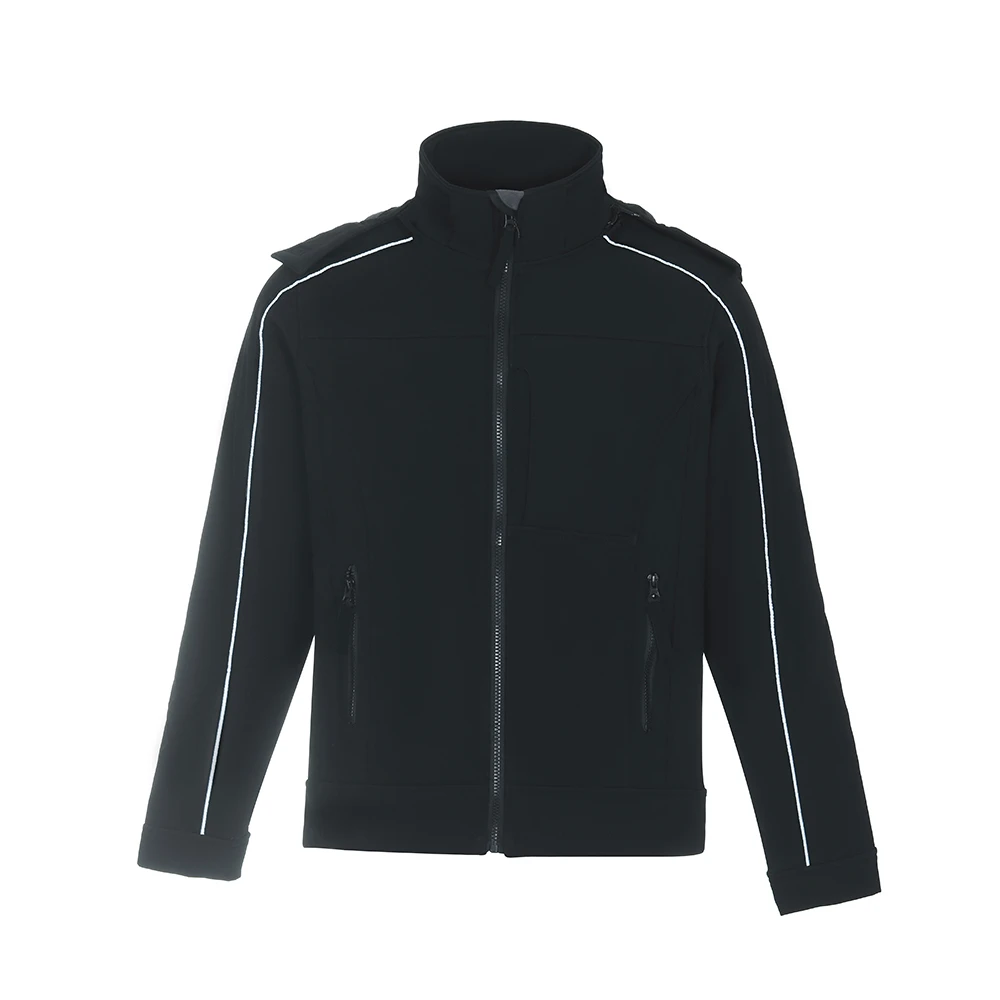
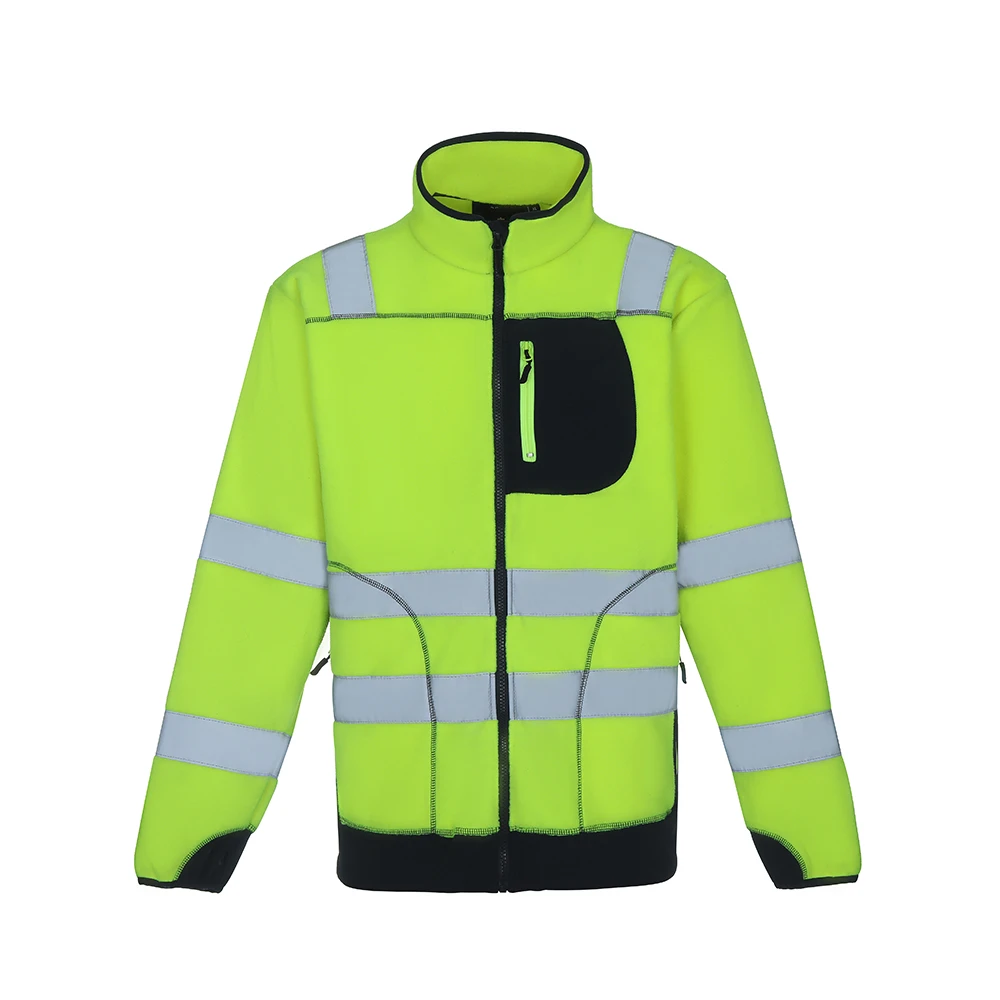
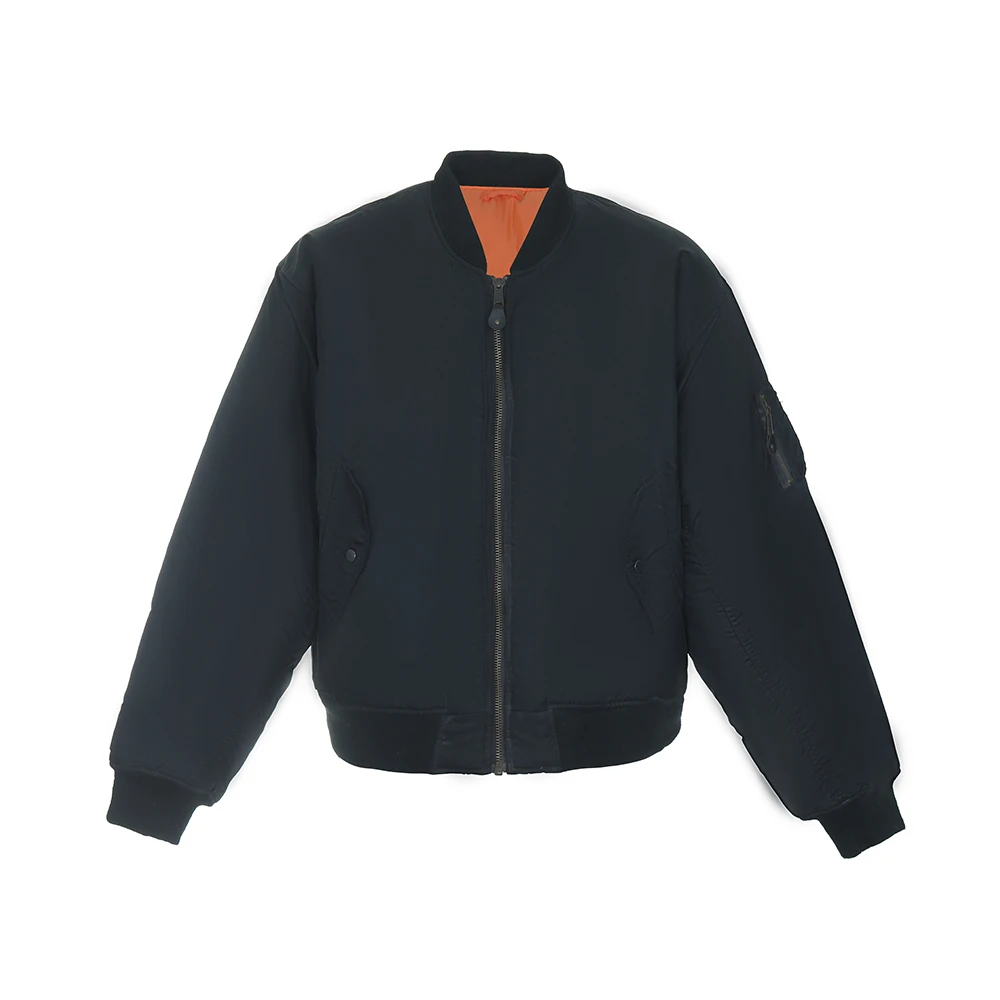
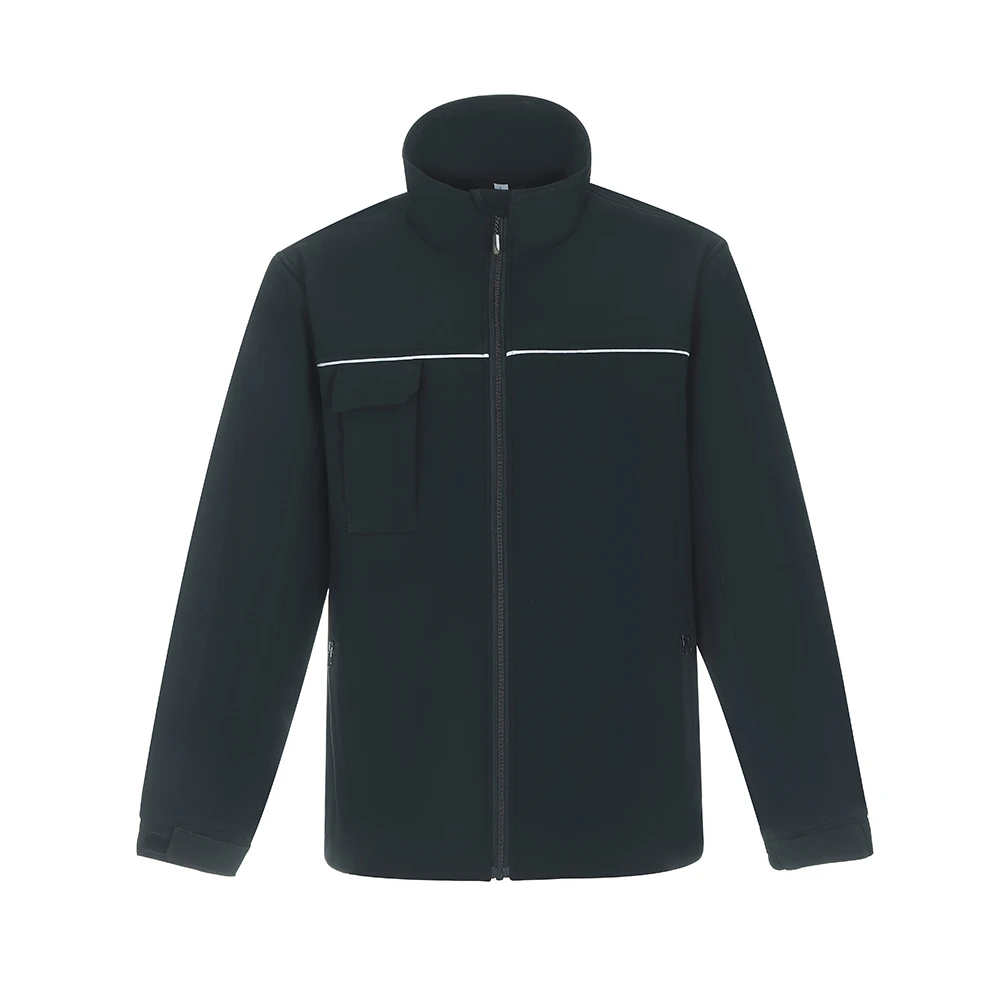
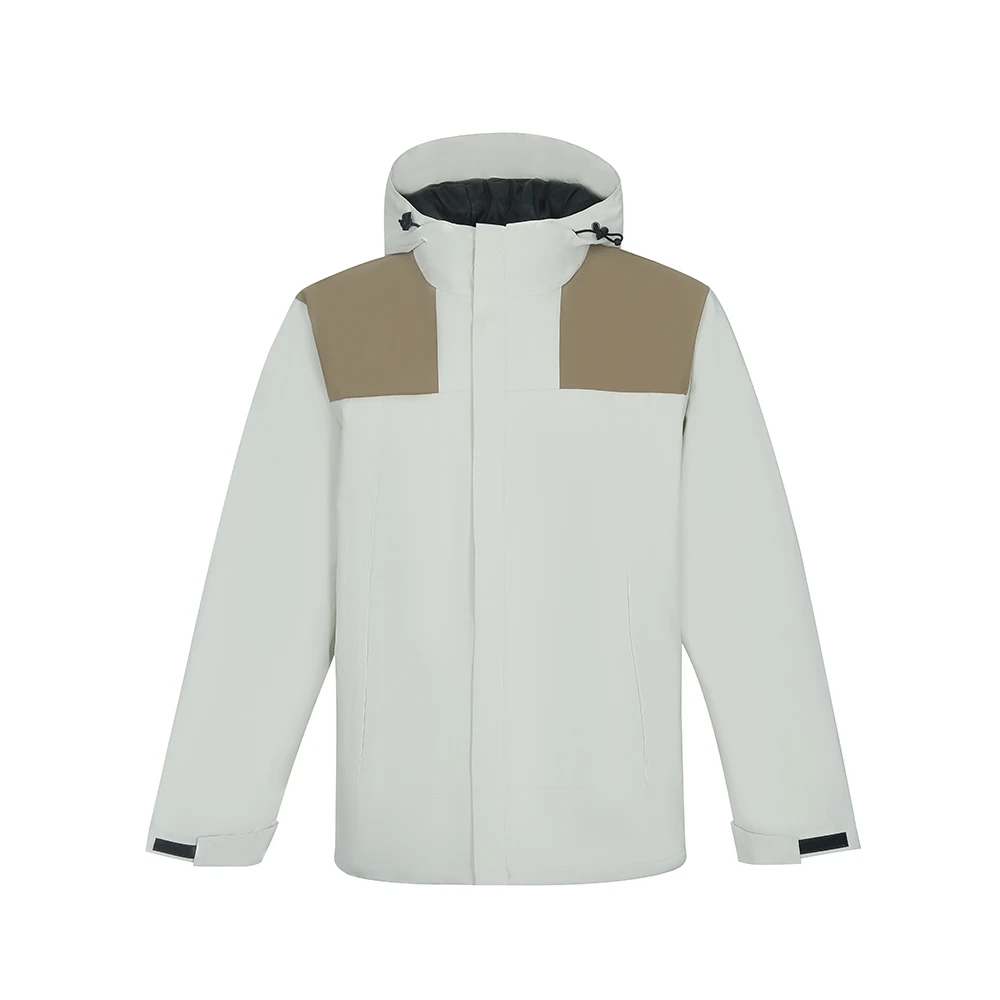
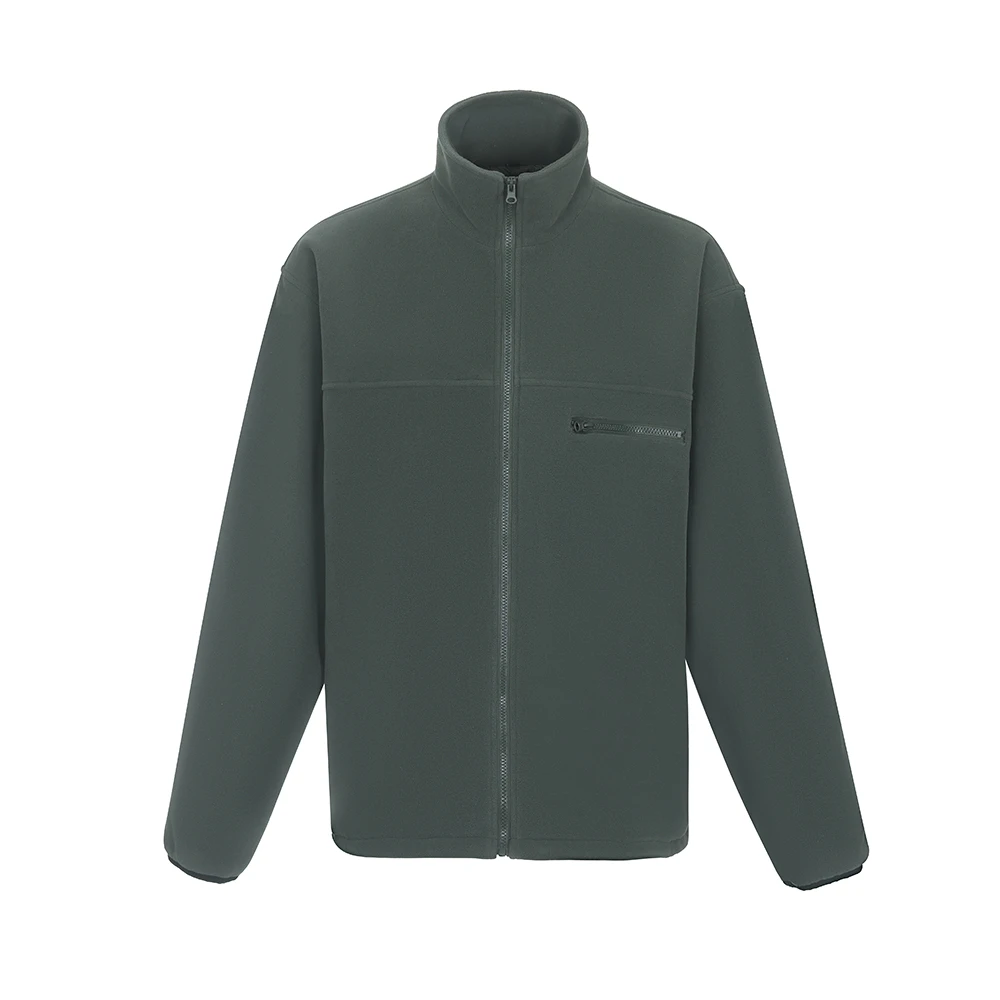
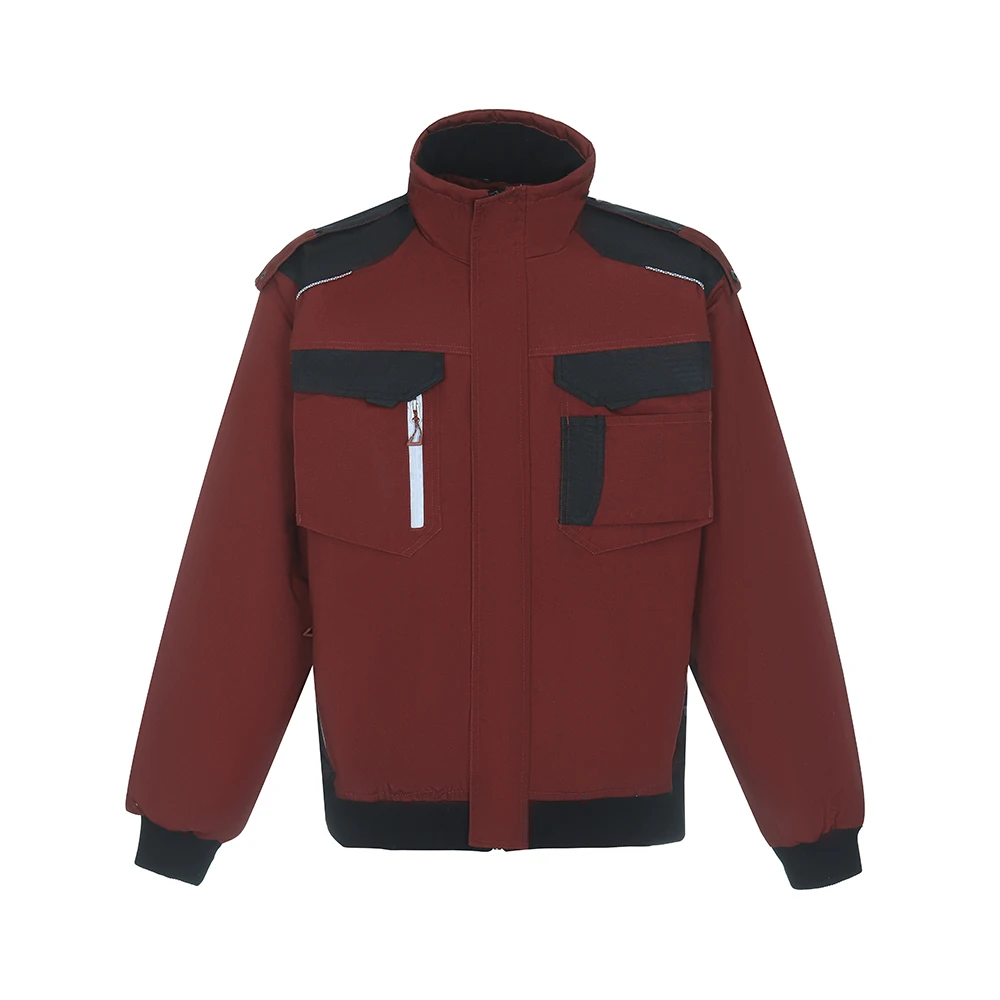
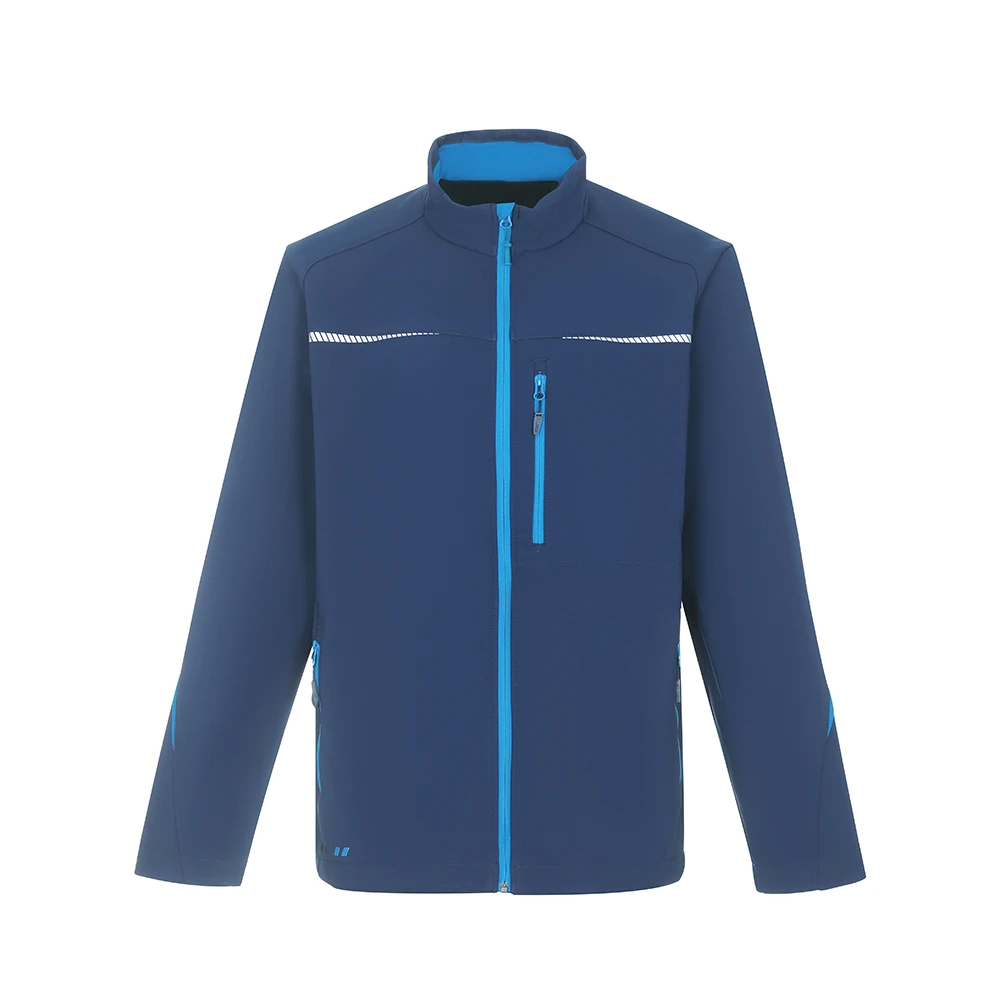
Softshell Jacket: Windproof, Waterproof, Breathable & Hi-Vis
Why a softshell jacket still rules shoulder season gear
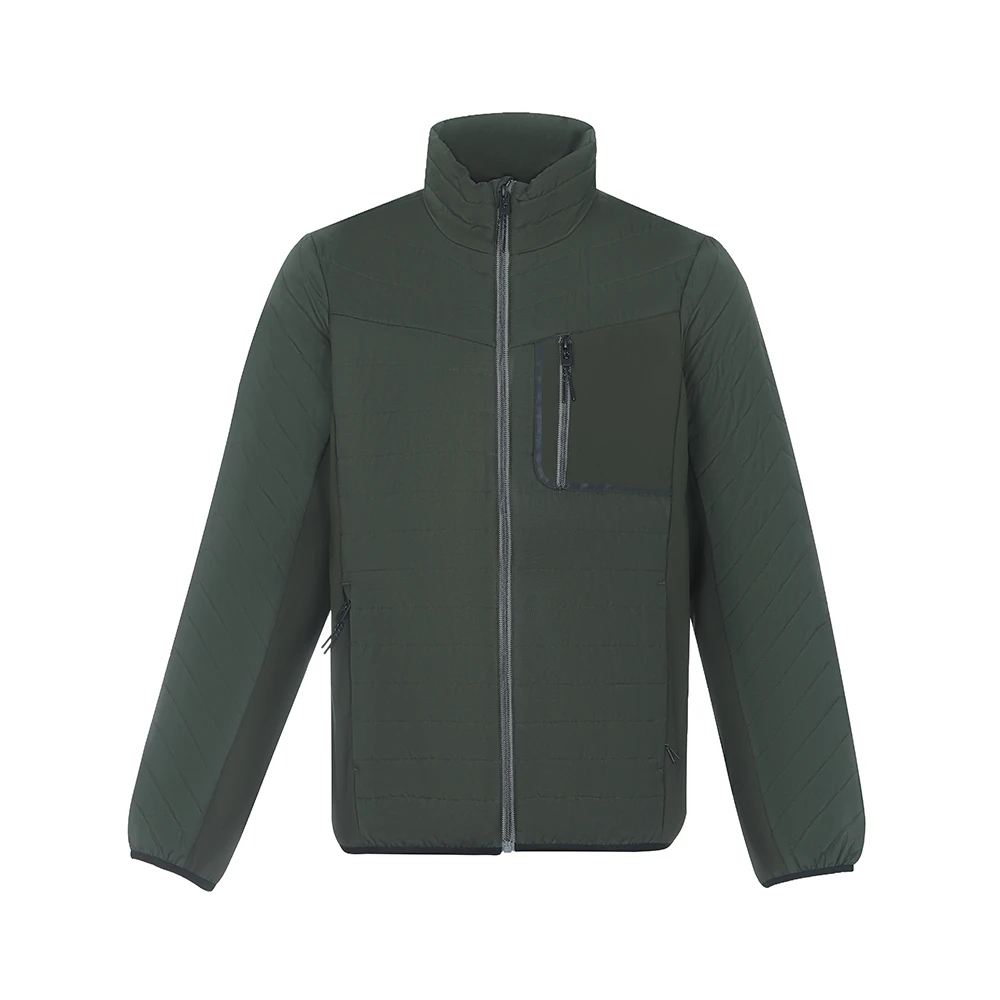
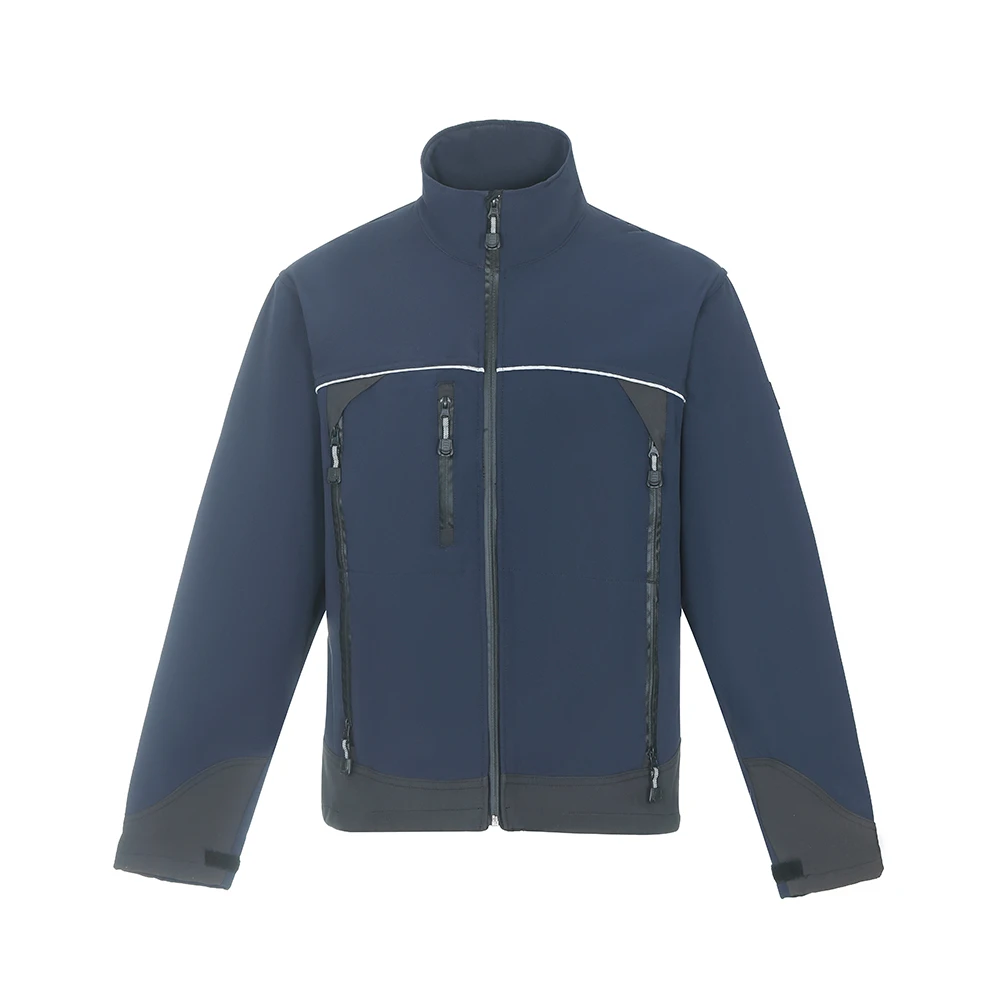
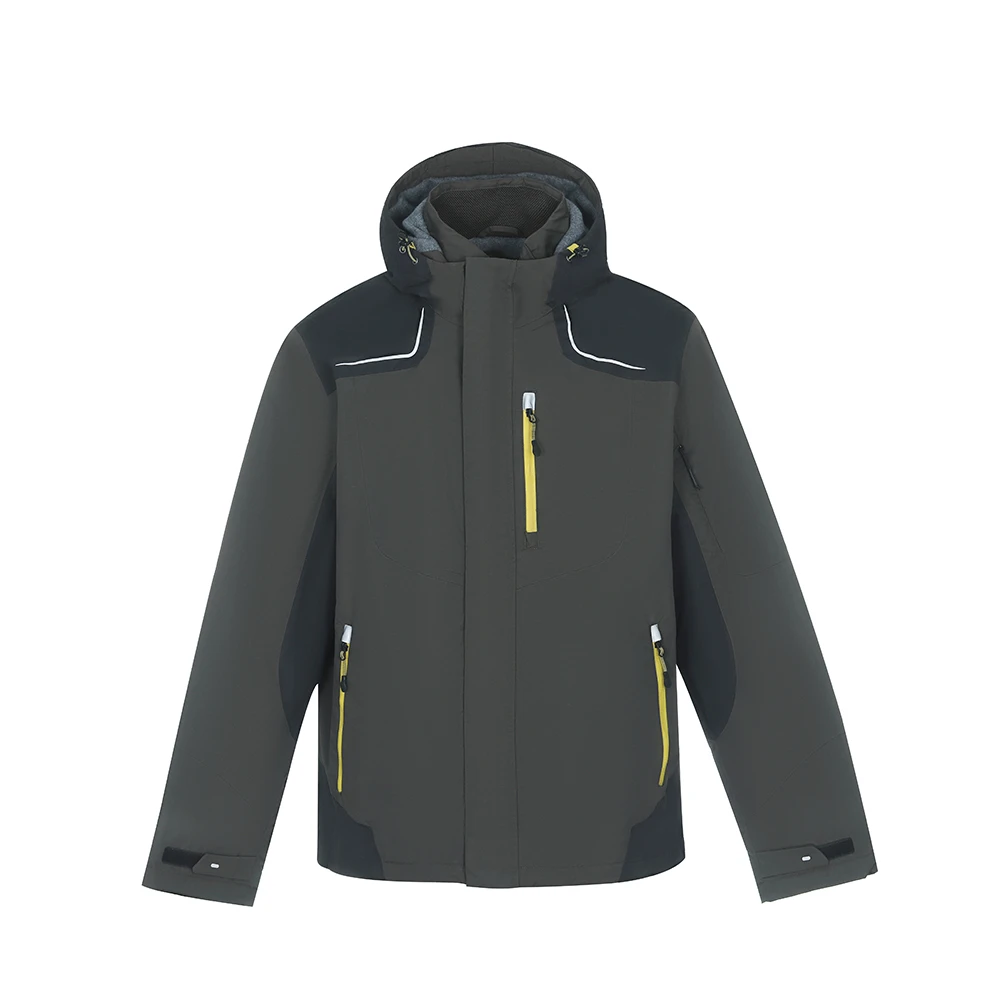
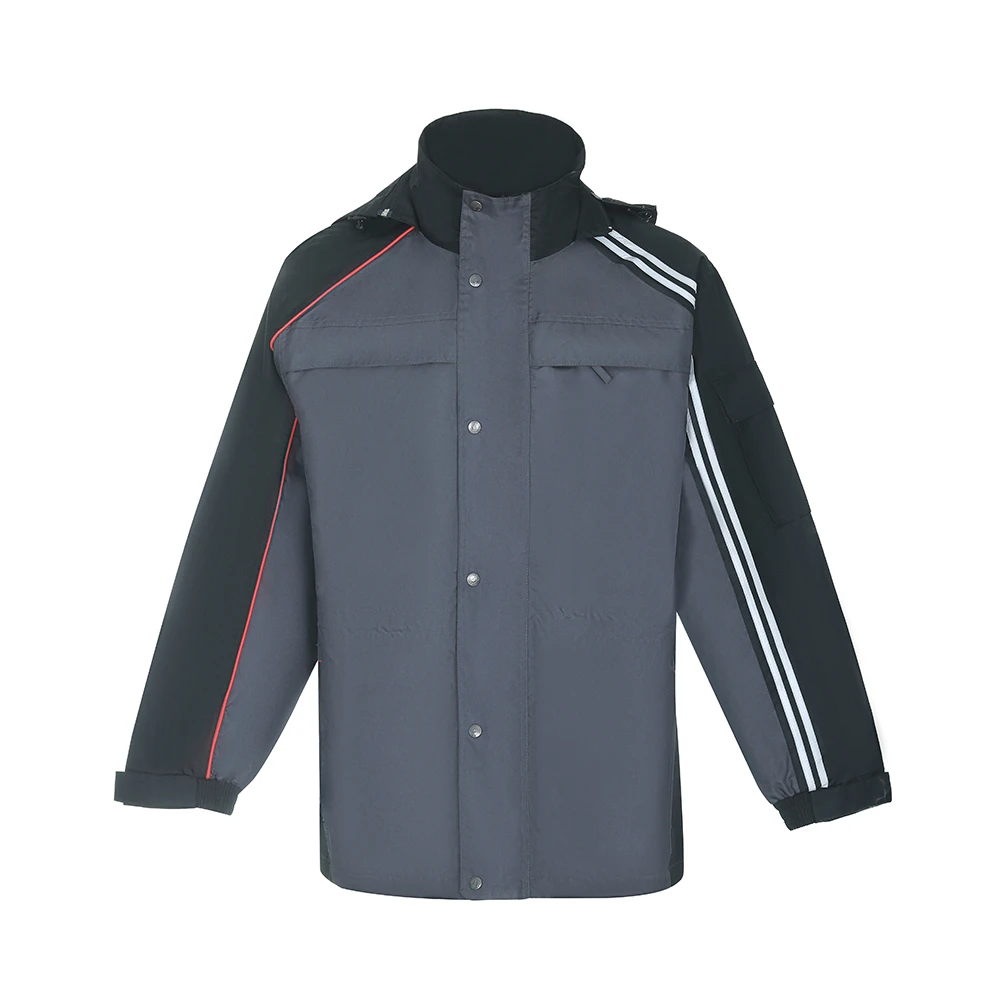
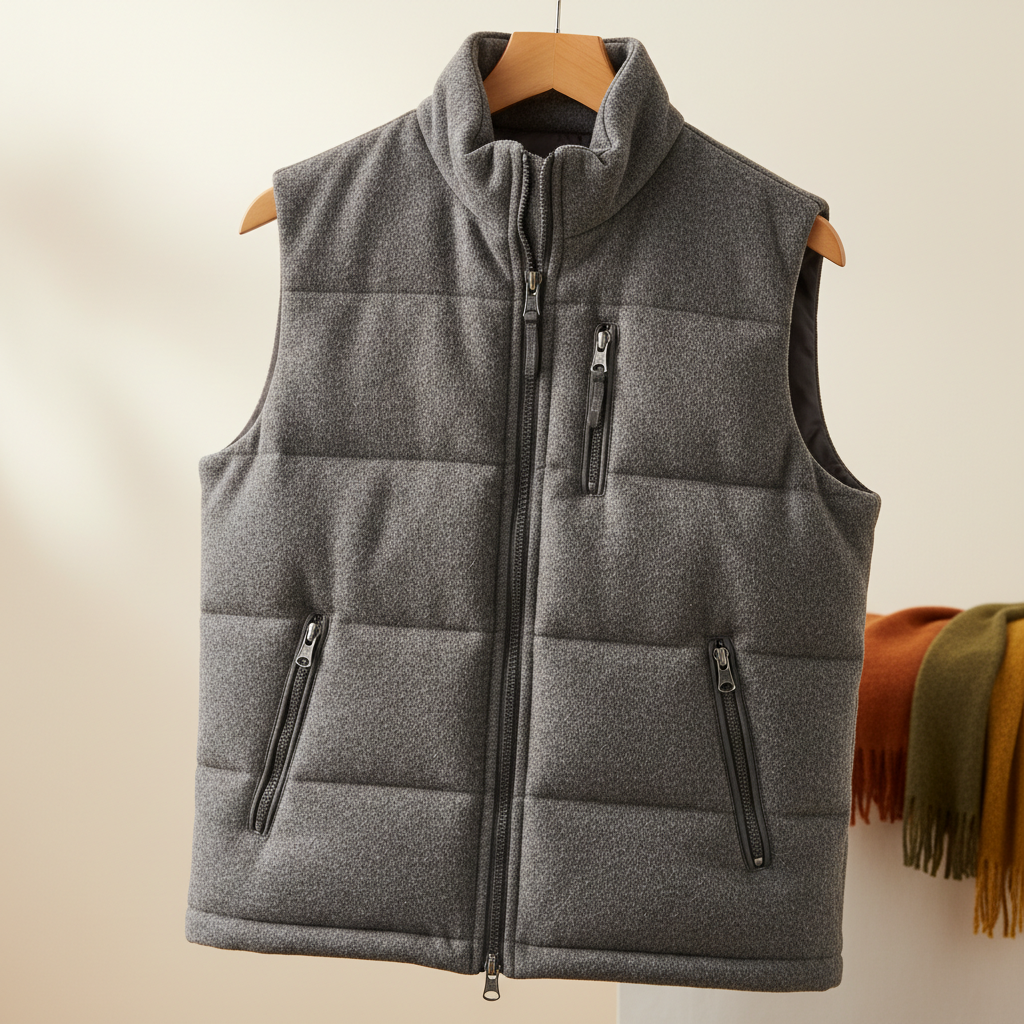
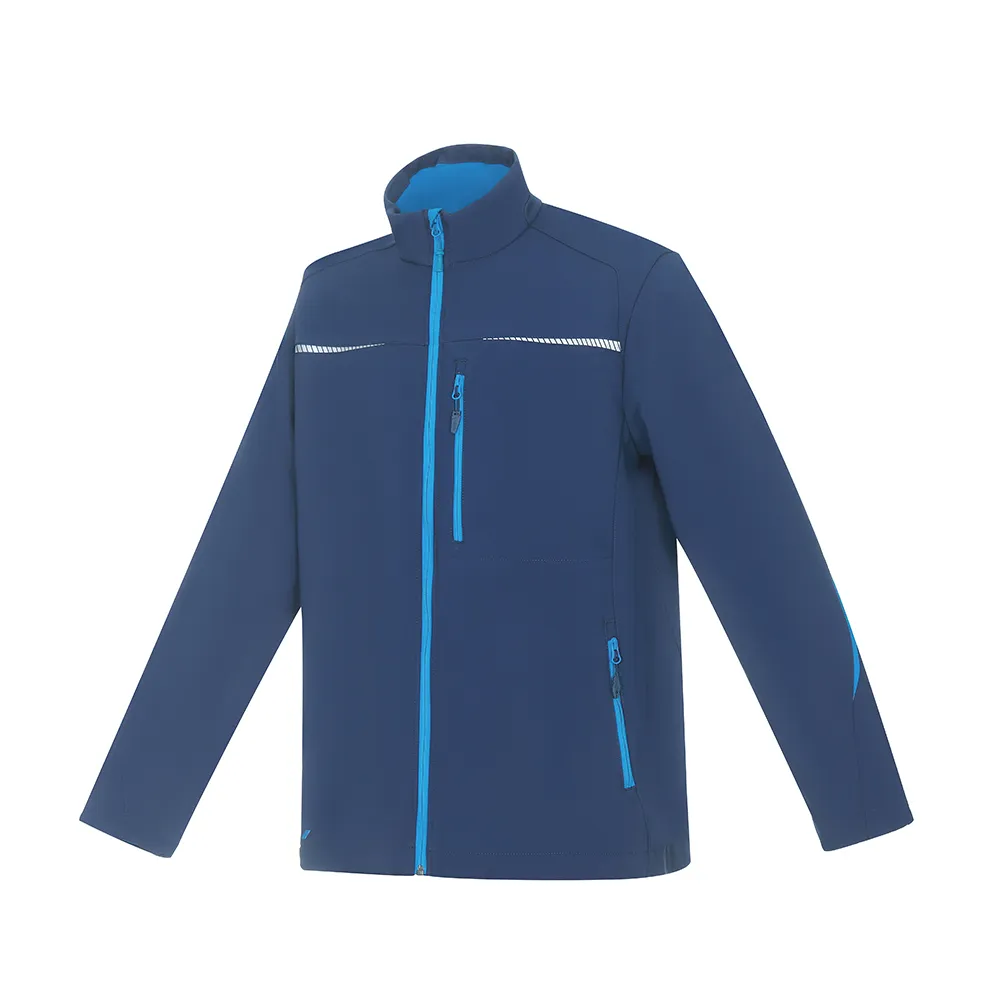
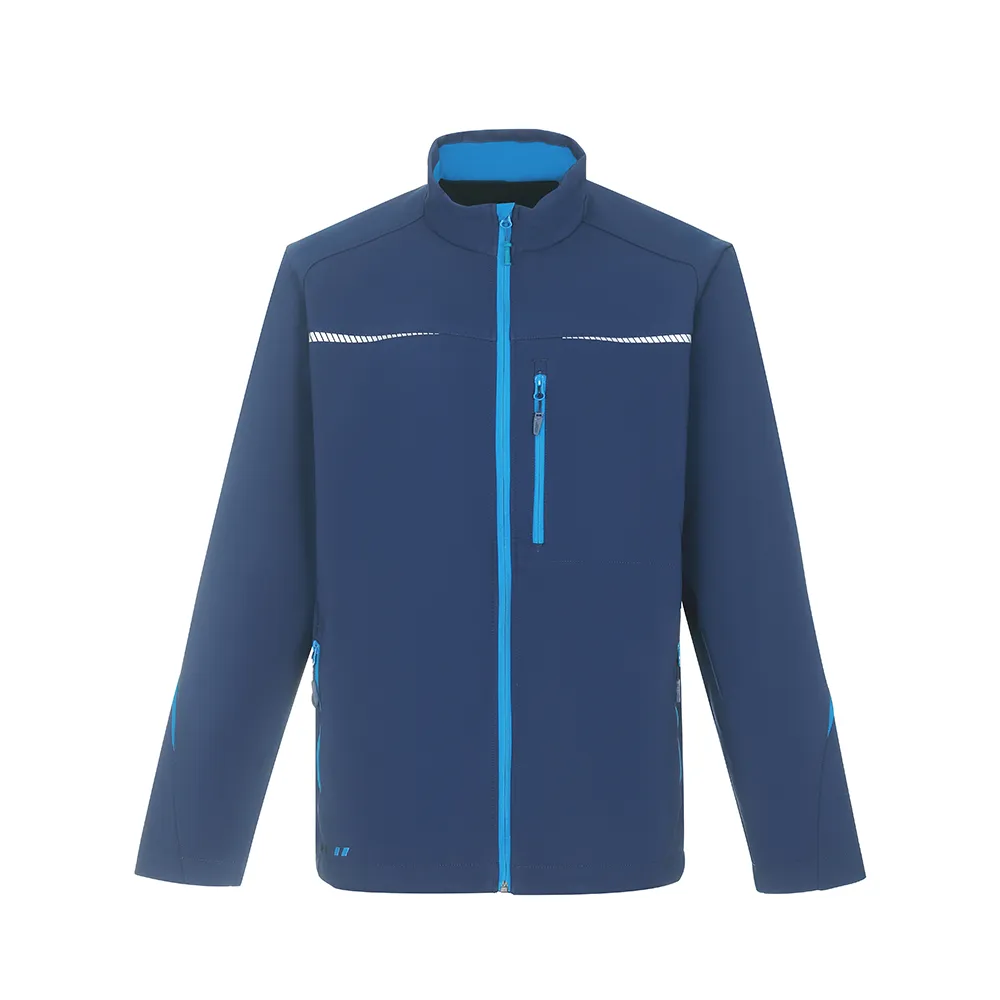
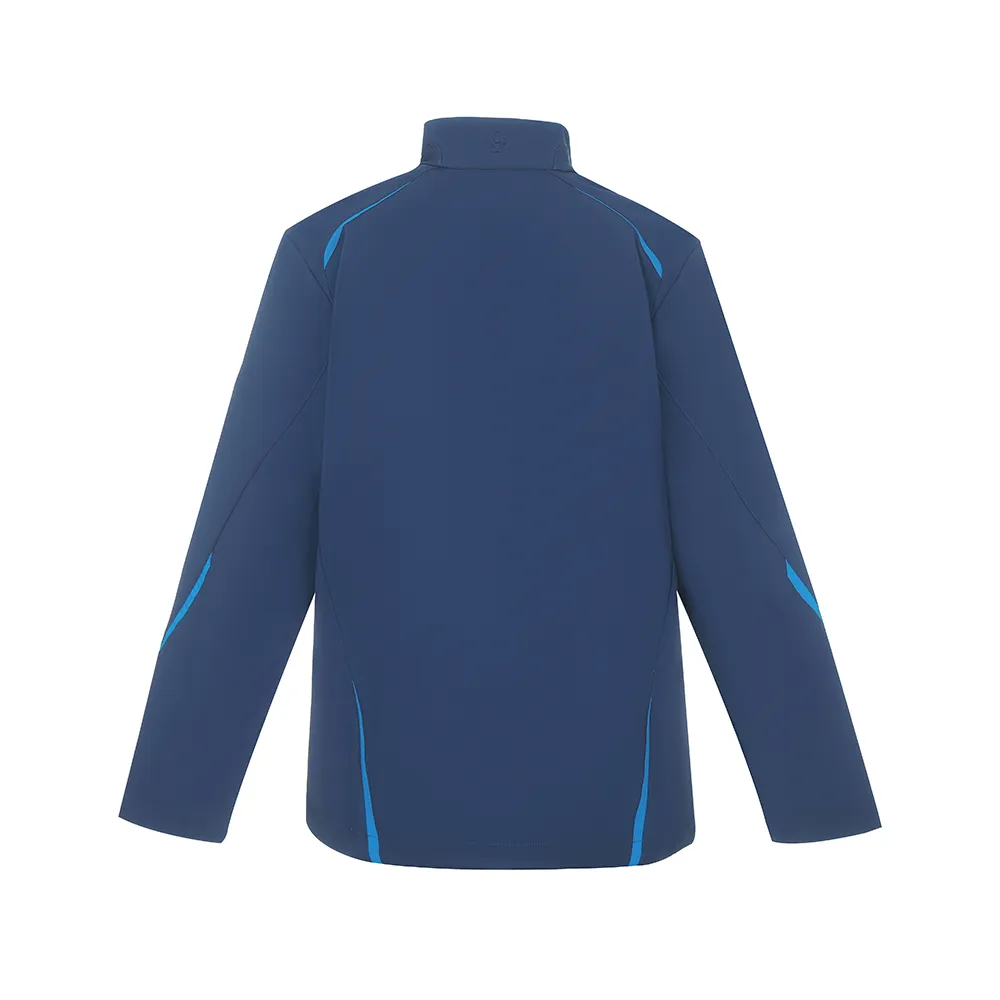
I’ve field-tested outerwear on wet job sites, windy ridgelines, and—less glamorously—rainy commutes. And to be honest, the modern softshell jacket has become the dependable middle ground: tough enough for drizzle and gusts, breathable enough for hustling up stairs or switchbacks. The model from QS Clothing (origin: Floor 15 Fortune Building, 24 Guangan Street, Shijiazhuang, Hebei, China) is a classic three-layer build: 100% polyester face + TPU membrane + fleece backer. Waterproof, windproof, breathable—yes, all three, and actually wearable day to day.
Where the softshell jacket fits in today’s market
Industry trend? Hybrids. Brands are blending flexible woven faces with TPU or PU films to balance storm-worthiness and airflow. In fact, buyers across utilities, logistics, facility management, and outdoor retail want one piece to handle 70–80% of conditions. Many customers say they grab their softshell jacket first because it “just works” from parking lot to plant floor.
Product specification (real-world oriented)
| Fabric | 100% polyester face + TPU membrane + fleece backer | 3-layer construction |
| Waterproof rating | ≈ 8,000–10,000 mm (ISO 811) | Real-world use may vary after washes |
| Breathability | ≈ 5,000–8,000 g/m²/24h (MVTR) | Balanced for active work |
| Windproof | ≤ 5 L/m²/s (ISO 9237) | Low air permeability |
| Sizes & Colors | S–4XL; any color by request | Customization available |
| Finish | DWR on face; YKK-style zips optional | DWR reproofing extends life |
Manufacturing process flow (how it actually gets made)
Materials sourcing → Fabric lamination (polyester/TPU/fleece) → DWR application → CAD cutting → Panel bonding/stitching → Trims & zips → Bar-tacks at stress points → Final wash/press → QC.
Testing typically includes: ISO 811 hydrostatic head; AATCC 22 spray rating; ISO 9237 air permeability; ISO 12947 Martindale abrasion; colorfastness to laundering (ISO 105-C06). Service life? Around 3–5 years with periodic DWR refresh, depending on abrasion cycles and wash care. I guess heavy field crews may hit the upper limits sooner.
Use cases and feedback
- Field services and utilities: good for wind, light-to-moderate rain.
- Warehouse and last-mile: stretch, pockets, easy layering.
- Travel and corporate teams: branded versions look sharp without being too “technical.”
Customer notes: many report a soft hand-feel, quiet fabric (less “crinkle”), and stable sizing. Some prefer pit zips; others like a cleaner chest vent—QS can do either in custom runs.
Certifications and compliance
Typical factory credentials include ISO 9001 for quality systems; materials often available with OEKO-TEX Standard 100 and REACH-compliant chemistry. For workwear buyers in the EU, EN 343 guidance helps frame expectations for rain protection, though most softshell jacket builds prioritize breathability over seam sealing.
Selected test data (one production lot)
AATCC 22 spray rating: 90 after 20 washes; Martindale abrasion: ≈ 30,000 cycles before noticeable pilling; Hydrostatic head: ≈ 9,200 mm; Air permeability: very low (measured per ISO 9237). Actual numbers vary by color and finish.
Vendor comparison (quick buyer snapshot)
| Vendor | MOQ | Lead Time | Customization | Certs | Price (EXW) |
|---|---|---|---|---|---|
| QS Clothing (Shijiazhuang) | ≈ 300 pcs/color | 30–45 days | Fabric, trims, logo, sizing | ISO 9001, OEKO-TEX options | $$ (value) |
| Vendor A (EU brand) | ≈ 100 pcs | 14–30 days (stock) | Limited (logo only) | EN 343-rated models | $$$ |
| Vendor B (US importer) | ≈ 500 pcs | 45–60 days | Full custom, higher MOQ | ISO 9001 | $$–$$$ |
Mini case study
A municipal utilities crew (coastal, windy, frequent drizzle) outfitted 600 techs with a branded softshell jacket. After a season, their internal survey cited better mobility and fewer “clammy” complaints versus older rain shells; procurement liked that jackets doubled as uniform pieces. Not scientific, sure, but telling.
Buying tips
- Ask for test reports: ISO 811, AATCC 22, ISO 9237, ISO 12947.
- Confirm DWR durability after ≥ 10–20 washes.
- Plan reproofing cycles for fleets (every 6–12 months, use-free dependent).
- If you need true rain gear, consider seam sealing or EN 343-rated options.
References
- ISO 811: Textiles—Determination of resistance to water penetration—Hydrostatic pressure test. https://www.iso.org/standard/55886.html
- AATCC 22: Water Repellency—Spray Test. https://www.aatcc.org/
- ISO 9237: Textiles—Determination of the permeability of fabrics to air. https://www.iso.org/standard/36657.html
- ISO 12947 (Martindale): Determination of abrasion resistance of fabrics. https://www.iso.org/standard/76177.html
- OEKO-TEX Standard 100. https://www.oeko-tex.com/