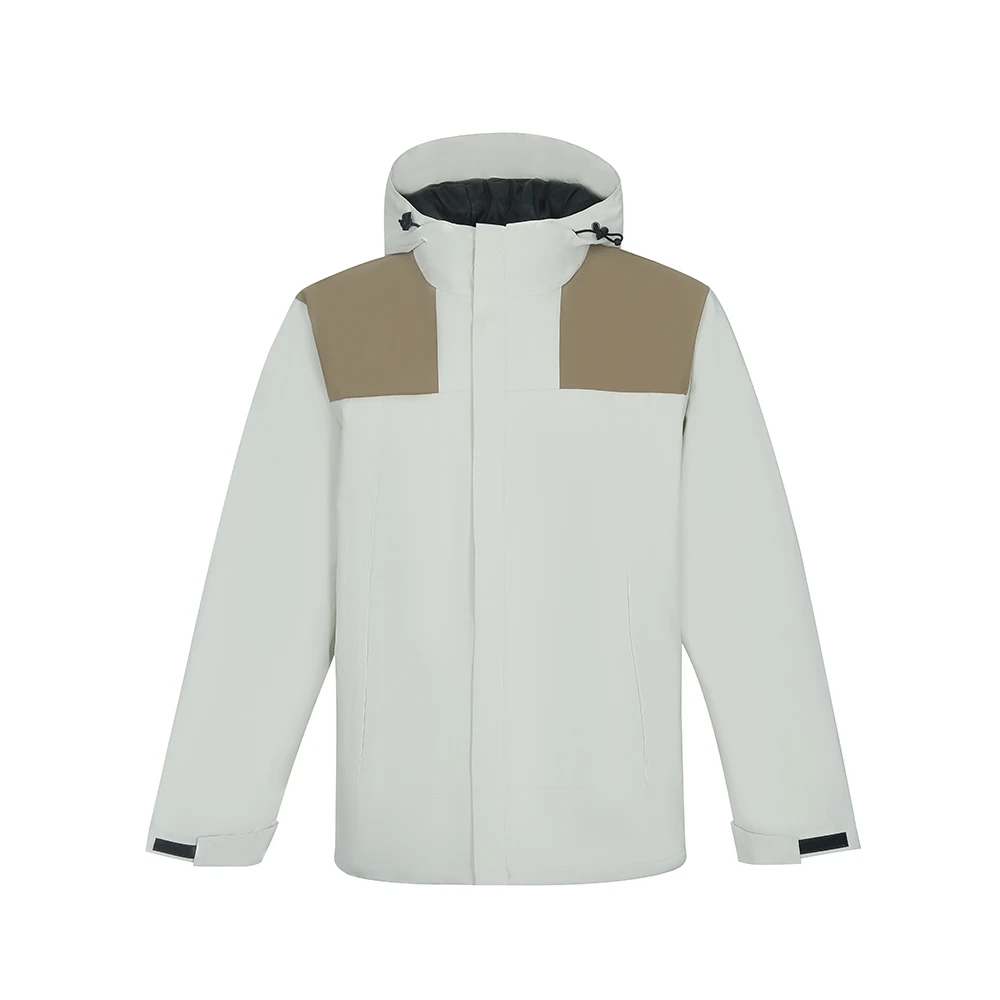
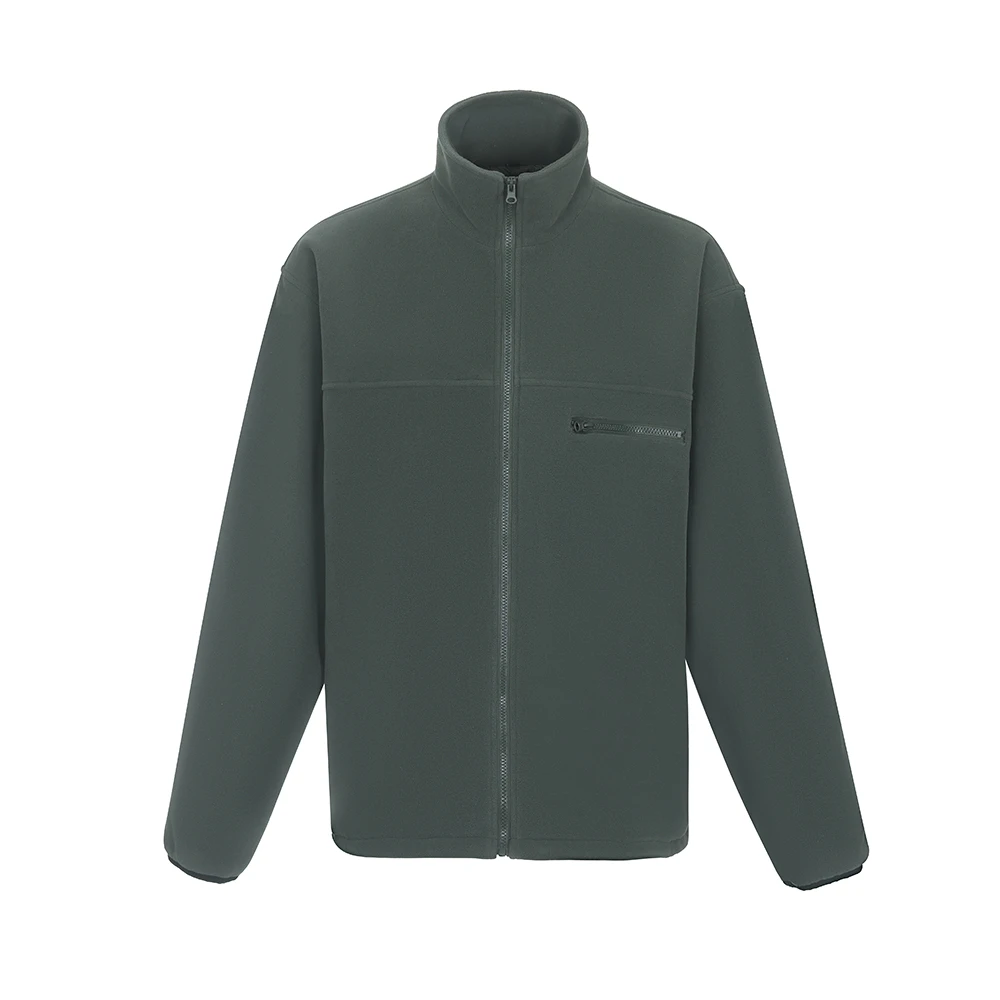
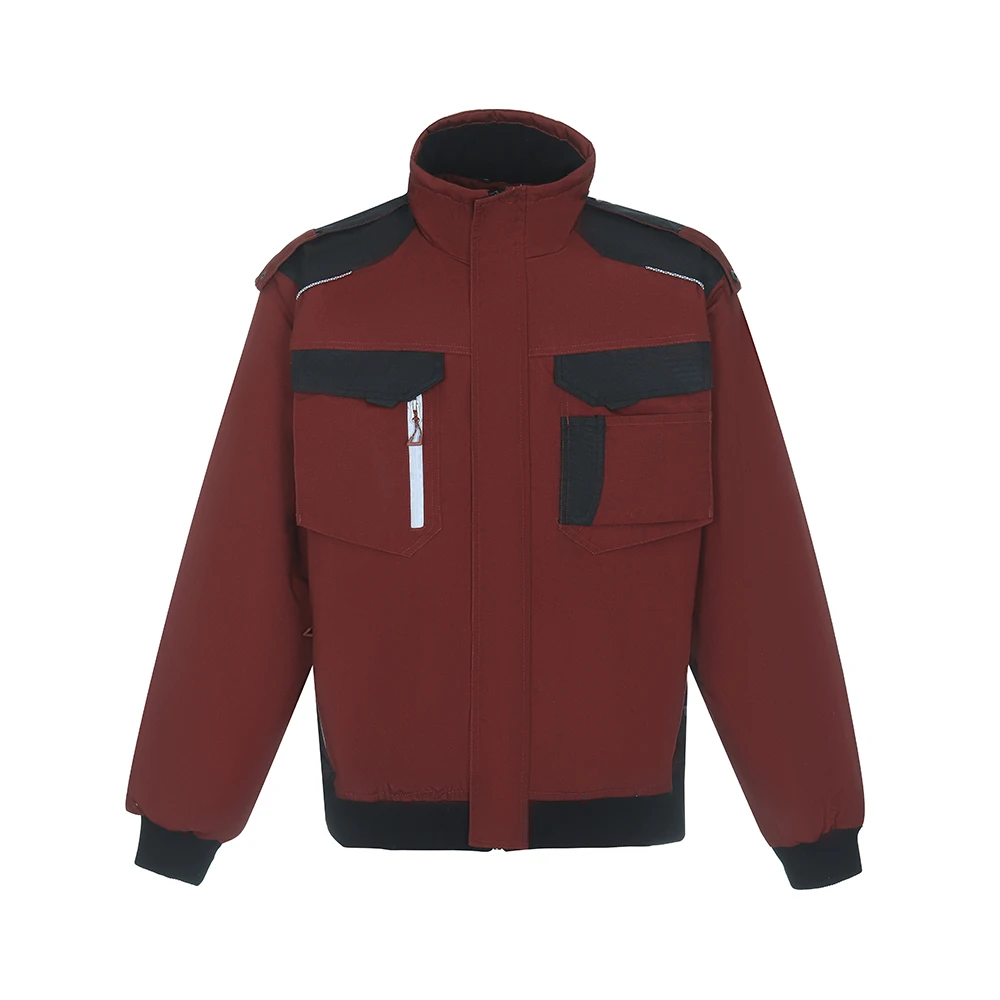
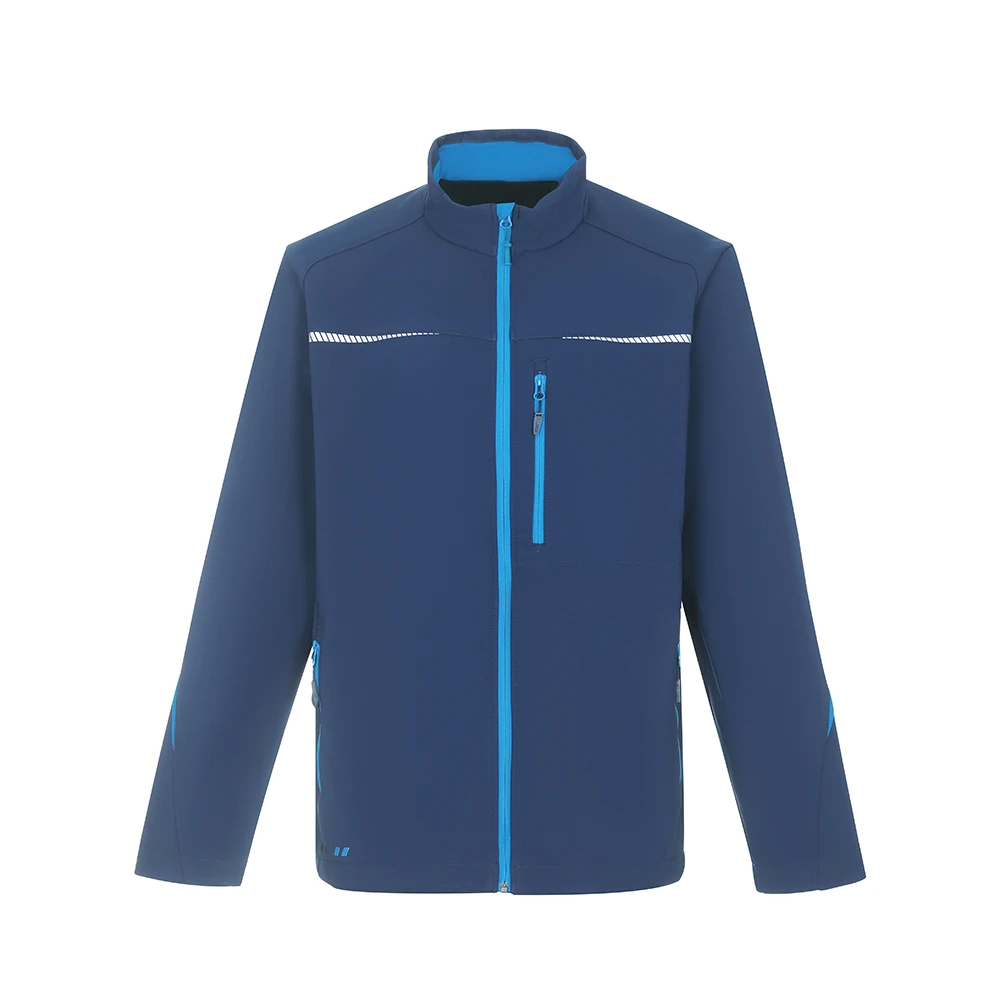
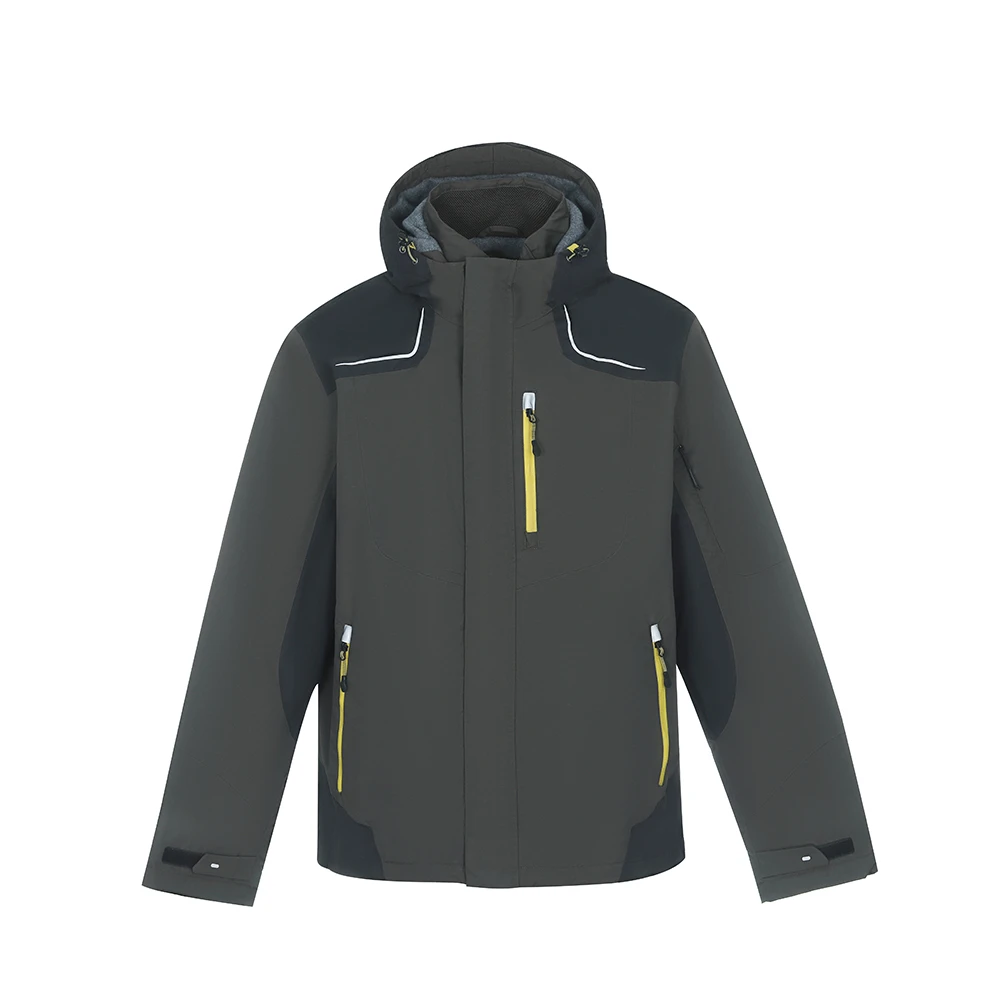
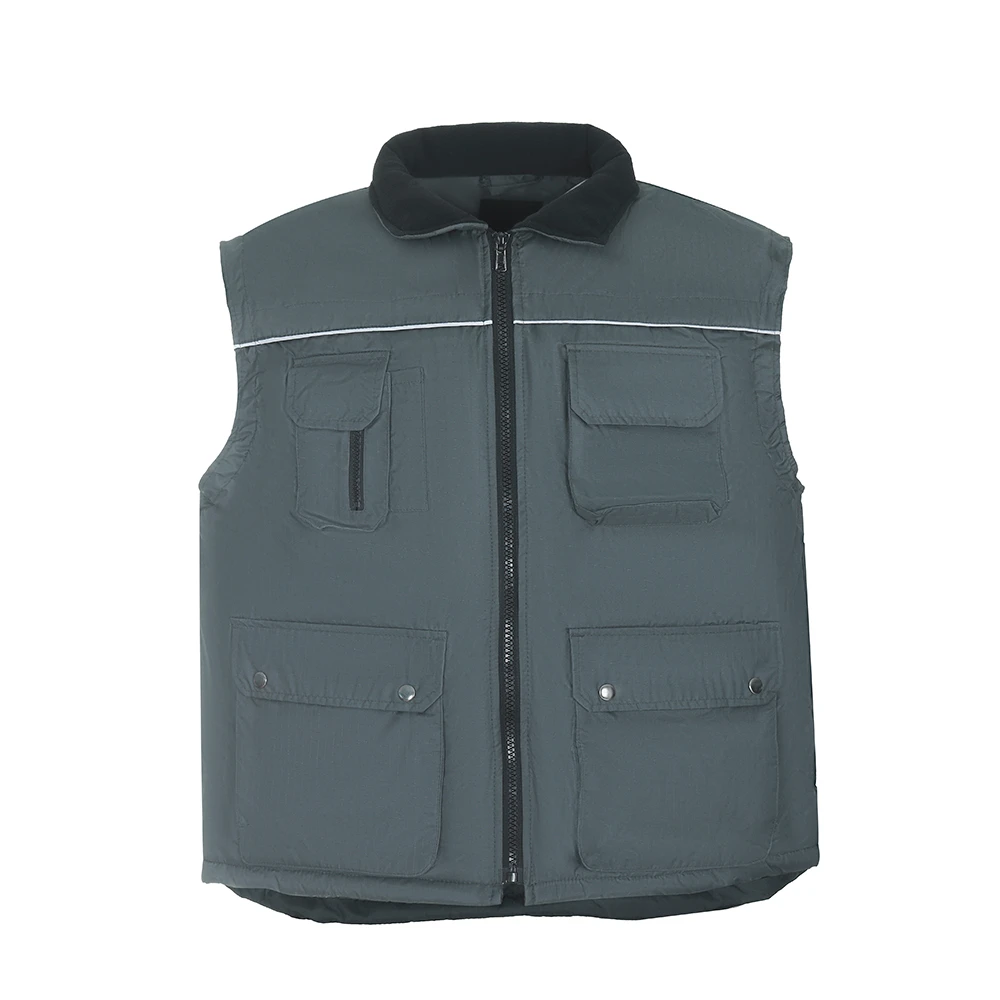
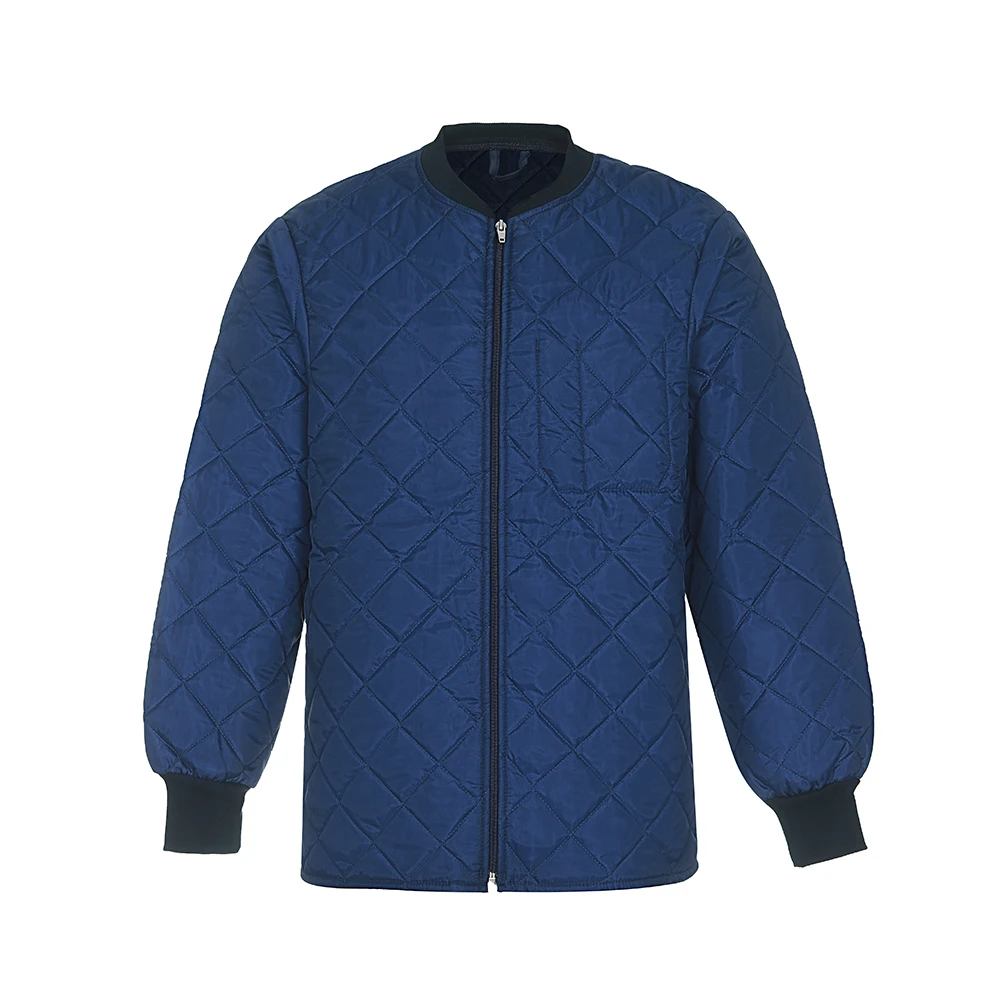
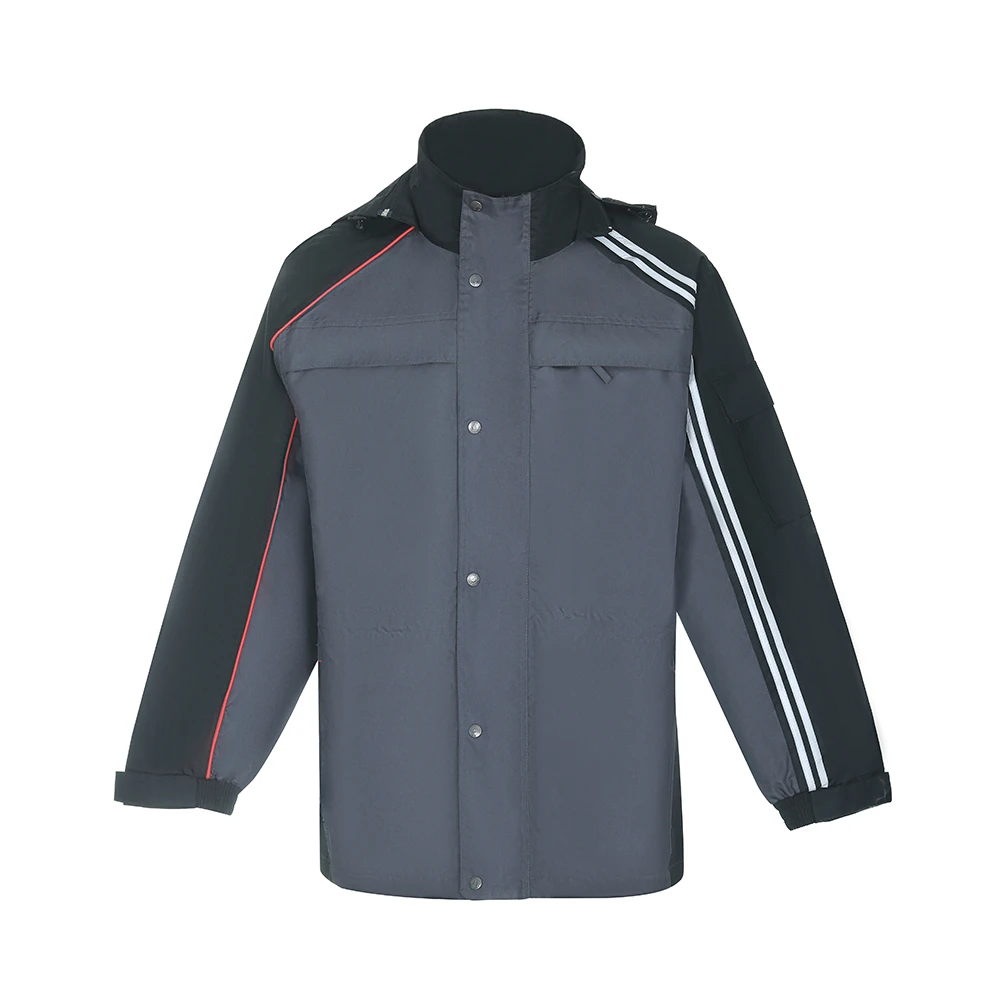
Need a Workwear Jacket that's Durable, Waterproof, Warm?
Softshell Jacket for Pros: field notes from the jobsite
If you spend time on scaffolds, windy ports, or warehouse docks, you learn fast what matters in a workwear jacket: weather protection, breathability, and pockets where you actually need them. To be honest, the latest crop of softshells feels like the industry finally listened.
What’s trending in workwear
The shift is clear: durable softshells are replacing bulky rain shells for 80% of field days. Why? Stretch fabrics reduce fatigue, and modern membranes balance wind/rain resistance with breathability. Actually, sustainability is creeping in too—buyers ask for OEKO‑TEX-certified textiles and REACH-compliant dyes more than ever. Branding is getting smarter: company colors, reflective trims, and modular pockets are standard requests.
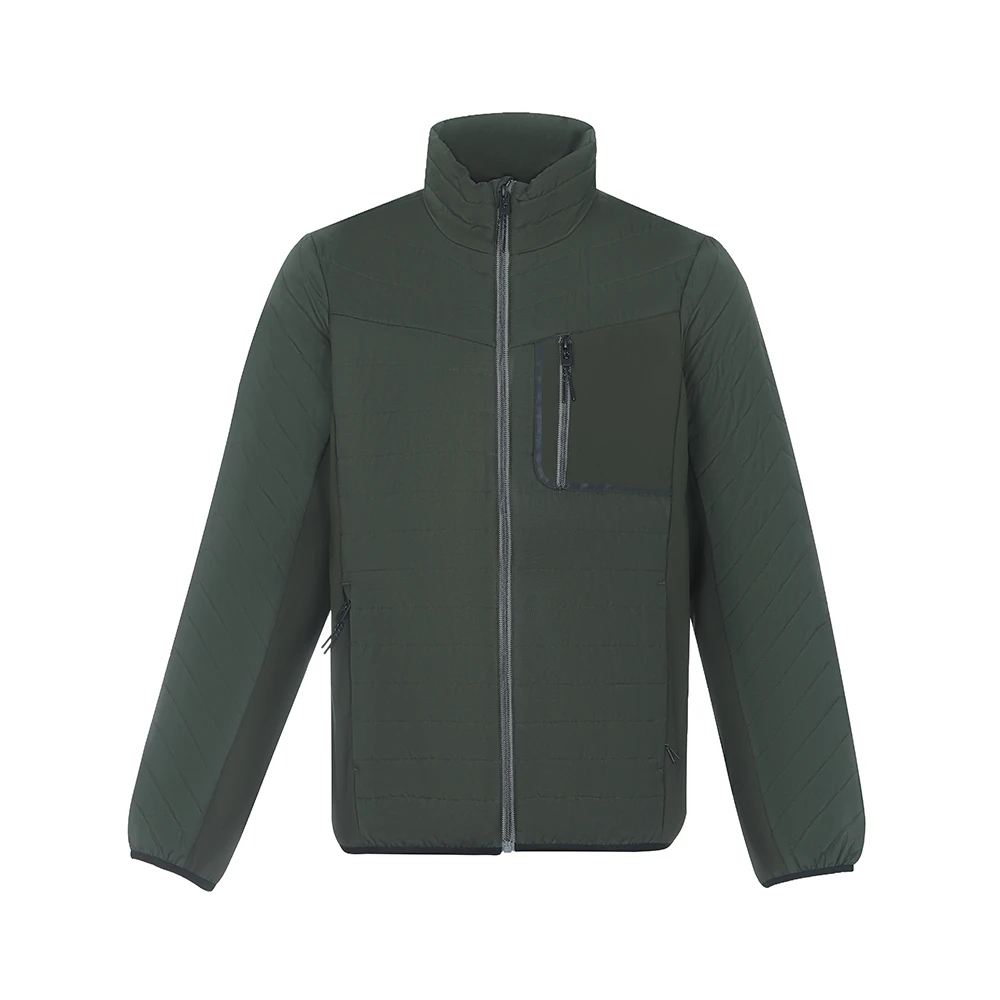
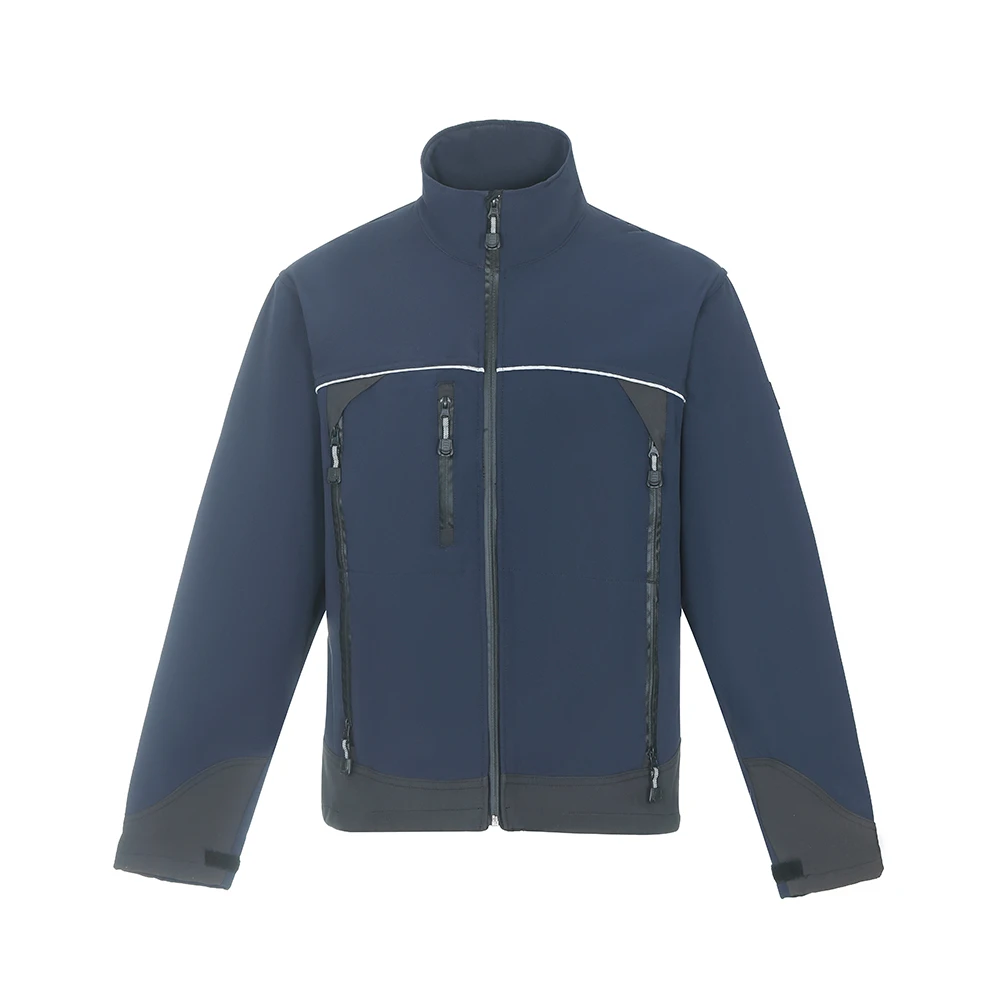
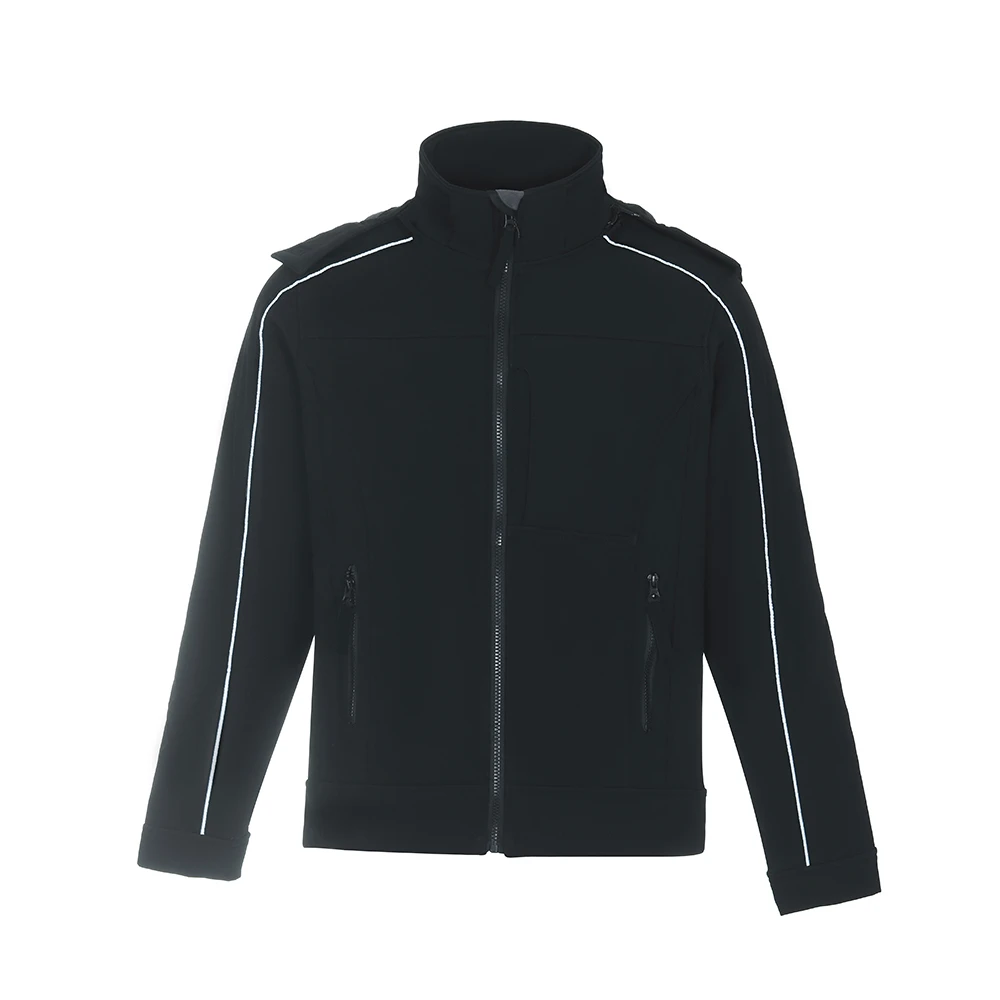
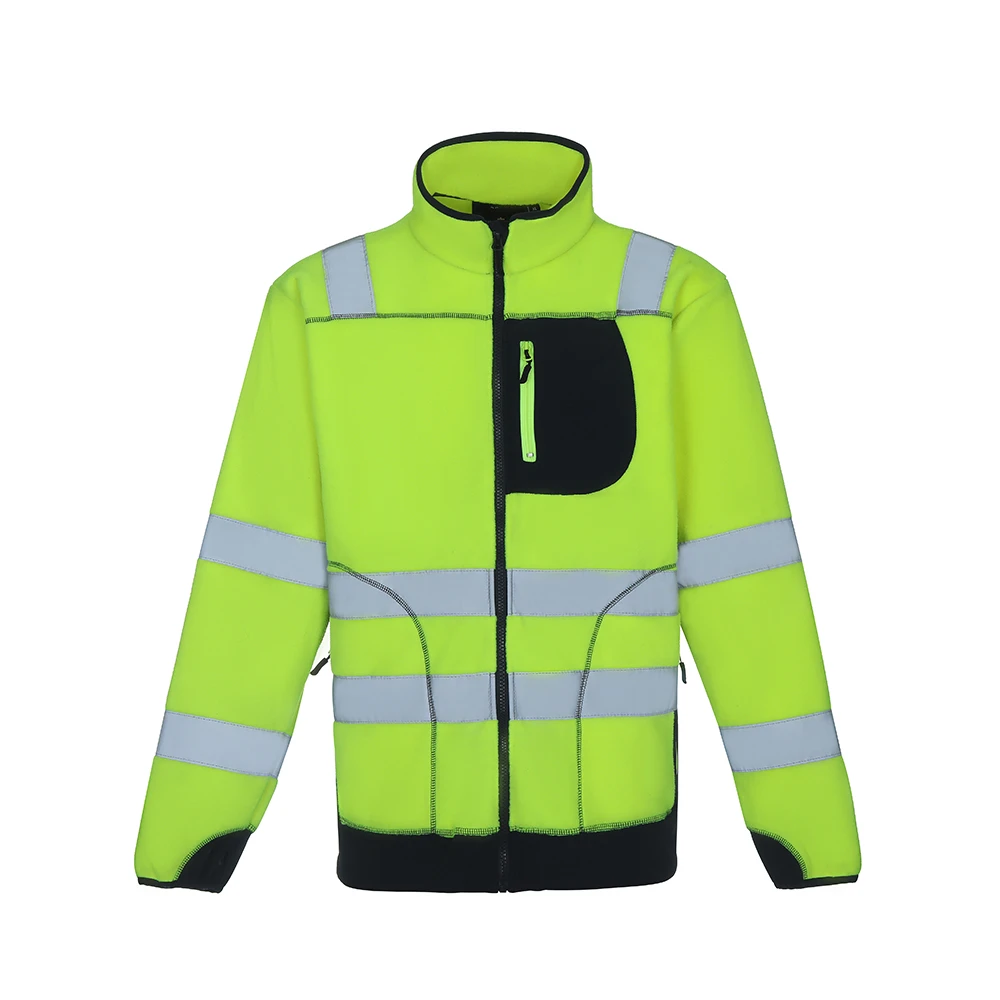
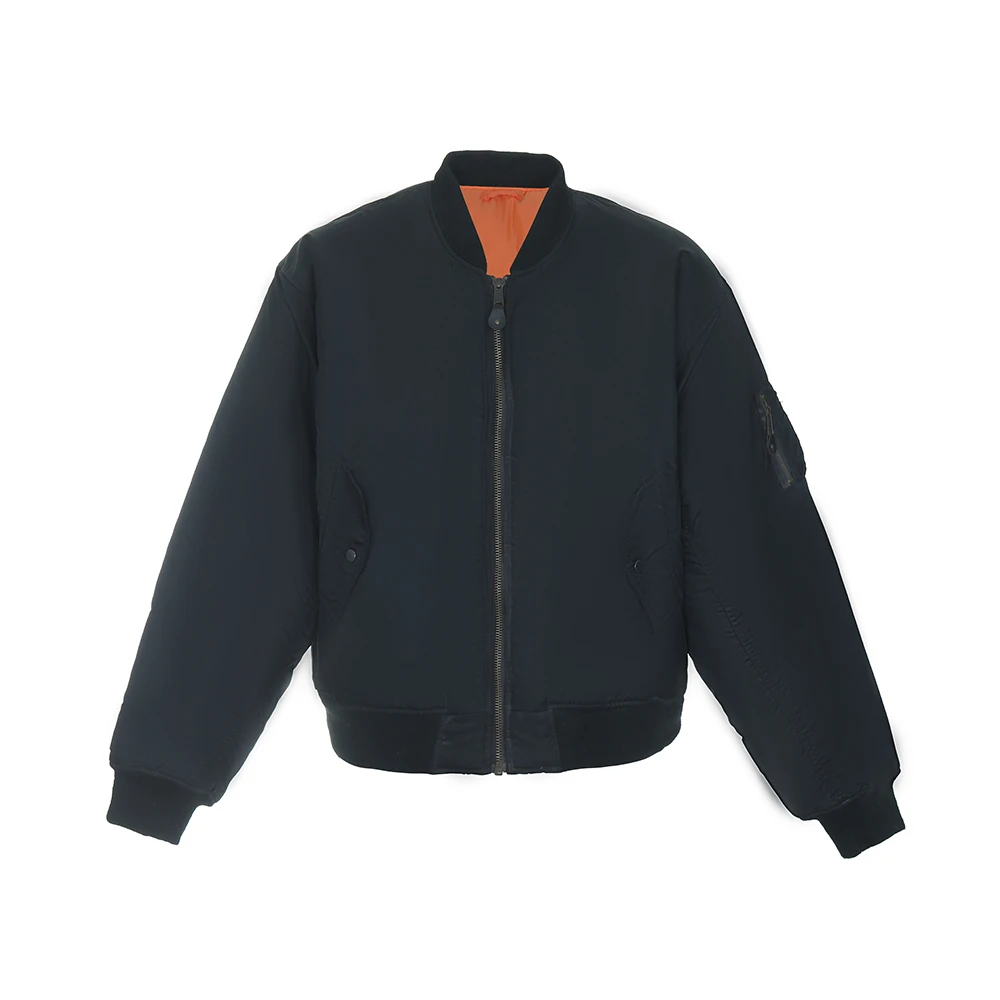
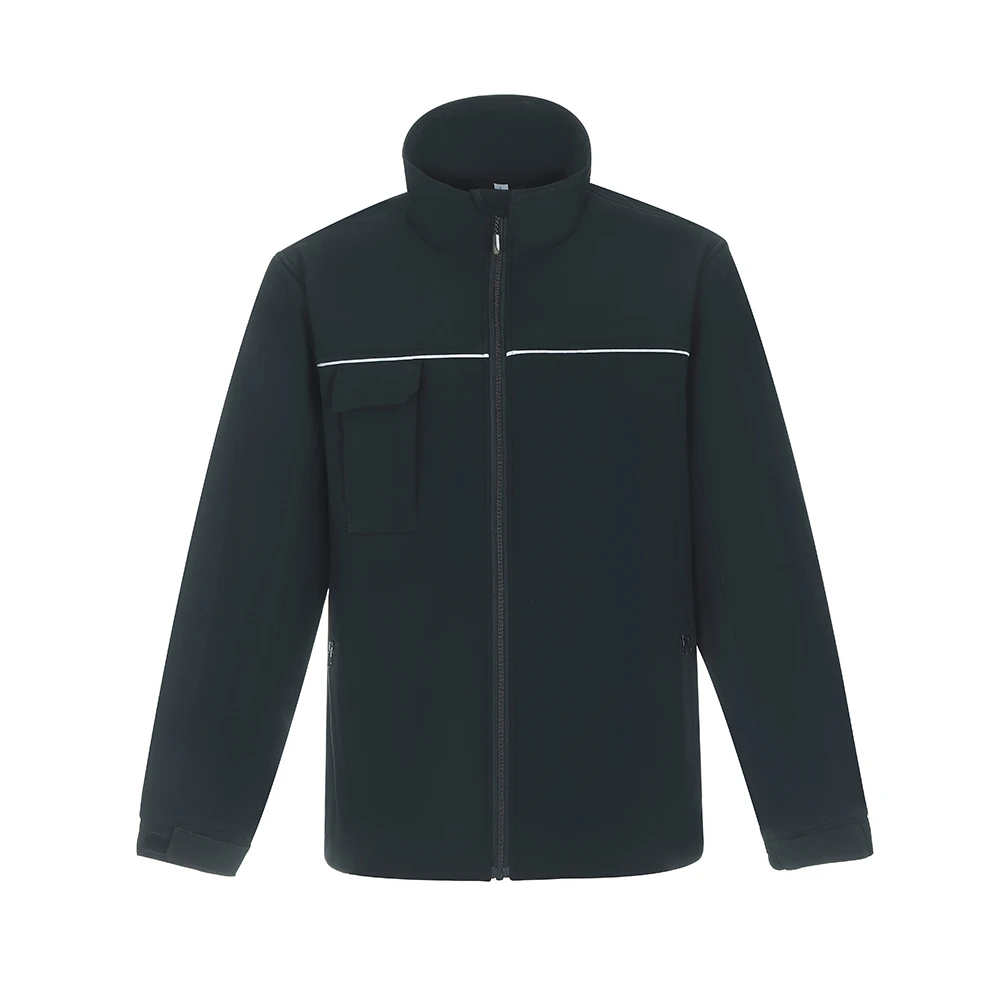
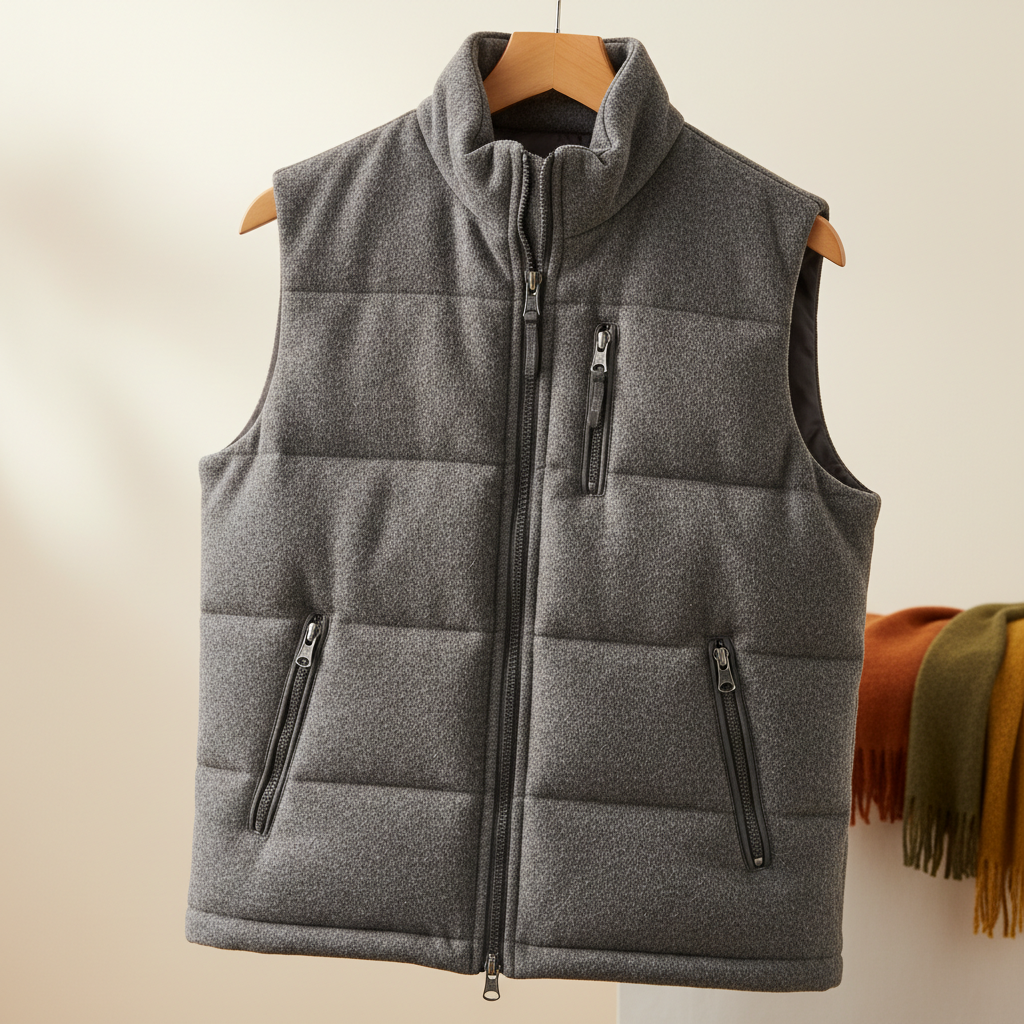
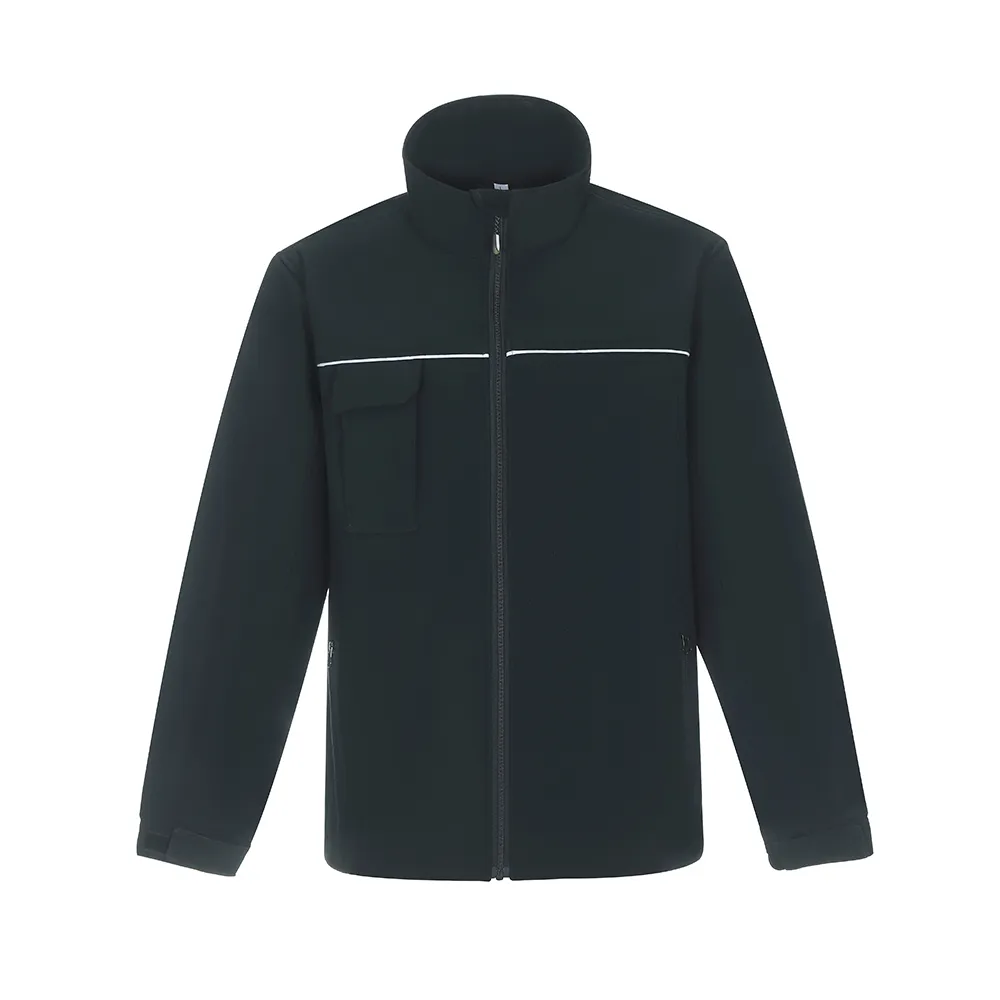
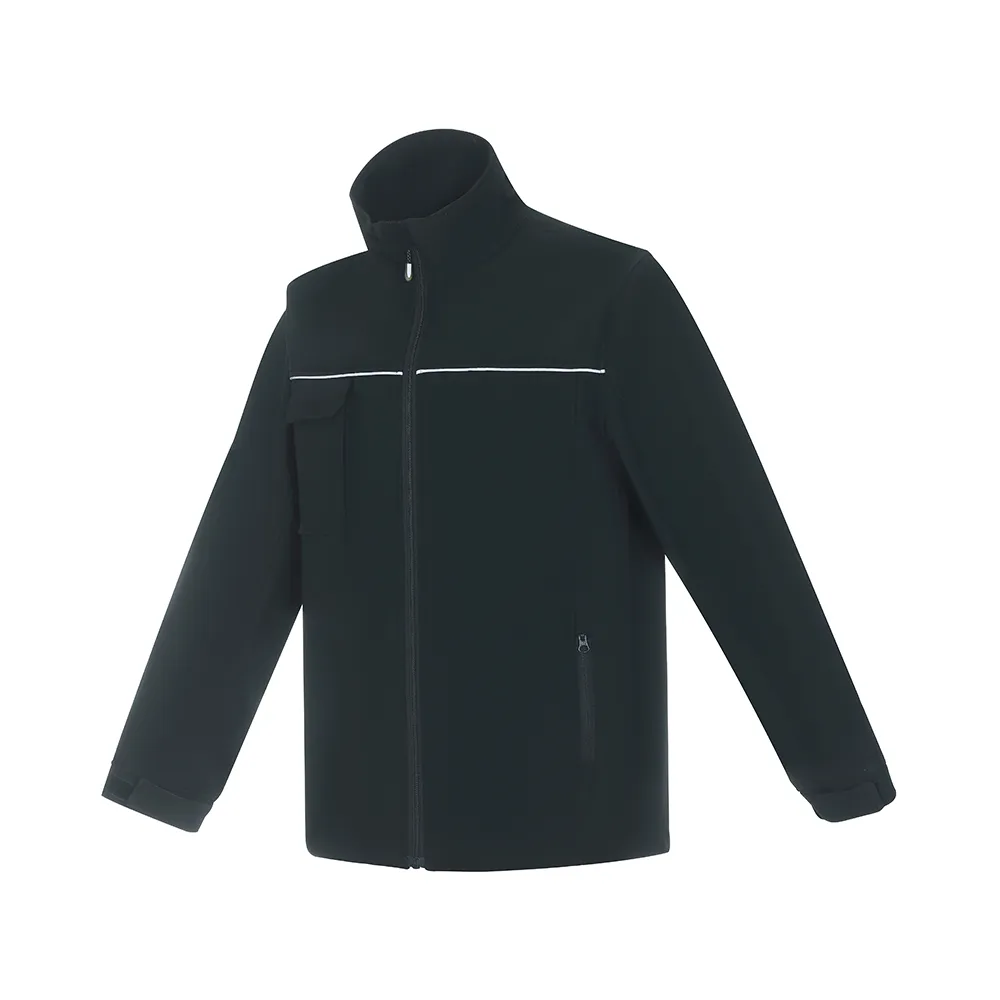
Product snapshot: Softshell Jacket (QSCLOTHING)
Fabric stack is practical: 96% polyester, 4% spandex + TPU membrane + fleece backer; front lining only (100% polyester). Waterproof, windproof, breathable—yes, the trifecta. Sizes S–4XL, with full customization of size runs and colors. Origin: Floor 15, Fortune Building, 24 Guangan Street, Shijiazhuang, Hebei, China.
| Parameter | Spec (≈ real-world) | Notes |
|---|---|---|
| Fabric & build | 96% poly / 4% spandex + TPU + fleece | Stretch outer, bonded membrane, warm inner |
| Water resistance | ≈ 8,000–10,000 mm HH (ISO 811) | Light to steady rain; seam choice affects result |
| Breathability | ≈ 5,000–8,000 g/m²/24h (ASTM E96) | Good for active crews |
| Abrasion | > 20,000 cycles (ISO 12947) | Shop-floor friendly |
| Weight | ≈ 280–320 gsm | Varies by customization |
| Service life | 2–4 winters | Assumes weekly wear; maintenance dependent |
Process flow and testing (how it’s built)
Materials selected → TPU lamination (bonding) → automated cutting → ergonomic panel stitching → pocket/bar-tack reinforcement → optional seam binding → QC. Tests typically include hydrostatic head (ISO 811), breathability (ASTM E96 or ISO 15496), air permeability (ISO 9237), and abrasion (ISO 12947). Some buyers request EN 343 rainwear compliance and OEKO‑TEX Standard 100 fabrics; totally doable on request.
Where a workwear jacket like this shines
- Construction, utilities, rail, logistics, field service, wind farms
- Cool, windy, or drizzly days when a shell is too crinkly and hot
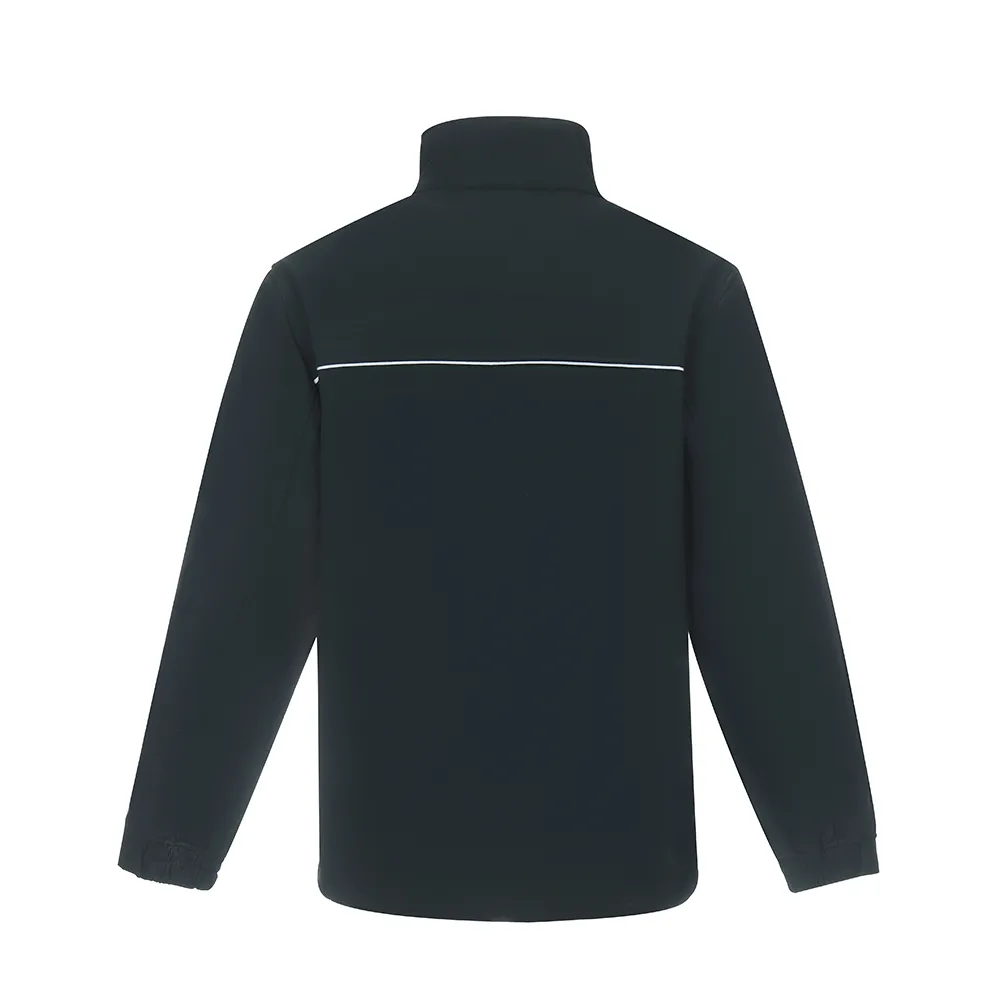
- Company uniforms with brand colors, reflective piping, and logo placements
Advantages I’ve noticed
- Stretch reduces fatigue across long shifts; surprisingly noticeable.
- Fleece backer adds warmth without bulk—many customers say it’s “all-day wearable.”
- Pocket mapping can be customized (radio loops, ID windows, left-hand access).
Vendor comparison (summary view)
| Vendor | Customization | Lead Time | Certs (on request) | Price band |
|---|---|---|---|---|
| QSCLOTHING Softshell Jacket | Colors, sizes S–4XL, logos, pockets, trims | ≈ 25–40 days after approval | EN 343, OEKO‑TEX, REACH | Value-focused |
| Brand A (EU OEM) | Colorways, reflective, limited pattern edits | ≈ 45–60 days | EN 343, ISO 13688 | Premium |
| Brand B (APAC) | Basic logo/label, fixed pocket layout | ≈ 30–45 days | OEKO‑TEX (fabric) | Budget |
Customization and real-world feedback
Any color? Yes—brand palettes are matched. Size runs? Standard S–4XL or fully customized. Add-ons: reflective piping, storm flaps, zip garages, media pockets, cuff types. A facilities manager told me their crews “stopped swapping layers every hour,” which, I guess, is the point of a solid workwear jacket.
Two quick case studies
Northern wind farm: crews needed windproof warmth without rustle. Softshell spec with reinforced shoulders, radio loops, and drop tail—complaints dropped, retention ticked up. Urban delivery fleet: high-mobility cut with reflective piping; MVTR testing around 6,500 g/m²/24h kept riders dry on humid days.
Standards and certifications to ask for
EN 343 (rain protection), ISO 13688 (general requirements), ISO 811 (hydrostatic), ASTM E96 or ISO 15496 (breathability), ISO 12947 (abrasion). For materials safety, OEKO‑TEX Standard 100; chemical compliance under REACH. Not every workwear jacket needs all of them, but they’re the anchor points buyers use.
References
- ISO 13688: Protective clothing — General requirements
- EN 343: Protective clothing — Protection against rain
- ISO 811: Textiles — Determination of resistance to water penetration
- ASTM E96: Water vapor transmission
- ISO 15496: Measurement of water vapor permeability
- ISO 12947: Martindale abrasion
- OEKO‑TEX Standard 100