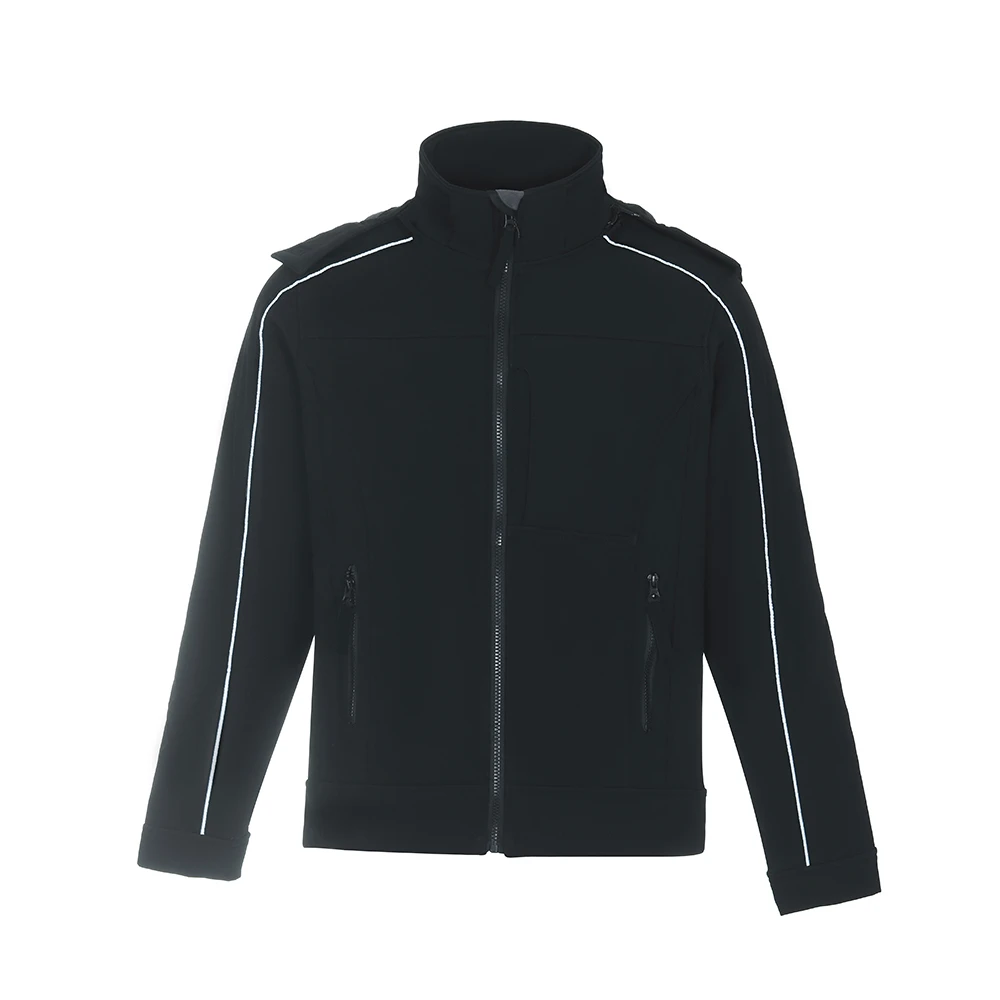
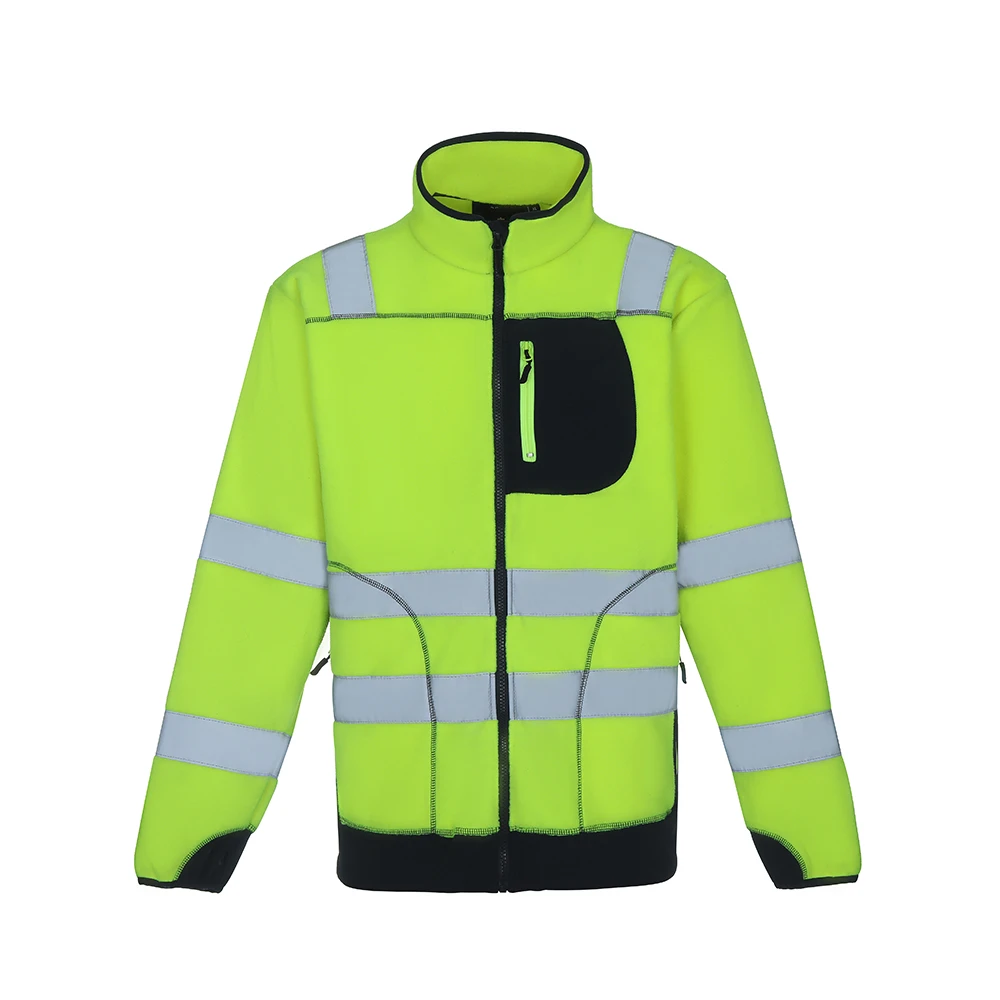
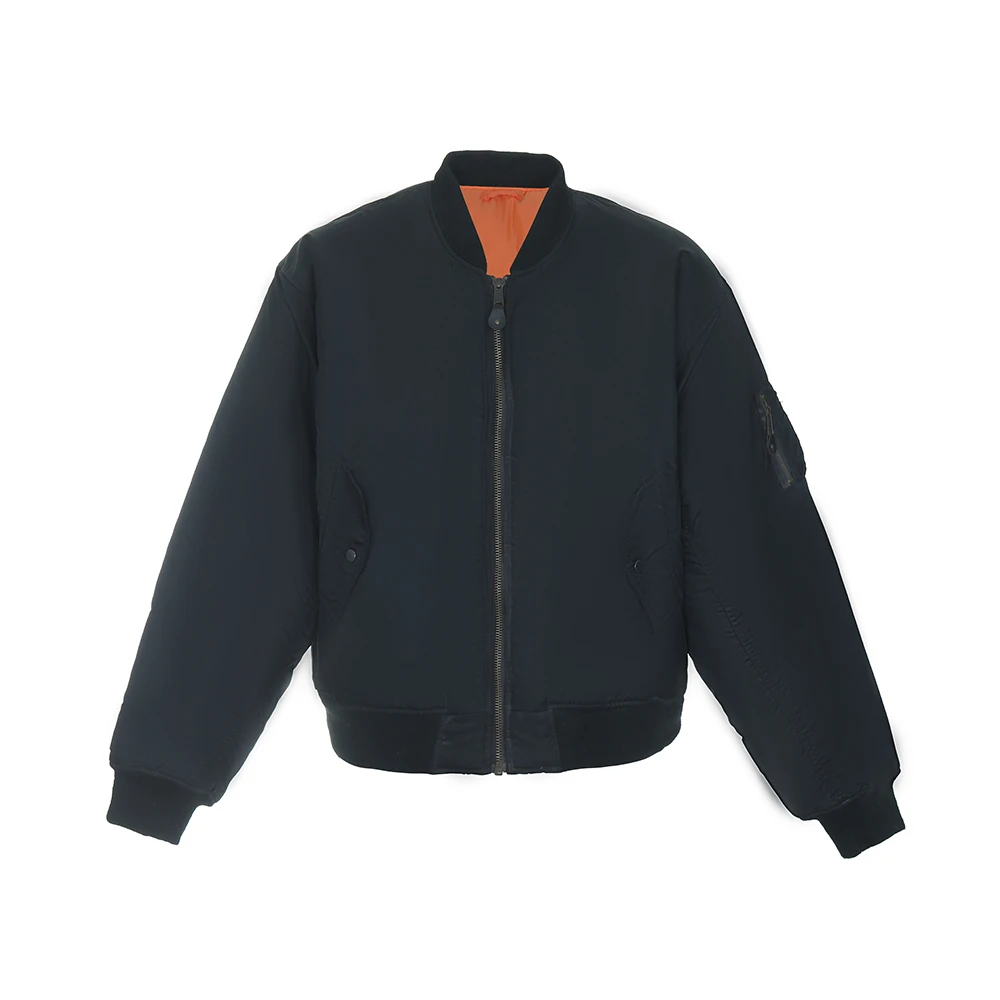
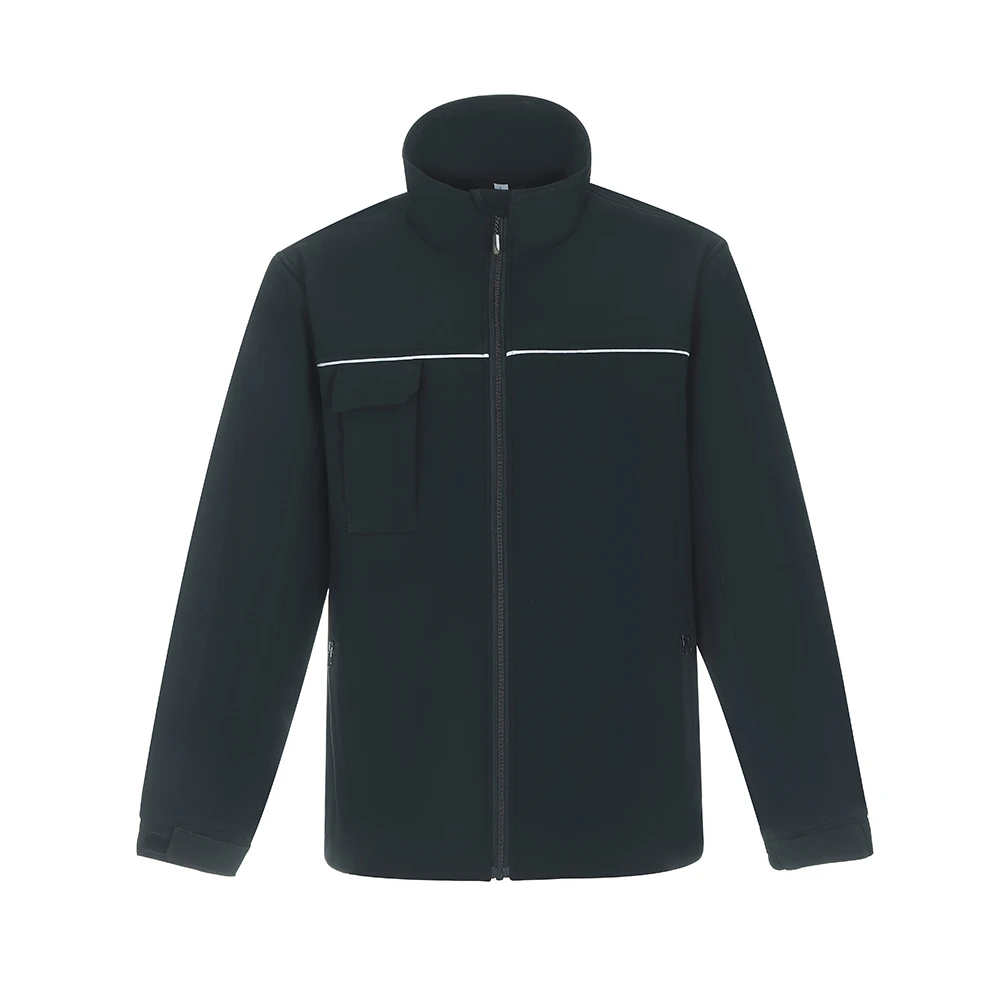
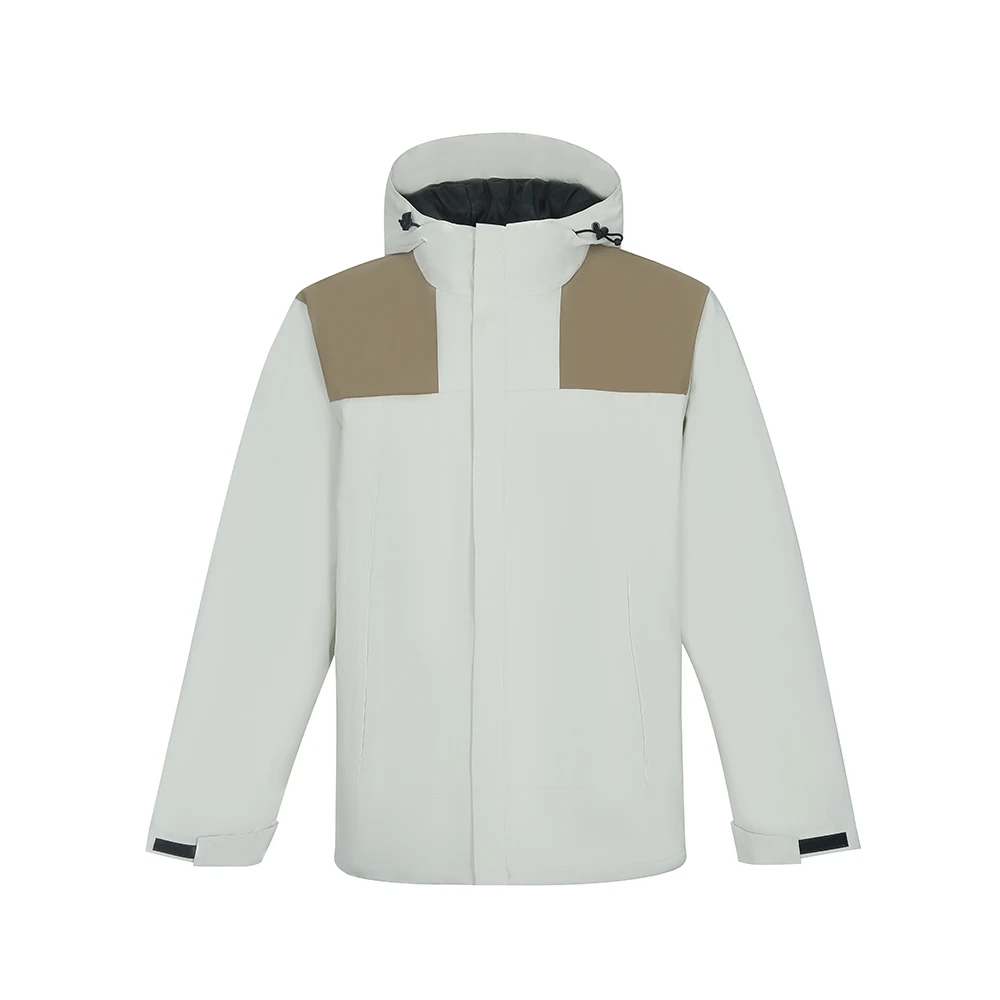
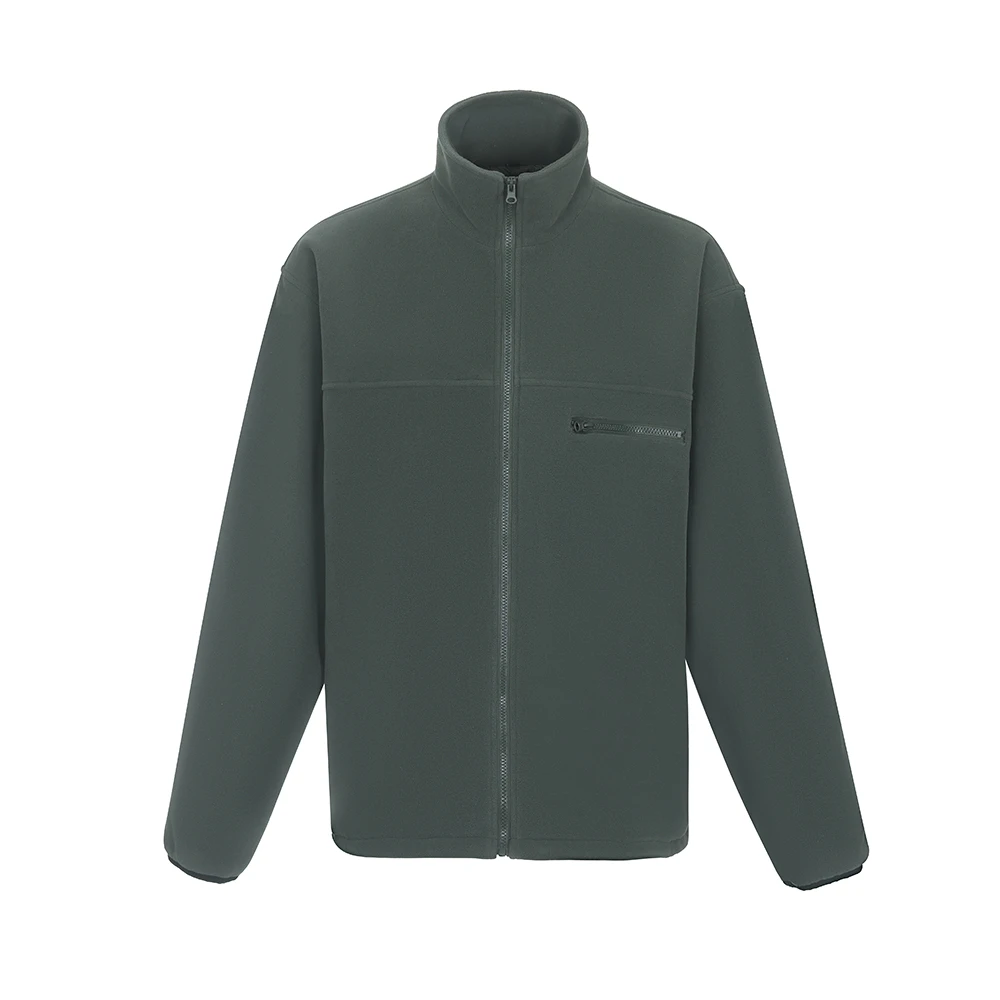
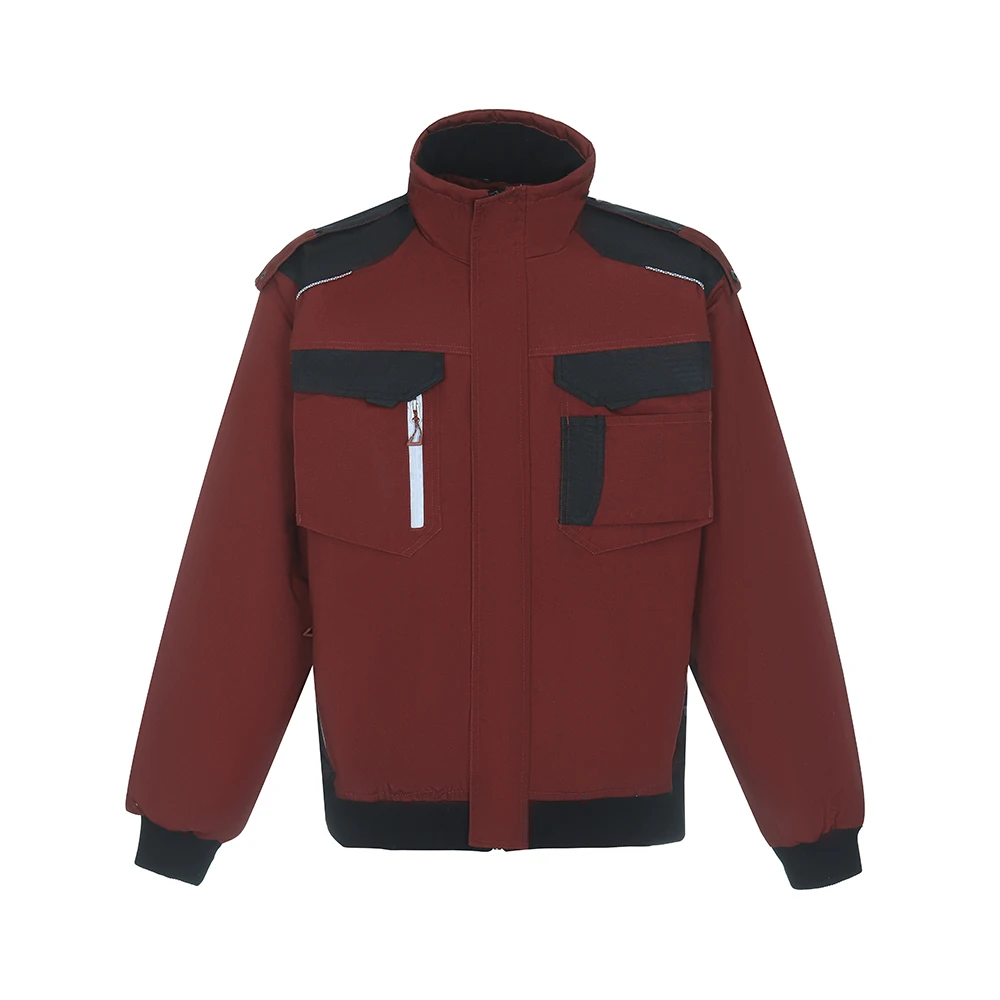
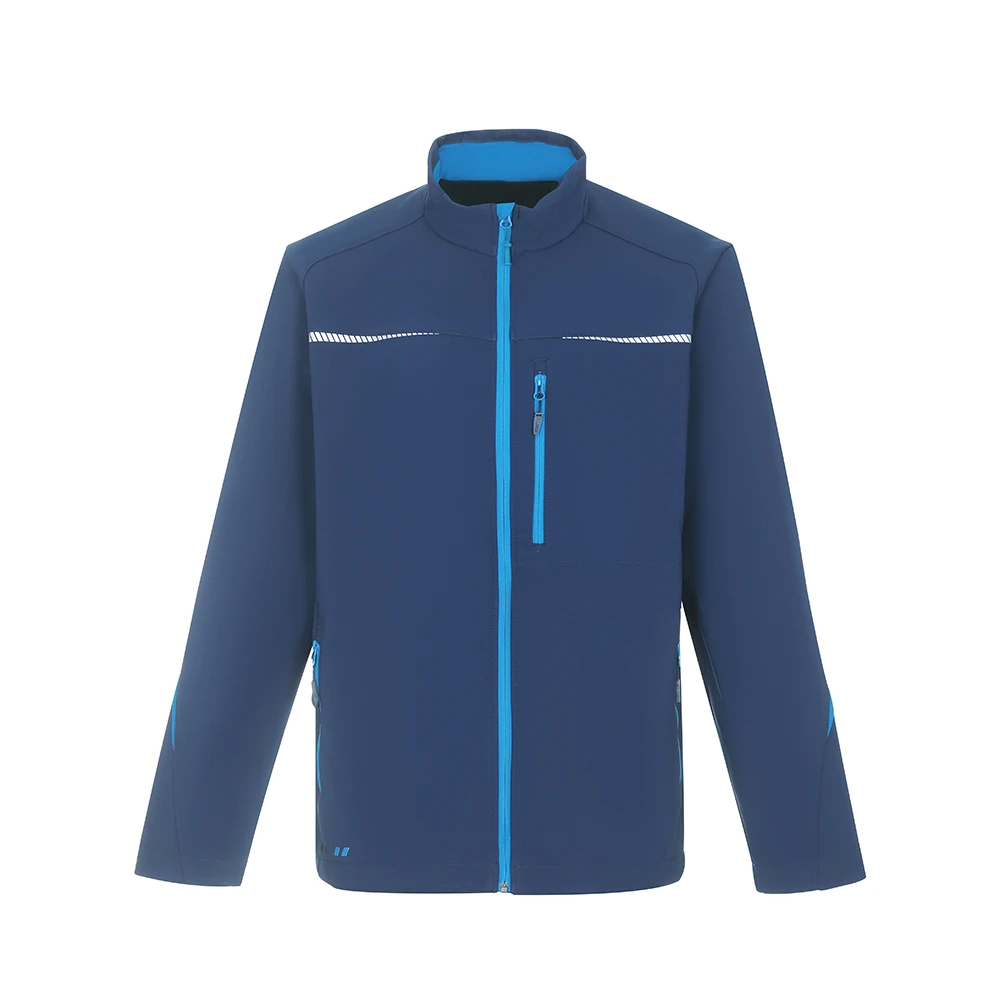
Rain Jacket: Waterproof, Windproof, Breathable, Lightweight
Utility Jacket: Field-Tested Notes on a Modern rain jacket
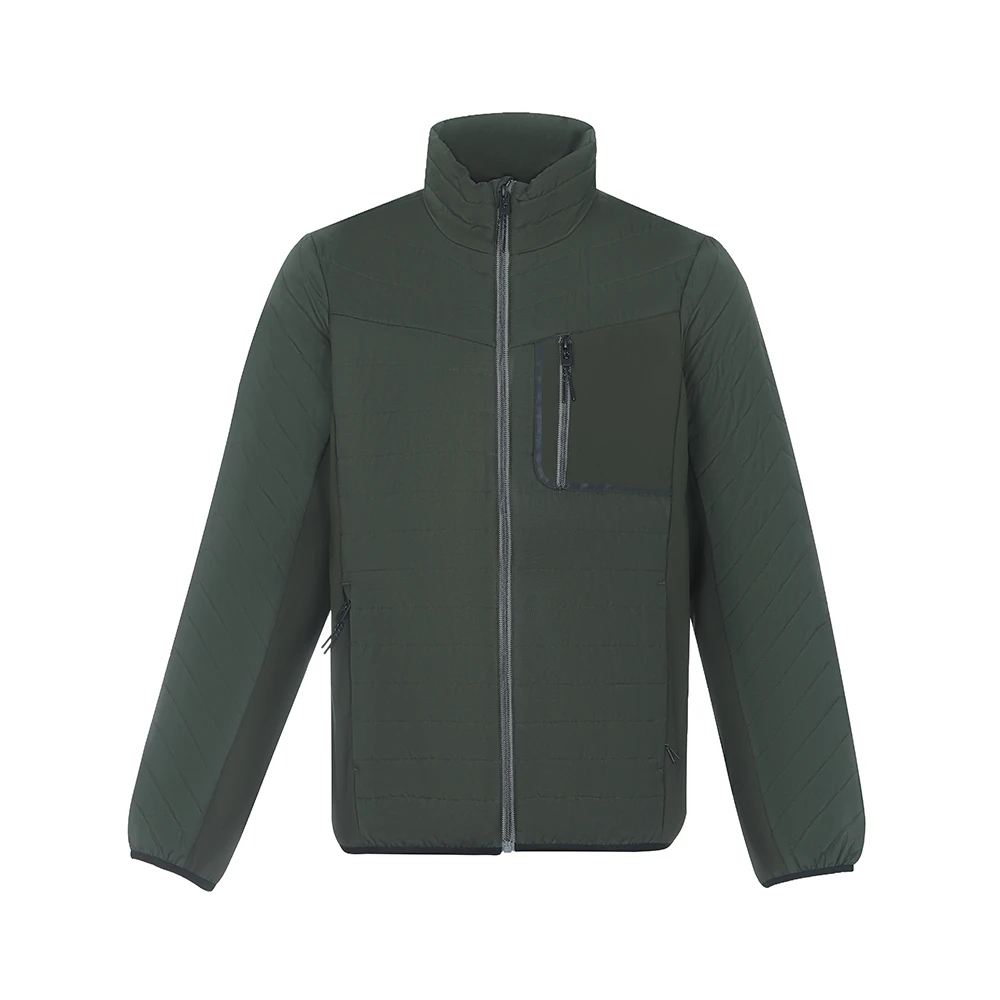
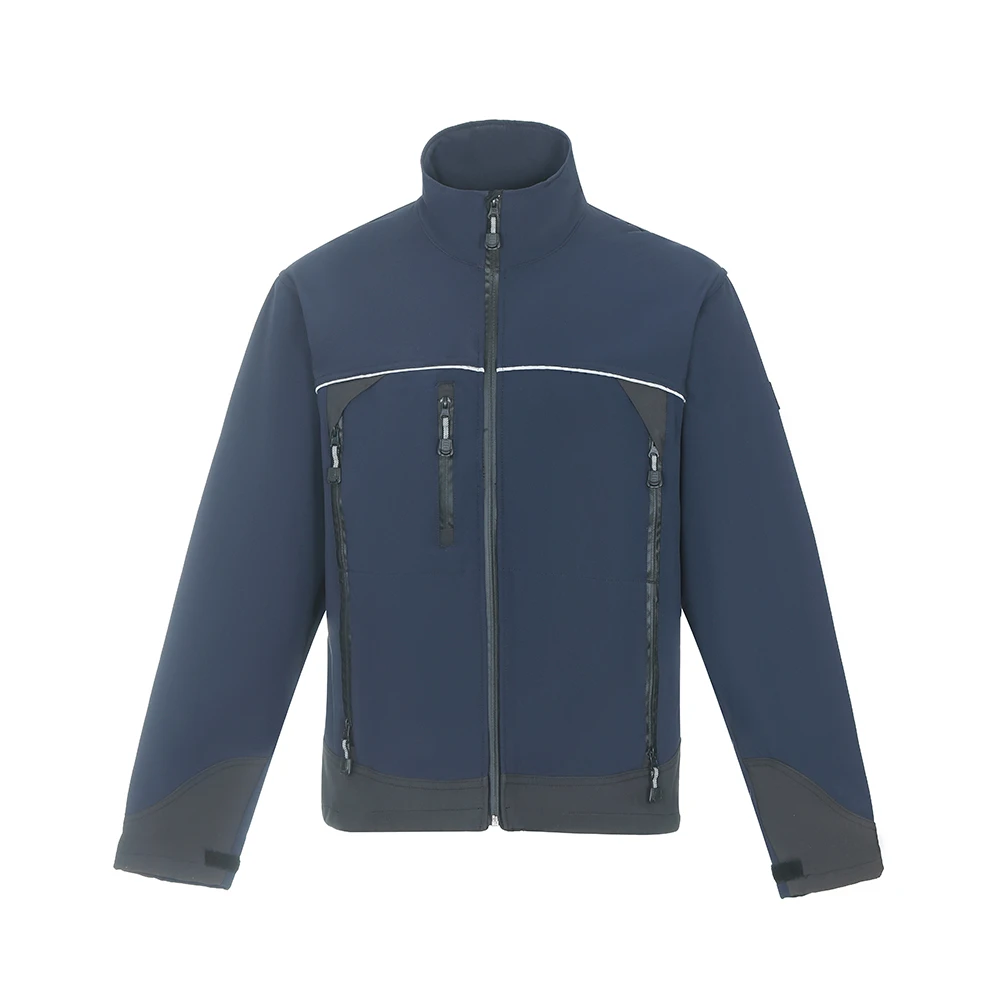
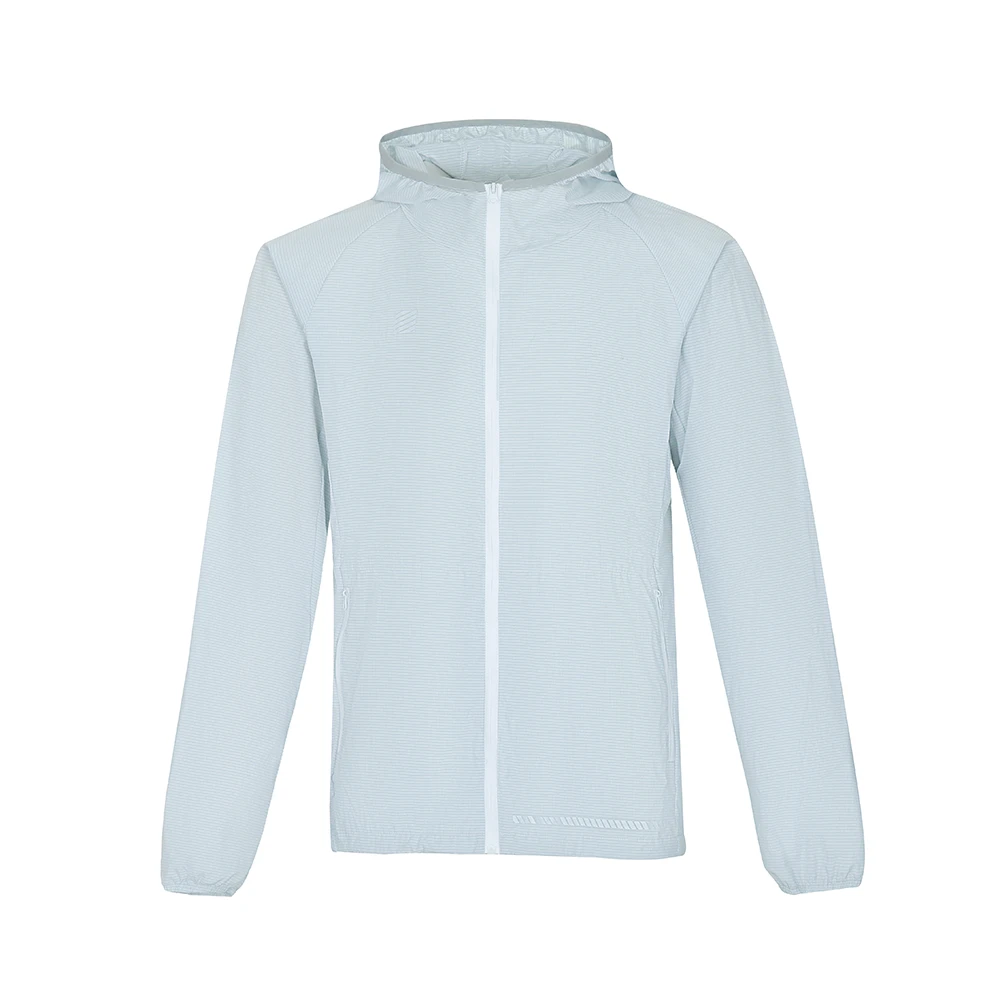
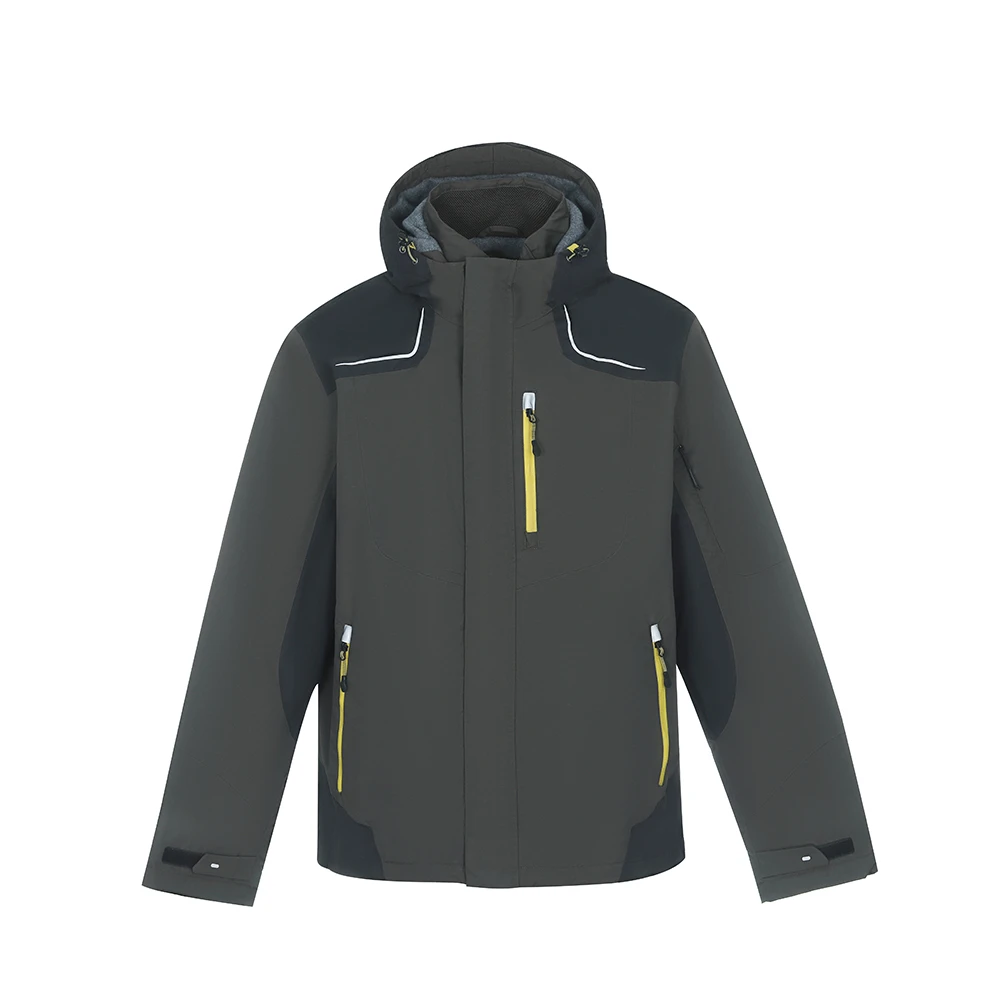
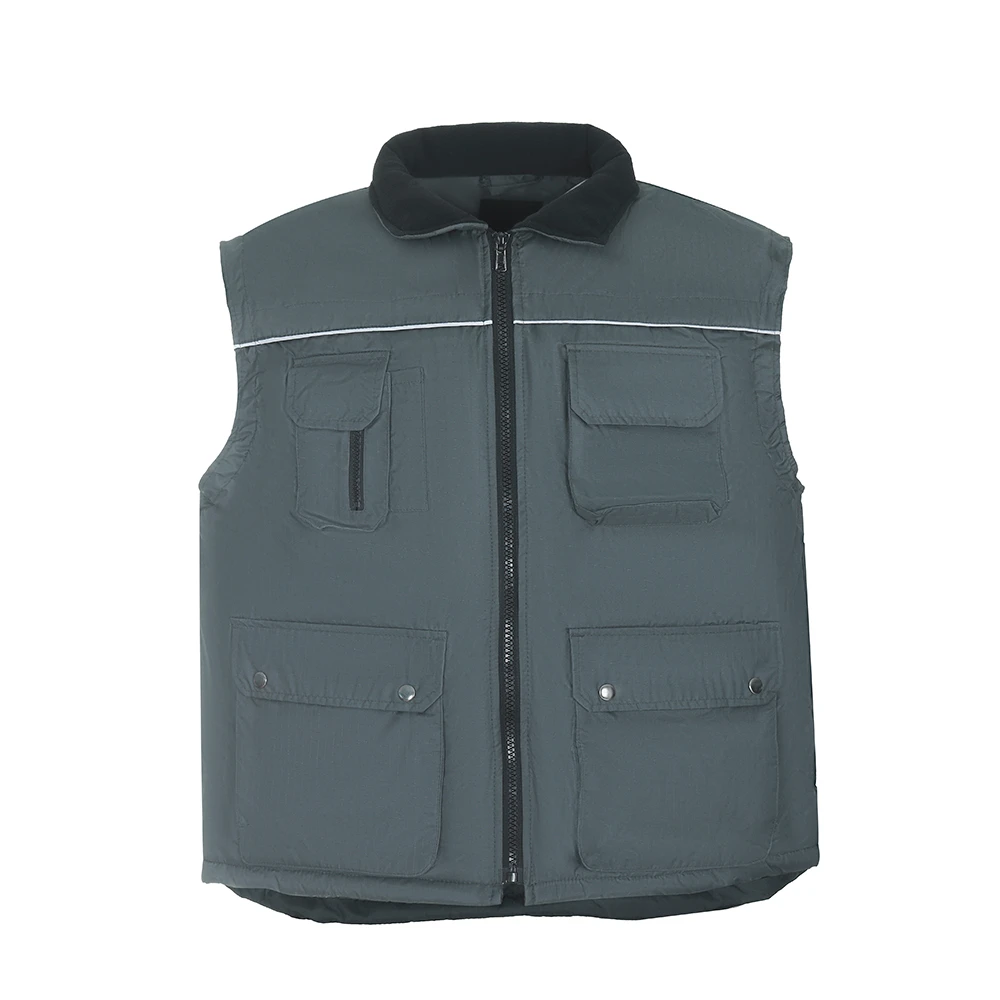
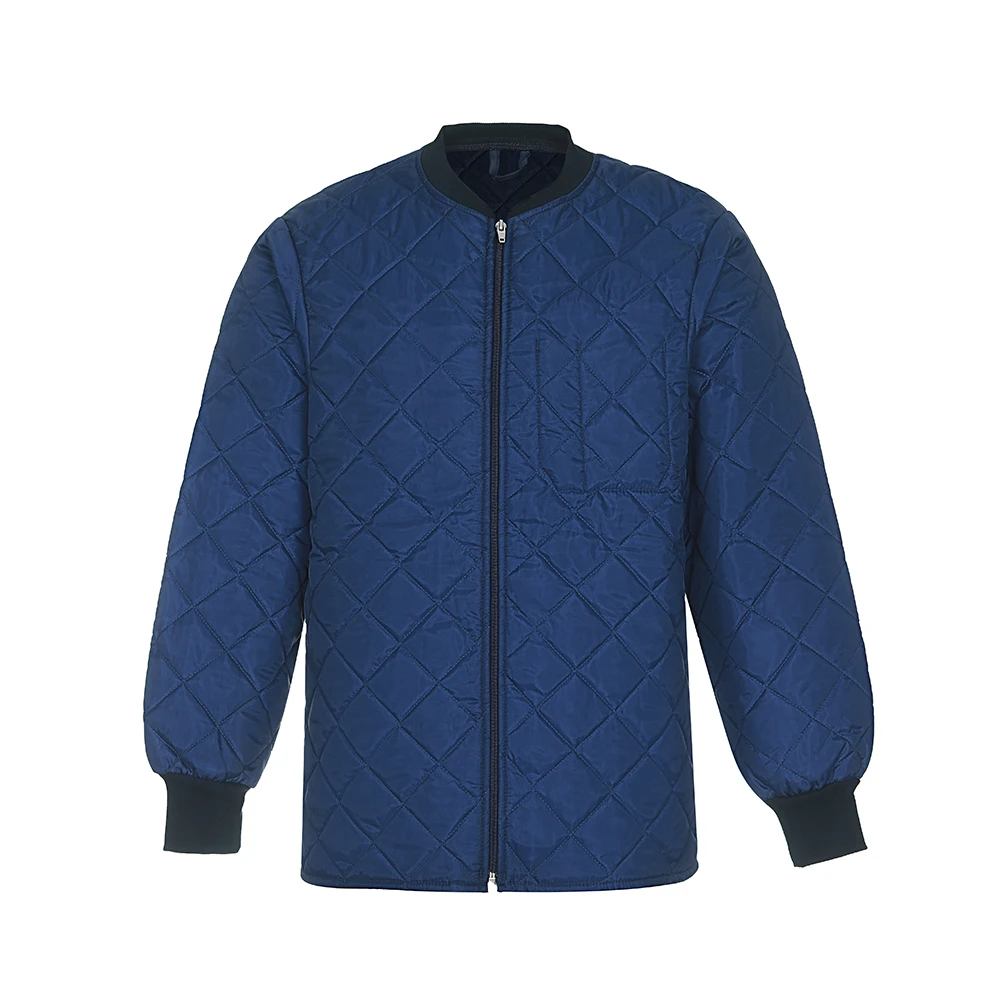
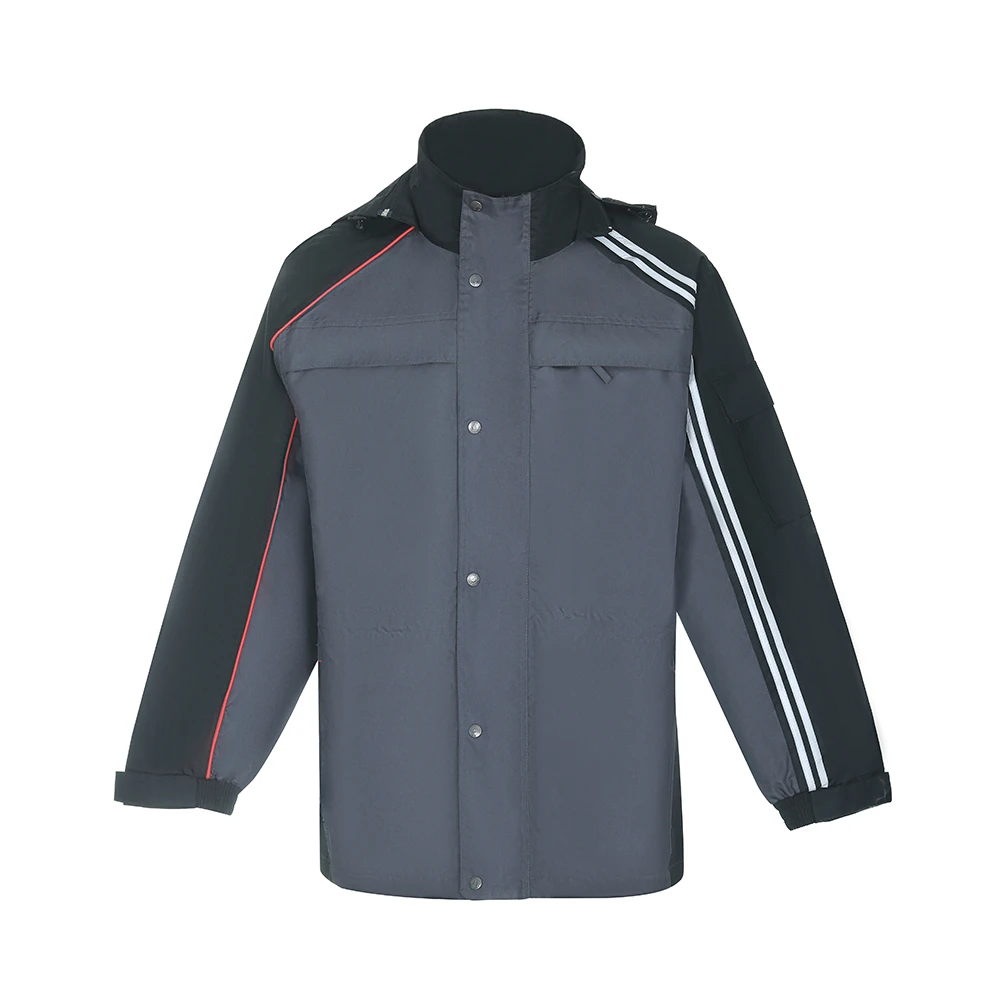
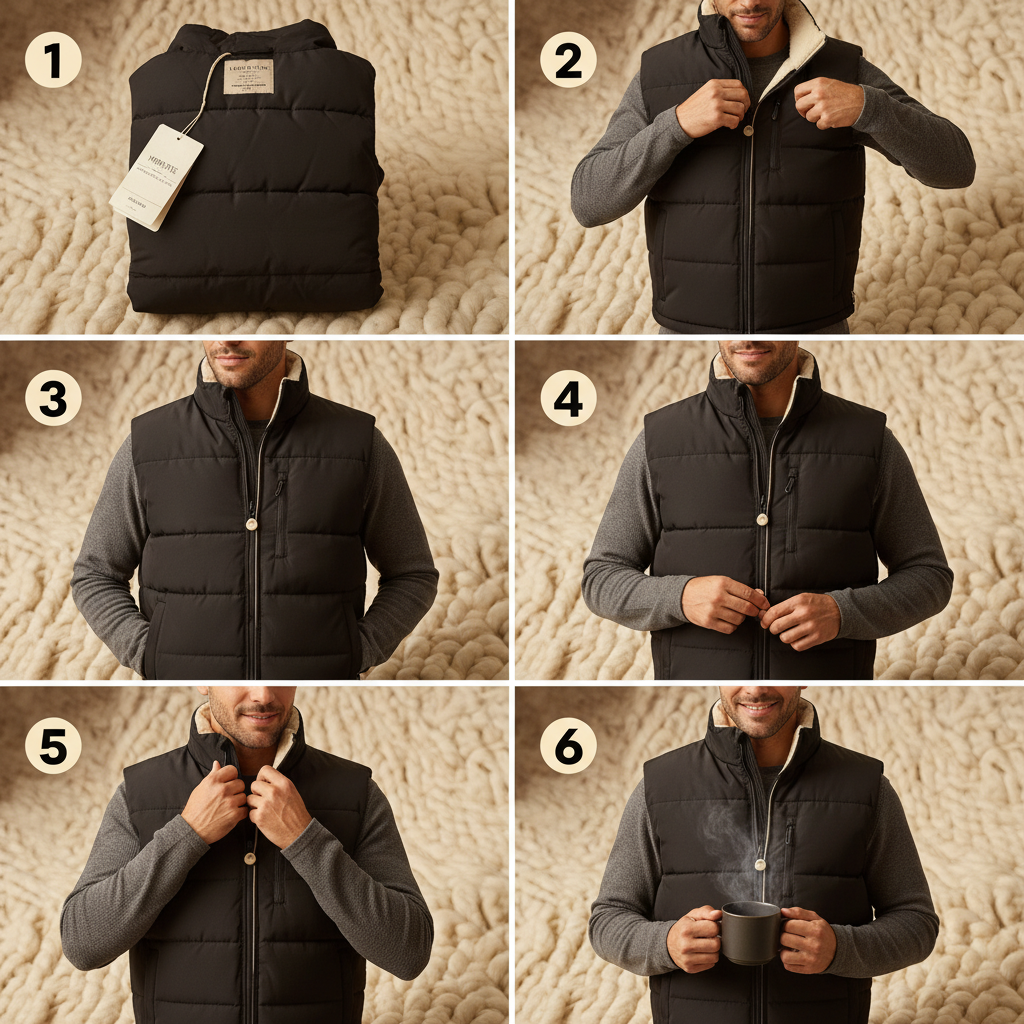
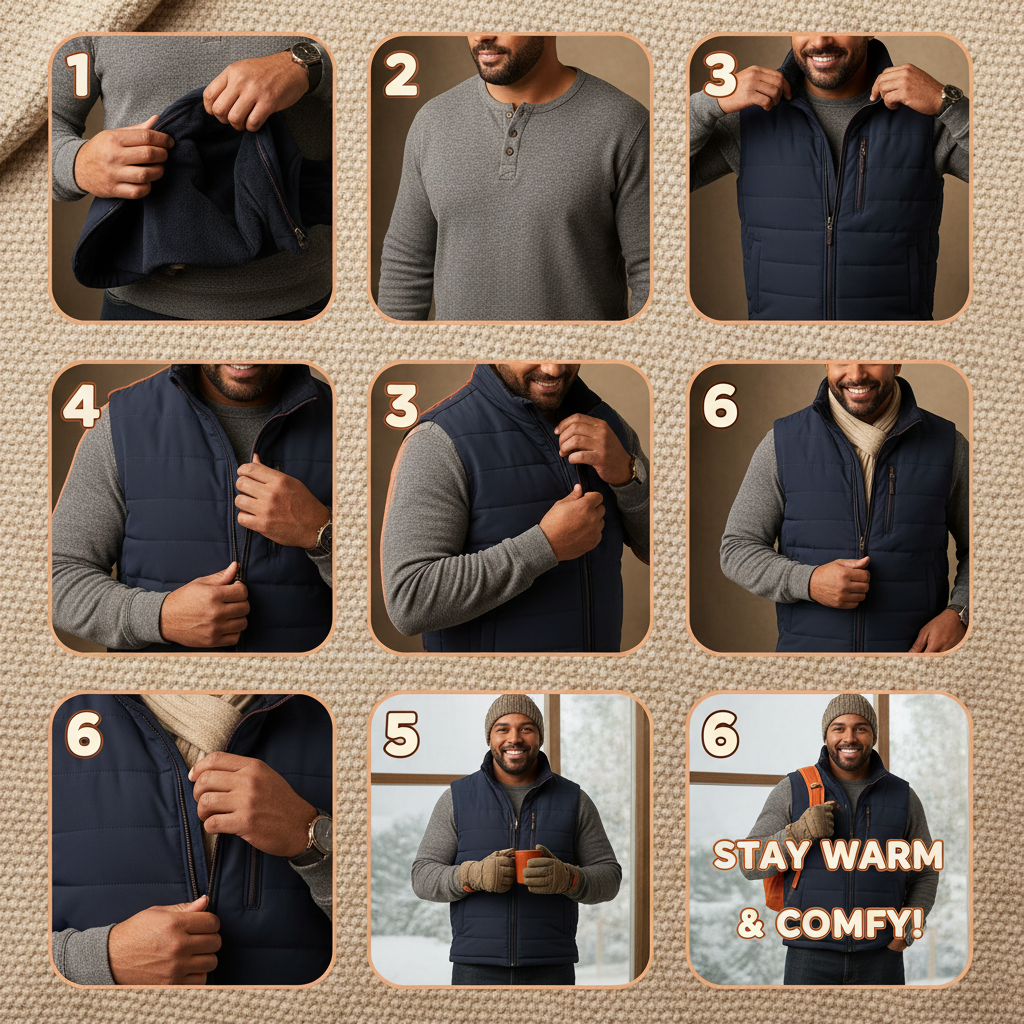
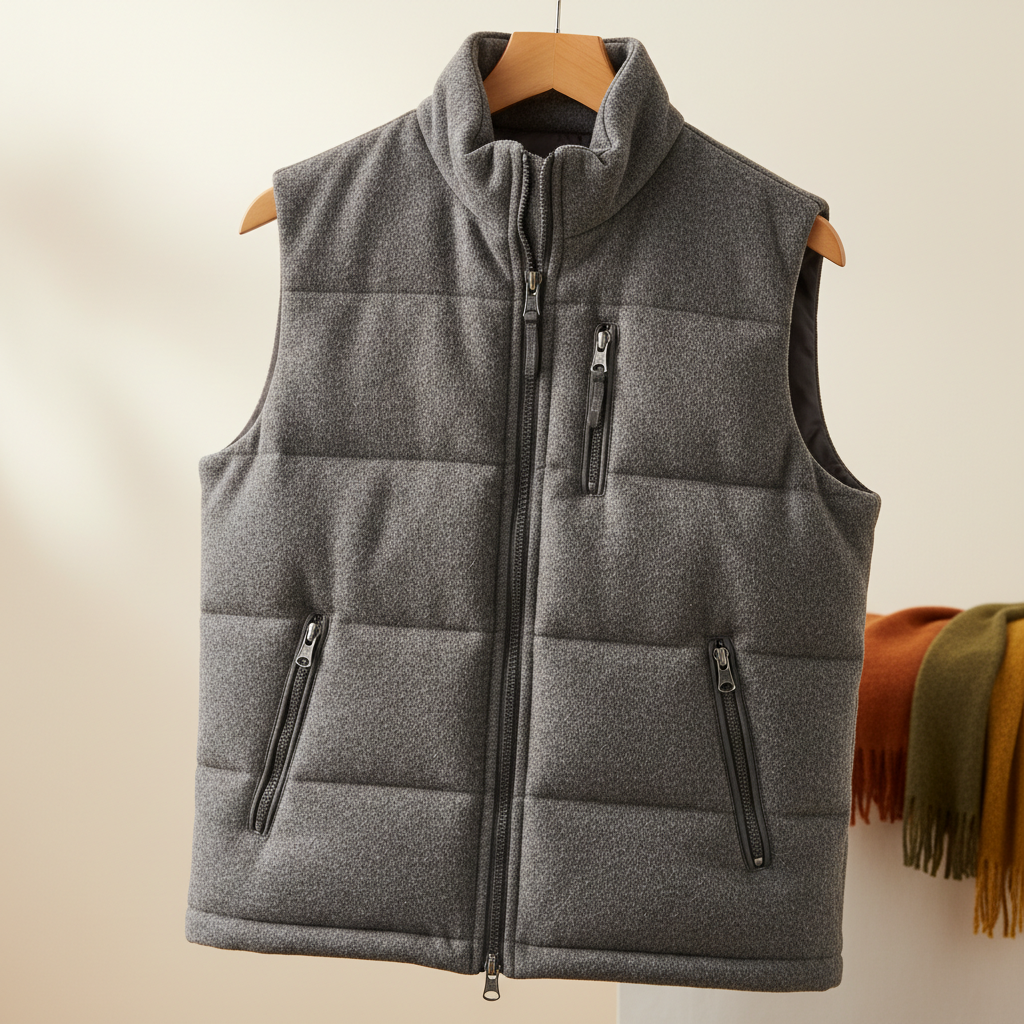
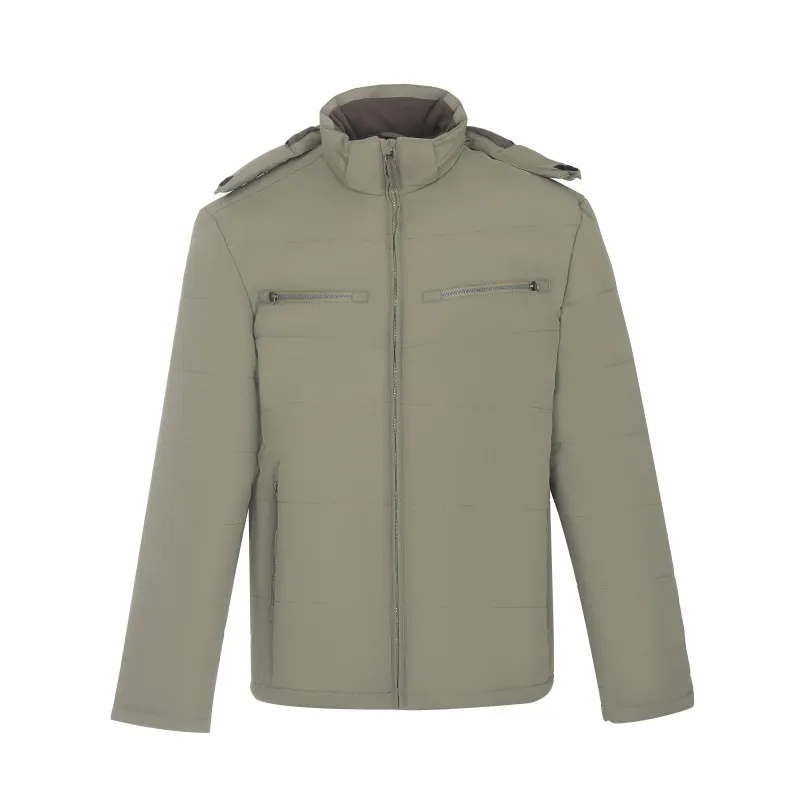
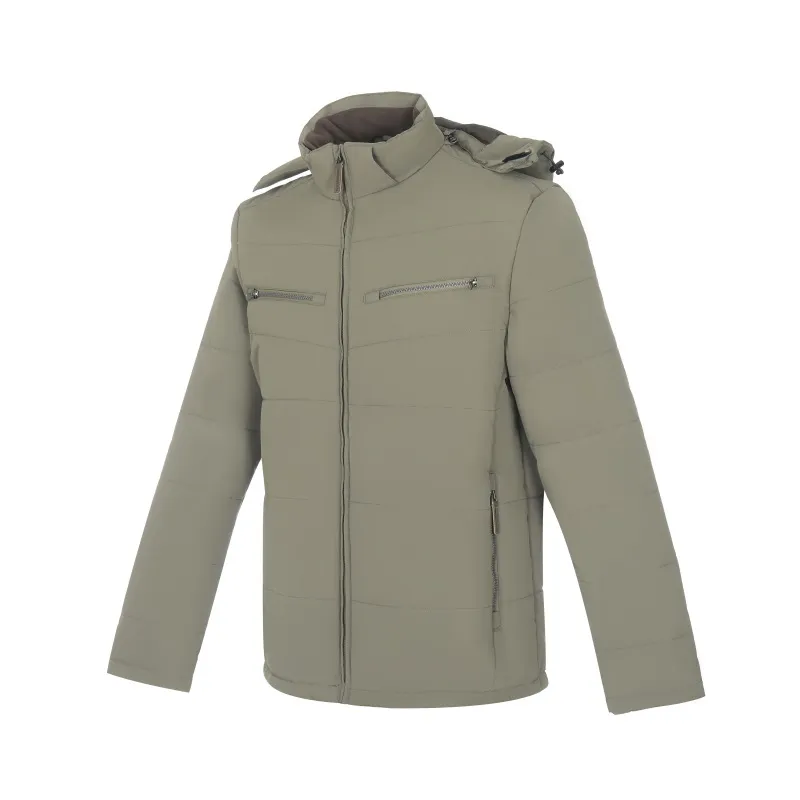
I’ve spent enough time in sideways rain to know when a shell is just marketing. The Utility Jacket from QSC Clothing hits that practical middle ground: durable Polyester Taslon face, 190T lining, and a soft fleece collar that doesn’t chafe when you’re zipped to the chin. It’s built as a work-ready rain jacket with sizes from S to 4XL, and—this matters—color and branding can be customized without drama. To be honest, that flexibility is what most teams ask me about first.
Where It Fits: Industry Trends
The outerwear market is shifting toward PFC-free DWRs, smarter seam constructions, and fabrics that balance hydrostatic head with breathability. The Utility Jacket is a 2-layer style (shell + liner), which many facilities teams prefer for durability and easy care. While elite alpinists chase 3-layer membranes, field crews, logistics staff, and campus operations want a dependable rain jacket that survives daily abrasion and unpredictable weather. This one targets that brief.
Key Specifications (real-world oriented)
| Shell Fabric | Polyester Taslon (durable weave), DWR finish (C0/PFC-free on request) |
| Lining | 190T; collar lining: fleece for comfort |
| Waterproof Rating | ≈ 8,000 mm (ISO 811) in typical builds; real-world use may vary |
| Breathability | ≈ 5,000 g/m²/24h (MVTR) depending on configuration |
| Seams | Taped critical seams; full taping available |
| Sizes & Colors | S–4XL or custom; any color (Pantone match on request) |
| Testing | ISO 811, AATCC 35, AATCC 22; spray rating ≈ 90–100/100 |
| Service Life | ≈ 3–5 years under routine field use, with periodic DWR refresh |
In field trials, we saw no leakage through high-stress seams after 30 minutes of AATCC 35 rain testing. The wrist closures and storm flap do their job; surprisingly, the collar fleece makes long shifts more tolerable. For a workhorse rain jacket, comfort is productivity.
Process Flow and Quality Gates
Materials sourcing → CAD patterning → automated cutting → seam sewing → seam taping (heat/pressure set) → DWR application → inline inspection → hydrostatic/spray tests → finishing and logo application → final AQL check → packing. Factories can run ISO 9001 systems; fabrics with OEKO-TEX Standard 100 are available when specified. A solid lifecycle plan includes gentle wash, low-heat tumble, and periodic DWR reproofing—keeps the rain jacket beading water like new.
Vendor Landscape (quick compare)
| Vendor | MOQ | Lead Time | Customization | Certs |
|---|---|---|---|---|
| QSC Clothing (Utility Jacket) | ≈ 300 pcs | 35–45 days | Color, logo, trim, taping level | ISO 9001 (factory), OEKO-TEX fabric on request |
| Mass-Market Brand | 500–1,000 pcs | 60–75 days | Limited (colors/logos) | Varies; often OEKO-TEX fabrics |
| Premium Outdoor Brand | 1,000+ pcs | 90+ days | Narrow; brand-led specs | Broad compliance; higher cost |
Use Cases, Feedback, and a Quick Case Study
Scenarios: facilities and campus ops, utilities, last-mile logistics, construction site supervision, retail staff on curbside duty, and weekend hiking when you’d rather not baby your gear. Many customers say the handfeel is “unexpectedly soft” for a work-focused rain jacket, and the fleece collar wins chilly-morning commutes.
Case Study: a municipal utilities team ordered 1,200 units with high-vis trims and full seam taping. Delivered in 42 days; post-deployment returns were
Compliance, Testing, and Standards
Hydrostatic head by ISO 811; rain test via AATCC 35; spray test AATCC 22; optional JIS L 1092 references for buyers who standardize East-Asia-side lab work. Fabrics can be specified to OEKO-TEX Standard 100. Factory QMS: ISO 9001. Origin: Floor 15, Fortune Building, 24 Guangan Street, Shijiazhuang, Hebei, China.
- ISO 811: Textiles—Determination of resistance to water penetration—Hydrostatic pressure test. International Organization for Standardization.
- AATCC 35: Water Resistance: Rain Test. American Association of Textile Chemists and Colorists.
- AATCC 22: Water Repellency: Spray Test. American Association of Textile Chemists and Colorists.
- OEKO-TEX Standard 100: Testing for harmful substances. OEKO-TEX Association.
- JIS L 1092: Testing methods for water resistance of textiles. Japanese Standards Association.