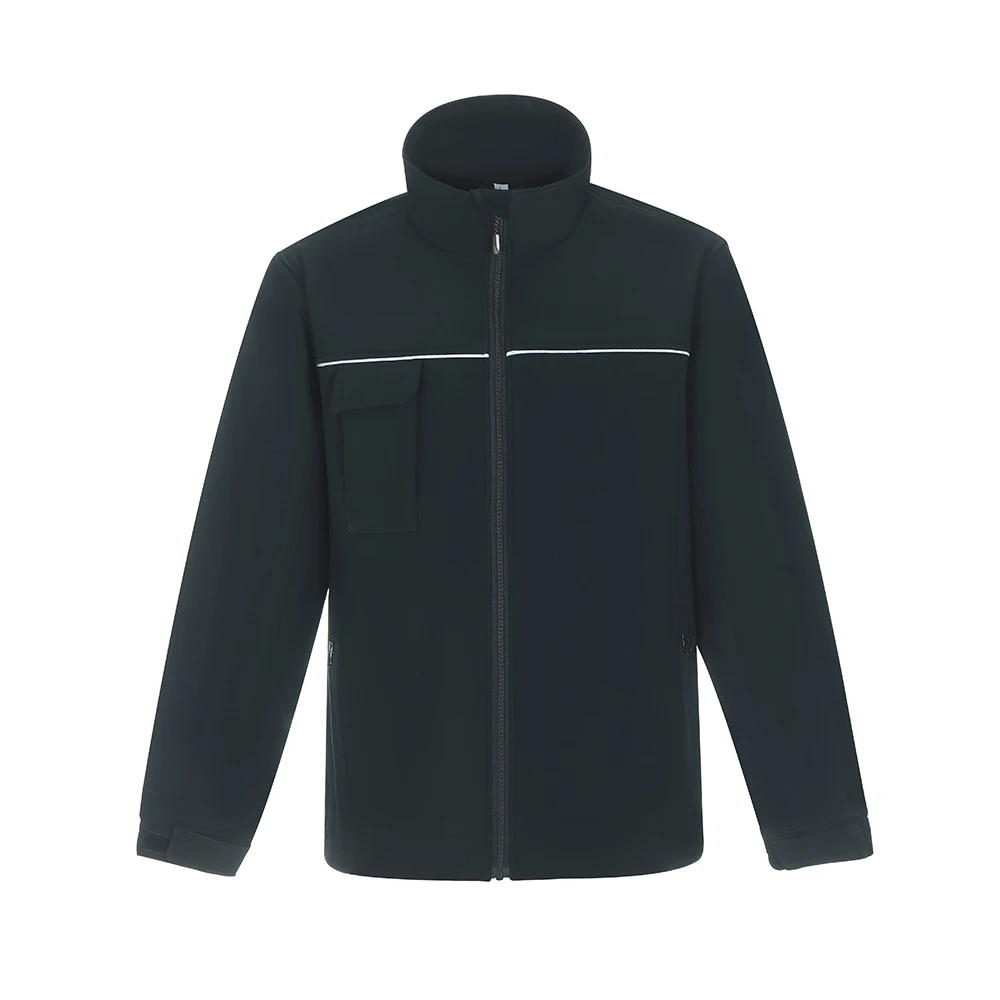
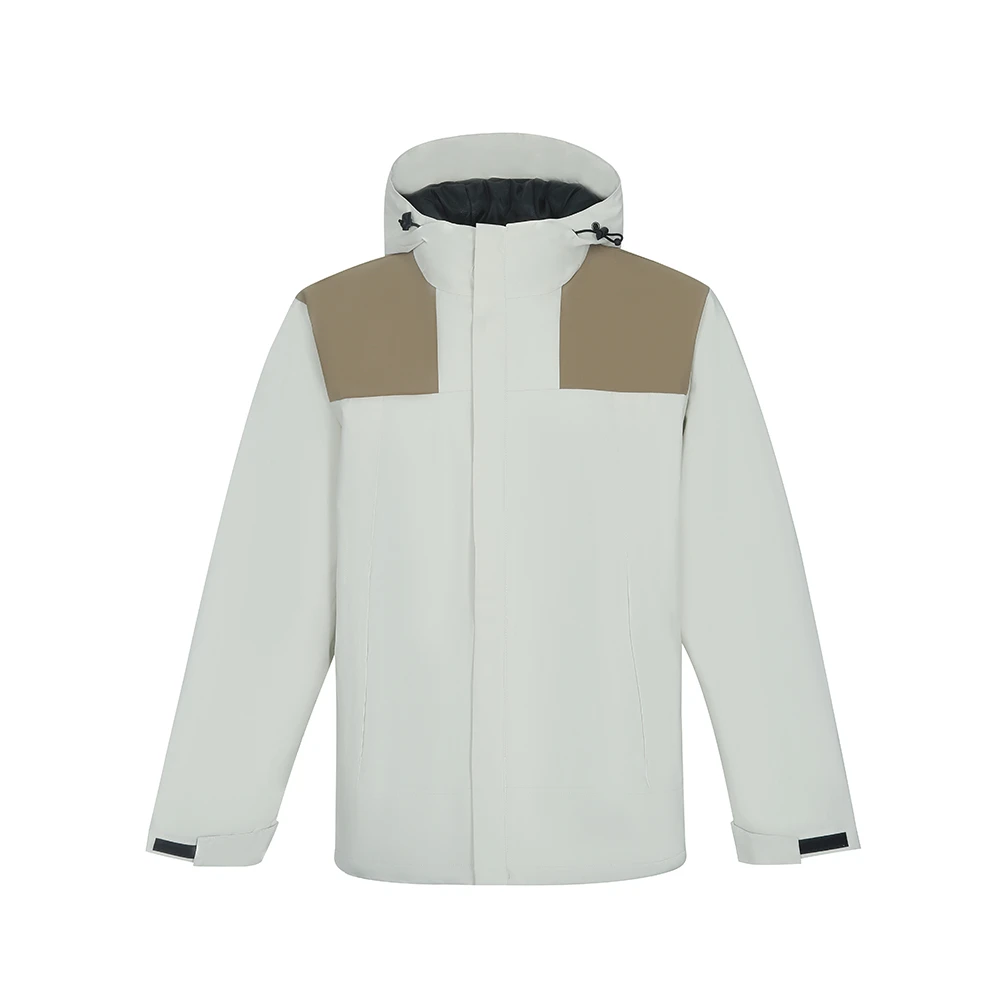
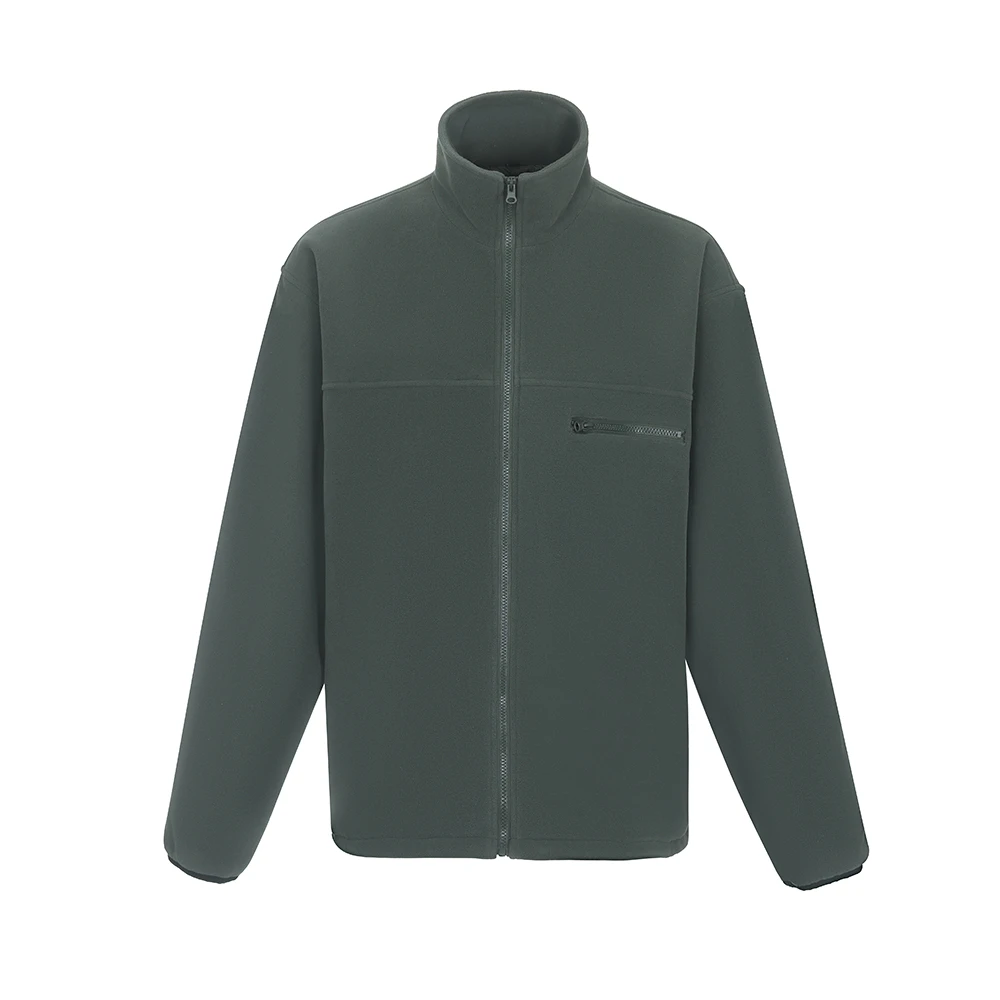
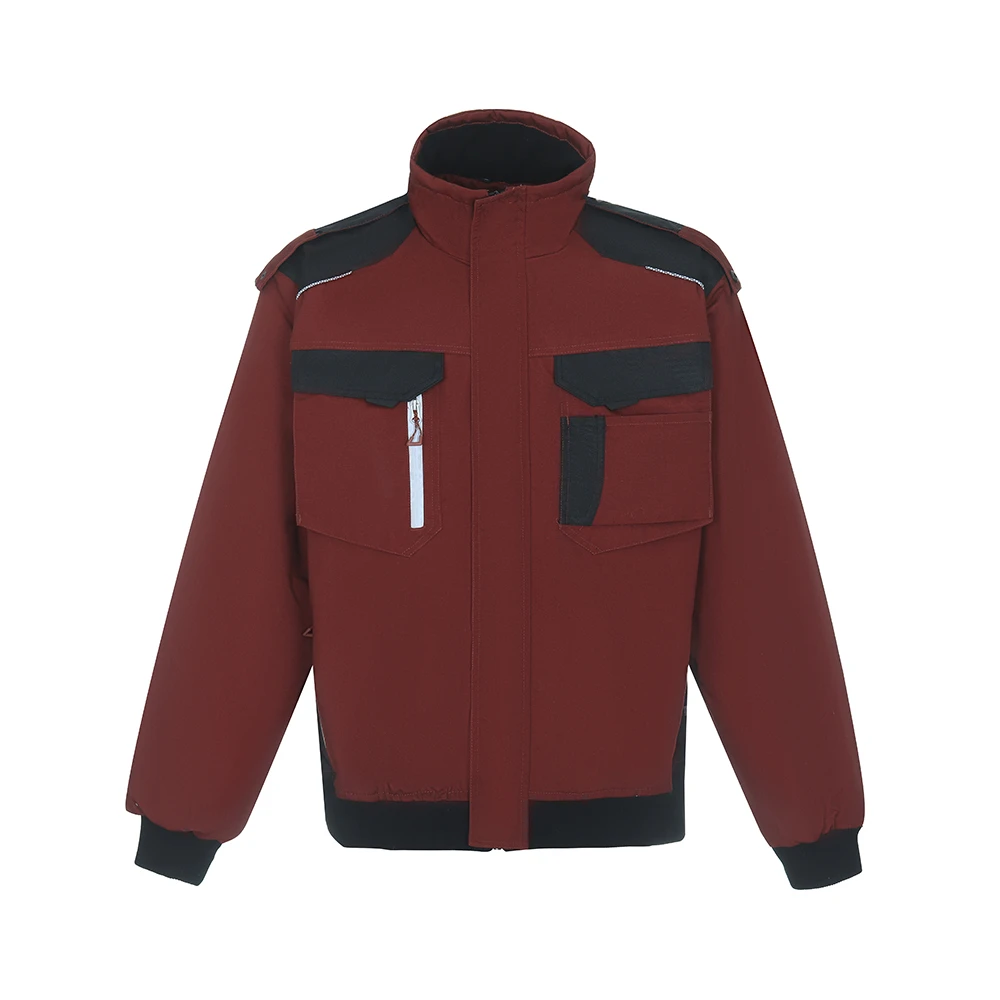
Functional Underwear Shirt
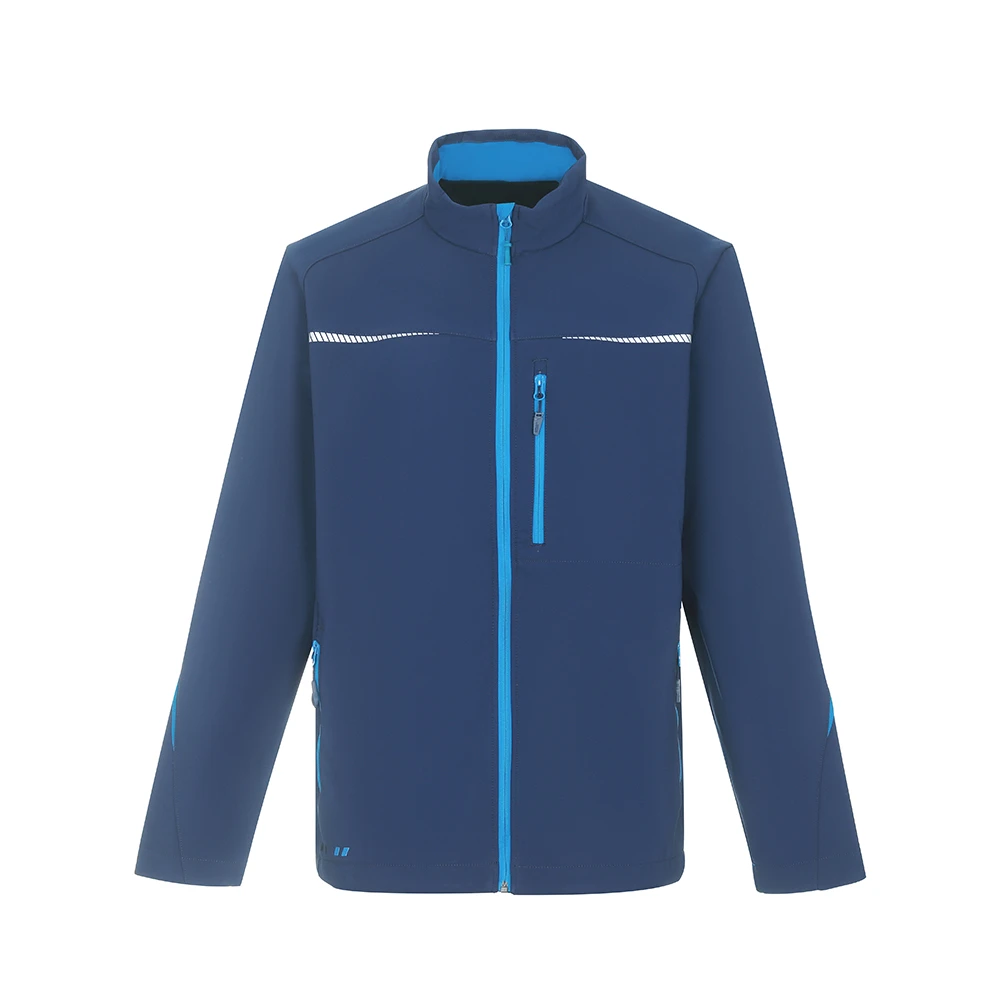
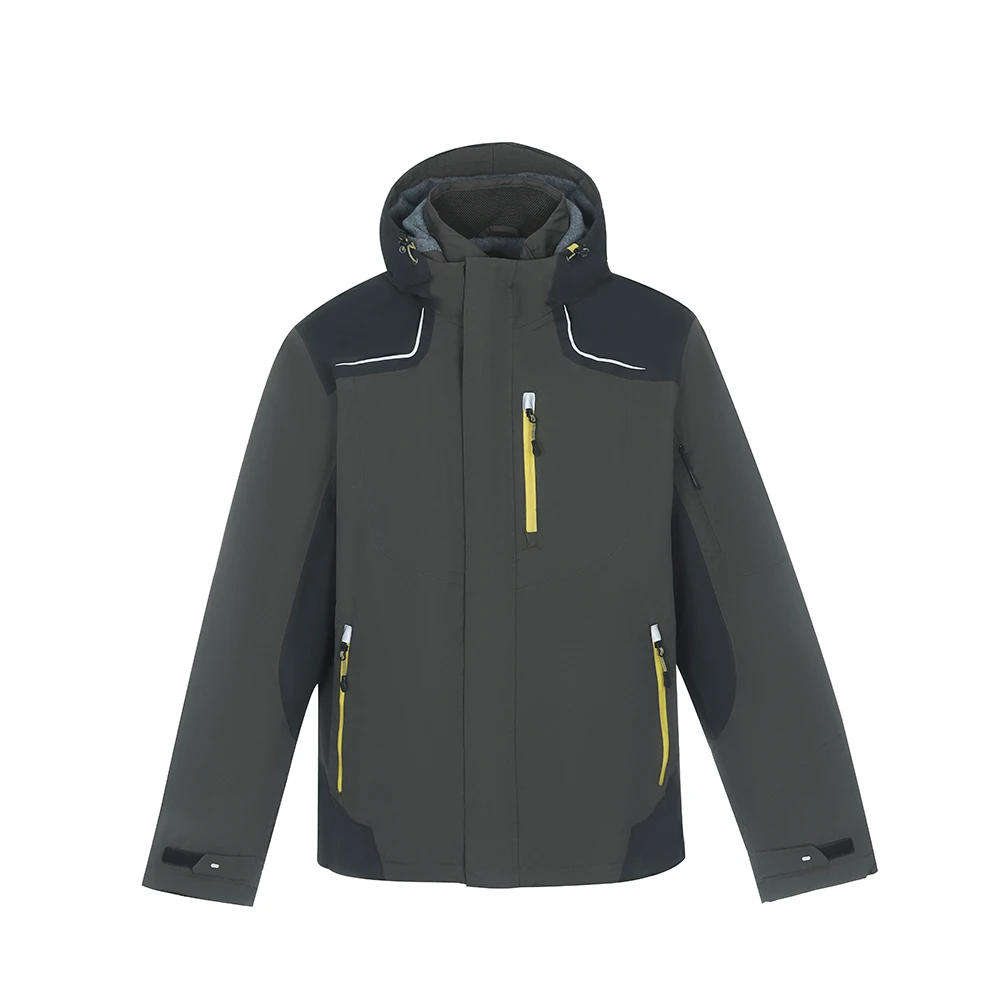
Discover our range of Functional Clothing, designed to empower your every activity, no matter the conditions. These aren't just regular garments; they're a fusion of innovative technology and practical design.
Our functional clothing is crafted from high - tech materials. For instance, the fabric might incorporate moisture - wicking technology. This means that during intense workouts or in humid environments, sweat is quickly drawn away from your skin to the outer surface of the fabric, where it evaporates. You stay dry and comfortable, avoiding the discomfort of clammy, wet clothes.
In addition, many pieces are engineered with stretch - ability in mind. The fabric has a certain elasticity that allows for unrestricted movement. Whether you're bending, stretching, or reaching during sports, yoga, or even everyday tasks like gardening, the clothing moves with you, providing maximum flexibility.
The design also takes into account protection. Some items are water - resistant or even waterproof, shielding you from rain and snow. Others offer UV protection, safeguarding your skin from the sun's harmful rays during outdoor adventures.
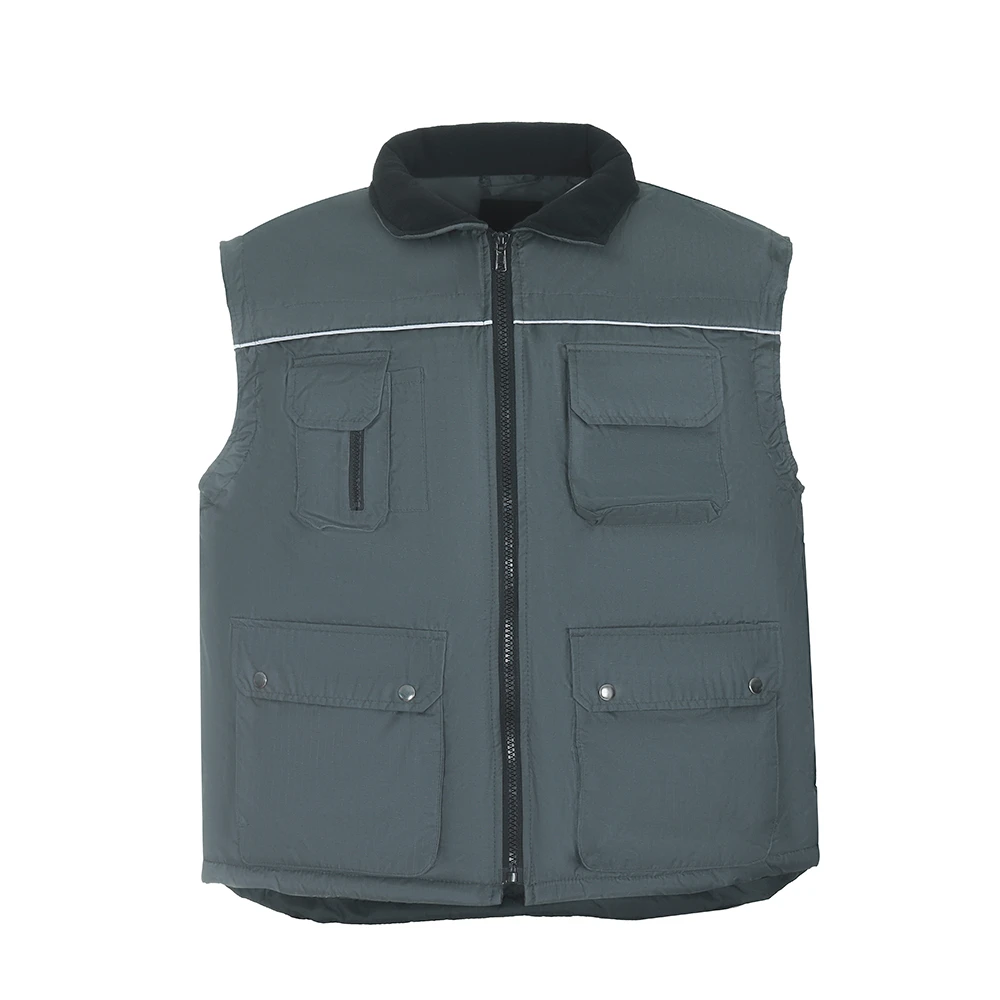
Furthermore, functionality extends to pockets. Strategically placed pockets are large enough to hold essentials like your phone, keys, or a small water bottle. Some pockets even have special closures to keep your items secure while you're on the move. With our functional clothing, you're equipped to take on any challenge, whether it's a morning jog, a day at the office, or an outdoor expedition.
The functional clothing market has developed rapidly in recent years. Consumers' increasing awareness of health and environmental protection has driven the demand for high-performance, sustainable functional clothing. More and more brands are entering this field, and competition has led to continuous product innovation, from material research and development to style design.
65% bamboo 30%tencel 5%spandex 170g/sqm
functional clothing is the perfect complement to your workwear. Whether in sports or at work, it is necessary to regulate the body's heat during high intensity activities. In order to keep the mind alert during sweating activities, the body is cooled by evaporating liquids to avoid overheating and excessive sweating. Functional clothing can positively influence this natural process. In addition, highly functional functional clothing prevents odors through antibacterial equipment, and can ultimately prevent diseases such as colds caused by wearing wet clothing.
Function t-shirt with long sleeve, black colour with green seams.
Sportswear Combines Performance, Comfort, and Everyday Style
Sportswear is developed to meet the practical demands of people who participate in physical activities. Unlike ordinary casual clothing, athletic apparel generally focuses on flexibility, breathability, moisture management, and durability. These characteristics allow wearers to concentrate on their activities without being distracted by uncomfortable clothing.
Fabric is one of the most important elements in sports apparel. Polyester, nylon, spandex, and blended materials are frequently used because they can provide a useful balance between durability and flexibility. Stretch fabrics can allow the garment to move with the body, which is especially important for exercises involving repeated bending, stretching, running, or jumping.
Moisture management is another major consideration. During exercise, perspiration can accumulate on the skin and make clothing feel heavy or uncomfortable. Quick-drying and moisture-wicking materials can help move moisture away from the skin and promote faster evaporation. This can contribute to a more comfortable experience during extended workouts.
Breathability is equally valuable. Proper airflow can help release excess heat during high-intensity activities. Mesh panels, lightweight fabrics, and carefully designed ventilation areas may improve airflow without compromising the overall structure of the garment.
The fit of sports apparel should also correspond to the intended activity. Compression garments may provide a close-fitting design, while training shirts, jackets, shorts, and pants can offer more relaxed silhouettes. An appropriate fit should provide sufficient mobility without creating unnecessary fabric that interferes with movement.
Beyond exercise, modern sportswear has become increasingly common in everyday wardrobes. Consumers may wear athletic tops, joggers, hoodies, or performance jackets while traveling, shopping, commuting, or relaxing. This combination of functionality and casual style has created demand for sports apparel that performs well while maintaining an attractive appearance.
For businesses, product versatility can also be an advantage. A collection that includes different garments, sizes, colors, and designs can serve a wider customer base and create more opportunities across fitness, sports, leisure, and lifestyle markets.
Where to Find Quality Sports Clothes for Sale for Different Activities
When searching for sports clothes for sale, buyers typically consider more than price. Product quality, fabric performance, sizing, design, durability, and supplier reliability can all affect the overall purchasing decision. Whether buying individual pieces or sourcing products in bulk, identifying the right specifications is important.
Different sports require different clothing characteristics. Running apparel, for example, generally emphasizes lightweight construction and moisture management. Running shorts and shirts should allow unrestricted movement while helping the wearer remain comfortable during continuous activity.
Gym and fitness clothing may require greater flexibility and durability. Training involves movements such as squats, stretching, lifting, and jumping, so fabrics with sufficient elasticity can provide better freedom of movement. Reinforced seams and durable stitching can also be valuable for garments that are used frequently.
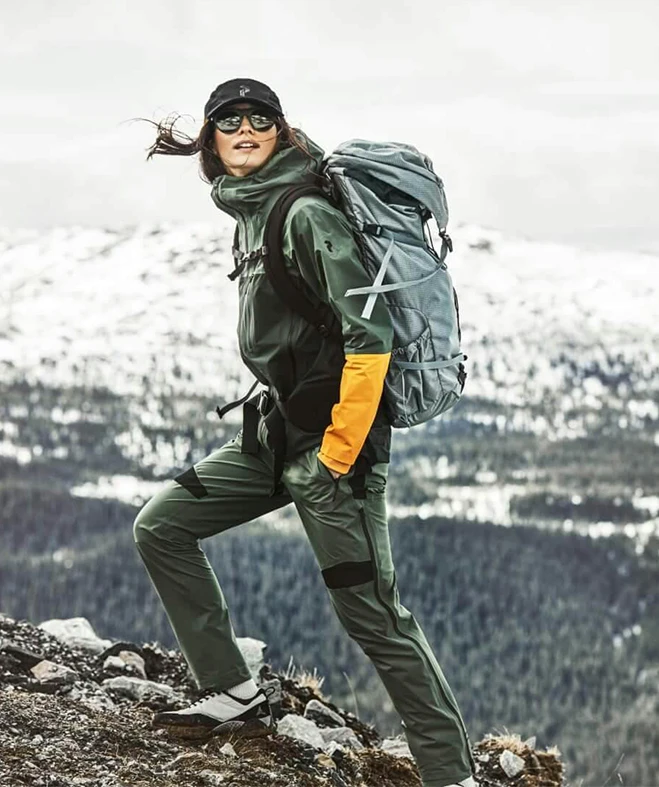
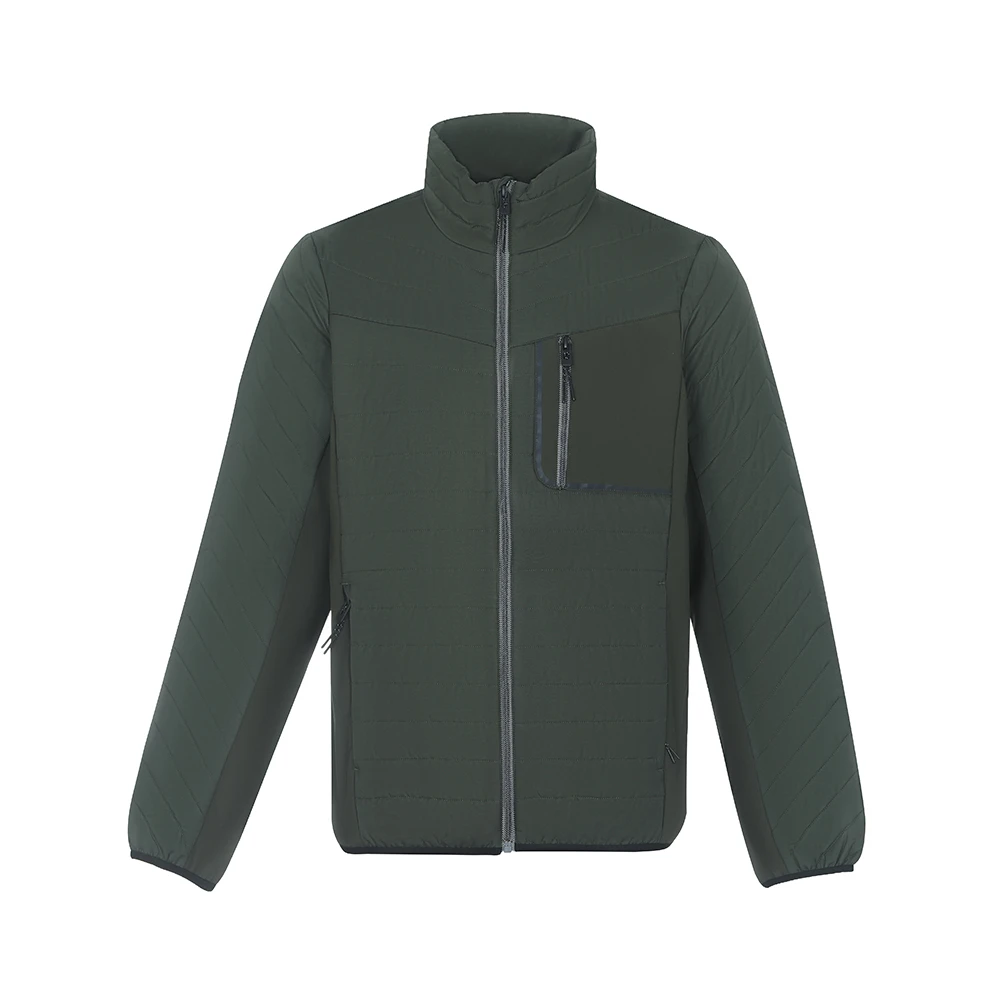
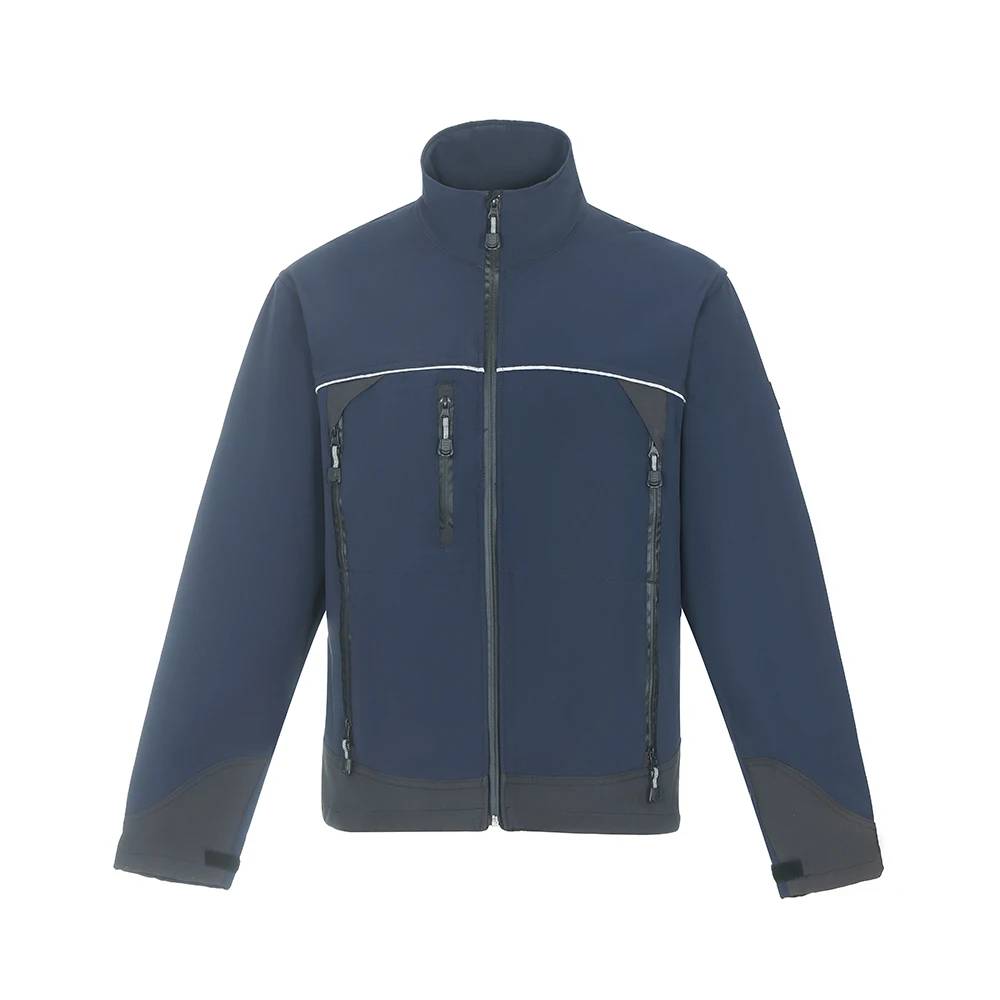
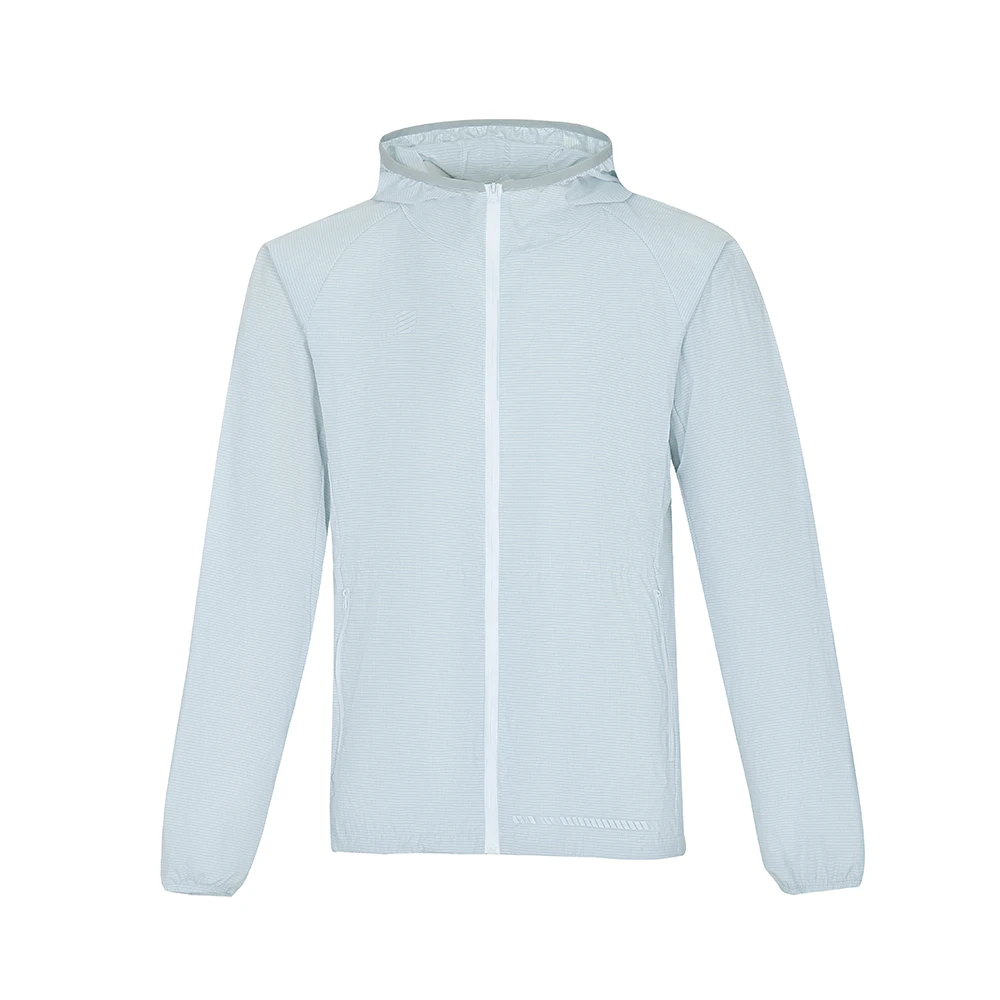
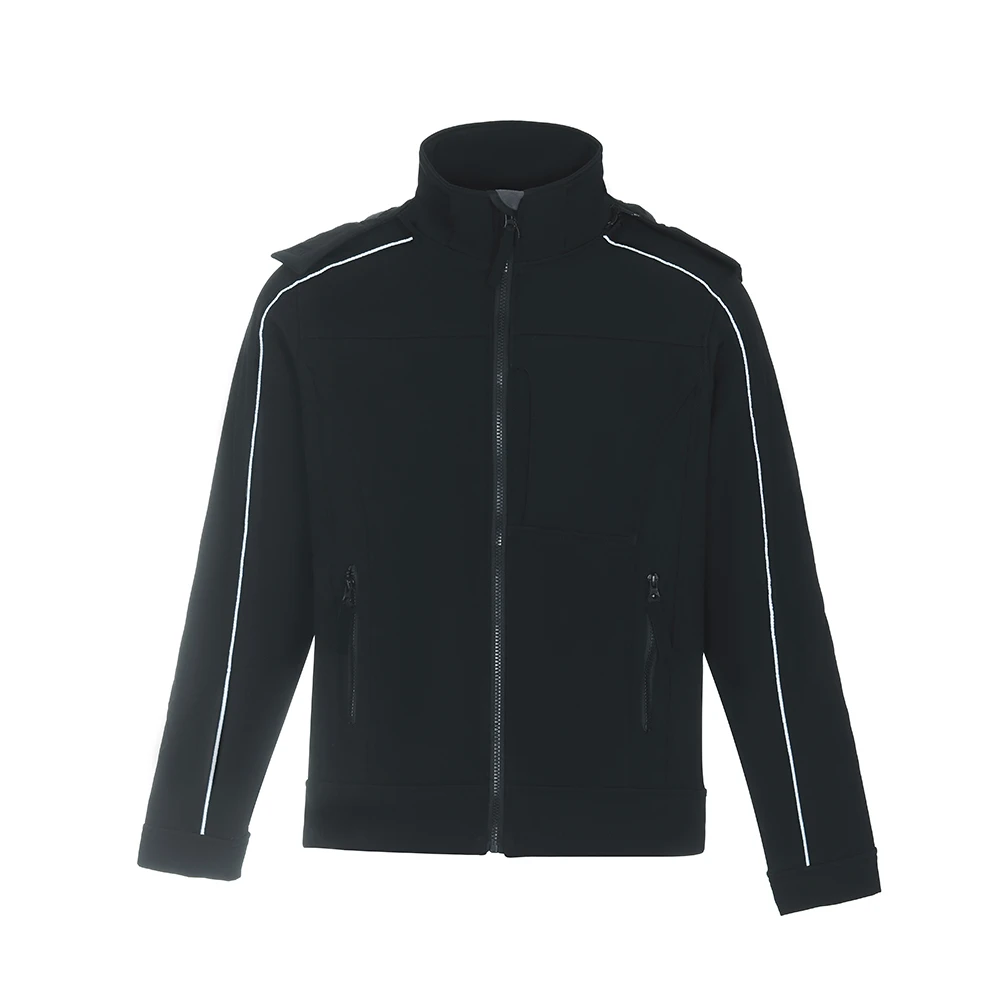
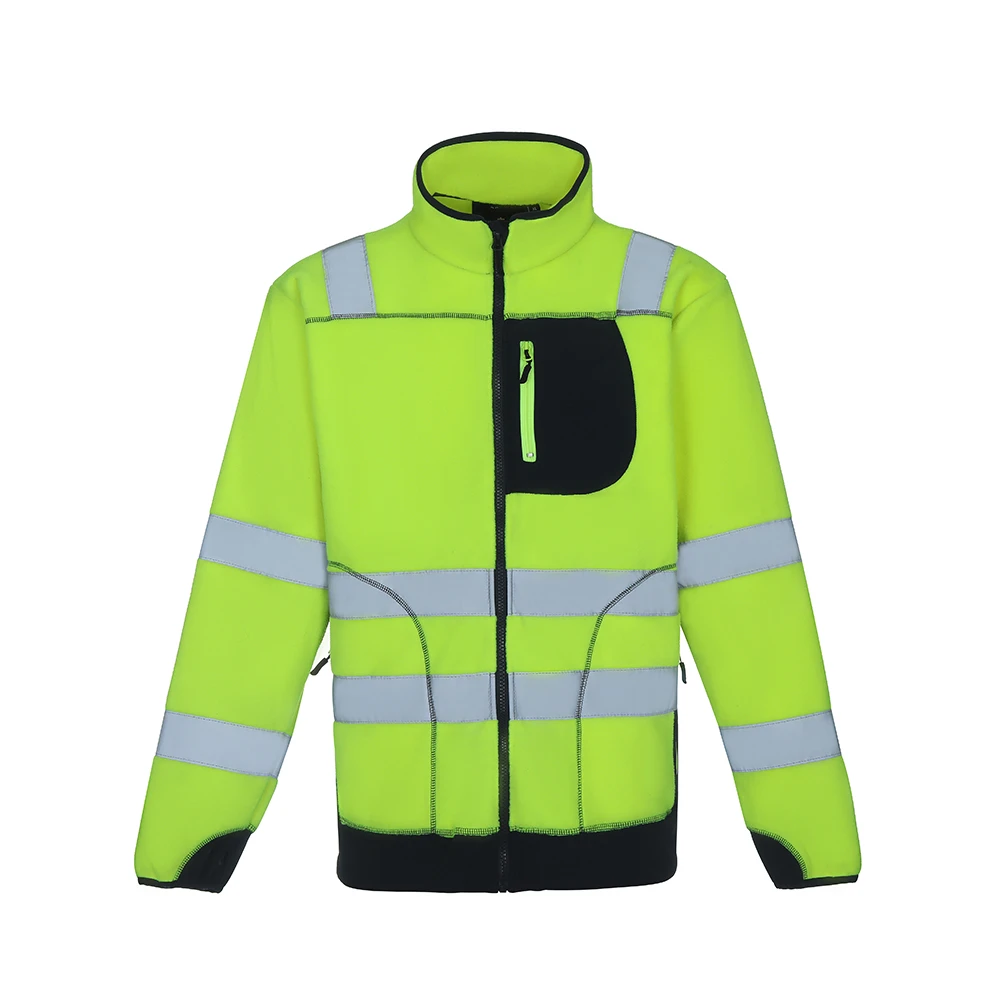
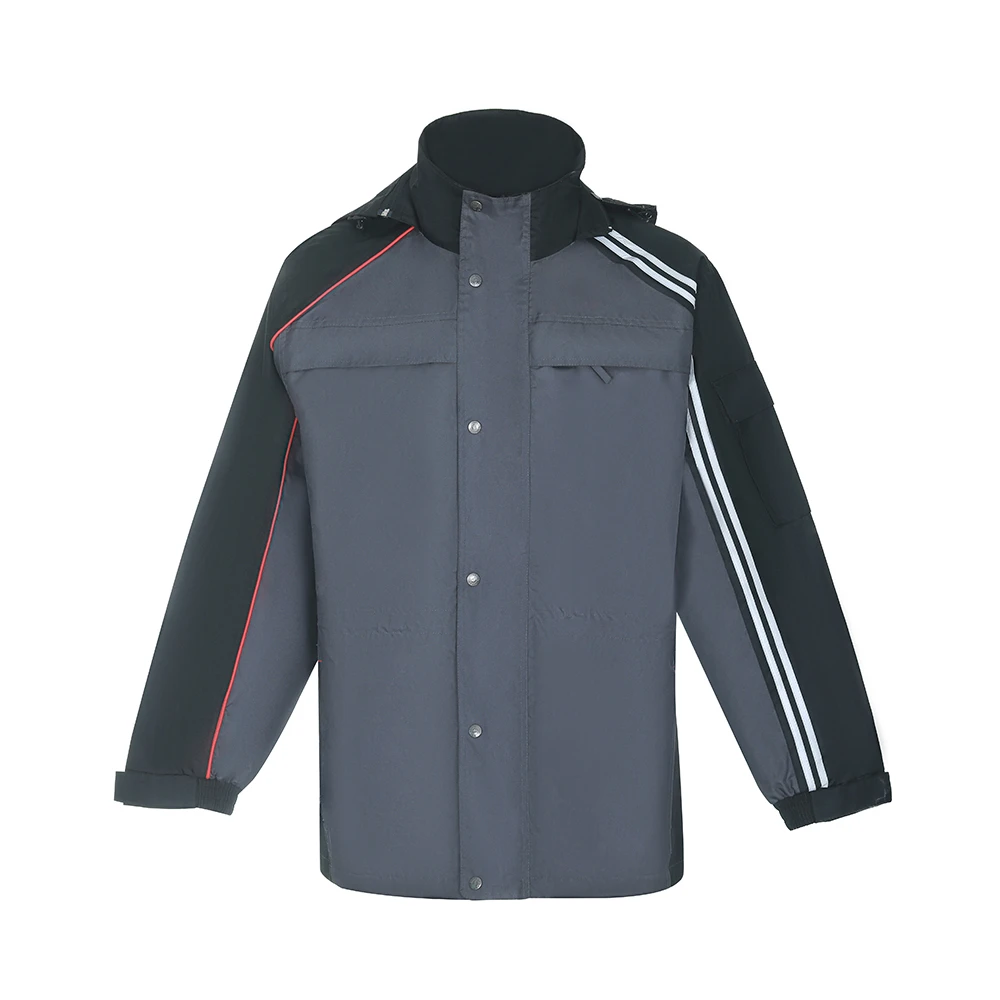
Outdoor sports may require additional protection against changing weather. Lightweight sports jackets can provide wind protection, while breathable layers can help regulate comfort during physical activity. For activities such as hiking or cycling, pockets and reflective details may also increase practicality.
Team sports create another category of demand. Jerseys, shorts, training tops, and tracksuits can be produced with coordinated colors and customized graphics. Sports clubs, schools, fitness organizations, and event teams may require customized apparel with logos, names, numbers, or specific color combinations.
For wholesale buyers, evaluating sports clothes for sale should also involve supplier capabilities. Consistent sizing, stable material quality, production capacity, packaging, and delivery schedules can directly affect business operations. Buyers may also compare OEM and ODM capabilities when developing private-label sportswear.
Customization is particularly useful for brands seeking differentiation. Depending on the supplier, customers may be able to select fabrics, colors, patterns, labels, logos, stitching details, and packaging. A well-planned customized collection can help a business establish a recognizable identity while addressing the preferences of its target market.
Price is naturally important, but low purchase cost should not be the only consideration. A garment that uses poor-quality fabric or weak stitching may have a shorter service life and lead to higher replacement rates. Evaluating the relationship between cost, quality, functionality, and expected market positioning can help buyers make more practical sourcing decisions.
How Sports Clothes Meet the Needs of Active Consumers
The growing variety of sports clothes reflects the increasingly diverse ways people exercise and spend their leisure time. Consumers today may participate in several activities during the same week, creating demand for garments that can adapt to different environments and routines.
For example, a lightweight training shirt may be suitable for gym workouts, morning runs, and casual outdoor activities. Joggers can work for warm-ups, travel, and everyday wear, while a versatile sports jacket can be used before and after exercise. This multifunctional approach allows consumers to obtain more value from individual garments.
Comfort remains a fundamental requirement. Sports clothing should avoid unnecessary restrictions around the shoulders, waist, hips, and legs. Flat seams, elastic waistbands, flexible fabrics, and ergonomic cuts can help minimize discomfort during repeated movement.
Durability is also essential for active consumers. Sports garments are often washed more frequently than ordinary clothing, particularly when used for regular training. Fabrics should therefore maintain their shape, color, and functional properties after repeated washing and drying.
Design has become another major purchasing factor. Consumers increasingly expect athletic clothing to combine performance with contemporary aesthetics. Simple patterns, modern silhouettes, coordinated color options, and clean finishing can make sports garments attractive both inside and outside the gym.
Seasonality should also be considered when developing a sports clothing collection. Lightweight T-shirts and shorts may be suitable for warmer weather, while sweatshirts, tracksuits, thermal layers, and sports jackets can provide additional options during colder seasons. Offering products for different temperatures can help brands maintain a more complete product portfolio.
For manufacturers and wholesalers, understanding these consumer expectations can support better product development. Rather than focusing on a single type of garment, businesses can create coordinated collections covering tops, bottoms, outerwear, training sets, and accessories. This approach can make it easier for retailers to build complete sportswear ranges.
Ultimately, successful sports clothing balances performance, comfort, durability, and visual appeal. As fitness and active lifestyles continue to influence consumer purchasing habits, well-designed athletic apparel can serve both functional and lifestyle purposes. For brands, retailers, and wholesale buyers, selecting reliable materials and developing practical designs can provide a strong foundation for building competitive sports clothing collections.
functional underwear
What Are Warm Shirts Called?
Warm shirts are essential for cooler weather, providing comfort, insulation, and style. These shirts come in various fabrics and designs, each catering to different needs and preferences. One of the most common types of warm shirts is the flannel shirt. Made from soft, brushed cotton or wool, flannel shirts offer excellent insulation while remaining breathable. The thick weave traps heat, making them ideal for layering or wearing on their own during chilly days. Flannel shirts are often associated with a classic plaid pattern, giving them a timeless, rugged appeal suitable for both casual and outdoor wear. Another popular option is the thermal shirt, designed specifically for warmth and moisture-wicking. Thermal shirts are made from a blend of cotton, polyester, or wool and feature a waffle-knit texture that helps retain body heat. These shirts are commonly used as base layers in cold weather, providing an extra layer of insulation without adding bulk.
They are lightweight yet effective, ensuring warmth while keeping the wearer comfortable and dry. For those seeking ultimate warmth, fleece-lined shirts are an excellent choice. These shirts feature a soft fleece interior that provides additional insulation, making them perfect for extreme cold conditions. The fleece lining not only retains heat but also enhances comfort by offering a plush feel against the skin. Fleece-lined shirts are often chosen for outdoor activities such as hiking, camping, or working in cold environments due to their ability to maintain warmth without compromising mobility. Wool shirts are another reliable option for warmth, particularly those made from merino wool. Merino wool shirts offer natural temperature regulation, keeping the wearer warm in cold weather while remaining breathable. The fine fibers of merino wool prevent itching, making these shirts comfortable for all-day wear. Additionally, wool has moisture-wicking and odor-resistant properties, making it an excellent choice for active individuals. Corduroy shirts also provide warmth while adding a touch of texture and style.
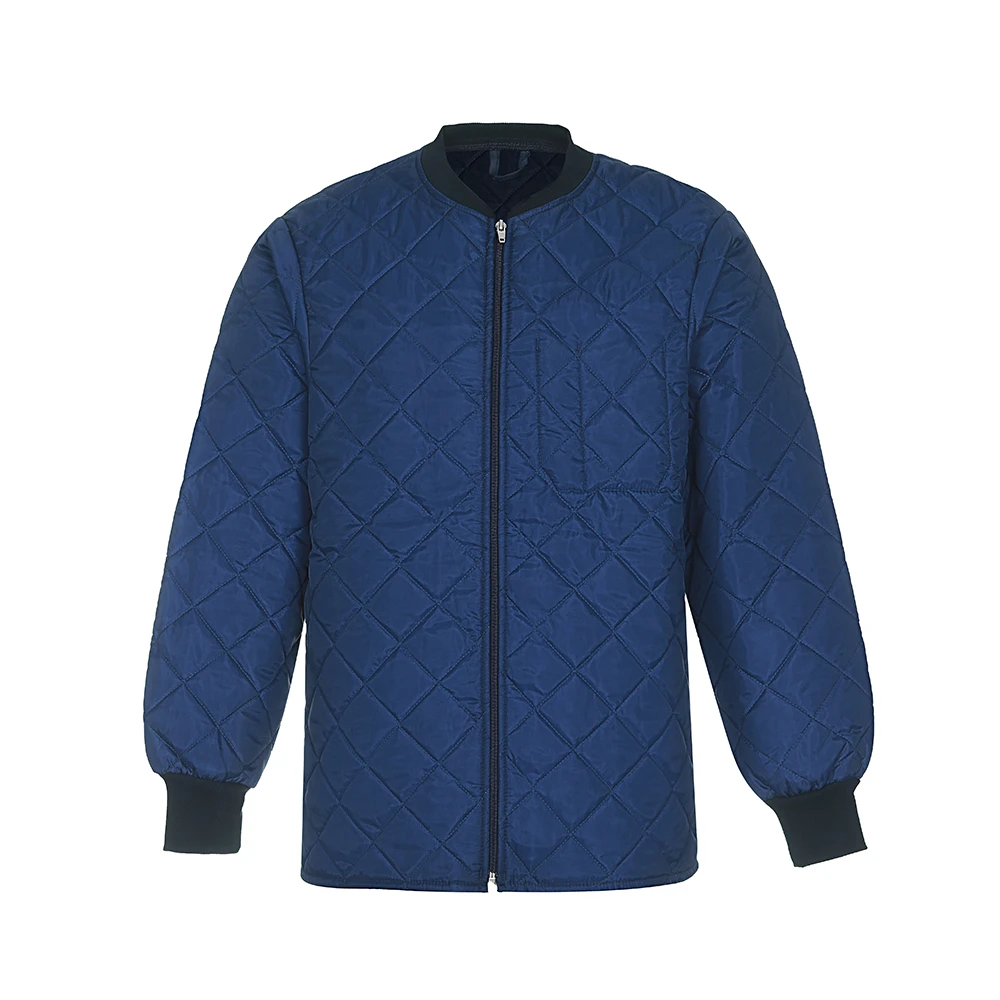
The ribbed fabric construction of corduroy creates an insulating layer, making these shirts a fashionable yet functional choice for cooler months. Corduroy shirts are versatile and can be dressed up or down, making them a great addition to any wardrobe. Another category of warm shirts includes insulated work shirts, which are designed for durability and extreme conditions. These shirts often feature quilted or padded interiors that provide superior insulation, making them ideal for outdoor labor or winter activities. The outer layers of these shirts are typically made from heavy-duty cotton or polyester blends, ensuring longevity and protection against harsh weather. Brushed cotton shirts also offer warmth and softness, making them a popular choice for casual wear. The brushing process creates a fuzzy texture that enhances insulation while maintaining breathability. These shirts are ideal for everyday use, offering a balance of comfort and warmth. No matter the specific type, warm shirts play a crucial role in keeping individuals comfortable during cold weather. From flannel and thermal options to fleece-lined and wool designs, each type of warm shirt provides unique benefits to suit different preferences and lifestyles. Choosing the right warm shirt ensures both style and functionality, making it a staple in any cold-weather wardrobe.