The Comprehensive Guide to Long Womens Vest Down for Ultimate Warmth and Style
The Ultimate Guide to Long Women's Vest Down
As the colder months approach, staying warm and stylish becomes a priority. A long women's vest down is a versatile addition to any wardrobe, offering warmth without the bulk of a full coat. This article will explore the benefits, styles, and what to look for when choosing the perfect down vest. We’ll cover everything from filling power to fit, helping you make an informed decision to keep you cozy all season long. Discover why this wardrobe staple is a must-have for any fashion-conscious woman.
Why Choose a Long Women's Vest Down?
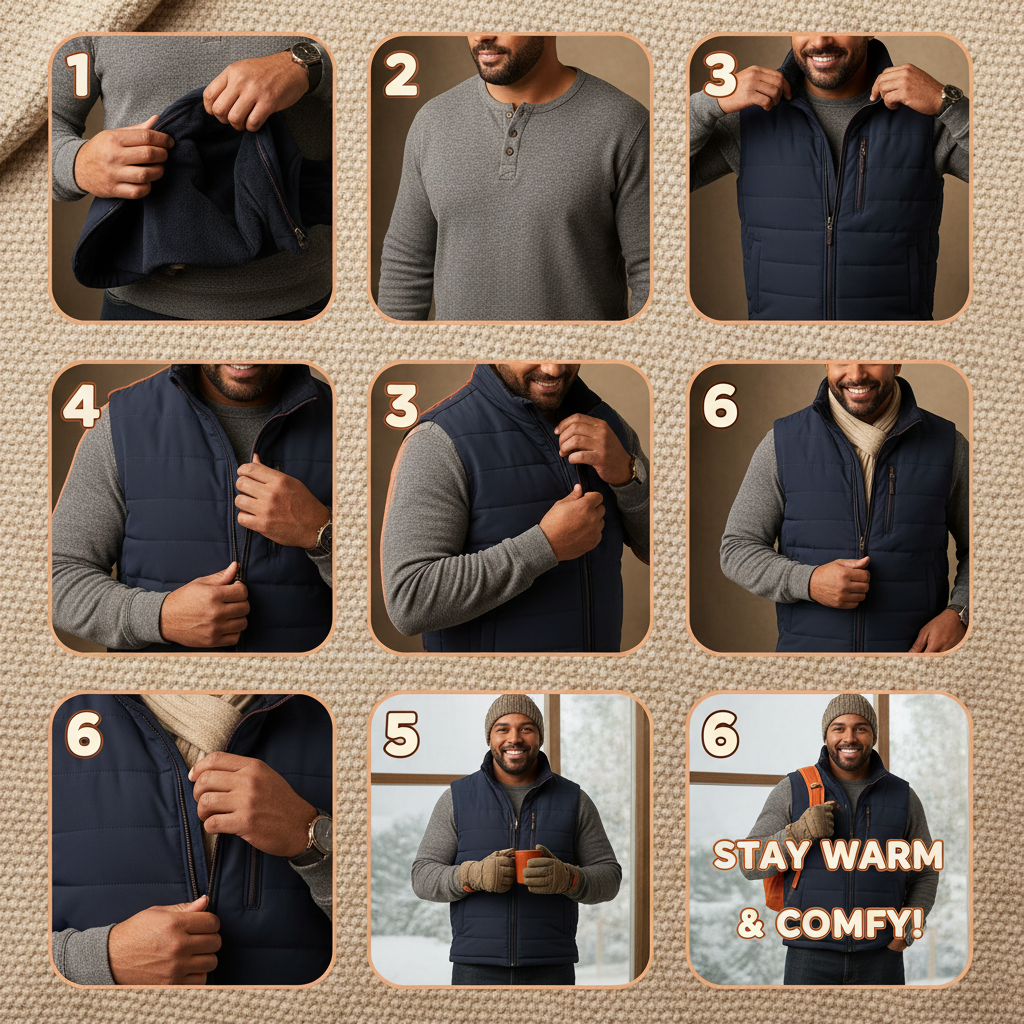
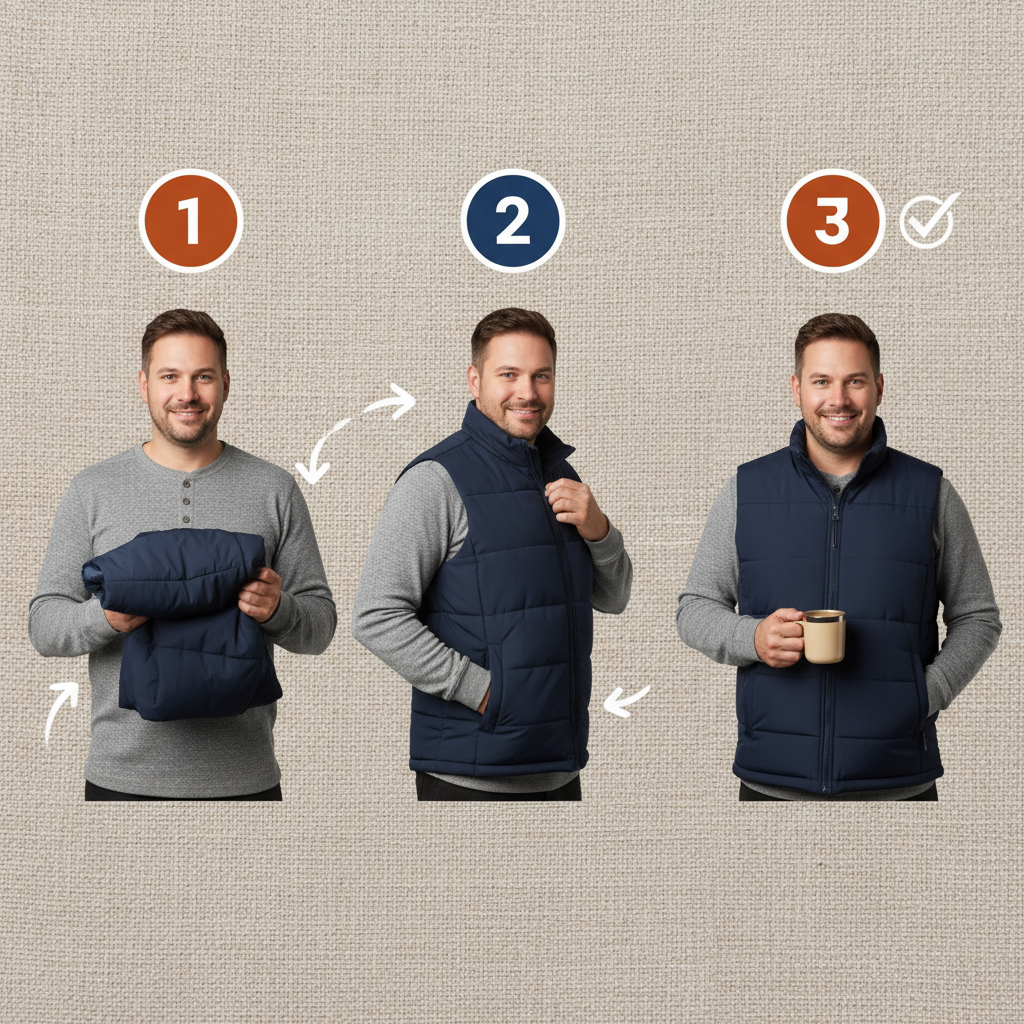
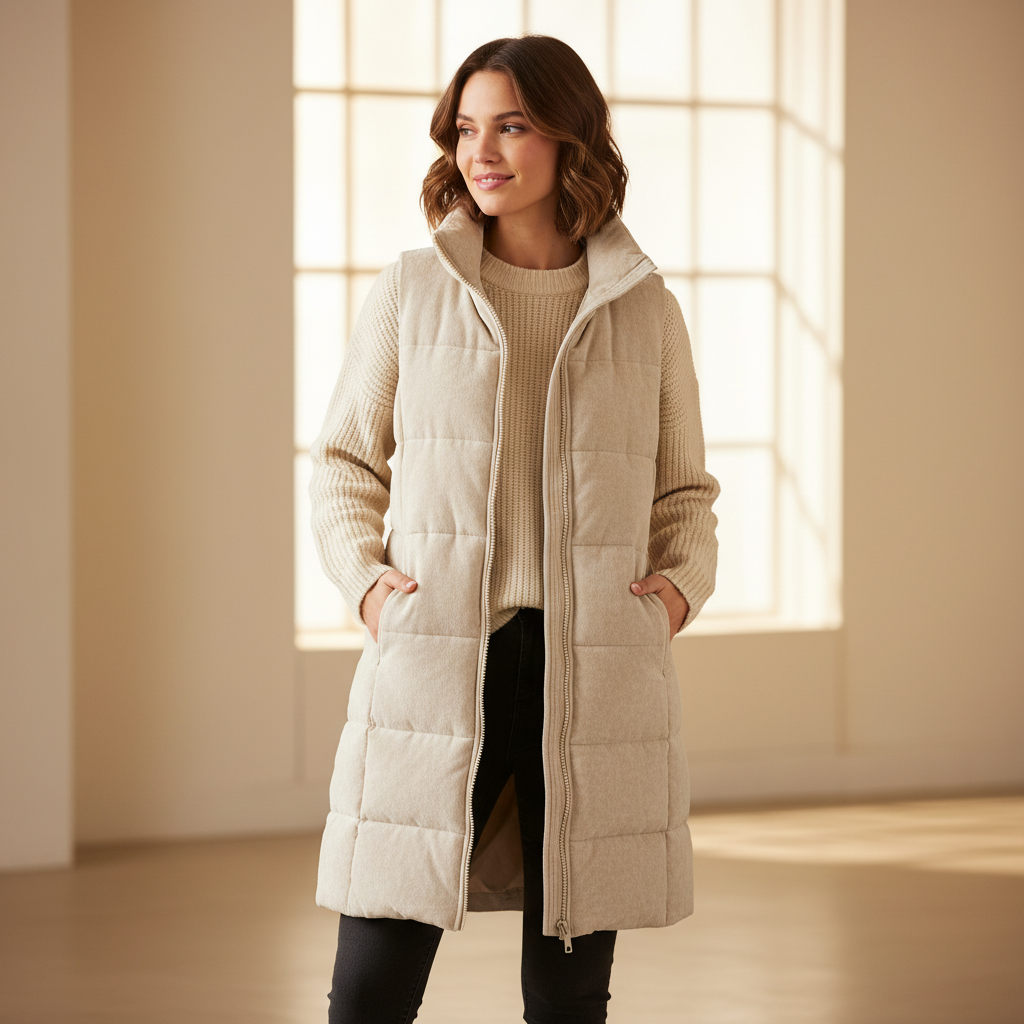
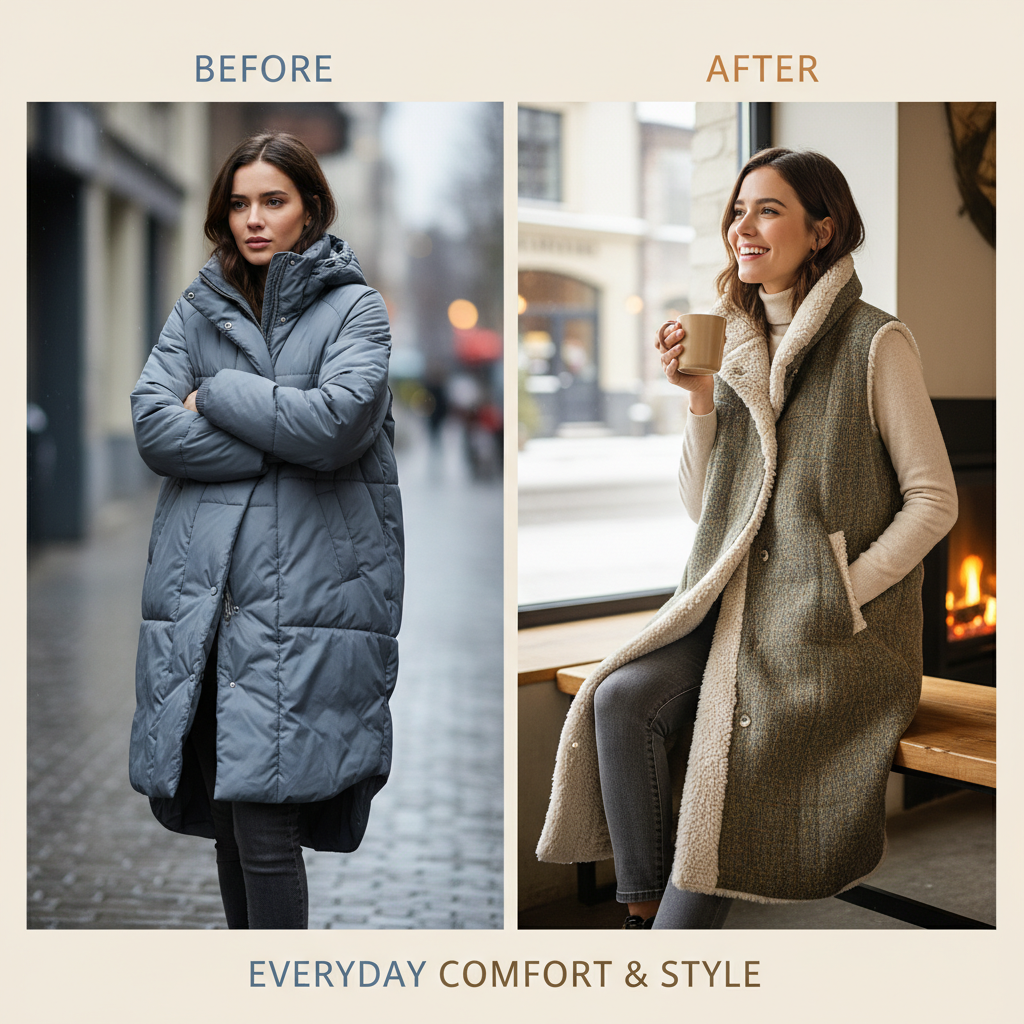
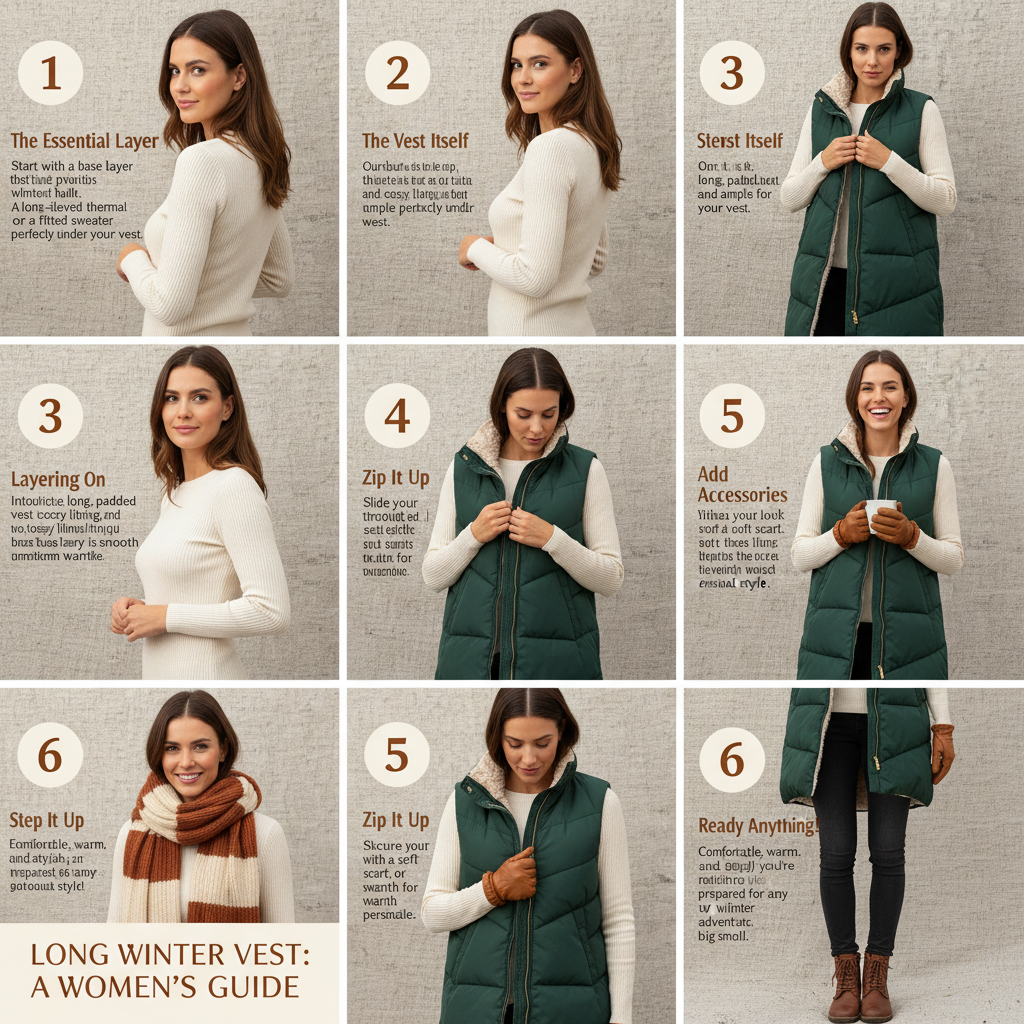
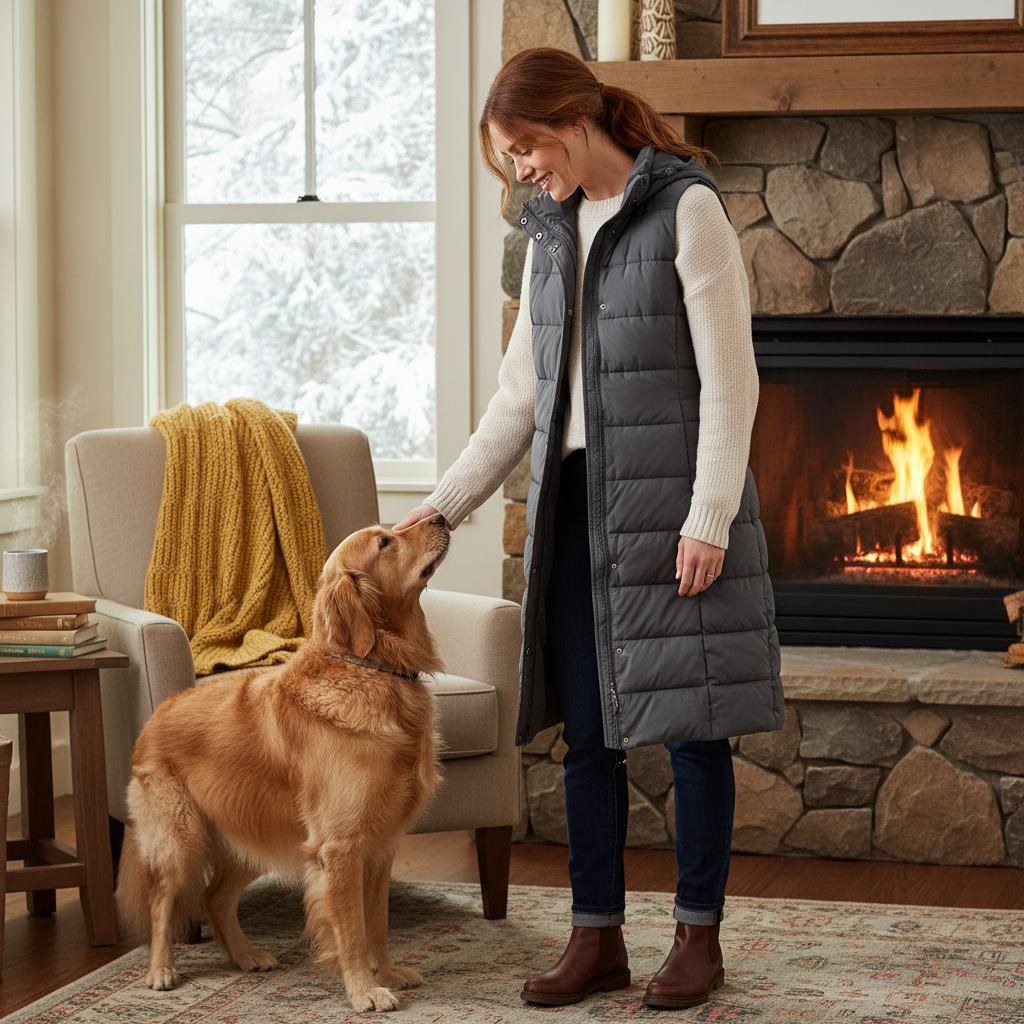
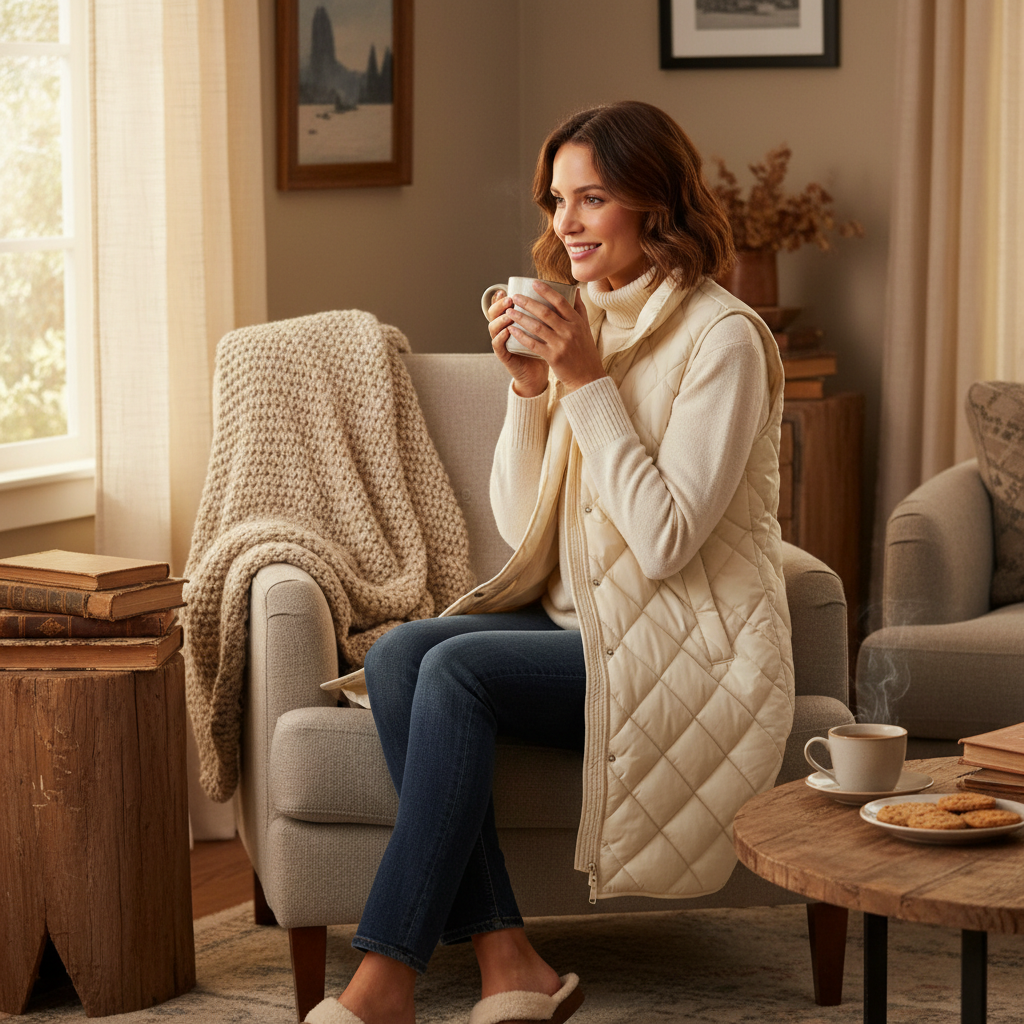
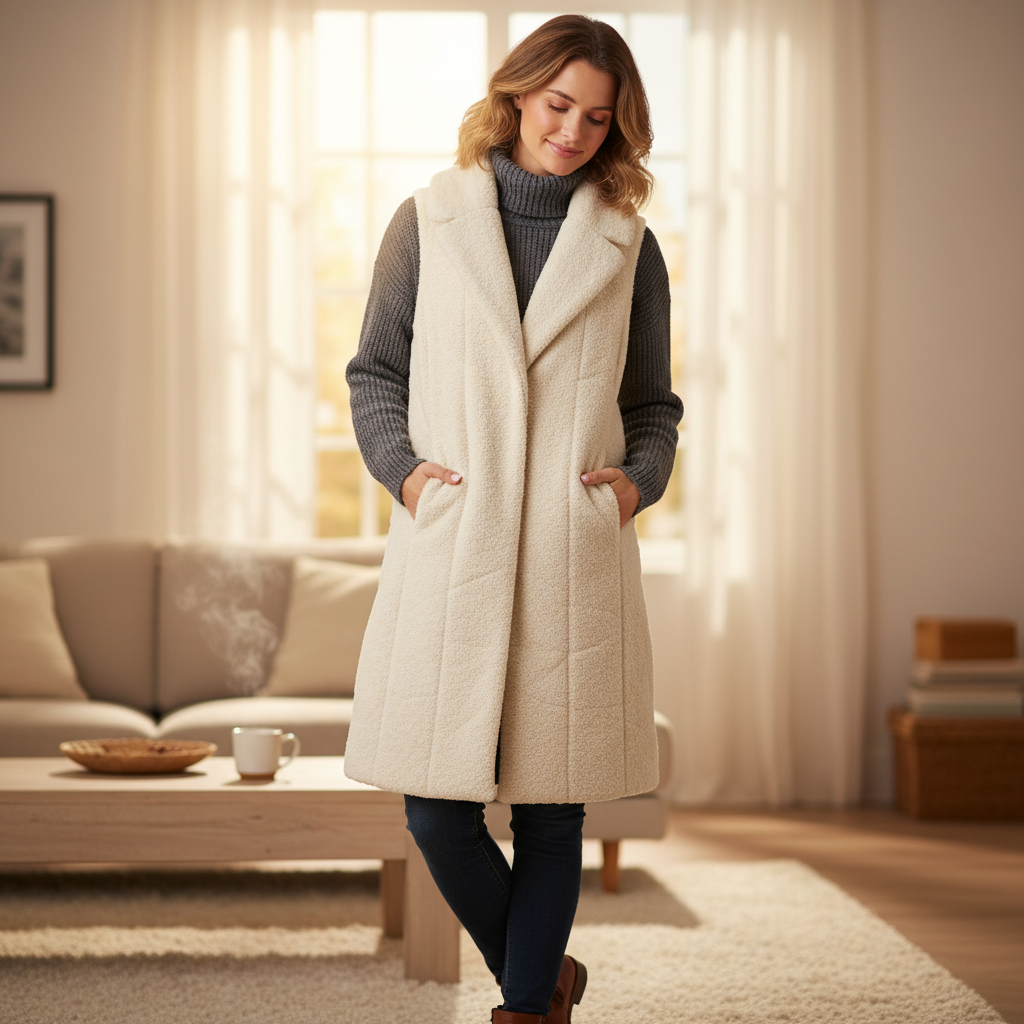
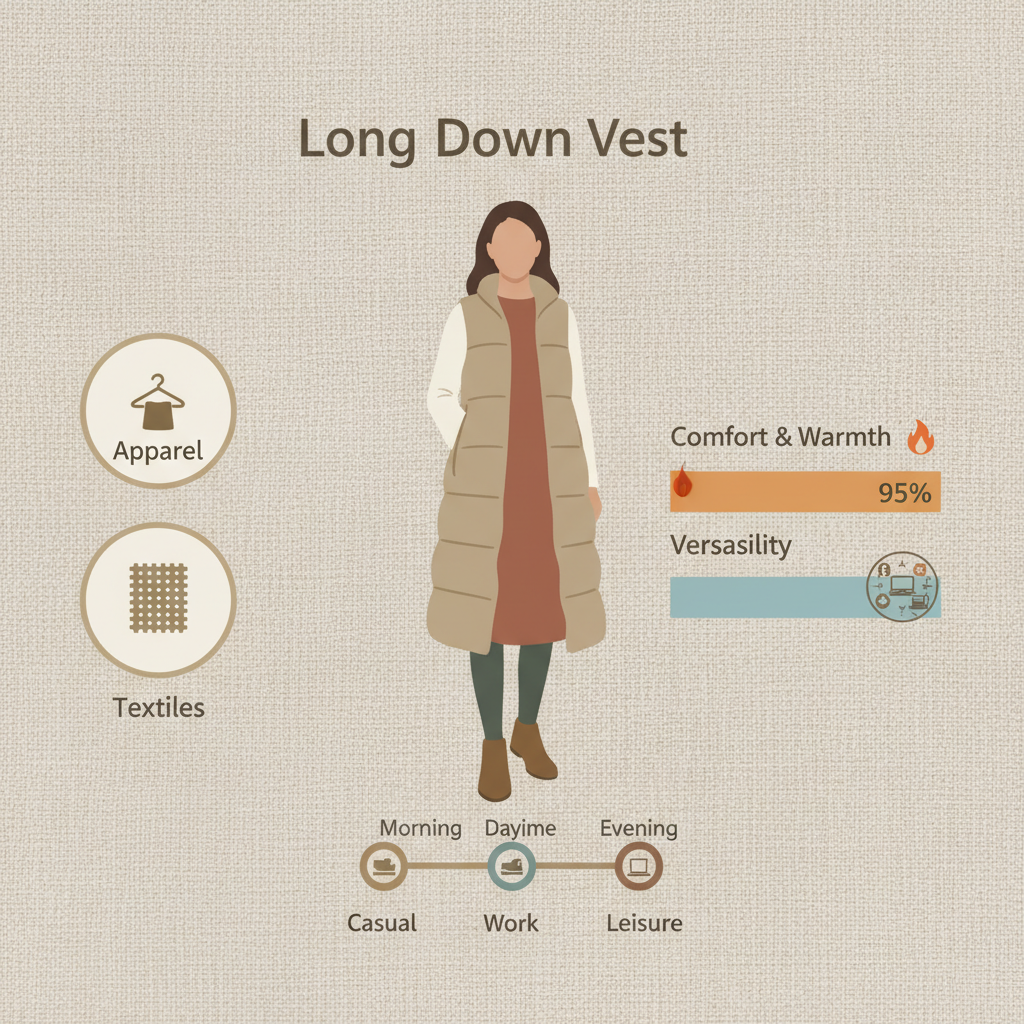
A long down vest provides core warmth while allowing for freedom of movement in your arms. Unlike bulky coats, vests layer easily over sweaters, hoodies, and even light jackets. This makes them ideal for transitional weather or for activities where you need to stay warm but avoid overheating. They're also incredibly versatile – dress them up with a blouse and trousers for a sophisticated look or keep it casual with jeans and a t-shirt. The extended length offers extra coverage, protecting your lower back and keeping you comfortably warm in even chilly conditions.
Key Benefits: Core warmth without restricting movement, easy layering, versatile style options, extended coverage for added protection.
Understanding Down Fill Power
The fill power of down is a crucial factor when choosing a vest. Fill power measures the loft, or fluffiness, of the down. A higher fill power indicates better insulation, meaning you’ll stay warmer with less down. Generally, fill powers range from 550 to 800+. A fill power of 600 or higher is considered good quality, while 700+ is excellent. Consider your climate and activity level when selecting a fill power. For mild winters, a 600 fill power may suffice, while colder climates will benefit from a higher fill power. You can find a wide selection of down vests at QS Clothing.
Fill Power Guide:
• 550-600: Good for mild weather
• 600-700: Versatile for a range of temperatures
• 700+: Excellent for cold weather and high performance
Long Womens Vest Down: Styles and Features
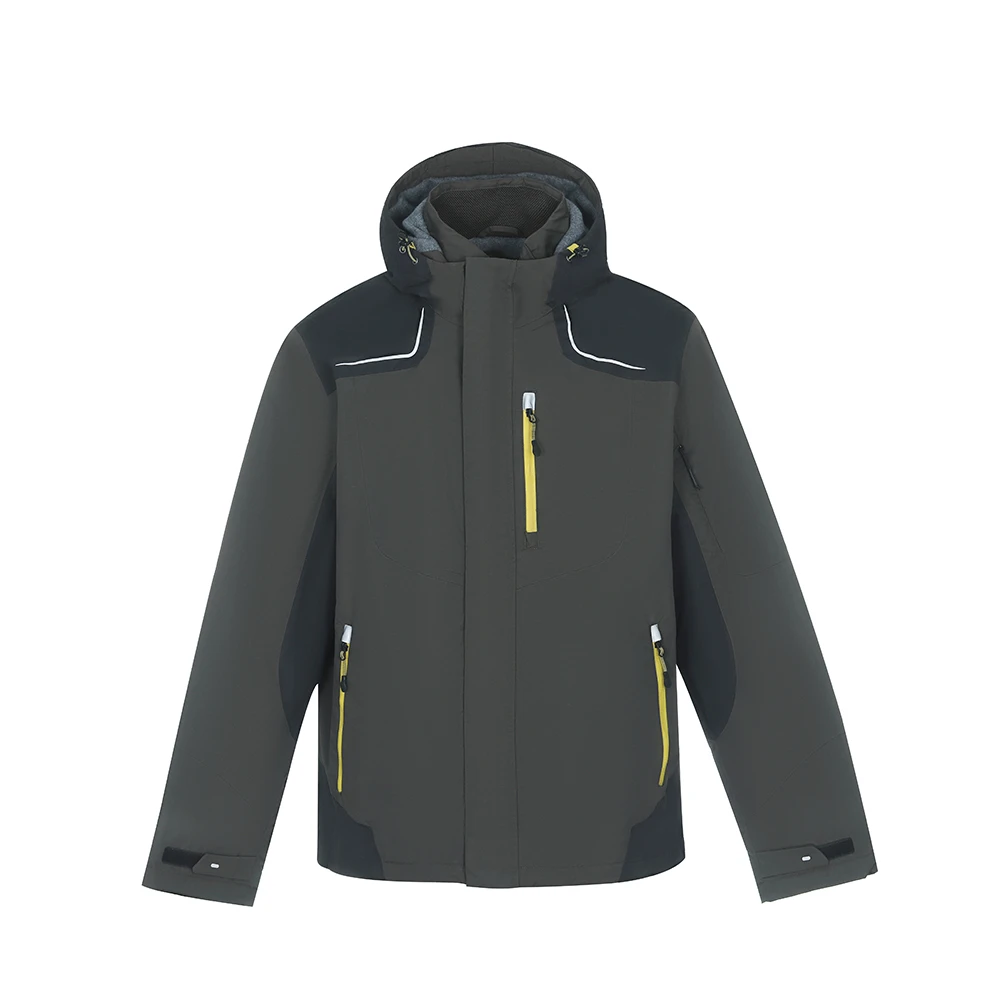
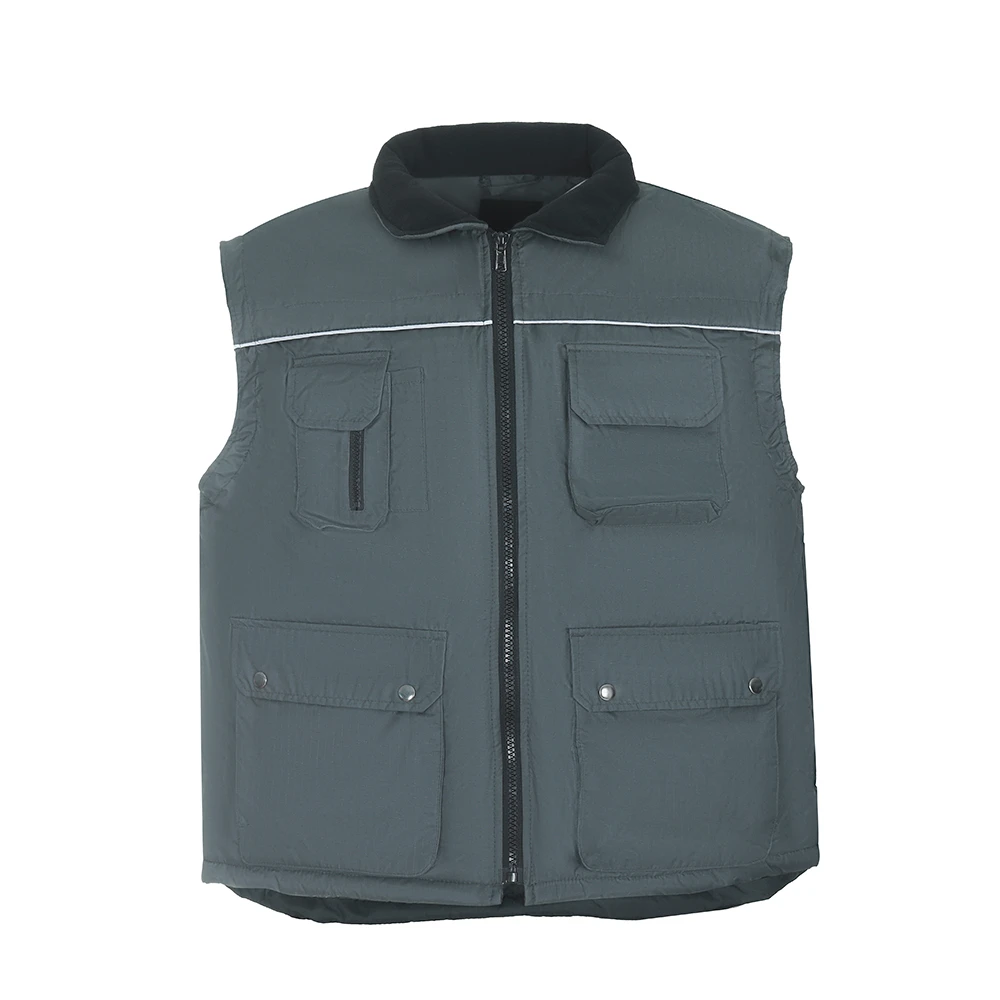
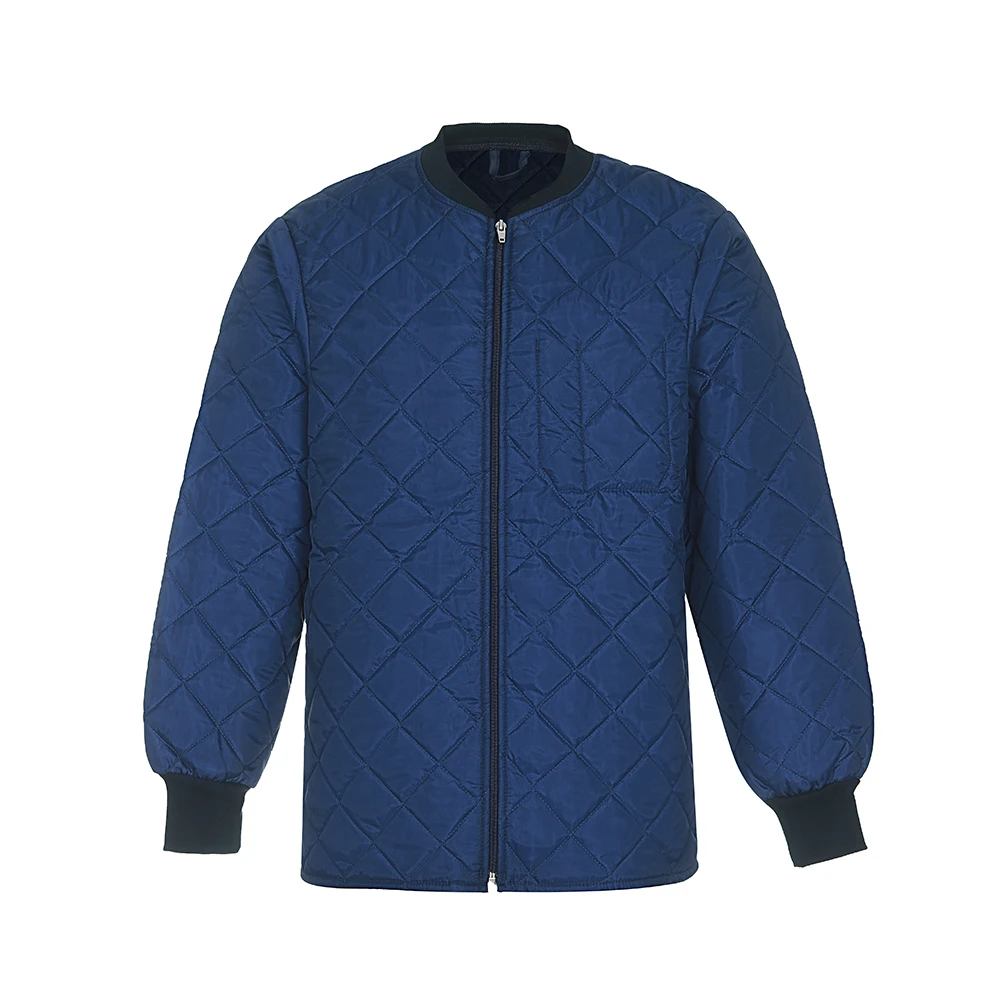
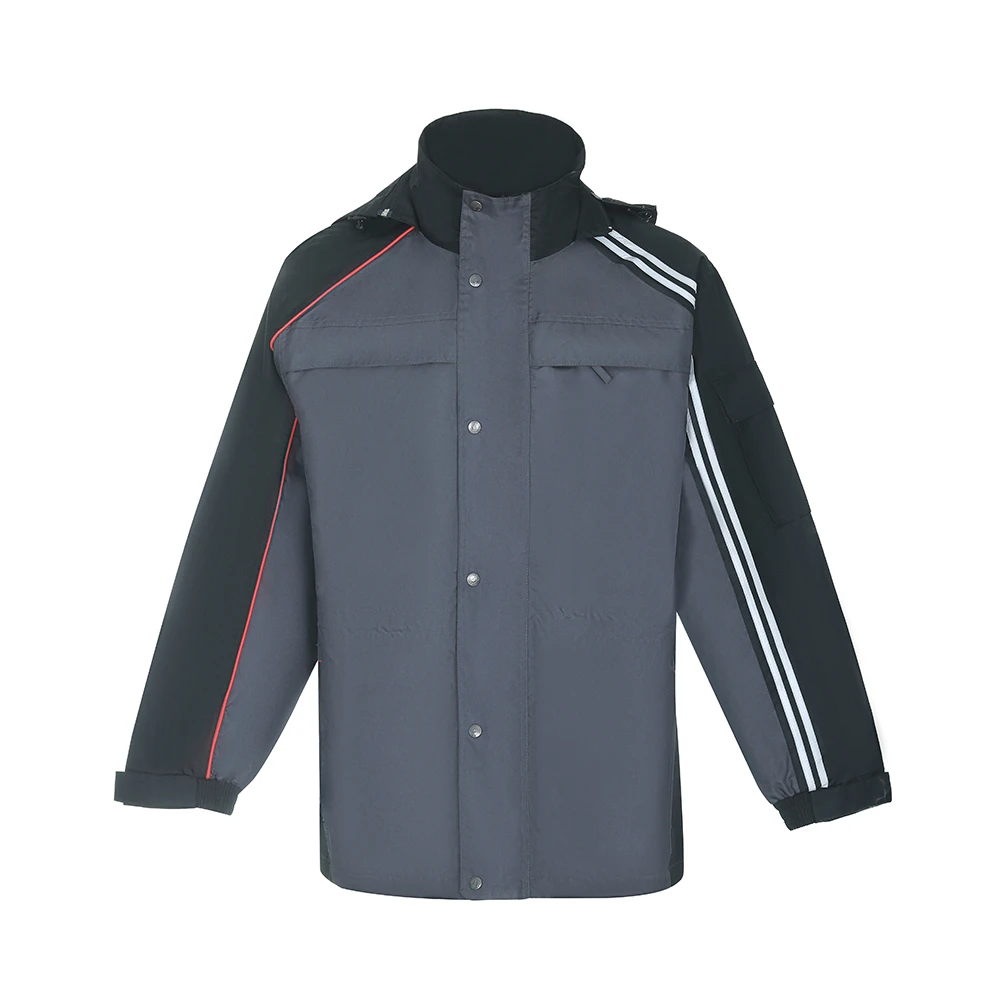
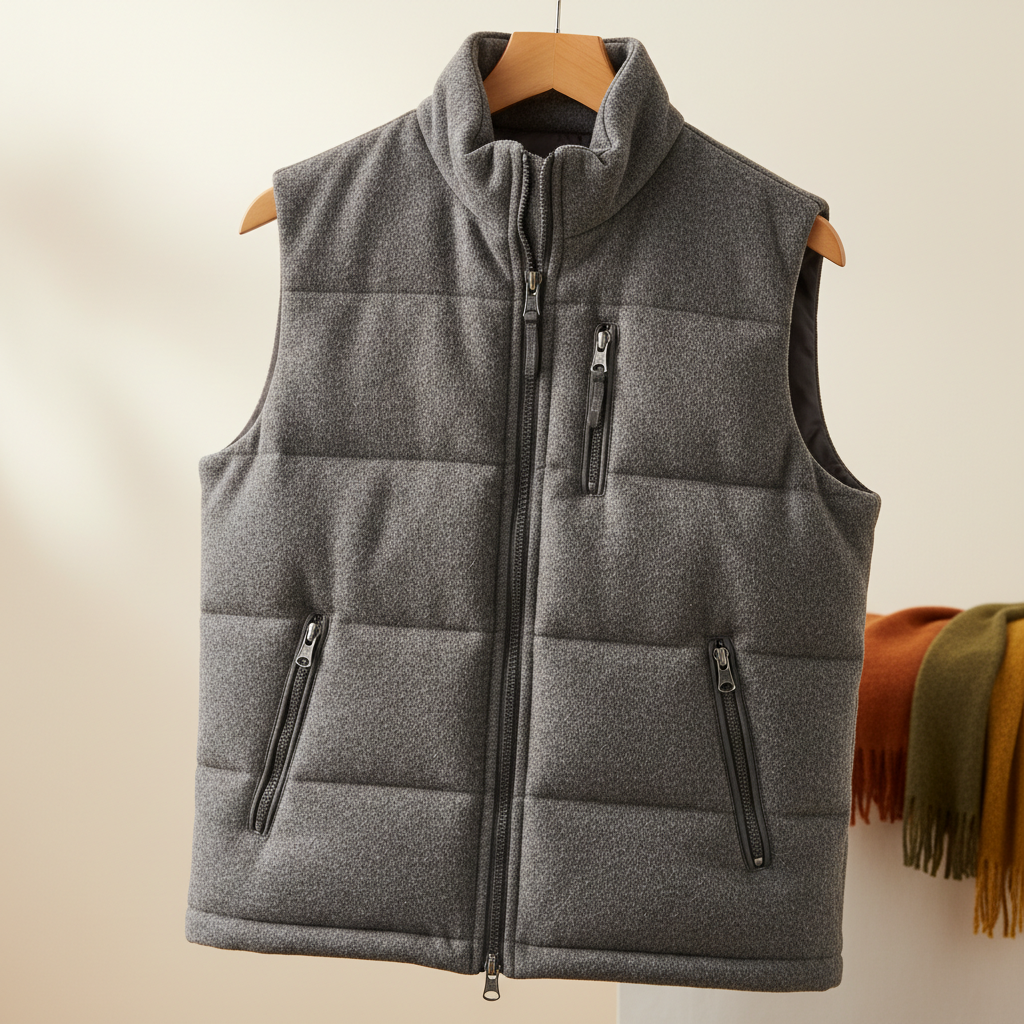
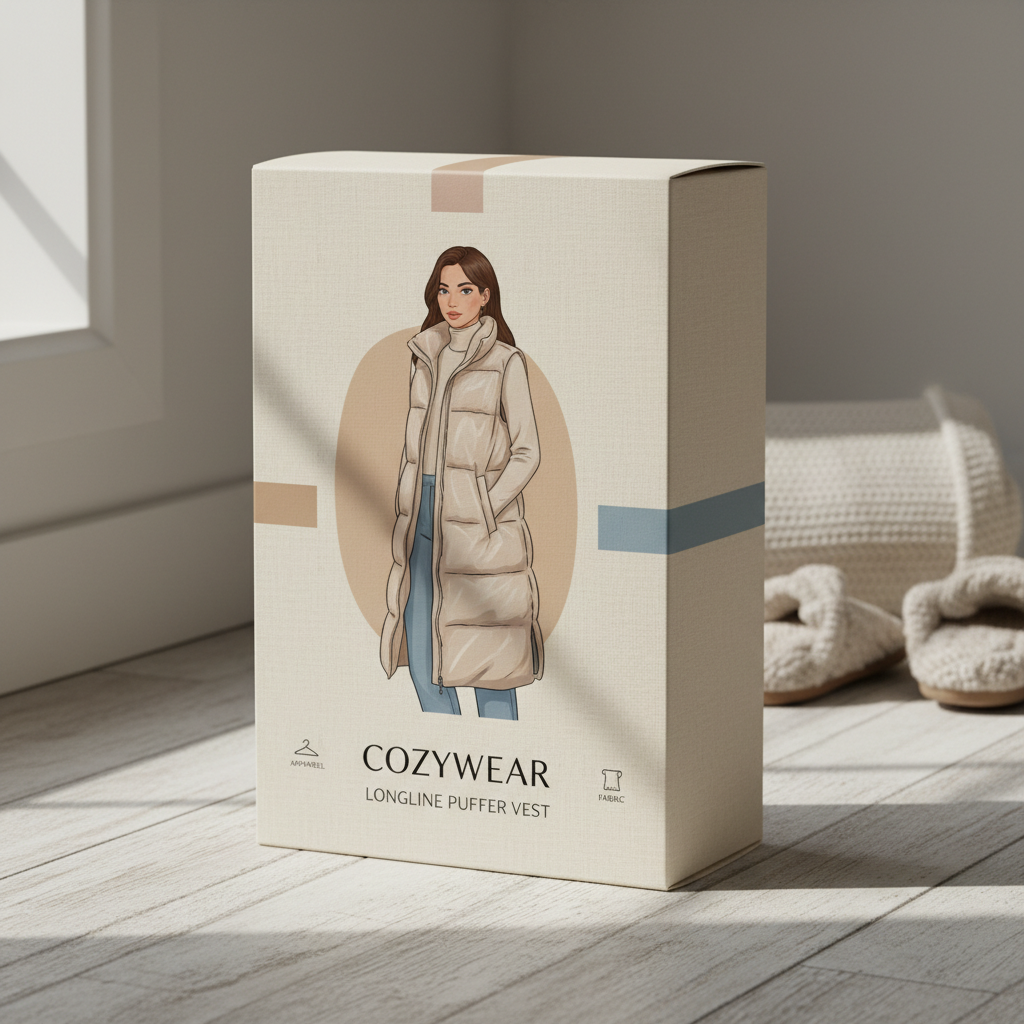
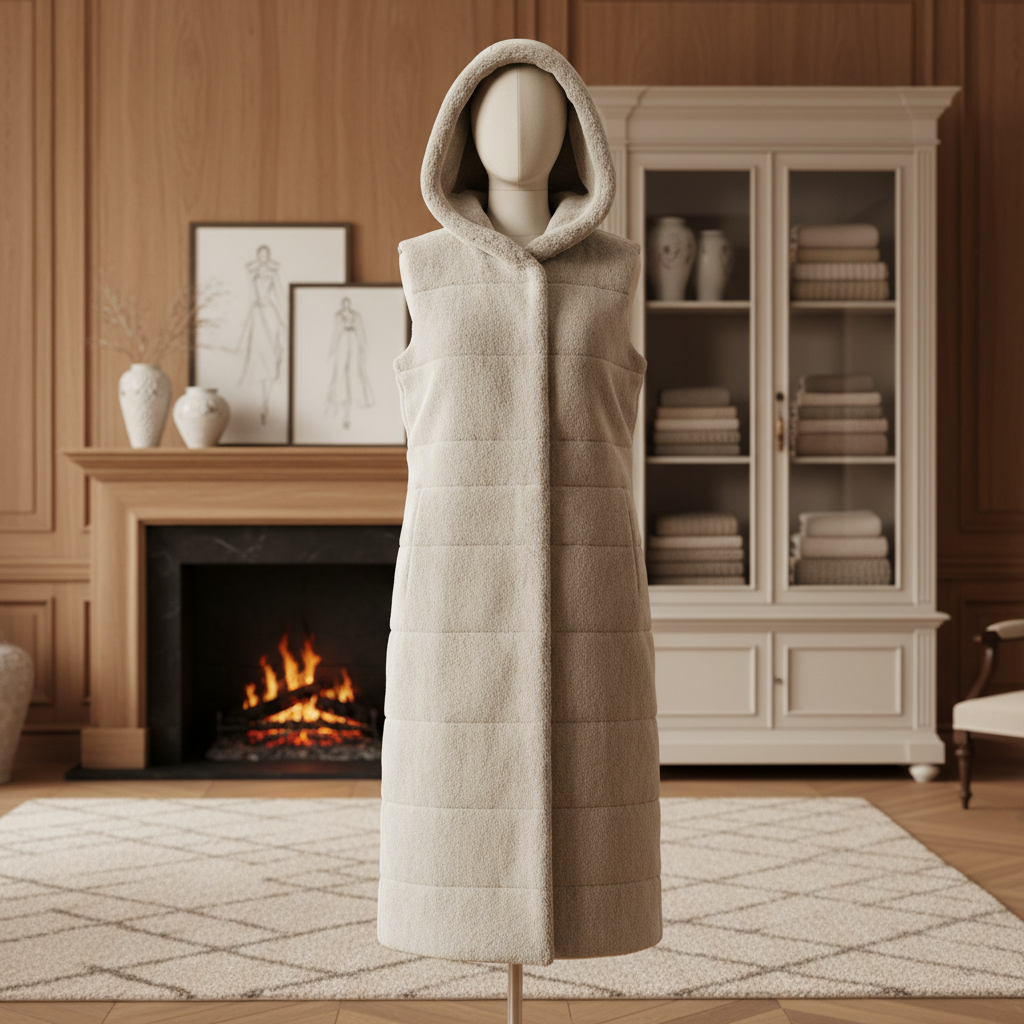
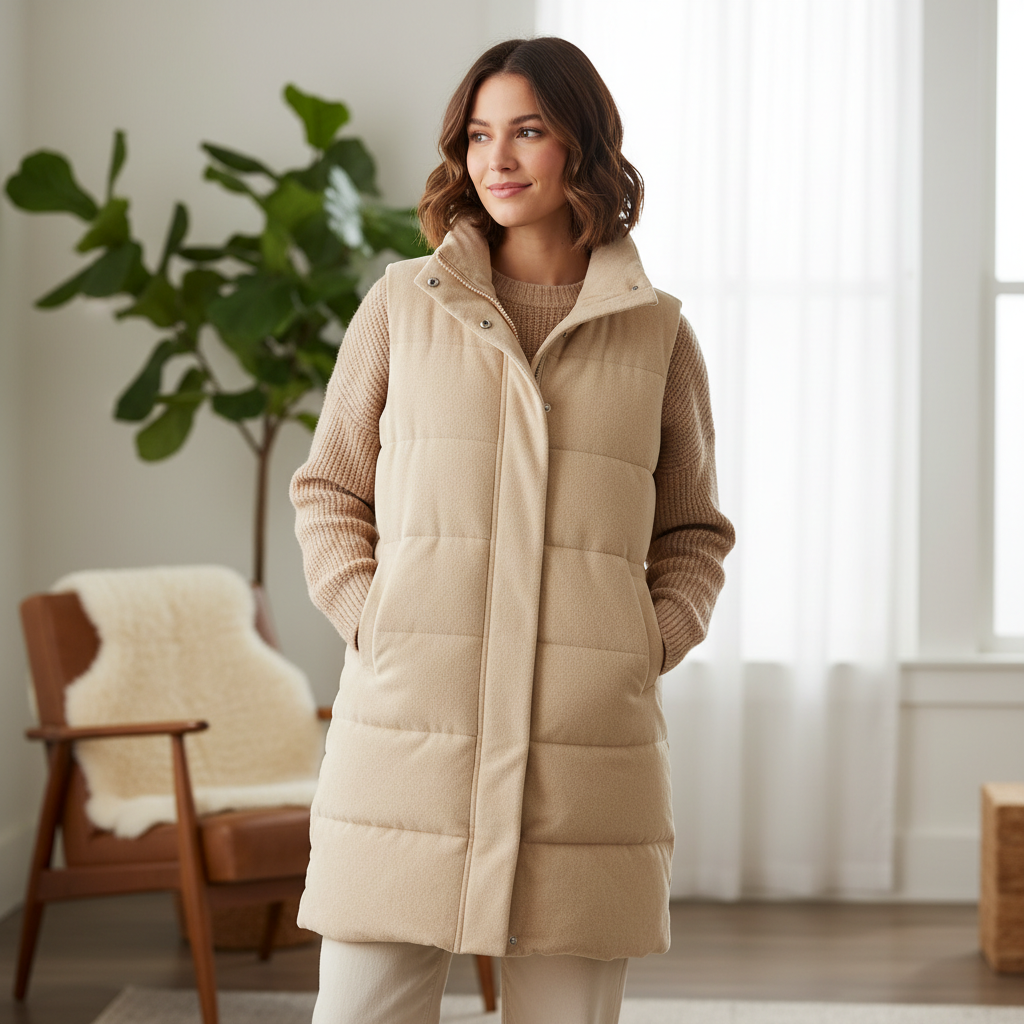
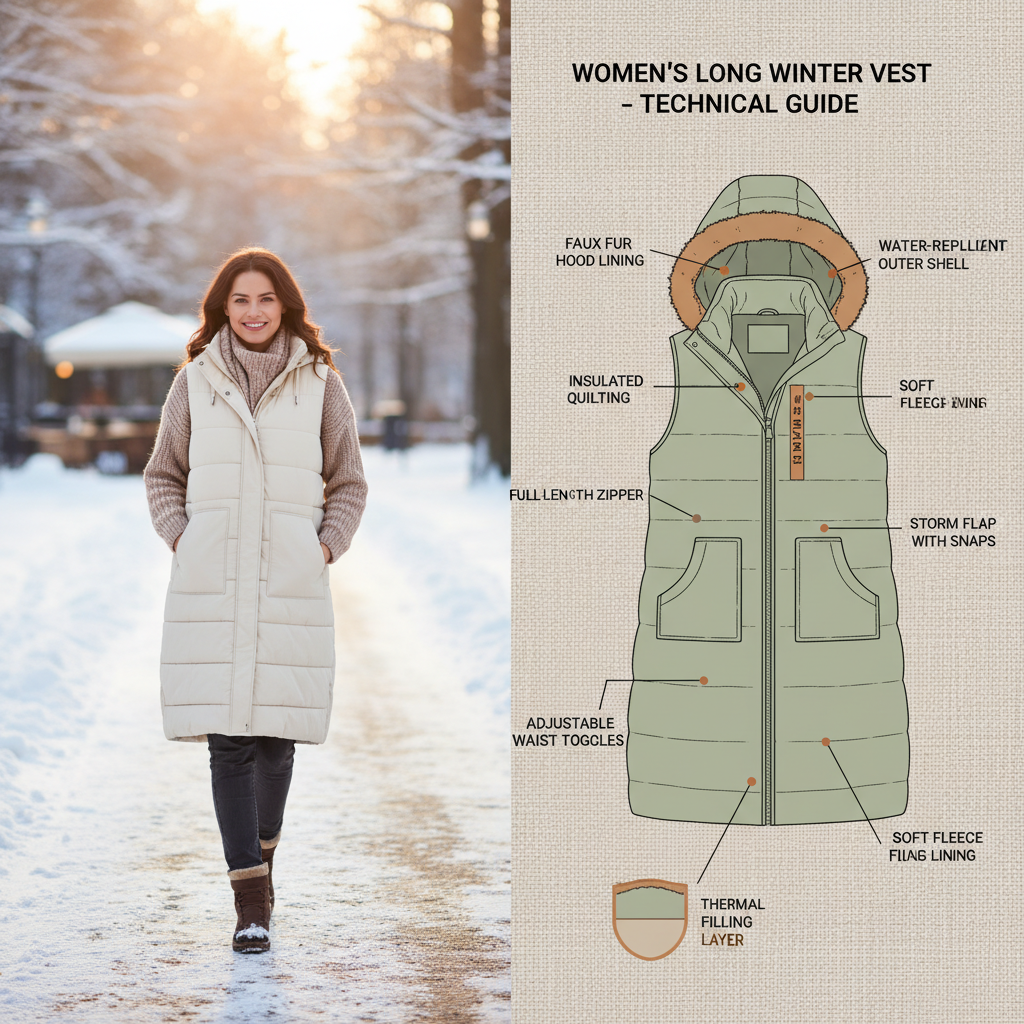
Long down vests come in a variety of styles, from classic quilted designs to more modern, streamlined silhouettes. Features to consider include the type of closure (zipper, snap, or tie), the presence of pockets (handwarmer pockets, internal pockets), and the hood (detachable or fixed). Some vests also feature windproof or water-resistant outer shells for added protection. The collar style can also vary, from stand-up collars to shawl collars. Explore different options to find a vest that complements your personal style and meets your functional needs.
Choosing the Right Fit
A well-fitting vest is essential for both comfort and warmth. The vest should fit snugly over your layers without feeling restrictive. Pay attention to the shoulder seams – they should lie flat and not bunch up. The length of the vest is also important; it should cover your hips for optimal warmth. Check the brand's size chart and consider reading customer reviews to get an idea of how the vest runs (e.g., true to size, runs small, runs large). You can explore a variety of fits at QS Clothing's collection.
Caring for Your Down Vest
Proper care will extend the life of your down vest. Always check the care label before washing. Typically, down vests should be machine washed on a gentle cycle with a down-specific detergent. Avoid using fabric softeners, as they can damage the down's loft. Tumble dry on low heat with a few clean tennis balls to help redistribute the down and prevent clumping. Store your vest in a breathable bag when not in use.
Conclusion: Stay Warm and Stylish with a Long Down Vest
A long women's vest down is a practical and fashionable investment for any wardrobe. By considering the fill power, style, fit, and care instructions, you can choose a vest that will keep you warm and comfortable for years to come. Don’t hesitate to explore the diverse selection available at QS Clothing to find the perfect vest to suit your needs and style.
Frequently Asked Questions (FAQs)
What is the difference between down and synthetic fill?
Down is the soft undercoating of ducks or geese, known for its excellent warmth-to-weight ratio. Synthetic fill, on the other hand, is made from polyester fibers. Down is warmer and more compressible, but it loses its insulating properties when wet. Synthetic fill retains some warmth even when damp and is typically more affordable. However, it's generally bulkier and heavier than down. The best choice depends on your climate and activity level. If you live in a wet climate or engage in activities where you might get wet, a synthetic vest might be more practical.
How do I store my down vest during the off-season?
Proper storage is key to maintaining the loft and insulating properties of your down vest. Avoid storing it in a compressed state for extended periods, as this can damage the down. Instead, store it in a large, breathable cotton bag or a mesh laundry bag. This allows air to circulate and prevents the down from clumping. Also, ensure the vest is completely dry before storing it to prevent mold or mildew.
Can I wear a down vest in the rain?
While some down vests have a water-resistant outer shell, down itself loses its insulating properties when wet. If you anticipate rain, it's best to choose a vest with a water-resistant or waterproof coating. Alternatively, pair your down vest with a waterproof jacket for added protection. Remember that even water-resistant vests will eventually become saturated in heavy rain.
What should I look for in a responsibly sourced down vest?
When choosing a down vest, consider the sourcing of the down. Look for vests certified by the Responsible Down Standard (RDS). This certification ensures that the down comes from ducks and geese that have been treated humanely. It also guarantees that the down is sourced from farms with responsible farming practices. Supporting brands that prioritize ethical and sustainable sourcing helps ensure animal welfare and environmental responsibility.