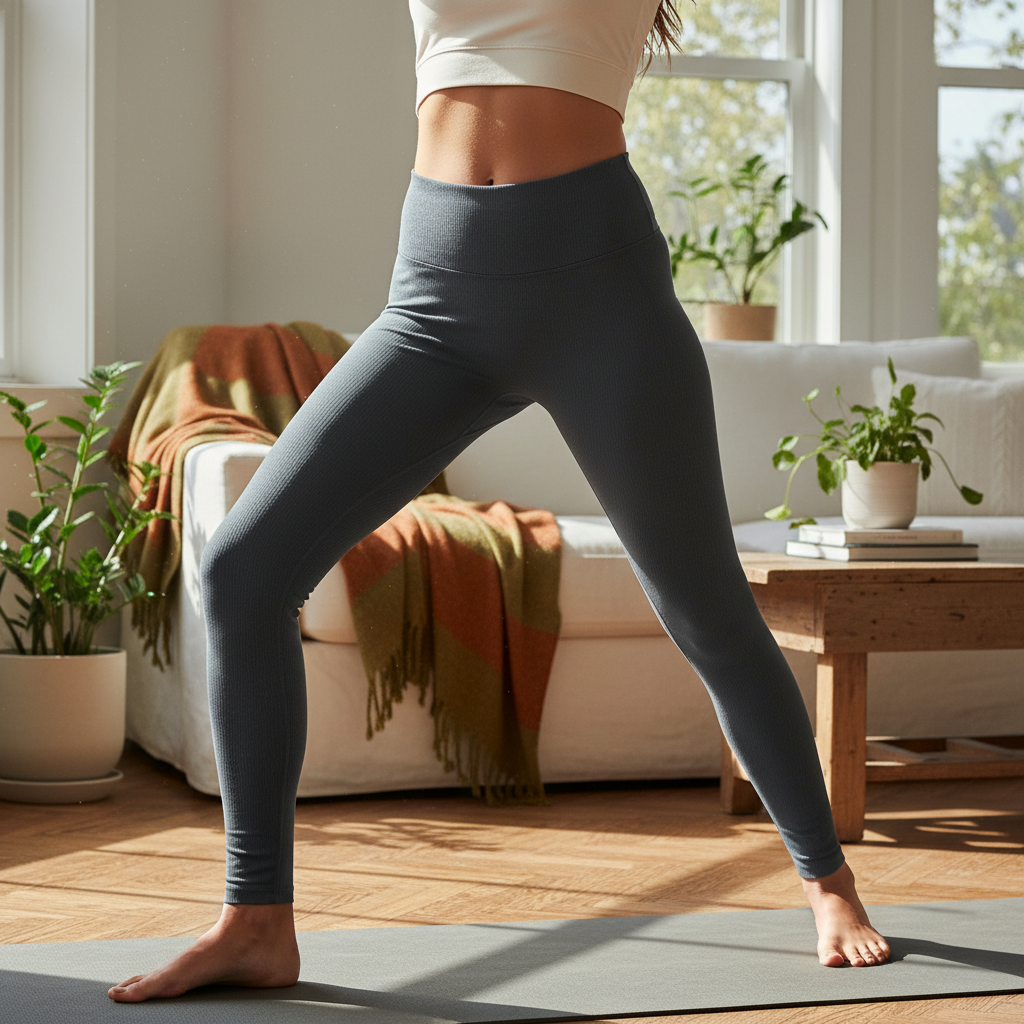
Look, the world’s going crazy for yoga. It’s not just a trend anymore, it’s a lifestyle, and people are serious about their practice. That means they need gear that can keep up. We're talking about yoga wear, but not just any yoga wear – we're talking about reliably sourced, consistently high-quality yoga wear oem. It’s a global need, honestly. From studios in New York to retreats in Bali, the demand is constant. And that demand is putting pressure on manufacturers to deliver. It’s not enough to just look good, it has to perform, it has to last, and it has to be scalable.
I've spent years on factory floors, and I can tell you, the real challenge isn't just stitching fabric together. It's about building a supply chain that can handle volume, maintain quality control, and adapt to changing trends. The rise of e-commerce and direct-to-consumer brands means smaller orders are becoming more common, alongside the large wholesale demands. yoga wear oem has to be flexible enough to handle both. It’s about responsiveness, frankly.
And it's getting more complex. Consumers are demanding sustainability, ethical production, and transparent sourcing. They want to know where their clothes come from, and they’re willing to pay more for brands that align with their values. This means yoga wear oem isn't just about cost anymore, it’s about responsible manufacturing. That's where the real opportunity lies – building a system that delivers quality, scale, and integrity.
The Global Landscape of yoga wear oem
The global athletic apparel market, and by extension the yoga wear oem sector, is a multi-billion dollar industry. According to reports from organizations like Statista, the market is projected to continue its strong growth trajectory, driven by increasing health consciousness and participation in fitness activities. The UN Sustainable Development Goals also play a role, specifically Goal 8 (Decent Work and Economic Growth) and Goal 12 (Responsible Consumption and Production), influencing demand for ethical and sustainable sourcing. I've seen first-hand how pressure from consumers and regulations is shifting the landscape.
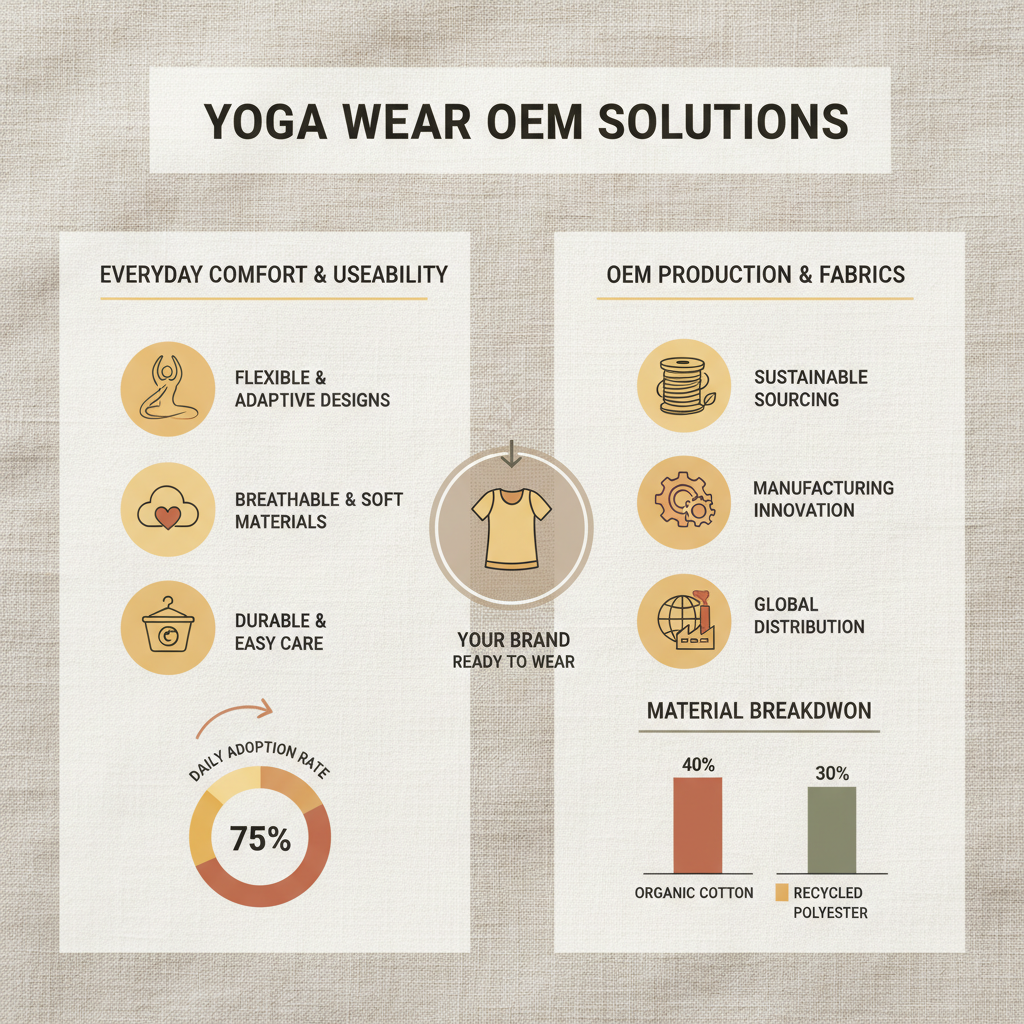
Right now, the biggest challenges are navigating complex supply chains, managing fluctuating raw material costs (think sustainable fabrics like organic cotton or recycled polyester), and ensuring consistent quality across multiple production facilities. We’re talking about a seriously interconnected web. Getting it wrong means delays, inconsistent products, and ultimately, unhappy customers. It's not just about finding a factory that can make the clothes, it's about finding a partner who understands the whole process.
Defining yoga wear oem: Core Concepts
yoga wear oem – Original Equipment Manufacturing – is, at its core, about contracting with a manufacturer to produce yoga apparel to your specific design and specifications. It's not about buying off-the-rack stuff, it’s about building your brand’s identity through custom-made products. It’s a far cry from just slapping a logo on a pre-existing garment.
This is critical for brands looking to differentiate themselves in a crowded market. It connects directly to the modern need for brand authenticity and bespoke solutions. It’s about having control over fabric selection, fit, style, and overall quality. The process involves everything from initial design sketches and sample creation to bulk production, quality control, and shipping.
Think of it like building a house. You hire an architect (the designer), and a construction crew (the OEM). You provide the blueprints, and they build it to your exact requirements. The best yoga wear oem partners will act as collaborators, offering expertise and guidance throughout the entire process – from sourcing materials to optimizing production techniques.
Key Factors in Effective yoga wear oem
Durability is paramount. Yoga wear has to withstand repeated stretching, bending, and washing. The materials need to be high-quality, the stitching needs to be reinforced, and the construction needs to be robust. I’ve seen too many pairs of leggings rip at the seams after just a few washes. That's a failure of yoga wear oem.
Scalability is essential for growth. Can your yoga wear oem partner handle a sudden increase in orders? Do they have the capacity to scale up production without compromising quality? It's not enough to be able to make 1000 units a month, you need a partner who can handle 10,000 or even 50,000 if you hit it big.
Cost efficiency is, of course, a key consideration, but it shouldn’t come at the expense of quality or ethics. Finding the right balance between price, quality, and responsible manufacturing is crucial. Cheapest isn’t always best. Often, the upfront savings are offset by higher defect rates, returns, and reputational damage.
Global Applications and Industry Integration
yoga wear oem isn't confined to just big brands. It’s being used by boutique studios, online retailers, and even fitness influencers to create their own private label lines. I’ve seen it used for everything from basic leggings and sports bras to highly technical performance apparel.
Major hubs for yoga apparel manufacturing are located in countries like China, Vietnam, and India. These regions offer a combination of skilled labor, established infrastructure, and competitive pricing. But it’s not just about location, it’s about the specific capabilities of the factory. Some specialize in woven fabrics, others in knits, and some are particularly adept at working with sustainable materials.
We’ve worked with clients developing collections for the North American market, specialized lines for European fitness trends, and even sustainable yoga wear targeted at conscious consumers in Australia. It's a truly global operation. The key is understanding the specific needs of each market and tailoring the production process accordingly.
Performance of yoga wear oem Methods
Advantages and Long-Term Value of yoga wear oem
The biggest advantage, honestly, is control. You control the design, the materials, the quality, and the production process. This allows you to create a product that perfectly aligns with your brand’s identity and meets the specific needs of your customers.
Beyond that, you're building a direct relationship with a manufacturing partner. That's invaluable for long-term sustainability and responsiveness. It’s about trust and open communication. A good yoga wear oem partner will proactively identify potential issues and offer solutions, not just blindly follow your instructions.
Future Trends and Innovations in yoga wear oem
Sustainability is no longer a buzzword, it’s a necessity. We’re seeing a huge demand for eco-friendly materials like organic cotton, recycled polyester, and plant-based dyes. yoga wear oem partners who can offer these options will be in high demand.
Another trend is the use of digital printing and on-demand manufacturing. This allows for greater customization and reduces waste. We are also exploring technologies like 3D prototyping and virtual sampling to streamline the design process and reduce lead times.
Finally, traceability and transparency are becoming increasingly important. Consumers want to know where their clothes come from and how they were made. Blockchain technology is being explored as a way to track the entire supply chain, from raw materials to finished product.
Challenges and Solutions in yoga wear oem Implementation
One of the biggest challenges is finding a reliable yoga wear oem partner who can consistently deliver high-quality products on time and within budget. It requires thorough vetting, factory audits, and ongoing quality control.
Another challenge is managing communication across different time zones and cultures. Clear and concise communication is essential, as is building a strong personal relationship with your manufacturing team. That's where having boots on the ground – someone who can visit the factory regularly – can be incredibly valuable.
Finally, navigating the complexities of international trade regulations and tariffs can be a headache. Working with a reputable sourcing agent or freight forwarder can help streamline the process and minimize potential disruptions.
Core Analysis of Future Challenges in yoga wear oem
| Challenge Area |
Impact Level (1-10) |
Mitigation Strategy |
Implementation Cost (USD) |
| Supply Chain Disruptions |
8 |
Diversify sourcing, build buffer inventory |
10,000 |
| Quality Control Issues |
7 |
Implement rigorous inspection protocols |
5,000 |
| Rising Raw Material Costs |
9 |
Negotiate long-term contracts, explore alternative materials |
2,000 |
| Ethical Sourcing Concerns |
6 |
Conduct factory audits, prioritize fair labor practices |
3,000 |
| Lead Time Management |
7 |
Optimize production scheduling, improve communication |
1,000 |
| Intellectual Property Protection |
5 |
Implement NDAs, secure design rights |
500 |
FAQS
Direct factories generally offer lower pricing and more control over the production process, but they often require larger minimum order quantities and may have limited design capabilities. Trading companies, on the other hand, can handle smaller orders, offer a wider range of services (like design and sourcing), but typically come with higher costs due to the added markup. It’s about weighing your priorities and needs.
Rigorous quality control is paramount. This includes pre-production sample approvals, in-line inspections during production, and final inspections before shipment. Establish clear quality standards and communicate them effectively to your yoga wear oem partner. Consider hiring a third-party inspection agency for added assurance.
Typical lead times range from 6-12 weeks, depending on the complexity of the design, the availability of materials, and the production capacity of the factory. Factor in time for sample creation, revisions, bulk production, quality control, and shipping. Communication and proactive planning are key to minimizing delays.
Avoid partners with consistently low pricing, as this often indicates compromised quality or unethical practices. Lack of transparency, poor communication, and reluctance to provide factory audits are also red flags. Always do your due diligence and choose a partner who is reliable, responsive, and committed to quality.
Prioritize factories that adhere to fair labor standards, environmental regulations, and sustainable manufacturing practices. Look for certifications like WRAP, OEKO-TEX, and GOTS. Ask your yoga wear oem partner about their sourcing policies and visit the factory to verify their claims.
Common payment terms include a 30-50% deposit upon order confirmation, with the remaining balance paid before shipment. Letters of credit (LCs) are sometimes used for larger orders. Clearly define the payment terms in your contract and ensure they are mutually agreeable.
Conclusion
In the end, successful yoga wear oem is about more than just finding the cheapest price. It's about building a strong, collaborative partnership with a manufacturer who understands your brand’s values, prioritizes quality, and can consistently deliver on its promises. It demands a proactive approach, a commitment to transparency, and a willingness to invest in long-term relationships.
Looking ahead, the future of yoga wear oem will be shaped by sustainability, innovation, and digitalization. Brands that embrace these trends and prioritize responsible manufacturing will be best positioned to thrive in this dynamic and competitive market. Visit our website at www.qsclothing.com to learn more about how we can help you build your yoga wear brand.