Heated Vest For Winter: A B2B Solution for Cold Weather Work
Table of Contents
- Heated Vest For Winter Overview
- Benefits & Use Cases of Heated Vest For Winter
- Cost, Maintenance & User Experience
- Sustainability & Market Trends
Heated Vest For Winter Overview
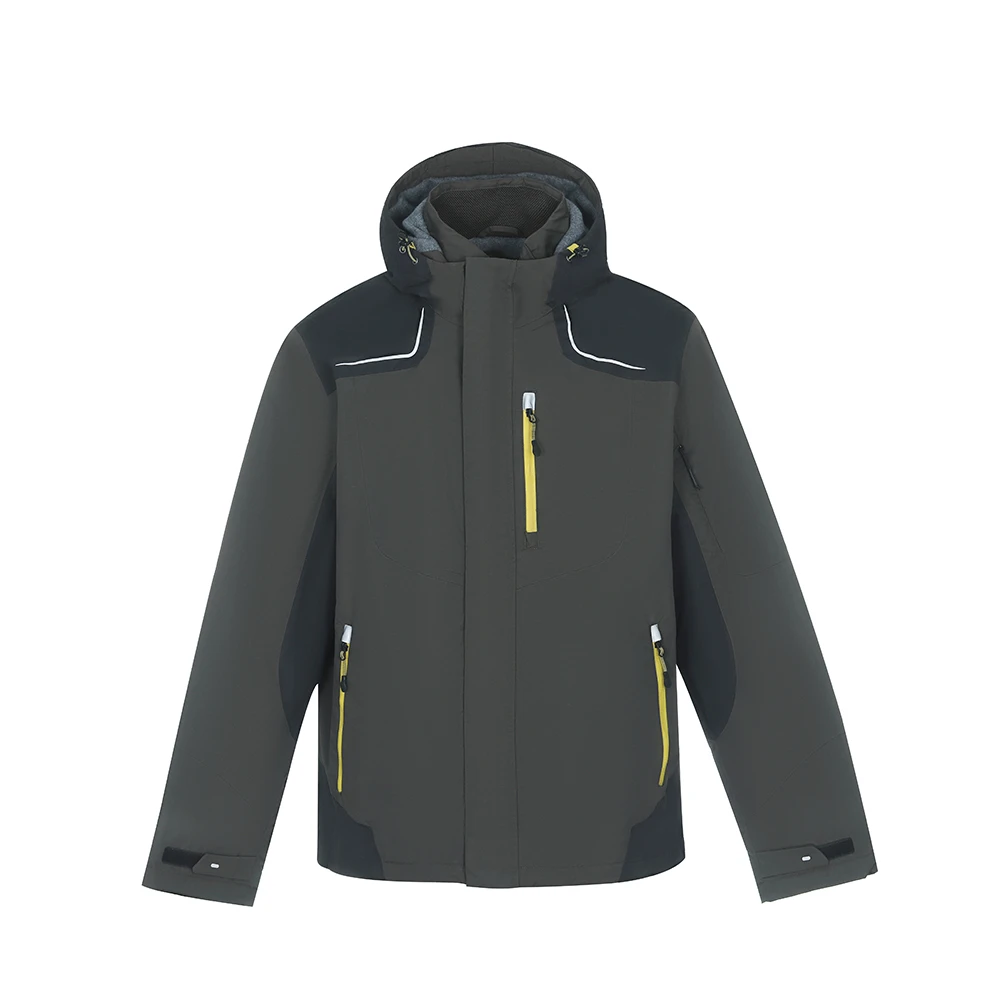
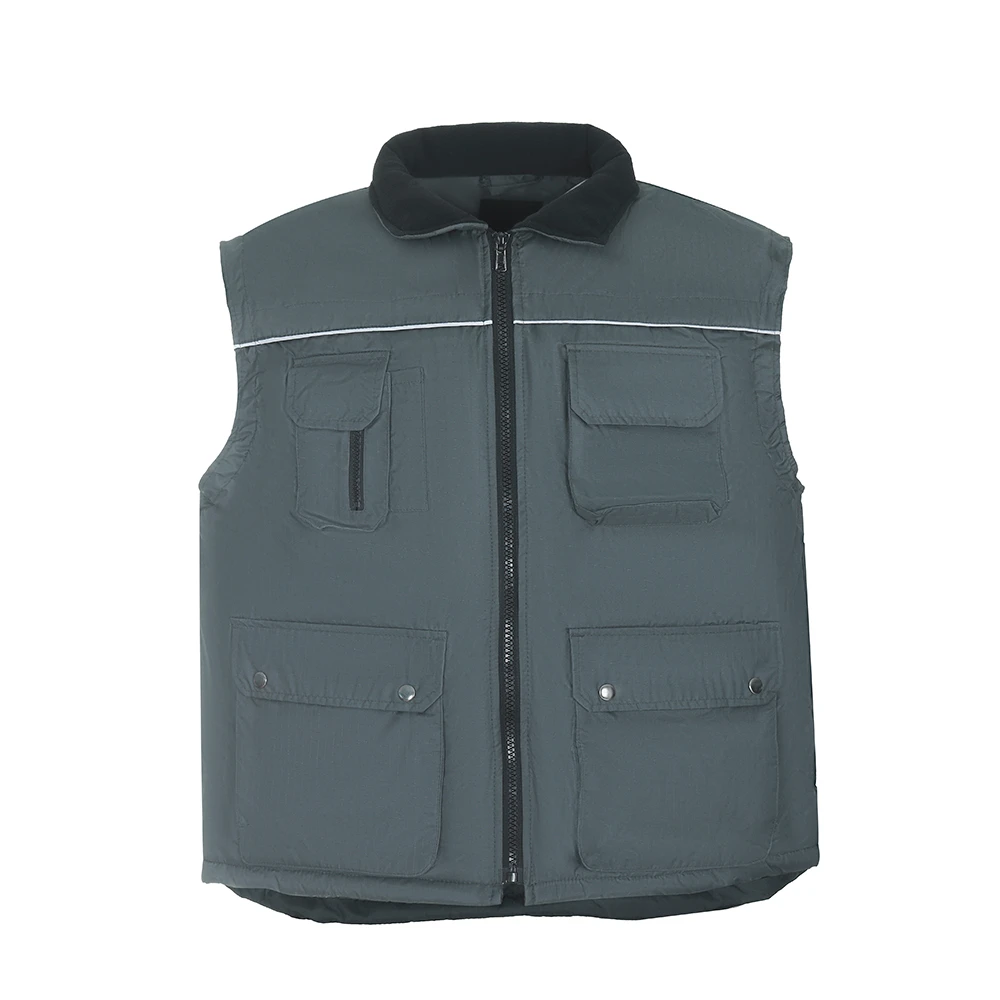
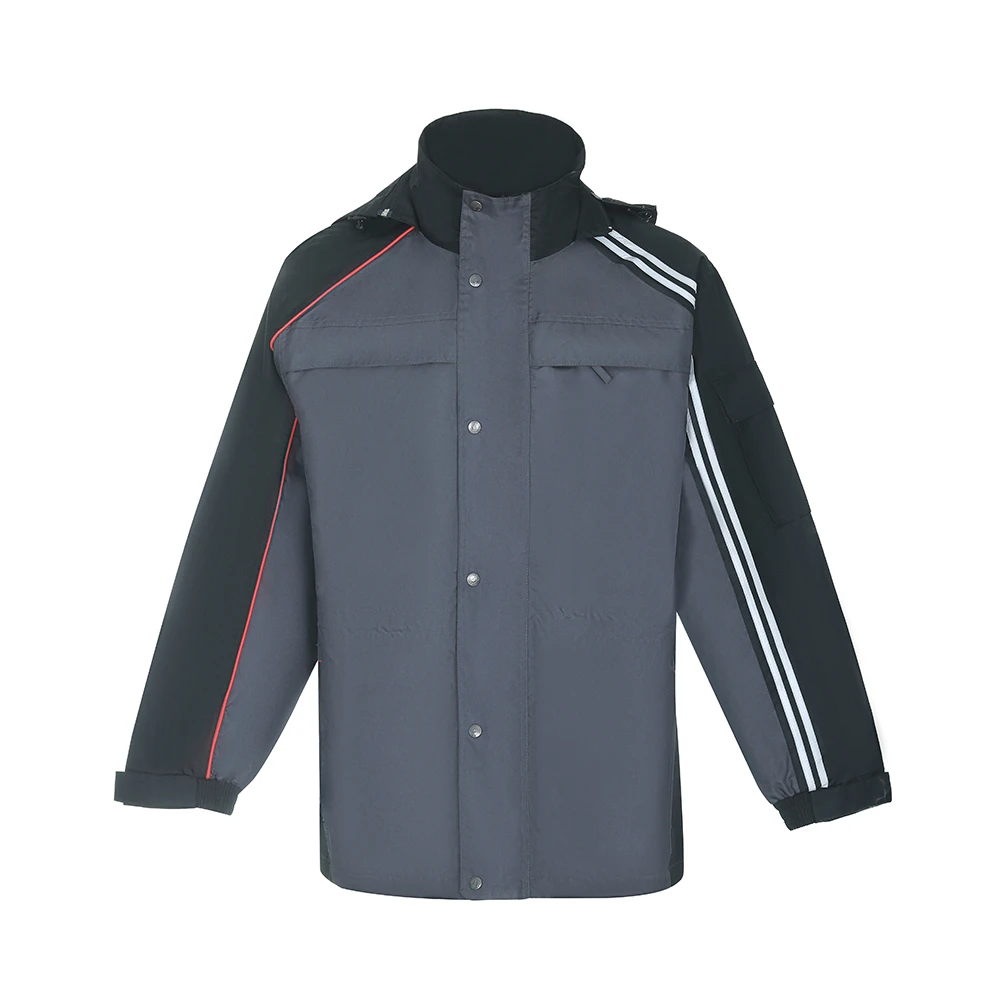
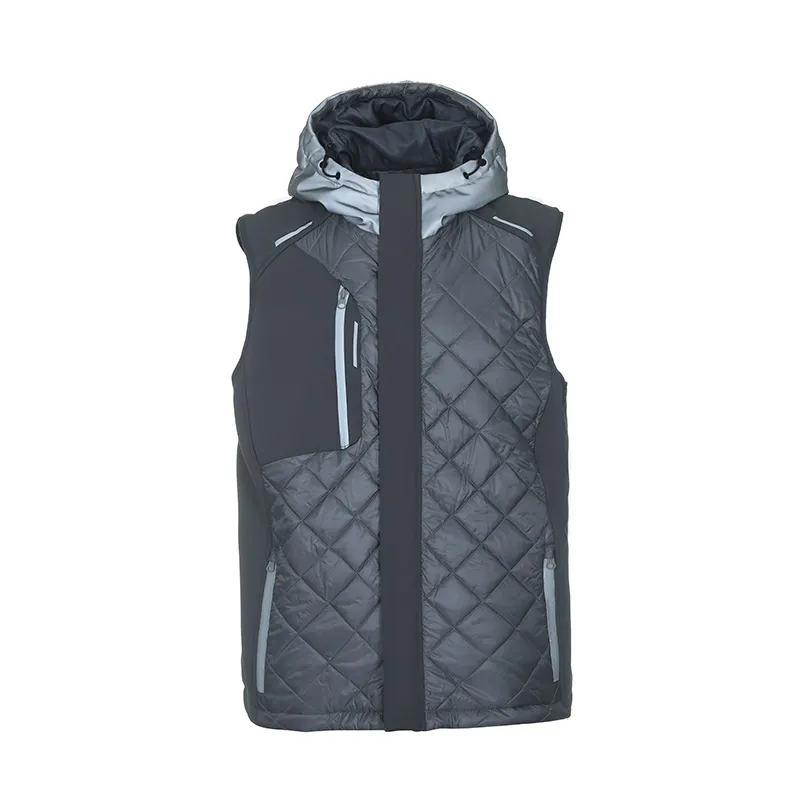
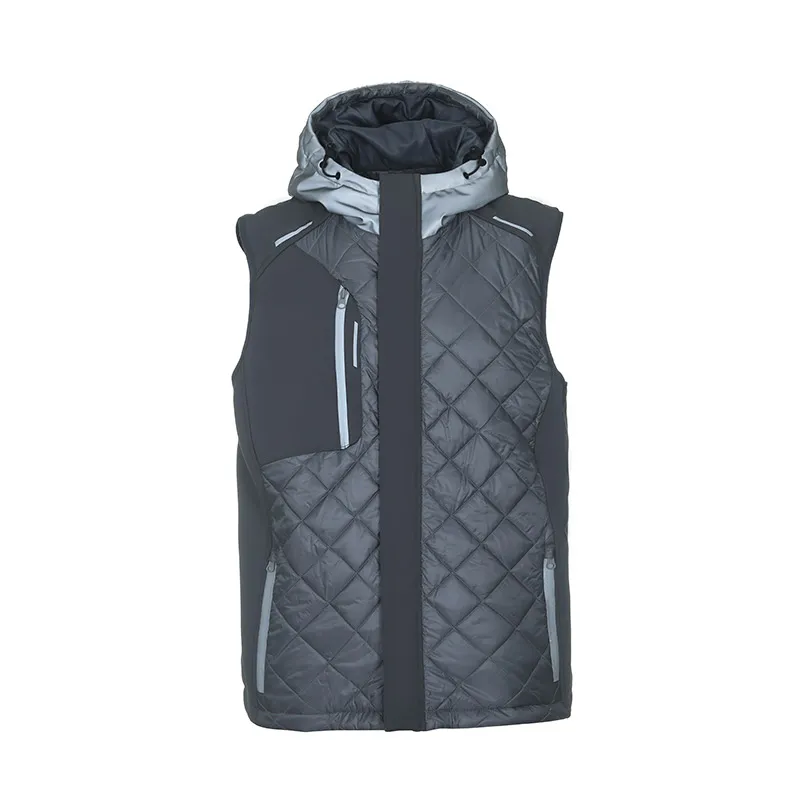
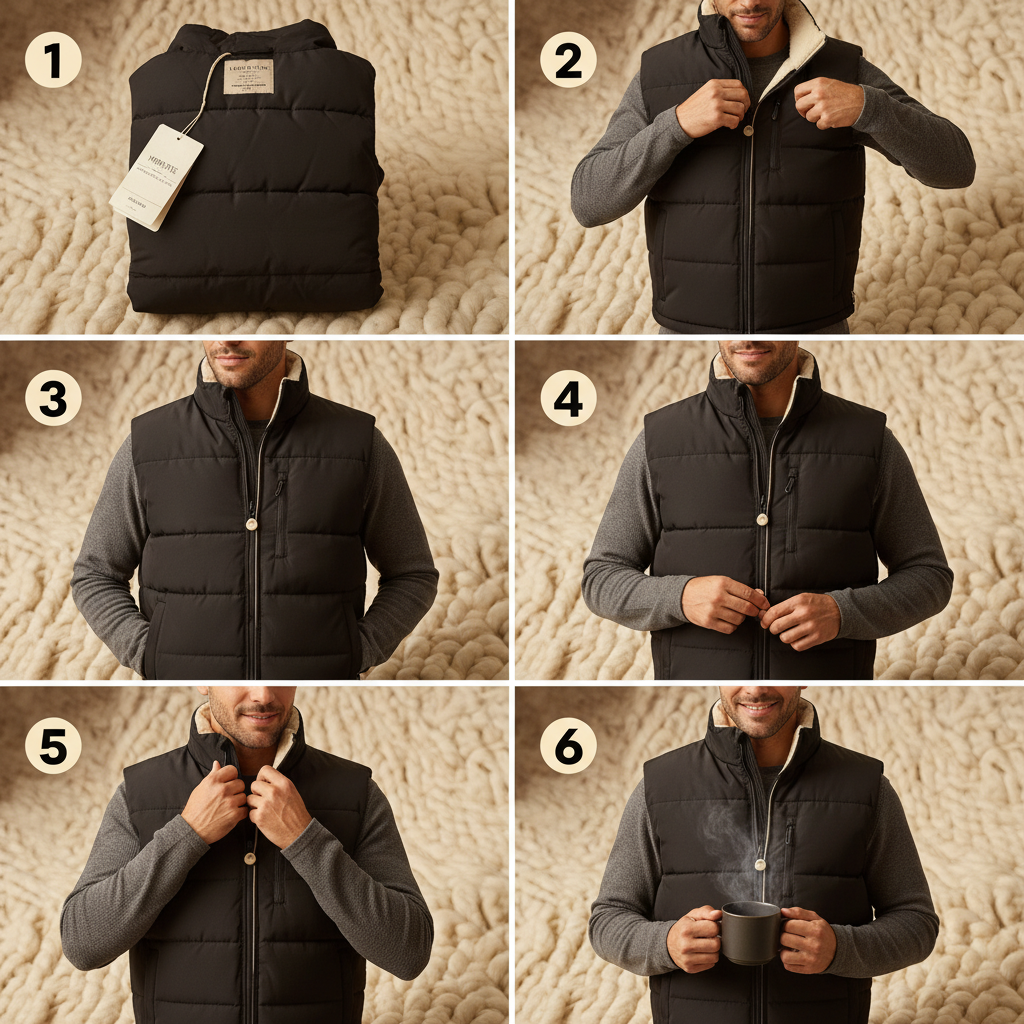
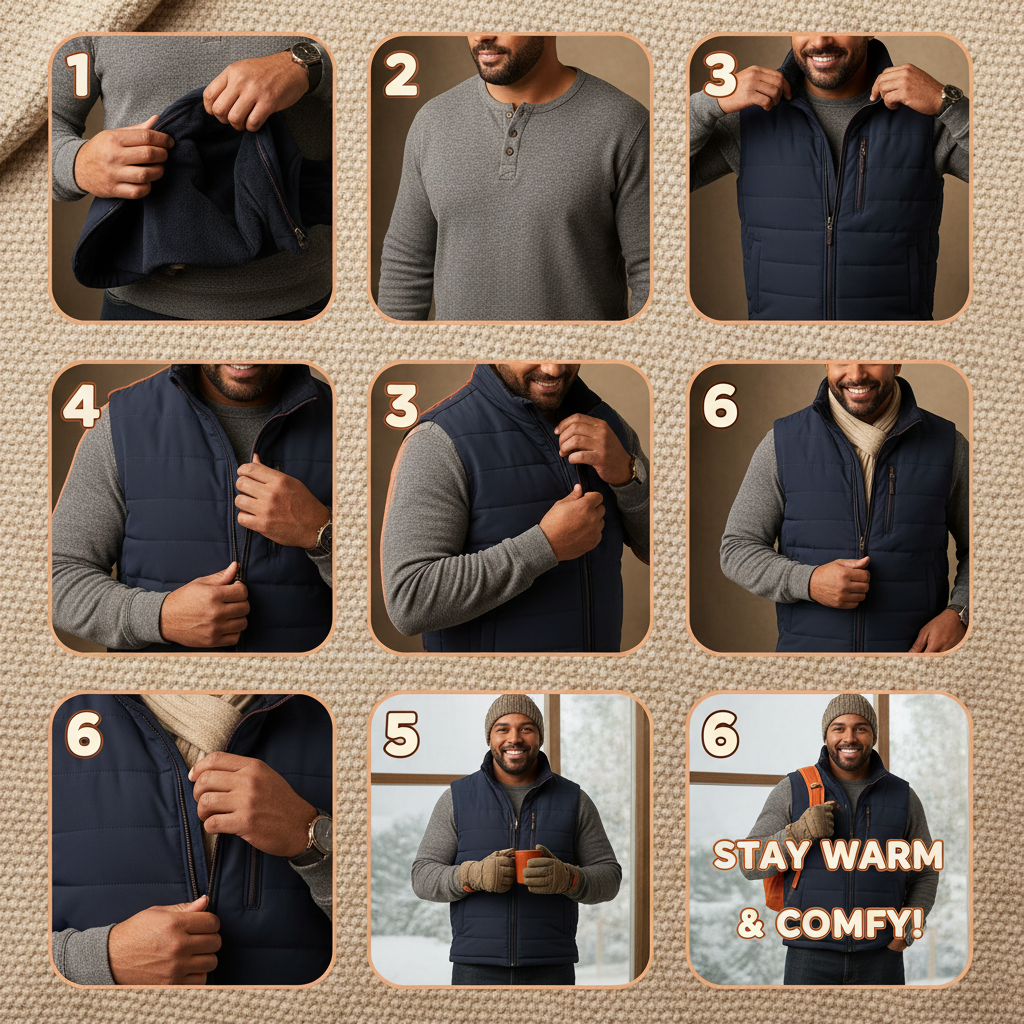
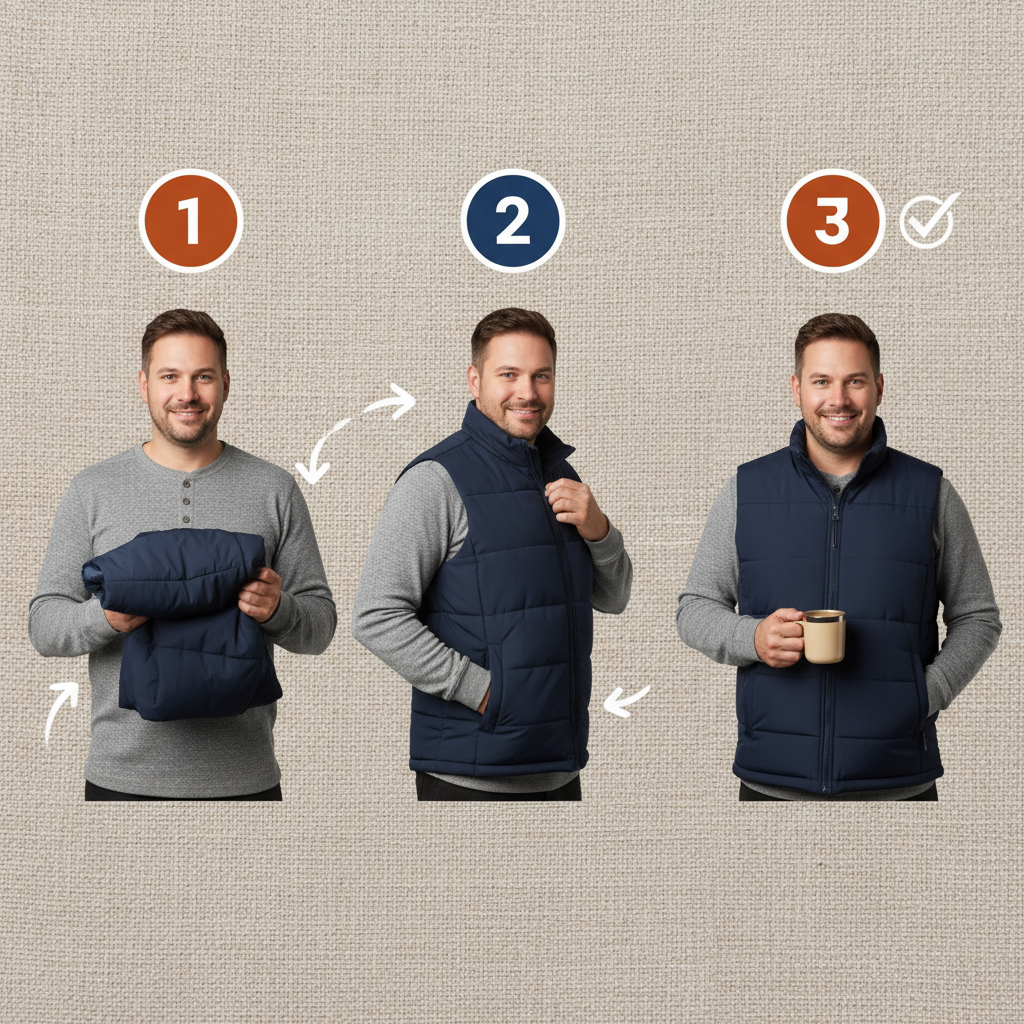
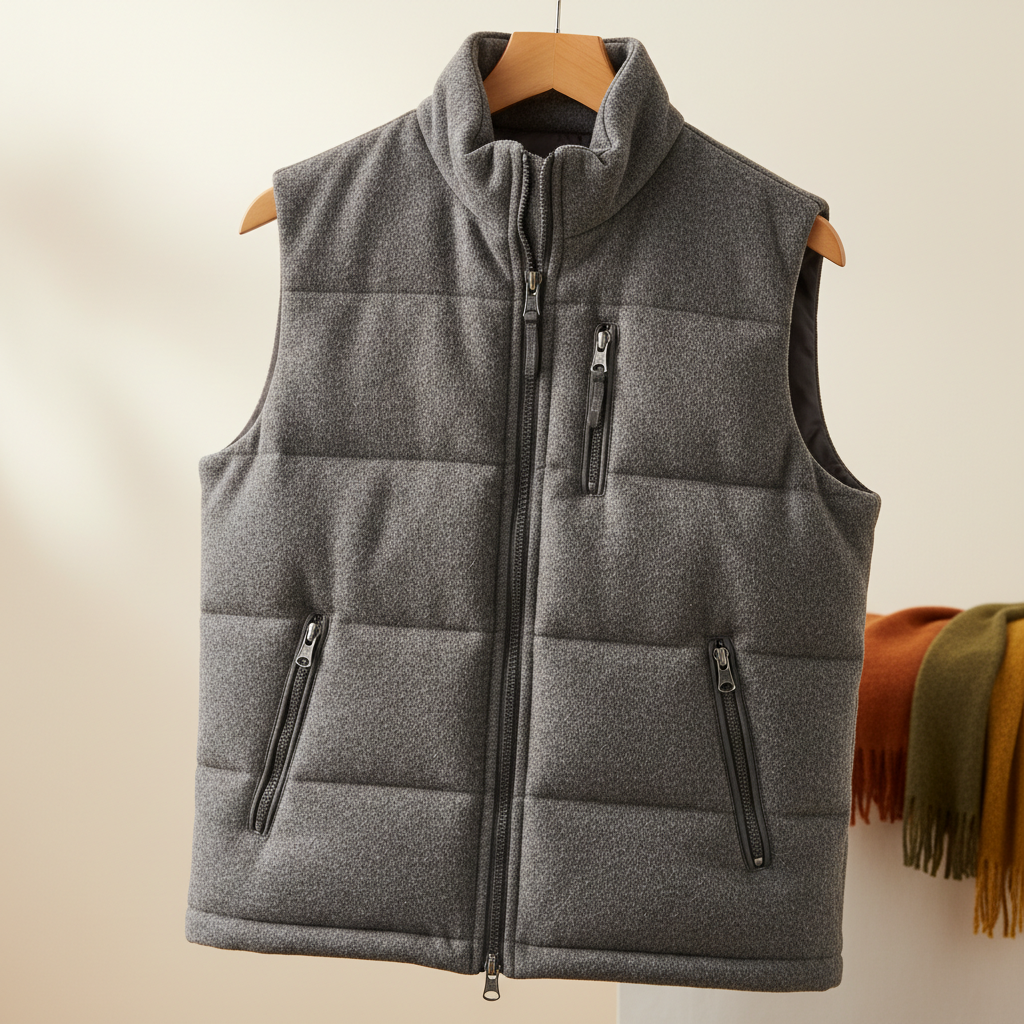
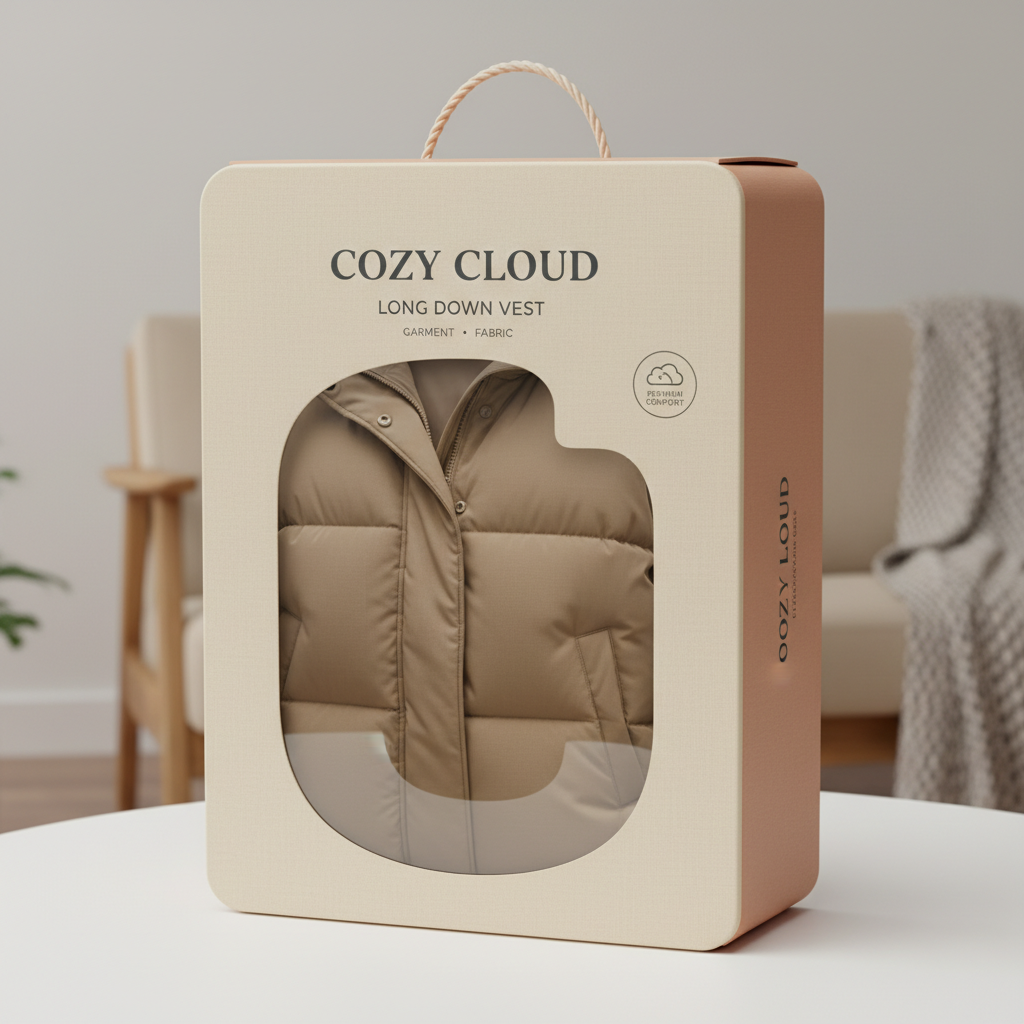
So, the Heated Vest For Winter…it's more than just a fancy gilet, you know? It’s a response to a pretty clear need – keeping people working comfortably in cold environments. Frankly, it feels like a solution that’s been overdue for some industries. It’s based around strategically placed heating elements, usually carbon fiber, embedded in a durable, often water-resistant outer shell. I suppose the technical backbone is a low-voltage power source, typically a rechargeable battery pack. The QS Clothing versions, I've noticed, tend to focus on that balance between heat output and battery life, which is crucial. They aren’t just slapping heating pads onto vests; there's thought put into the distribution, the layering, even the breathability of the materials.
Here are some key specs…it’s more detailed than you initially think.
| Specification | Value | Notes |
|---|---|---|
| Heating Zones | 3 (Core, Back, Shoulders) | Adjustable heat levels |
| Battery Life | 6-10 hours (depending on setting) | USB Rechargeable |
| Material | Ripstop Nylon, Water-Resistant | Durable and lightweight |
| Weight | Approximately 1.5 lbs | Varies by size |
Benefits & Use Cases of Heated Vest For Winter
Where we're seeing real uptake is in industries where outdoor work is unavoidable – construction, logistics, security…even agricultural work. It's not just about comfort, though that’s a big part of it. It’s about productivity. Cold hands and bodies slow people down. Increased dexterity and focus from staying warm translate directly to fewer errors, faster completion times. Oddly enough, a lot of businesses are now factoring this into their safety calculations – reducing cold-related injuries. I spoke with a site foreman at a large construction project recently, and he estimated a 15% increase in efficiency just from his team wearing these vests during the winter months. It’s that kind of real-world impact that gets people’s attention.
Compared to other vendors, QS Clothing seems to be focusing on durability and customization. Many offer basic vests, but the ability to add company logos or specific color schemes is a big selling point for B2B buyers.
| Vendor | Price Range | Customization | Warranty |
|---|---|---|---|
| QS Clothing | $150 - $250 | Extensive (Logos, Colors) | 1 Year |
| Milwaukee | $200 - $300 | Limited | 6 Months |
| DeWalt | $180 - $280 | Minimal | 90 Days |
Cost, Maintenance & User Experience
The initial investment is…well, it’s not cheap, let's be honest. But you’ve got to look at the total cost of ownership. Durable materials mean these vests should last multiple seasons, reducing the need for frequent replacements. Maintenance is relatively simple: machine washable (battery pack removed, of course!). I suppose the biggest concern customers voice is battery life, which, as we discussed, varies depending on the heat setting. The QS Clothing models have a good reputation in this regard, though. Many engineers say that the key to long-term value is proper care of the battery.
User feedback has been overwhelmingly positive, particularly regarding the comfort and flexibility. Some users have suggested a more streamlined battery pack design, but that's a minor quibble. The adjustable heat settings are really appreciated – people can customize it to their specific needs and the conditions.
Sustainability & Market Trends
The market for wearable heating technology is definitely growing. Part of that is driven by increasing awareness of worker safety and wellbeing, and part is simply the demand for more comfortable working conditions. Sustainability is becoming a bigger consideration, too. Manufacturers are starting to explore more eco-friendly materials and battery technologies. Regulations around cold-weather work are also tightening in some regions, which will likely drive further adoption of products like these. It’s kind of a perfect storm of factors, really.
Frequently Asked Questions about Heated Vest For Winter
- What is Heated Vest For Winter and how does it work?
- A Heated Vest For Winter utilizes embedded heating elements powered by a rechargeable battery to provide warmth in cold conditions. It works by converting electrical energy into heat, distributed across key body areas.
- What are the main benefits of using Heated Vest For Winter in industrial applications?
- Benefits include increased worker comfort and productivity, reduced risk of cold-related injuries, and improved dexterity in cold environments, leading to fewer errors and faster task completion.
- How does Heated Vest For Winter compare to traditional alternatives?
- Heated Vests offer superior warmth and comfort compared to bulky layers. They provide targeted heating, allowing for greater freedom of movement and more effective temperature regulation.
- What industries can benefit most from Heated Vest For Winter implementation?
- Industries like construction, logistics, security, agriculture, and outdoor maintenance benefit significantly, as their workforces often operate in challenging cold-weather conditions.
Conclusion on Heated Vest For Winter from china
Ultimately, the Heated Vest For Winter from QS Clothing represents a smart investment for companies looking to prioritize worker safety, comfort, and productivity in cold weather environments. It's not just about keeping people warm; it’s about keeping them working efficiently. Visit our website: https://www.qsclothing.com for more information.
- Recap the value of Heated Vest For Winter.