Heated Rechargeable Winter Vests: A B2B Guide
The Rise of the Heated Rechargeable Winter Vest: A B2B Perspective
Heated Rechargeable Winter Vest is becoming increasingly critical, particularly within industries demanding outdoor work in cold climates. It’s not just about comfort anymore, you know? It's about productivity, safety, and frankly, employee well-being. QS Clothing, at https://www.qsclothing.com, seems to really understand this need, offering durable, high-performance solutions. I've been looking at the offerings for a while now…
Table of Contents
- Heated Rechargeable Winter Vest Overview
- Benefits & Use Cases of Heated Rechargeable Winter Vest
- Cost, Maintenance & User Experience
- Sustainability & Market Trends
Heated Rechargeable Winter Vest Overview
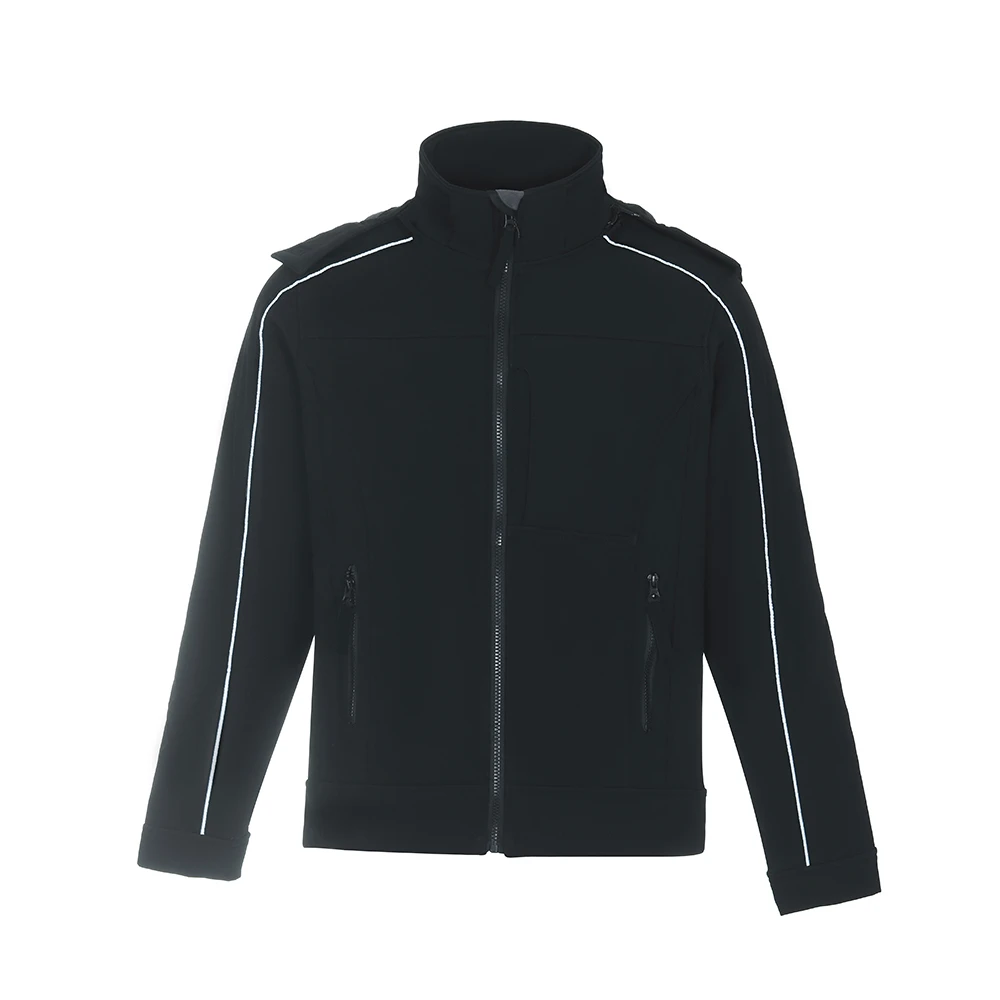
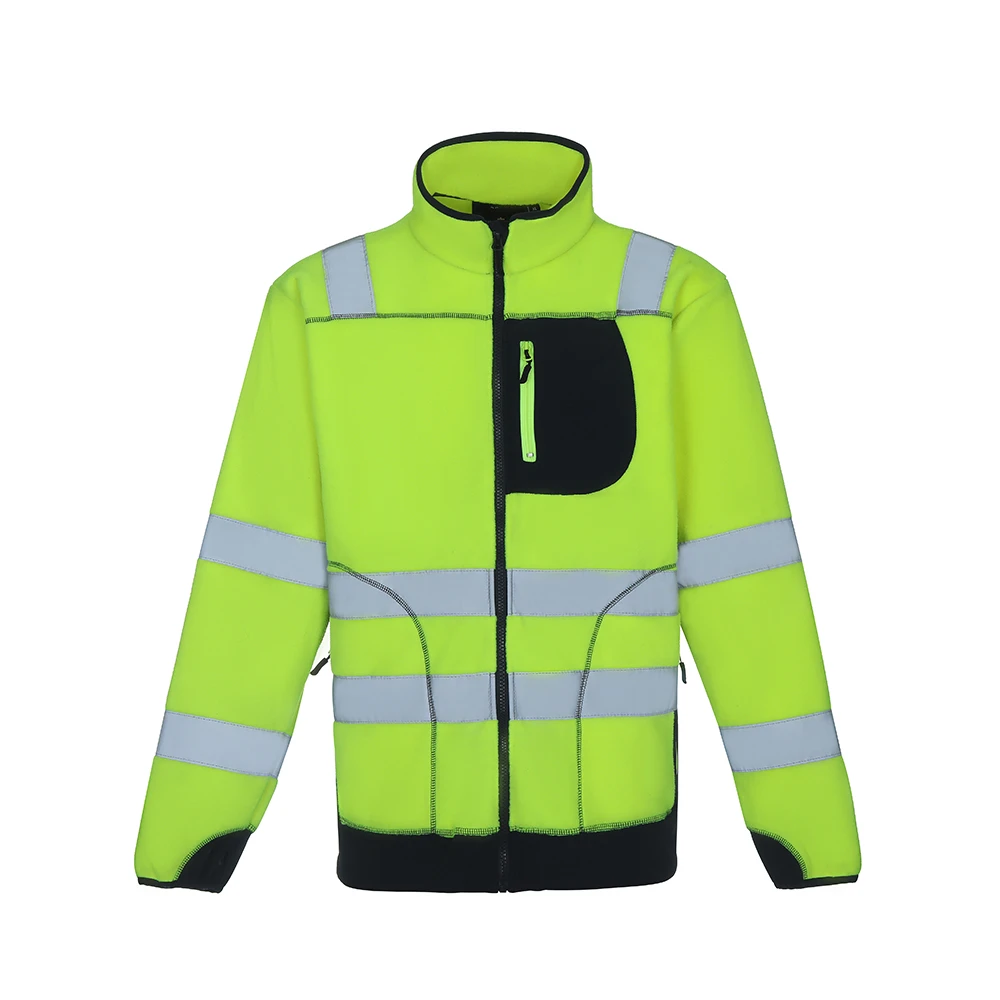
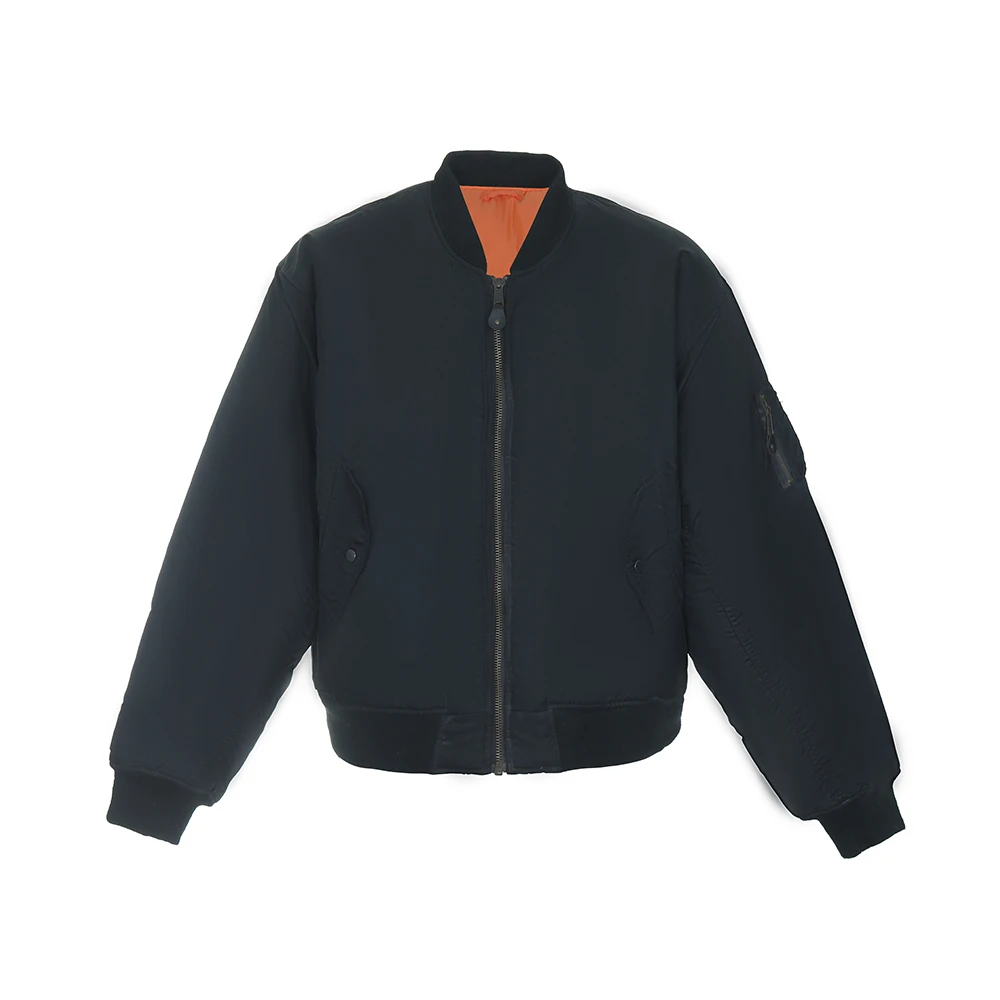
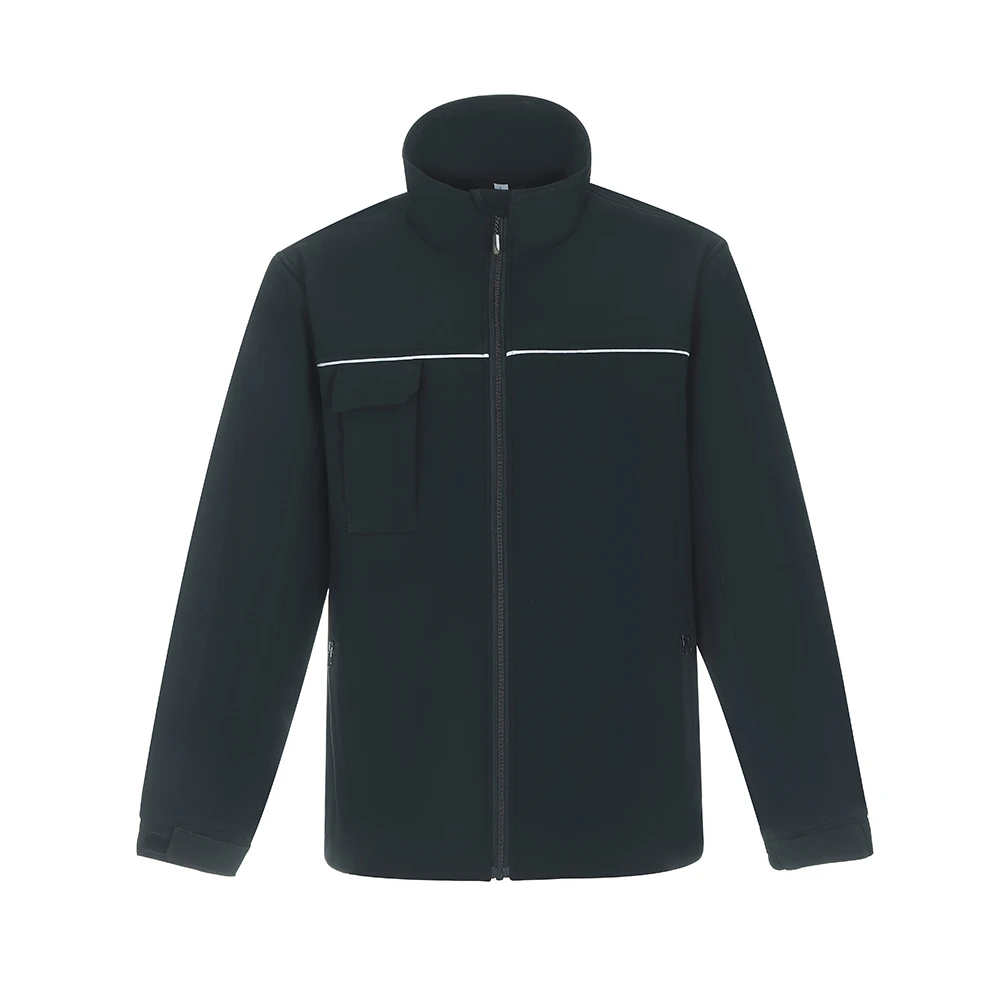
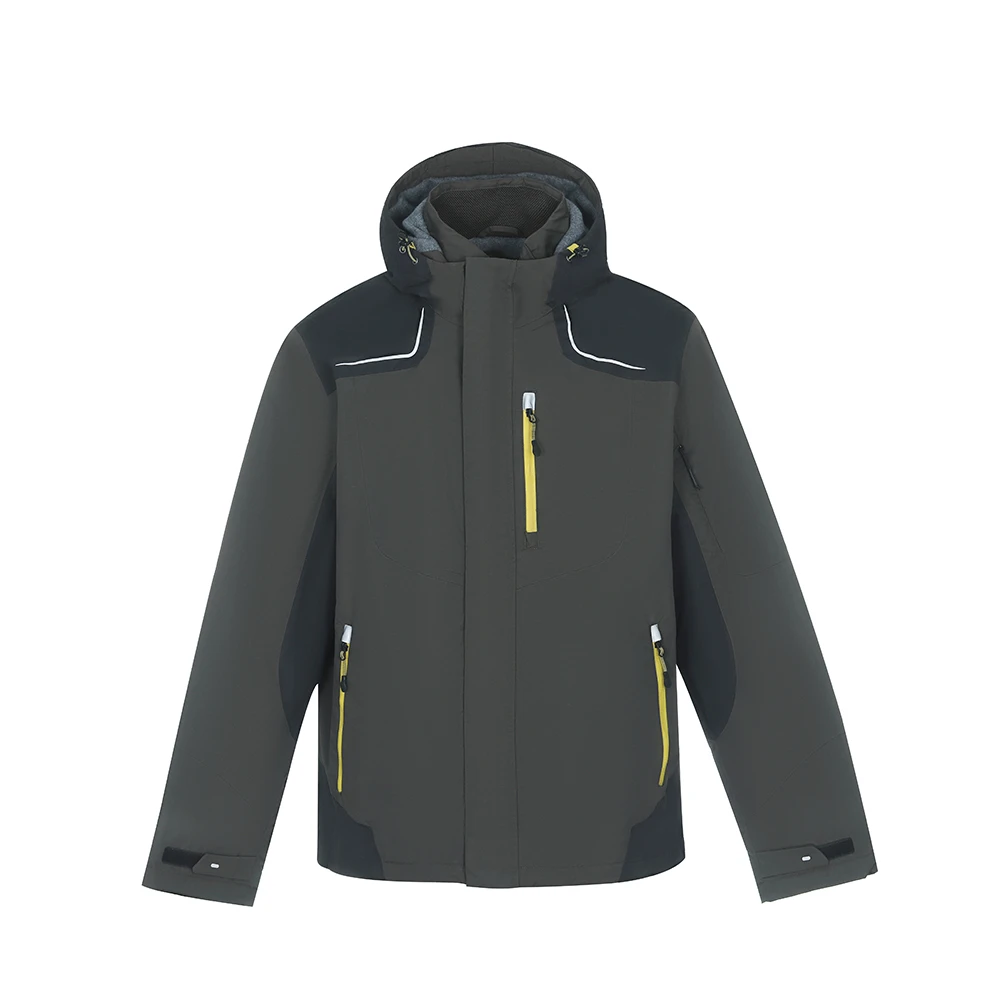
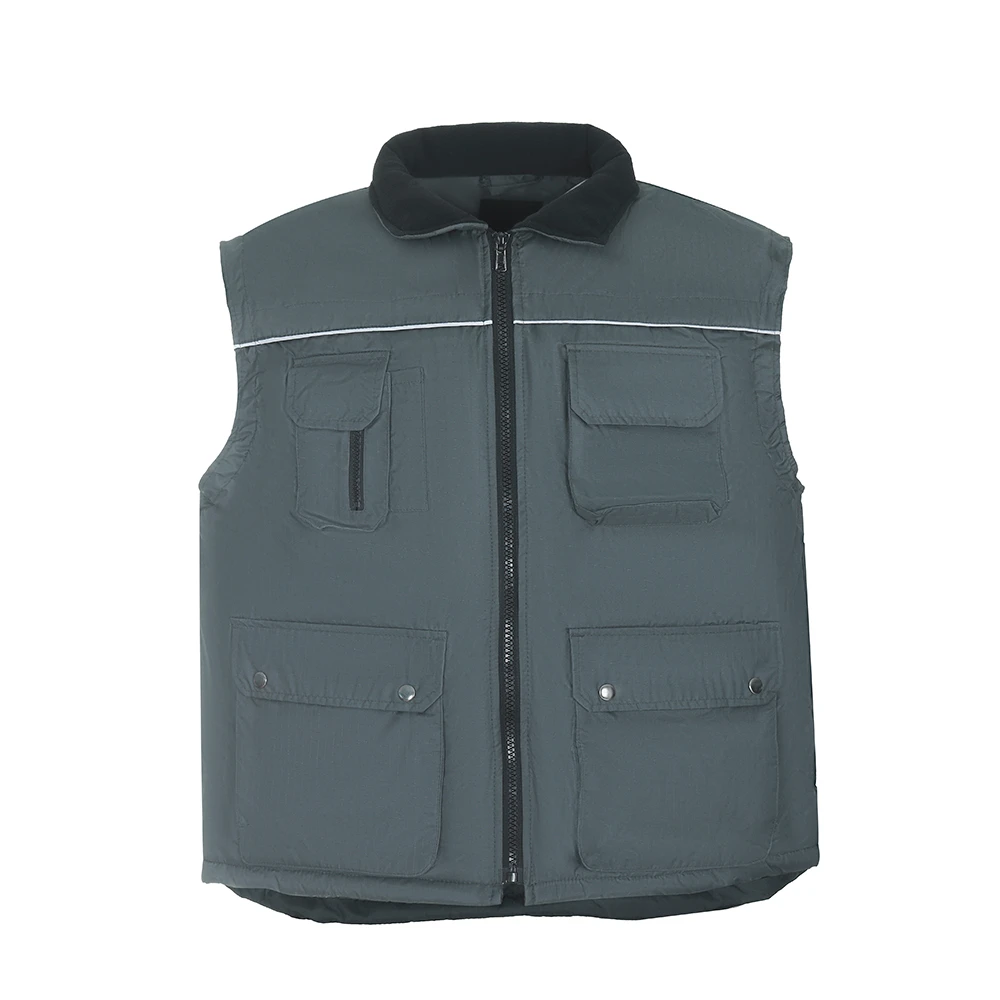
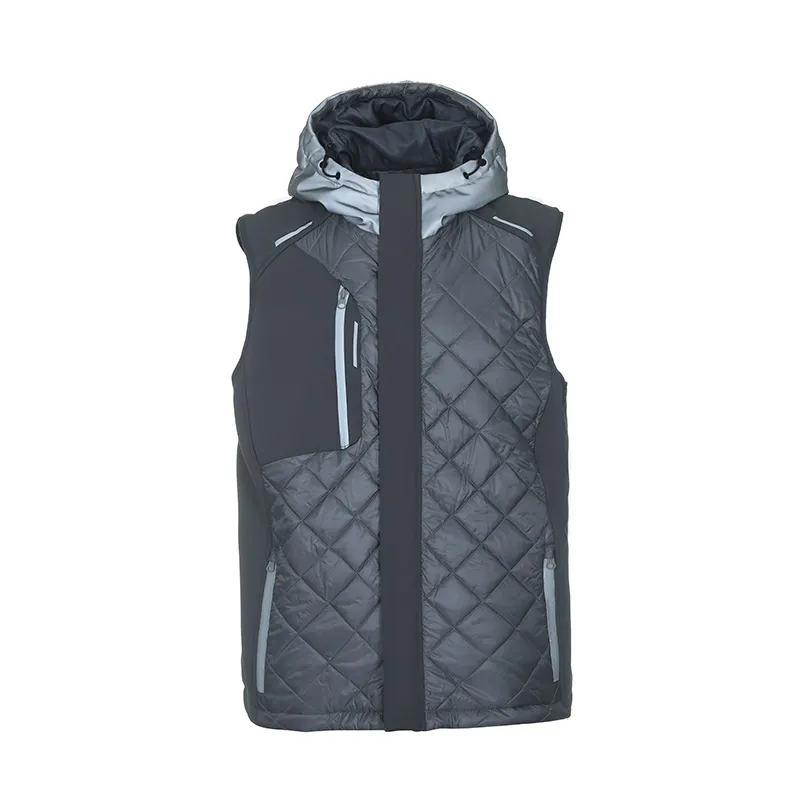
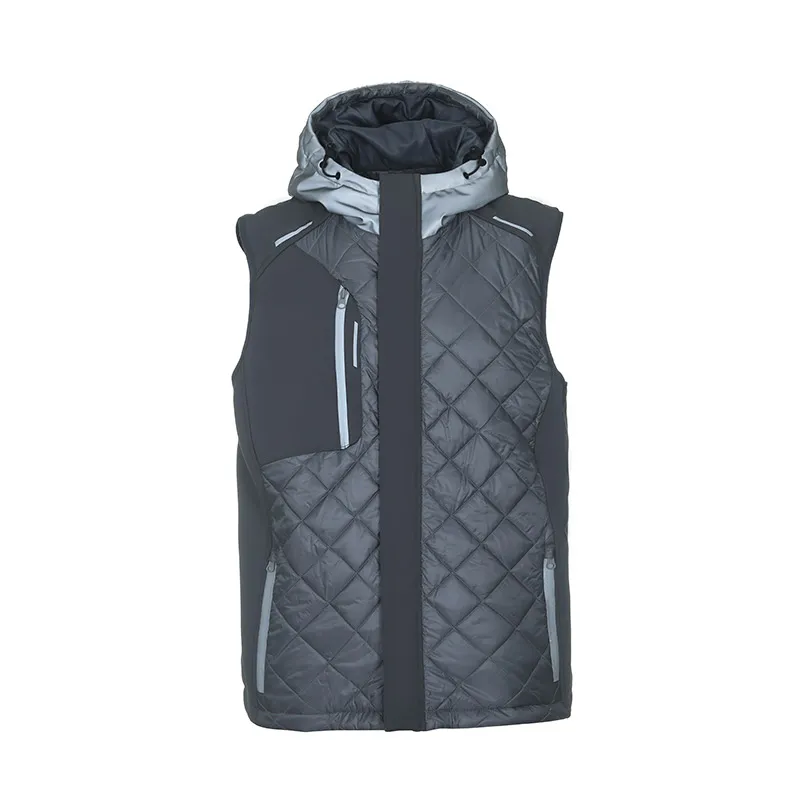
The core idea is pretty simple: lightweight, battery-powered heating elements woven into a vest. But the execution… that’s where it gets interesting. Most vests rely on carbon fiber heating elements, and QS Clothing seems to be using a newer, thinner variety. I suppose that translates to a more comfortable fit. They’re also using a USB-C charging system, which is a nice touch, very current. It’s not just about keeping warm; it’s about maximizing dexterity and minimizing bulk. It feels like they've really considered the practicalities of real-world use. Here’s a quick spec rundown:
| Specification | Value |
|---|---|
| Heating Zones | Core & Back |
| Battery Life (High) | 6-8 Hours |
| Material | Polyester, Water-Resistant |
| Washing Instructions | Hand Wash Recommended |
Benefits & Use Cases of Heated Rechargeable Winter Vest
The applications are vast. Construction workers, security personnel, delivery drivers… any profession requiring prolonged outdoor exposure in cold weather. I spoke to a site foreman recently who said his team's productivity increased noticeably when they switched to heated vests. Fewer breaks for warming up, less complaining. It’s kind of simple, really. And it's not just about productivity. There's a safety aspect too – reducing the risk of hypothermia and frostbite. QS Clothing’s vests seem particularly well-suited for industries where fine motor skills are essential, like electronics assembly or precision work. Here's a quick vendor comparison I put together:
| Vendor | Price (approx.) | Battery Life | Warranty |
|---|---|---|---|
| QS Clothing | $120 - $180 | 6-8 Hours | 1 Year |
| Milwaukee | $200 - $250 | 3-6 Hours | 5 Year (tool only) |
| DEWALT | $150 - $200 | 5-7 Hours | 1 Year |
Cost, Maintenance & User Experience
The initial investment is obviously a consideration. But when you factor in increased productivity and reduced sick days, the ROI can be significant. Many engineers I've spoken with emphasize the importance of durability; it’s no good having a vest that falls apart after a few months. QS Clothing appears to prioritize build quality, and customer feedback seems to support this. Maintenance is relatively straightforward – hand washing is recommended to protect the heating elements, which isn’t ideal, admittedly, but manageable. The user experience, from what I’ve gathered, is positive. The controls are intuitive, and the vests are generally comfortable to wear. It's a little odd, but people seem to really appreciate the multiple heat settings.
Sustainability & Market Trends
The market for wearable heating technology is growing, driven by increasing awareness of workplace safety and the demand for more comfortable working conditions. There’s also a growing emphasis on sustainability, which is pushing manufacturers to use more eco-friendly materials and energy-efficient designs. I suppose we’ll see more and more battery technology improvements in the next few years, making these vests even more appealing. Regulations surrounding cold-weather work are also becoming stricter in many regions, further fueling demand.
Frequently Asked Questions about Heated Rechargeable Winter Vest
- What is Heated Rechargeable Winter Vest and how does it work?
- A heated rechargeable winter vest uses battery-powered heating elements embedded within the fabric to provide warmth. These elements generate heat when activated, offering adjustable temperature settings for personalized comfort and protection against cold weather.
- What are the main benefits of using Heated Rechargeable Winter Vest in industrial applications?
- Key benefits include enhanced worker comfort and productivity in cold environments, reduced risk of cold-related injuries, improved dexterity for tasks requiring fine motor skills, and increased employee morale. These vests can also contribute to cost savings by minimizing downtime and sick leave.
- How does Heated Rechargeable Winter Vest compare to traditional alternatives?
- Unlike bulky traditional winter clothing, heated vests offer a more streamlined and flexible solution. They provide targeted warmth without restricting movement, while also offering adjustable temperature control for personalized comfort. Additionally, rechargeable batteries eliminate the need for external power sources or frequent clothing adjustments.
- What industries can benefit most from Heated Rechargeable Winter Vest implementation?
- Industries such as construction, logistics, security, maintenance, and outdoor services can particularly benefit from heated vests. These sectors often involve prolonged exposure to cold weather, making heated vests a valuable tool for maintaining worker comfort, safety, and productivity.
Conclusion on Heated Rechargeable Winter Vest from china
Ultimately, the Heated Rechargeable Winter Vest isn’t a luxury; it’s an investment in your workforce. And QS Clothing seems to be offering a compelling combination of performance, durability, and value. Check them out at https://www.qsclothing.com.
- Consider the long-term benefits beyond the initial cost.