Aerial yoga cloth, a specialized fabric crucial for the practice of aerial yoga, has gained significant traction globally as this fitness discipline grows in popularity. More than just a material, it represents accessibility to a unique and challenging workout, offering benefits like spinal decompression and increased flexibility. The demand for high-quality, safe, and durable aerial yoga cloth is increasing, driven by studios, instructors, and individual practitioners worldwide. This growth impacts the textile industry, requiring specialized manufacturing and quality control procedures.
The global fitness and wellness industry is booming, fueled by a growing awareness of health and well-being. Aerial yoga, as a niche yet rapidly expanding segment, contributes to this trend. The versatility of aerial yoga cloth – its ability to support body weight, provide a safe suspension point, and facilitate various poses – makes it an essential component. Supply chain resilience and sustainable sourcing are becoming increasingly important factors as the demand for this specialized fabric escalates.
Understanding the intricacies of aerial yoga cloth, from its material composition to its load-bearing capacity, is vital for ensuring the safety and effectiveness of the practice. This knowledge extends beyond practitioners to manufacturers, instructors, and regulatory bodies. Properly manufactured and maintained aerial yoga cloth contributes directly to a positive and secure aerial yoga experience.
The Core Characteristics of Aerial Yoga Cloth
Aerial yoga cloth isn't simply any fabric. It must possess exceptional strength and elasticity to safely support the practitioner’s weight during inversions and complex poses. Typically, it's woven from a high-quality, low-stretch parachute nylon. This material choice provides the necessary resilience and minimal give, crucial for maintaining stability. The density and weave pattern significantly impact its performance characteristics.
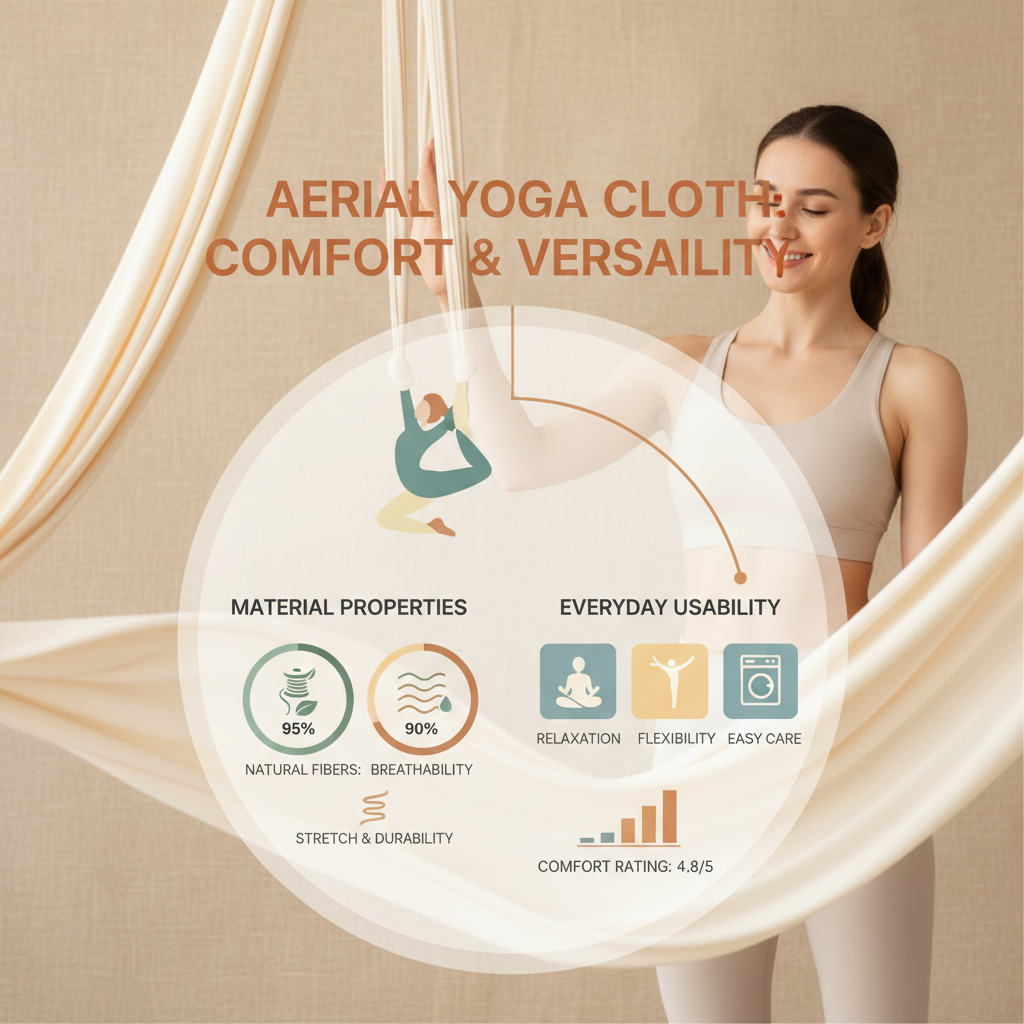
Beyond strength, aerial yoga cloth must also be comfortable against the skin. A smooth texture prevents chafing, and breathability is essential to manage moisture during strenuous sessions. The cloth's width and length are also critical factors, varying depending on the style of aerial yoga and the practitioner’s height. Properly constructed aerial yoga cloth contributes significantly to the overall safety and enjoyment of the practice.
The Manufacturing Process and Material Science
The production of aerial yoga cloth begins with the selection of high-tenacity nylon yarn. This yarn undergoes a meticulous weaving process, often utilizing a ripstop weave to prevent tearing. The ripstop pattern creates a grid-like structure that contains any minor damage, preventing it from escalating. Precise control over weaving tension is paramount to achieve the required strength and stretch characteristics.
Material science plays a vital role in optimizing aerial yoga cloth performance. Manufacturers are continually exploring enhancements like UV resistance to prevent degradation from sunlight exposure and antimicrobial treatments to inhibit bacterial growth. Testing procedures, including tensile strength, elongation, and seam strength tests, are standard to ensure compliance with safety standards.
Post-weaving, the cloth undergoes a quality inspection to identify any defects. Seams are reinforced with specialized stitching techniques designed to withstand significant loads. The final product must meet stringent specifications to guarantee the safety and reliability expected by aerial yoga practitioners and instructors.
Key Performance Indicators (KPIs) for Aerial Yoga Cloth
Several KPIs are used to evaluate the quality and suitability of aerial yoga cloth. Tensile strength, measured in pounds per square inch (PSI), indicates the fabric’s ability to withstand tearing. Elongation, expressed as a percentage, defines how much the fabric stretches under load – lower elongation is preferable for stability. Seam strength, similarly measured in PSI, determines the integrity of the stitching.
Another crucial KPI is the Working Load Limit (WLL), which specifies the maximum weight the cloth can safely support. This is determined through rigorous testing and is a key factor in ensuring practitioner safety. Furthermore, abrasion resistance, assessed using standardized tests, indicates the fabric’s durability over time with repeated use.
Finally, UV resistance and colorfastness are essential for maintaining the cloth’s integrity and appearance. Regular monitoring of these KPIs allows manufacturers and studios to maintain high standards and ensure the continued safety and performance of the aerial yoga cloth.
Global Supply Chains and Regional Production Hubs
The supply chain for aerial yoga cloth is increasingly globalized, with raw materials often sourced from Asia, particularly China and Taiwan. These regions have established infrastructure for nylon yarn production and textile manufacturing. However, quality control and ethical sourcing are critical considerations throughout the supply chain.
Major production hubs for finished aerial yoga cloth are located in Asia, North America, and Europe. China remains the dominant producer due to its cost-effectiveness and manufacturing capacity. North American and European manufacturers often focus on smaller production runs, specialized designs, and higher quality control standards.
Regional Production Capacity of aerial yoga cloth (in Metric Tons)
Applications Across Different Aerial Yoga Styles
The specific requirements for aerial yoga cloth vary depending on the style of yoga being practiced. For example, traditional aerial yoga often utilizes wider, longer cloths for cocooning and wrapping poses. Aerial fitness, incorporating more dynamic movements, demands a cloth with exceptional stretch resistance and durability.
Air Silks, a distinct aerial art form, prioritizes the cloth’s drape and ability to create flowing shapes. This often involves using different weights and weaves to achieve the desired aesthetic and performance characteristics. Understanding these nuanced differences is crucial for both practitioners and instructors.
Advantages and Long-Term Reliability
Investing in high-quality aerial yoga cloth provides several long-term benefits. Durability minimizes the need for frequent replacements, reducing costs and environmental impact. Superior strength and stretch resistance enhance safety, mitigating the risk of accidents. Properly maintained aerial yoga cloth can last for years, offering a reliable and consistent practice experience.
Beyond the practical advantages, using reliable aerial yoga cloth builds trust and confidence. Practitioners can focus on their practice without worrying about the equipment’s integrity. This contributes to a more positive and fulfilling experience, fostering a sense of well-being and empowerment.
Future Trends and Innovations in Aerial Yoga Cloth
Ongoing research focuses on developing more sustainable materials for aerial yoga cloth. Recycled nylon and bio-based fibers are being explored as eco-friendly alternatives to traditional petroleum-based materials. Improvements in weaving techniques aim to enhance strength and reduce stretch without compromising comfort.
Smart fabrics incorporating sensors to monitor load distribution and provide real-time feedback are also under development. These innovative materials could further enhance safety and optimize the aerial yoga experience. Furthermore, advancements in dyeing processes are leading to more vibrant and colorfast options.
Digital printing technologies are enabling customized designs and branding opportunities, allowing studios and instructors to personalize their aerial yoga cloth. This trend is driven by a growing demand for unique and aesthetically pleasing equipment.
Summary of Key Areas for Improvement in Aerial Yoga Cloth
| Material Composition |
Manufacturing Process |
Sustainability |
Performance Metrics |
| Increased use of recycled nylon |
Optimization of ripstop weave patterns |
Reduction in water usage during dyeing |
Improvement of elongation properties |
| Exploration of bio-based fiber alternatives |
Implementation of stricter quality control standards |
Development of biodegradable coatings |
Enhancement of UV resistance |
| Development of antimicrobial treatments |
Automation of seam reinforcement processes |
Carbon footprint reduction initiatives |
Standardization of WLL testing protocols |
| Investigation of new yarn spinning techniques |
Reduction in manufacturing waste |
Ethical sourcing of raw materials |
Improvement of abrasion resistance |
| Integration of smart fabric technology |
Implementation of digital design and printing |
Circular economy principles in production |
Development of real-time load monitoring systems |
| Research into alternative weave structures |
Lean manufacturing practices |
Transparency in the supply chain |
Refinement of seam strength testing methods |
FAQS
Different nylon variations, like nylon 6 and nylon 6,6, possess varying levels of strength, elasticity, and UV resistance. Nylon 6,6 is generally considered more durable and resilient, making it ideal for aerial yoga. The denier (thickness) of the yarn also impacts performance; higher denier yarns offer greater strength but may be less pliable. Selecting the right nylon is crucial for ensuring the cloth’s safety and longevity.
Regular inspection is paramount for safety. Before each use, visually inspect the cloth for any signs of fraying, tearing, or weakened stitching. A more thorough inspection should be conducted monthly, carefully examining seams and the overall fabric integrity. Any signs of damage necessitate immediate replacement of the cloth. Proper care and maintenance extend the lifespan but don’t eliminate the need for regular checks.
Hand washing with mild soap and cool water is the safest cleaning method. Avoid using harsh detergents, bleach, or fabric softeners, as these can weaken the fibers. After washing, gently squeeze out excess water and lay the cloth flat to dry, away from direct sunlight. Machine washing is generally discouraged, as it can damage the fabric’s structure.
With diligent care and regular inspections, high-quality aerial yoga cloth can last for several years – typically 3-5 years of consistent use. Factors affecting lifespan include frequency of use, weight capacity consistently exceeded, and environmental conditions. However, it's crucial to adhere to a strict replacement schedule, even if the cloth appears visually intact, to prioritize safety.
The width determines the amount of fabric available for wrapping and support, influencing the types of poses that can be performed. Length impacts the height attainable and the versatility for different aerial yoga styles. Shorter lengths are suitable for beginner poses, while longer lengths offer greater freedom for advanced movements. Choosing the correct dimensions is crucial for maximizing safety and comfort.
Minor fraying can be addressed with specialized seam sealants, but any significant tear or weakening of the fabric renders the cloth unsafe and requires replacement. Attempting to repair major damage compromises the cloth’s structural integrity and increases the risk of failure during use. It’s always best to err on the side of caution and replace damaged aerial yoga cloth.
Conclusion
Aerial yoga cloth is a specialized material critical to the safety, effectiveness, and enjoyment of aerial yoga. From its material science to its manufacturing processes, understanding its core characteristics and performance indicators is essential for practitioners, instructors, and manufacturers alike. The ongoing pursuit of sustainable materials and innovative technologies promises to further enhance the quality, durability, and environmental responsibility of aerial yoga cloth.
Looking ahead, prioritizing quality control, ethical sourcing, and rigorous testing will be paramount to ensuring the continued safety and growth of the aerial yoga community. By embracing innovation and sustainable practices, the aerial yoga cloth industry can contribute to a healthier, more accessible, and environmentally conscious future for this dynamic and evolving fitness discipline. Visit our website for more information: aerial yoga cloth