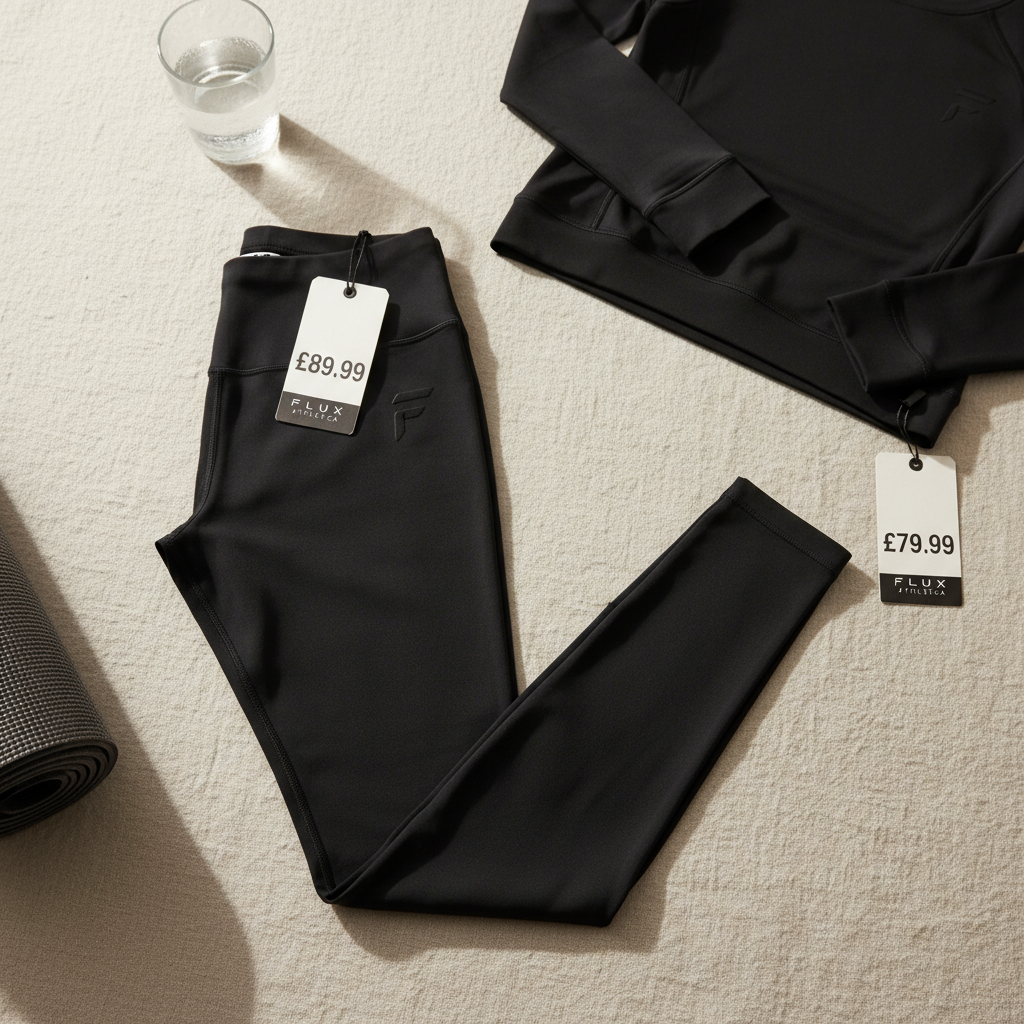
Aerial yoga, a dynamic practice blending traditional yoga with the support of a hammock, demands specialized clothing. Aerial yoga clothes aren’t merely fashionable; they’re engineered for safety, freedom of movement, and hygiene. The global wellness market is booming, with aerial yoga experiencing significant growth, creating a rising demand for apparel specifically designed for this discipline. Understanding the nuances of suitable fabrics and designs is crucial for both practitioners and manufacturers.
The increasing popularity of aerial yoga is driven by its unique benefits – increased flexibility, spinal decompression, and a sense of weightlessness. However, this practice presents unique challenges for clothing. Traditional yoga wear often lacks the necessary grip, coverage, or durability. The industry, therefore, requires specialized solutions that address these concerns. Aerial yoga clothes are becoming increasingly sophisticated, reflecting advancements in textile technology and a deeper understanding of biomechanics.
This growing market presents opportunities for clothing manufacturers, but also demands a commitment to quality, safety, and innovation. Consumers are seeking apparel that not only enhances their practice but also minimizes risks. Investing in research and development of specialized materials and designs is vital for success in this evolving landscape.
The Significance of Aerial Yoga Apparel
The importance of proper apparel in aerial yoga extends beyond comfort; it’s a critical component of safety. Unlike traditional yoga, aerial yoga involves inversion and dynamic movements, placing unique stresses on the body and clothing. Poorly designed garments can restrict movement, cause chafing, or even create hazardous situations during inversions. Aerial yoga clothes are therefore designed to mitigate these risks.
Specifically, the clothing needs to provide adequate coverage to prevent skin contact with the hammock, facilitate grip, and withstand the repetitive stretching and compression inherent in the practice. Choosing the right materials and construction methods is paramount to ensuring a safe and enjoyable aerial yoga experience.
Defining Aerial Yoga Clothes
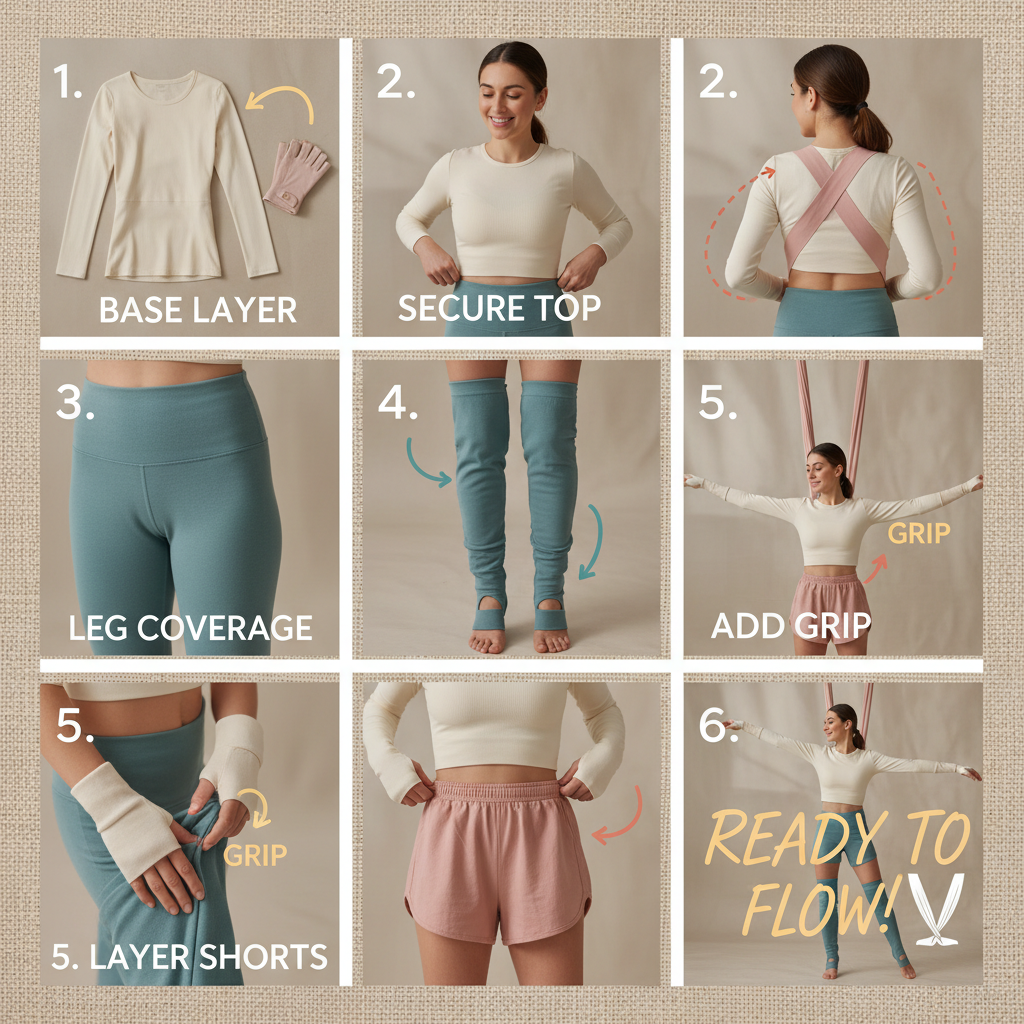
Aerial yoga clothes encompass a range of garments specifically tailored for the practice of aerial yoga. These clothes differ from standard yoga apparel in several key aspects, prioritizing features like secure fit, strategic coverage, and optimal grip. They are typically constructed from fabrics with a degree of stretch and compression to support the body during inversions and movements.
These garments aren’t limited to leggings and tops; they can also include specialized sleeves for arm protection, or even full-body suits designed to prevent skin contact with the hammock. The materials chosen are often moisture-wicking to manage sweat and provide a comfortable experience during extended practice sessions. The design aims to enhance the aerial yoga experience, not just provide coverage.
Ultimately, aerial yoga clothes aim to provide a seamless connection between the practitioner and the hammock, allowing for fluidity of movement and a sense of security. They represent a niche within the broader yoga apparel market, driven by the specific needs of this increasingly popular practice.
Key Characteristics of High-Quality Aerial Yoga Clothes
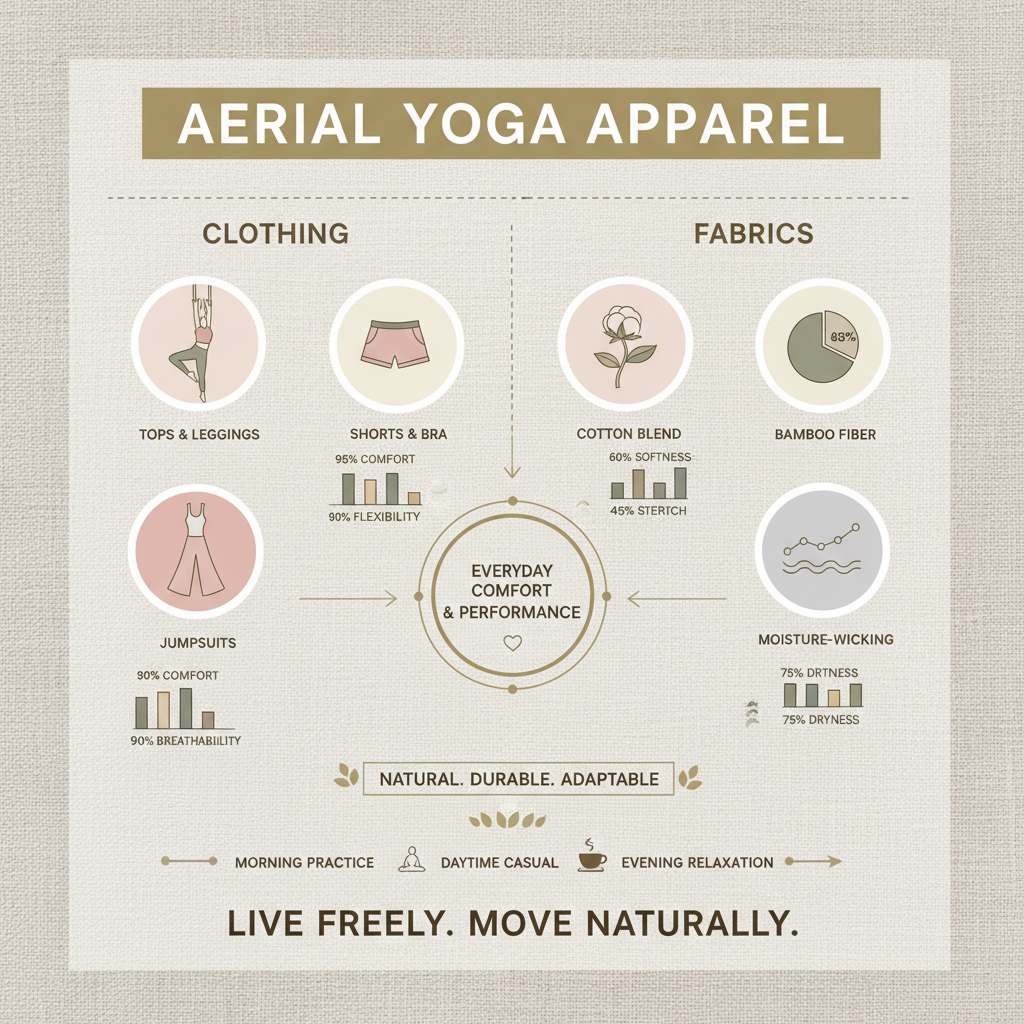
High-quality aerial yoga clothes share several defining characteristics. First and foremost is the fabric composition, which typically includes a blend of materials like nylon, spandex, and polyester, offering both stretch and durability. These fabrics often undergo specialized treatments to enhance grip and minimize slippage on the hammock.
Secondly, the fit is crucial. Garments should be snug but not restrictive, allowing for a full range of motion without bunching or riding up during inversions. Strategic seam placement is also essential to minimize chafing and discomfort. Coverage is another key factor, protecting the skin from contact with the hammock material.
Finally, the construction quality must be high. Reinforced stitching and durable hardware (for any straps or closures) are vital to withstand the stresses of aerial yoga. The ability to withstand repeated washing and stretching without losing shape or elasticity is also a hallmark of superior quality.
Performance Factors and Material Science
The performance of aerial yoga clothes is intrinsically linked to the materials used. Moisture-wicking capabilities are paramount, as aerial yoga can be a physically demanding practice. Materials like polyester and nylon excel in this regard, drawing sweat away from the skin to maintain comfort and prevent slippage.
Grip is another critical performance factor. Manufacturers often employ textured fabrics or specialized coatings to increase friction between the clothing and the hammock. The level of compression also plays a role, providing support and enhancing proprioception – the body’s awareness of its position in space.
Performance Metrics of Different Fabrics for Aerial Yoga Clothes
Global Adoption and Regional Trends
The adoption of aerial yoga and, consequently, aerial yoga clothes, is rapidly expanding globally. North America and Europe currently represent the largest markets, driven by a growing interest in boutique fitness studios and wellness retreats. However, Asia-Pacific is experiencing the fastest growth, fueled by a rising disposable income and a burgeoning health and fitness culture.
Within these regions, specific trends are emerging. For example, in the United States, there's a demand for sustainable and ethically sourced apparel. In Southeast Asia, affordability and practicality are key drivers. Latin America is witnessing increased interest in aerial yoga as a rehabilitative therapy, influencing the design of more supportive and therapeutic clothing options.
Advantages of Specialized Aerial Yoga Apparel
Investing in specialized aerial yoga clothes offers numerous advantages over using standard athletic wear. Enhanced safety is paramount, as the secure fit and strategic coverage minimize the risk of slipping or discomfort during inversions. Improved performance is another key benefit, allowing practitioners to move more freely and confidently.
Furthermore, specialized apparel enhances hygiene by reducing skin contact with the hammock, which is used by multiple individuals. The use of moisture-wicking fabrics contributes to increased comfort and prevents the build-up of bacteria. Ultimately, the right clothing empowers practitioners to fully immerse themselves in the practice without distraction or concern.
Beyond the practical benefits, specialized apparel can also contribute to a sense of confidence and professionalism, fostering a deeper connection with the practice.
Future Innovations and Sustainability in Aerial Yoga Clothes
The future of aerial yoga clothes will be shaped by several key innovations. We can anticipate the development of even more advanced fabrics with enhanced grip, breathability, and durability. Smart textiles, incorporating sensors to monitor body position and movement, could provide real-time feedback to practitioners and instructors.
Sustainability is also becoming a major focus. Manufacturers are increasingly exploring eco-friendly materials, such as recycled polyester and organic cotton, and implementing sustainable production processes. The demand for ethically sourced apparel is also growing, prompting companies to prioritize fair labor practices and transparency in their supply chains.
Finally, customization will likely become more prevalent, with options for personalized fit and design. 3D printing technology could eventually enable the creation of bespoke garments tailored to individual body shapes and preferences.
Summary of Future Trends in Aerial Yoga Clothing
| Innovation Area |
Material Advancements |
Technology Integration |
Sustainability Focus |
| Fabric Technology |
Enhanced Grip Fabrics (Rating: 9/10) |
Wearable Sensors for Form Feedback (Rating: 7/10) |
Recycled Polyester Integration (Rating: 8/10) |
| Design & Fit |
Compression Mapping for Support (Rating: 8/10) |
AR-Powered Virtual Try-On (Rating: 6/10) |
Biodegradable Dye Processes (Rating: 7/10) |
| Manufacturing |
Bio-Based Fabric Development (Rating: 7/10) |
Automated Cutting & Sewing (Rating: 5/10) |
Zero-Waste Production Models (Rating: 9/10) |
| Personalization |
Customizable Fabric Blends (Rating: 6/10) |
3D-Printed Components (Rating: 4/10) |
On-Demand Manufacturing (Rating: 8/10) |
| Supply Chain |
Traceable Material Sourcing (Rating: 9/10) |
Blockchain-Verified Ethical Production (Rating: 7/10) |
Reduced Carbon Footprint Logistics (Rating: 8/10) |
| Consumer Engagement |
Interactive Fabric Care Guides (Rating: 6/10) |
Personalized Style Recommendations (Rating: 5/10) |
Clothing Take-Back Programs (Rating: 9/10) |
FAQS
A blend of nylon and spandex is often ideal. Nylon provides durability and a smooth surface for movement, while spandex adds stretch and compression. Moisture-wicking properties are also crucial for comfort during practice. Avoid materials that lack grip or are prone to abrasion.
Aerial yoga clothes should fit snugly but not be restrictive. A secure fit is essential for preventing slipping and chafing during inversions. However, avoid clothing that cuts off circulation or limits your range of motion. A compression fit is generally recommended for optimal support.
Adequate coverage is critical to prevent skin contact with the hammock fabric. This is important for both hygiene and comfort. Leggings and tops with longer lengths and higher necklines are generally preferred. Consider options with built-in sleeves or full-body suits for maximum coverage.
While not always required, socks can enhance grip and comfort. Choose socks specifically designed for aerial yoga, which often have textured soles. Avoid socks that are too slippery or bulky. Bare feet are also acceptable, but be mindful of hygiene and potential chafing.
Follow the care instructions on the garment label. Generally, hand washing or a gentle machine cycle with cold water is recommended. Avoid harsh detergents and fabric softeners. Air dry your aerial yoga clothes to maintain their elasticity and shape. Avoid ironing.
Yes, a growing number of brands are offering sustainable aerial yoga clothes made from recycled materials, organic cotton, or other eco-friendly fabrics. Look for certifications like GOTS or OEKO-TEX to ensure ethical and environmentally responsible production. Supporting these brands promotes a more sustainable future for the industry.
Conclusion
In conclusion, aerial yoga clothes represent a specialized segment of the athletic apparel market driven by the unique demands of this evolving practice. Prioritizing safety, comfort, and performance through thoughtful material selection, design, and construction is essential. The future of this industry lies in innovation, sustainability, and a commitment to meeting the needs of a growing community of aerial yoga enthusiasts.
As the practice continues to gain popularity globally, the demand for high-quality, specialized apparel will only increase. By embracing advancements in textile technology and prioritizing ethical and sustainable practices, manufacturers can position themselves for success in this dynamic market. Visit our website at www.qsclothing.com to explore our collection of aerial yoga apparel and elevate your practice.