Durable Rain Wear Solutions for B2B Industries | QS Clothing
Rain Wear is a key solution in the industry, specifically within sectors like construction, logistics, and outdoor maintenance. This article explores how https://www.qsclothing.com supports professionals with durable, high-performance products, and explains why this product is an ideal choice for businesses in these sectors.
Table of Contents
- Rain Wear Overview
- Benefits & Use Cases of Rain Wear
- Cost, Maintenance & User Experience
- Sustainability & Market Trends
Rain Wear Overview
Rain Wear generally refers to weather-resistant clothing designed primarily for protection against rain, wind, and harsh outdoor elements. In terms of B2B applications, this gear goes beyond just keeping workers dry; it ensures safety, comfort, and efficiency in various demanding environments. Frankly, in industries like construction or logistics, it can mean the difference between downtime due to weather and uninterrupted productivity.
Technically speaking, top-tier rain wear now incorporates breathable membranes such as PU-coated polyester or TPU laminates. These materials allow vapor to escape but keep water out, which is crucial for all-day wear. A neat case in point: the latest collections from QS Clothing feature fabric weights ranging from 150 to 320 grams per square meter, striking a fine balance between durability and flexibility.
| Specification | Details |
|---|---|
| Material | PU-coated Polyester / TPU laminate |
| Waterproof Rating | 10,000+ mm H2O |
| Breathability | 3,000+ g/m²/24h |
| Seam Construction | Fully taped seams for leak-proof protection |
| Durability | High abrasion resistance, reinforced panels |
Benefits & Use Cases of Rain Wear
Rain wear shines in industries where rainy weather can otherwise lead to operational hazards or delays. Construction crews, warehouse workers, and delivery personnel need reliable gear to stay dry without sacrificing mobility. What I find particularly interesting is how ergonomic design and lightweight materials combine to minimize fatigue — a subtle but impactful advantage during long shifts.
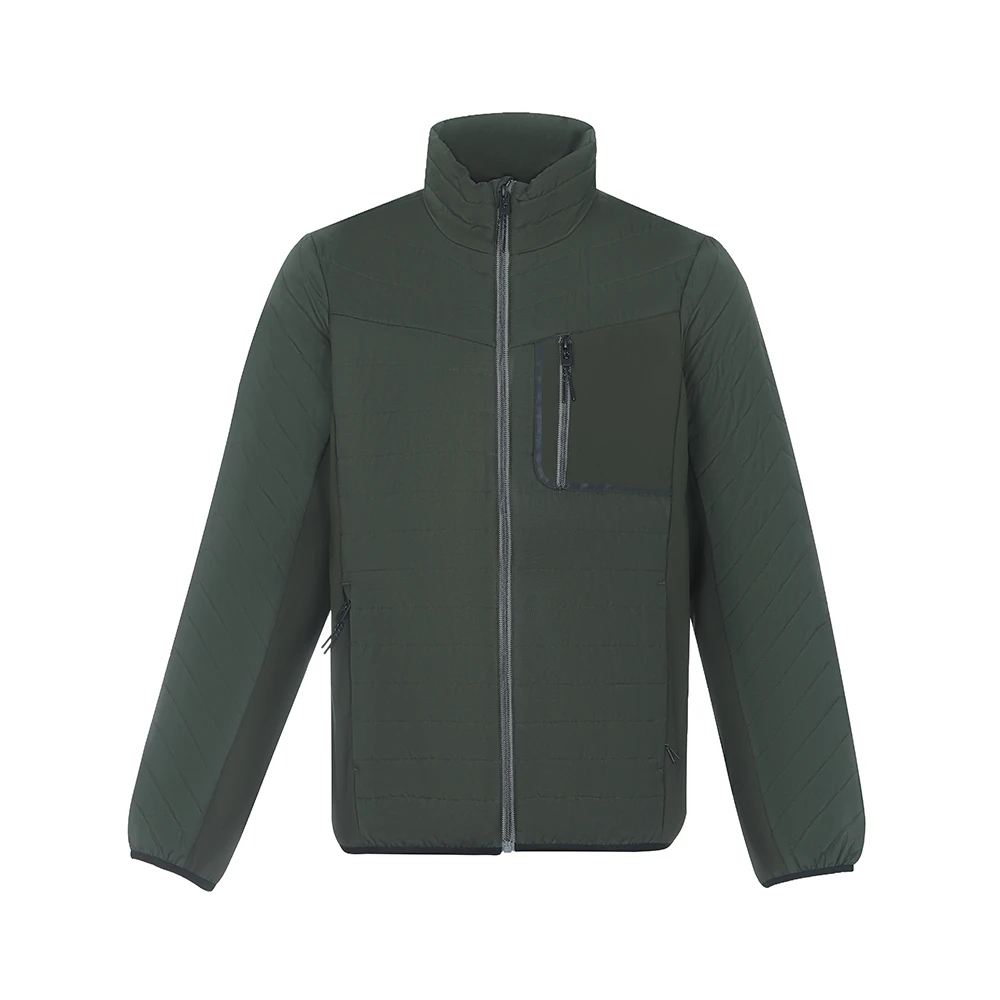
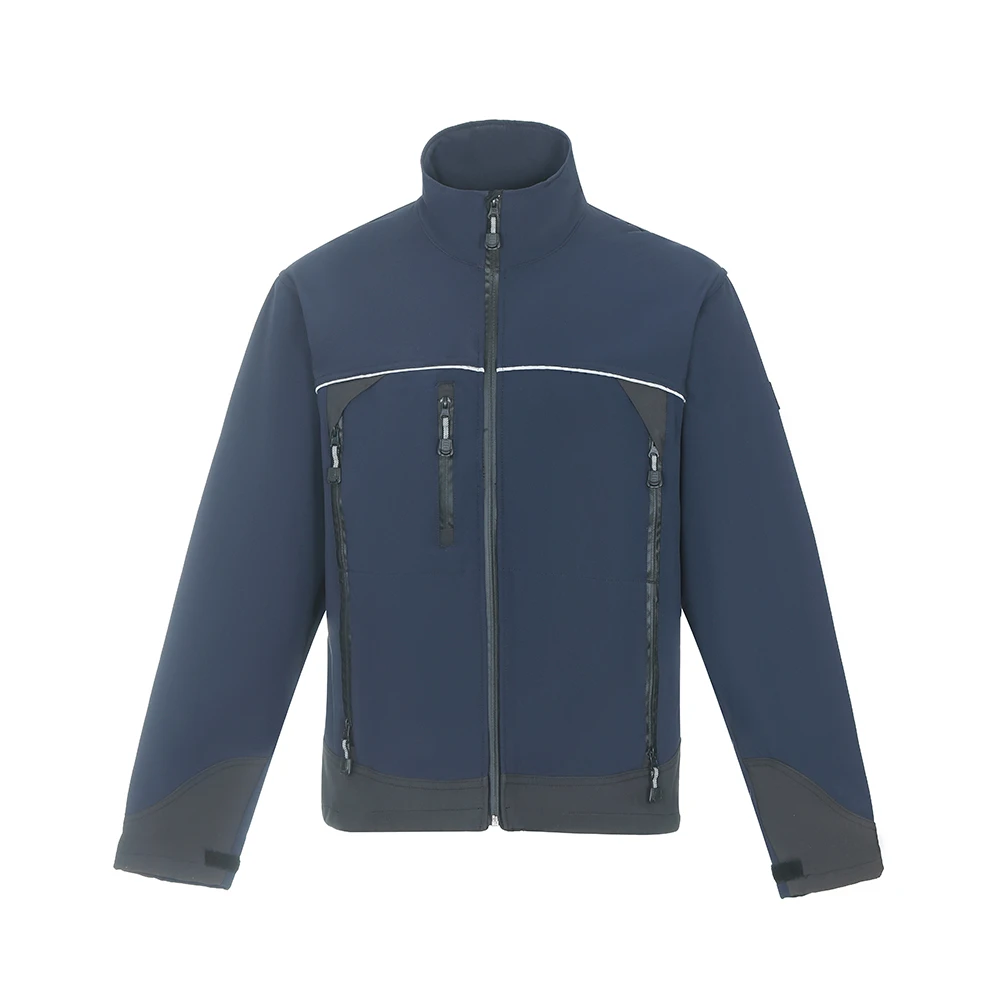
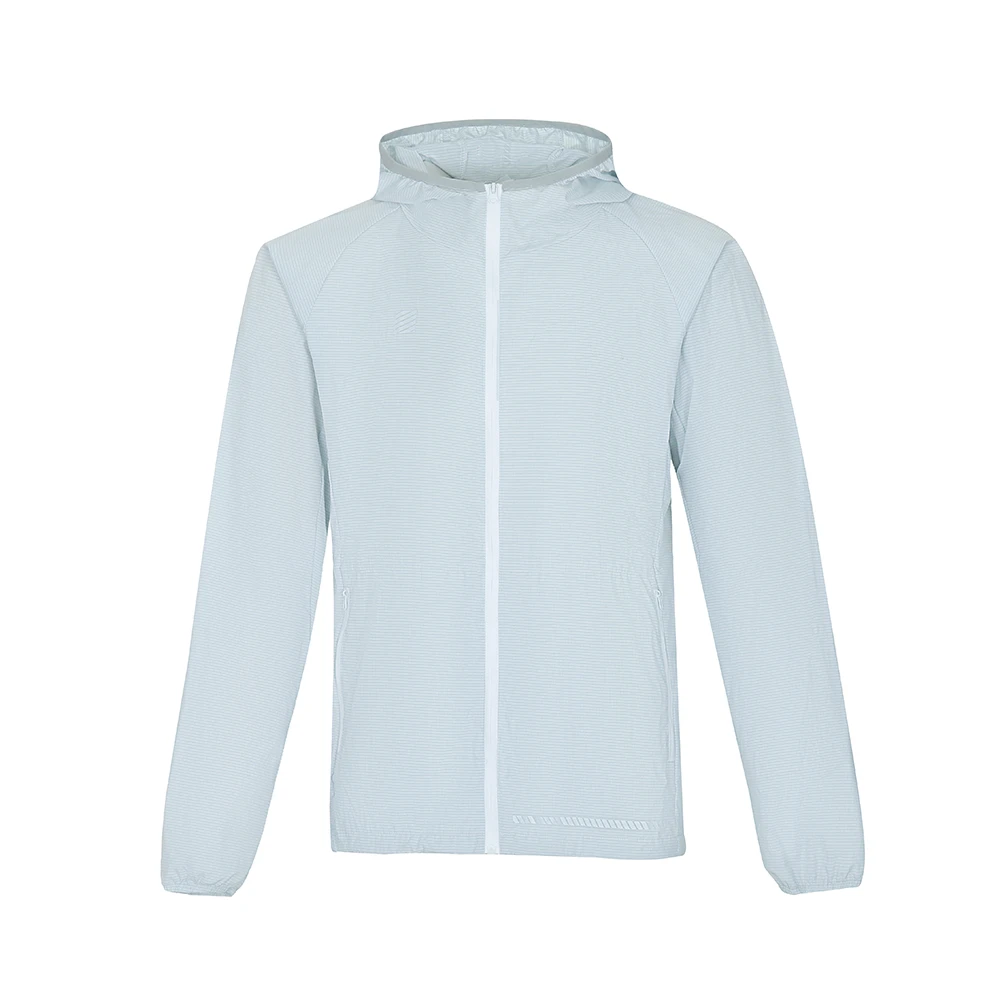
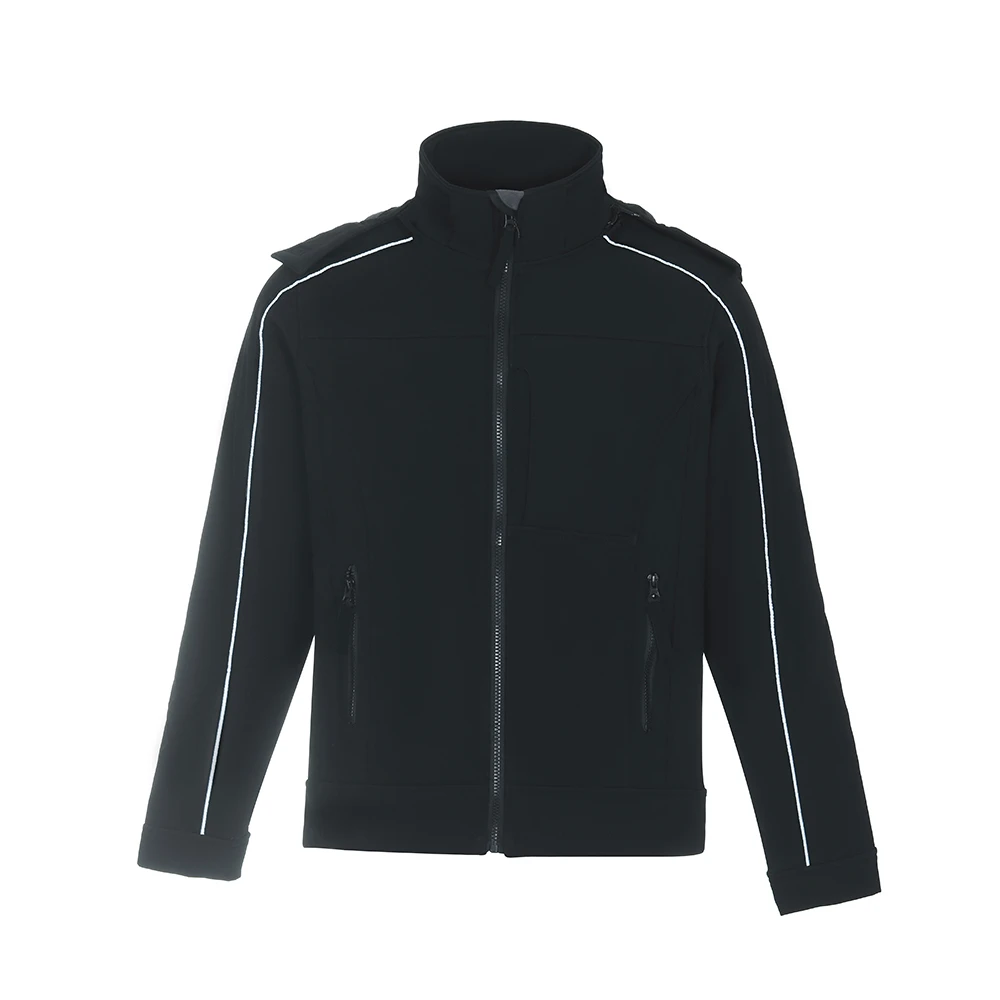
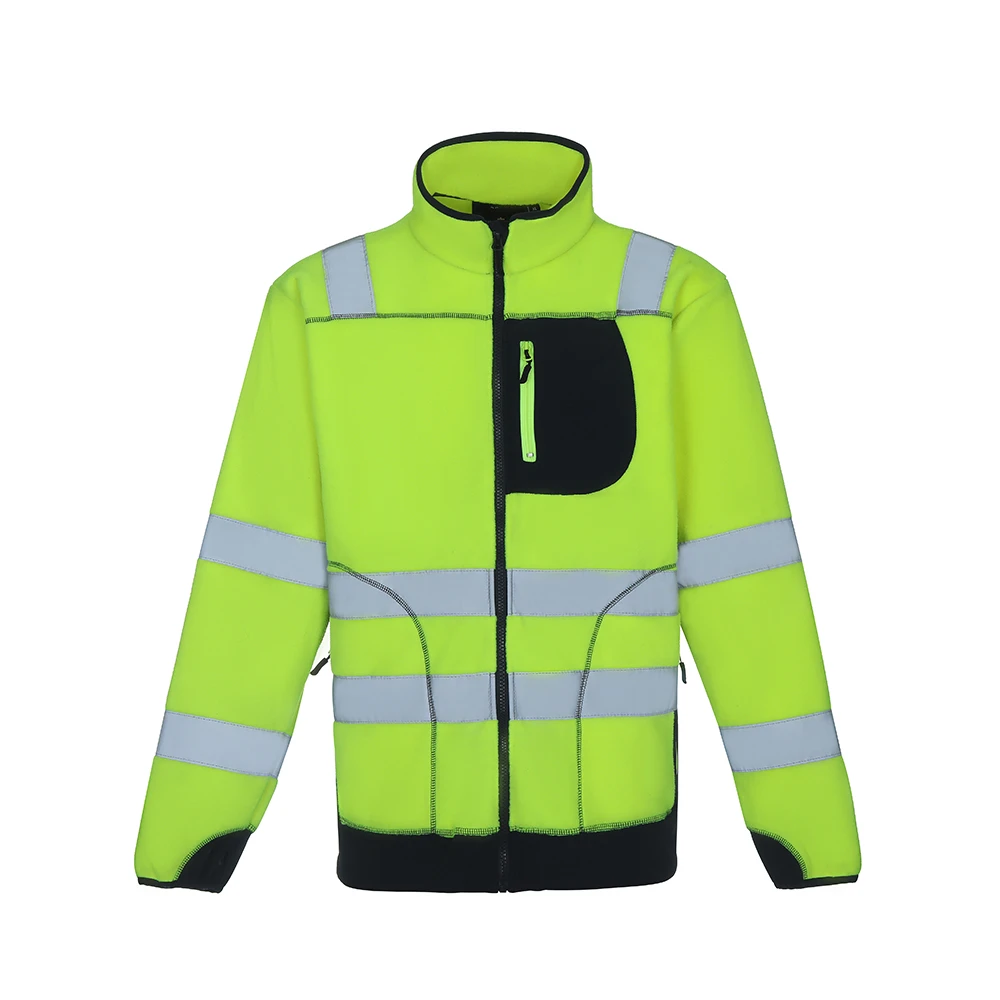
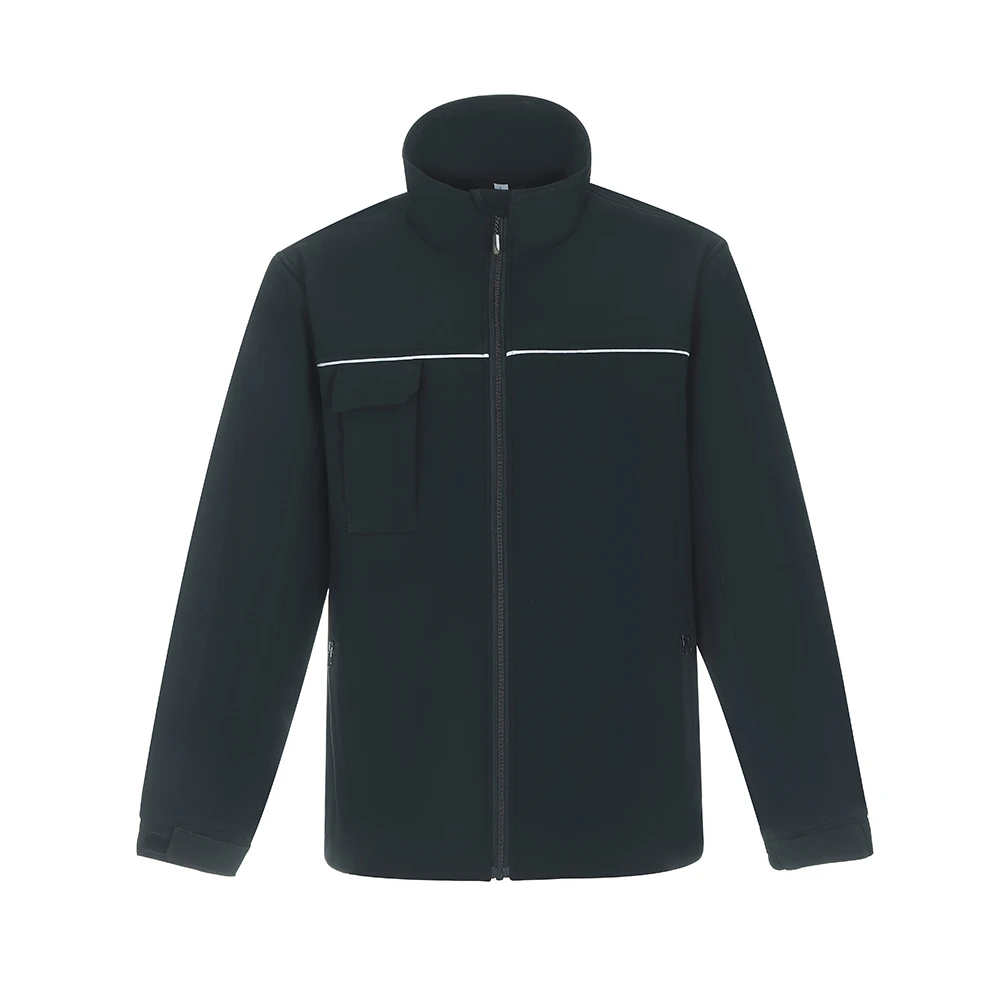
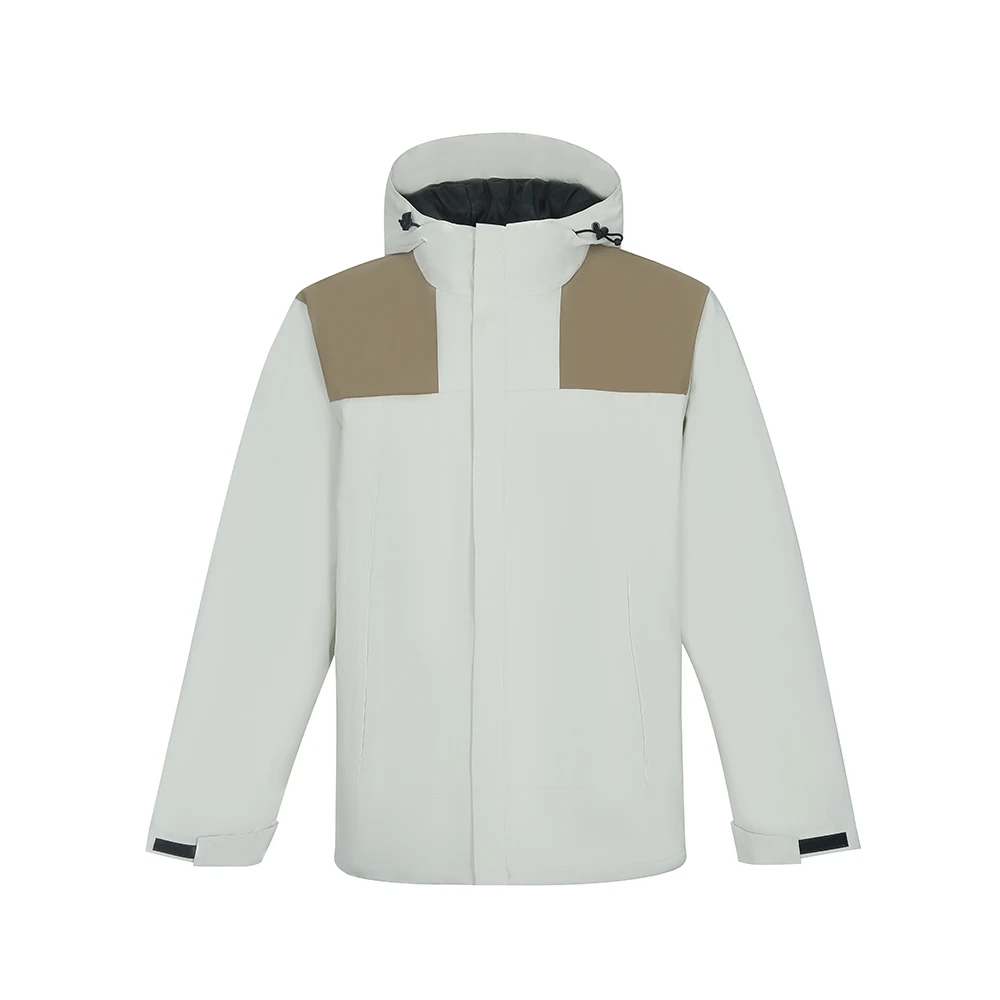
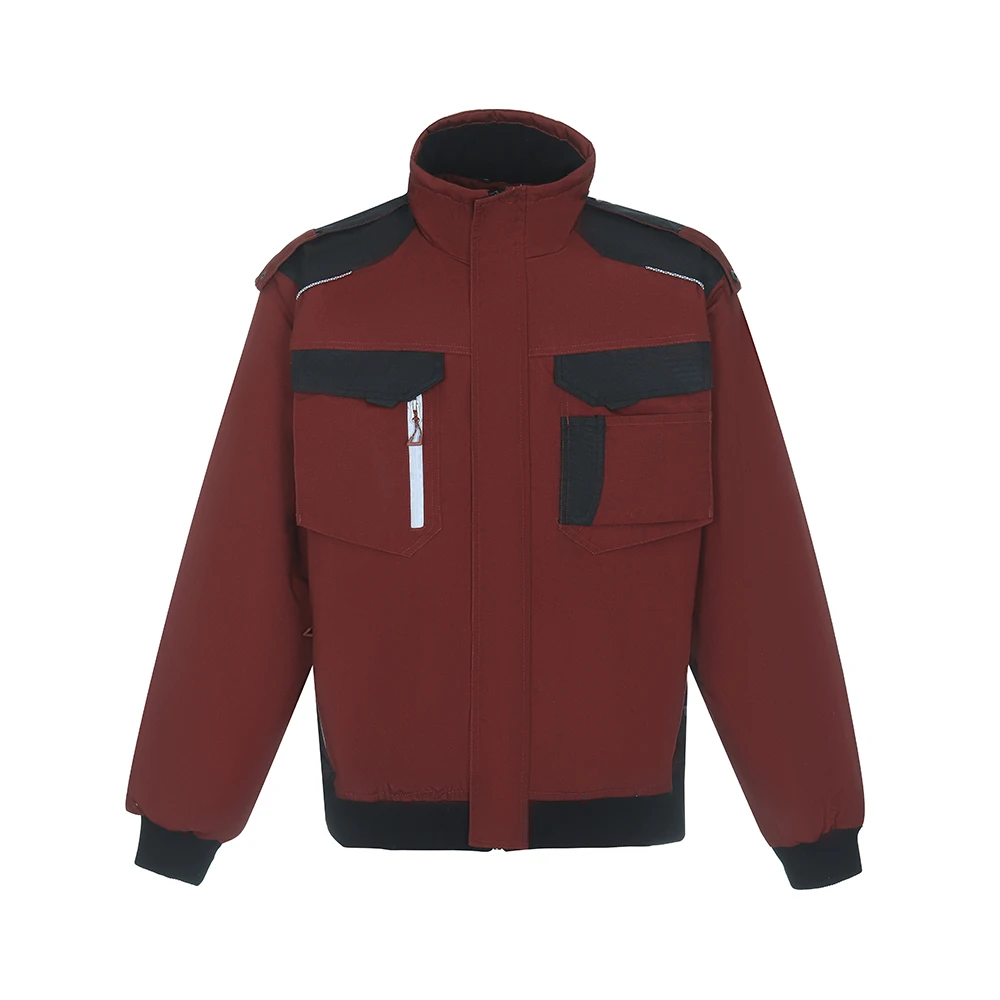
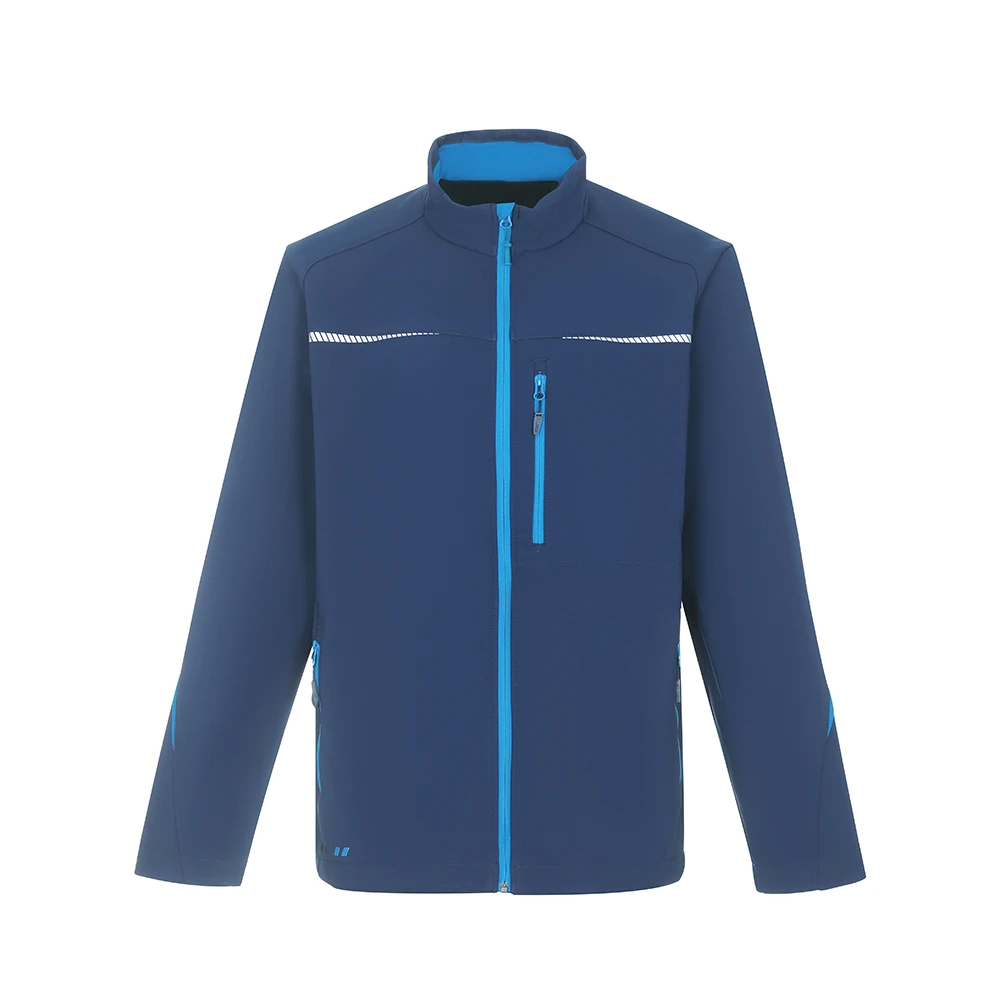
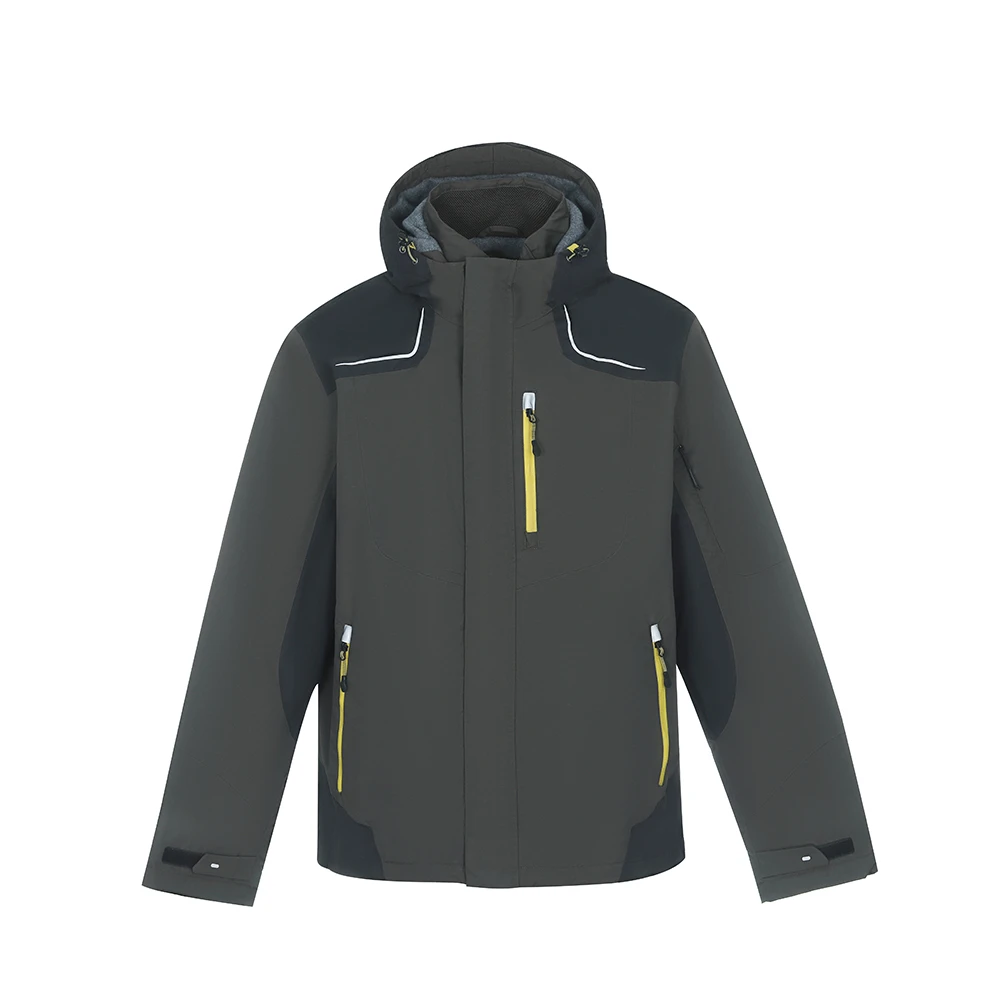
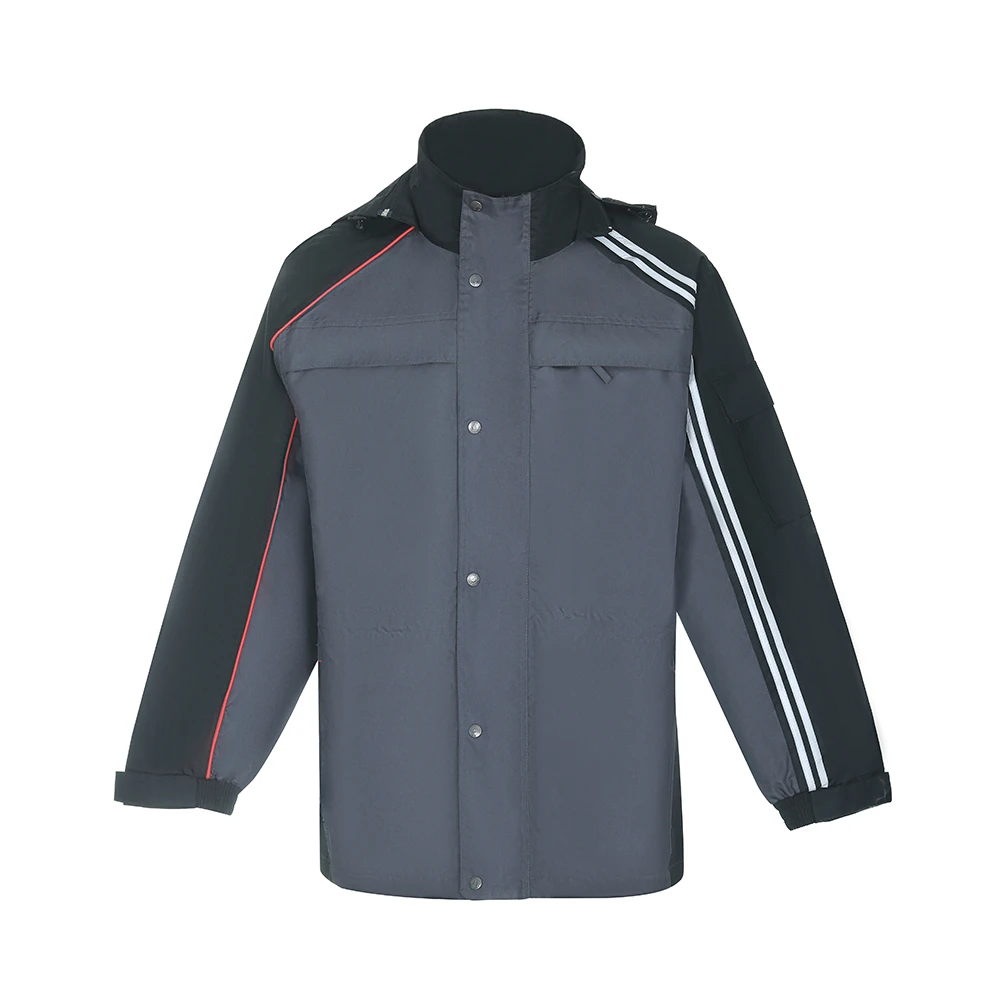
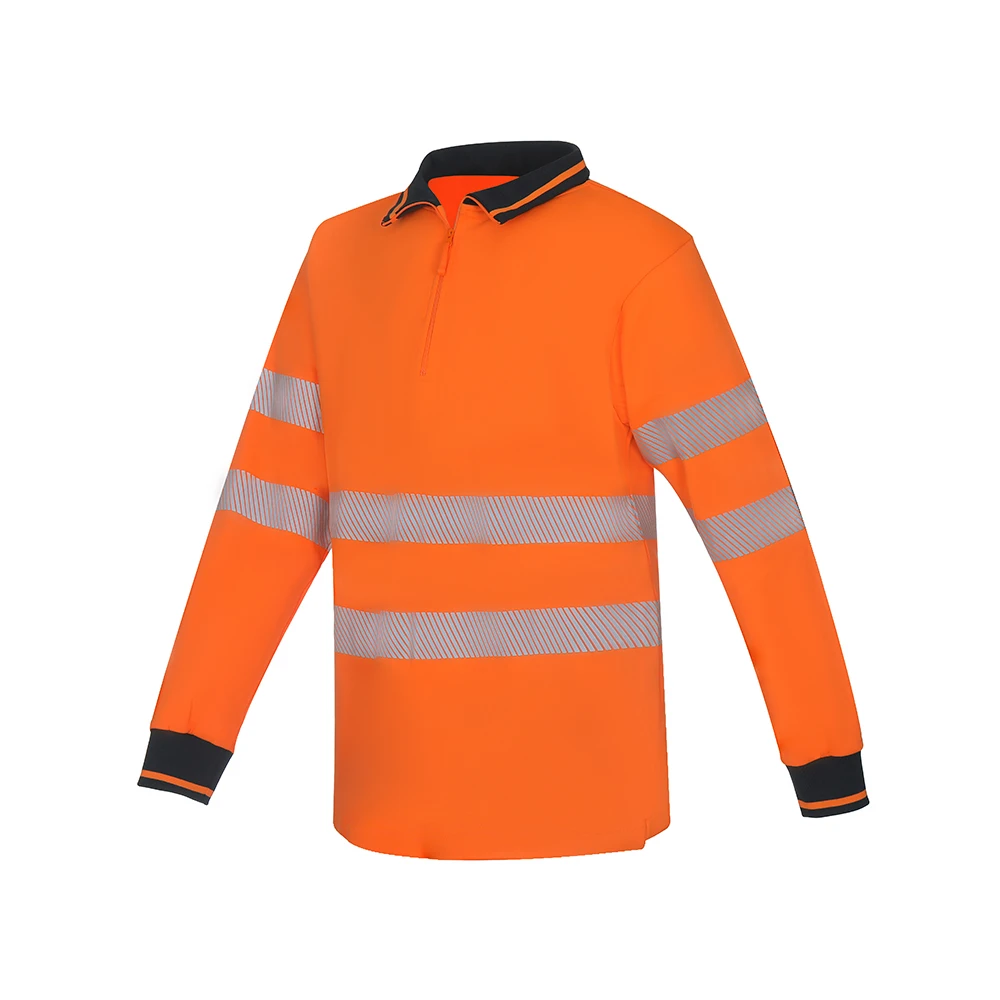
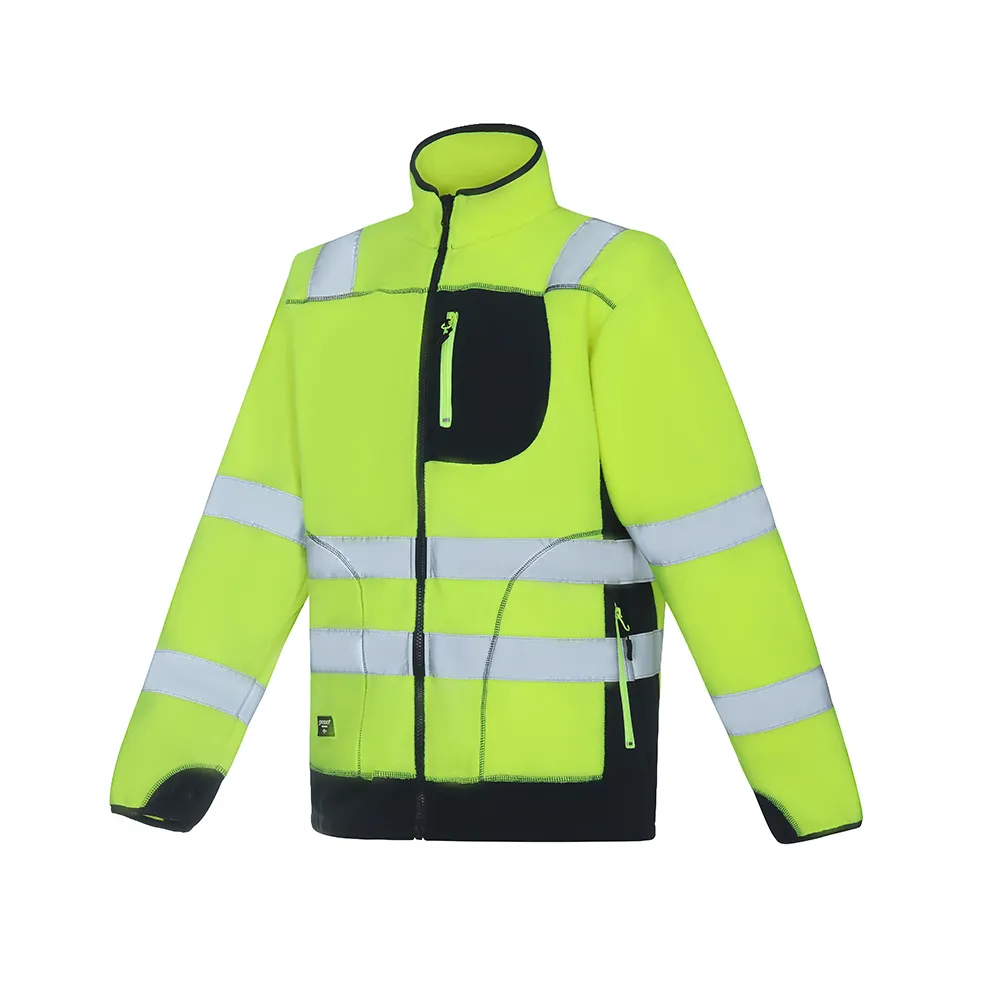
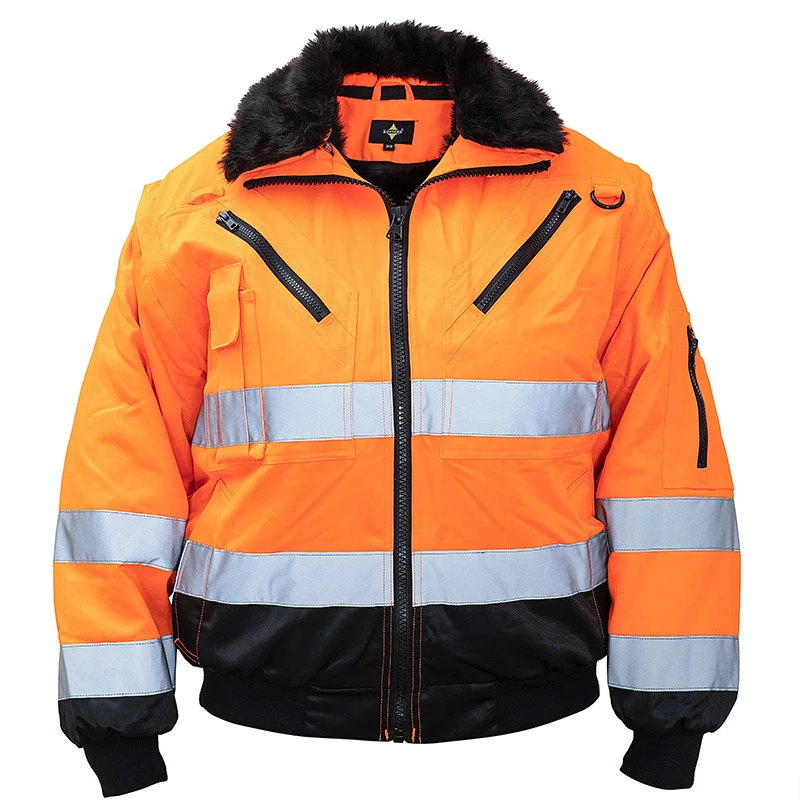
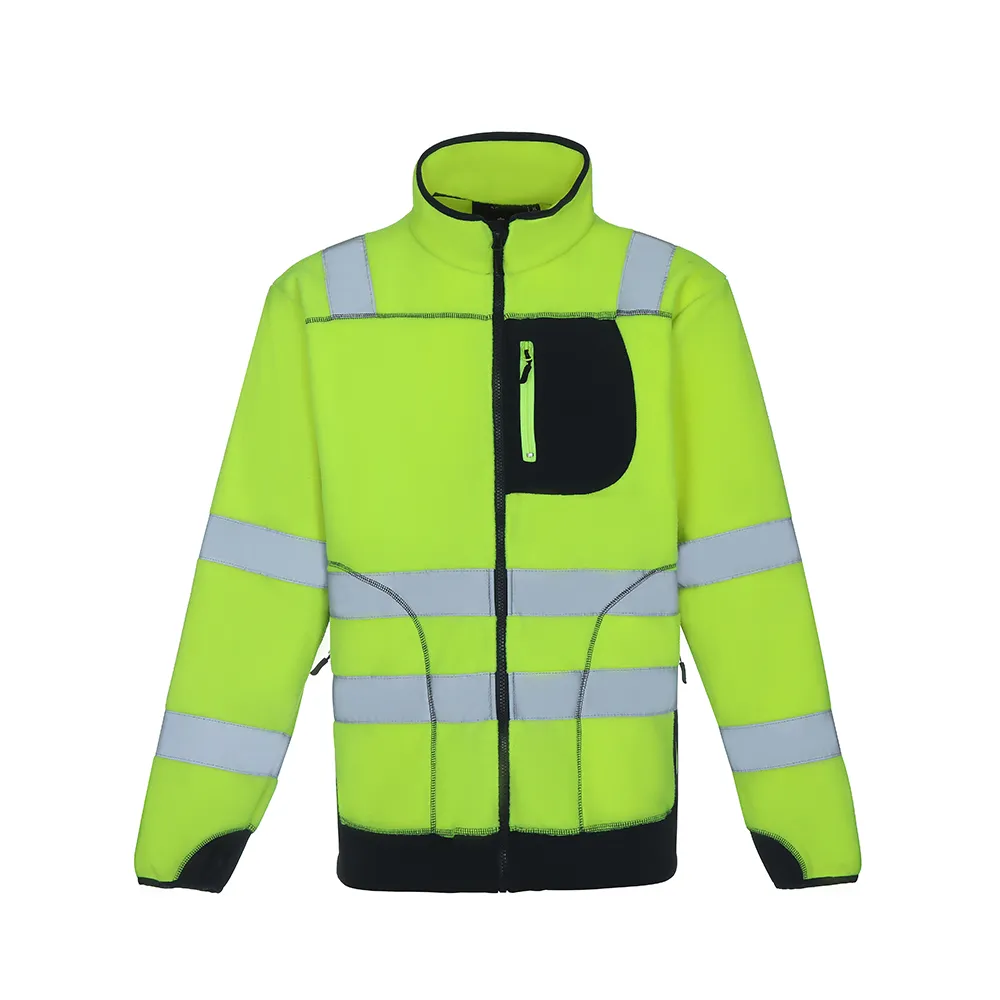
From a features perspective, QS Clothing’s rain wear options often include reflective strips for added safety in low light, adjustable cuffs and hoods for a customizable fit, and ventilation zippers that let users regulate airflow easily. All this means improved user comfort and higher compliance with safety protocols — a win-win for safety managers.
Cost, Maintenance & User Experience
When you look at the total cost of ownership for rain wear, durability is a crucial factor — a cheaper jacket that falls apart after a season tends to cost more in replacement and downtime. QS Clothing’s products boast robust water repellency treatments and reinforced stitching, meaning they last longer even under tough conditions. So, you’re not just buying rain protection; you’re investing in something that holds up, frankly.
User feedback often highlights how the clothing’s breathability keeps workers comfortable rather than sweaty — an important, sometimes overlooked consideration. One logistics company I chatted with mentioned their switching to QS Clothing rain wear reduced sick days related to colds and other minor illnesses. Little details like that add real value for businesses.
| Vendor | Durability | Price (per unit) | Customization | Lead Time |
|---|---|---|---|---|
| QS Clothing | High (Reinforced panels) | $$$ | Wide (colors, logos) | 2-3 weeks |
| Competitor A | Medium | $$ | Limited | 3-4 weeks |
| Competitor B | High | $$$$ | Moderate | 4 weeks |
Sustainability & Market Trends
Oddly enough, sustainability is becoming a much bigger focus in rain wear manufacturing than one might initially expect. Companies like QS Clothing are embracing recycled materials and bluesign®-approved fabrics to reduce environmental impact. Regulatory pressure, especially within the EU and North America, nudges manufacturers toward greener solutions — and frankly, that’s good for everyone.
From a market perspective, rising frequency of extreme weather events has driven a noticeable surge in demand across industries. Rain wear that offers both reliable protection and ethical manufacturing is carving out a niche, and I suppose that trend will only pick up steam. In real terms, this means smarter fabrics, smarter supply chains, and better products in the hands of workers.
Frequently Asked Questions about Rain Wear
- What is Rain Wear and how does it work?
- Rain wear is specialized clothing designed to repel water and protect the wearer from wet conditions. It typically uses waterproof, breathable fabrics that prevent moisture penetration while allowing sweat to escape.
- What are the main benefits of using Rain Wear in industrial applications?
- Key benefits include enhanced worker comfort, reduced downtime caused by weather, increased safety through visibility features, and long-term cost savings due to durable materials.
- How does Rain Wear compare to traditional alternatives?
- Modern rain wear offers better breathability, lighter weight, and improved waterproofing compared to traditional rubberized or plastic-coated garments, which tend to be heavier and less breathable.
- What industries can benefit most from Rain Wear implementation?
- Industries such as construction, warehousing, logistics, utilities, and outdoor event management rely heavily on rain wear to maintain safety and productivity in wet conditions.
Conclusion on Rain Wear from china
To sum it up, investing in quality Rain Wear like that offered by QS Clothing can significantly improve worker safety and comfort while supporting operational efficiency. Whether it's the thoughtfully engineered materials or the company's sustainable manufacturing practices, it all adds up to value that smart B2B decision-makers can appreciate.
- Recap the value of Rain Wear.
- - Visit our website: https://www.qsclothing.com