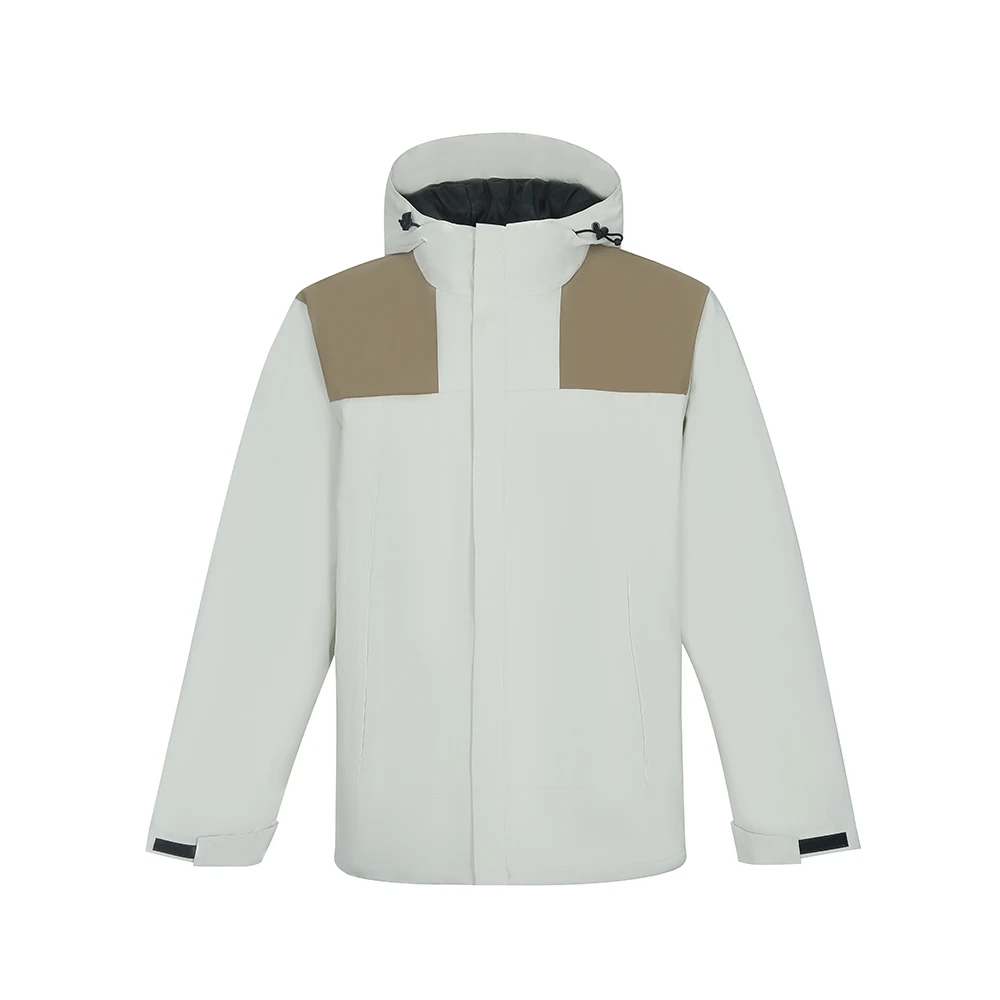
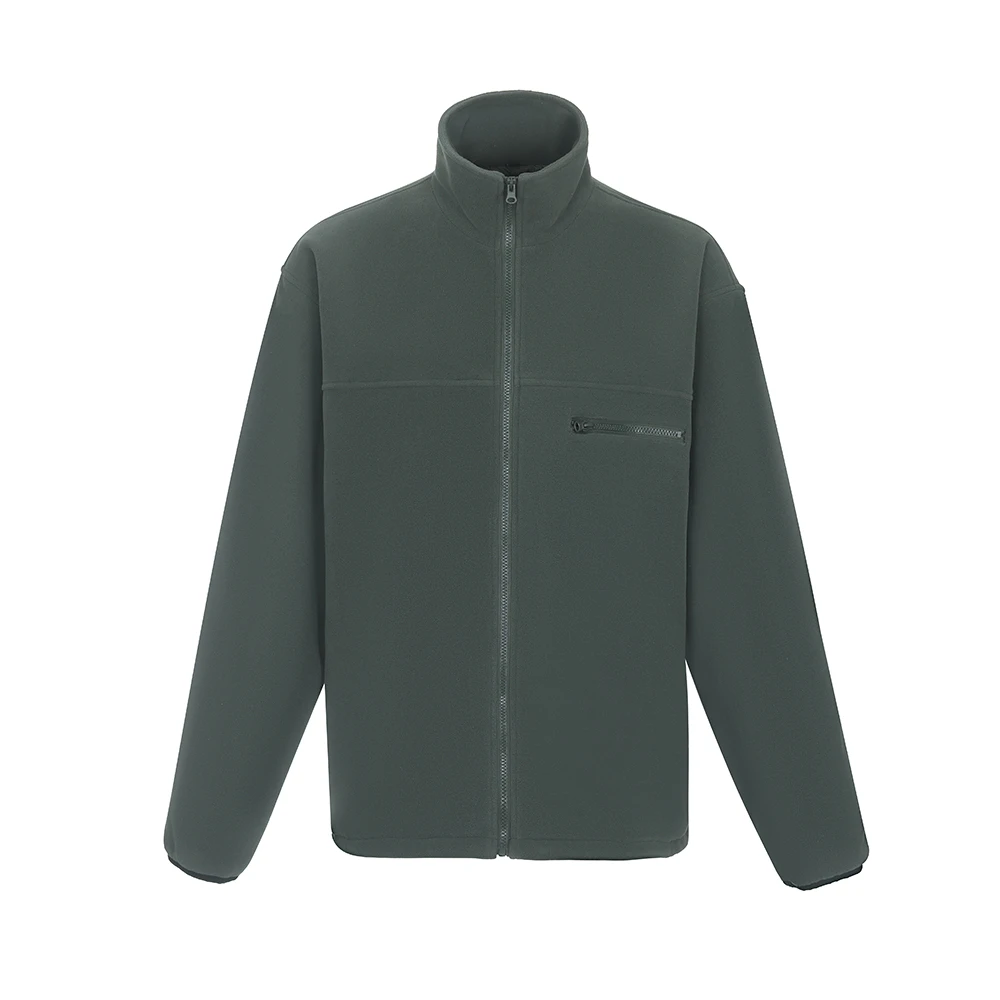
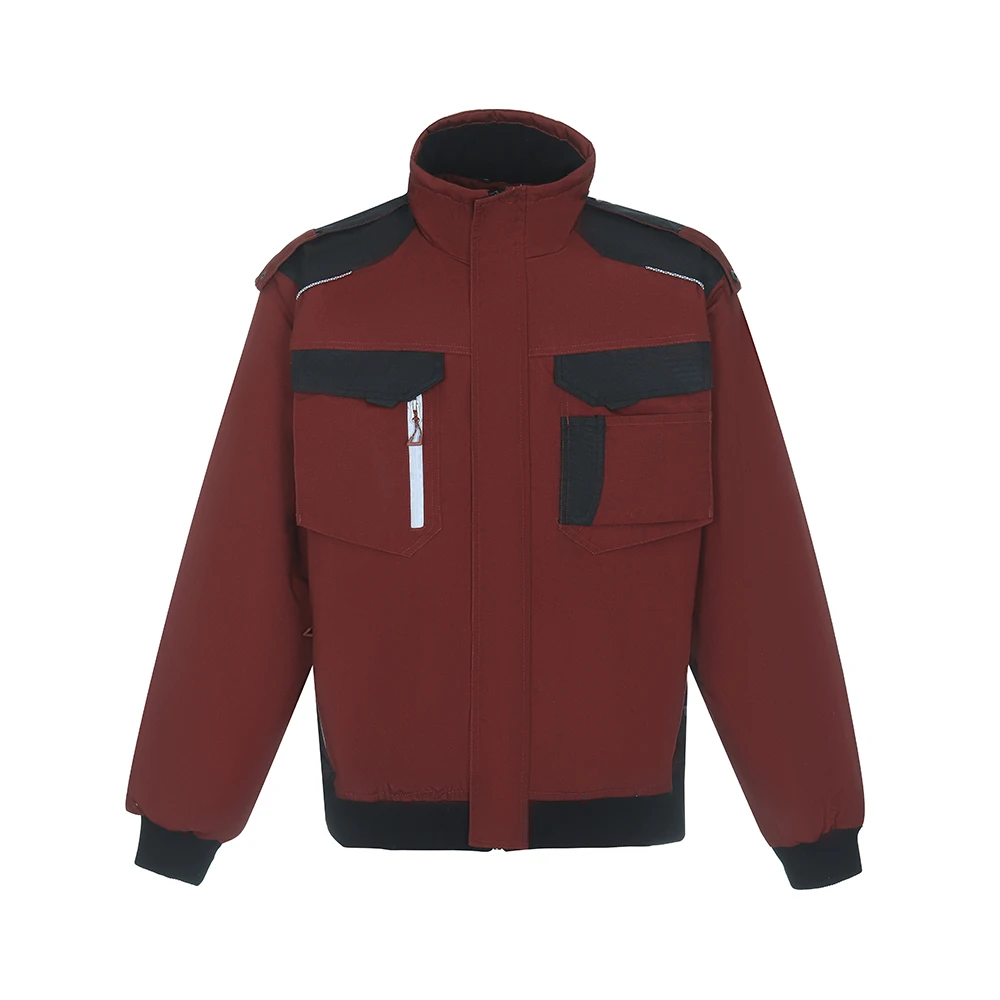
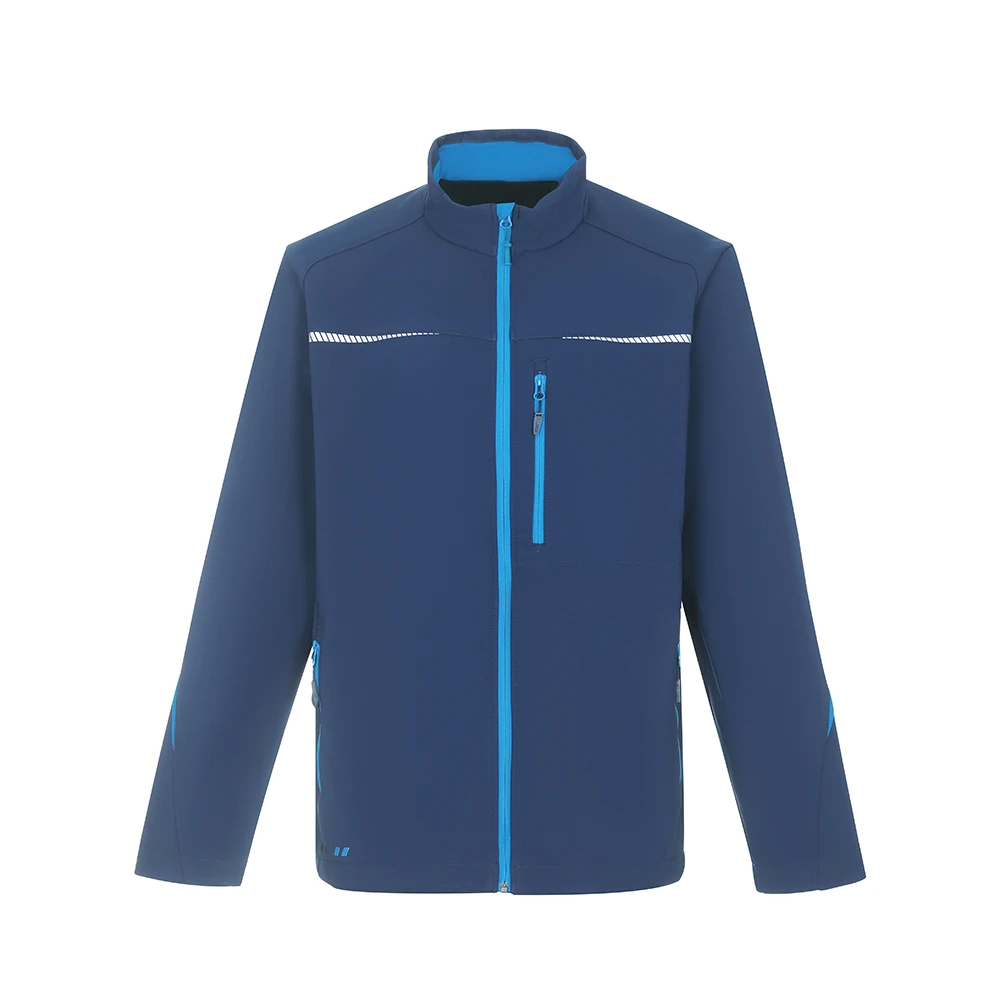
Durable Industrial Rain Jackets for Tough Outdoor Work | QS Clothing
Why a Quality Rain Jacket Matters in Industrial Equipment Work
After spending well over a decade nestled in the trenches of the industrial equipment sector, I can tell you one thing for sure: a rain jacket isn’t just a piece of clothing. It’s a small but critical part of your gear that, frankly, can make or break your day when the weather turns.
Now, I know what you’re thinking—“It’s just a jacket.” But from experience, you realize the difference between water seeping through a cheap shell and a jacket designed to endure days of rain interspersed with sweat and physical labor is night and day. Oddly enough, the best industrial rain jackets balance durability, breathability, and mobility — a combo that sounds simple but is surprisingly hard to get right.
Material and Design Considerations
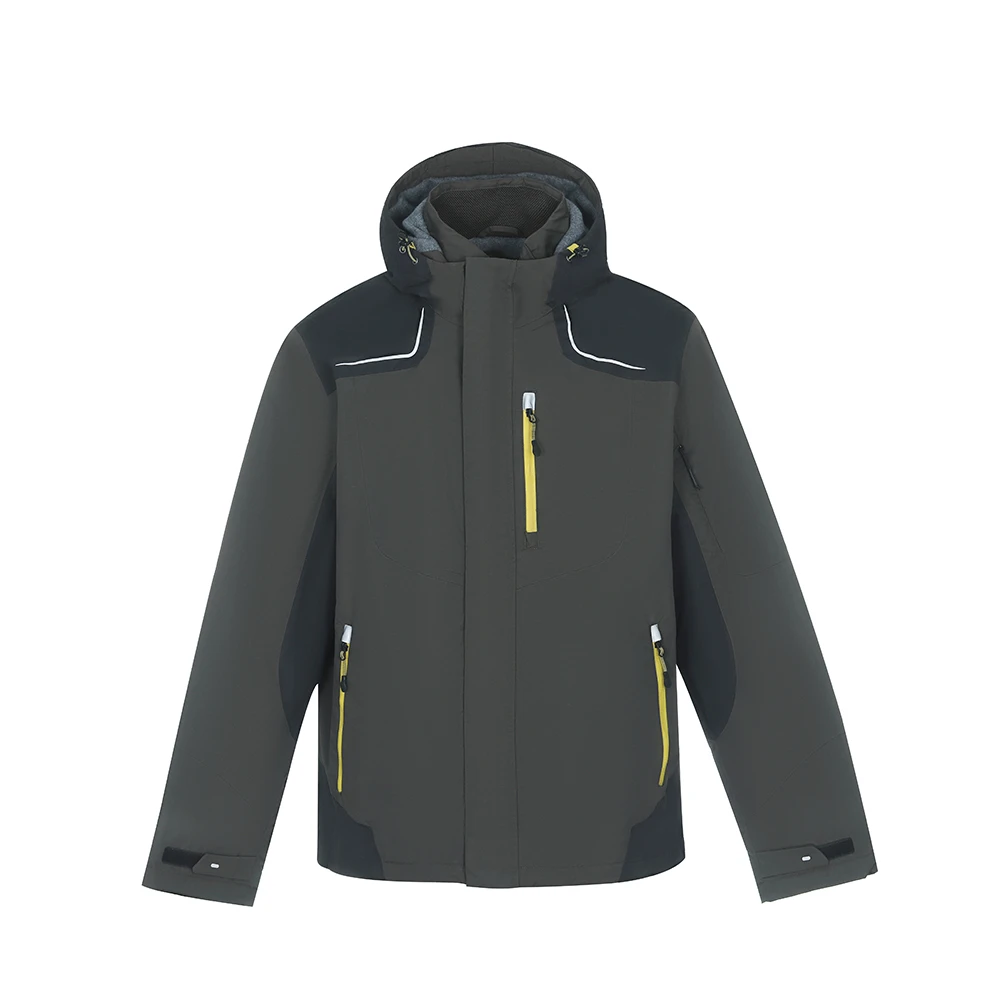
Most rain jackets you see out there are made from polyester or nylon, treated with waterproof coatings like PU (polyurethane) or laminates such as Gore-Tex. Frankly, I’ve seen jackets fail when these coatings start to peel or crack after months in real-world environments. What tends to work better in industrial heavy-duty contexts? Jackets that use multi-layer laminates combined with sealed seams. You want to avoid any chance that water can creep in—especially when you’re crouching, reaching, or carrying equipment. The last thing anyone needs is soggy clothes leading to chills or discomfort.
Breathability is just as crucial. Many engineers say a jacket’s waterproof rating isn’t everything if you boil inside it after an hour on the job. That's why venting systems, mesh lining, and moisture-wicking inner layers help prevent that clammy, sticky feeling. And yes, it kind of sounds fancy, but in real terms, these features keep morale up.
Testing and Real-World Use
In the industrial sector, testing happens both in labs and on-site. A reliable rain jacket withstands at least 5,000 mm of water column pressure without leaking—that’s a common benchmark. But equally important are wear tests measuring abrasion resistance, since you’re often scraping against metal or concrete.
I remember a project where the team was retrofitting equipment outdoors during a relentless fall storm. Some folks had run-of-the-mill rain gear and were miserable after the first hour. The ones in specialized jackets stayed dry and focused—big difference when you’re handling power tools in slippery conditions.
| Feature | Typical Spec | Industrial Grade Rain Jacket |
|---|---|---|
| Material | Polyester/NY with PU coating | 3-layer laminated Nylon with TPU membrane |
| Waterproof Rating | 2,000 - 3,000 mm | ≥ 5,000 mm |
| Seams | Standard stitched | Fully taped and sealed |
| Breathability | Low - moderate | High - advanced venting & wicking |
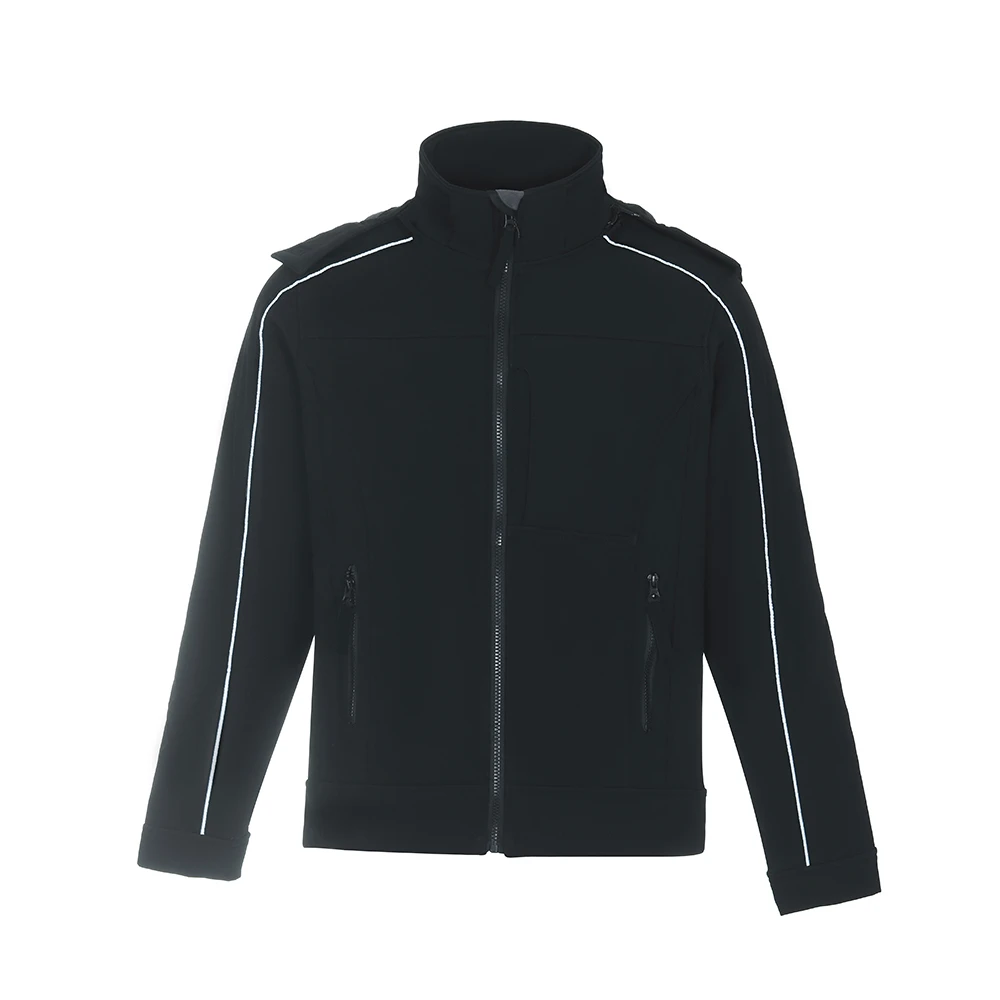
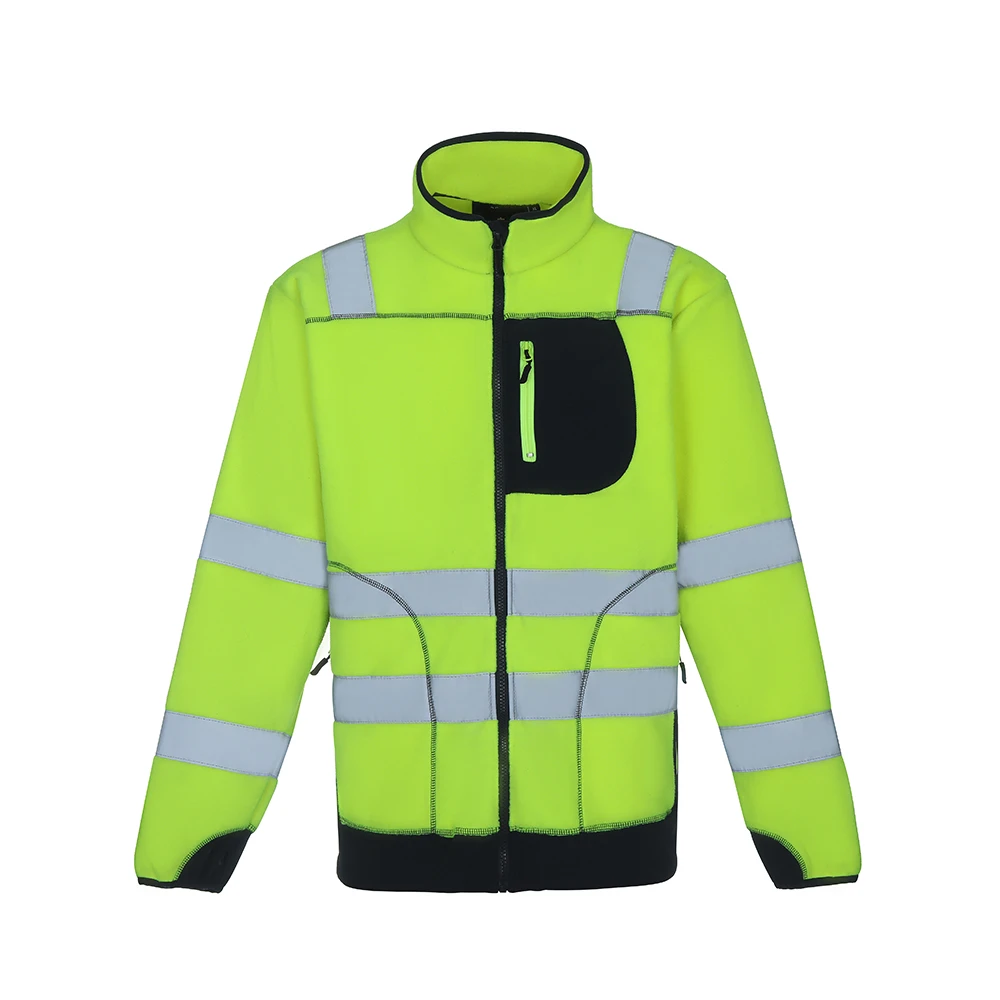
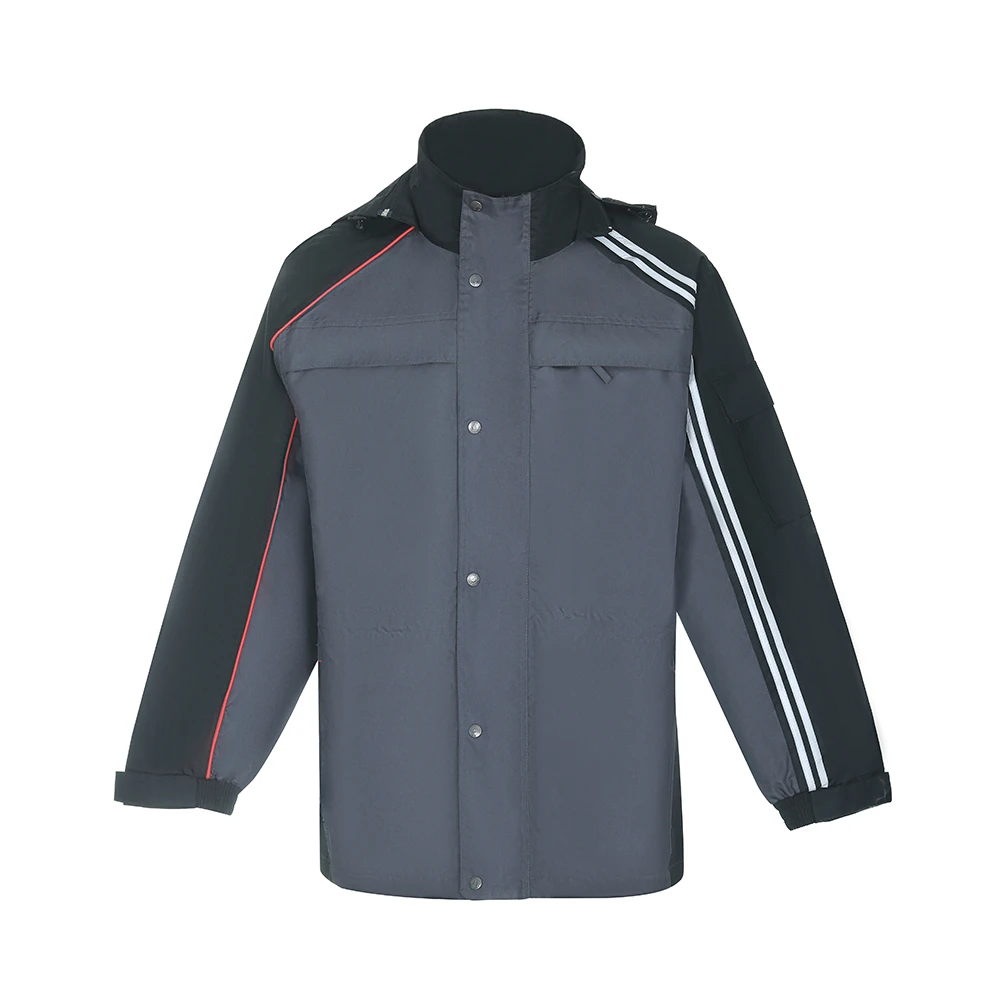
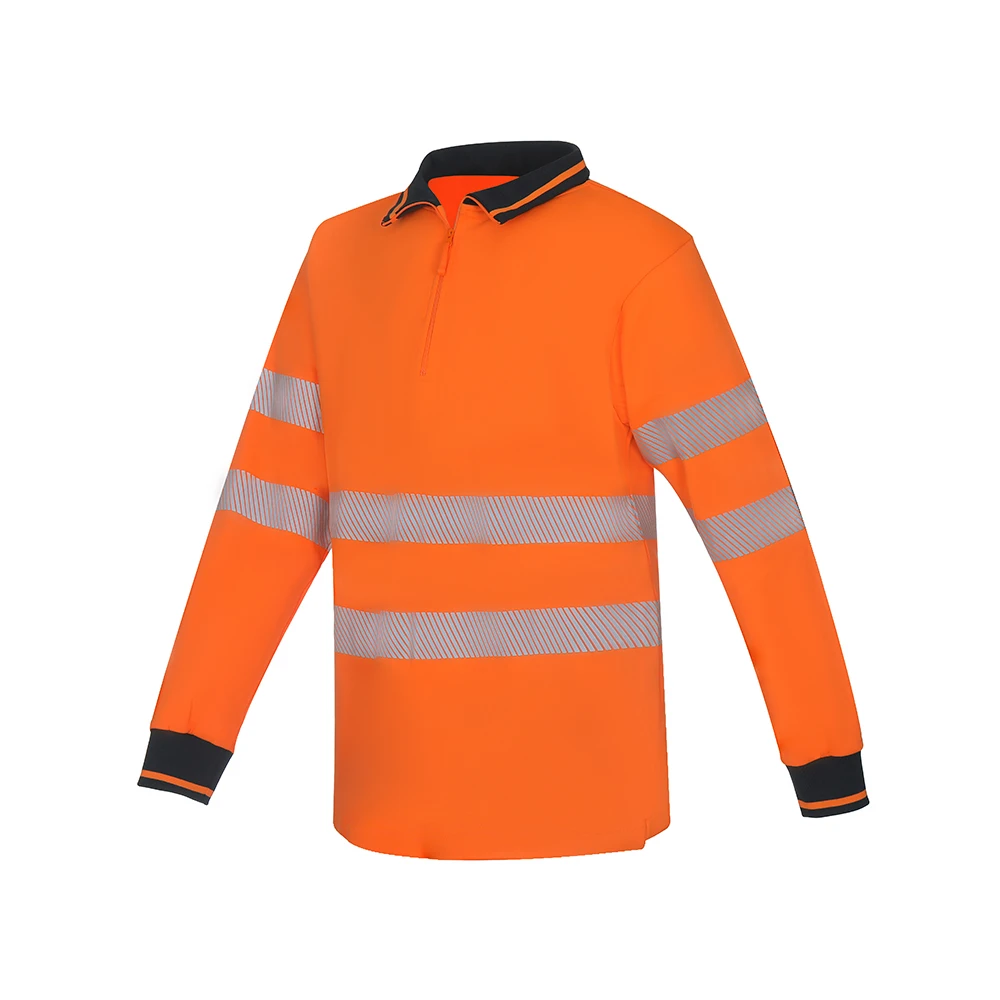
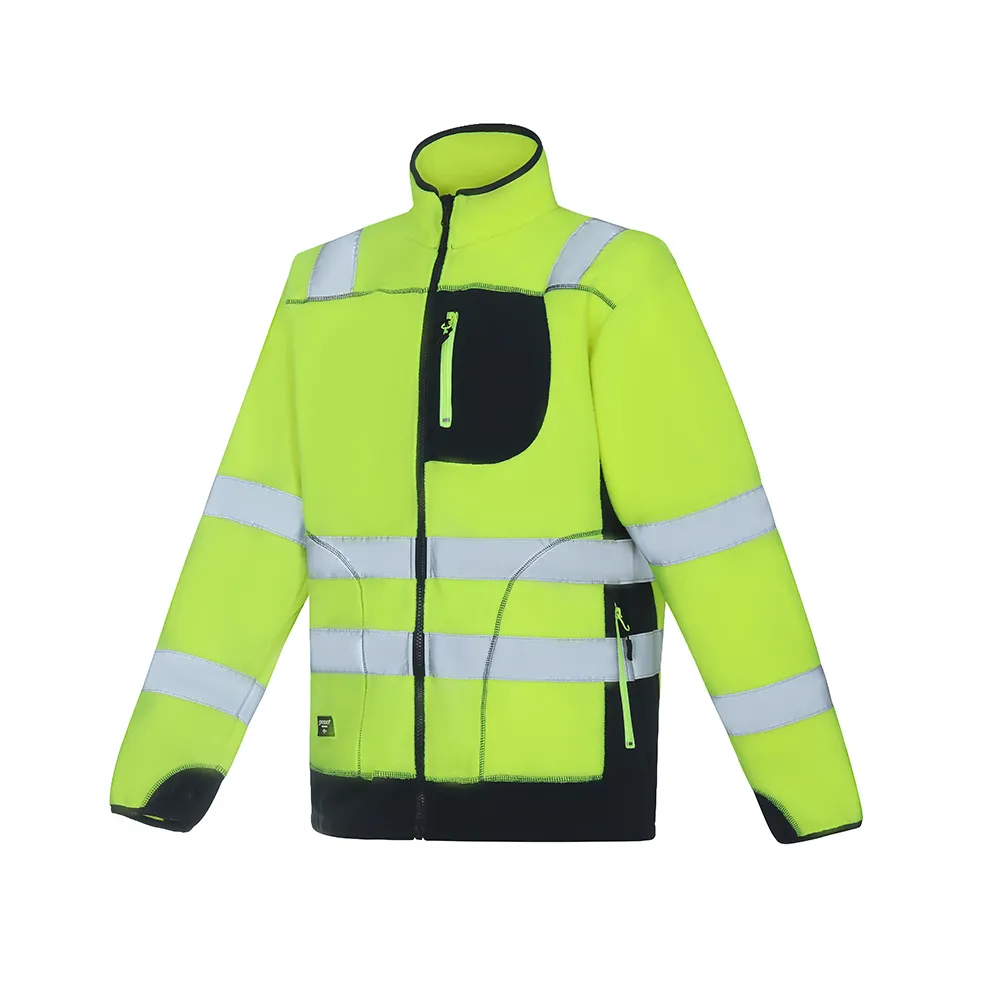
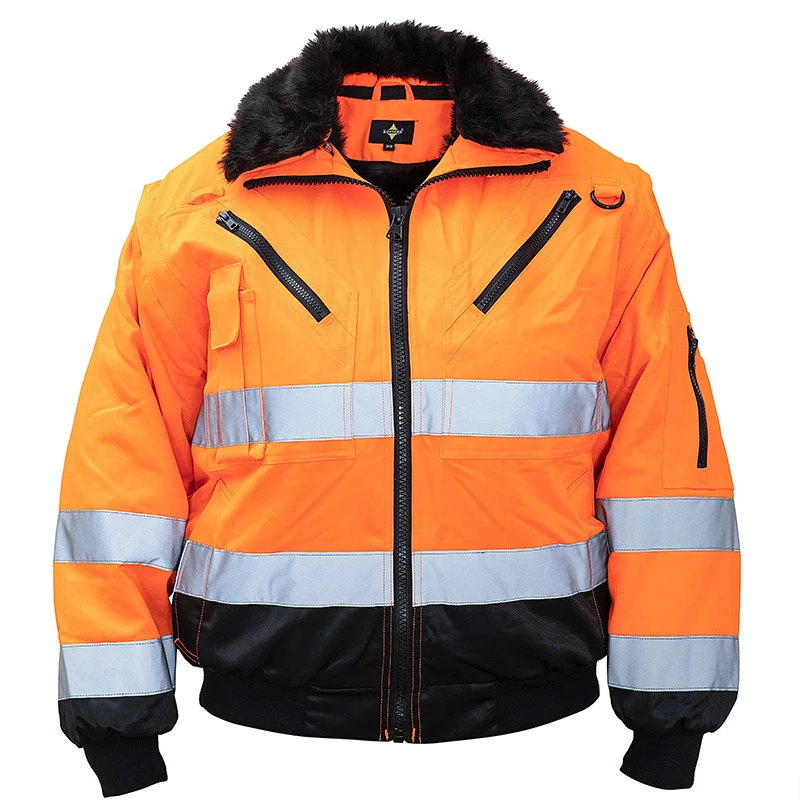
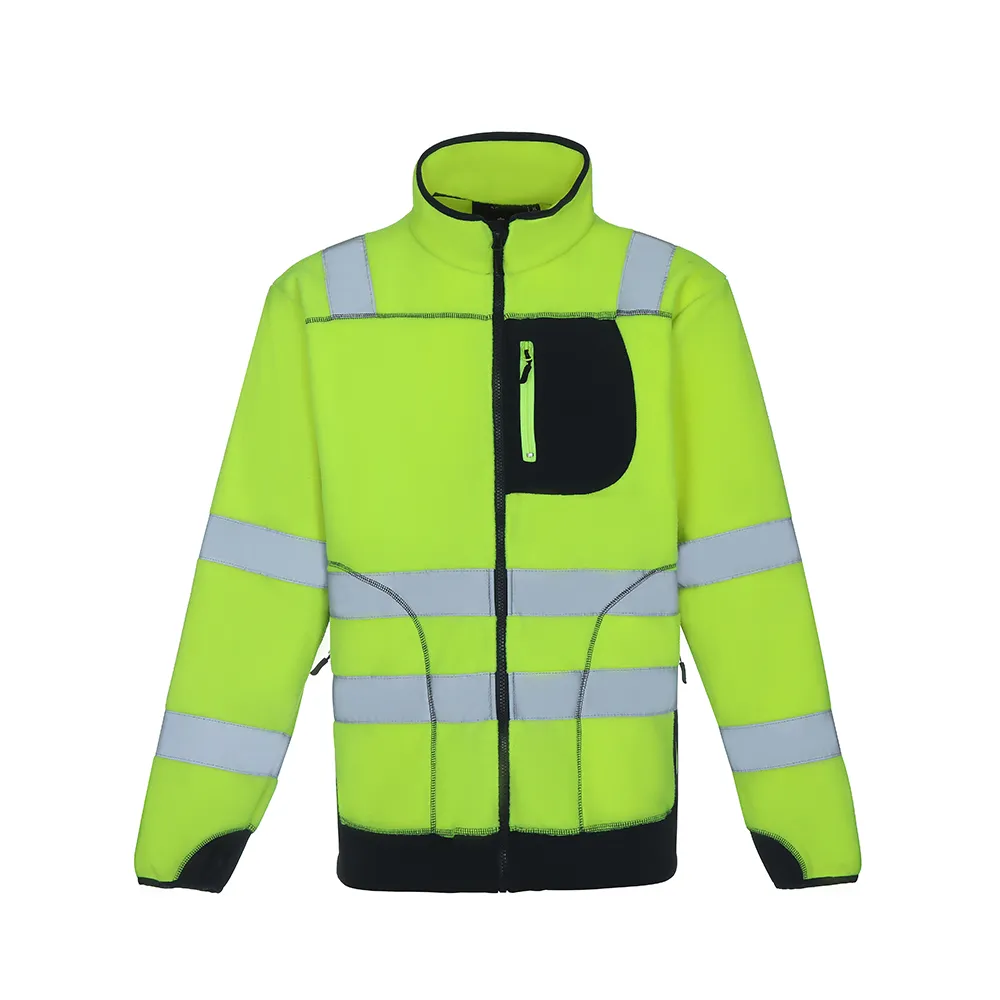
| Visibility Features | Usually none or reflective piping | Reflective patches & stripes for safety |
How Different Vendors Stack Up
To help you get a feel for the playing field, I compared some popular brands offering industrial rain jackets. This isn’t an exhaustive list, but a quick snapshot, based on specs, price, and user feedback collected over years.
| Brand | Waterproof Rating (mm) | Price Range (USD) | Key Features | User Suitability |
|---|---|---|---|---|
| QS Clothing | 5,000+ | $90-$150 | 3-layer laminate, taped seams, reflective markings | Heavy-duty industrial use |
| Brand X | 3,000 | $60-$100 | PU coated, stitched seams, basic vents | Light outdoor work |
| Brand Y | 4,000 | $100-$140 | Laminated fabric, taped seams, moderate breathability | General industrial wear |
Customization and Industry Trends
An interesting trend that’s gaining traction is customization. Many industrial outfits now want rain jackets tailored with company logos, hazard identification patches, or even smart textile tech like embedded sensors. I suppose it goes beyond just staying dry—there’s a matter of branding, worker safety, and monitoring that’s becoming important. This kind of customization isn’t just a gimmick; it can actually improve team visibility on large sites and track health metrics.
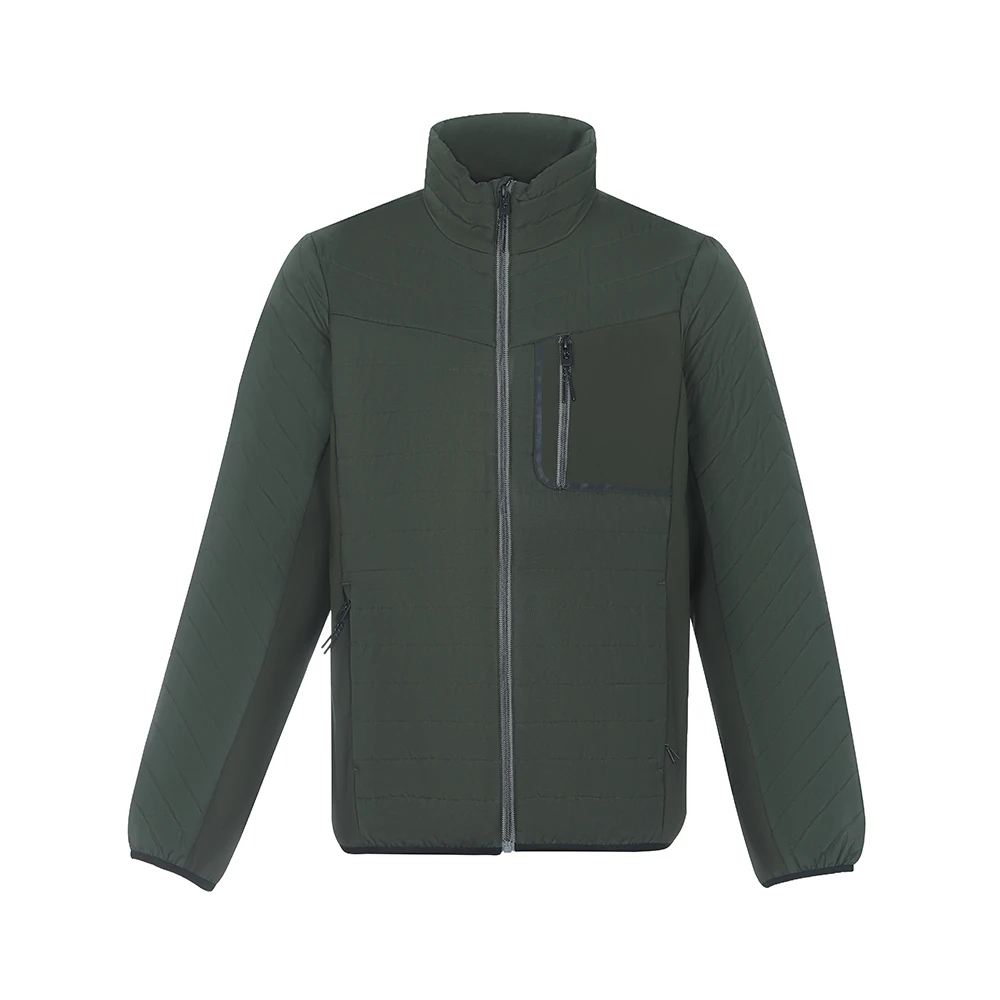
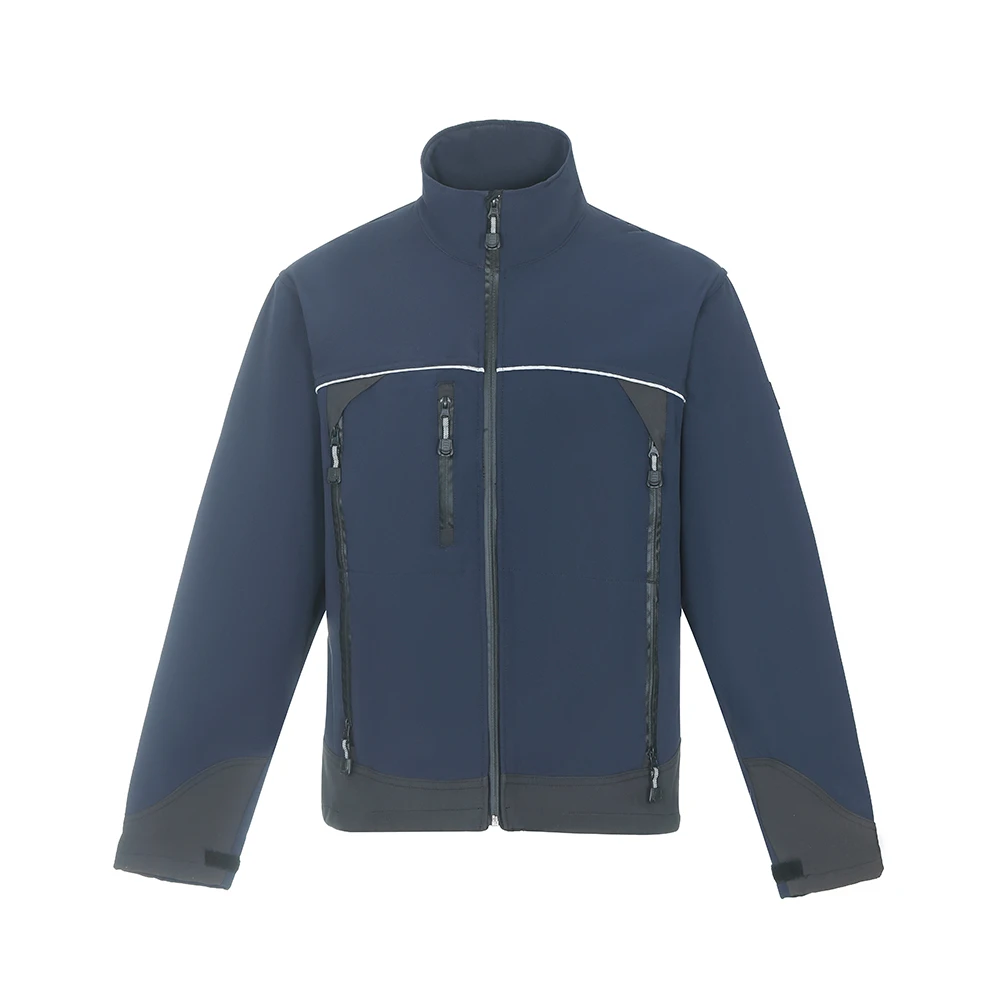
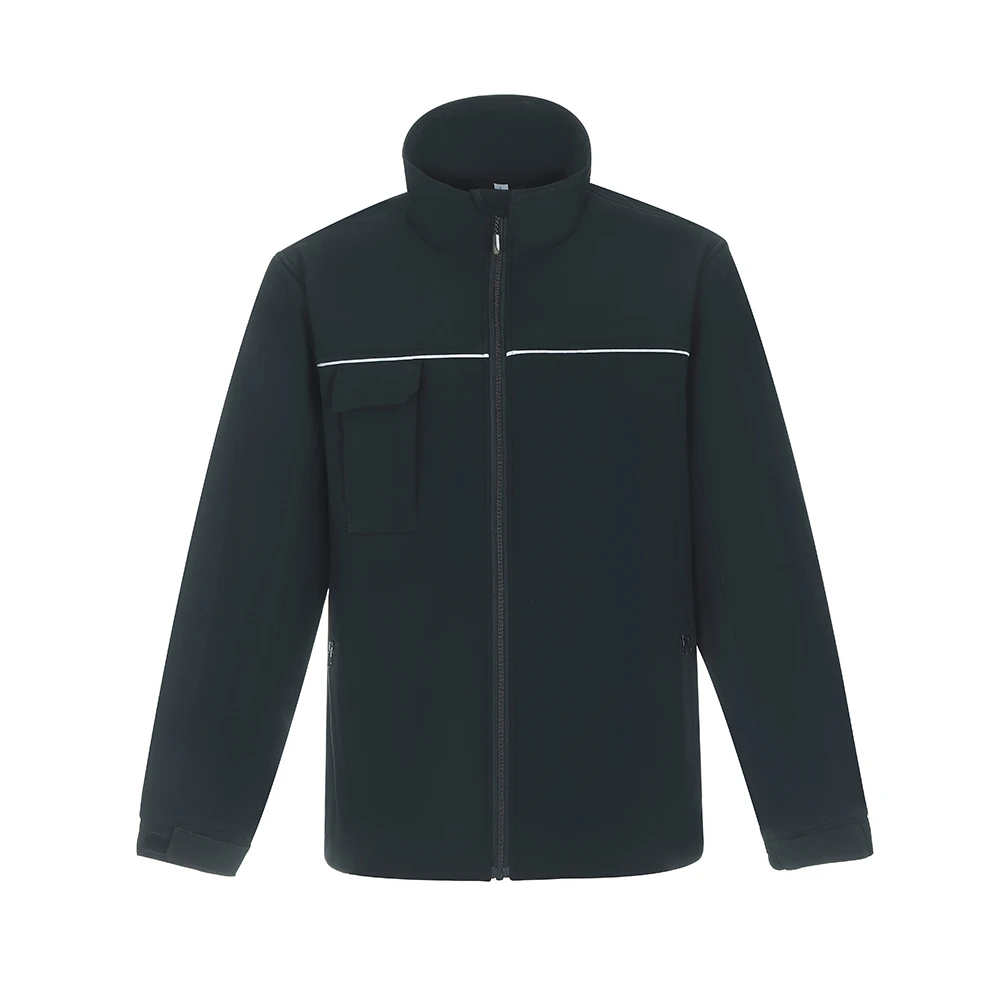
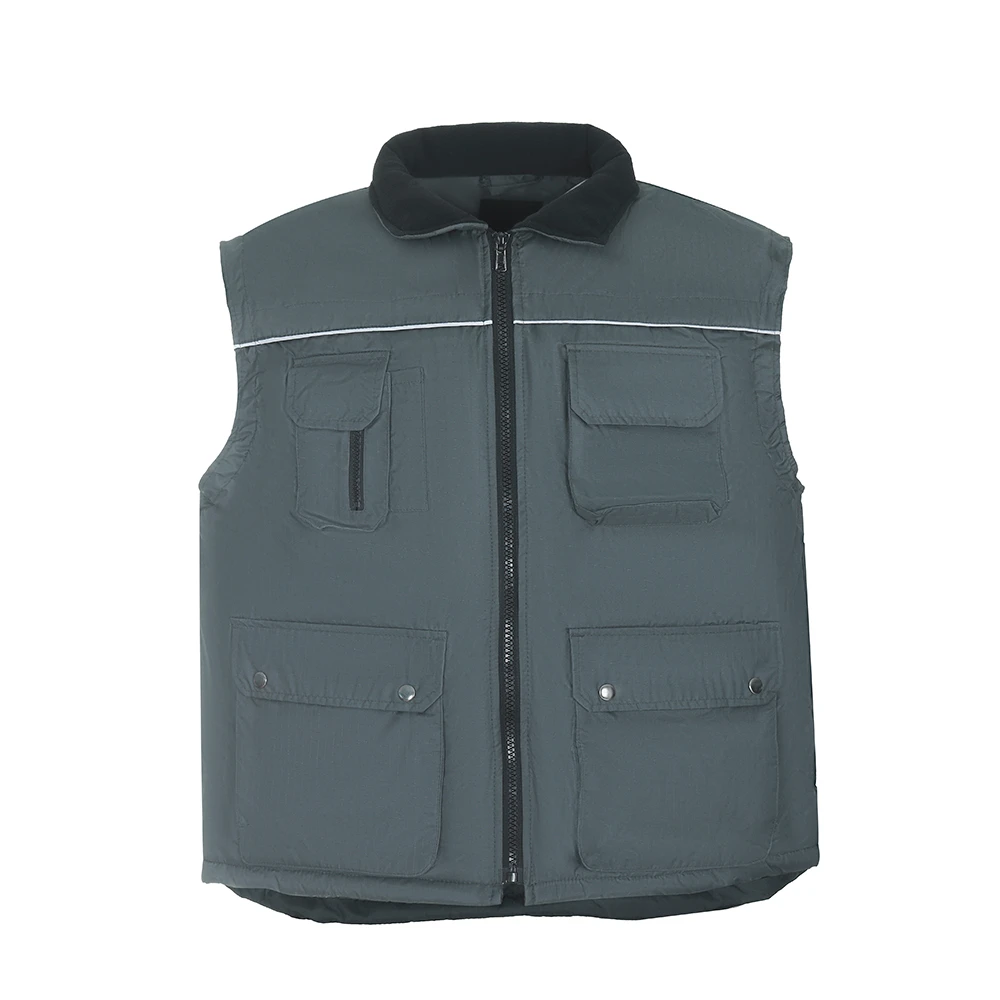
On a purely practical note, I noticed that customers appreciate jackets with multiple pocket options, adjustable cuffs, and strong zippers. The little things add up when you’re climbing ladders or hauling gear.
So, if you ask me, investing in the right rain jacket—especially one designed with the realities of industrial equipment work in mind—saves more than just a wet shirt. It safeguards comfort, safety, and productivity.
References:
1. Industrial Fabrics Association International (IFAI) – Rainwear Overview
2. Occupational Safety & Health Administration – Personal Protective Equipment Standards
3. QS Clothing Product Specifications and Customer Feedback (2023)