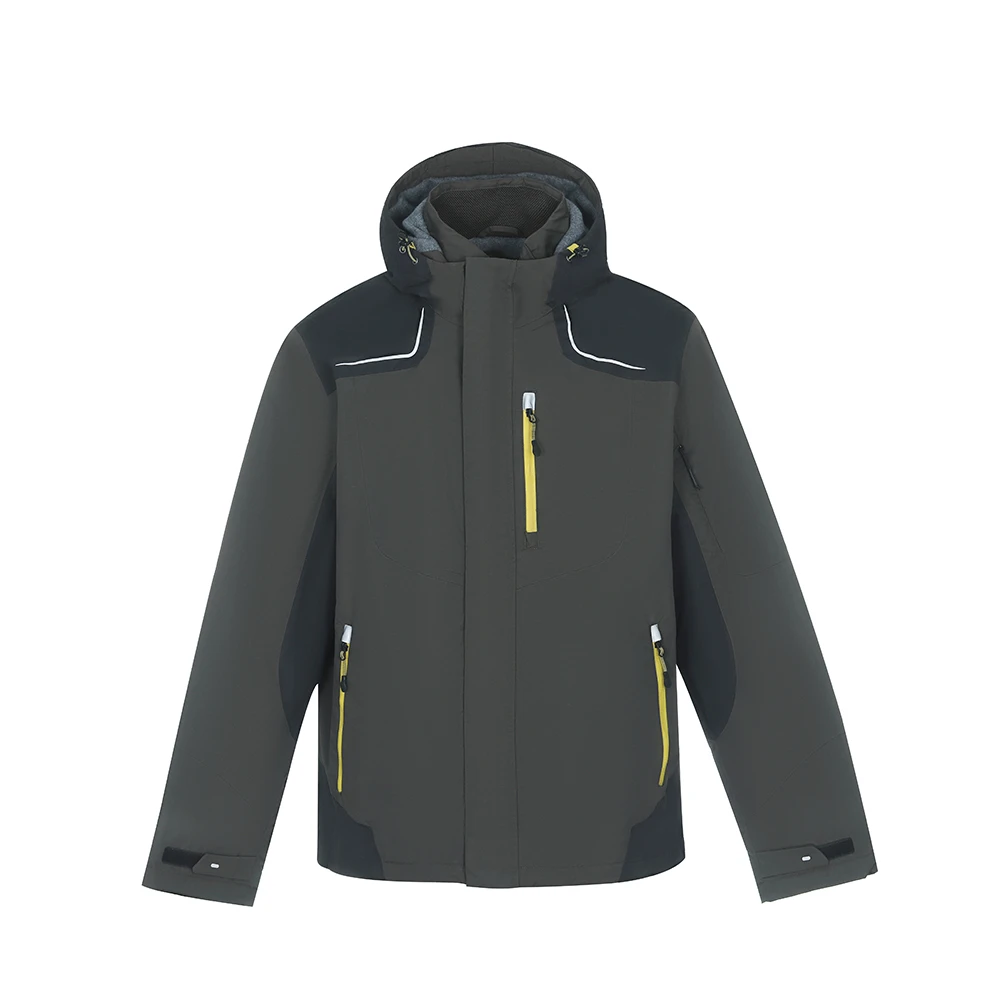
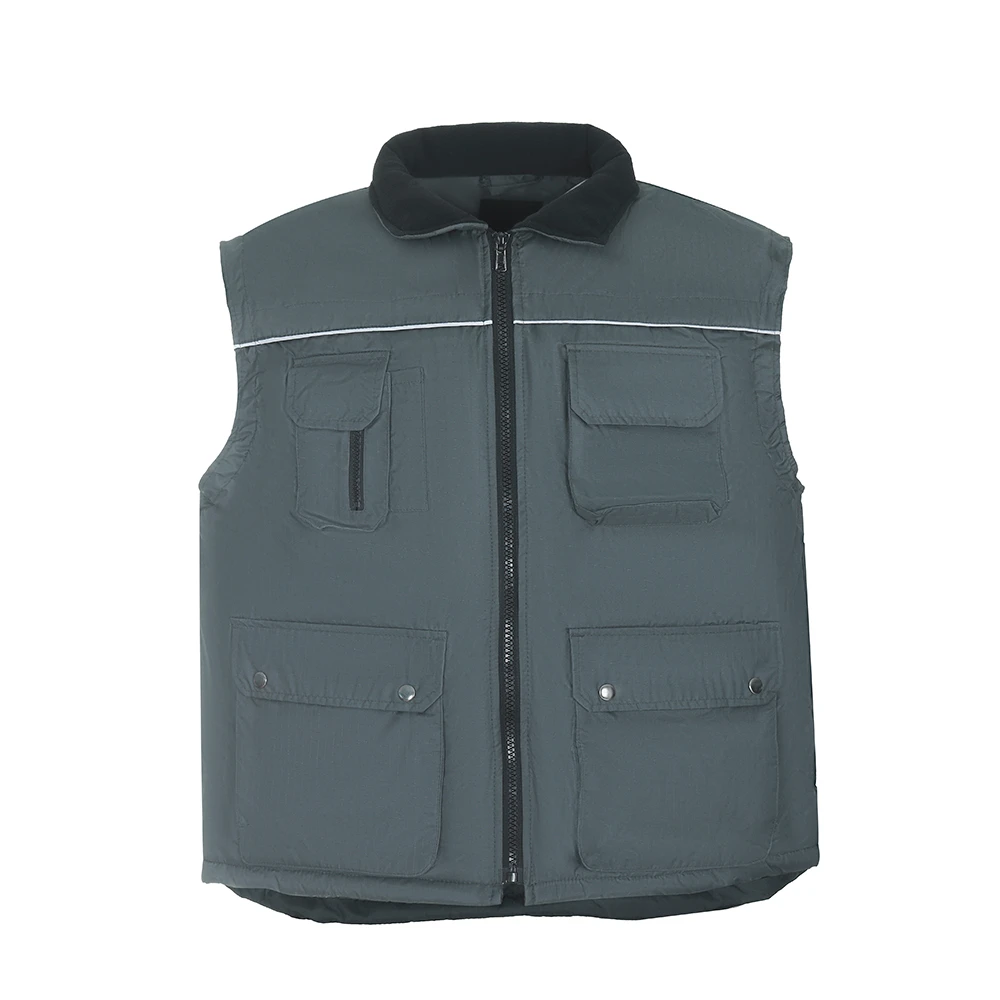
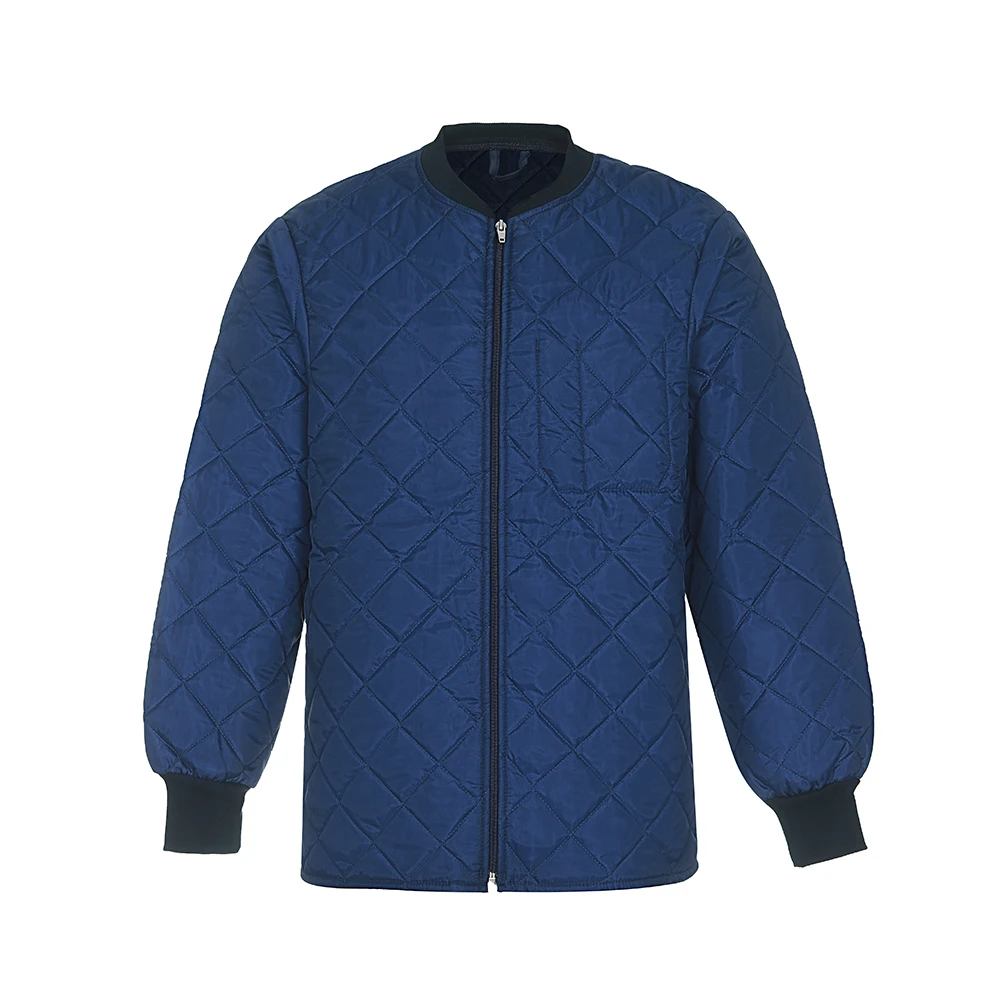
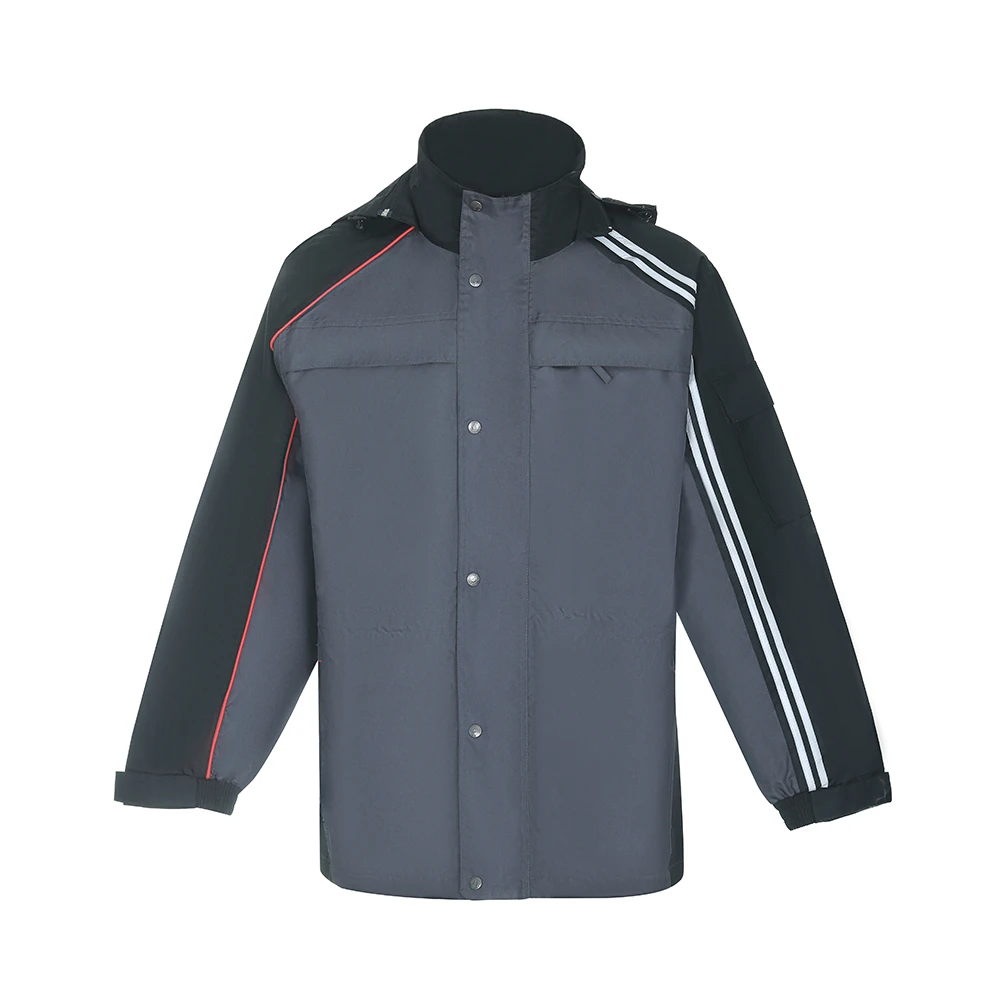
Women's Cold Weather Running Vest - Warmth and Freedom Combined
Why a Women's Cold Weather Running Vest Makes All the Difference
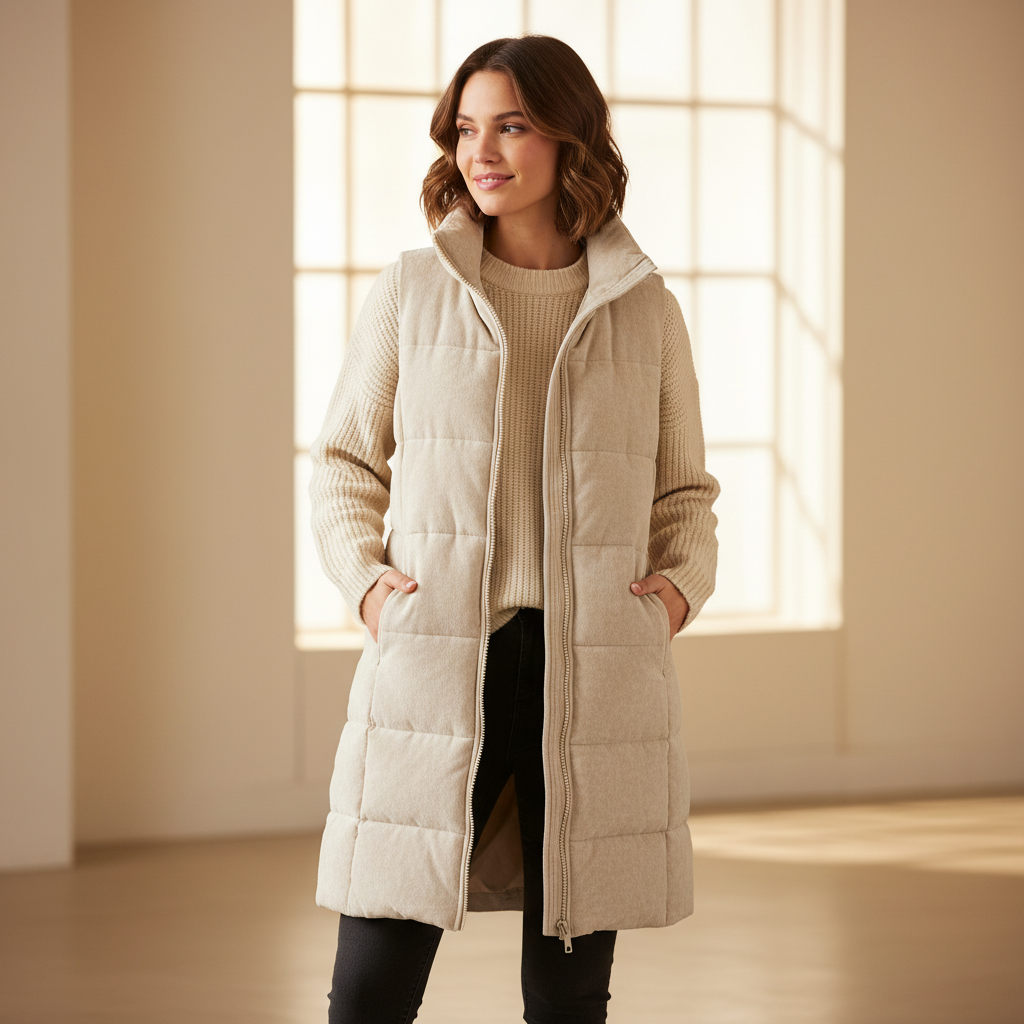
Having worked in industrial gear and apparel for over a decade, I’ve seen how the right combination of materials, design, and fit can change the experience wearing cold-weather gear profoundly. For women who run outdoors when the temperature drops, a women's cold weather running vest is more than just a convenient extra layer—it’s a thoughtfully engineered piece of kit.
Oddly enough, vests often get overlooked compared to full jackets, but in real terms, the freedom of movement and core warmth they provide can be a game-changer. Running vests keep your torso insulated without the bulk on your arms, which is especially handy for intense runs where overheating is a risk but you still want protection from the wind and cold.
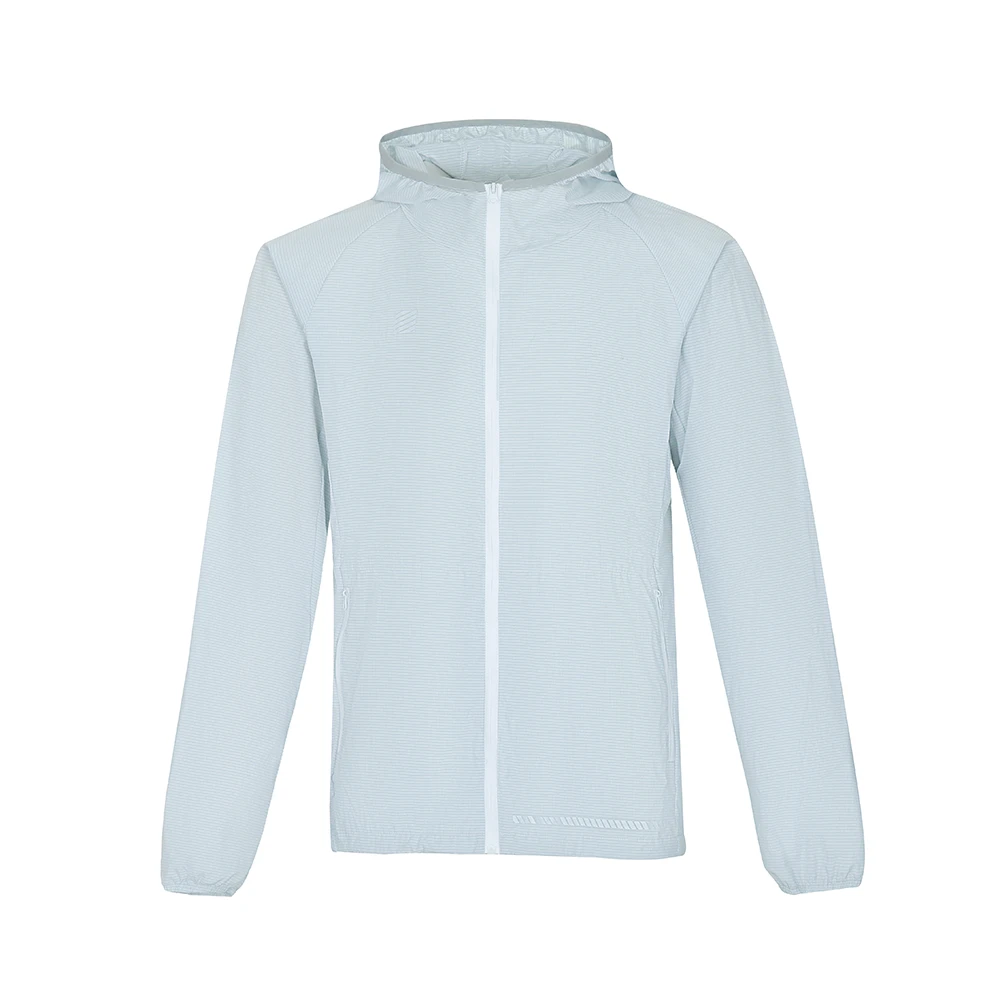
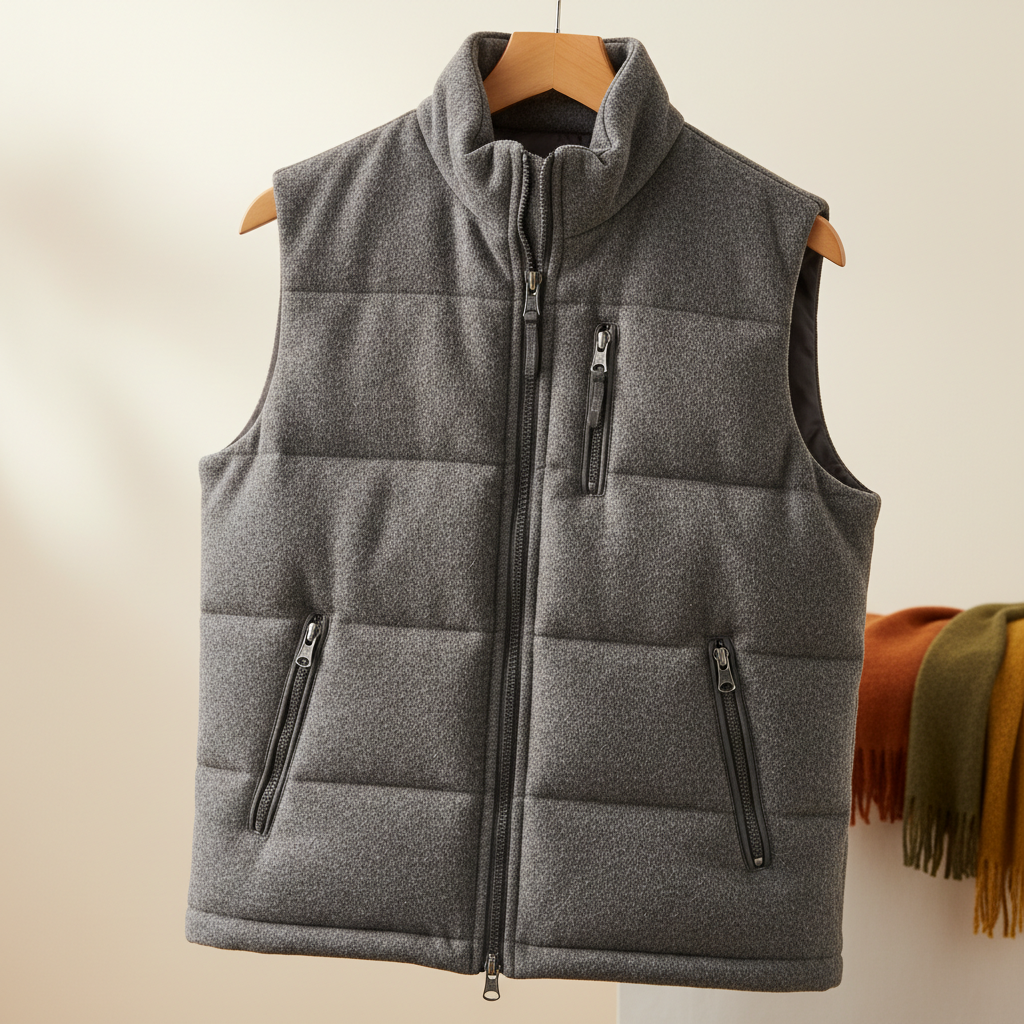
In my line of work, I’ve frequently come across vests designed with high-loft synthetic insulation or lightweight down alternatives. These materials offer warmth without the weight or compression you may get from heavier layers. Plus, water-resistant shells and windproof fabrics add crucial protection without sacrificing breathability.
One of the challenges is tailoring vests specifically for women—not just sizing, but the cut, stretch zones, and pocket placements. I remember testing a prototype vest that included reflective trims and zipped compartments perfectly sized for smaller phones and hydration packets. The feedback from women who actually run regularly was invaluable: comfort and practicality trumped fancy design every time.
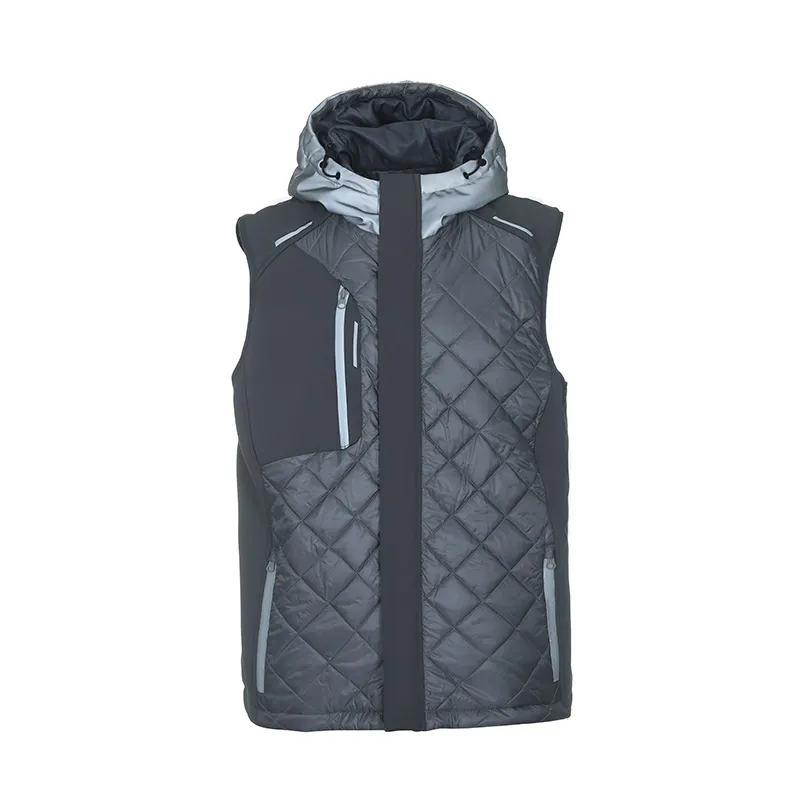
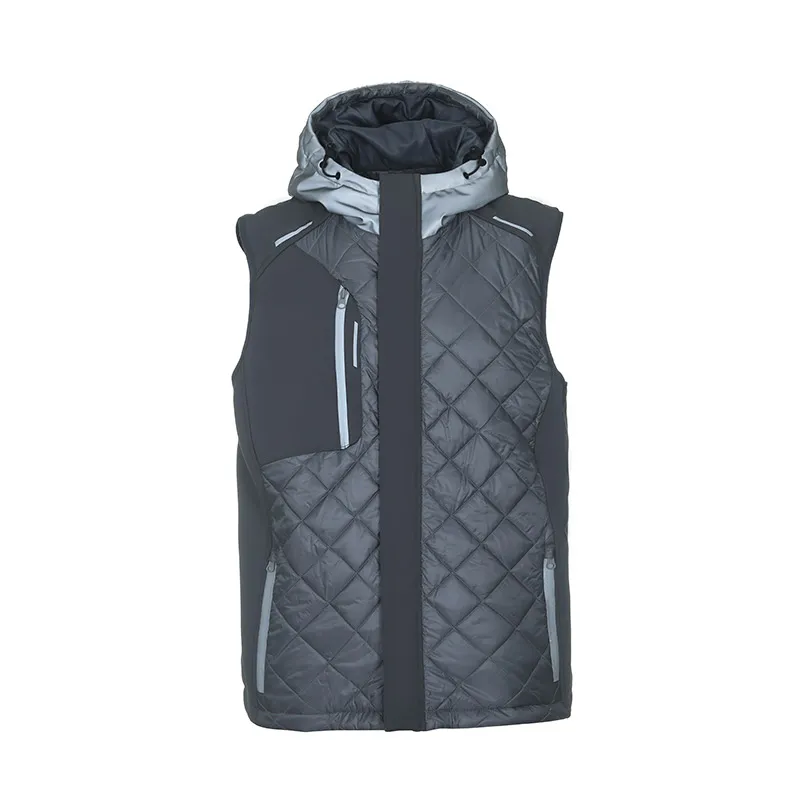
| Feature | Details |
|---|---|
| Insulation Type | High-loft synthetic fiberfill |
| Shell Material | Water-resistant ripstop nylon |
| Fit | Anatomical with adjustable hem and collar |
| Reflectivity | High-visibility reflective strips on front & back |
| Pockets | 2 zippered hand pockets + 1 internal stash pocket |
| Weight | Approx. 250 grams (size M) |
From an industry perspective, demand for women-specific cold weather running gear has steadily increased, but supply sometimes lags behind. Many vendors simply resize men’s vests, missing nuances in body shape and fit. Here’s a quick rundown comparing some prominent options I’ve personally examined:
| Brand | Fit Design | Insulation | Price Range | Special Features |
|---|---|---|---|---|
| QS Clothing | Anatomical, adjustable hem | High-loft synthetic | $$$ | Water-resistant, reflective trims |
| Brand X | Standard unisex cut | Lightweight down | $$$$ | Packable into pocket |
| Brand Y | Semi-fitted with stretch panels | Synthetic blend | $$ | Multi-pocket design |
One thing I noticed working with multiple runners — myself included, frankly — is that the versatility of a vest often depends on how easily it integrates into your overall running system. For example, whether or not it layers comfortably over your base layer, or tucks neatly under a rain shell, can greatly affect its usefulness.
Just last winter, a friend of mine who’s an avid trail runner swore by a vest we helped specify. She told me it kept her core cozy during early morning jogs when frost was still lingering, but because her arms were free, she never felt restricted sprinting up hills. It’s small things like that which, in my experience, count most over time.
Ultimately, if you're in the market for a women's cold weather running vest, think about your typical conditions, your layering preferences, and the features that matter most — pockets? Reflective trims? Fit adjustment? Then take a peek at trusted brands who listen closely to women athletes’ needs.
So, in terms of “does it really matter?” I’d say yes — because without the right gear, cold weather running quickly loses its charm, and we all know making exercise feel effortless is half the battle won.
Here’s to cozy runs and moving freely, no matter what the thermostat says!
- Industry reports on women's activewear trends, 2023
- Performance testing documents from various apparel makers
- Feedback from female athletes in cold-weather training regimes