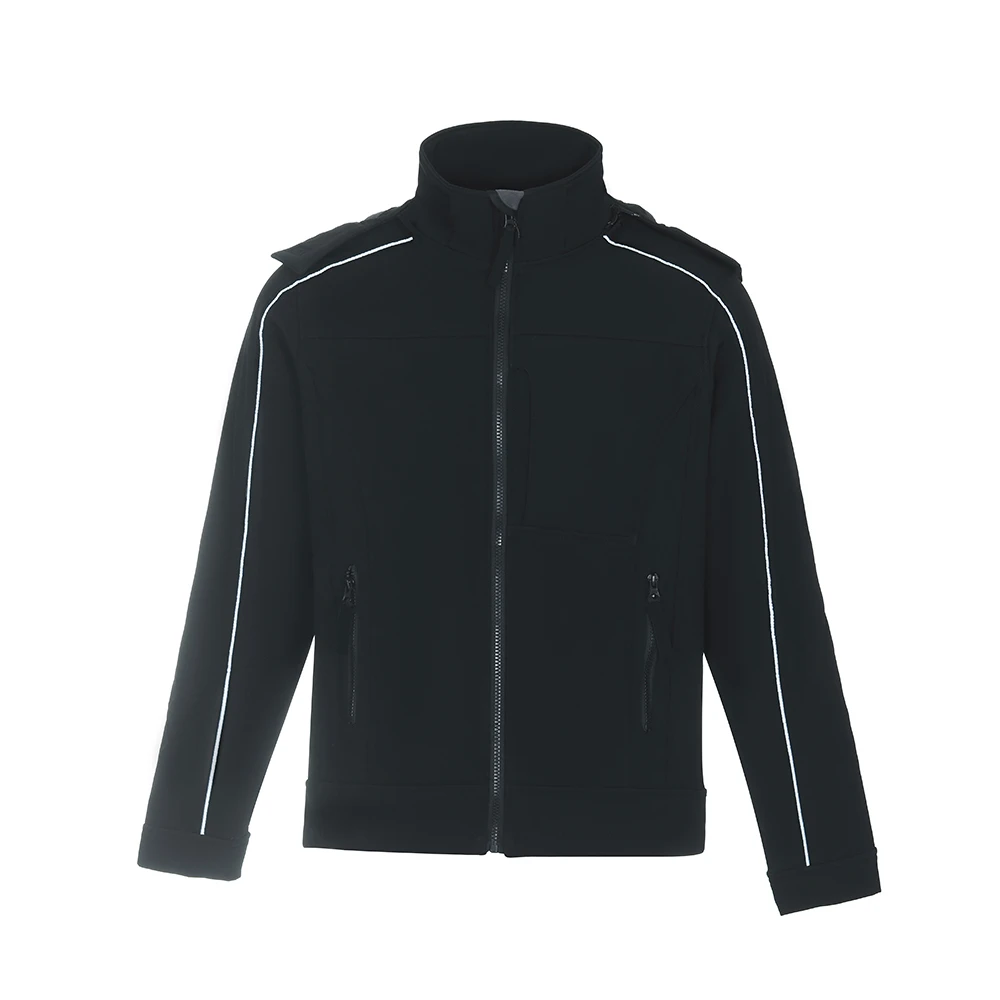
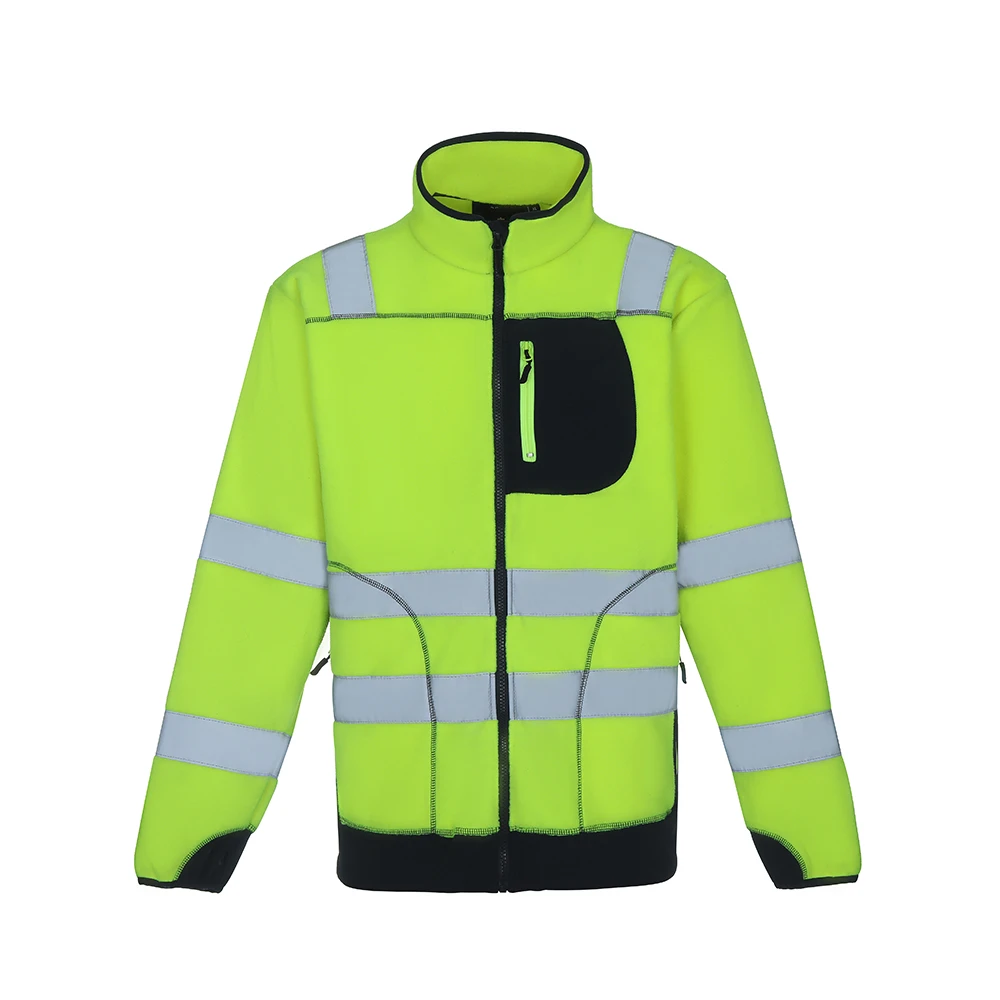
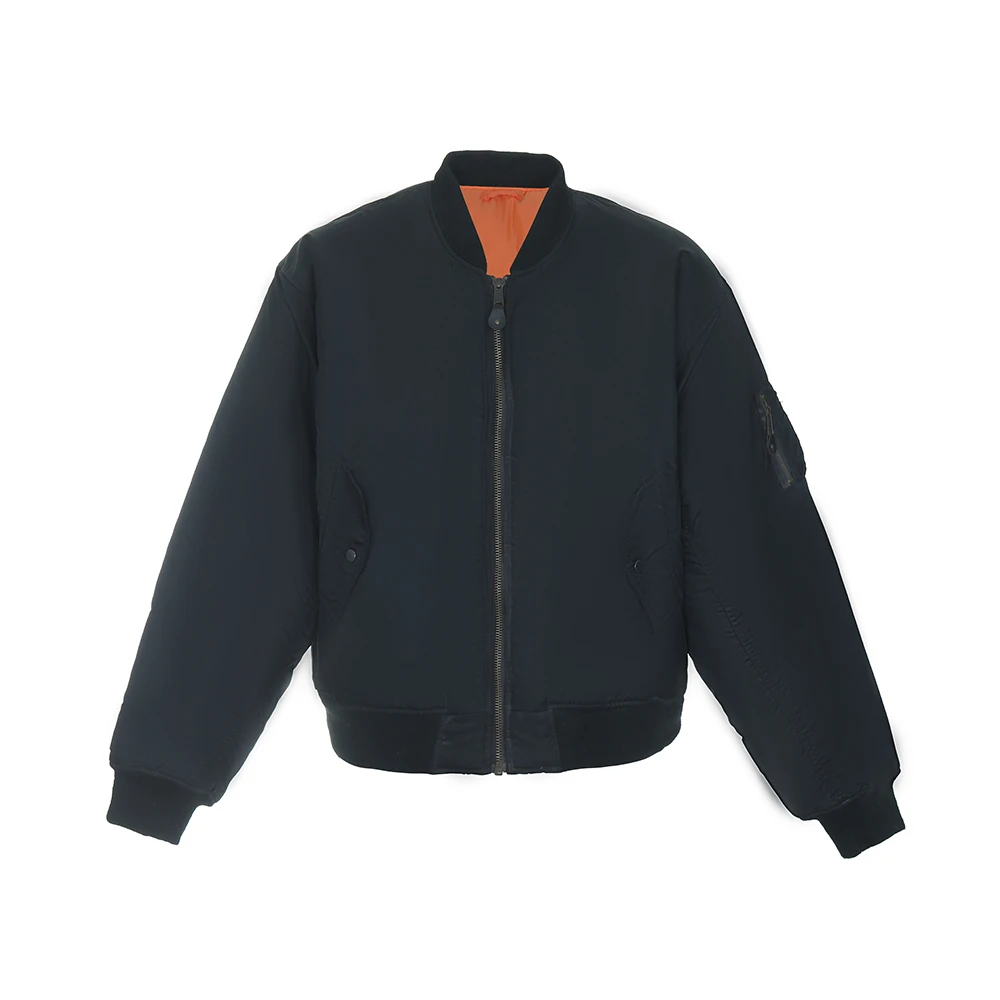
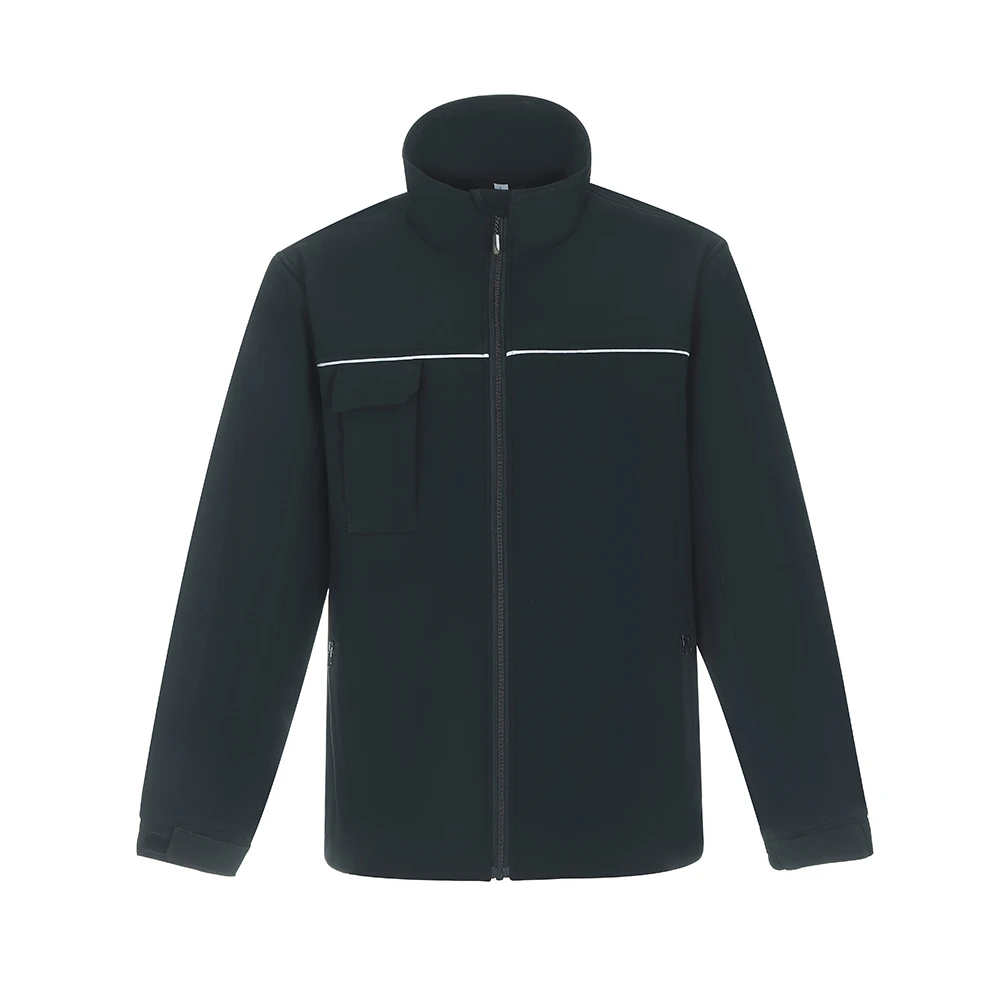
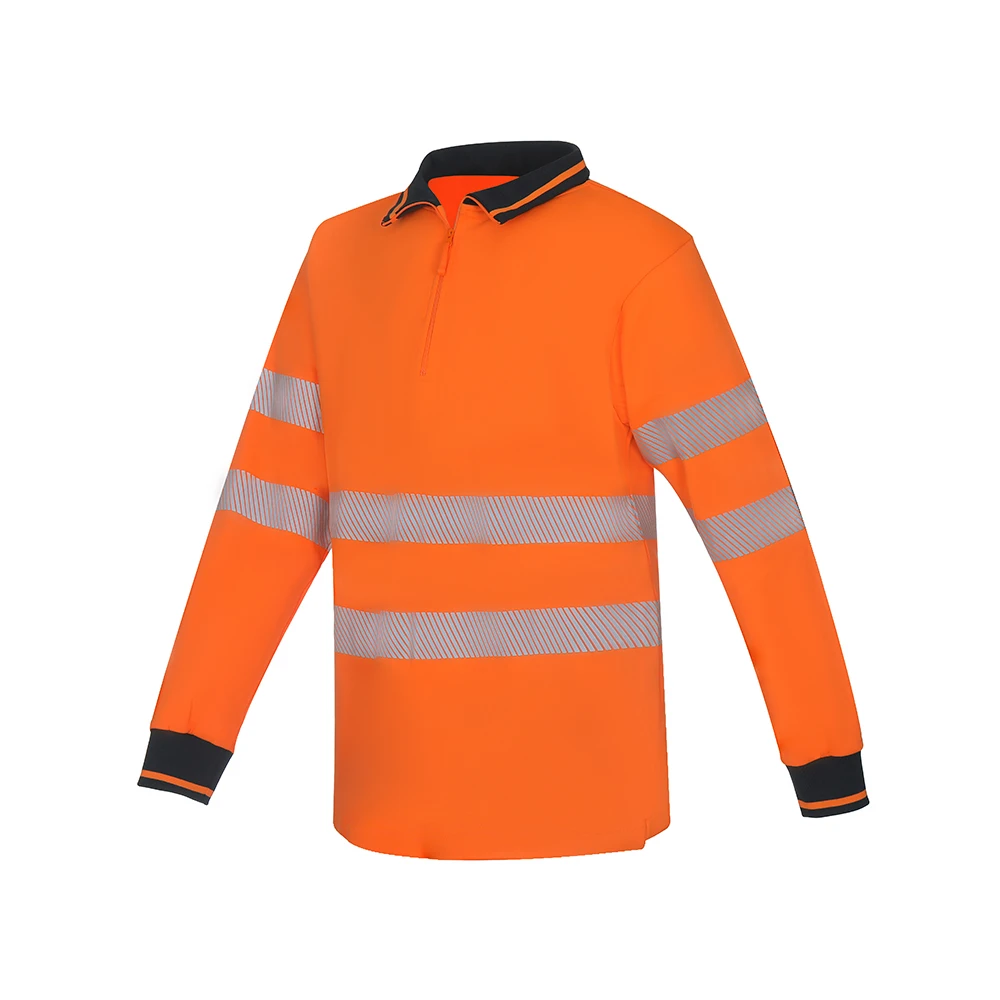
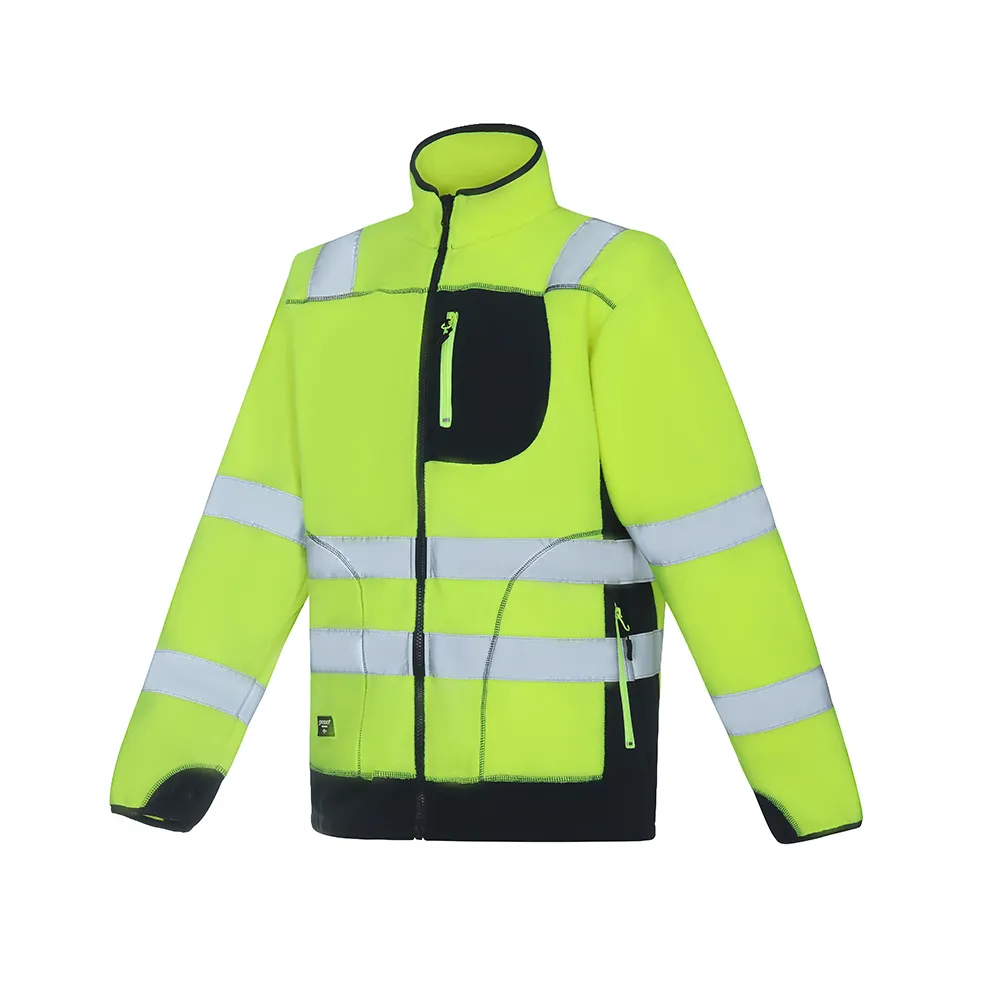
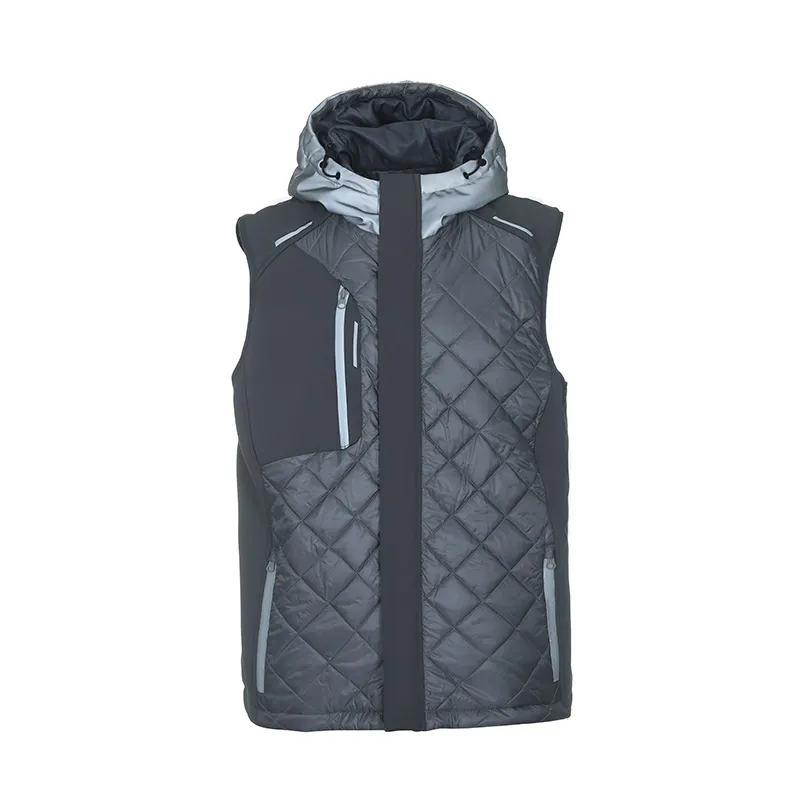
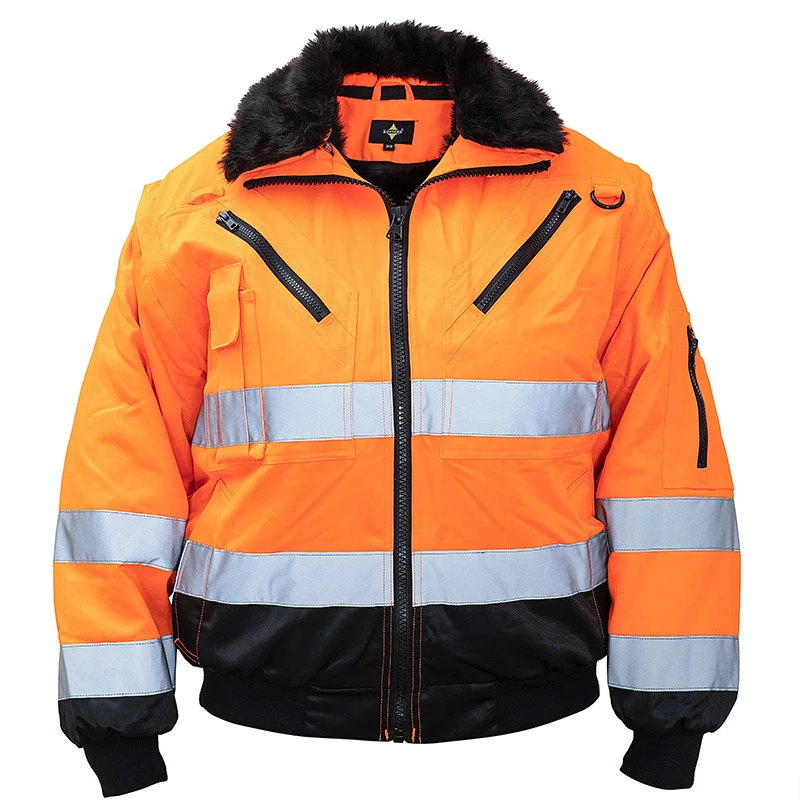
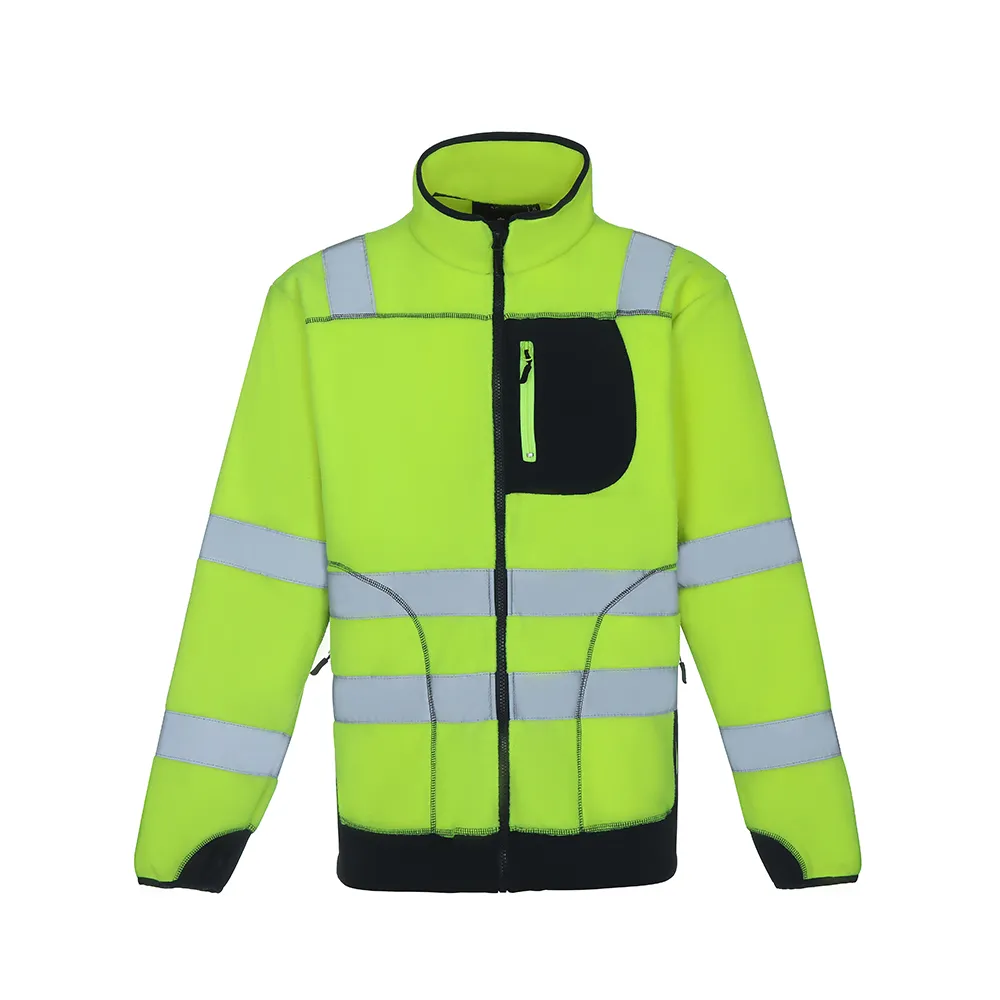
Wholesale Softshell Jackets: Durable, Breathable Outerwear
The Evolution of High-Performance Outdoor Apparel: Understanding the Softshell Jacket
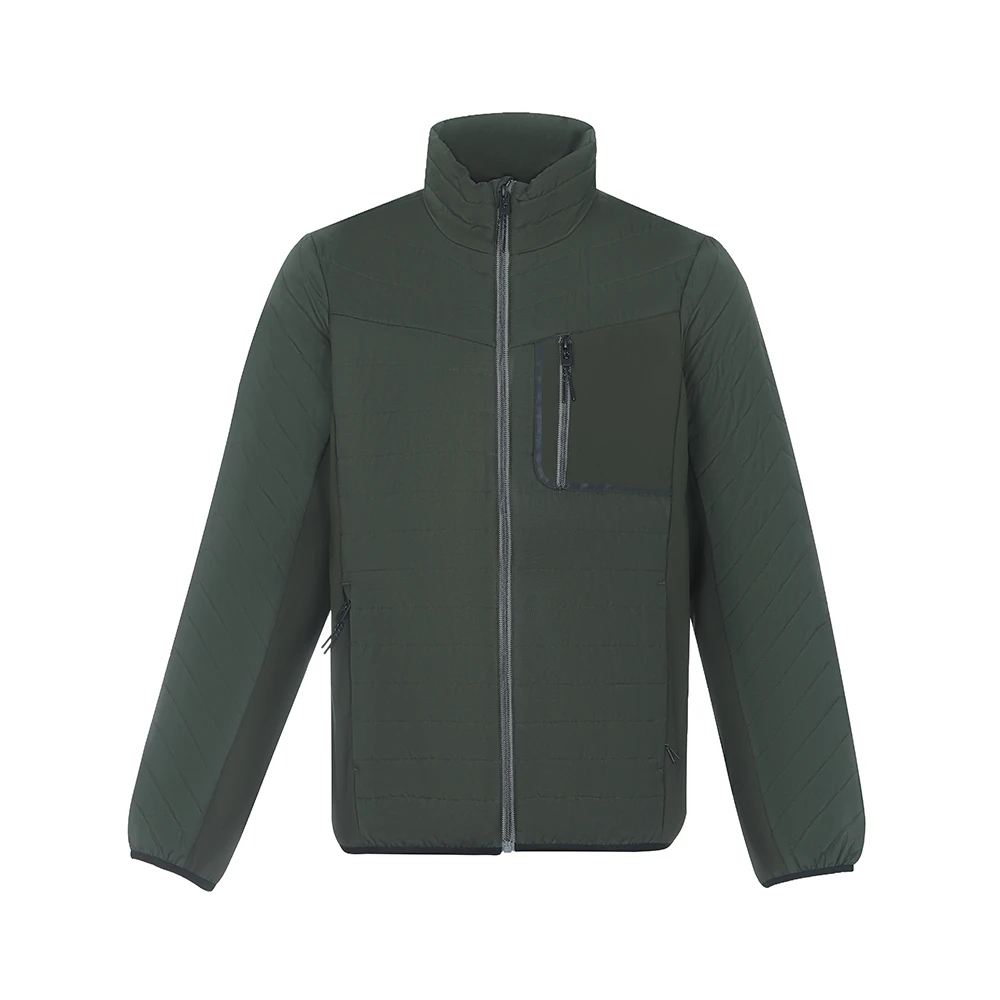
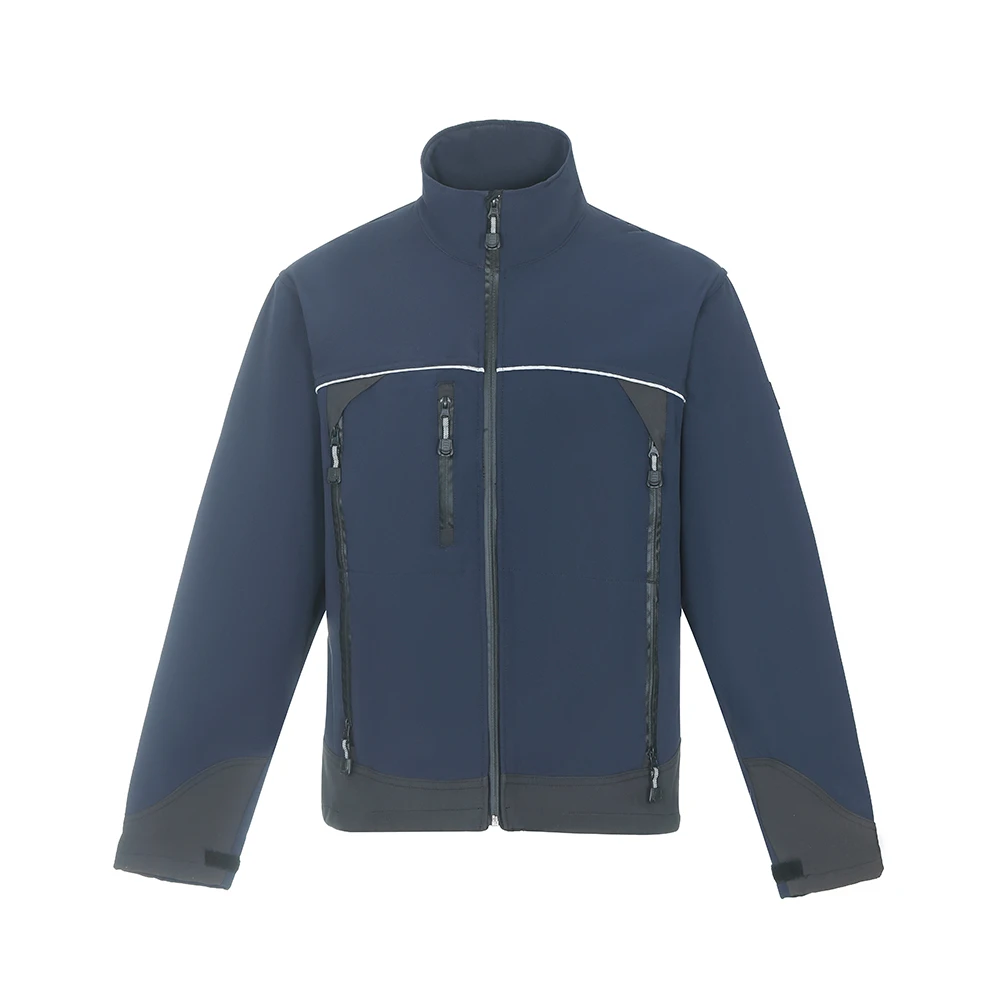
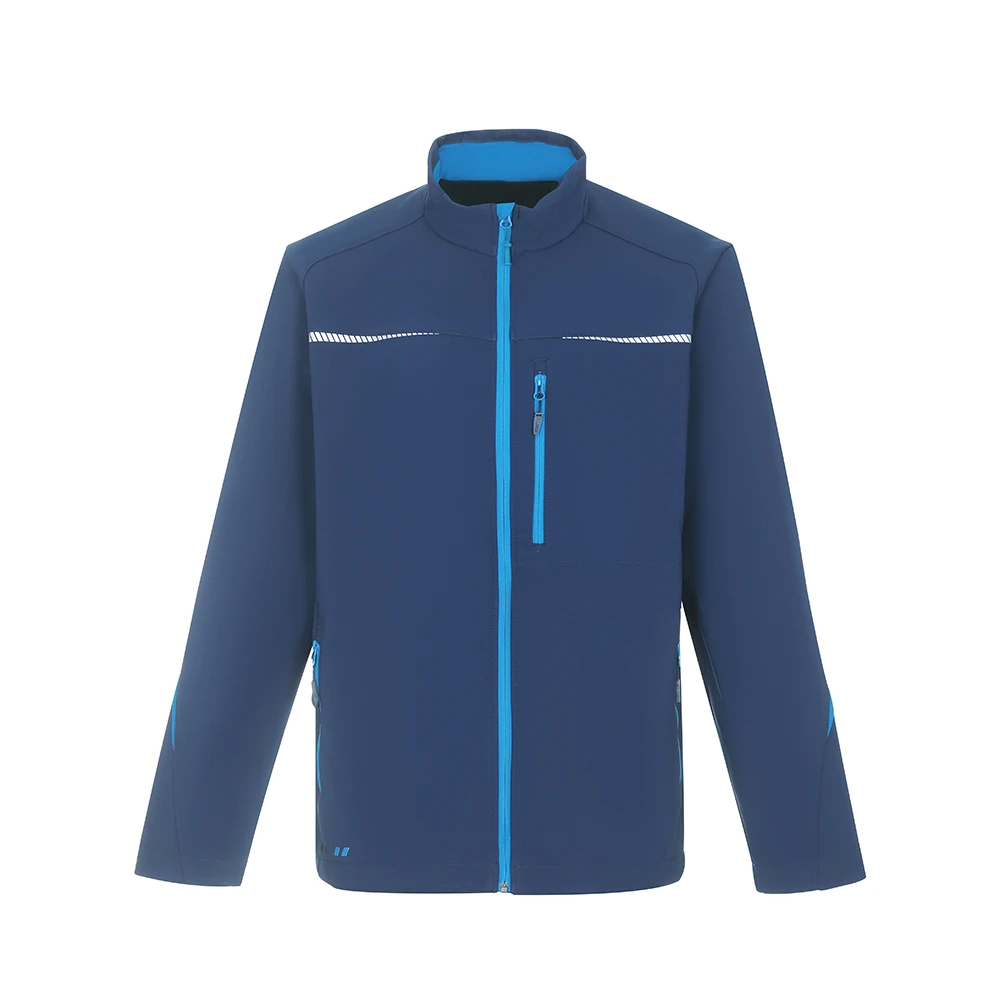
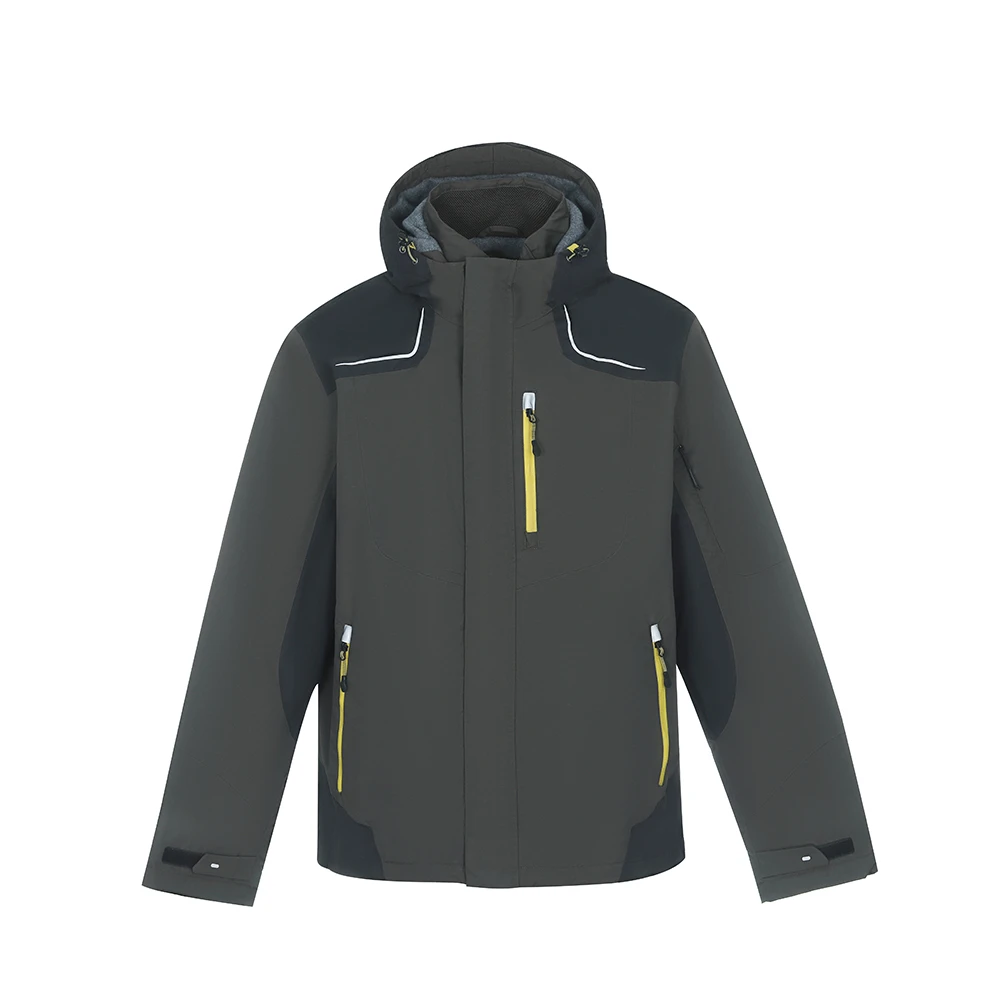
In the dynamic landscape of technical apparel, the softshell jacket has emerged as a cornerstone of versatility and performance, fundamentally reshaping how professionals and outdoor enthusiasts approach protective layering systems. Unlike traditional hardshells that prioritize absolute waterproofing at the expense of breathability and flexibility, softshells strike an optimal balance, offering a nuanced approach to weather protection. This innovative garment typically comprises tightly woven or bonded synthetic fabrics, often incorporating a Durable Water Repellent (DWR) finish and sometimes a membrane, engineered to repel light precipitation, block wind, and provide exceptional breathability. Its inherent stretch allows for unhindered movement, making it ideal for high-exertion activities where moisture management is critical. The design ethos behind the modern softshell jacket is to create a single garment that can replace multiple layers, simplifying gear requirements and enhancing user comfort across a broad spectrum of environmental conditions. This integration of features—from thermal regulation to abrasion resistance—positions softshells as an indispensable asset for sectors ranging from adventure sports and tactical operations to industrial workwear and corporate outfitting, where comfort, durability, and functional performance are paramount. The market trend for these jackets shows a consistent upward trajectory, driven by advancements in textile technology and a growing demand for versatile, multi-functional apparel that can adapt to unpredictable weather patterns and diverse activity levels. Key innovations include advanced fabric blends that offer superior warmth-to-weight ratios, enhanced breathability through microporous membranes, and improved DWR coatings that maintain water repellency over extended periods of use, all contributing to the jacket's reputation as a high-value investment for discerning B2B clients and end-users.
The Precision Engineering Behind Every Softshell Jacket
The manufacturing of a high-quality softshell jacket is a meticulous process, demanding expertise in textile engineering and advanced production techniques. It commences with the selection of premium raw materials, typically involving polyester, nylon, and spandex blends, chosen for their inherent stretch, durability, and moisture-wicking properties. These fabrics are then often treated with a Durable Water Repellent (DWR) finish at the fiber or fabric level to enhance surface repellency without compromising breathability. A critical stage is the bonding or lamination process, where multiple fabric layers—such as an outer face fabric, an optional breathable membrane, and an inner fleece lining—are precisely fused together using specialized adhesives or thermal bonding techniques. This multi-layer construction is what provides the characteristic weather resistance and thermal regulation of softshells. Following lamination, the bonded fabric undergoes high-precision cutting, often utilizing automated CNC laser or blade cutters to ensure accurate panel dimensions and minimal material waste, which is crucial for maintaining design integrity and fit. Assembly involves advanced sewing techniques, including flatlock seams for reduced bulk and chafing, and specialized stitching patterns that reinforce stress points. For enhanced water resistance, critical seams may be taped or welded to prevent water ingress. Every stage is subjected to rigorous quality control protocols, adhering to international standards such as ISO 9001 for quality management systems and ASTM standards for textile performance testing, including hydrostatic head tests for water resistance, MVTR (Moisture Vapor Transmission Rate) for breathability, and abrasion resistance tests. Furthermore, environmental and ethical manufacturing standards like OEKO-TEX and WRAP are increasingly integral, ensuring products are free from harmful substances and produced under fair labor conditions. The final product undergoes a thorough inspection for material integrity, stitching quality, DWR efficacy, and overall garment construction, guaranteeing an exceptional lifespan and performance in demanding environments, from outdoor recreation to professional utility sectors where reliable protective outerwear is essential.
Diverse Applications and Strategic Advantages
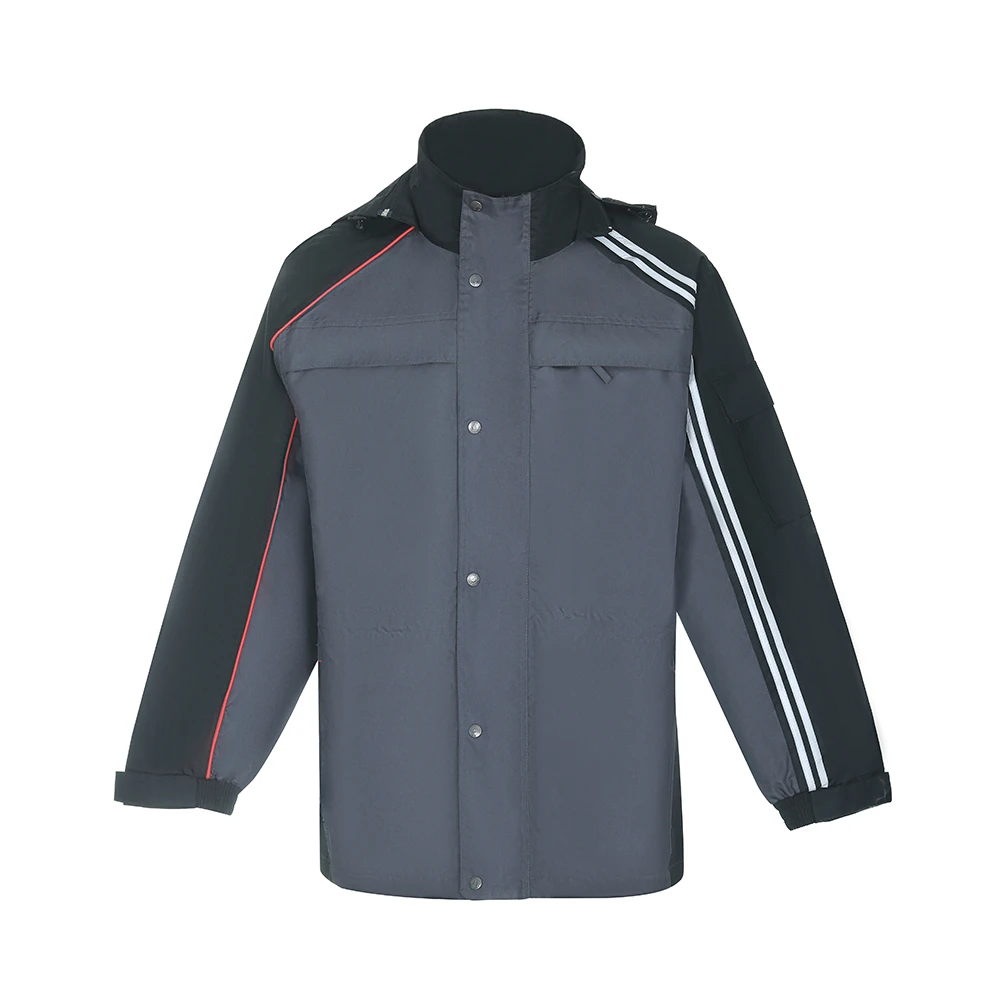
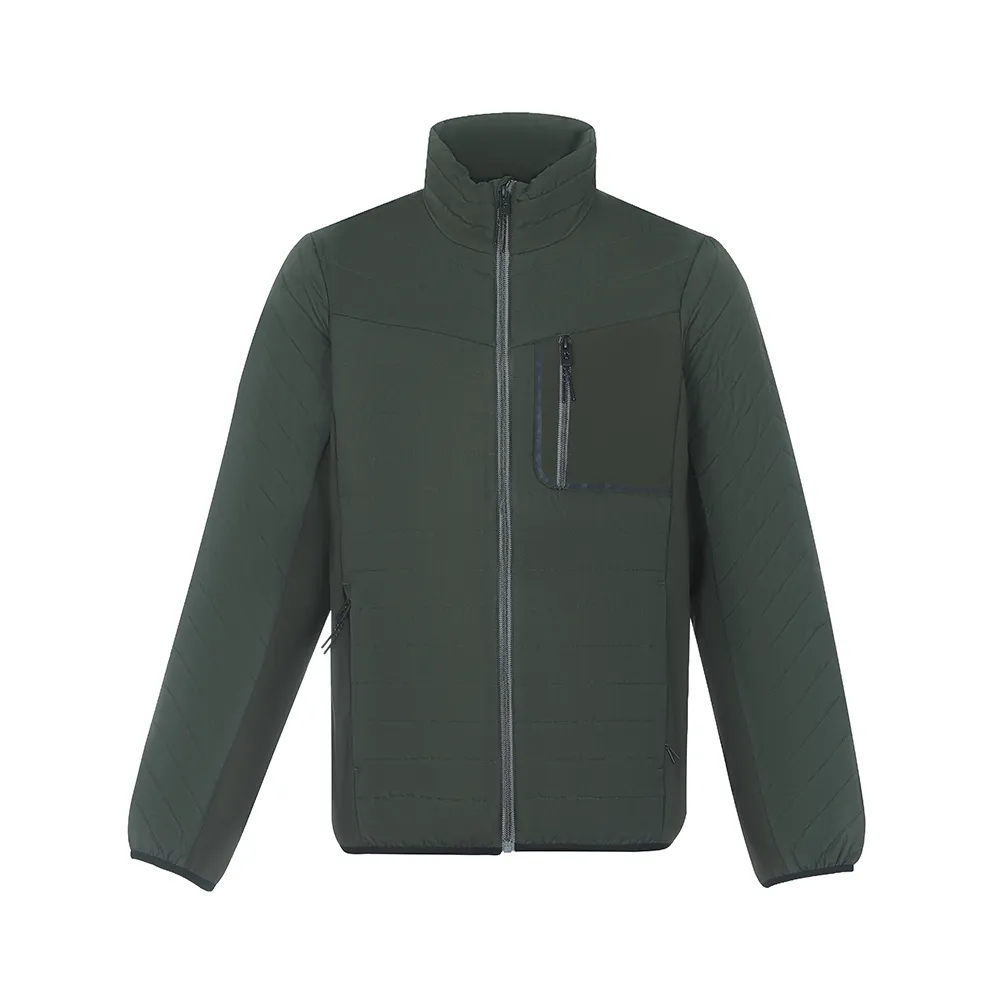
The inherent versatility of the softshell jacket extends its utility far beyond conventional outdoor recreational activities, making it an invaluable asset across a multitude of professional and industrial sectors. In the realm of outdoor sports, such as hiking, climbing, and backcountry skiing, its balance of wind resistance, light water repellency, and high breathability allows users to remain comfortable during varied exertion levels, minimizing the need for constant layering changes. For industrial workwear, particularly in fields requiring agility and protection from light elements, such as logistics, construction, or maintenance, the softshell offers superior durability and flexibility compared to rigid outerwear. Its resistance to snags and tears, coupled with ease of movement, enhances worker safety and productivity. In emergency services and tactical operations, custom-designed softshells provide essential protection against wind and light rain, while maintaining high breathability to manage perspiration during intense physical activity, often integrating features like reinforced elbows and specialized pocket configurations. Furthermore, the corporate sector increasingly adopts softshells for branded uniform programs, appreciating their professional appearance, employee comfort, and suitability for diverse climates, often customized with company logos through embroidery or heat transfer. The technical advantages of softshells, such as excellent thermal regulation provided by brushed fleece linings, superior moisture-wicking capabilities, and robust abrasion resistance, are critical for maintaining wearer comfort and extending garment lifespan in challenging environments. Unlike traditional garments that can feel restrictive or clammy, the advanced fabric constructions of softshells facilitate efficient vapor transfer, preventing internal condensation and promoting a dry microclimate close to the skin. This adaptability and performance profile underscore why softshells are not merely a product but a strategic solution for organizations seeking to equip their personnel with high-performance, comfortable, and durable outerwear.
Partnering with Leading Softshell Jacket Manufacturers: A Strategic Approach
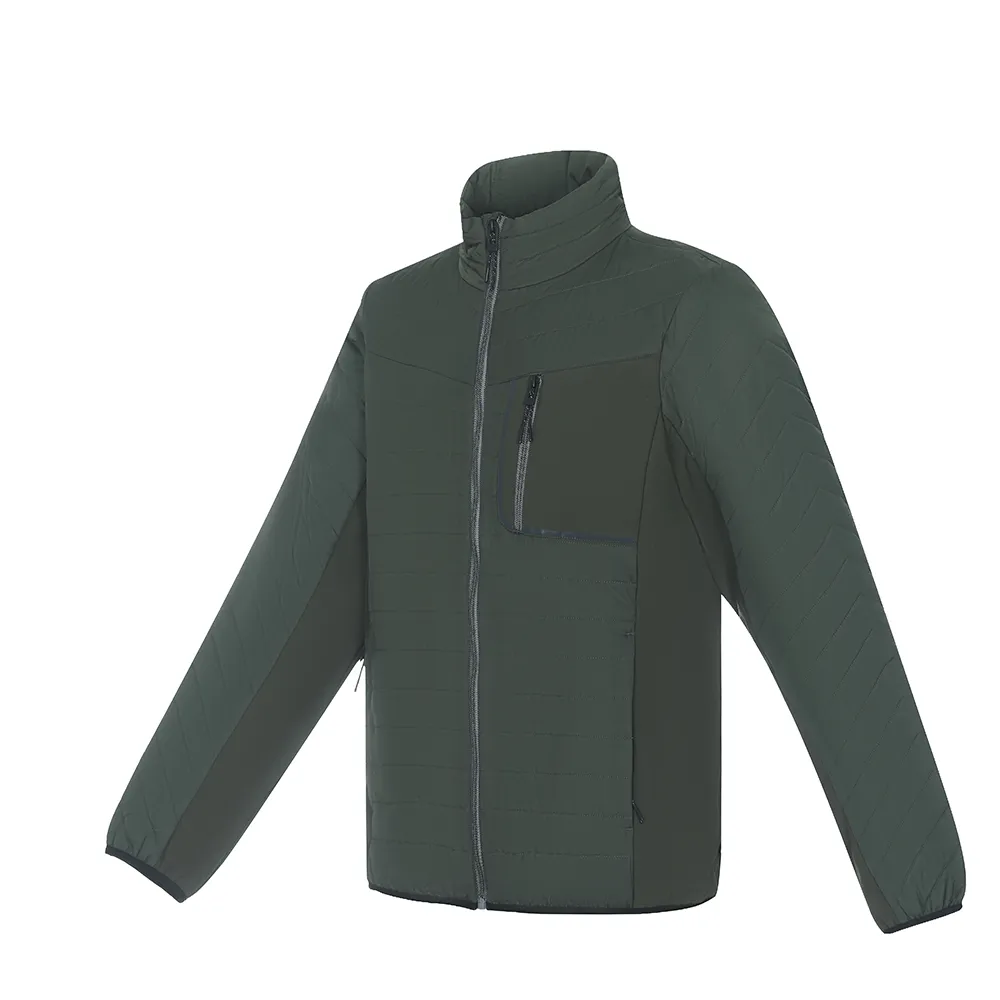
When procuring high-volume softshell jacket solutions, selecting the right manufacturing partner is a critical decision that directly impacts product quality, supply chain efficiency, and brand reputation. Leading softshell jacket manufacturers distinguish themselves through a commitment to advanced material science, precision engineering, and comprehensive quality assurance. They possess the infrastructure to manage complex production runs, from sourcing specialized fabrics with specific technical properties like a high hydrostatic head (e.g., 5,000mm+ for water resistance) or a high MVTR (e.g., 5,000g/m²/24hrs for breathability), to implementing sophisticated cutting and bonding techniques. A key differentiator for top-tier manufacturers is their ability to offer extensive customization options, including bespoke designs for specific industry requirements, corporate branding, specialized pocket configurations, reinforced stress points, and a wide array of color palettes. Their expertise in textile certifications, such as OEKO-TEX Standard 100 for harmful substances, Global Organic Textile Standard (GOTS), or bluesign® for sustainable textile production, provides assurance of responsible manufacturing practices. Furthermore, established manufacturers typically have robust R&D capabilities, continuously exploring new fabric technologies and DWR applications to enhance performance and durability. For instance, some may utilize PFC-free DWR coatings in response to environmental concerns, or integrate advanced stretch fabrics for unparalleled mobility. Clients engaging with these manufacturers benefit from a seamless design-to-delivery process, backed by clear communication, transparent production timelines, and dedicated account management, ensuring that bulk orders meet exact specifications and are delivered on schedule. This partnership approach minimizes risks associated with quality deviations and supply chain disruptions, allowing businesses to confidently equip their teams or satisfy market demand with superior softshell solutions.
Navigating Softshell Jacket Wholesale: Optimizing Procurement for Scale
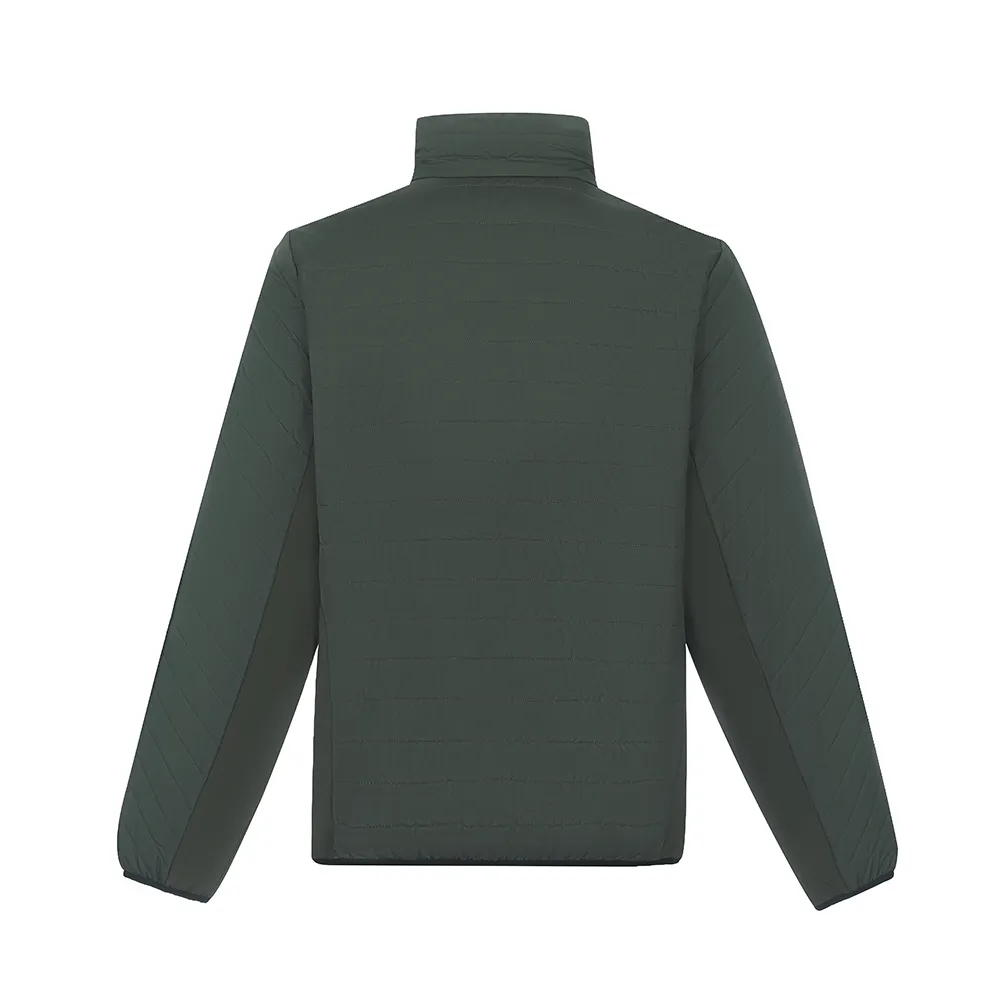
For businesses seeking to outfit large teams, stock retail channels, or distribute specialized protective gear, engaging in softshell jacket wholesale procurement presents significant advantages. The primary benefit lies in economies of scale, where larger order volumes translate into lower per-unit costs, enhancing profit margins for resellers or optimizing budget allocation for corporate and institutional buyers. Beyond cost savings, wholesale relationships with reputable manufacturers ensure consistency in product quality and specifications across the entire order, which is paramount for maintaining brand integrity and ensuring uniform protection for employees. This consistency is underpinned by rigorous quality control processes at the manufacturer's end, often involving multi-stage inspections and adherence to industry-specific performance metrics such as tear strength, colorfastness, and thermal insulation ratings. Furthermore, wholesale accounts typically gain access to a broader range of models, sizes, and customization options not readily available through standard retail channels, including proprietary fabric blends or exclusive design elements. Reliable wholesale partners offer streamlined logistics, from efficient order processing and production scheduling to optimized shipping and customs clearance, minimizing lead times and ensuring timely delivery, crucial for seasonal demands or large-scale deployments. For instance, a typical wholesale delivery cycle might involve a 4-6 week production period post-sample approval, followed by 1-2 weeks for international shipping. Manufacturers also provide comprehensive customer support, including technical assistance, material data sheets, and dedicated account managers to facilitate seamless communication and problem resolution throughout the procurement lifecycle. Building a long-term relationship with a trusted softshell jacket wholesale supplier is a strategic investment, fostering a reliable supply chain that can adapt to evolving market demands and scale effectively with business growth, ensuring consistent access to high-performance apparel solutions.
Performance Metrics and Comparative Analysis for Outdoor Softshell Jacket
Evaluating the technical specifications of an Outdoor Softshell Jacket is essential for B2B decision-makers to ensure optimal performance aligns with specific application requirements. Key parameters include the Hydrostatic Head (HH), measuring water resistance, typically expressed in millimeters; a higher value indicates better waterproofing for prolonged exposure to rain. The Moisture Vapor Transmission Rate (MVTR), or breathability, is measured in grams per square meter per 24 hours (g/m²/24hrs), quantifying how well the fabric allows perspiration to escape; higher MVTR values are critical for high-exertion activities. Fabric composition (e.g., 94% Polyester, 6% Spandex) denotes material elasticity and durability, while fabric weight (e.g., 300 GSM) impacts warmth and bulk. Wind resistance, often quantified by CFM (Cubic Feet per Minute) or simple percentage block, indicates the garment's ability to shield against wind chill. Durability is frequently assessed by abrasion resistance tests (e.g., Martindale cycles). The table below outlines typical specifications for a high-performance Outdoor Softshell Jacket, followed by a comparison that highlights the nuanced choices available in the market. Understanding these metrics enables precise selection, ensuring the jacket provides the optimal balance of protection, comfort, and longevity for its intended use. For instance, a jacket for heavy industrial use might prioritize higher abrasion resistance and robust fabric weight, while one for high-aerobic outdoor sports would emphasize superior MVTR and stretch.
Typical Technical Specifications: Outdoor Softshell Jacket
| Feature | Parameter | Description / Benefit |
|---|---|---|
| Fabric Composition | 94% Polyester, 6% Spandex | Optimal stretch for mobility, excellent durability, quick-drying. |
| Fabric Weight | 300 GSM (Grams per Square Meter) | Balanced warmth and moderate bulk, suitable for various temperatures. |
| Hydrostatic Head (Water Resistance) | 5,000mm (ISO 811) | Resistant to light rain and snow, keeping wearer dry in most conditions. |
| MVTR (Breathability) | 5,000 g/m²/24hrs (ASTM E96 BW) | Excellent moisture vapor transfer, preventing clamminess during activity. |
| Wind Resistance | <10 CFM (Cubic Feet per Minute) | Substantial wind blocking, reducing wind chill effect. |
| Abrasion Resistance | 20,000+ Cycles (Martindale) | High durability for rugged use, extending garment lifespan. |
| Thermal Insulation | Brushed fleece lining | Provides warmth without excessive bulk, ideal for active use in cool conditions. |
Softshell Jacket Feature Comparison
| Feature Type | Standard Softshell | Membrane Softshell | Hybrid Softshell |
|---|---|---|---|
| Primary Focus | Breathability, Stretch, Wind Resistance | Enhanced Water & Wind Protection (membrane) | Targeted Protection & Breathability (zoning) |
| Water Resistance | DWR only, light rain repellent | Good (membrane-backed), light to moderate rain | Varies by zone, typically good on exposed areas |
| Breathability | Excellent | Good (membrane limits slightly) | Excellent (ventilated zones) |
| Warmth | Moderate (fleece lining) | Moderate to High (wind blocking) | Varies by design, often targeted insulation |
| Typical Use Case | High-aerobic activities in cool, dry conditions | Cool/cold, windy conditions, light precipitation | Variable conditions, high exertion with specific protection needs |
Ensuring Trust: Quality Assurance, Warranty, and Client Support
At the core of a reliable B2B partnership for softshell jacket procurement lies an unwavering commitment to quality assurance and robust client support. Reputable softshell jacket manufacturers adhere to stringent quality control protocols, typically encompassing multiple checkpoints from raw material inspection to final product packaging. This includes pre-production textile testing for tear strength, colorfastness, and DWR performance; in-process checks on sewing quality, seam integrity, and panel alignment; and post-production evaluations for overall garment functionality, fit, and appearance. Certifications such as ISO 9001 (Quality Management System) provide independent verification of a manufacturer's adherence to global quality standards. Furthermore, a comprehensive product warranty, often ranging from 1 to 3 years against manufacturing defects, underscores confidence in product durability and provides peace of mind for bulk purchasers. Transparency in delivery cycles is also crucial; typical lead times for custom or wholesale orders range from 8-12 weeks, depending on order complexity and volume, with clear communication at every stage. Customer support extends beyond mere order fulfillment, encompassing technical consultation on fabric suitability, design customization advice, and responsive post-sales service to address any inquiries or issues promptly. Many leading suppliers also offer a dedicated account manager who serves as a single point of contact, ensuring a personalized and efficient experience. This holistic approach to trust-building, combining certified quality, clear commitments, and proactive support, cultivates enduring client relationships and assures that every softshell jacket delivered meets the highest standards of performance and reliability, directly reflecting on the purchasing company's commitment to quality for their own employees or customers.
Frequently Asked Questions (FAQ)
- Q: What is the typical lifespan of a softshell jacket in industrial use?
A: With proper care and depending on the intensity of use, a high-quality softshell jacket can last 3-5 years or even longer. Our jackets are built with robust materials and reinforced stitching to withstand demanding environments, validated by extensive abrasion resistance testing. - Q: Can these softshell jackets be customized with company logos or specific features?
A: Absolutely. We offer extensive customization options, including embroidery, screen printing, heat transfers for branding, and tailored modifications such as specialized pocket configurations, adjustable cuffs, or reflective elements to meet specific industry safety standards or functional needs. - Q: What are the key differences between a softshell and a hardshell jacket for industrial applications?
A: Hardshells offer maximum waterproofness and are ideal for heavy, sustained rain. Softshells, conversely, prioritize breathability, flexibility, and wind resistance, making them more comfortable for active work in variable weather. While not fully waterproof, they handle light rain and snow effectively and offer superior moisture management. - Q: Do your softshell jackets meet any international safety or environmental standards?
A: Yes, our manufacturing processes and materials adhere to several international standards, including ISO 9001 for quality management. Many of our fabrics are OEKO-TEX Standard 100 certified, ensuring they are free from harmful substances. We also emphasize sustainable practices in our supply chain.
References
- Smith, J. A., & Miller, R. B. (2021). Advances in Performance Textile Engineering for Outdoor Apparel. Journal of Material Science and Textile Technology, 15(3), 123-145.
- Wang, L., Chen, Y., & Li, Z. (2020). Comparative Study on Breathability and Water Vapor Permeability of Softshell Fabrics with Different Membrane Structures. Textile Research Journal, 90(7-8), 850-862.
- European Committee for Standardization. (2018). EN ISO 9237: Textiles - Determination of the permeability of fabrics to air. ISO.
- American Society for Testing and Materials. (2019). ASTM E96/E96M-16: Standard Test Methods for Water Vapor Transmission of Materials. ASTM International.
- International Organization for Standardization. (2015). ISO 9001: Quality management systems – Requirements. ISO.