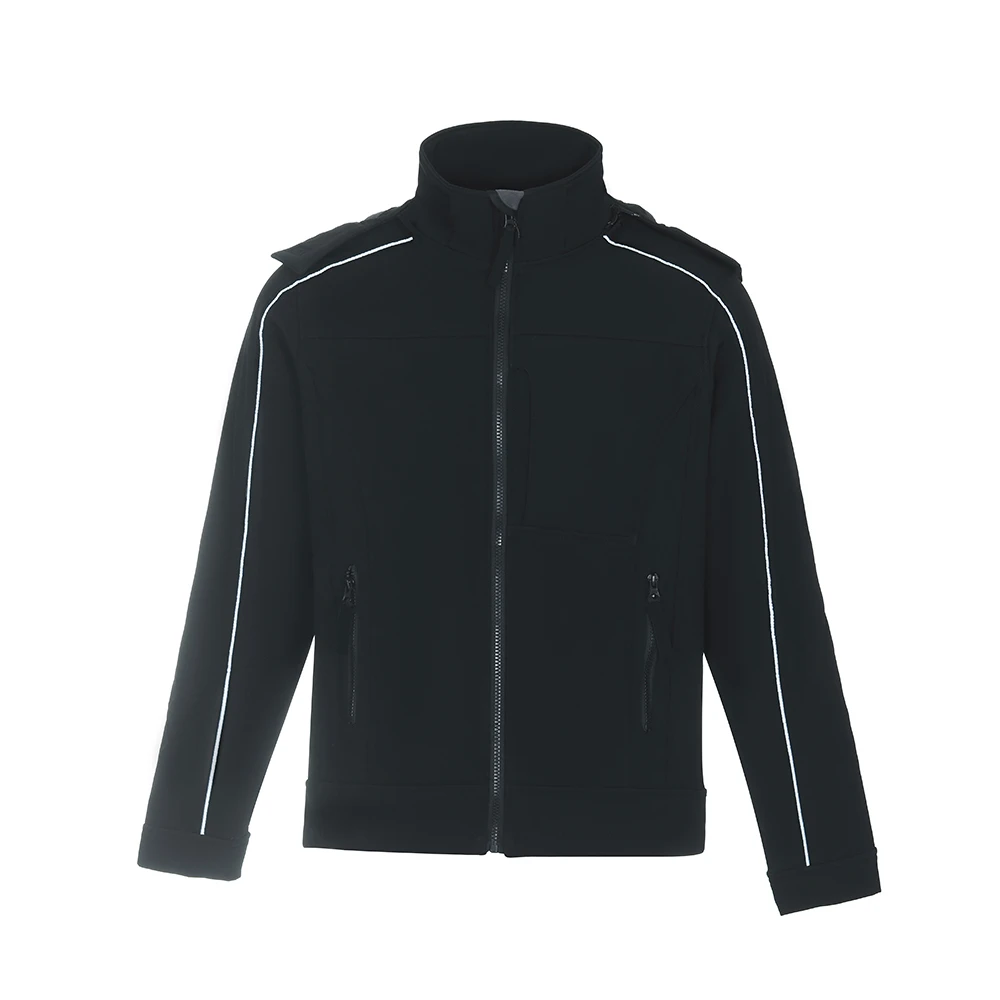
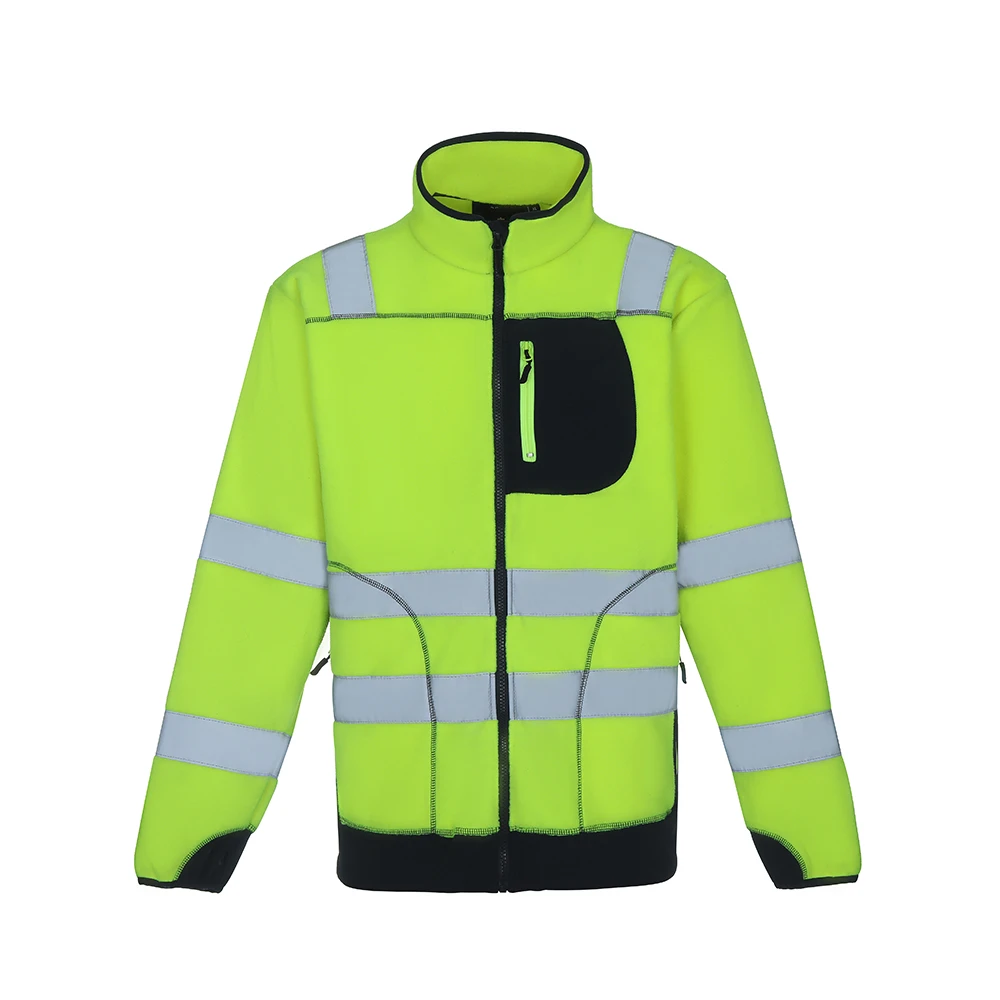
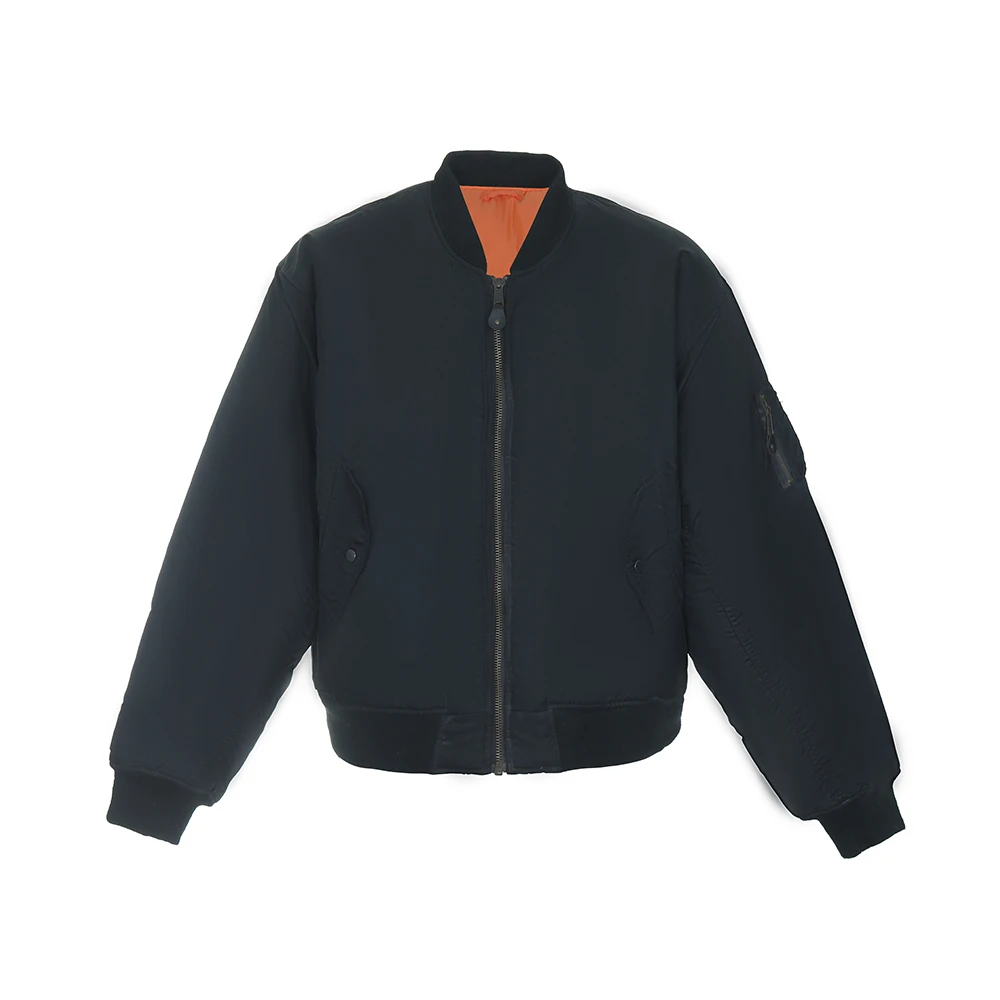
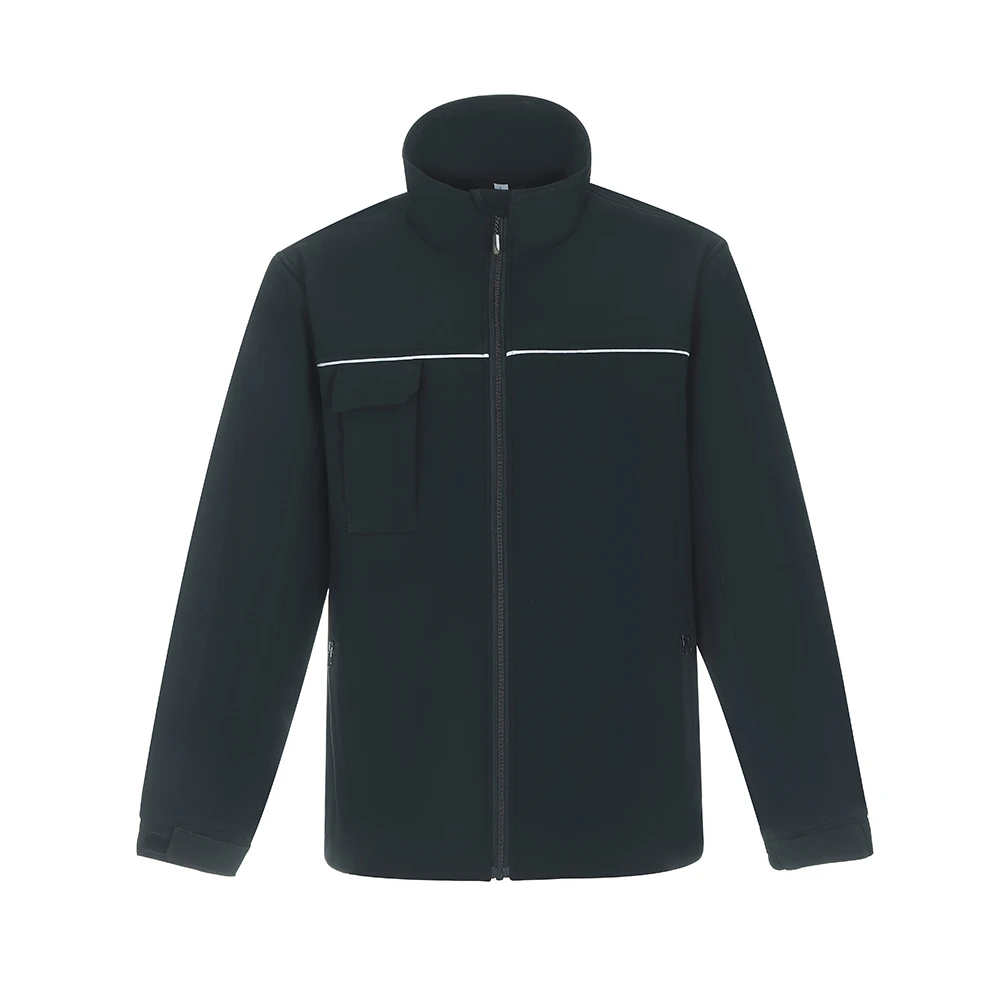
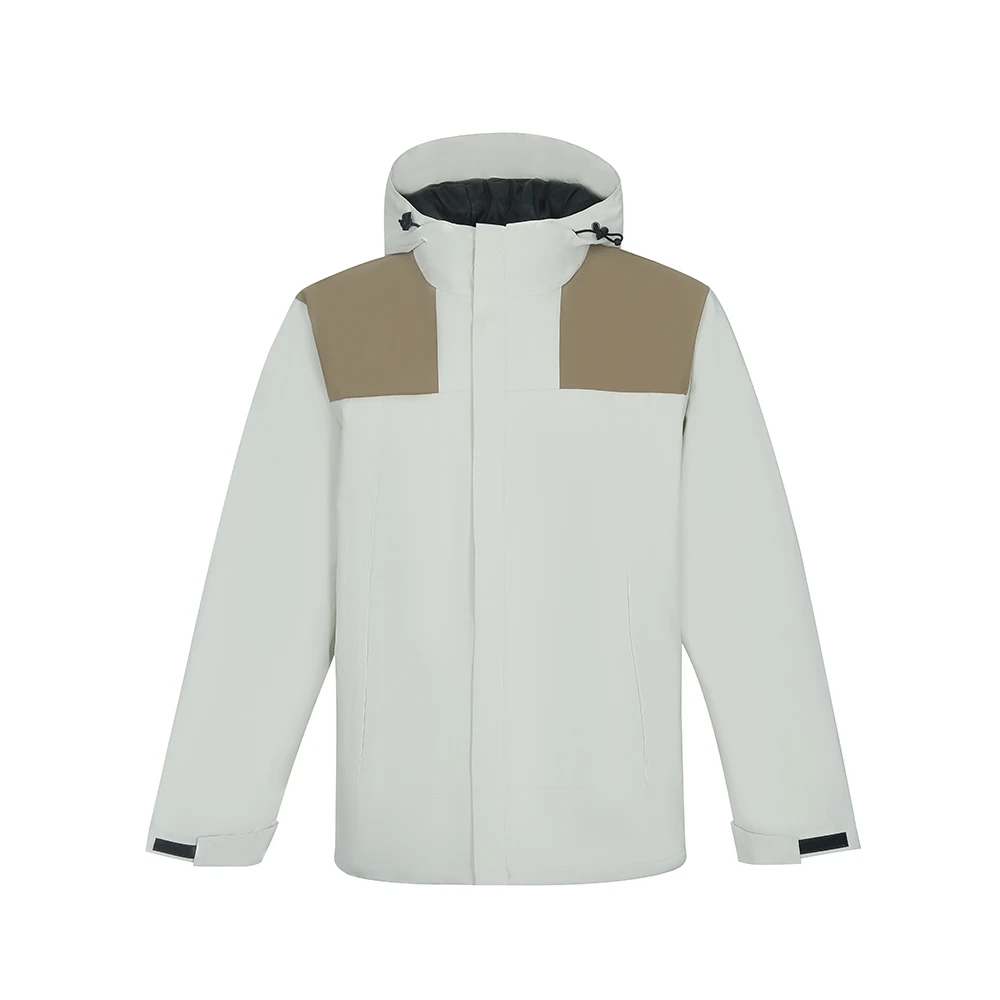
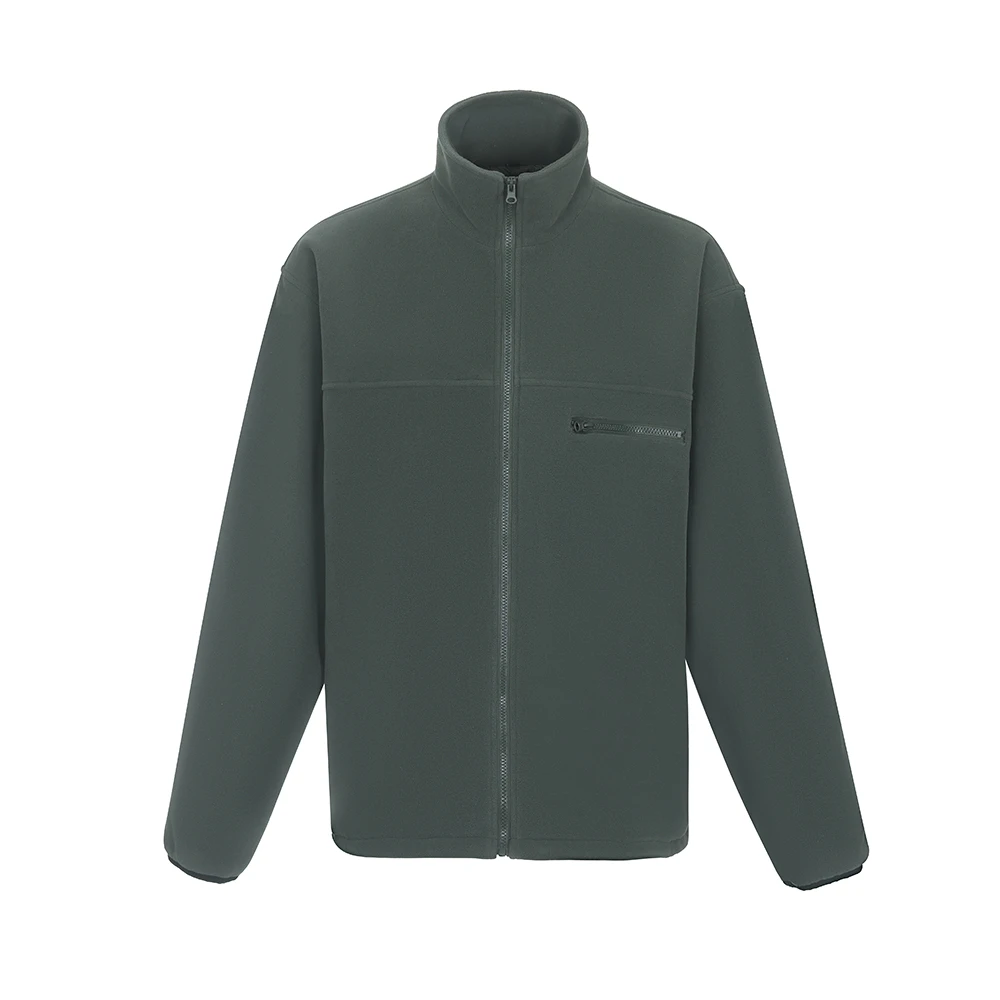
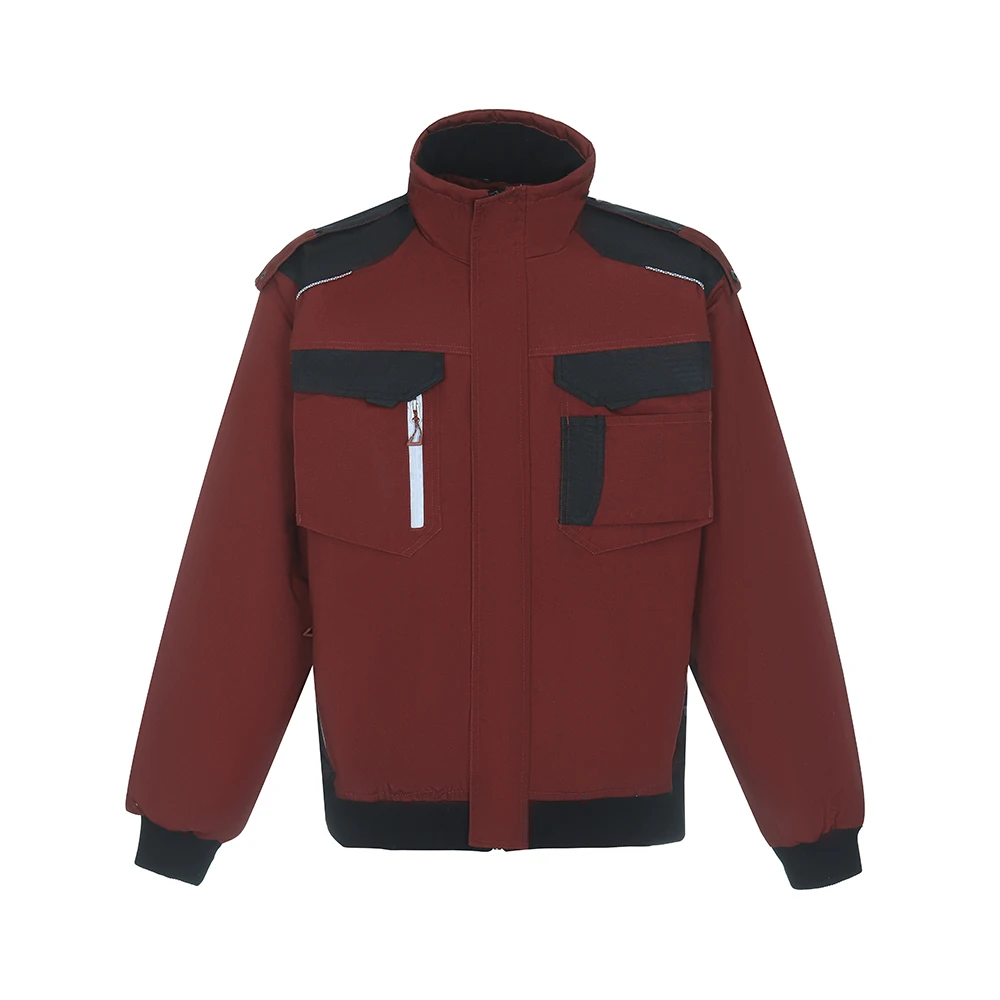
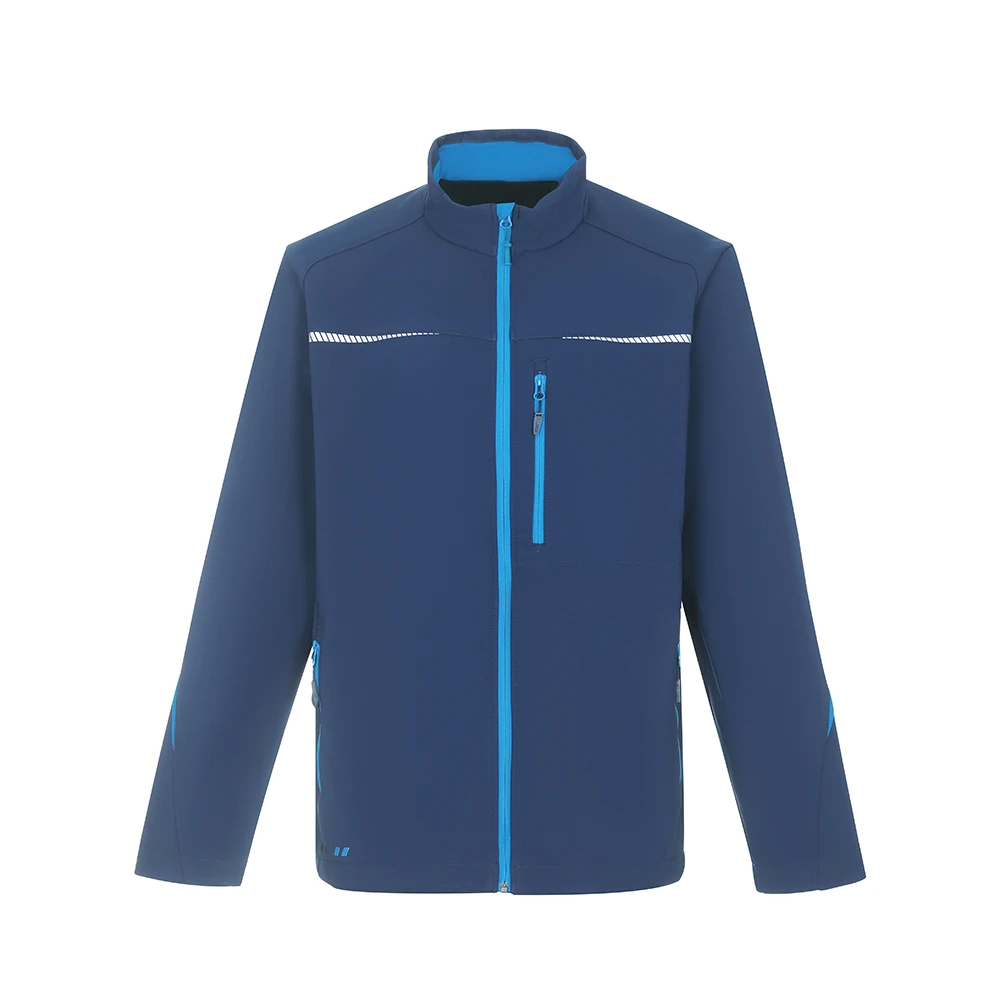
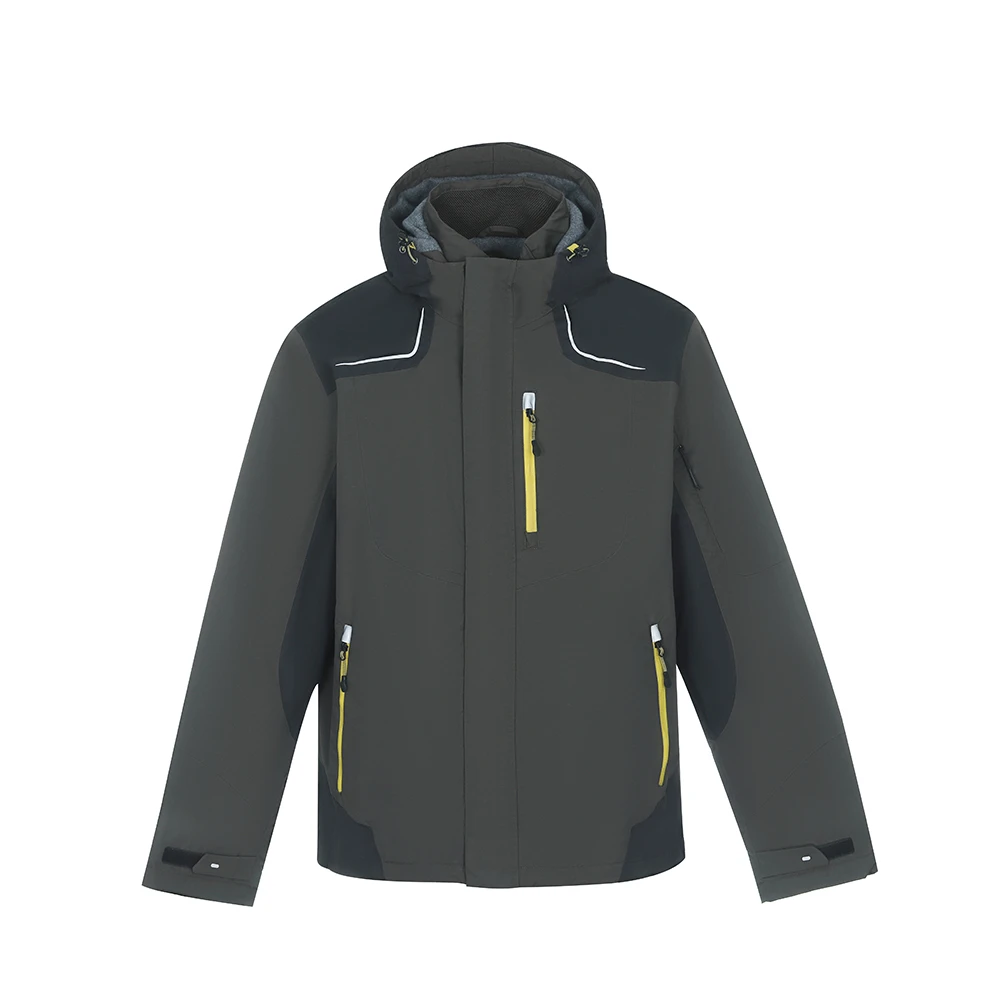
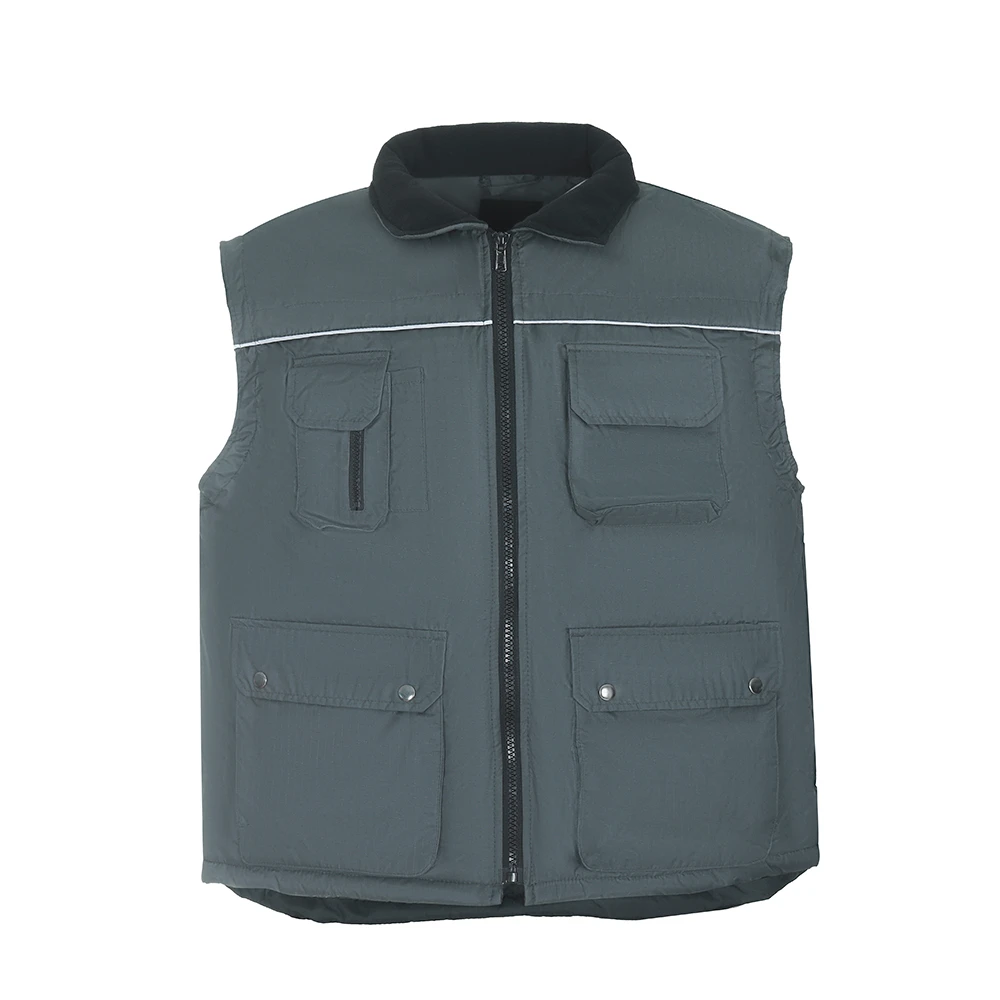
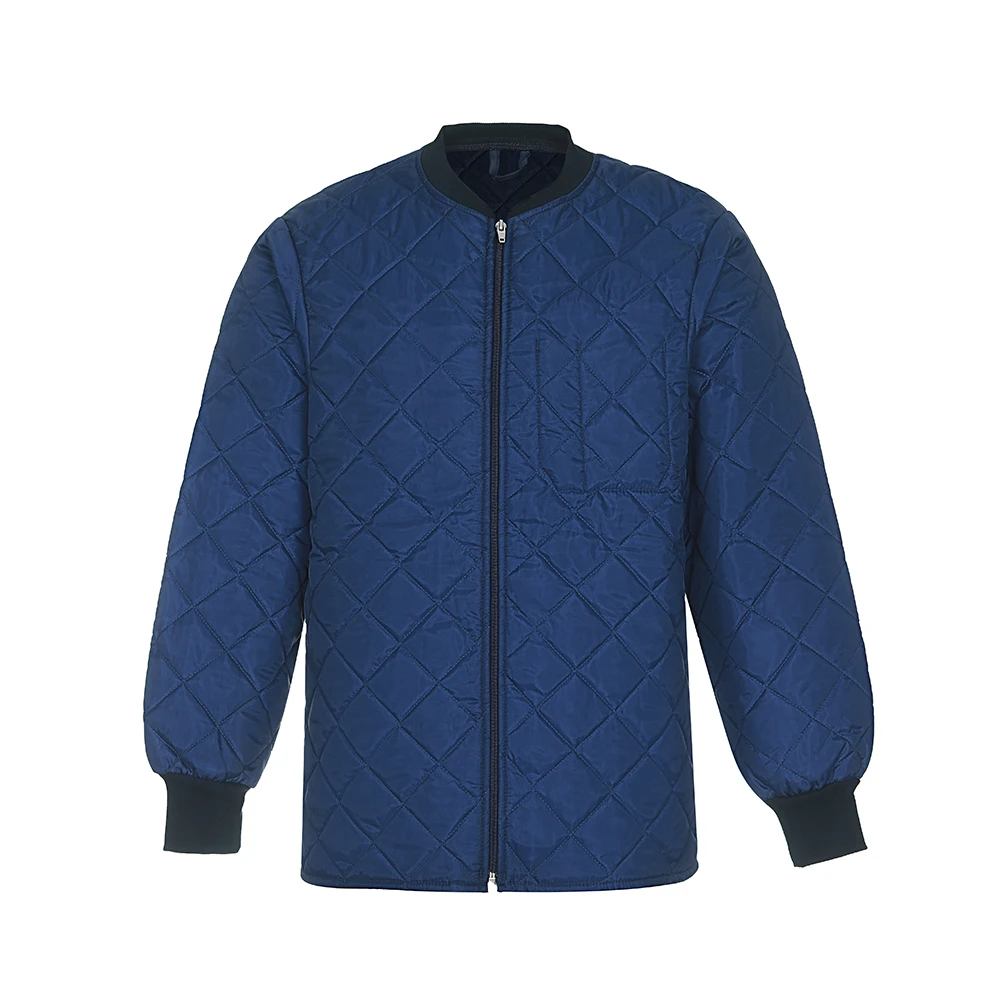
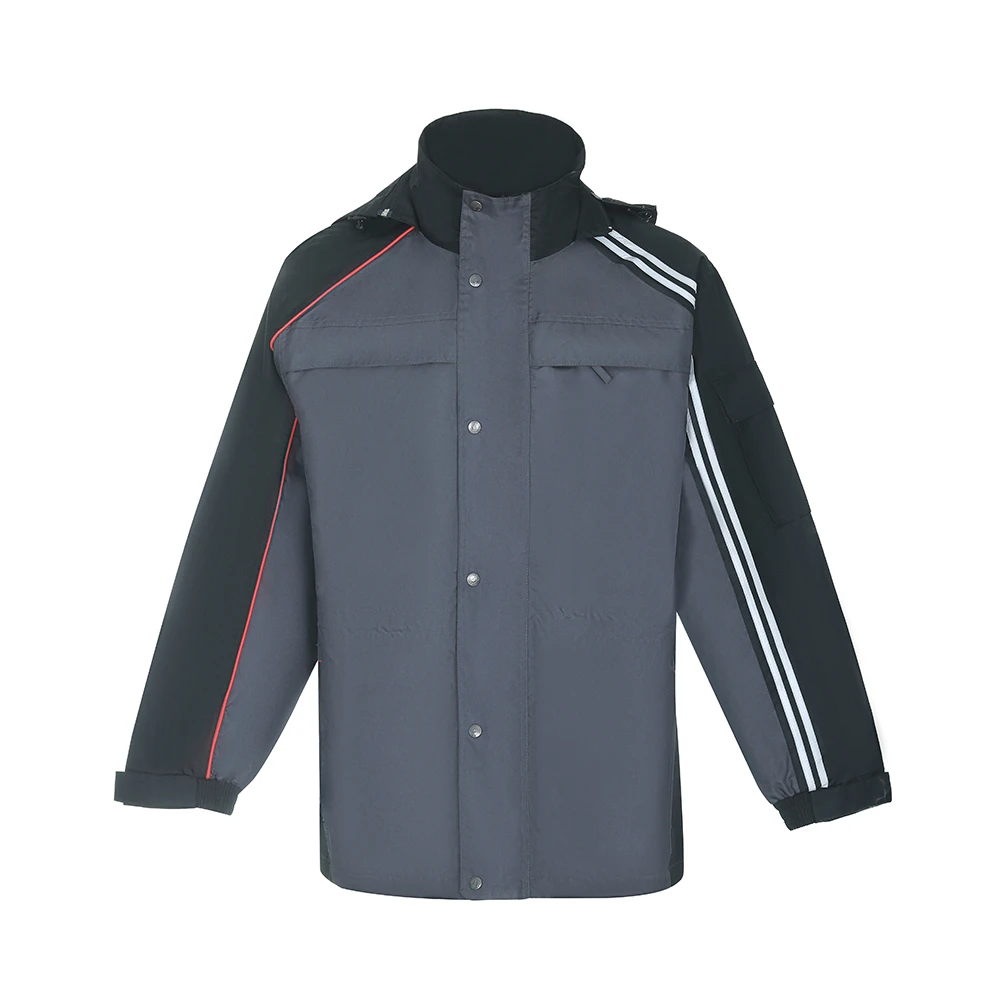
Waterproof Heated Vest: Essential Industrial Workwear for Harsh Weather
Why a Waterproof Heated Vest Matters in Industrial Workwear
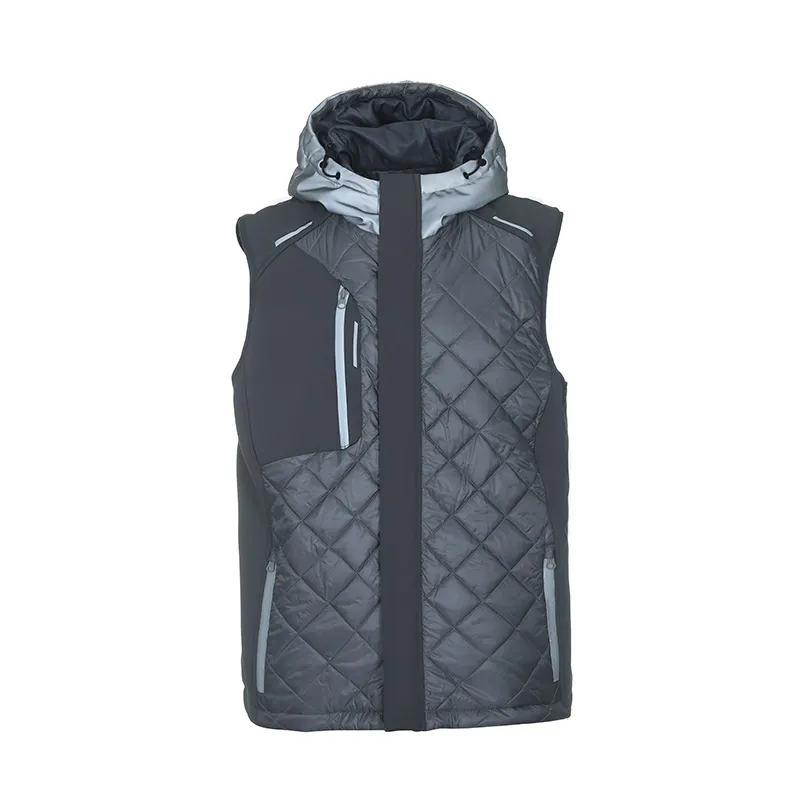
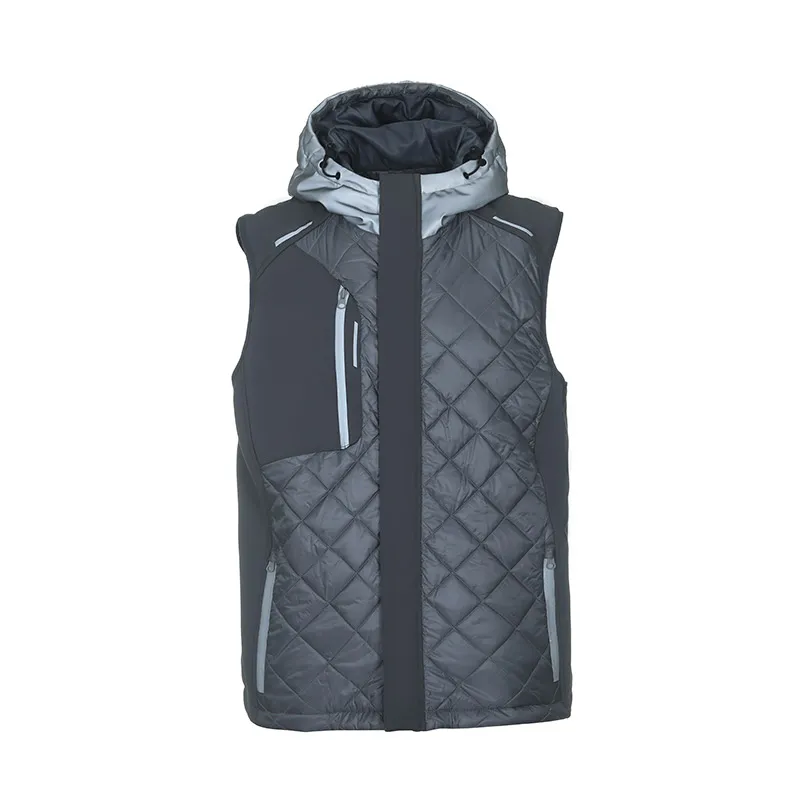
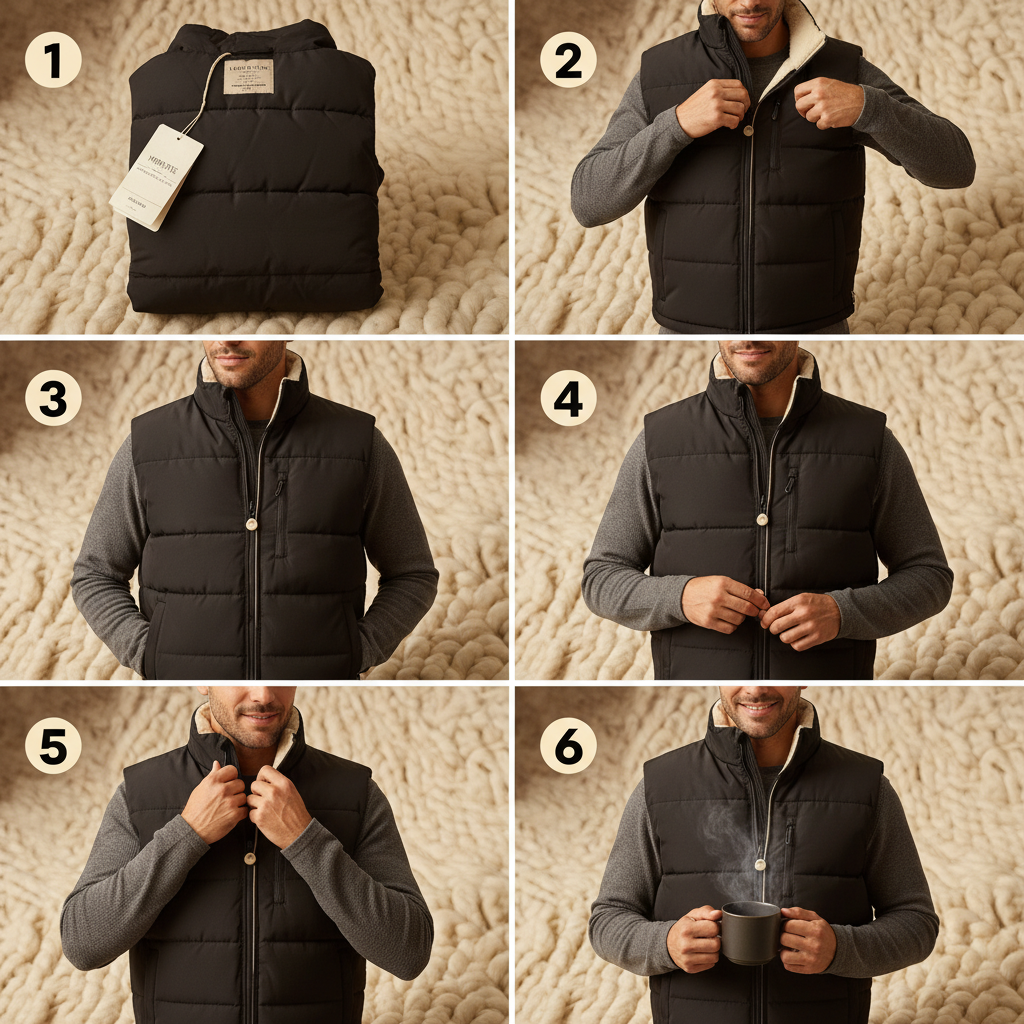
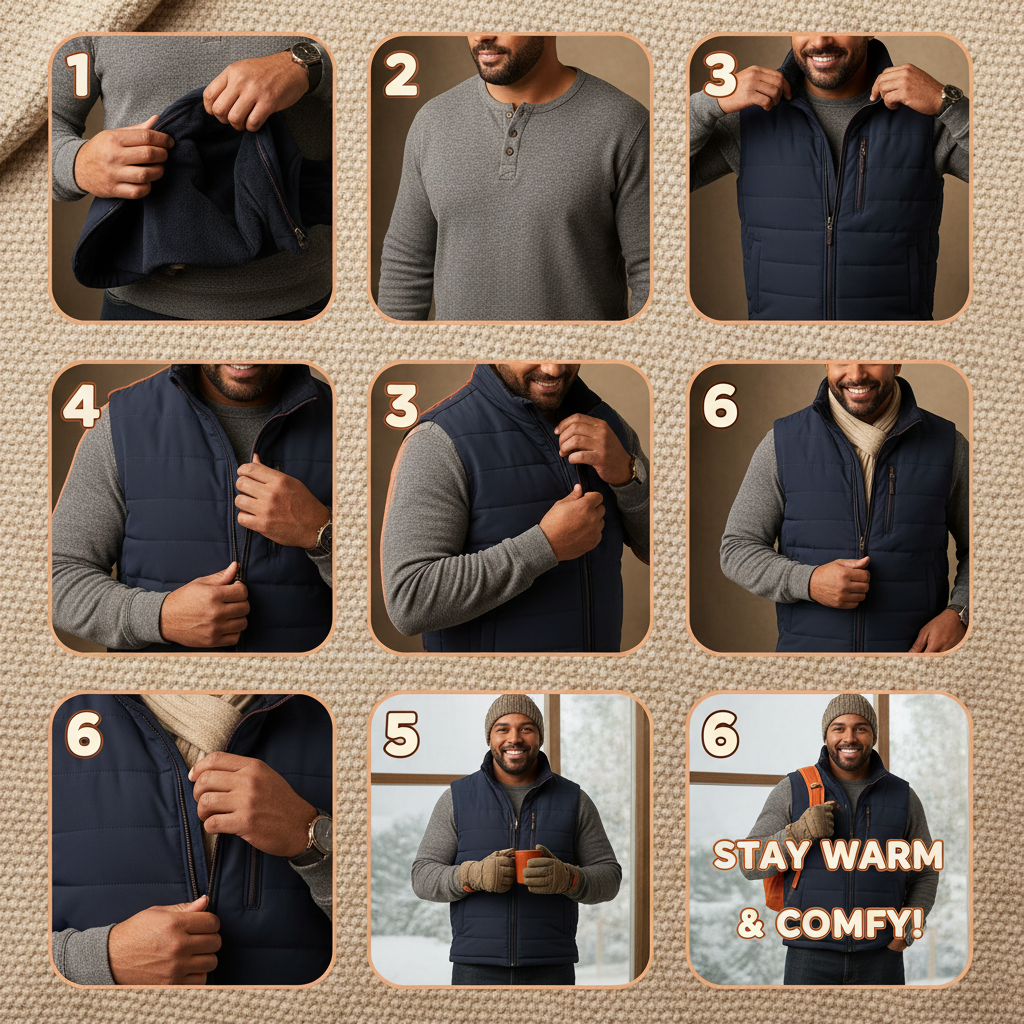
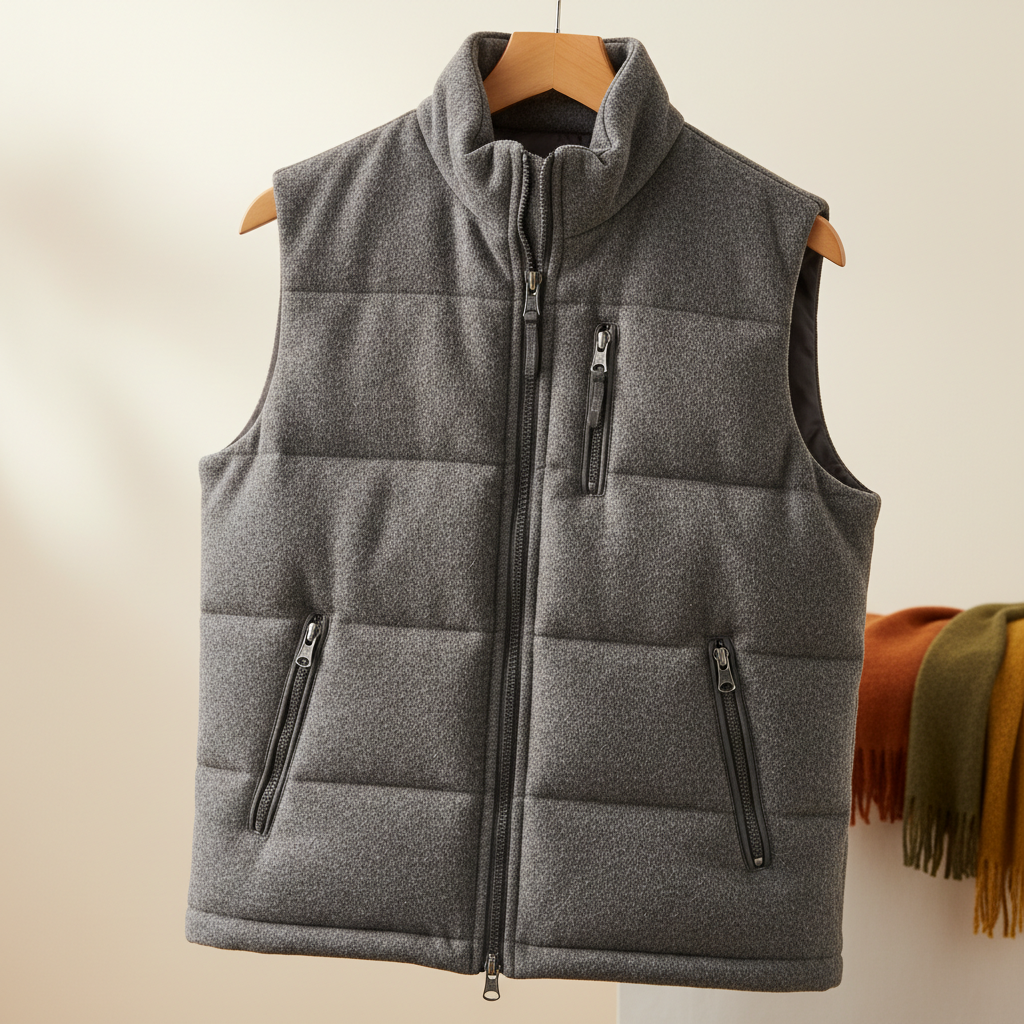
Having clocked years in the industrial equipment sector, I’ve come to appreciate gear that’s as tough and versatile as the environments we work in. Among the essentials, the waterproof heated vest stands out — a clever, practical piece of kit that engineers, technicians, and field crews rely on when the elements turn sour.
Now, you might wonder why the emphasis on “waterproof” and “heated” in one garment? Frankly, it’s a game-changer. Working outdoors in wet, cold conditions isn’t just uncomfortable — it can be downright hazardous. The combination of waterproof materials and integrated heating elements keeps you dry and warm without bulk or fuss, making those long shifts bearable.
I’ve noticed that many in the field often underestimate just how significant these vests can be. Beyond just warmth, they improve dexterity and reduce fatigue. Oddly enough, when you’re warm and dry, your productivity climbs. It’s almost instinctual, but it’s backed up by plenty of field reports.
Design Features and Material Innovations
Most waterproof heated vests combine advanced polyester blends with waterproof membranes like TPU or polyurethane coatings — stuff designed for industrial-grade durability. The heating elements tend to be carbon fiber or graphene-based strips, known for even heat distribution and low power consumption.
An engineer pal of mine swore by models that used rechargeable lithium-ion batteries with adjustable heat settings. That kind of customization means you’re not overheating when the sun peeks out, but still protected when a cold front rolls in.
| Specification | Detail |
|---|---|
| Material | Waterproof polyester with TPU membrane |
| Heating Elements | Carbon fiber flexible strips |
| Power Source | Rechargeable 7.4V Lithium-ion battery (up to 8 hrs) |
| Weight | Approx. 400 grams |
| Heat Settings | 3 levels adjustable via external button |
Comparing Top Waterproof Heated Vest Vendors
In the industrial space, choosing the right supplier is half the battle. Here’s how some vendors stack up, from my experience and research:
| Brand | Waterproof Rating | Battery Life | Warranty | Price Range |
|---|---|---|---|---|
| Q'S Clothing | IPX6 (Heavy rain protection) | Up to 8 hours | 2 years limited | $$$ |
| Volt Heat | IPX5 (Rain and splash resistant) | 6 hours | 1 year | $$ |
| Ororo | Water-resistant only | Up to 10 hours | 1 year | $$$ |
In the Field: A Real-World Take
I recall a chilly November morning at a large outdoor plant shutdown. One of the maintenance crew was sporting a waterproof heated vest from Q'S Clothing, and he told me how it kept him comfortable through the rainstorms while he tightened bolts and monitored gauges. No bulky jackets, no soggy blues. Just steady warmth and freedom of movement.
He said it felt like a “portable warming station” — a description you don’t hear every day, but when you’ve wrestled cold steel outside, it makes sense. I’d say that’s a testimonial that carries weight.
Custom options have also come a long way. Some suppliers offer vests with logo embroidery, extra pockets, or even flame-retardant variants for hazardous environments. You know, that sort of thoughtful detail that engineers really appreciate.
So, if you’re on the fence about investing in a waterproof heated vest, here’s my take: it’s not just a luxury — it’s a small but smart upgrade that can impact your team’s morale and safety, especially in unpredictable weather. And frankly, when it works as advertised, it almost pays for itself in comfort and productivity.
Comfort. Protection. Practicality. That’s the triple threat of the modern waterproof heated vest.
—
References:
1. Industrial Safety Gear Reports, 2023
2. User Reviews at Q'S Clothing Official Site
3. Field Engineer Interviews, Winter 2023