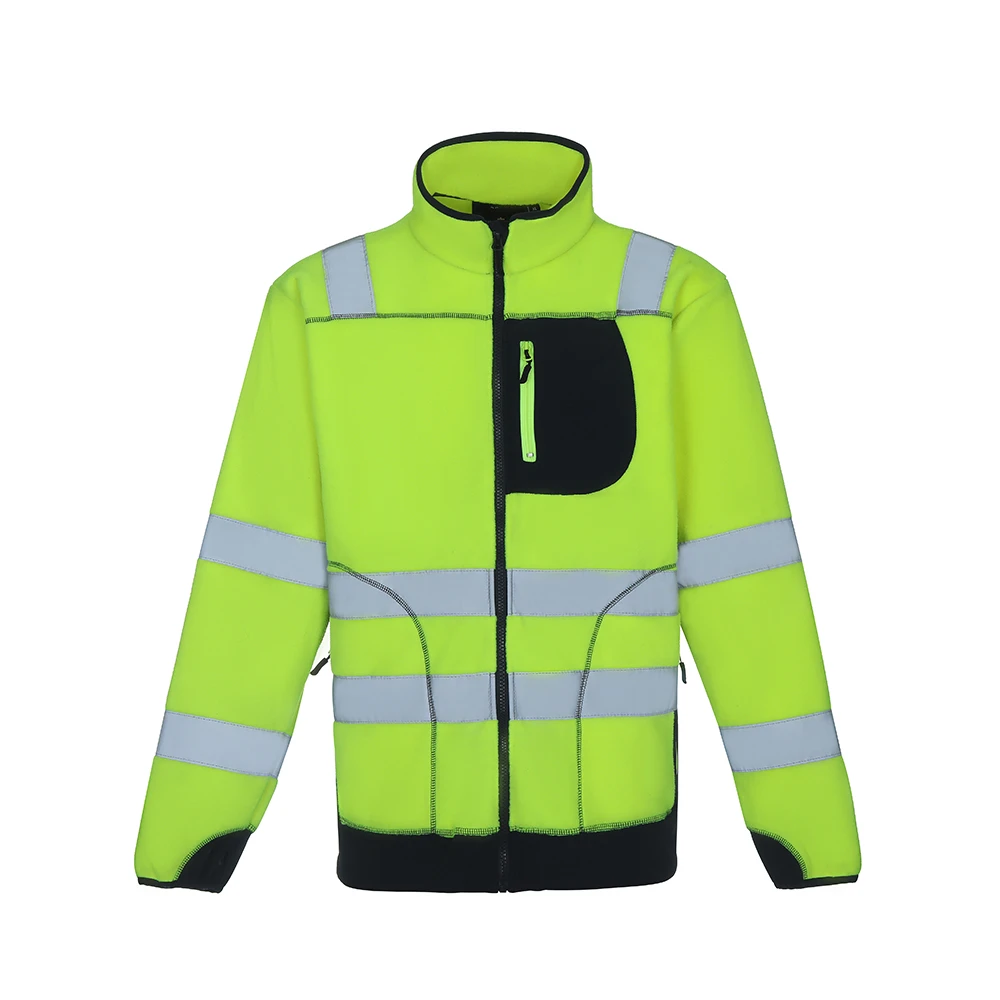
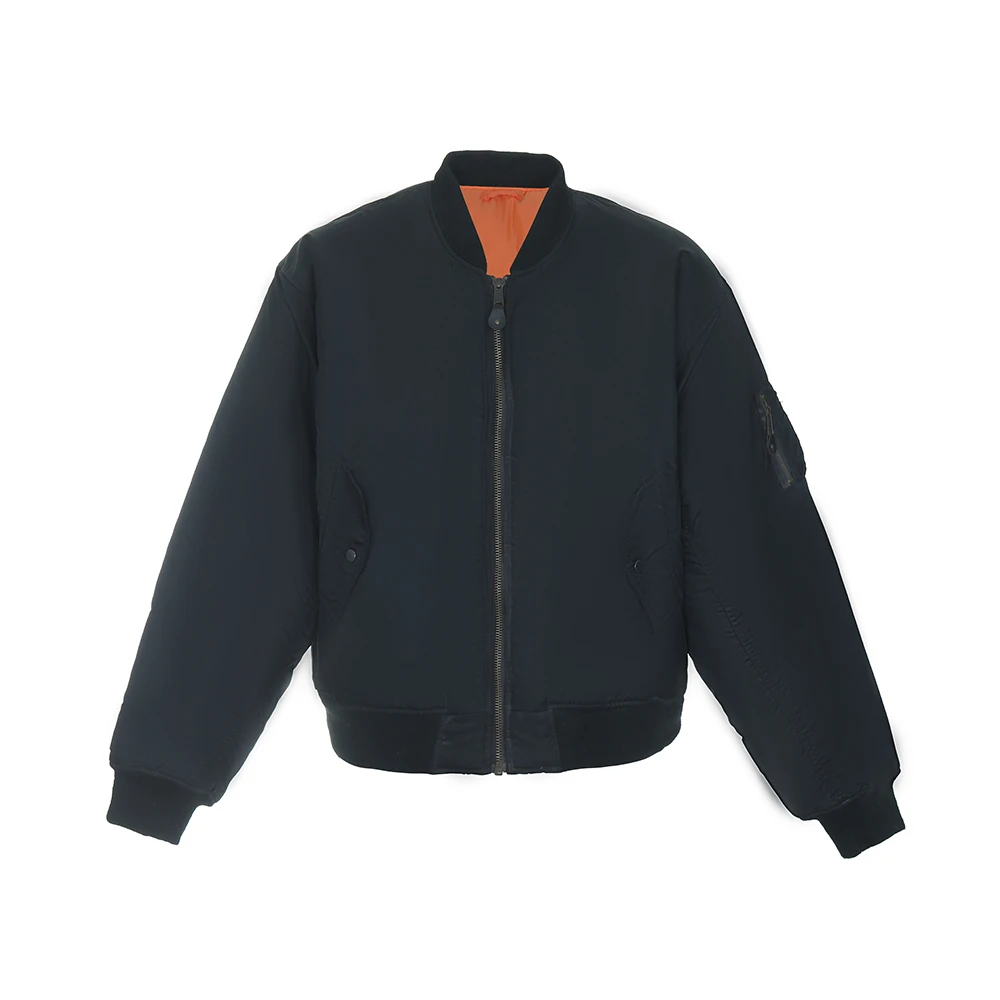
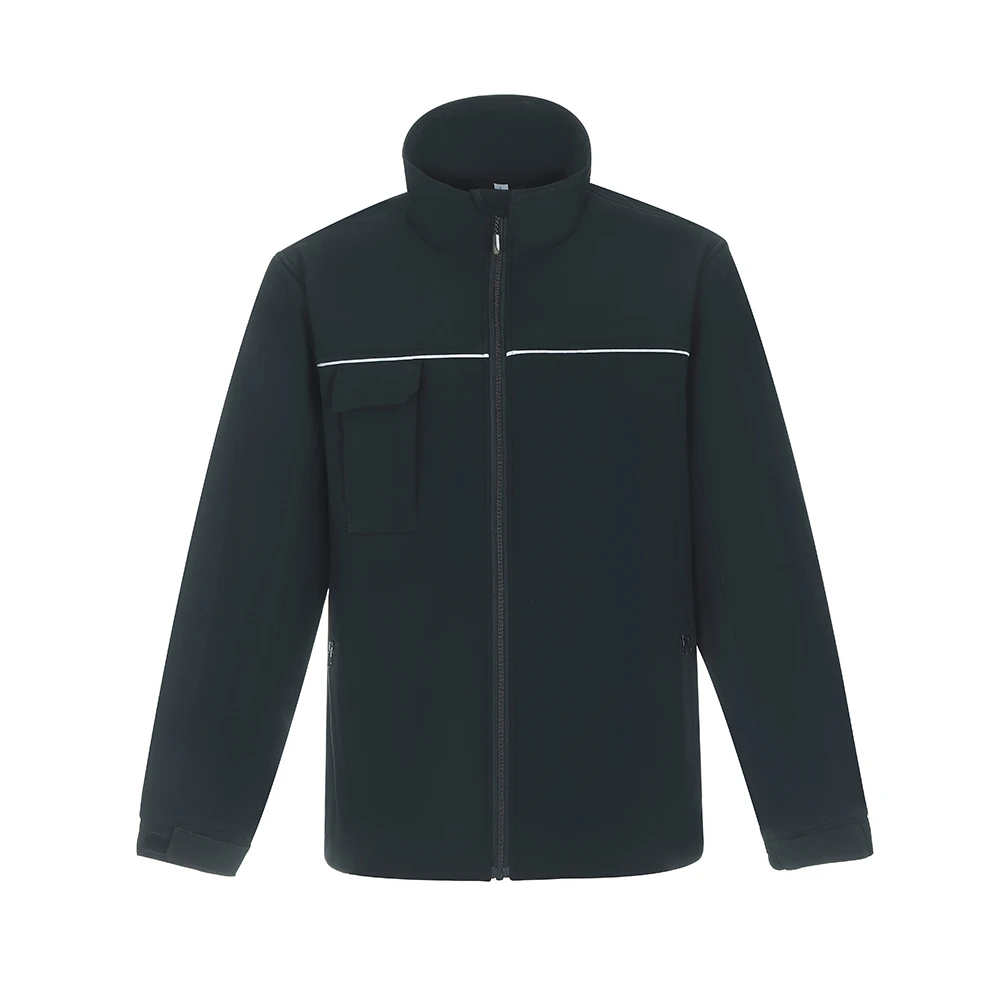
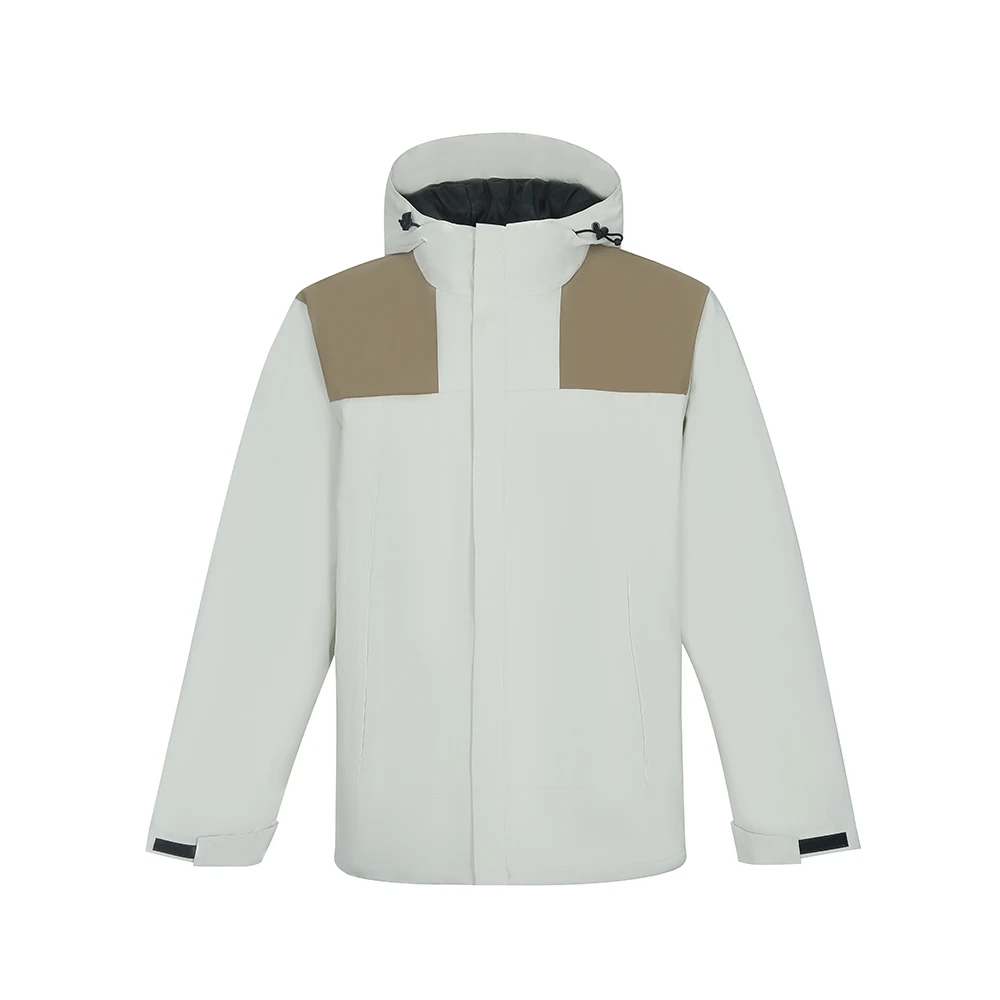
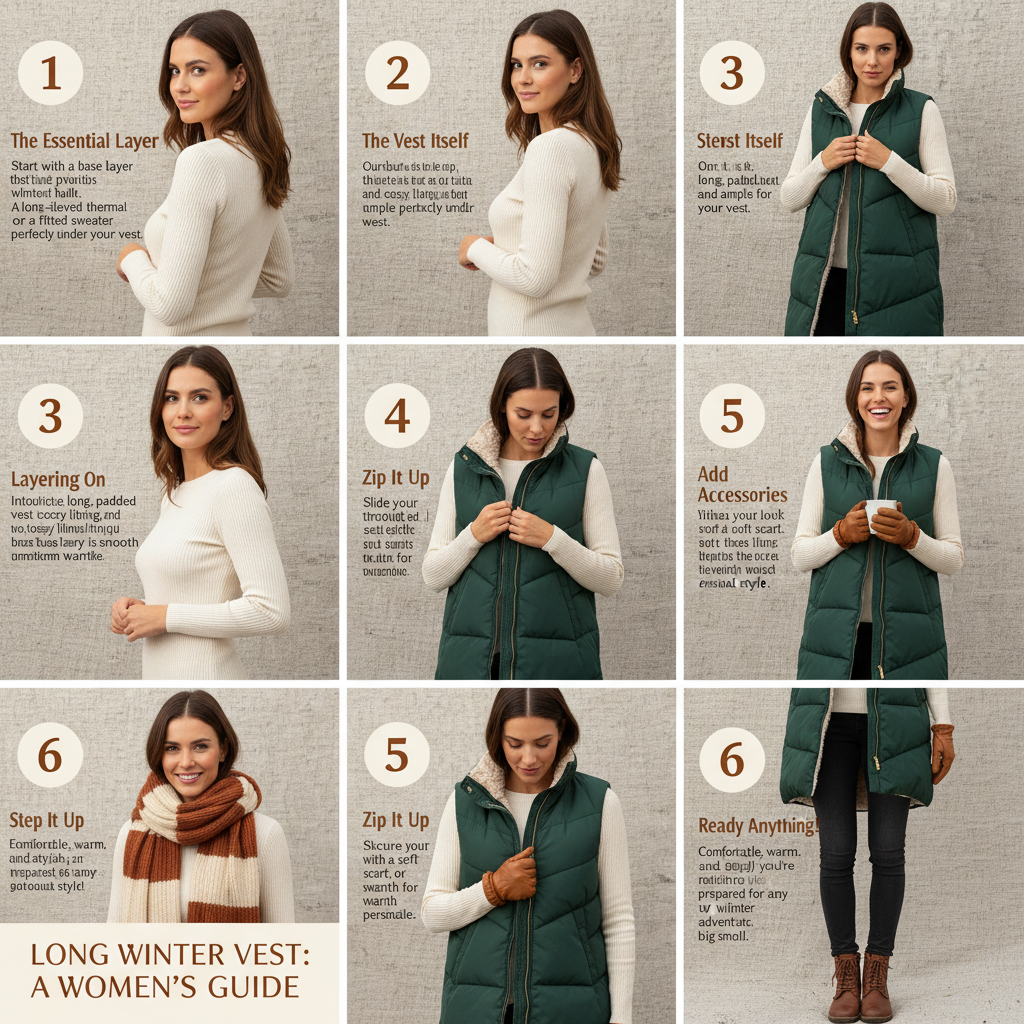
Warm Vests for Winter - Industrial Workwear That Works
Why Warm Vests for Winter Are a Game Changer in Industrial Workwear
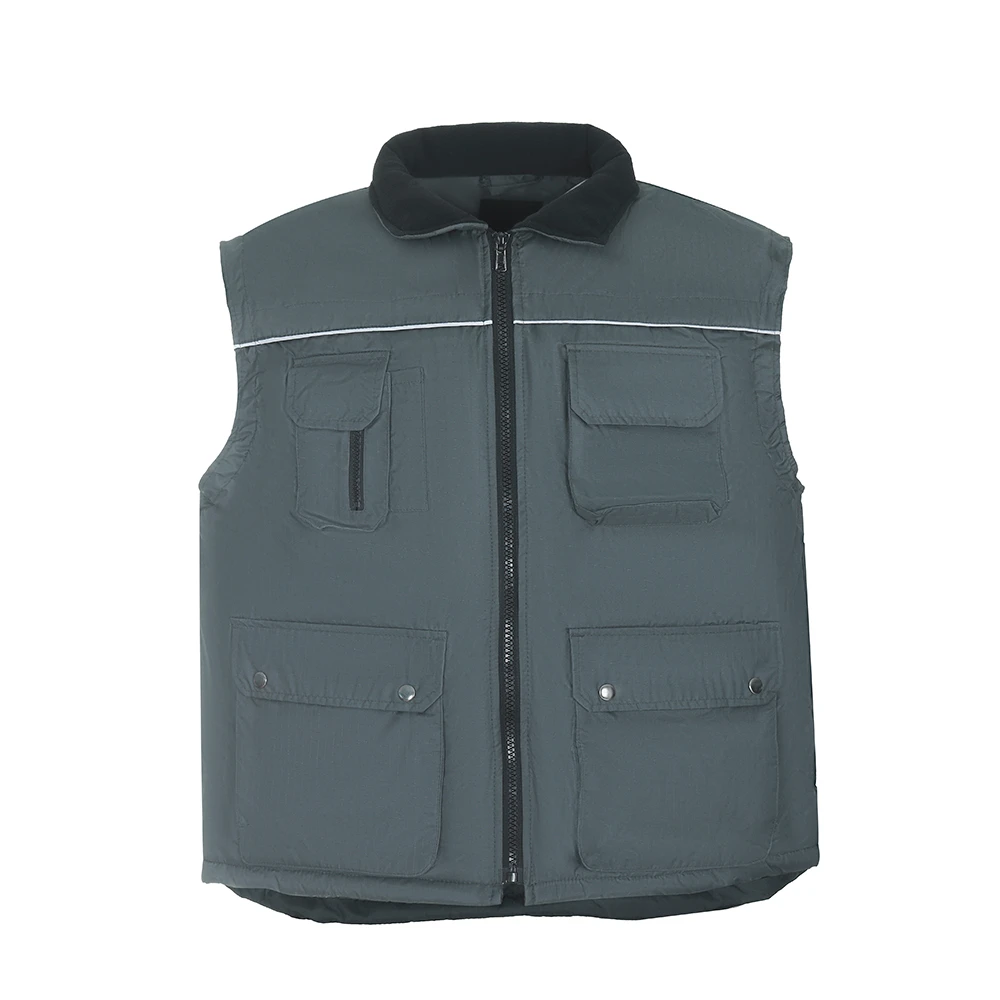
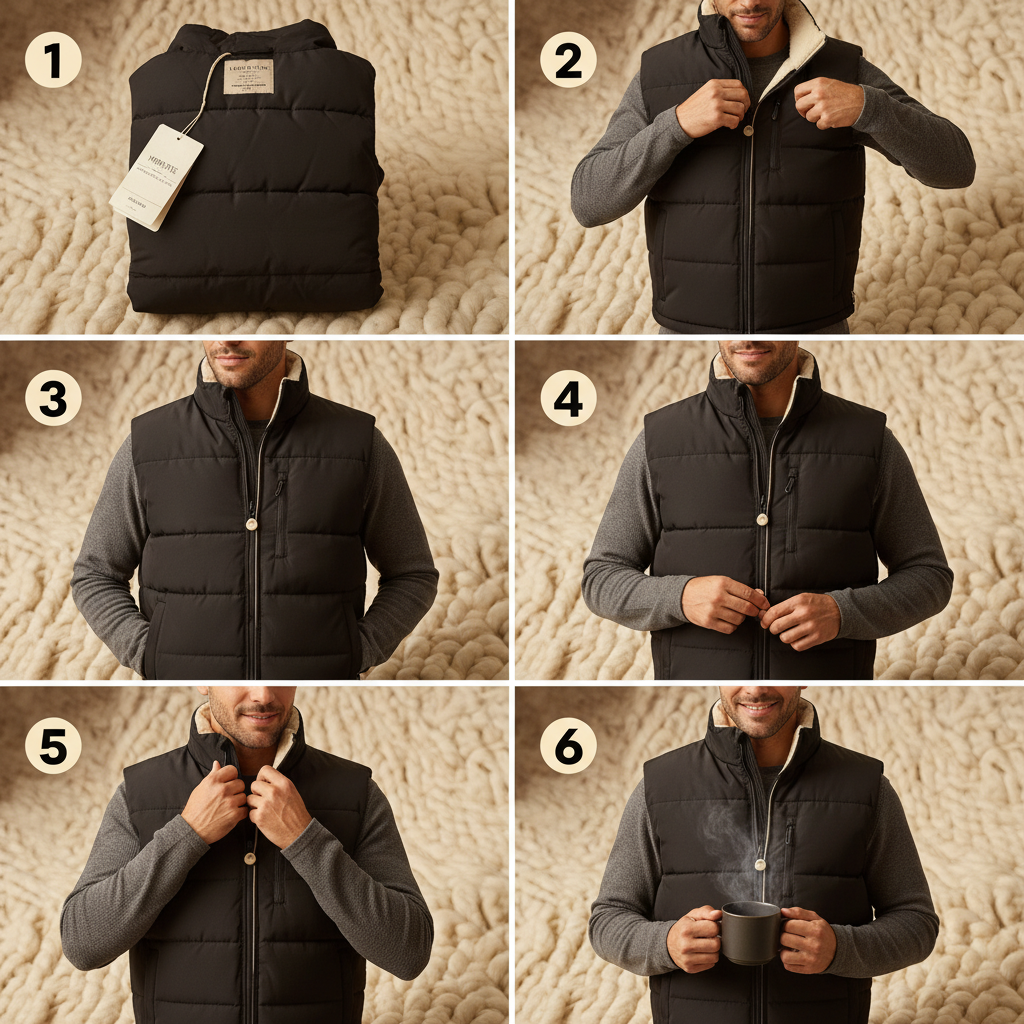
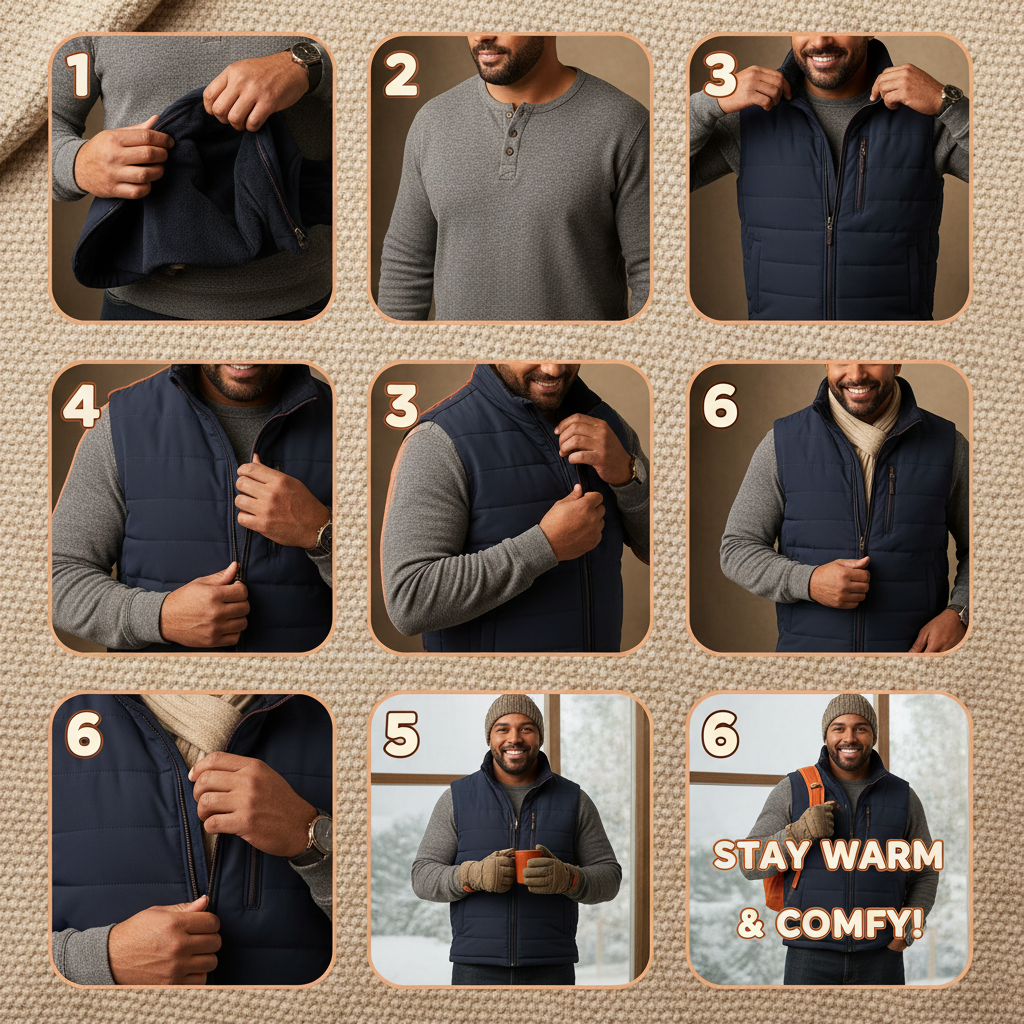
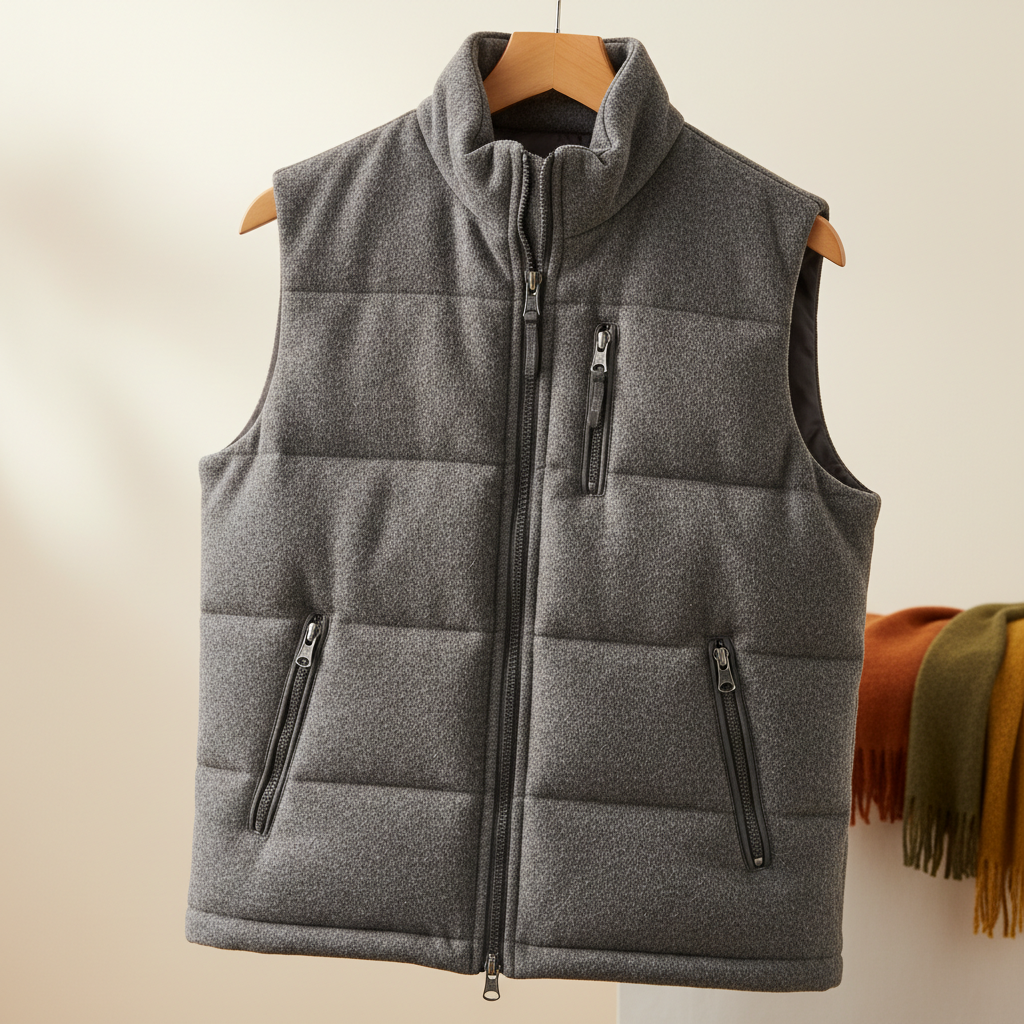
Working in the industrial sector through bitter cold spells, I’ve found that layering is key—but oddly enough, warm vests for winter often steal the show. They strike a perfect balance between insulation and freedom of movement, especially when you don't want the bulk of a full jacket. If you’ve ever tried bending, climbing, or wrangling heavy tools in freezing conditions, you understand how important that flexibility can be.
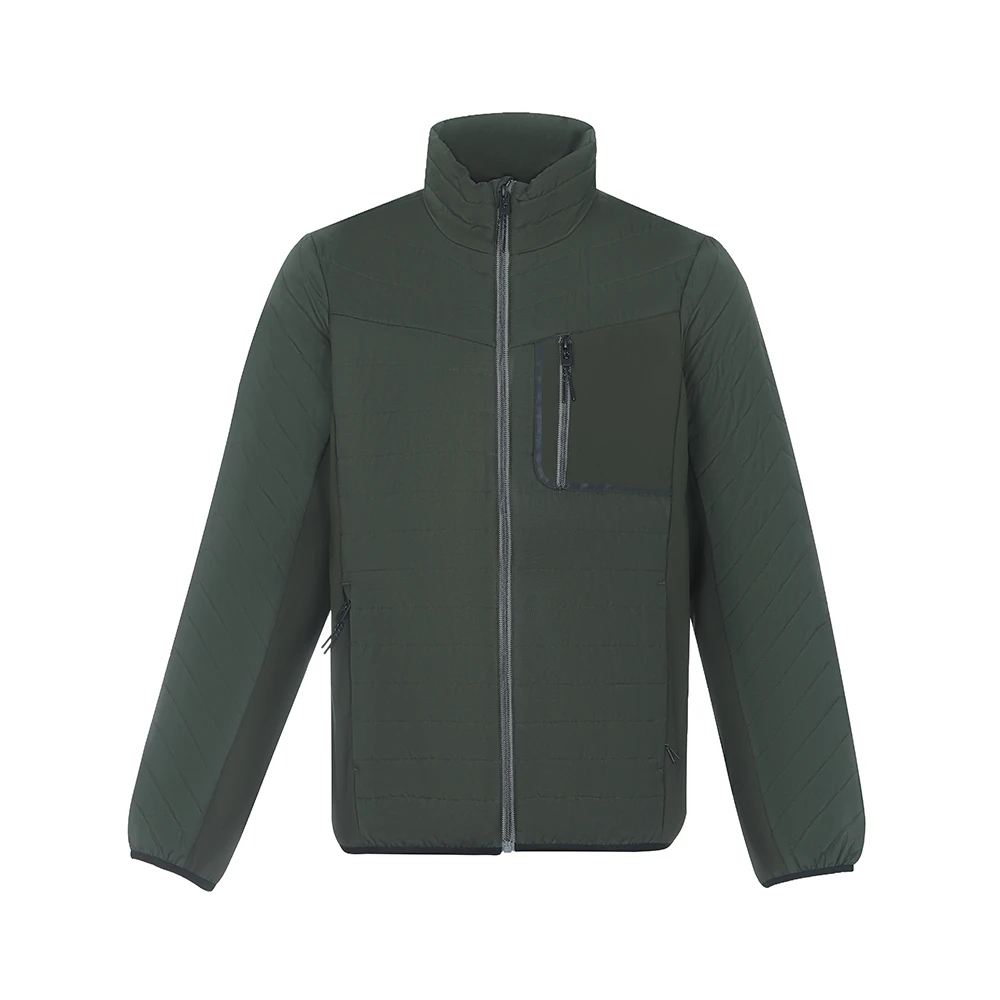
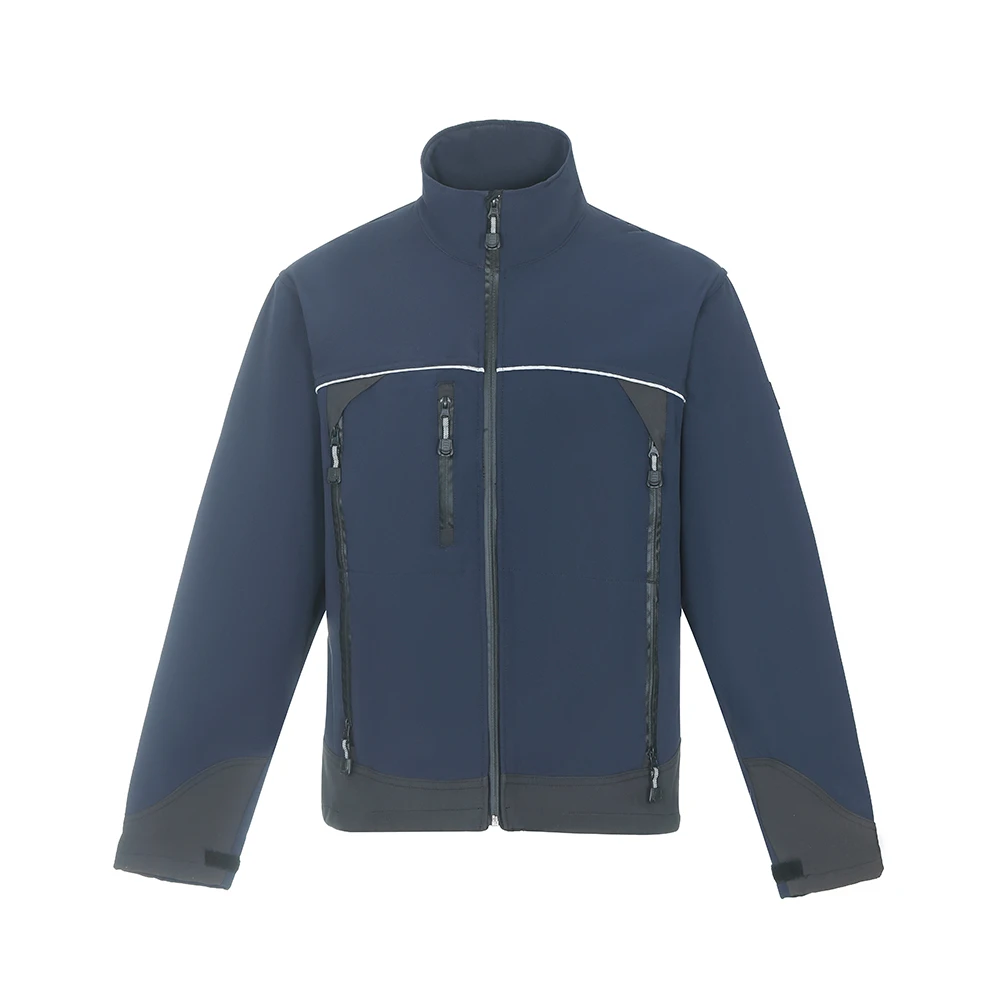
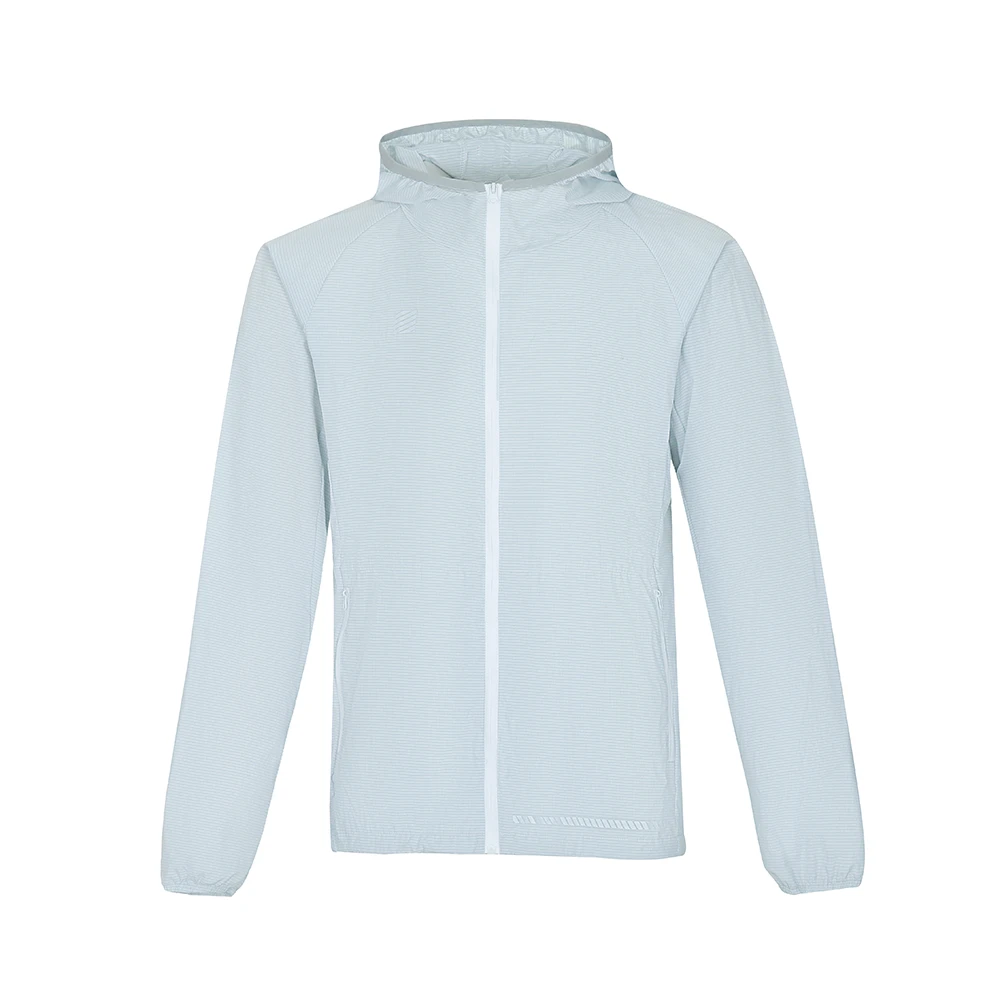
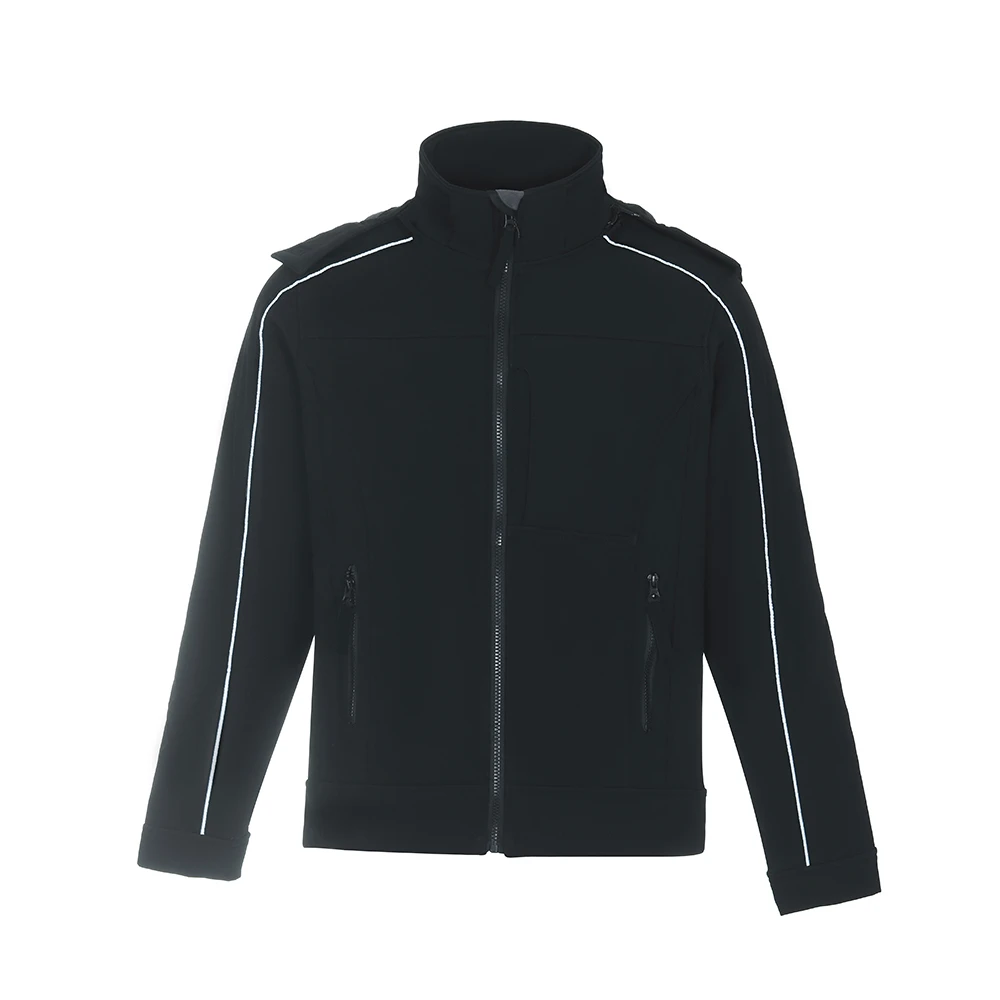
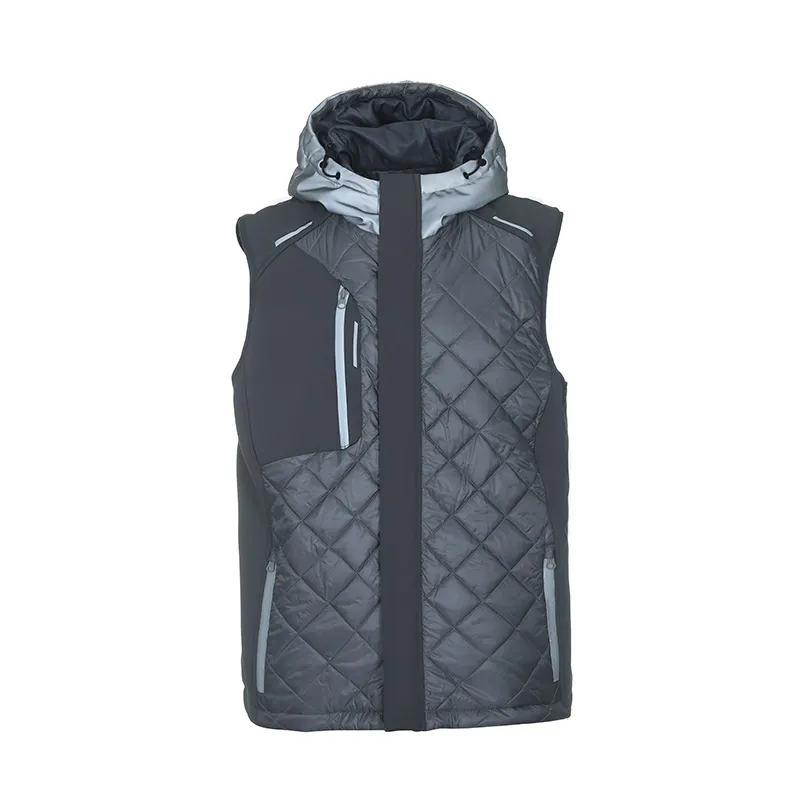
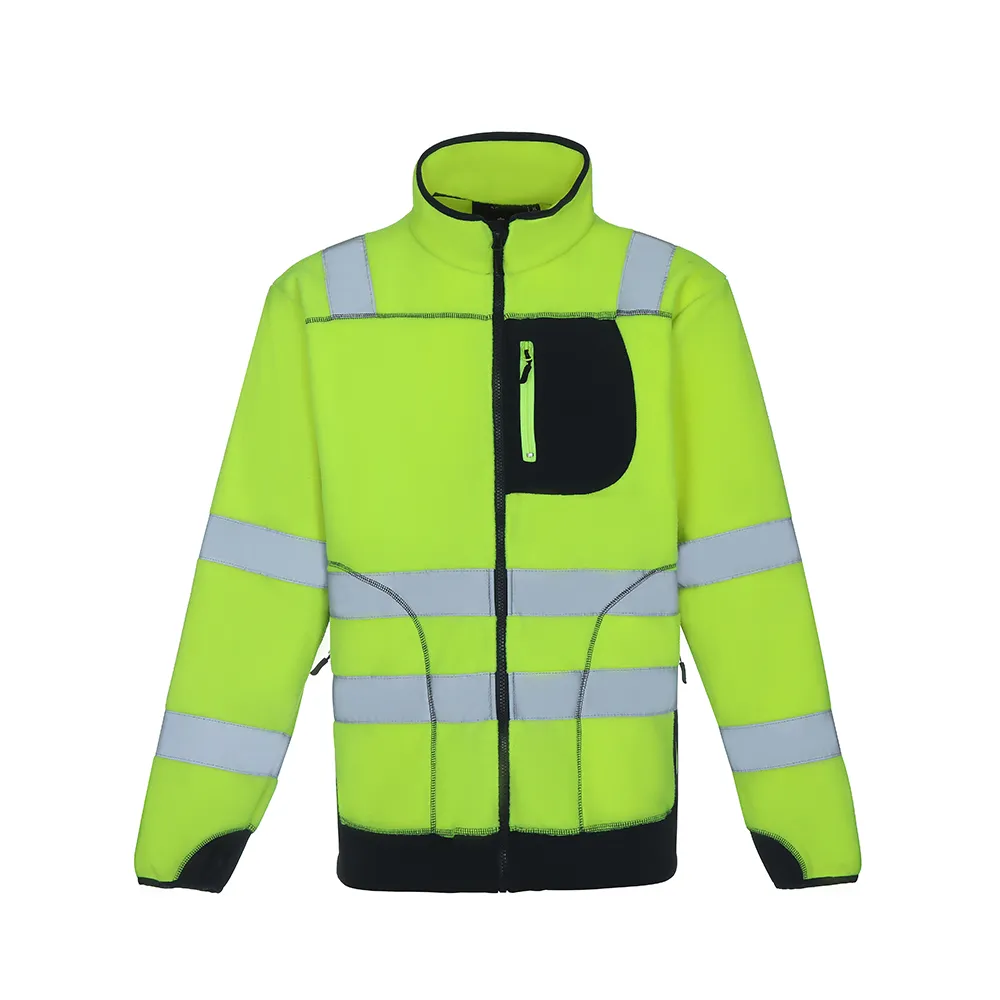
Now, in real terms, warm vests have come a long way from the standard fleece or cotton layers that used to be the norm. Modern industrial vests are thoughtfully designed with advanced materials — think lightweight polyesters blended with windproof membranes, plus down or synthetic fills that keep you toasty without sweating buckets.
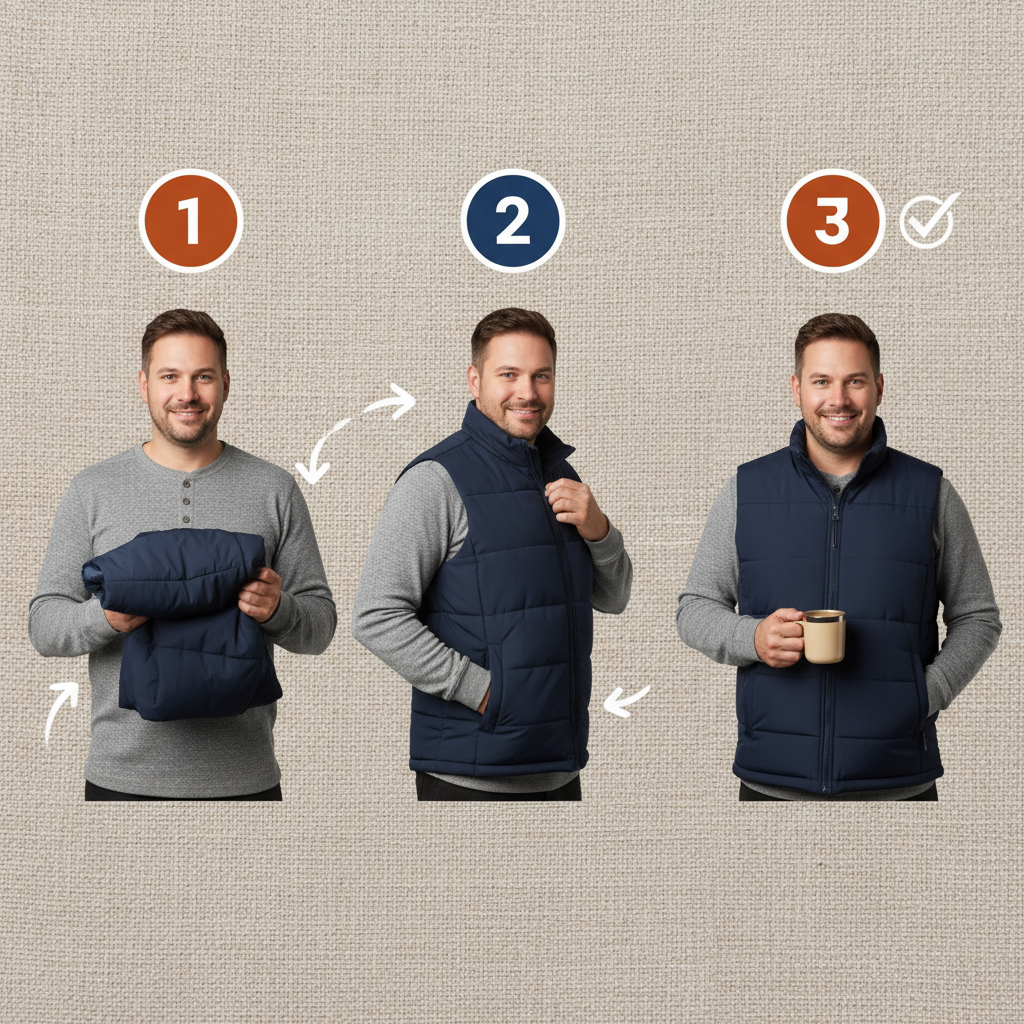
I remember a winter shift in upstate New York, where my team tested some new insulated vests. What struck me was how the thermal retention was efficient enough that even a quick break outside didn’t let the cold seep in — the kind of practical performance engineers tend to appreciate. Plus, those vests are easier to slip over or under other gear compared to bulky coats.
Key Features to Look For in Industrial Warm Vests
| Feature | Why It Matters |
|---|---|
| Insulation Type (Down vs. Synthetic) | Down offers excellent warmth-to-weight ratio; synthetic performs better when wet. |
| Windproof & Water Resistance | Essential for harsh outdoor environments to keep core temperature stable. |
| Pocket Design | Tool and phone accessibility without removing gloves or over-layers. |
| Fit & Mobility | Snug but flexible for ease on site — no one wants a cape flapping on cranes. |
| Durability & Reinforcement | Reinforced shoulders and seams to stand up to rugged work conditions. |
Many workers I’ve spoken with swear by customizable options, which often include names or company logos embroidered or printed. Those little touches foster camaraderie, no doubt, but they also help keep gear from getting lost or confused in a bustling workshop — definitely a practical plus.
How Top Vendors Stack Up for Industrial Warm Vests
| Vendor | Insulation | Customization | Durability | Price Range |
|---|---|---|---|---|
| QS Clothing | Synthetic Fill, Windproof Shell | High (Logos, Colors, Sizes) | Heavy-duty Reinforcements | $$ |
| ArcticWear | Duck Down, Water Resistant | Moderate (Colors Only) | Standard | $$$ |
| WorkStrong Gear | Synthetic Fill, Durable Nylon | Low | Reinforced Seams | $ |
I suppose it’s worth mentioning that no vest will perform miracles unless you match it to your typical work environment and personal comfort preferences. For some, the windproof features matter most; for others, it’s about a vest that pairs well under a hard hat or safety harness. You really want to consider your whole layering system.
For companies outfitting crews, investing in decent warm vests can reduce cold-related slowdowns and even the risk of hypothermia or frostbite in extreme conditions. You might not notice the difference right away, but those early morning shifts where you move from heated cabins to open-air sites? That’s when a good vest makes the difference between gritting your teeth and just getting the job done comfortably.
If there’s one piece of advice I’d offer, drawn from years of hammering through cold winters, it’s to try out a vest like those from QS Clothing. The balance of insulation, durability, and build quality feels spot on for industrial work. Plus, they seem to get the customization aspect — which is handy when you want your team to look sharp but stay safe.
In summary, investing in a reliable warm vest isn’t just about comfort — it’s about maintaining productivity and safety during those harsh winter months in the field.
References:
1. Industry feedback from field operations, 2022–2023.
2. Material performance data from major textile suppliers.
3. Winter safety protocols by OSHA and NIOSH.