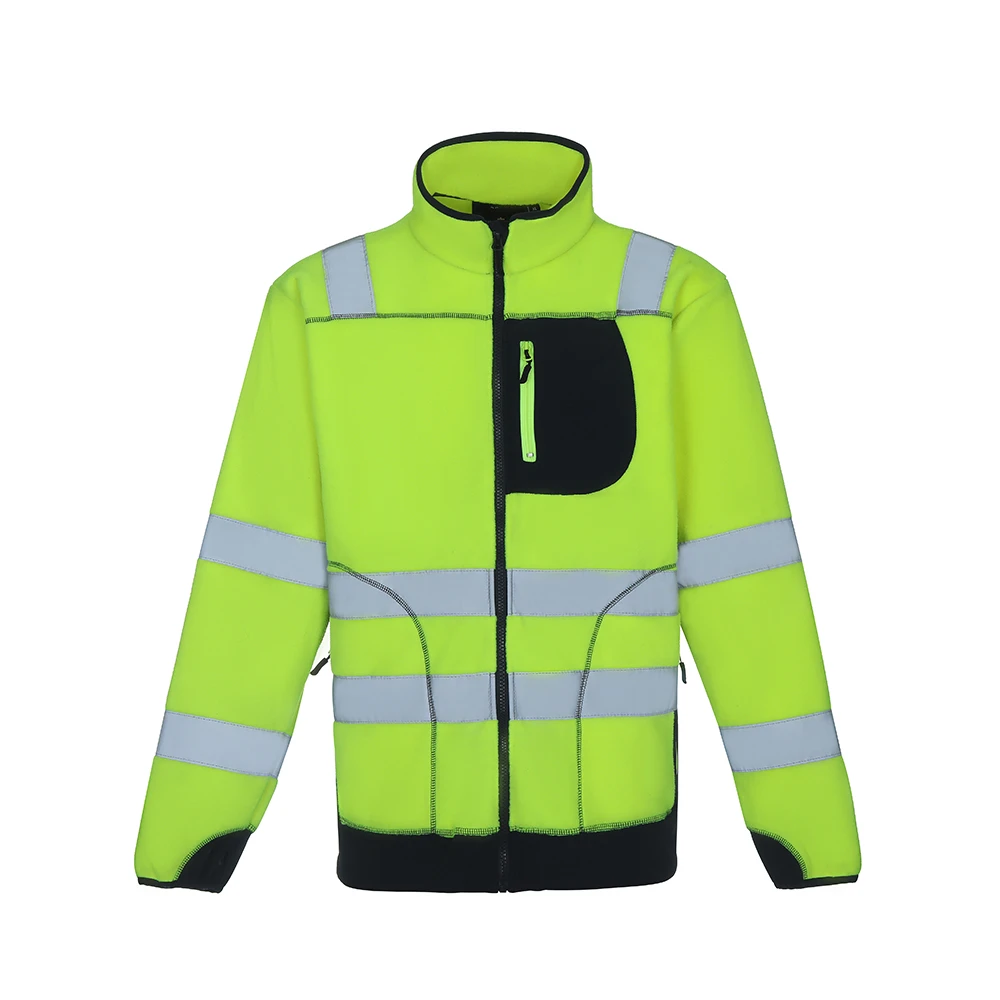
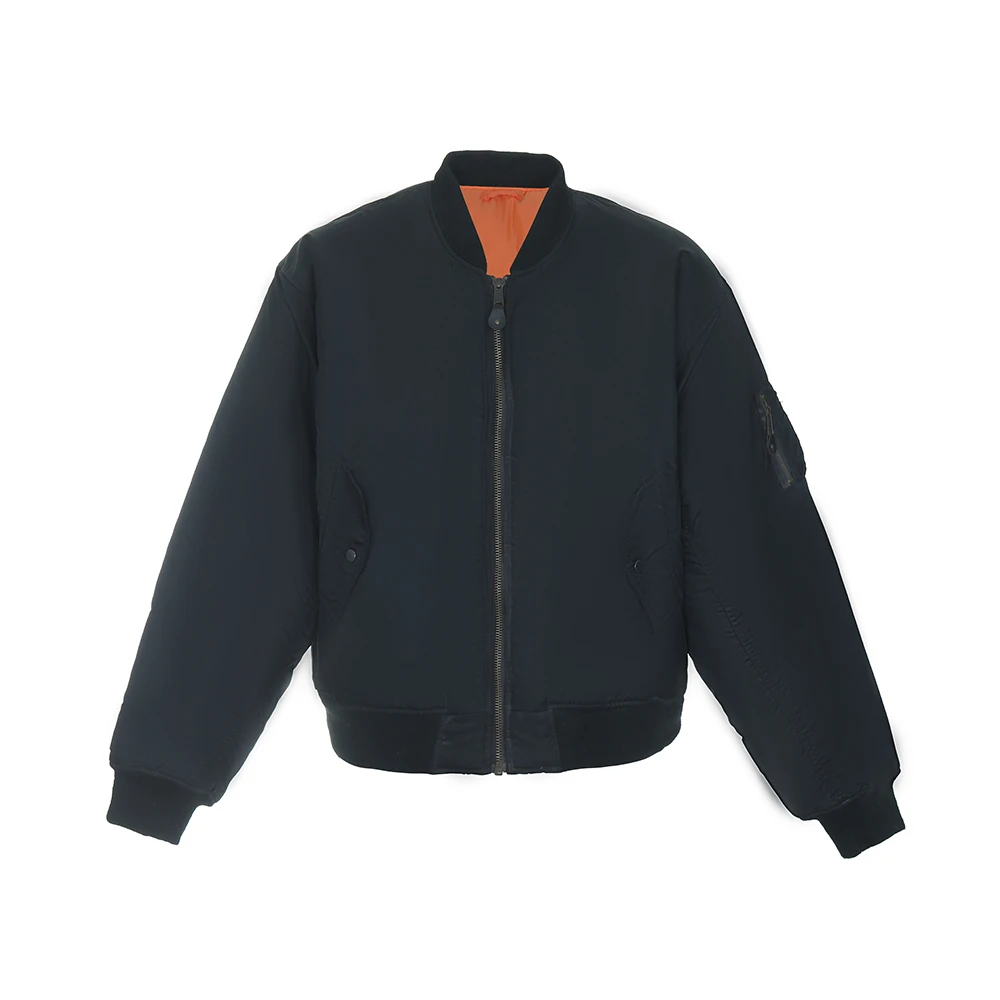
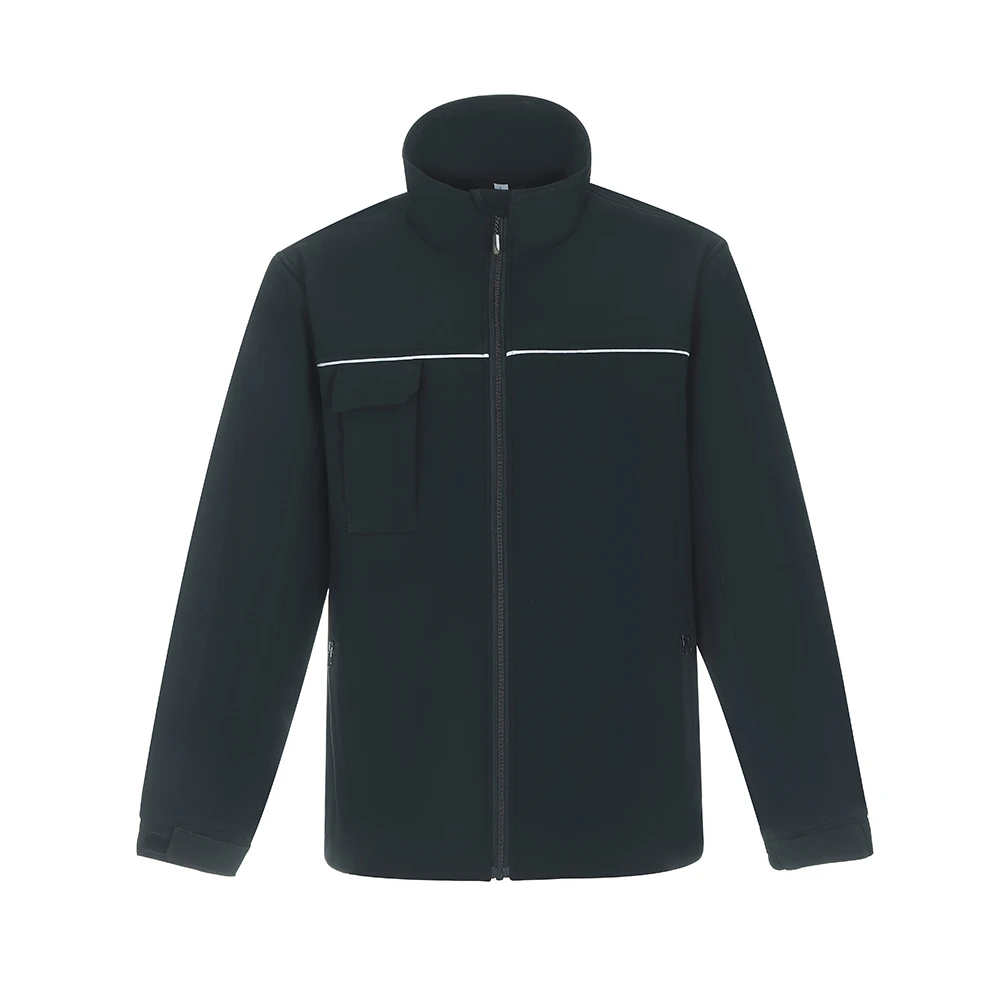
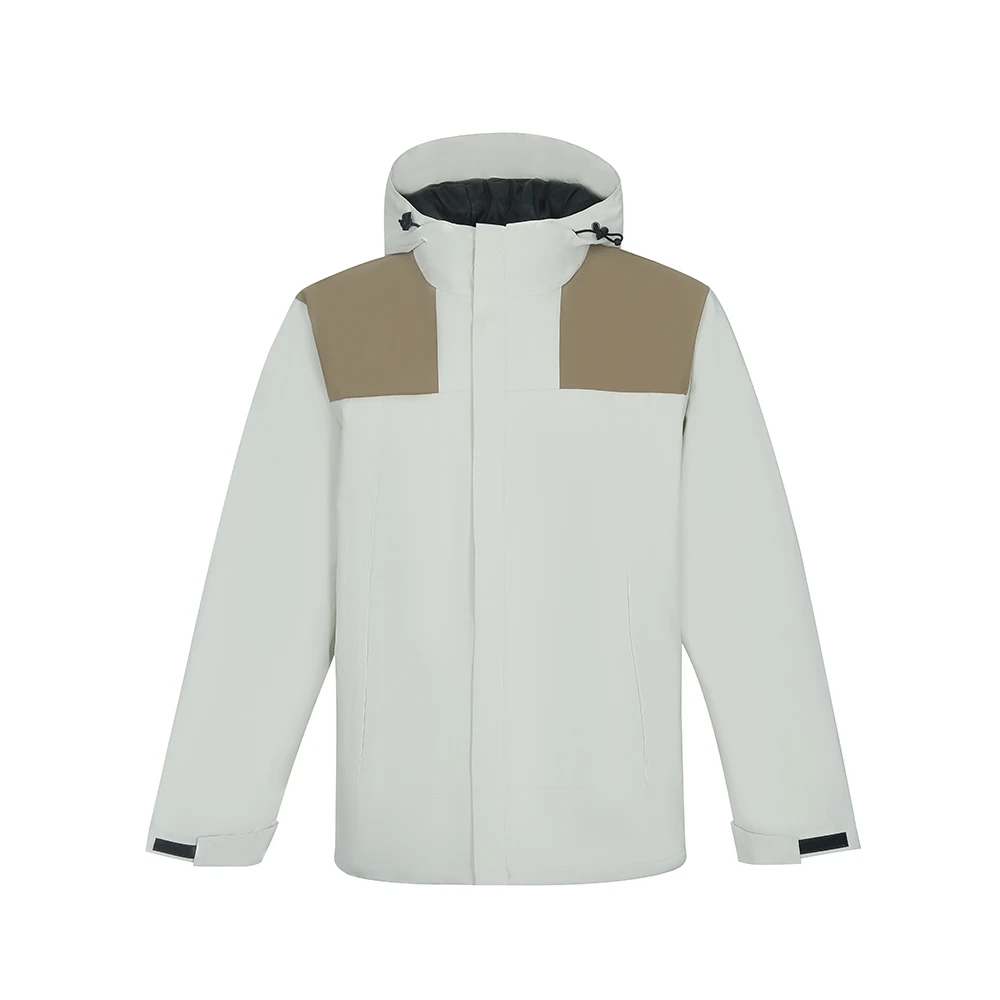
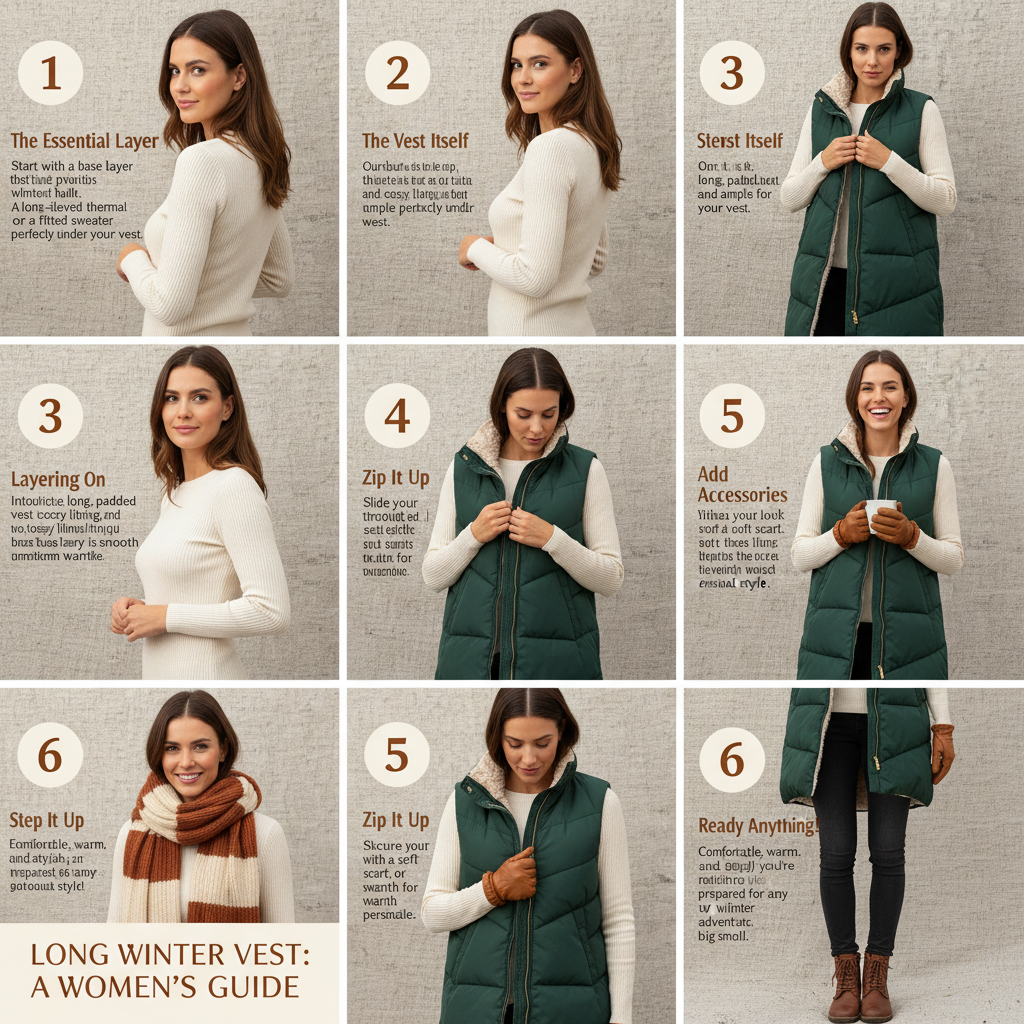
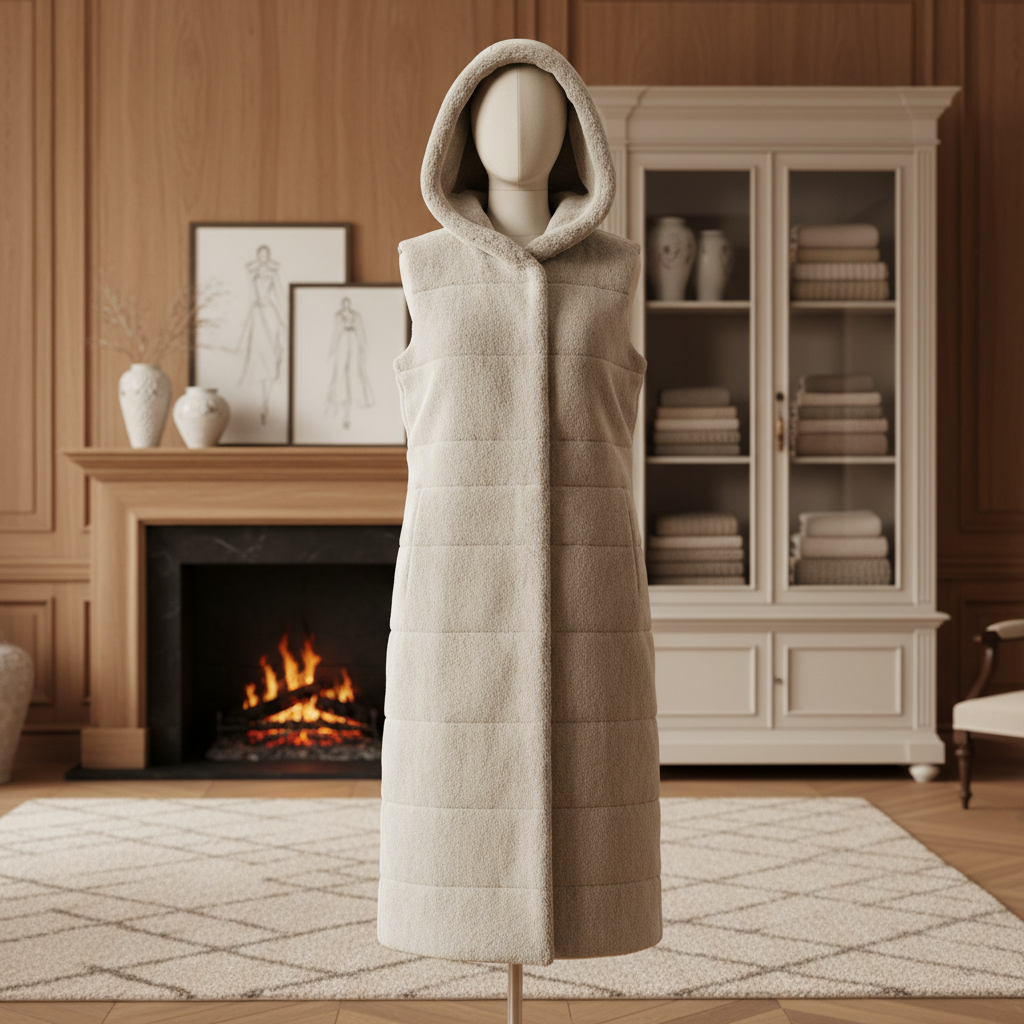
Warm Vest for Industrial Use – Durable Thermal Protection from QS Clothing
Warm Vest is a key solution in the industry, specifically within sectors requiring reliable personal thermal protection for workers exposed to cold environments. This article explores how https://www.qsclothing.com supports professionals with durable, high-performance products, and explains why this product is an ideal choice for businesses in these sectors.
Table of Contents
- Warm Vest Overview
- Benefits & Use Cases of Warm Vest
- Cost, Maintenance & User Experience
- Sustainability & Market Trends
Warm Vest Overview
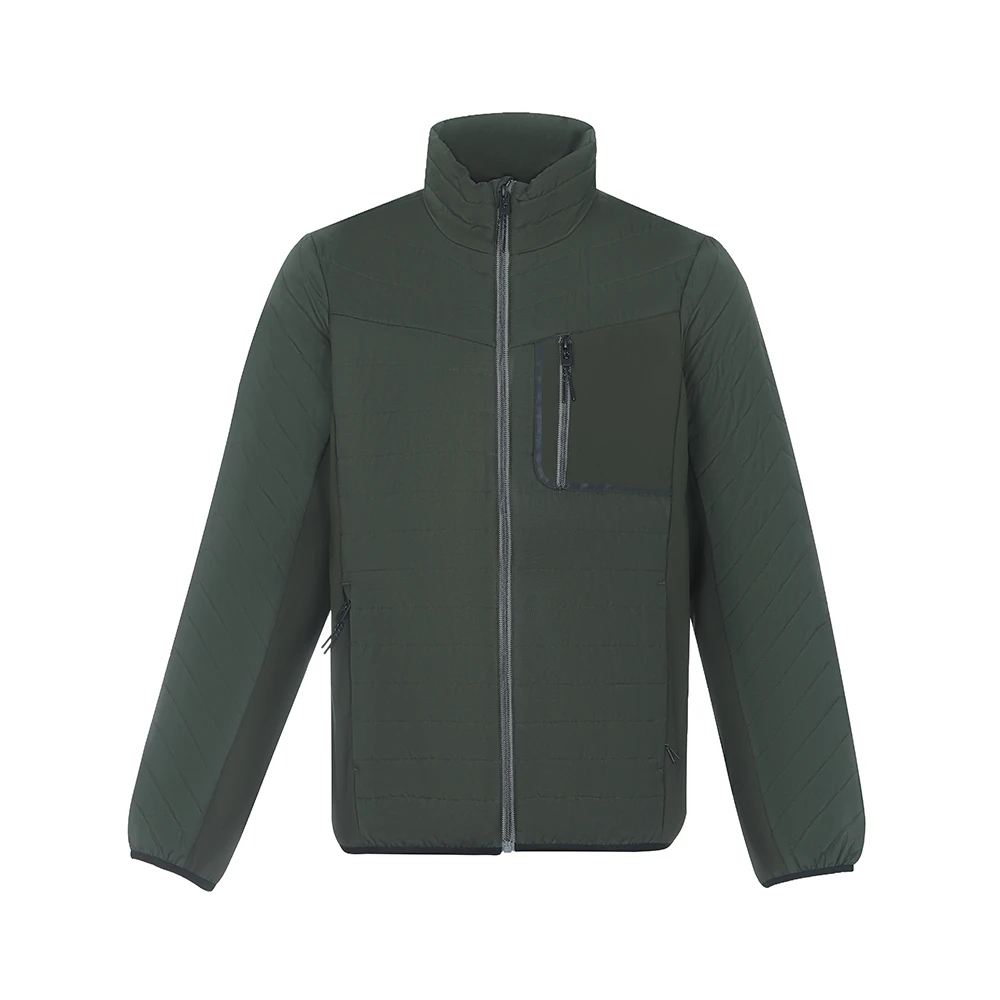
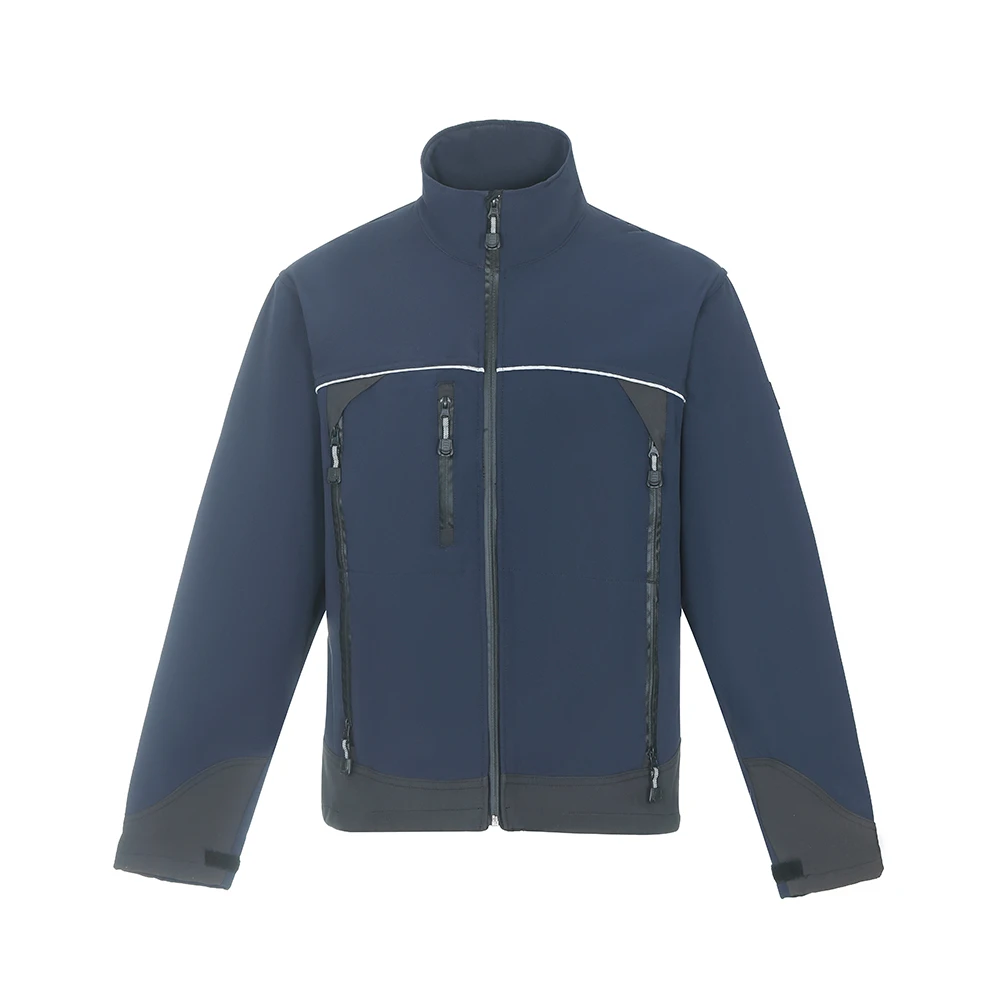
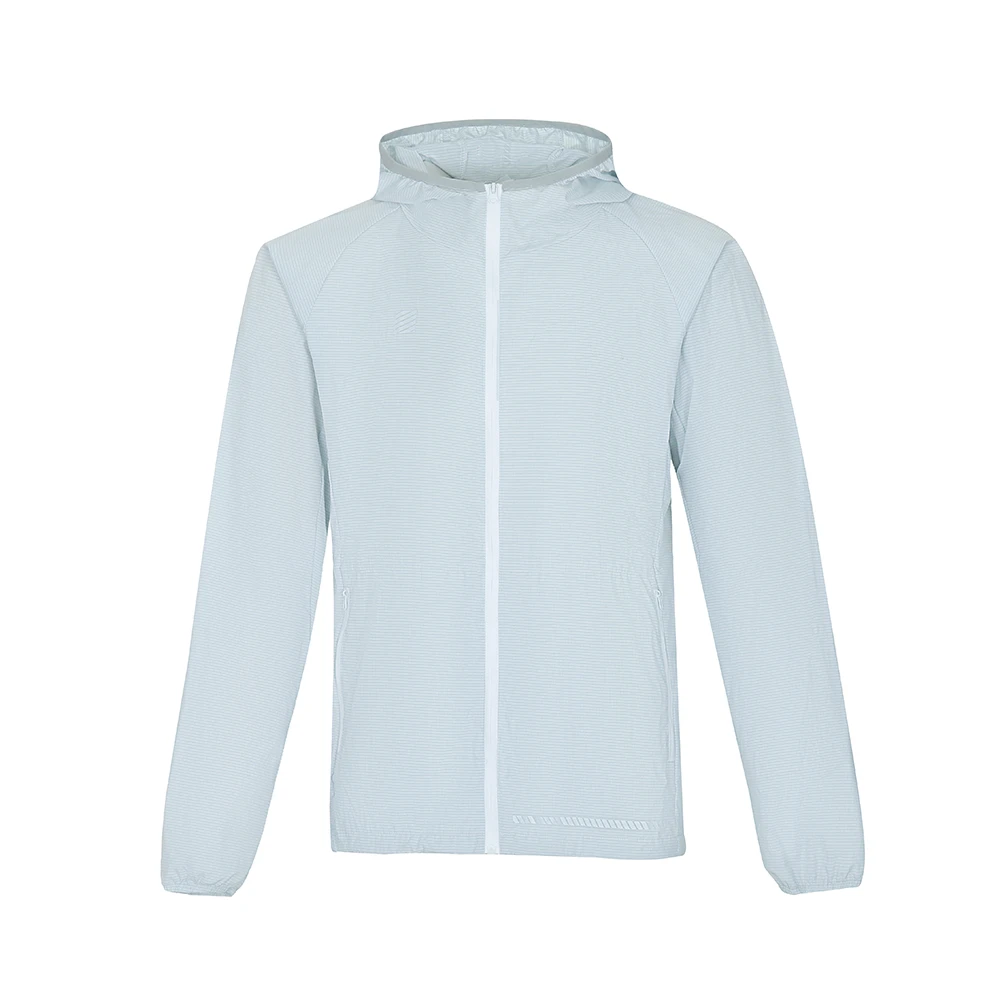
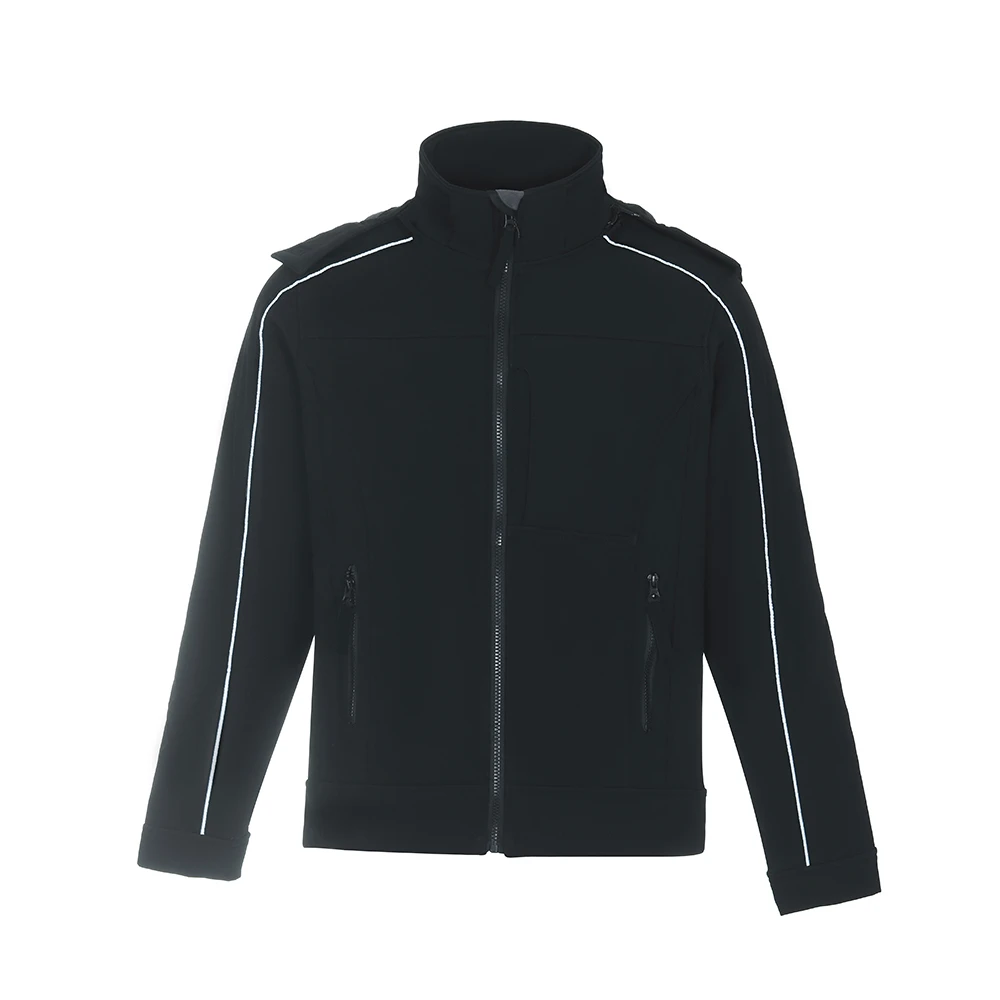
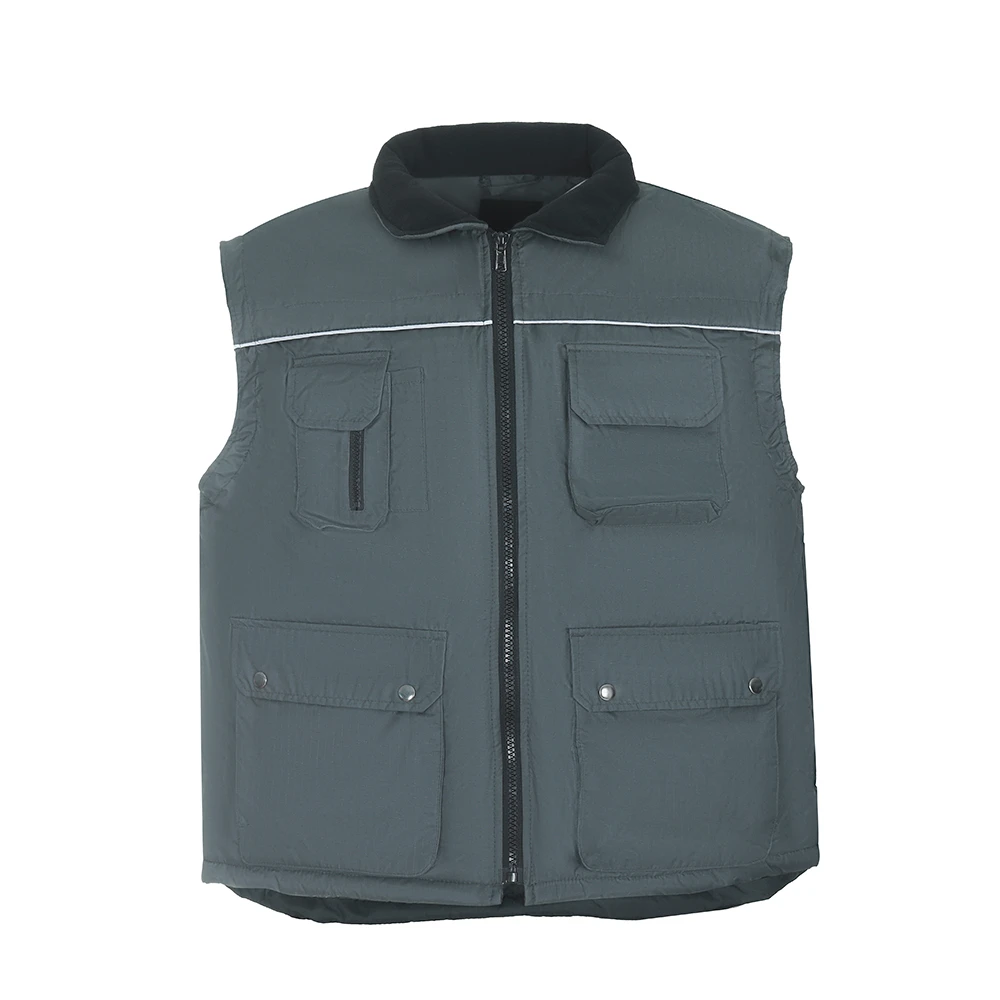
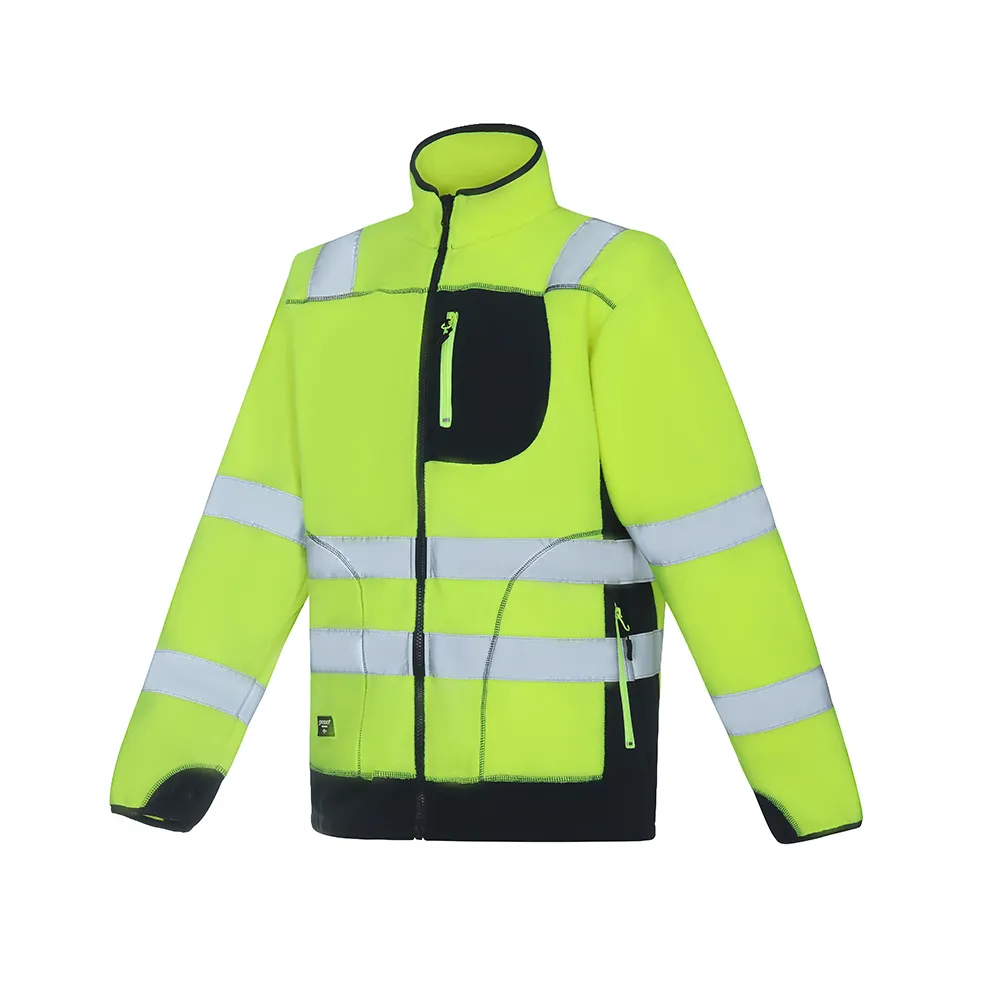
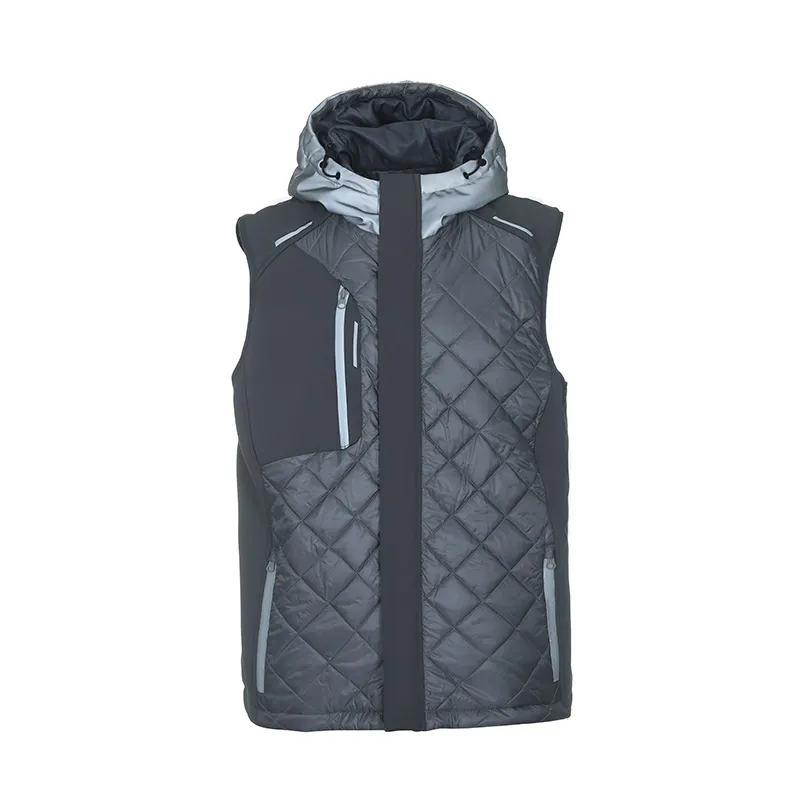
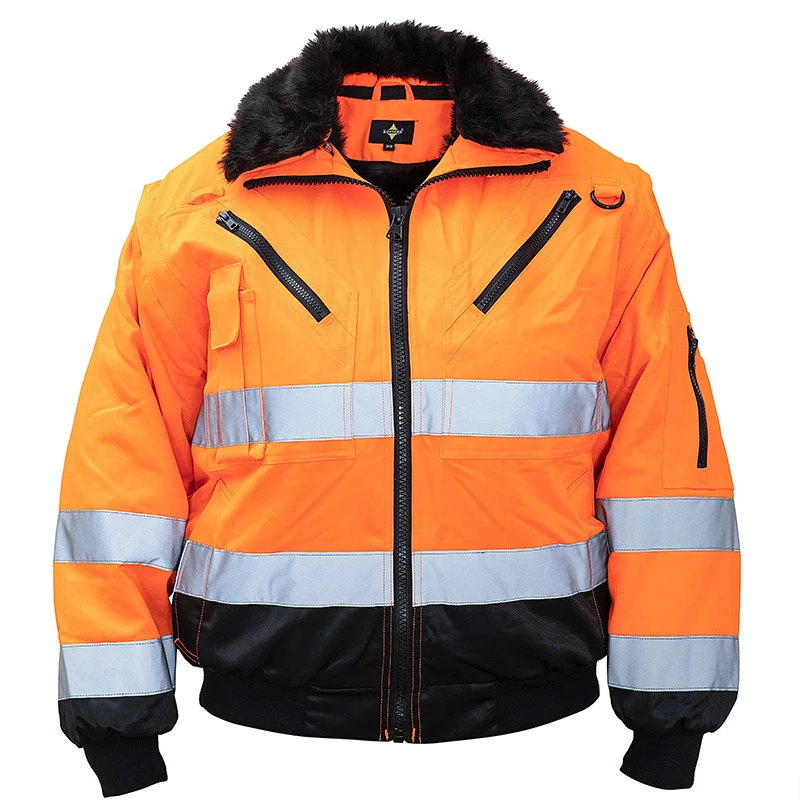
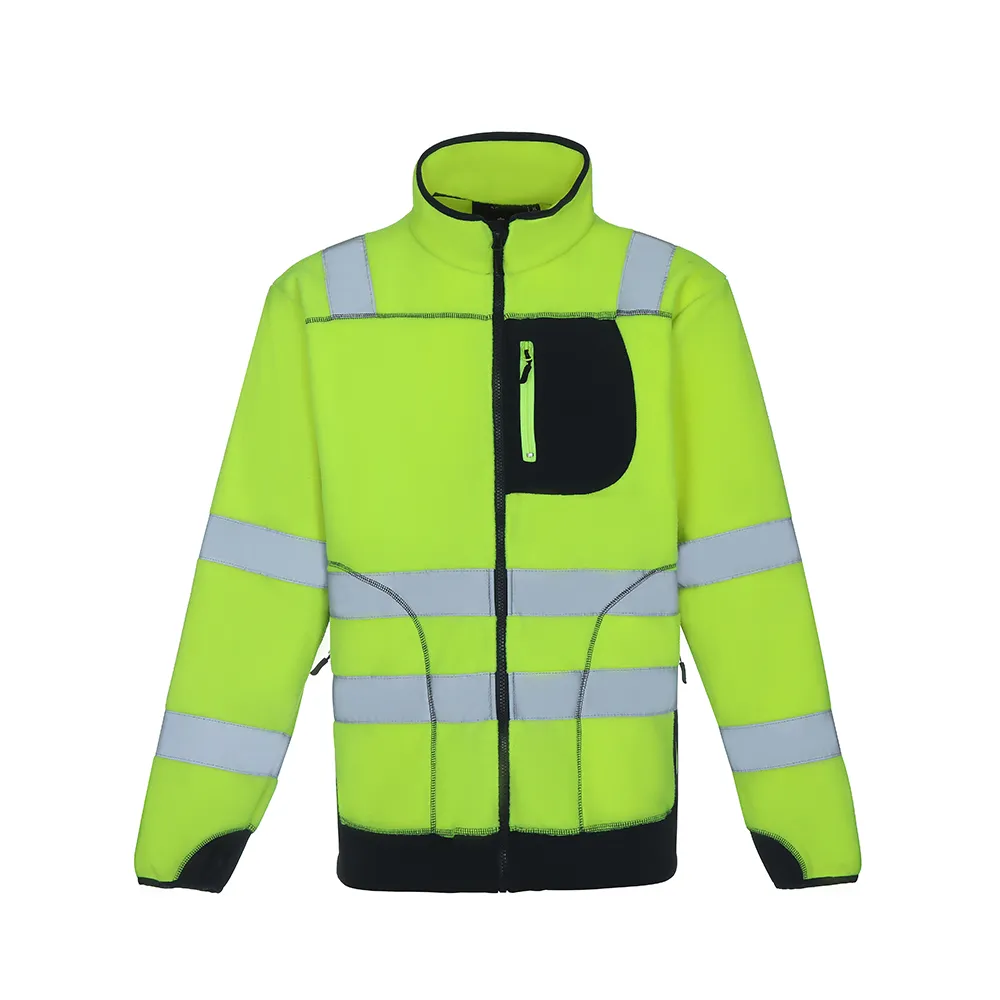
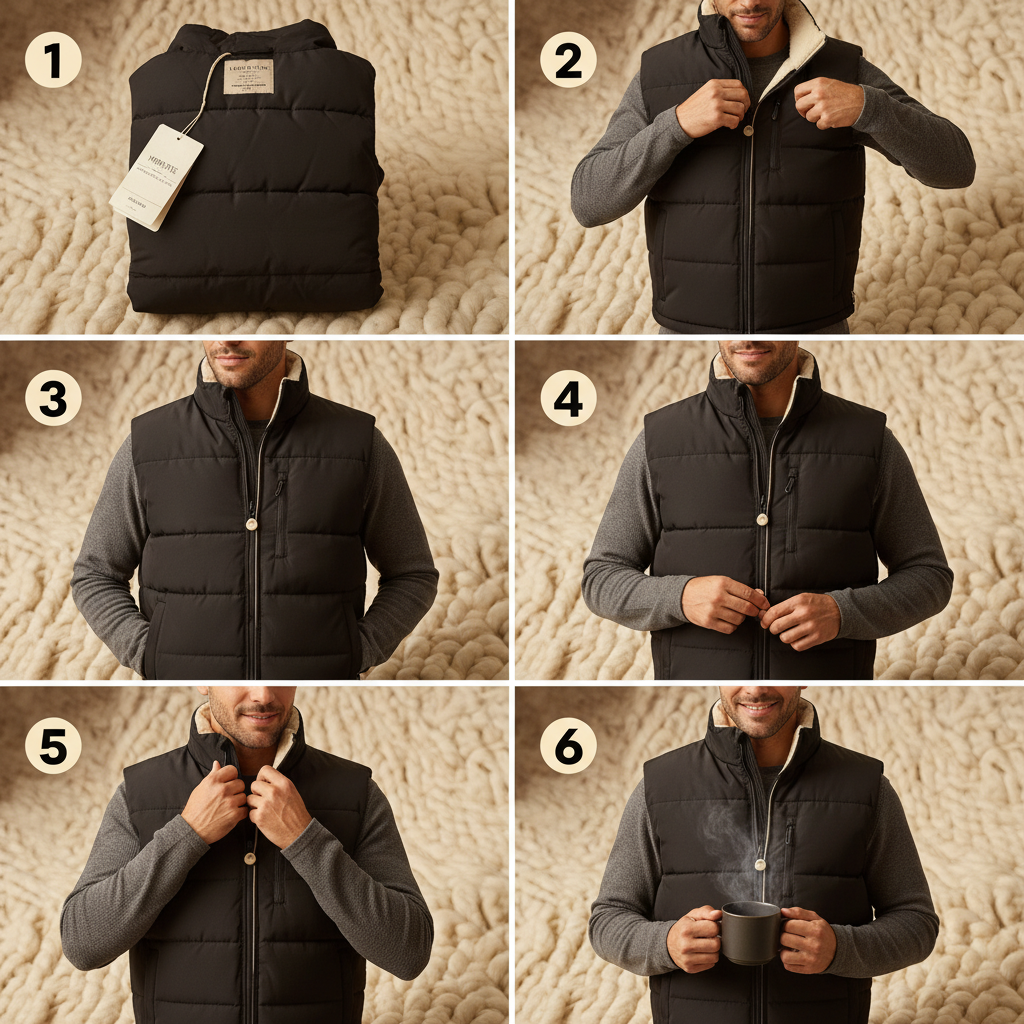
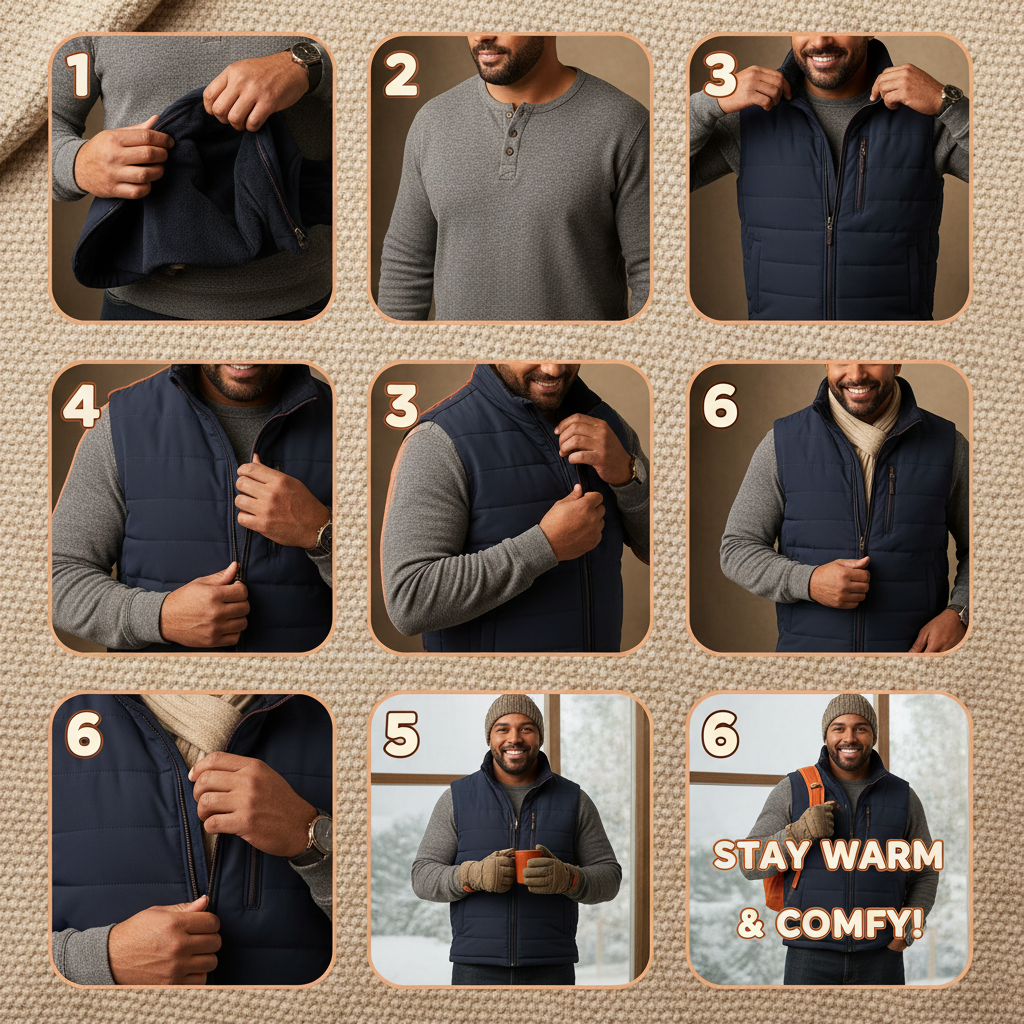
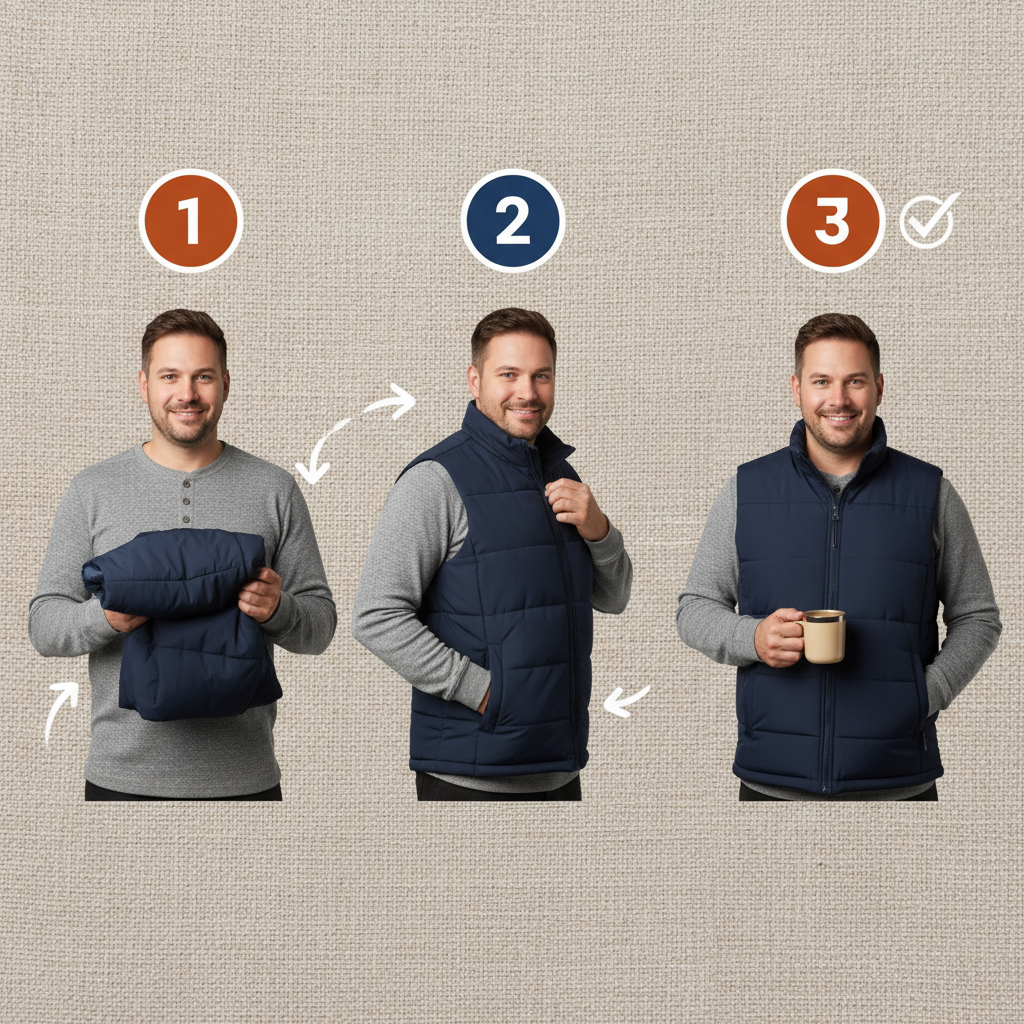
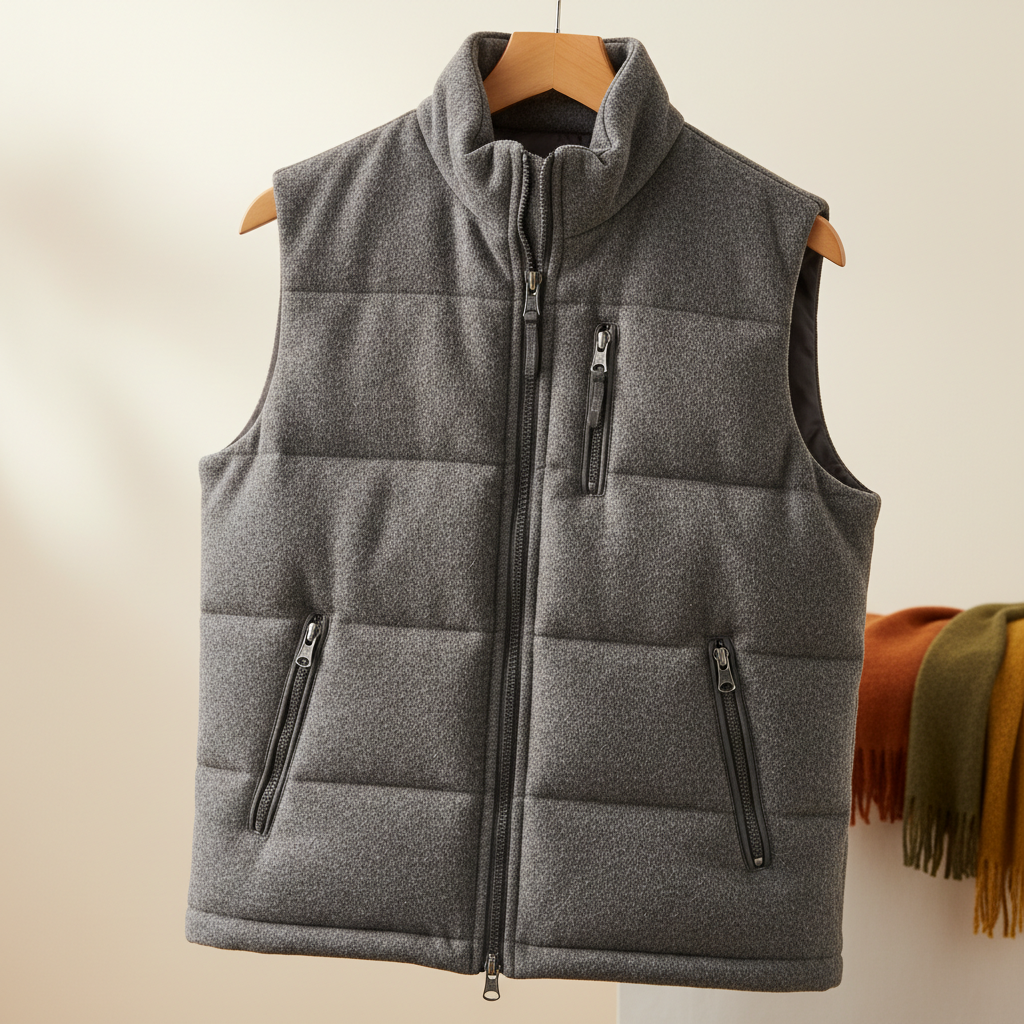
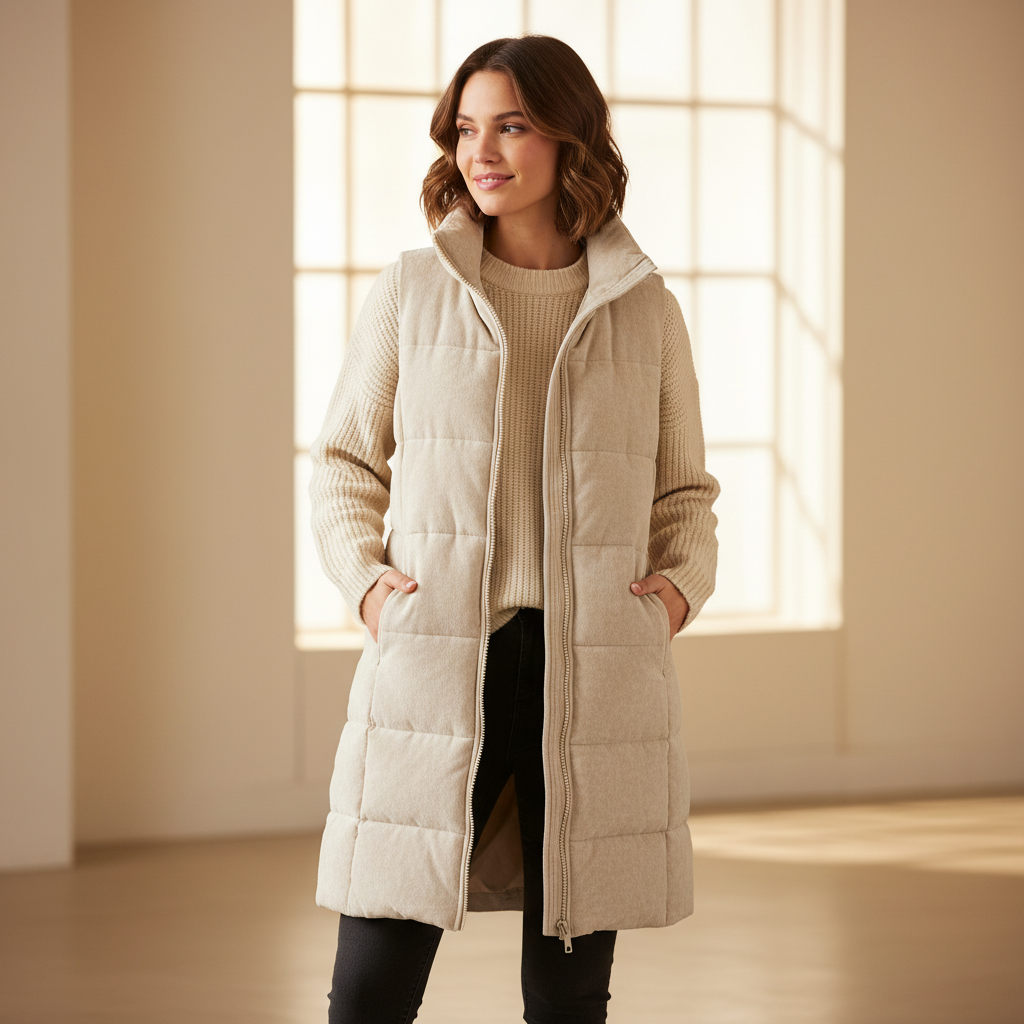
The Warm Vest is essentially a specialized sleeveless garment designed to provide core body warmth in demanding industrial environments. Whether it’s outdoor construction sites facing brisk winds or chilled warehouses, the vest enhances worker comfort without restricting movement. Frankly, it’s one of those simple yet vital items that makes a tangible difference in day-to-day operations.
- Made from advanced insulating fabrics such as polyester fleece and windproof shell layers.
- Lightweight design with reinforced seams, featuring moisture-wicking inner linings to keep workers dry.
- Case study: Several logistics companies have reported increased worker productivity by 15% after adopting Warm Vests during cold months, owing to improved thermal comfort.
| Specification | Details |
|---|---|
| Material | Polyester Fleece / Windproof Nylon Shell |
| Insulation | Thermal synthetic fill (150g/m²) |
| Weight | Approx. 400g (medium size) |
| Sizes Available | S, M, L, XL, XXL |
| Water Resistance | Yes, with DWR (Durable Water Repellent) coating |
Benefits & Use Cases of Warm Vest
In real terms, industries such as logistics, warehousing, oil and gas, and outdoor construction are seeing the real advantage in providing workers with Warm Vests. For example, in cold-storage warehouses where ambient temps hover below freezing, workers say the vest creates a bubble of warmth that lets them focus without distraction. I recall one plant manager mentioning how productivity noticeably improved over winter months.
- Allows freedom of arm movement while maintaining core warmth, critical for skilled labor tasks.
- Advanced thermal materials reduce weight but increase insulation efficiency, cutting down on bulk.
- Highly breathable fabric system decreases risk of overheating during active periods.
| Vendor | Price per Unit | Material Quality | Customization Options |
|---|---|---|---|
| QS Clothing | $28 | High | Logo & Color |
| Competitor A | $35 | Medium | Limited |
| Competitor B | $24 | Low | None |
Cost, Maintenance & User Experience
When considering the total cost of ownership, Warm Vests from QS Clothing strike a balance between affordability and durability. Oddly enough, many buyers overlook how the vest’s robust materials extend lifespan, reducing replacements and, in turn, lowering overall costs. A logistics firm I talked to found that the ROI was quickly realized after fewer damaged goods and worker sick days.
- Easy to wash with retained insulation, meaning less frequent replacement.
- Customer feedback highlights superior comfort and heat retention compared to prior gear.
- Close fit design helps reduce wind penetration while remaining breathable.
Sustainability & Market Trends
Sustainability is ever more relevant, and companies such as QS Clothing are increasingly incorporating recycled fibers into their Warm Vests. Regulations encouraging eco-friendly products mean the market is shifting towards materials that reduce environmental impact without sacrificing performance. It’s sort of reassuring to see technical garments catching up with global green initiatives.
- Industry analysts predict 8% annual growth in thermal workwear through 2028.
- Advancements in fabric tech allowing better insulation with lower material weight.
- Rising demand from cold climate regions expanding product reach globally.
Frequently Asked Questions about Warm Vest
- What is Warm Vest and how does it work?
- Simply put, Warm Vest is a sleeveless insulating garment that traps body heat around the torso, helping workers maintain comfort in cold environments. It uses synthetic insulation and windproof materials to reduce heat loss while allowing air circulation.
- What are the main benefits of using Warm Vest in industrial applications?
- Key benefits include increased worker comfort, improved productivity due to less distraction from cold, durable construction for long service life, and lightweight design that won’t impede movement.
- How does Warm Vest compare to traditional alternatives?
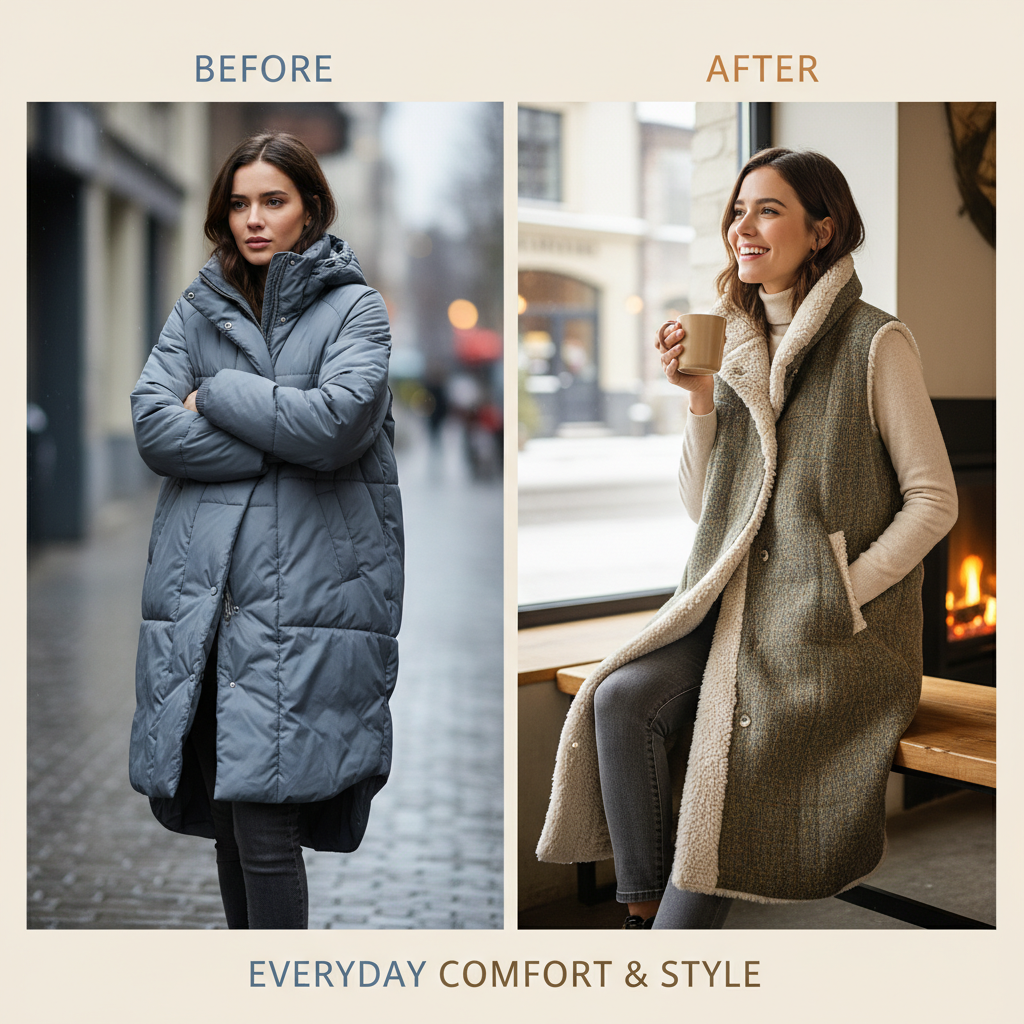
- Compared to bulky sweaters or jackets, Warm Vest offers targeted core warmth with less weight and better breathability. Technological fabric advances mean it’s water-resistant and quicker drying, making it more practical for industrial use.
- What industries can benefit most from Warm Vest implementation?
- Outdoor construction, warehousing, cold chain logistics, oil and gas field work, and agriculture are primary sectors where Warm Vest improves workforce welfare and operational efficiency.
Conclusion on Warm Vest from china
In summary, Warm Vest offers a pragmatic and cost-effective way to safeguard workers’ core temperature, a factor that's often undervalued but has significant operational impact. It’s offered with quality materials, customizable options, and an eye on sustainability trends — a combination that makes it stand out in today’s market. For decision makers, it’s worth considering this solution to empower your teams year-round.
- Recap the value of Warm Vest.
- - Visit our website: https://www.qsclothing.com
Reflecting on thermal workwear, it’s clear that incremental improvements in garment design have magnified worker safety and efficiency over time. Warm Vest is a neat example of combining tradition with innovation, supporting businesses as practical challenges evolve.
References:
1. Industry case study data from QS Clothing client reports (2023)
2. Thermal apparel market forecast, Textile Insights Journal (2023)
3. Worker safety reports, Occupational Health Review (2022)