The Ultimate Guide to Summer Yoga Clothes: Comfort, Sustainability & Style
Summer Yoga Clothes: The Essential Guide to Staying Cool and Comfortable
Let’s be honest — summer yoga clothes might not sound like a life-changing topic at first glance. But, as it turns out, choosing the right apparel for your hot-weather practice has layers of practical, environmental, and even global significance. From moisture-wicking fabrics to sustainable sourcing, summer yoga clothes are woven deeply into broader industry trends and consumer expectations. So, why does it really matter? We’re talking about performance wear that can elevate your experience, protect your skin, and reduce environmental impact — all while meeting the growing global demand for more responsible textile options.
Why Summer Yoga Clothes Matter Globally
According to the United Nations’ climate reports, the world is experiencing longer, hotter summers. That means more sweaty yoga sessions, more need for breathable apparel, and, frankly, smarter gear choices. The global athleisure market is booming, expected to exceed $517 billion by 2025 (Statista), with summer-specific sportswear playing an increasingly important role. Problems like overheating, skin irritation, and environmental waste are exactly what summer yoga clothes seek to alleviate.
Mini Takeaway: Summer yoga clothes aren’t just about style—they address rising global temperatures and consumer demands for comfort and sustainability.
What Exactly Are Summer Yoga Clothes?
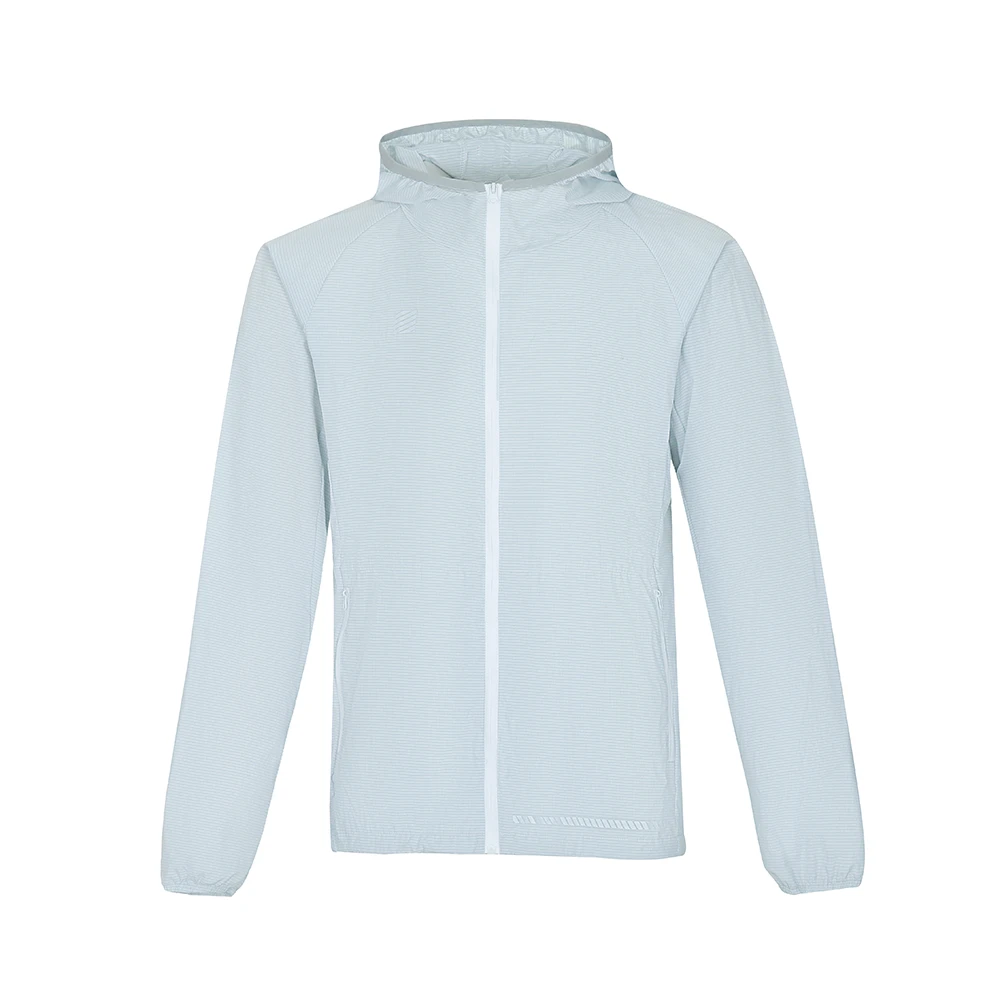
Simply put, summer yoga clothes are clothing items specially designed to keep you cool and comfortable during warm weather yoga sessions. They emphasize breathability, moisture management, UV protection, and light, flexible fabrics. Think lightweight tank tops, breathable leggings, and quick-dry shorts.
The connection to modern industry lies mostly in textile innovation. Advances in fabric technology, like recycled polyester or natural bamboo fibers, meet both the needs of practitioners and environmental standards, which is increasingly critical for global apparel markets and humanitarian considerations around sustainability.
Mini Takeaway: Summer yoga clothes combine comfort with high-tech fabrics, promoting both performance and planet-friendly practices.
Key Attributes of Effective Summer Yoga Clothes
1. Breathability
Materials that allow maximum airflow keep the skin cool and minimize irritation. Fabrics like mesh panels, bamboo, and lightweight cotton blends are common choices.
2. Moisture-Wicking
Perhaps the most critical factor — moisture-wicking fabrics pull sweat away from your skin to the outer fabric surface, helping it evaporate quickly and keeping you dry.
3. UV Protection
Some summer yoga clothes offer a UPF rating, shielding practitioners from harmful ultraviolet rays, which is especially important if you practice outdoors.
4. Stretch & Comfort
Yoga involves lots of movement. High-quality elastane blends provide the necessary stretch without losing shape or feeling restrictive.
5. Sustainability
Recycled fabrics, organic cotton, and natural dyes reduce environmental impact. As many yoga wear brands shift towards eco-conscious production, this has become more than a buzzword.
6. Durability
Good yoga apparel holds up to regular washing and wear, retaining color and fabric integrity over time — especially important in summer when sweat and frequent washes are common.
Mini Takeaway: The best summer yoga clothes balance breathability, moisture management, UV protection, stretch, and ecological responsibility.
Product Specification Table for Summer Yoga Clothes
| Feature | Typical Specification | Benefit |
|---|---|---|
| Material | Recycled polyester, bamboo blend, organic cotton | Eco-friendly; soft & breathable |
| Moisture-Wicking | Yes, often proprietary fabric tech | Keeps skin dry and comfortable |
| UV Protection | UPF 30 or higher | Protects against harmful rays |
| Stretch | 10-20% elastane/spandex | Allows full range of motion |
| Weight | 120-180 gsm (grams per square meter) | Lightweight for summer comfort |
Global Applications and Use Cases
Across continents, from hot urban centers in India to sunny California beaches, summer yoga clothes perform a vital role. Traditional cotton tank tops struggle to keep up when the temperature spikes beyond 85°F (29°C), but innovations in fabric technology provide relief worldwide. Yoga studios and outdoor fitness parks rely heavily on moisture-wicking, durable attire. Sports retailers in Europe and North America report an uptick in demand for gear that beats the heat.
On a humanitarian level, organizations working in tropical disaster zones or refugee camps facing hot climates increasingly source high-performance apparel not only for yoga but general comfort and mobility for aid workers and participants. Oddly enough, something as niche as summer yoga clothes ends up having ripple effects in social and health programs.
Vendor Comparison Table: Popular Summer Yoga Clothes Brands
| Brand | Sustainability | Price Range | Core Material | Notable Features |
|---|---|---|---|---|
| Lululemon | Moderate (some recycled fabrics) | $80 - $130 | Nulu™ fabric (polyester blend) | Soft feel, four-way stretch, sweat-wicking |
| Prana | Strong (organic cotton, recycled fibers) | $60 - $100 | Organic cotton, recycled polyester | Fair Trade certified, eco-focused |
| Athleta | Strong (recycled and sustainable fabrics) | $50 - $120 | Recycled nylon/elastane blends | Inclusive sizing, high breathability |
| Girlfriend Collective | Excellent (100% recycled materials) | $70 - $90 | Recycled water bottles polyester | Eco packaging, ethical production |
Advantages and Long-Term Value of Summer Yoga Clothes
Choosing the right summer yoga clothes delivers more than just coolness — there's emotional comfort in knowing you won’t be drenched in sweat while moving through your routine. Practicing yoga with fabrics that protect your skin and feel light can make the difference between a thoughtless workout and a mindful ritual. Moreover, the environmental benefits of sustainable fabrics reduce your carbon footprint — a small but important step towards responsible consumption.
Socially, brands investing in fair trade and organic materials contribute to better labor conditions globally. It’s kind of reassuring that your stretchy pants might support ethical sourcing and innovation. And from a logical perspective, durable and well-designed summer yoga clothes save money because you replace them less often.
Mini Takeaway: The best summer yoga apparel combines comfort, health benefits, sustainability, and social responsibility — a win-win.
Future Trends & Innovations in Summer Yoga Clothes
- Biodegradable fabrics: Research into natural fibers that break down quickly after use promises to reduce landfill waste.
- Smart textiles: Clothing embedded with sensors to monitor body temperature or hydration is on the horizon.
- Waterless dyeing technologies: Aiming to reduce water consumption in apparel production.
- Increased circularity: More programs for take-back and recycling, closing the loop in yoga wear lifecycle.
These innovations reflect not just trends but thoughtful responses to both consumer expectations and climate realities.
Challenges & Practical Solutions
There are limits, of course. For example, highly breathable fabrics can sometimes compromise durability, and sustainable materials may cost more upfront — potentially putting them out of reach for some consumers. Still, many brands balance these factors by blending organic fibers with synthetics, ensuring longevity without sacrificing comfort.
Washing and care can be another headache. Delicate fabrics degrade if not treated properly, which can shorten garment lifespan. The solution? Clear consumer education and improved fabric engineering to tolerate everyday wear. Finally, sizing inclusivity remains uneven but is improving across many vendors.
FAQ: Frequently Asked Questions About Summer Yoga Clothes
-
Q: What materials work best for summer yoga clothes?
A: Look for lightweight, moisture-wicking fabrics like recycled polyester, bamboo blends, and organic cotton. Elastane blends provide stretch without overheating. -
Q: How do I care for moisture-wicking yoga clothes?
A: Wash in cold water, avoid fabric softeners, and air dry when possible to maintain their sweat-wicking properties. -
Q: Can sustainable summer yoga clothes be affordable?
A: Yes, many brands offer mid-range pricing and even sales. Investing in durability also saves money over time. -
Q: Are UV-protected yoga clothes necessary for outdoor sessions?
A: If you practice outdoors regularly, UV protection helps prevent sun damage — a worthy feature in summer apparel. -
Q: How do I choose the right fit for yoga clothes in hot weather?
A: Prioritize breathable, slightly looser fits that allow airflow but still support movement.
Wrap-Up and Next Steps
Summer yoga clothes might seem like just another seasonal wardrobe item, but with the right choices, they become an essential part of your practice — keeping you cool, comfortable, and conscientious. The ongoing evolution of sustainable fabrics and smart design makes this the perfect time to rethink your yoga wardrobe.
Feeling inspired? Visit our website: summer yoga clothes to explore apparel tailored for you and the planet.
And hey, next time you roll out your mat on a scorching day, you’ll know your gear has got your back… and your skin.