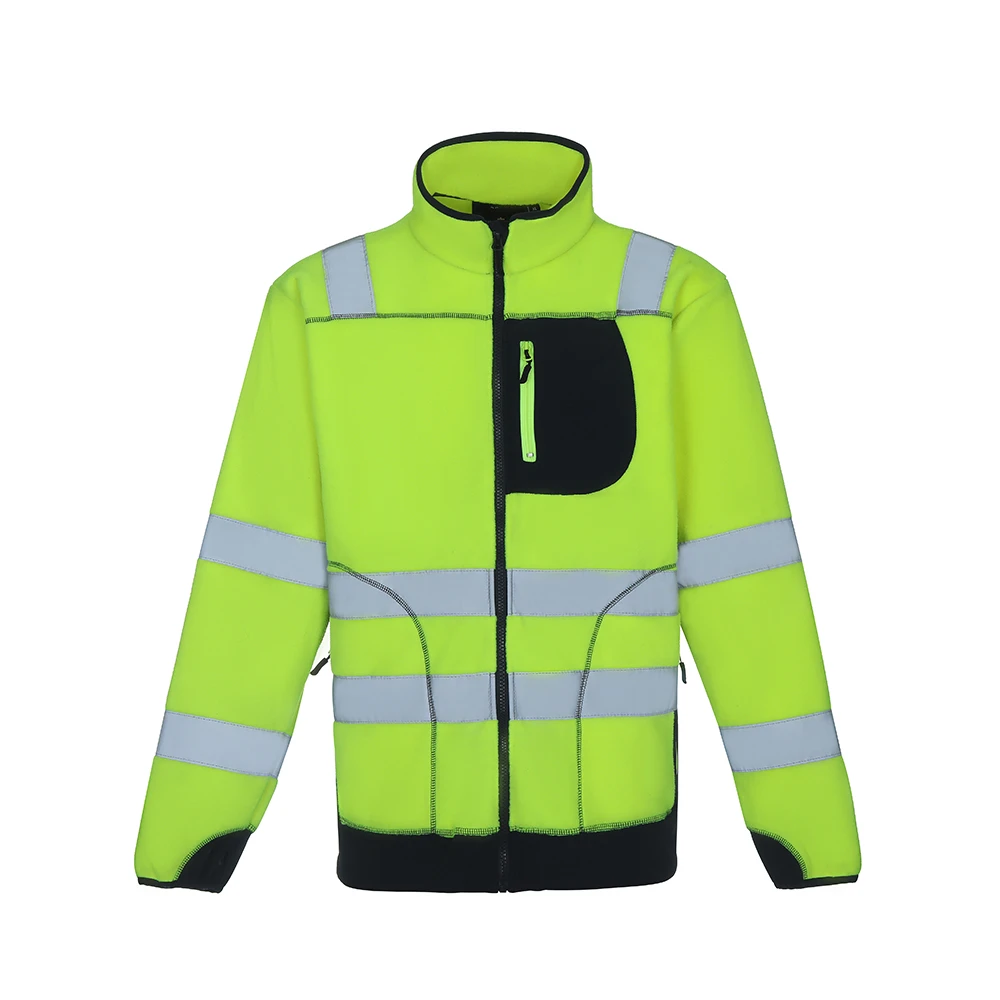
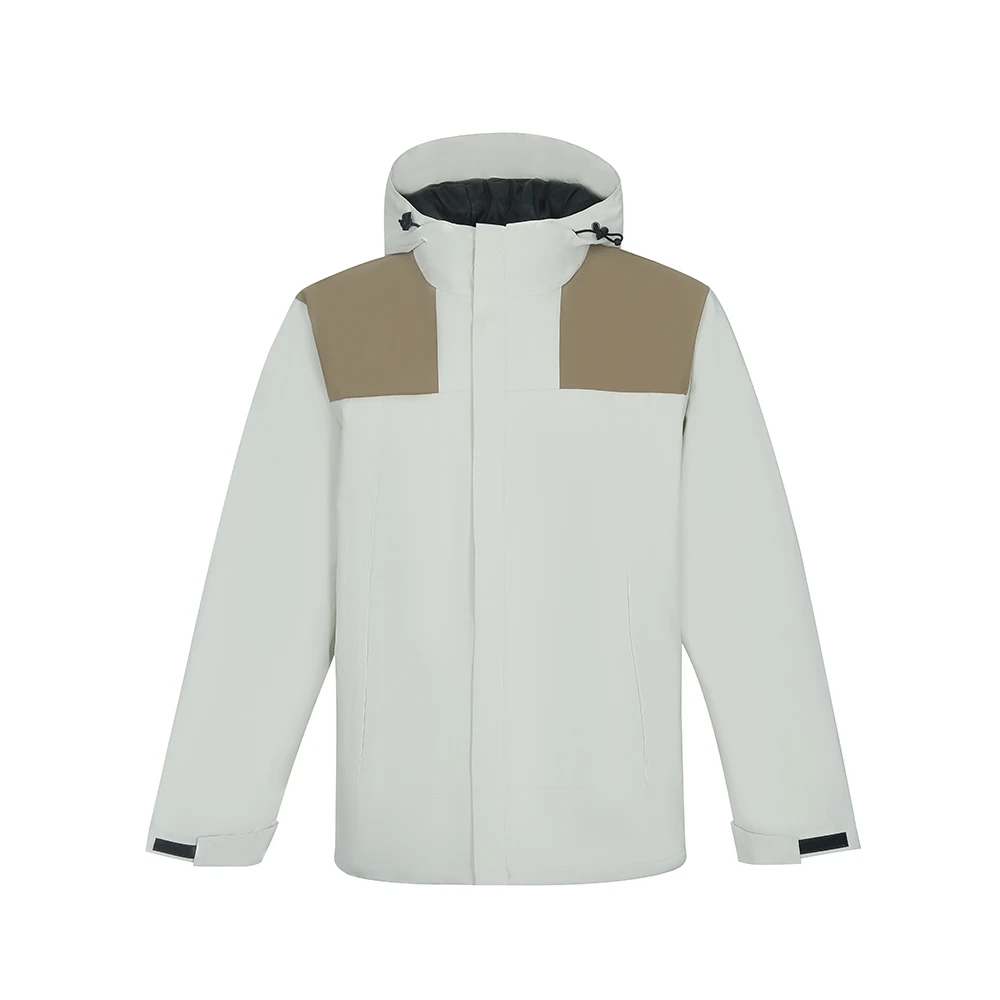
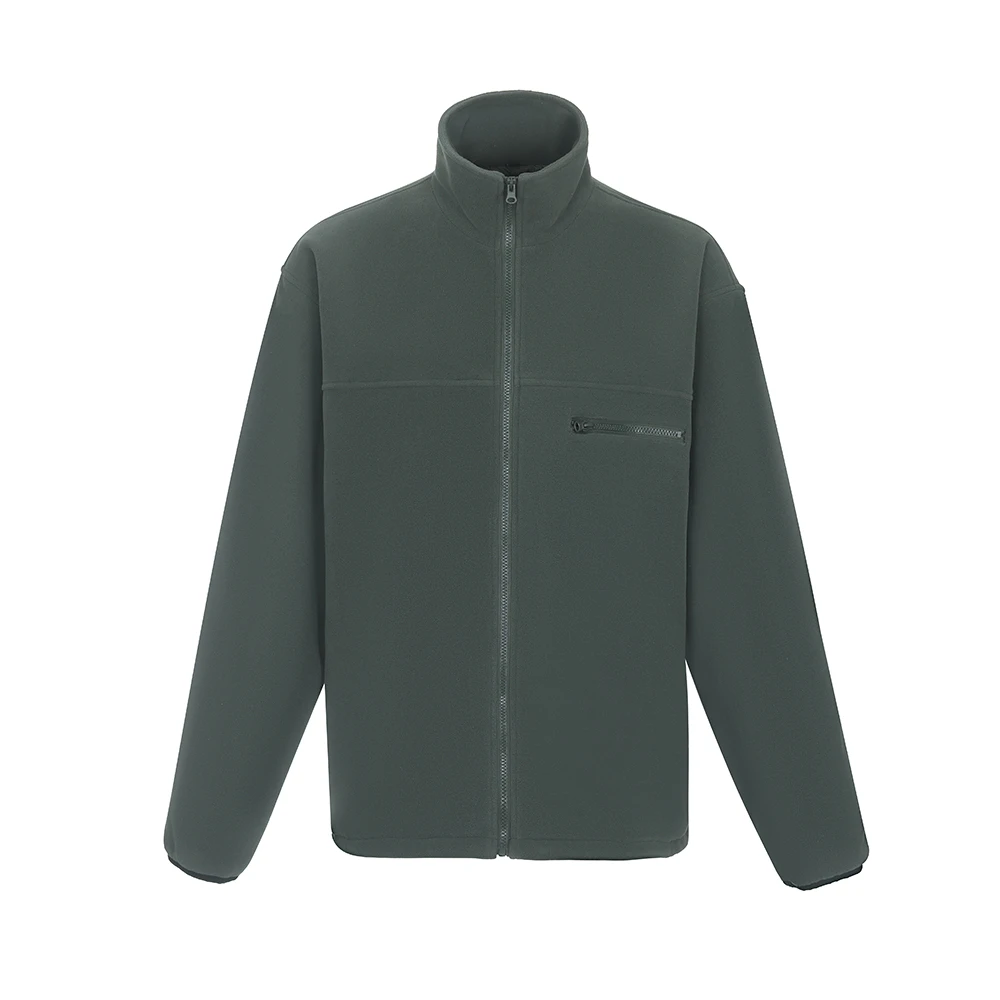
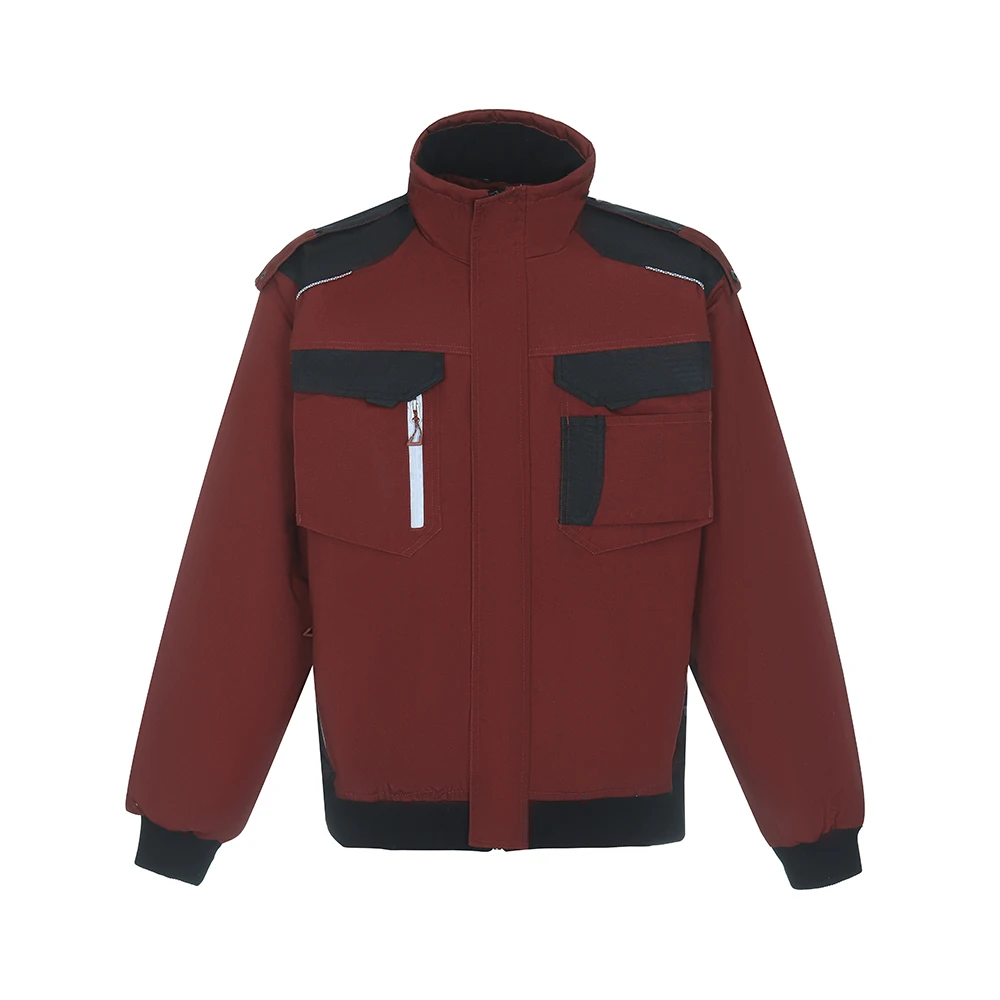
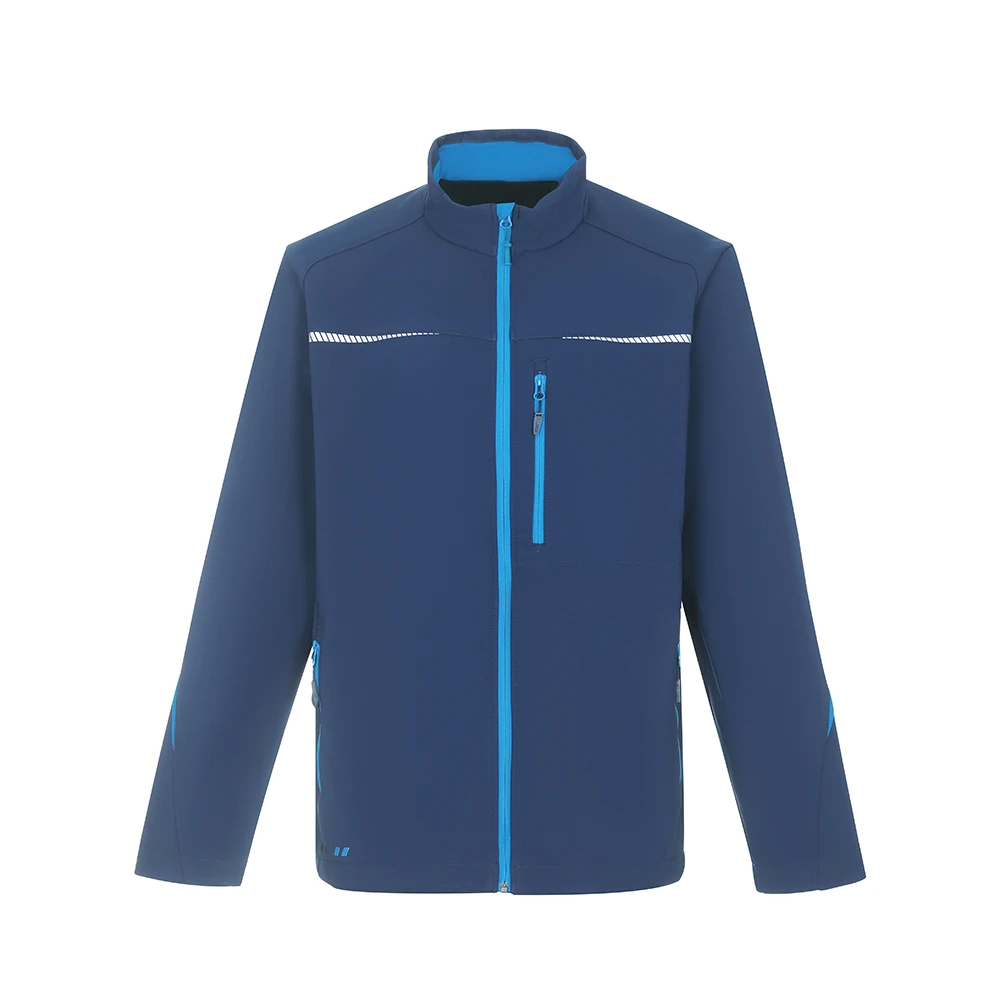
Softshell Jacket: Windproof, Breathable, Hi-Vis—Need Bulk?
Field Notes on a softshell jacket: why teams pick it over hardshells
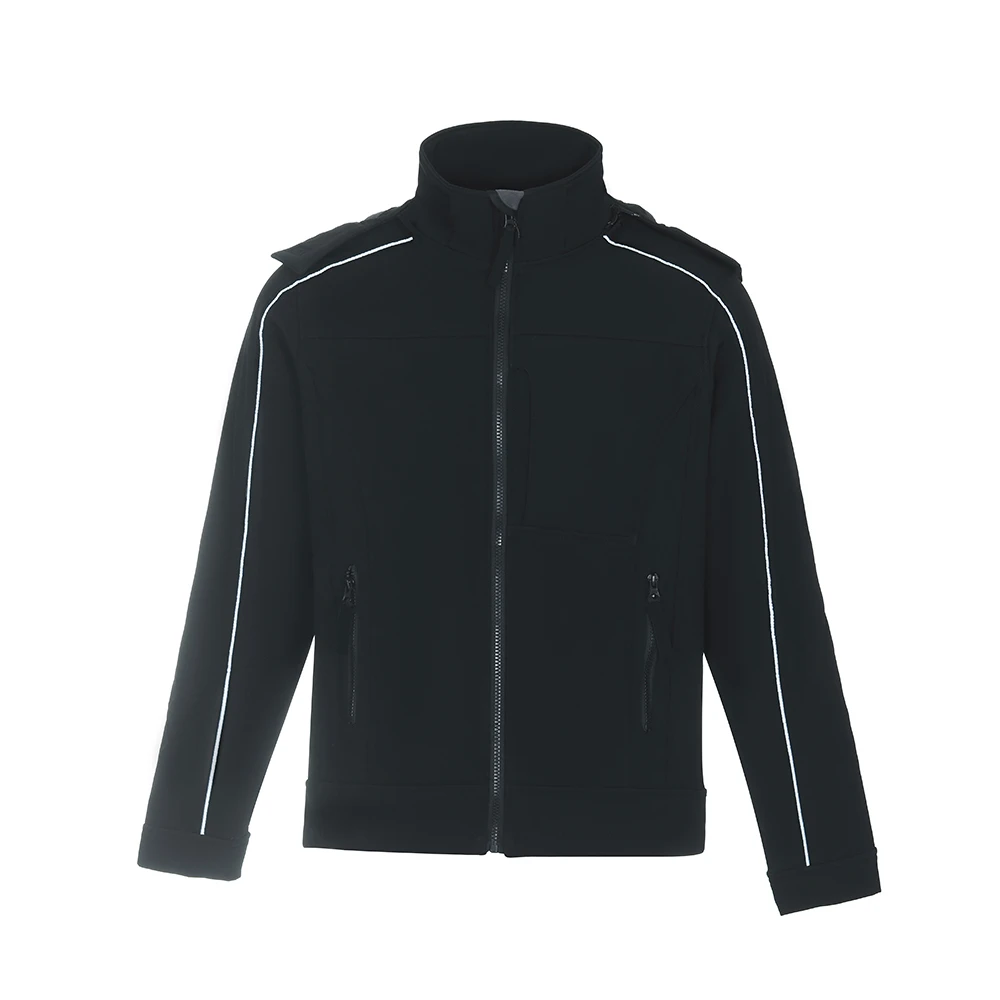
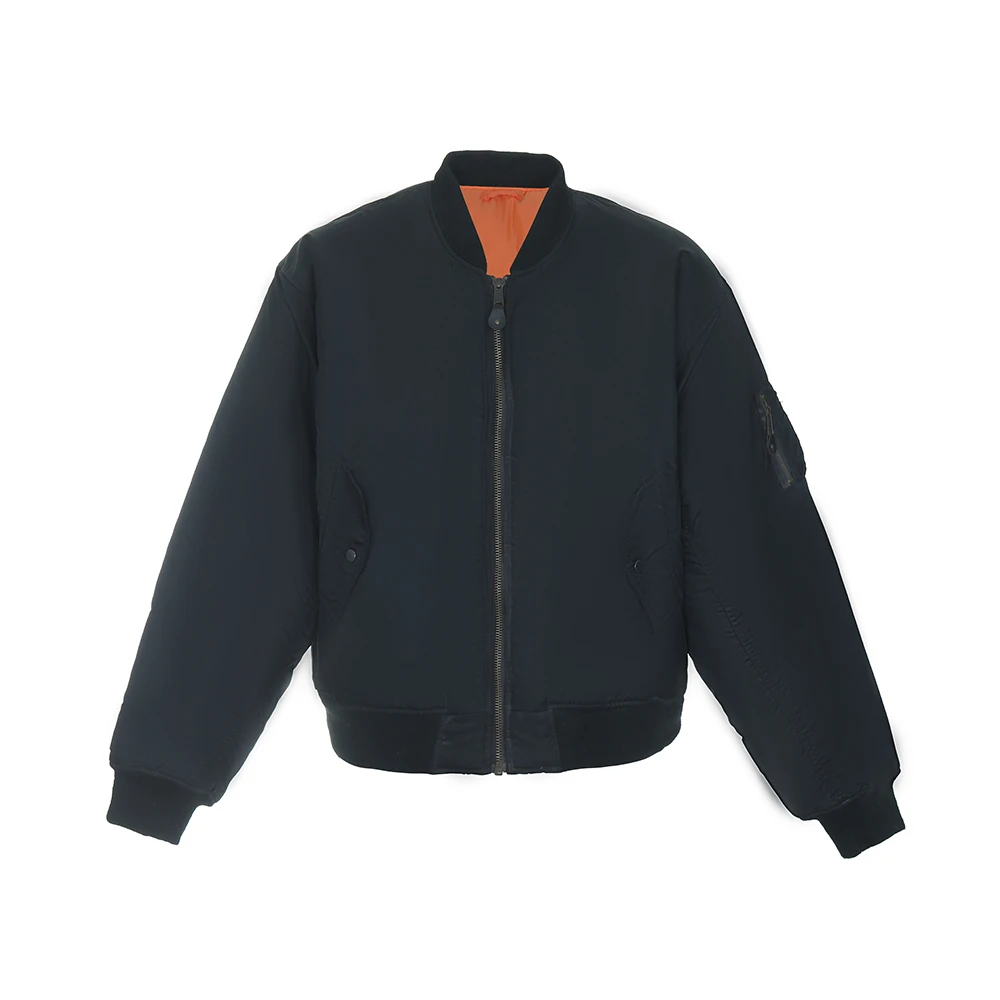
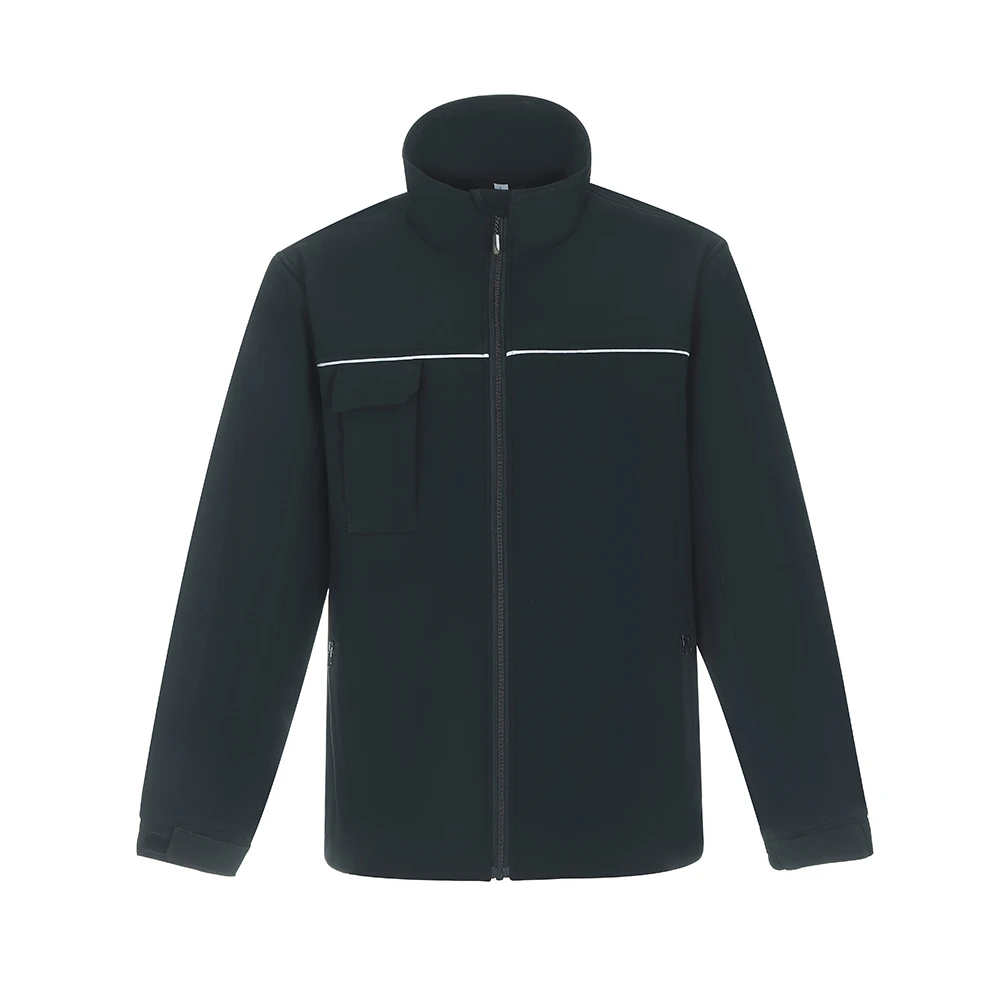
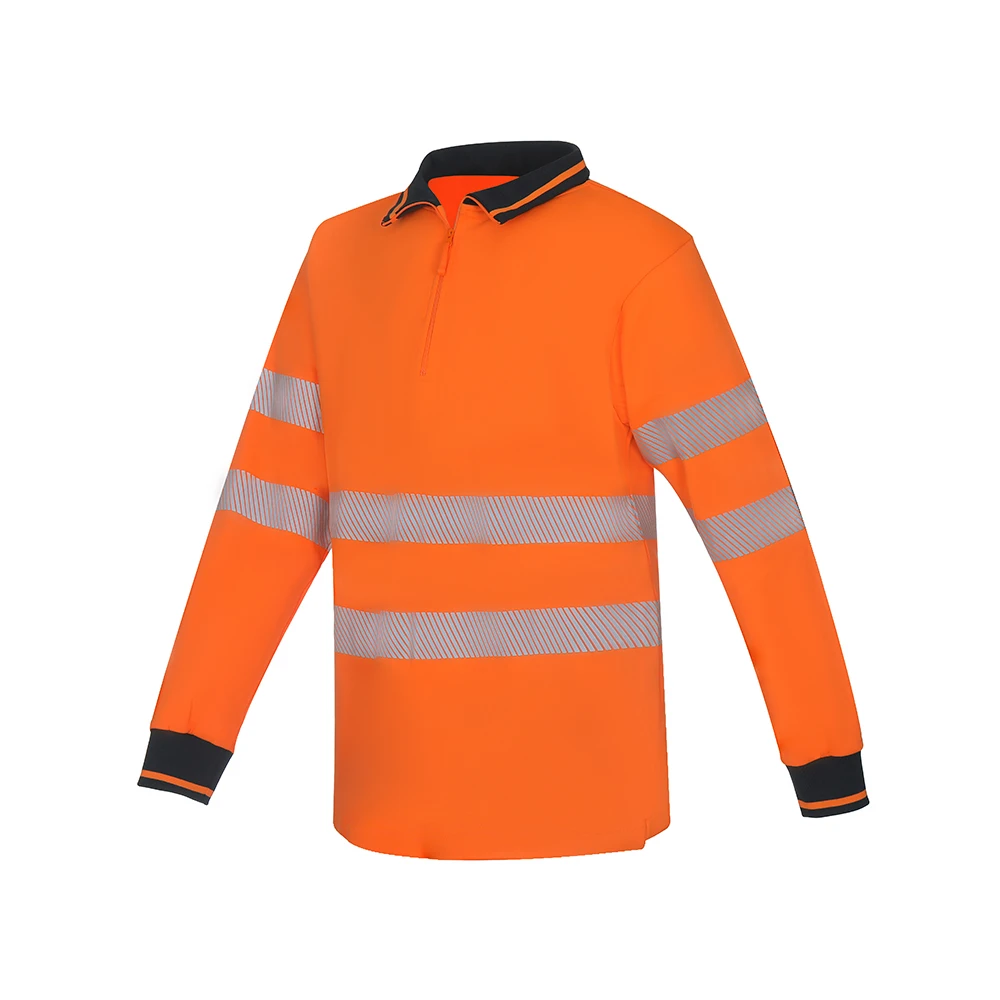
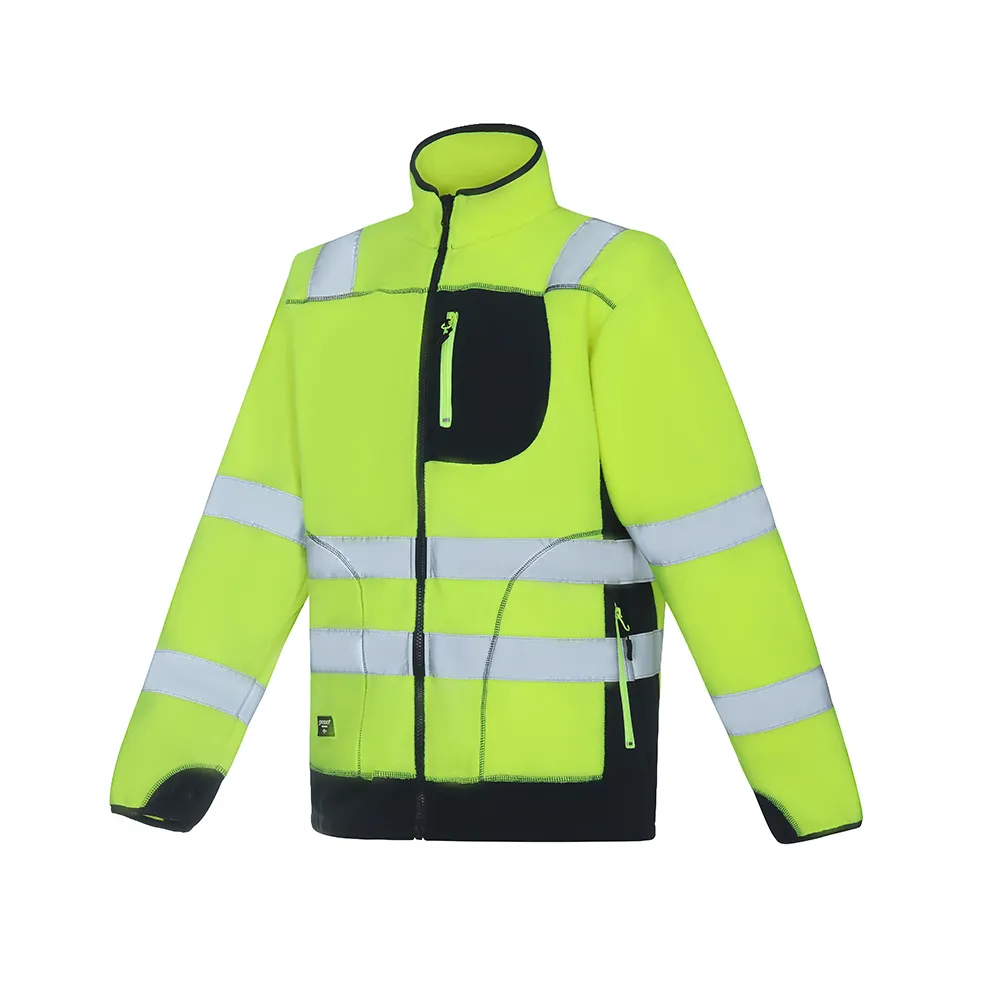
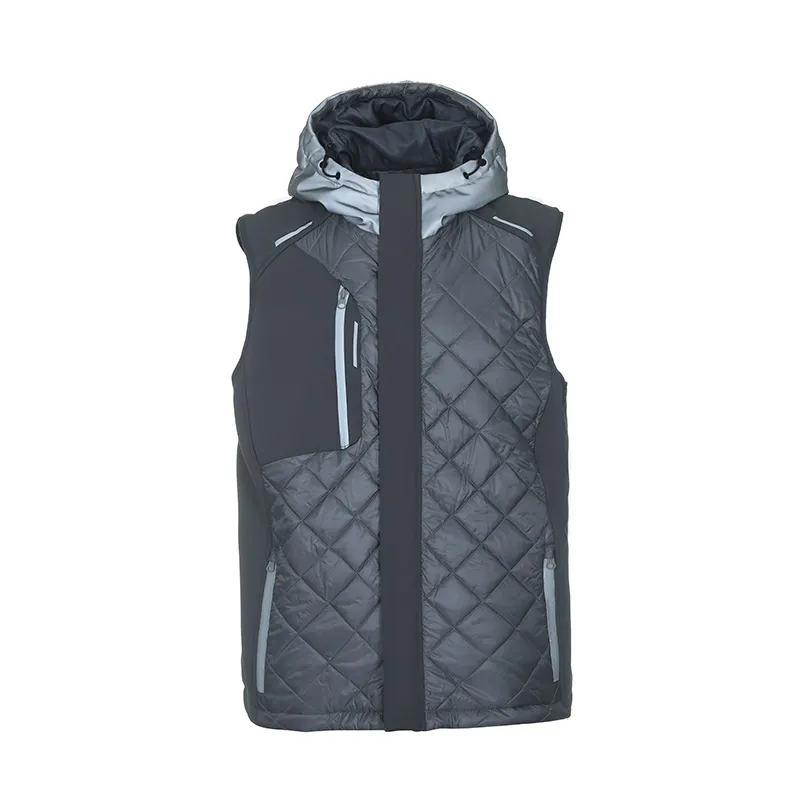
I’ve spent enough damp mornings with sample racks to know: a well-built softshell jacket is the garment people actually reach for 80% of the time. Not the loud, crinkly storm armor. The quiet, stretchy one that just works. From Hebei to Hamburg, buyers tell me much the same.
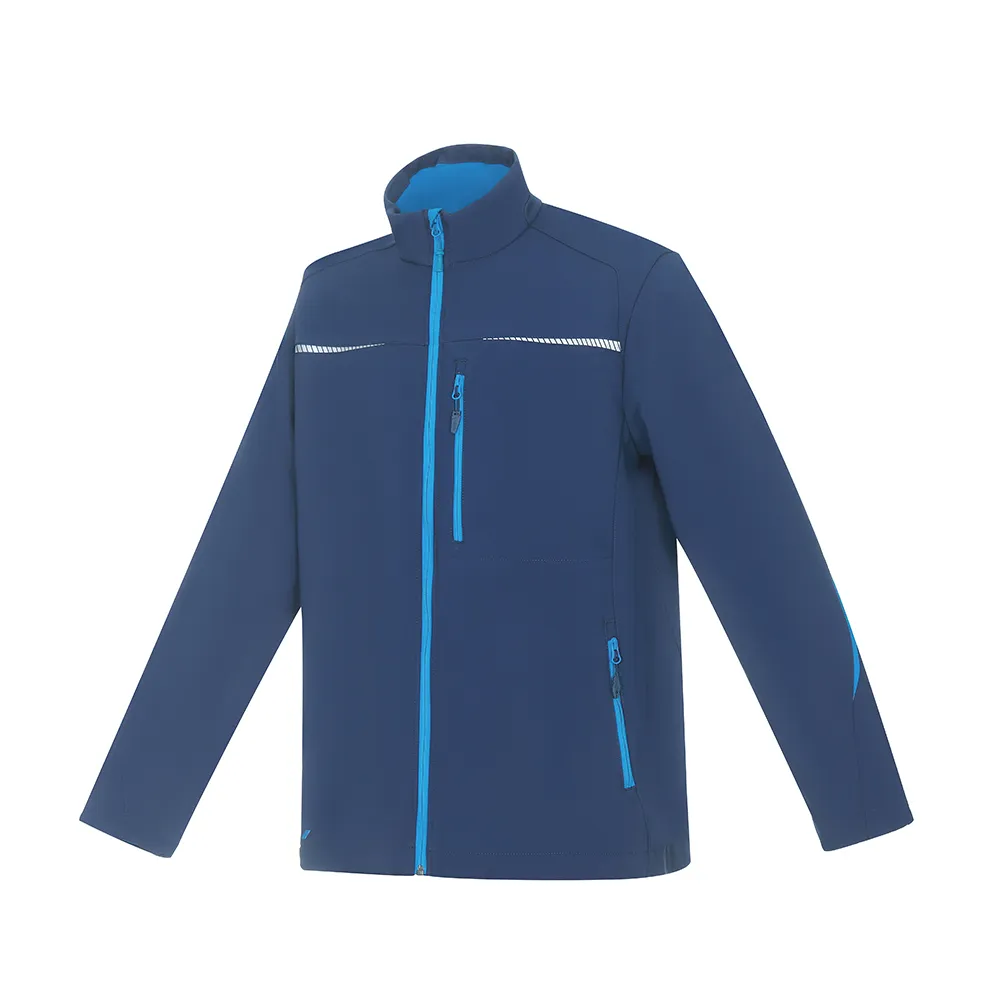
What’s inside the fabric (and why it matters)
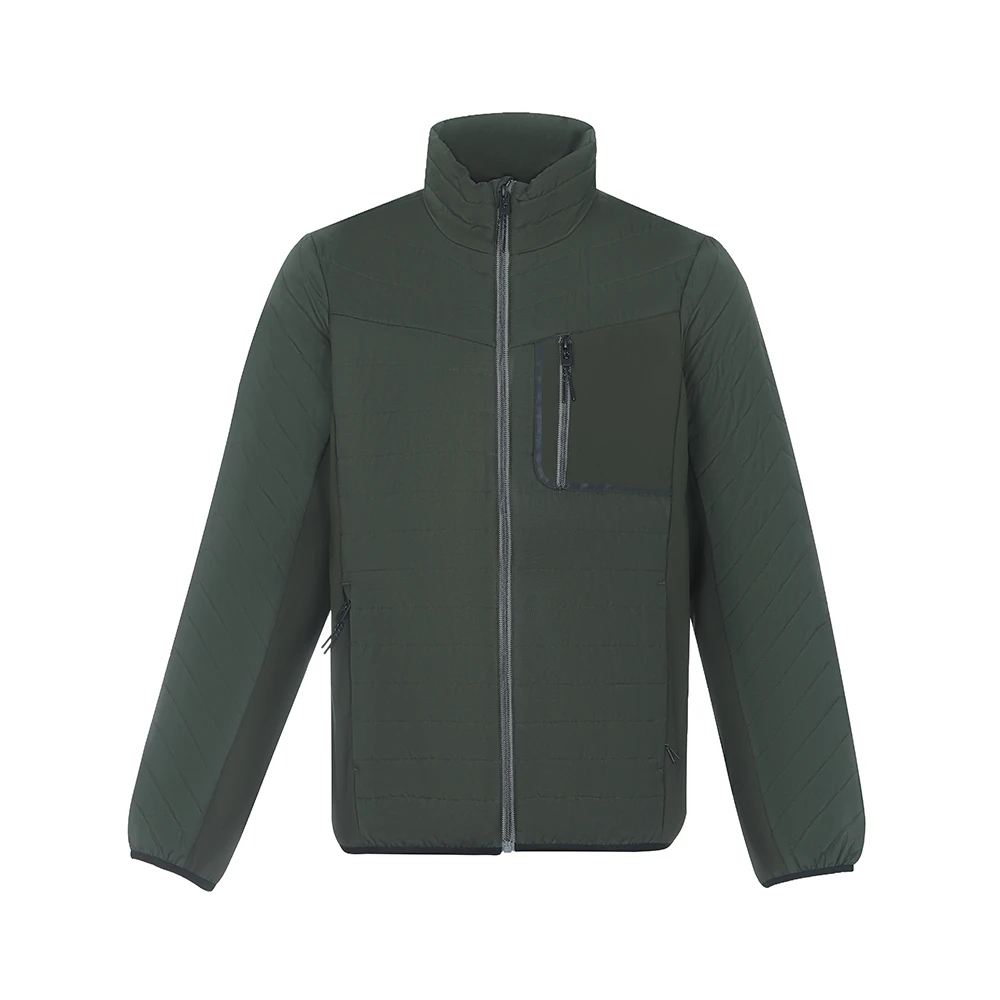
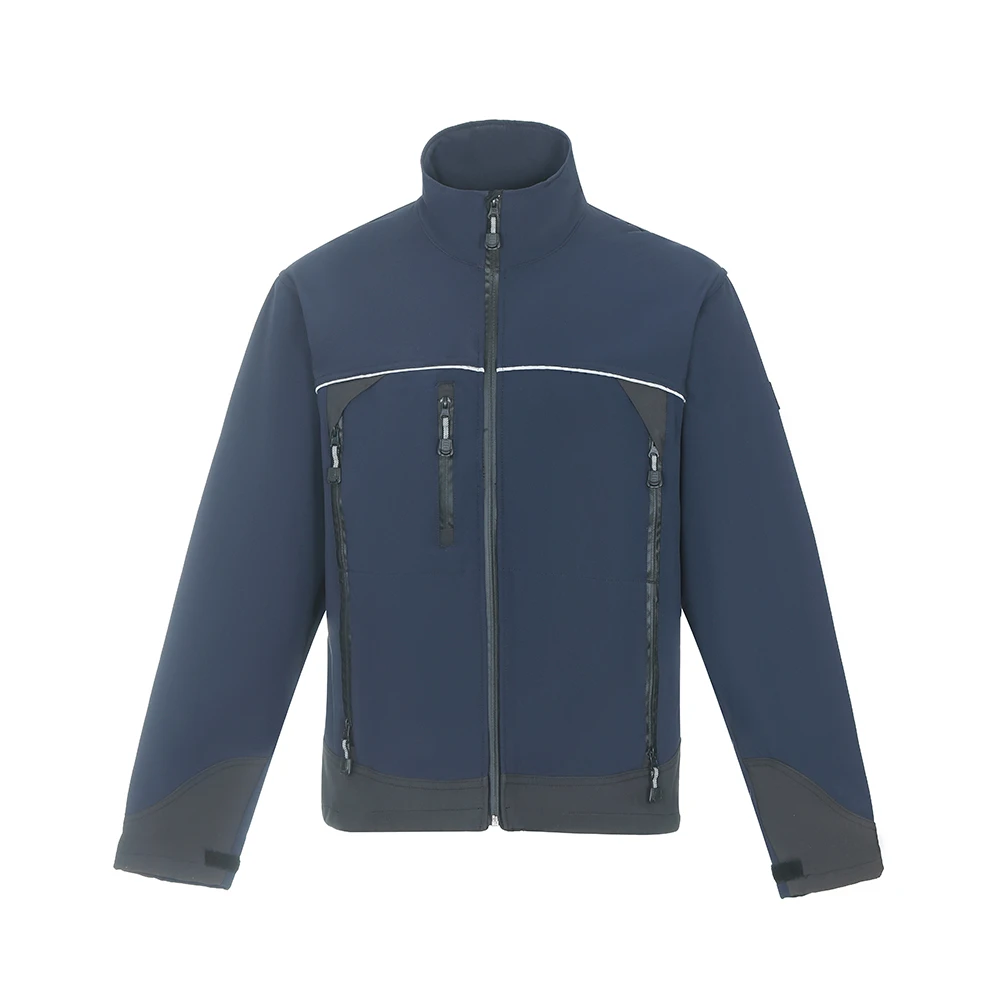
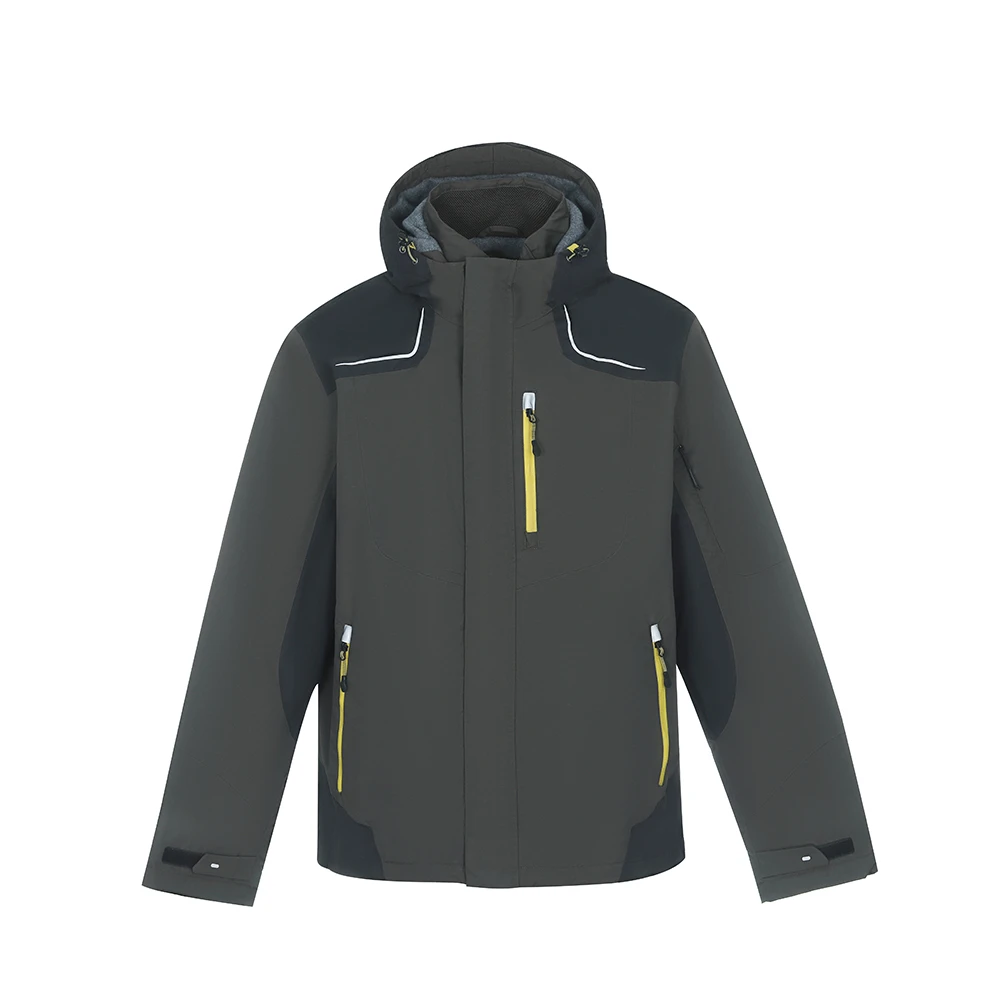
This model uses a 3-layer build: 100% polyester face, TPU membrane, and brushed fleece backer. In practice, you get wind block, good water resistance, and warmth without bulk. To be honest, that balance is why facility managers and outdoor retailers keep ordering softshell jacket programs.
| Spec | Details (≈ real-world values) |
|---|---|
| Fabric | 100% polyester + TPU + fleece |
| Waterproofing | Hydrostatic head ≈ 8,000 mm (ISO 811) |
| Breathability | ≈ 5,000 g/m²/24h (JIS L 1099 B1) |
| Windproof | Air permeability |
| DWR Finish | AATCC 22 rating 90–100 after 10 washes |
| Sizes | S–4XL or customized |
| Colors | Any, per Pantone/brand guidelines |
| Weight | ≈ 280–320 gsm |
| Service life | 3–5 years in typical field use; depends on abrasion cycles (ISO 12947) |
| Origin | Floor 15 Fortune Building, 24 Guangan Street, Shijiazhuang, Hebei, China |
Process flow (short version)
- Material selection: polyester yarn spec, TPU thickness, DWR recipe
- Lamination: controlled bonding to avoid “orange peel”; QC via peel-strength tests
- Cutting & stitch: bartacks at stress points; YKK-style zips optional
- Optional seam taping (selected panels); note most softshell jacket builds rely on membrane + DWR for weatherproofing
- Lab testing: ISO 811, AATCC 22, ASTM D737, ISO 12947 abrasion
- Final inspection: size sets S–4XL, logo application, polybag & carton
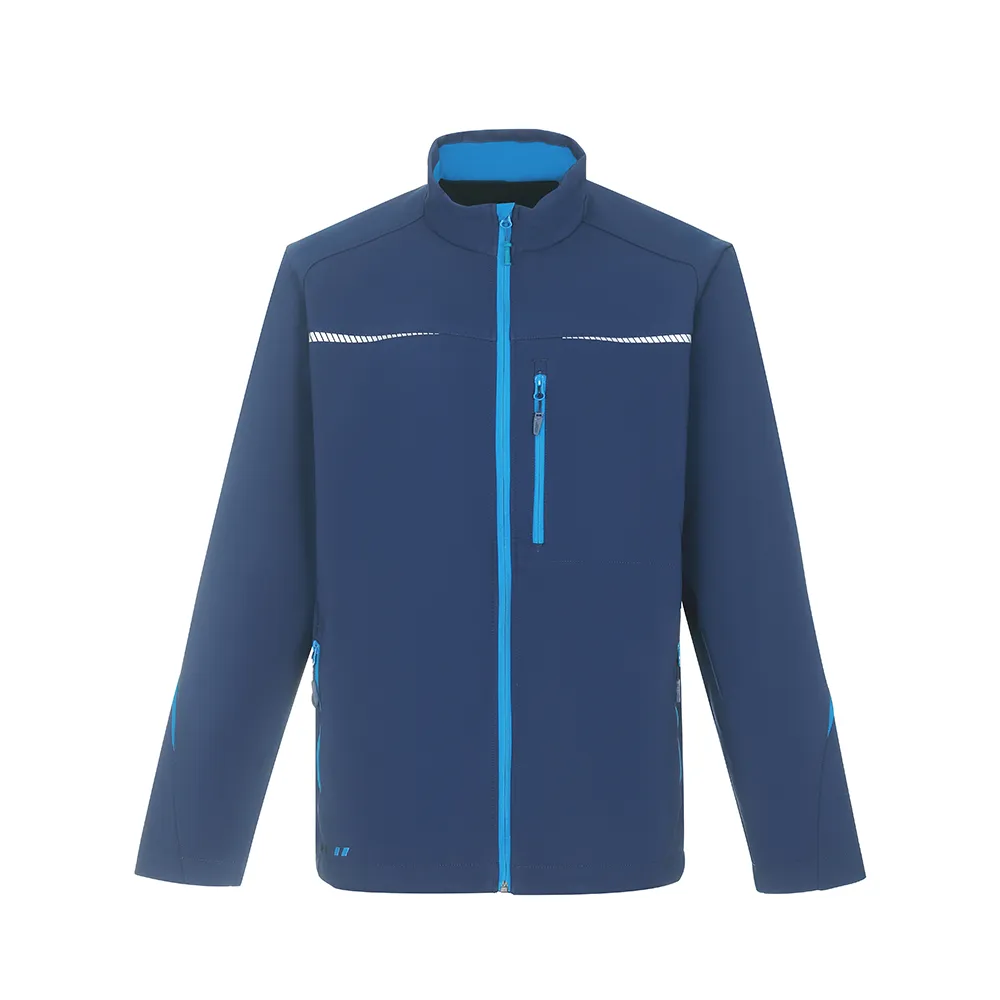
Where it’s used (and what buyers report)
- Facilities & logistics teams: drivers like the quiet fabric and mobility. Many customers say they keep it on from dock to cab, rain or shine.
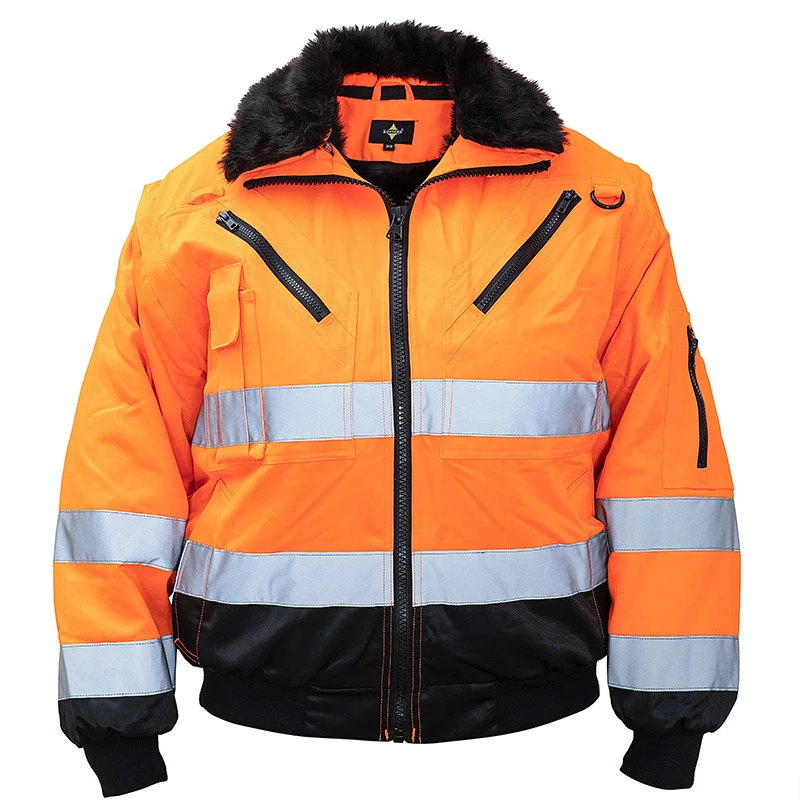
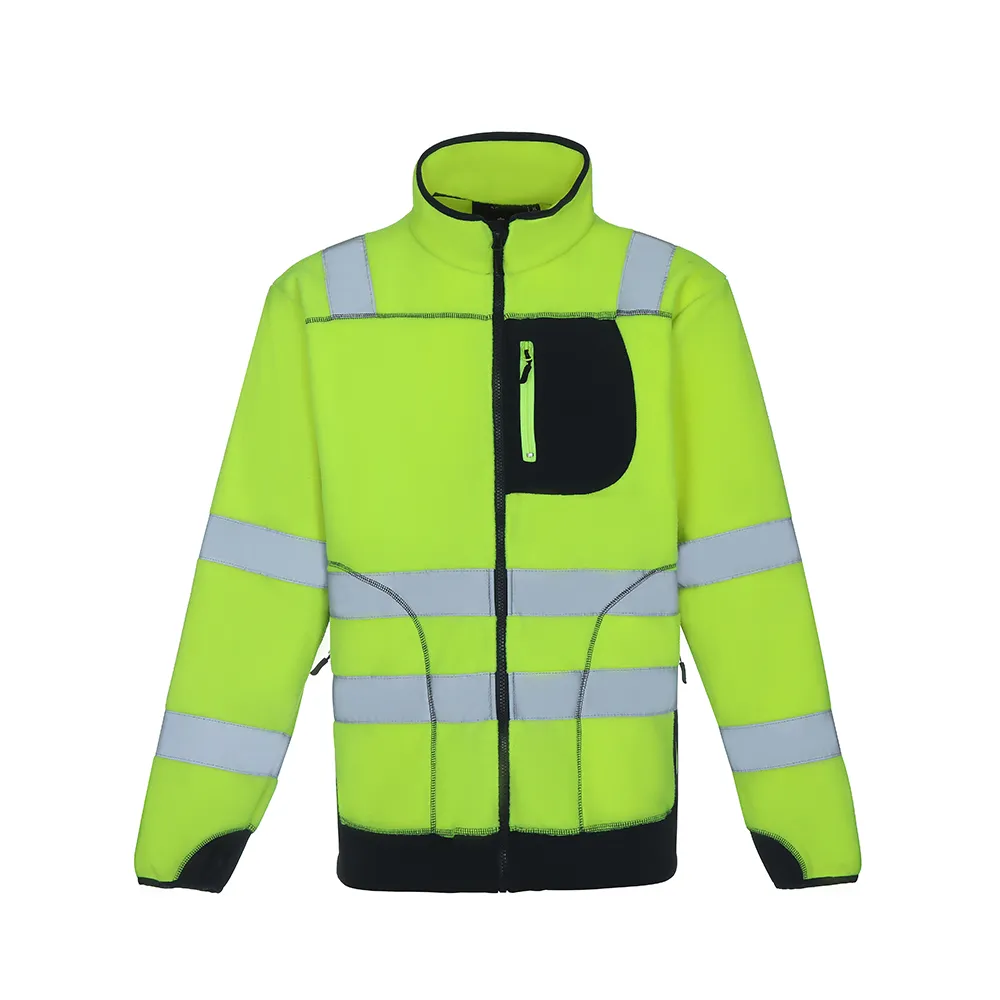
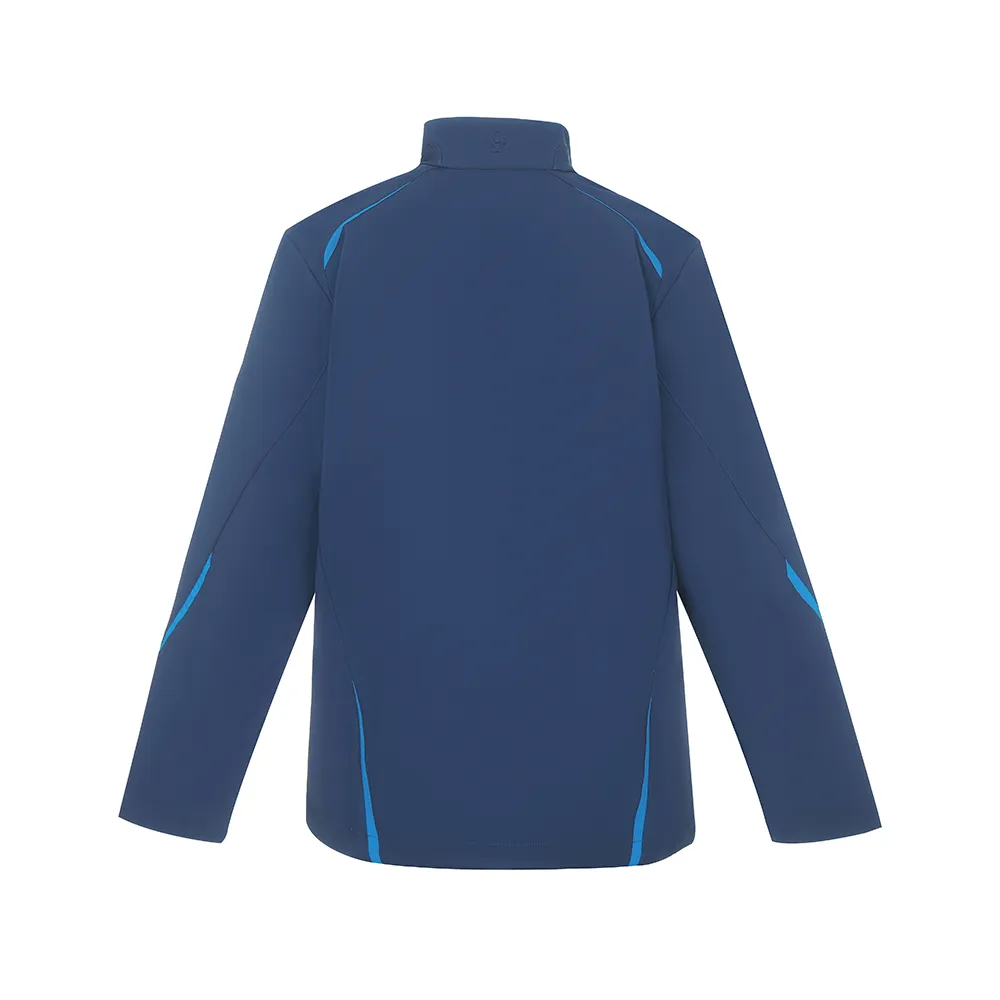
- Outdoor retail & promo: corporate gifting, brand activations, field tech crews. It seems that reorder rates are higher when the softshell jacket includes stretch cuffs and microfleece chin guard—small comforts add up.
Certifications and compliance
Commonly supported: OEKO-TEX Standard 100 for materials, ISO 9001 for quality systems, BSCI audit for social compliance. Weather protection can be referenced against EN 343 (Class 3/1 or 3/2 depending on membrane and seam choices), though exact rating depends on the final build and test lot.
Vendor snapshot (typical market options)
| Vendor | MOQ | Lead time | Customization | Certs | Notes |
|---|---|---|---|---|---|
| Q&S Clothing (Hebei) | ≈ 300–600 pcs/style | 30–45 days after PP sample | Colors, sizes S–4XL, logos, trims | OEKO-TEX, ISO 9001, BSCI (on request) | Competitive for team uniforms and retail basics |
| EU OEM Cluster | ≈ 200–400 | 25–35 days | Wide trims, fast relabel | EN 343 tested lots | Shorter transit for EU buyers |
| VN OEM Cluster | ≈ 500+ | 35–55 days | Strong price on volume | OEKO-TEX, WRAP | Best for consolidated programs |
Field data and mini case studies
- Logistics fleet, DACH region: 600 units of softshell jacket issued; driver survey showed 22% fewer “overheating” complaints vs. previous hardshell. DWR held AATCC 22 rating ≥ 90 after 10 home-launder cycles.
- Nordic outdoor retailer: reordered 1.8× after shoulder-season sell-through; returns mainly sizing-related (solved via expanded S–4XL grade and better spec sheets).
Final takeaway
If you need one do-it-all layer for teams or retail lines, a membrane-backed softshell jacket with solid DWR and thoughtful trims is, frankly, the safe bet. Not flashy—just the piece people wear daily.
References
- ISO 811: Textile fabrics — Determination of resistance to water penetration — Hydrostatic pressure test.
- AATCC 22: Water Repellency: Spray Test.
- ASTM D737: Standard Test Method for Air Permeability of Textile Fabrics.
- EN 343: Protective clothing — Protection against rain.
- OEKO-TEX Standard 100: Testing for harmful substances.
- ISO 12947: Textiles — Martindale abrasion testing.