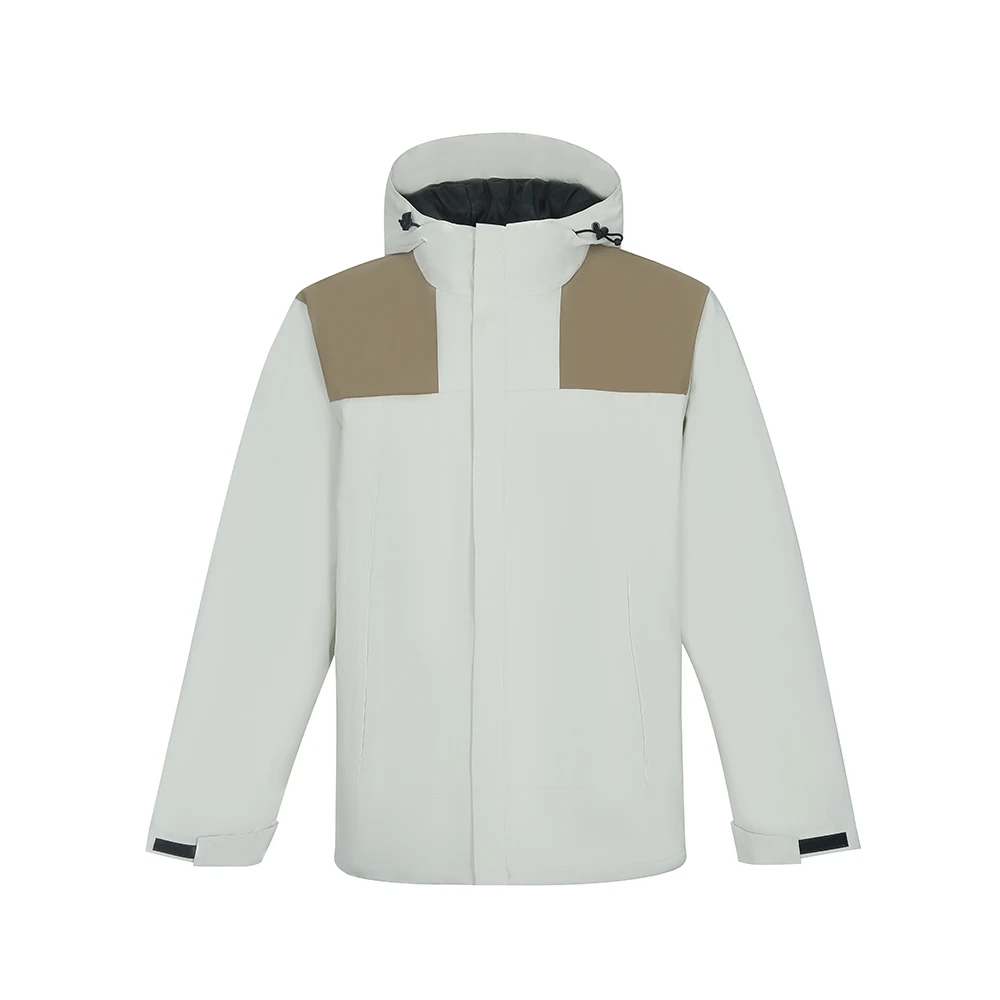
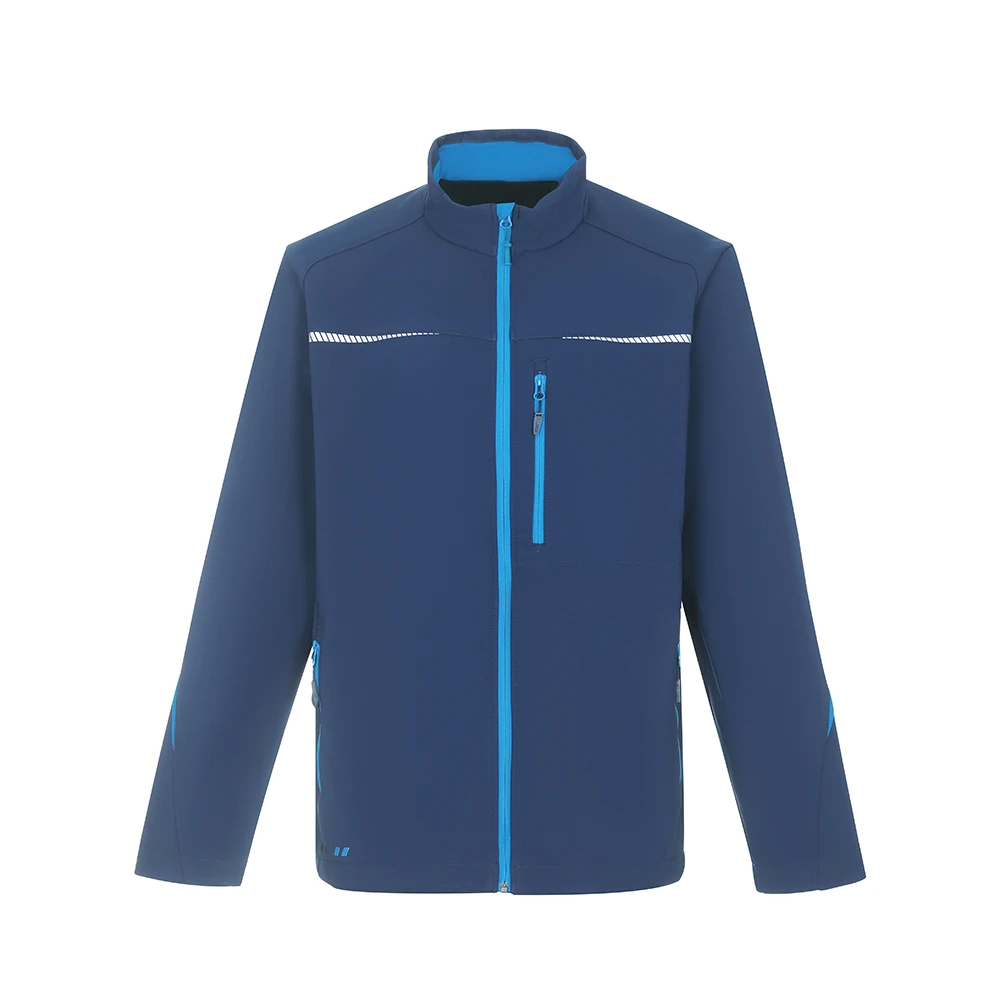
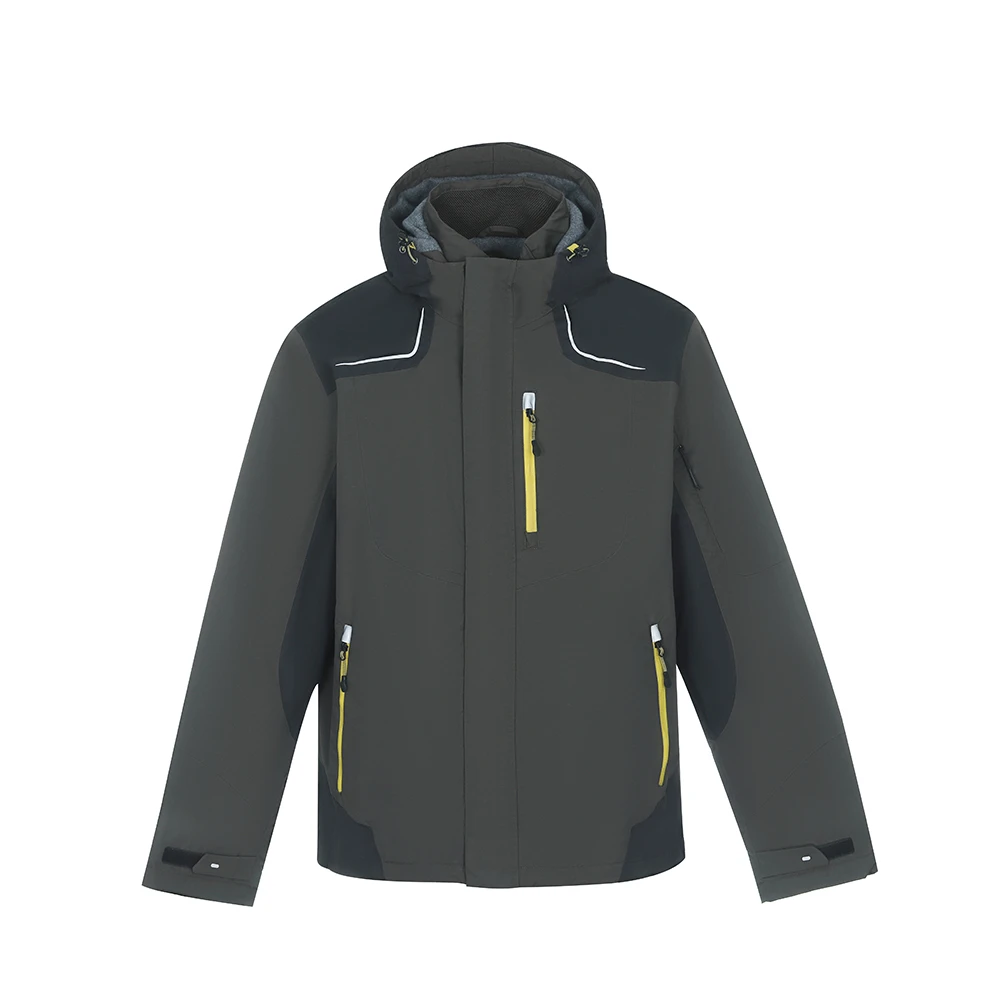
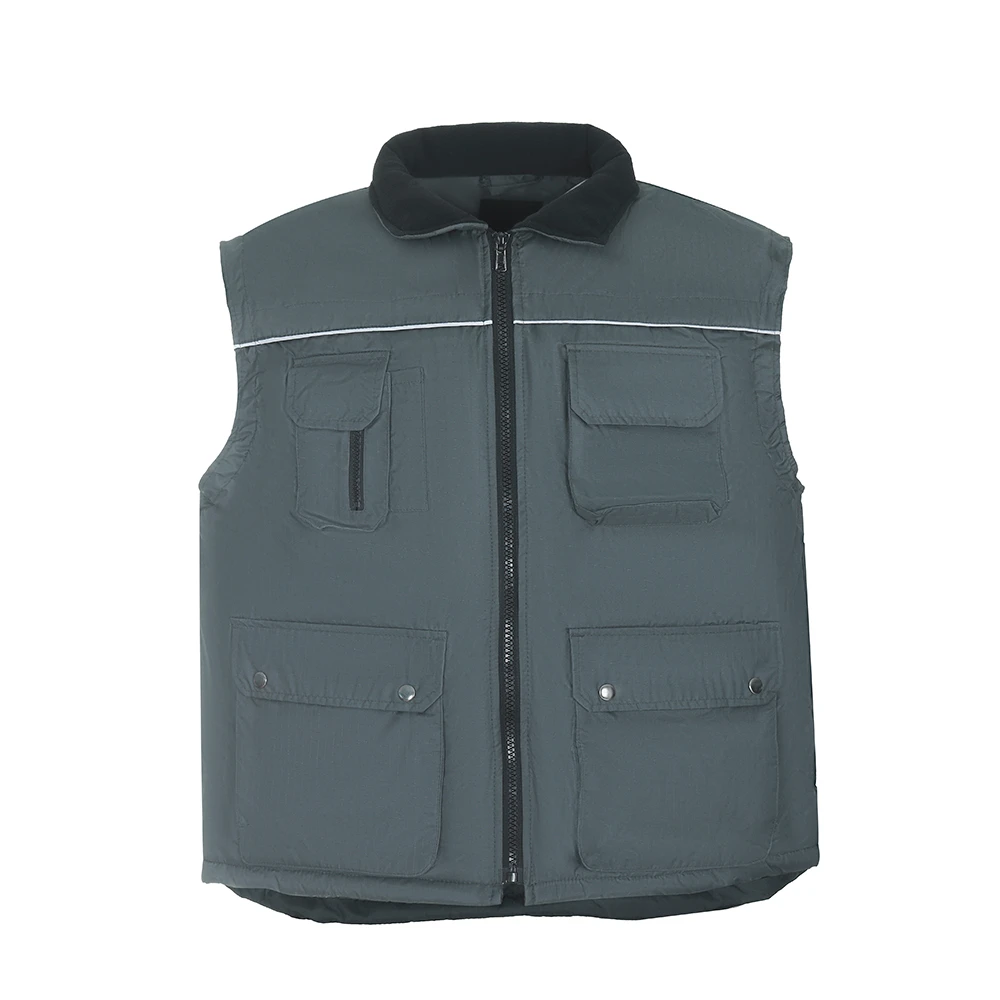
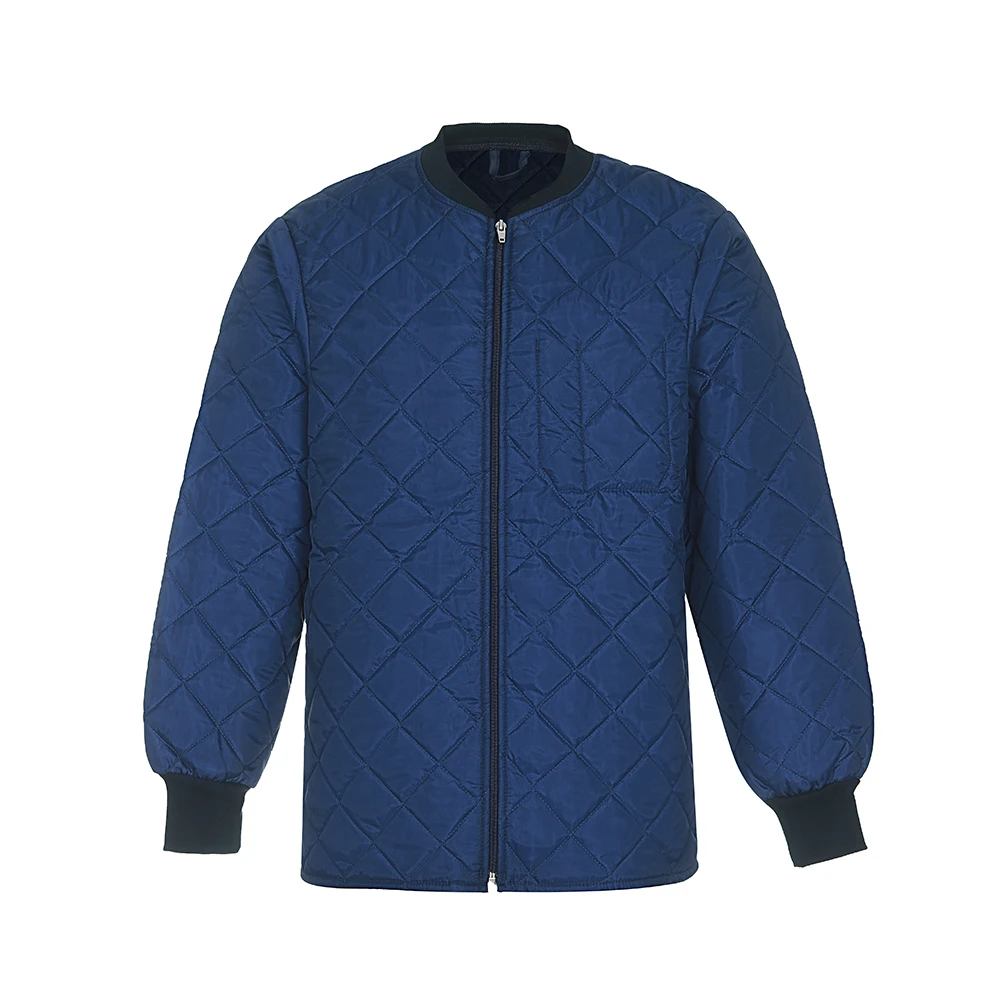
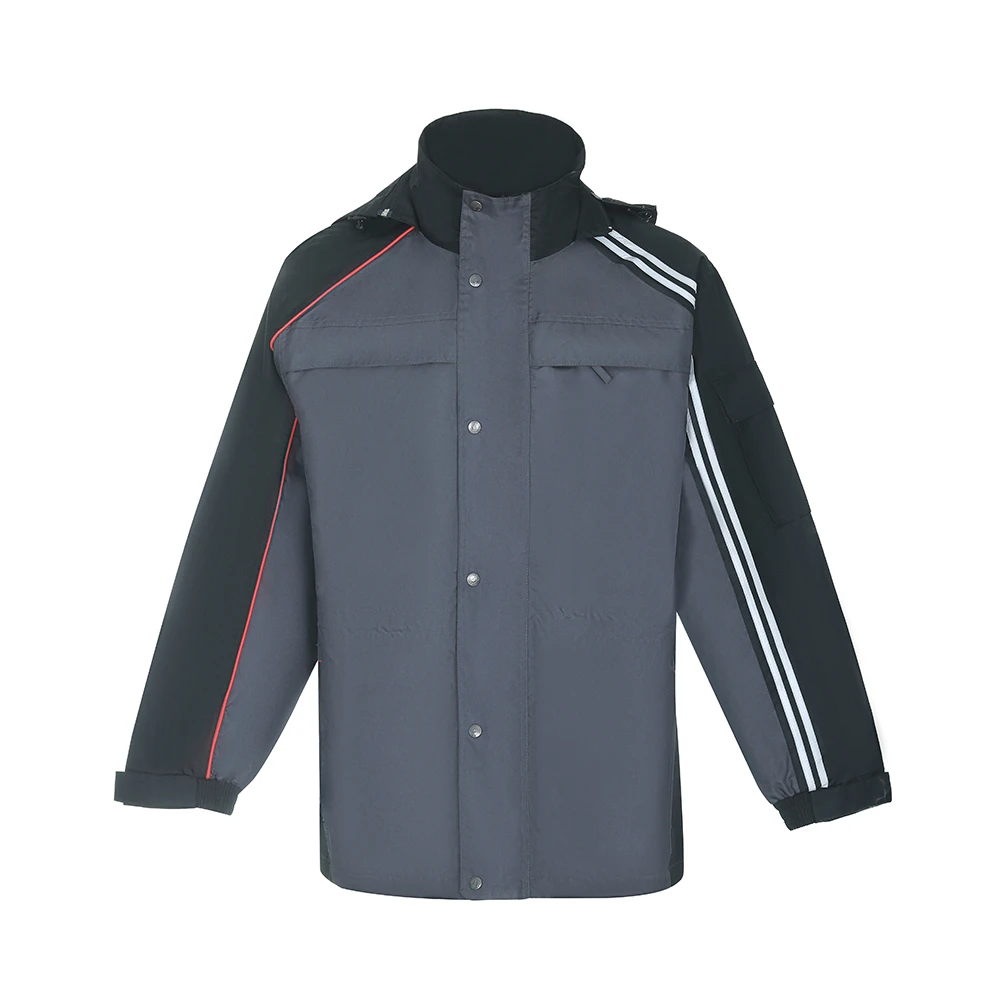
Rain Jacket: Waterproof, Breathable, Windproof, Insulated
Stay dry on the job (and on the trail): a practical insider’s guide
If you’re weighing which rain jacket to trust this season, you’re not alone. The market is crowded, specs are cryptic, and—surprisingly—price doesn’t always predict performance. I’ve spent enough time in factories and in the field to know what actually matters: membrane quality, seam security, breathability, and whether the garment team really sweats the small stuff like zipper garages and hem geometry.
Where the industry is heading
Two big trends: lighter 3‑layer shells (less clingy than 2.5‑layer) and quieter face fabrics that still pass real rain tests. To be honest, the buzzwords can be a blur—ePTFE, PU, bio-based coatings—but the substance is in measured performance: hydrostatic head ≥10,000 mm for storm use, RET ≤12 for all‑day comfort, and durable seam tape application. Many customers say they’d rather reproof a shell yearly than lug a heavy coat; that tracks with field data.
How a quality rain jacket is made (quick process flow)
- Materials selection: 3‑layer or 2.5‑layer laminate; face fabric usually 20–70D nylon or polyester with DWR.- Cutting and patterning: articulated sleeves, drop hem, storm flaps—little things that add up.
- Seaming: fully taped (critical); 13–20 mm tape with stable adhesion.
- Finishing: DWR application and curing; low-foam washing to reduce residue.
- Testing: Hydrostatic head (ISO 811), breathability/RET (ISO 11092), spray rating (AATCC 22), rain test (AATCC 35), colorfastness. Real-world use may vary, but lab data sets the baseline.
Field specs that actually matter
- Waterproofness: ≥10,000–20,000 mm (ISO 811)
- Breathability: RET ≤12 m²Pa/W (ISO 11092)
- Seams: 100% fully taped; stress points reinforced
- Zippers: PU-coated or storm-flapped; easy-grab pulls with gloves
- Service life: ≈3–5 years with periodic DWR renewal
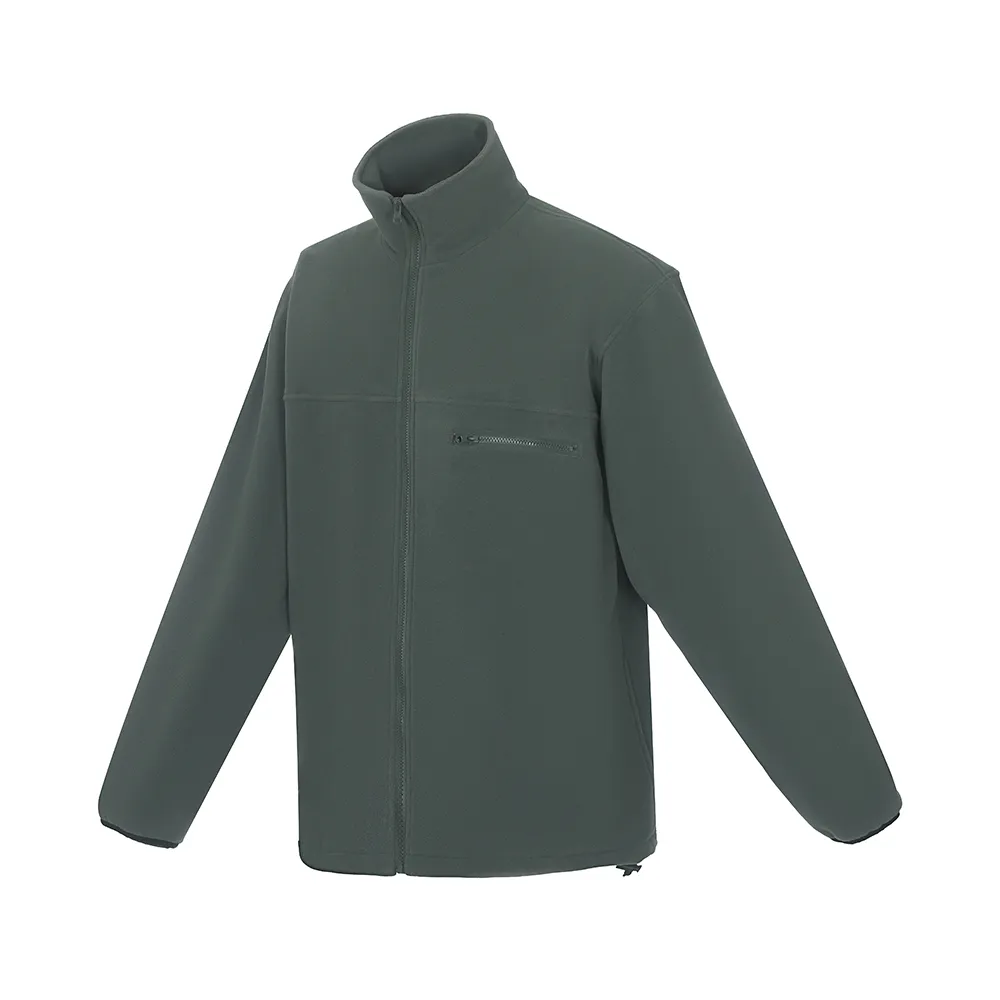
Product spotlight: mid‑layer that pairs with your rain jacket
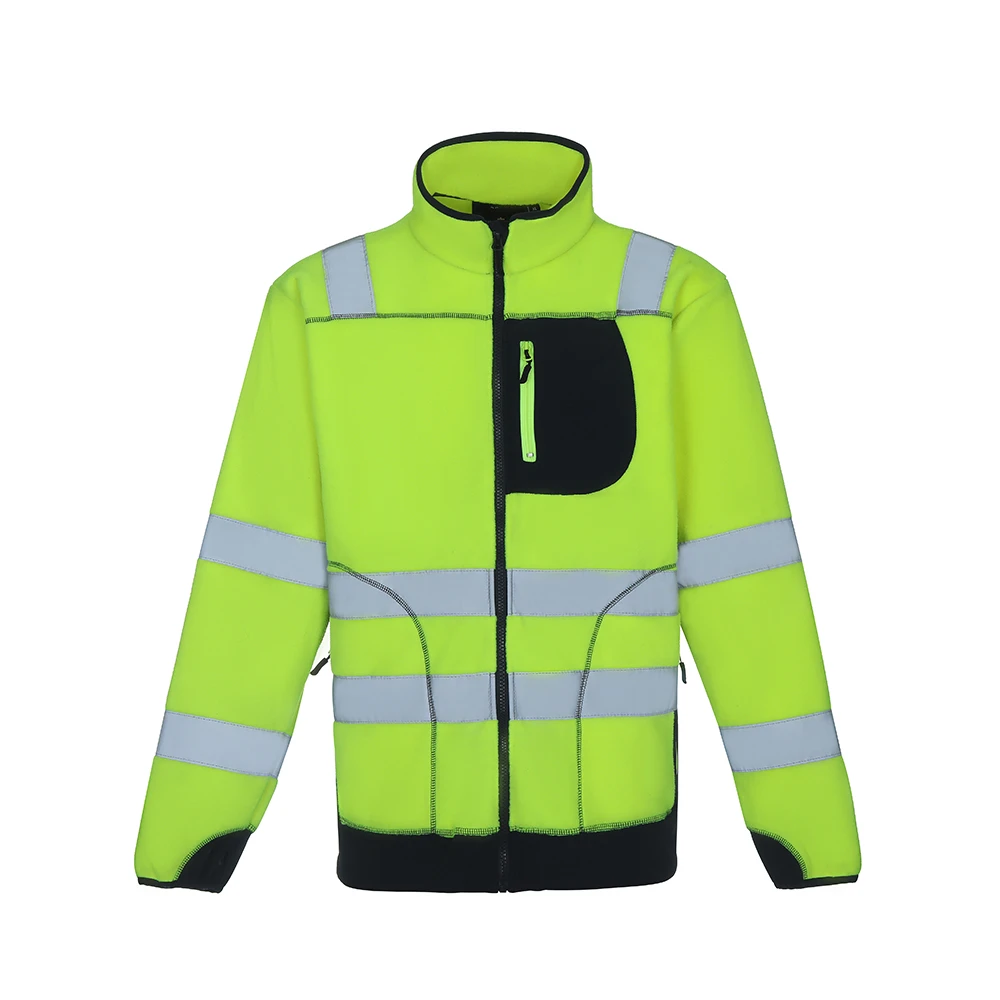
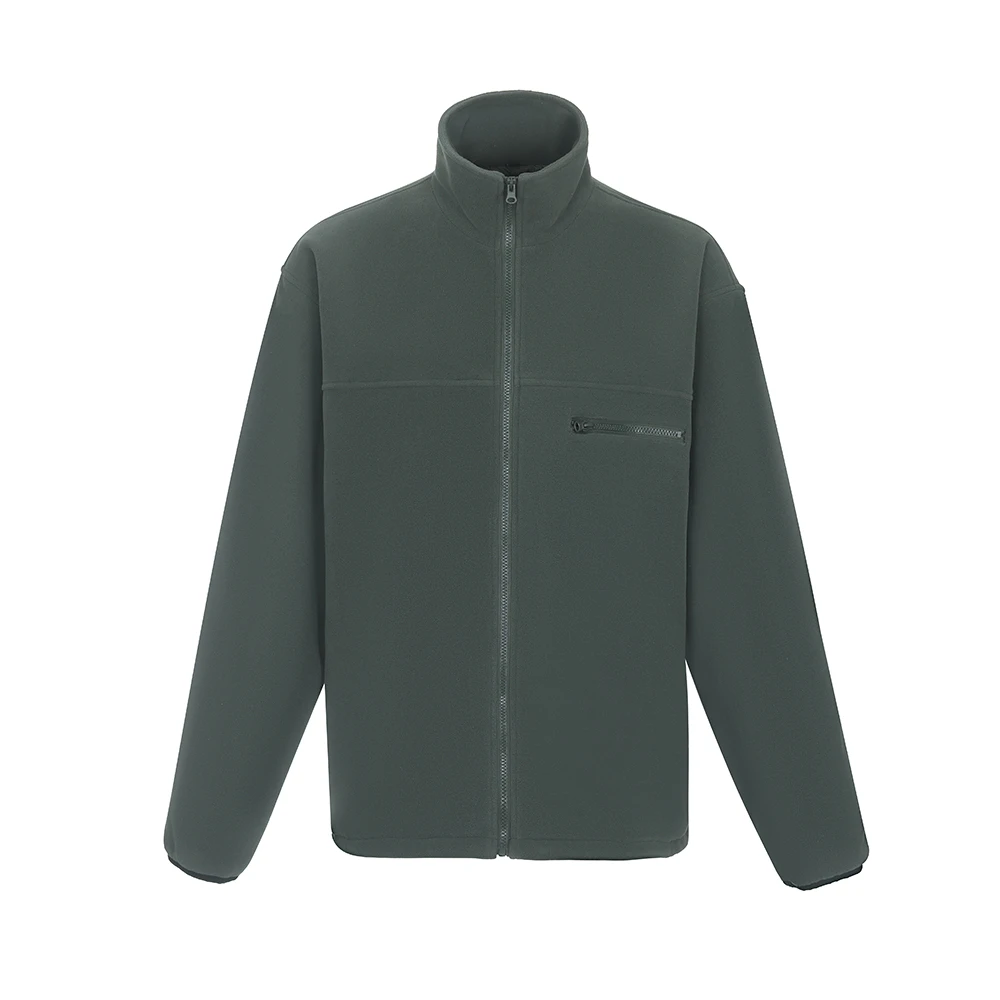
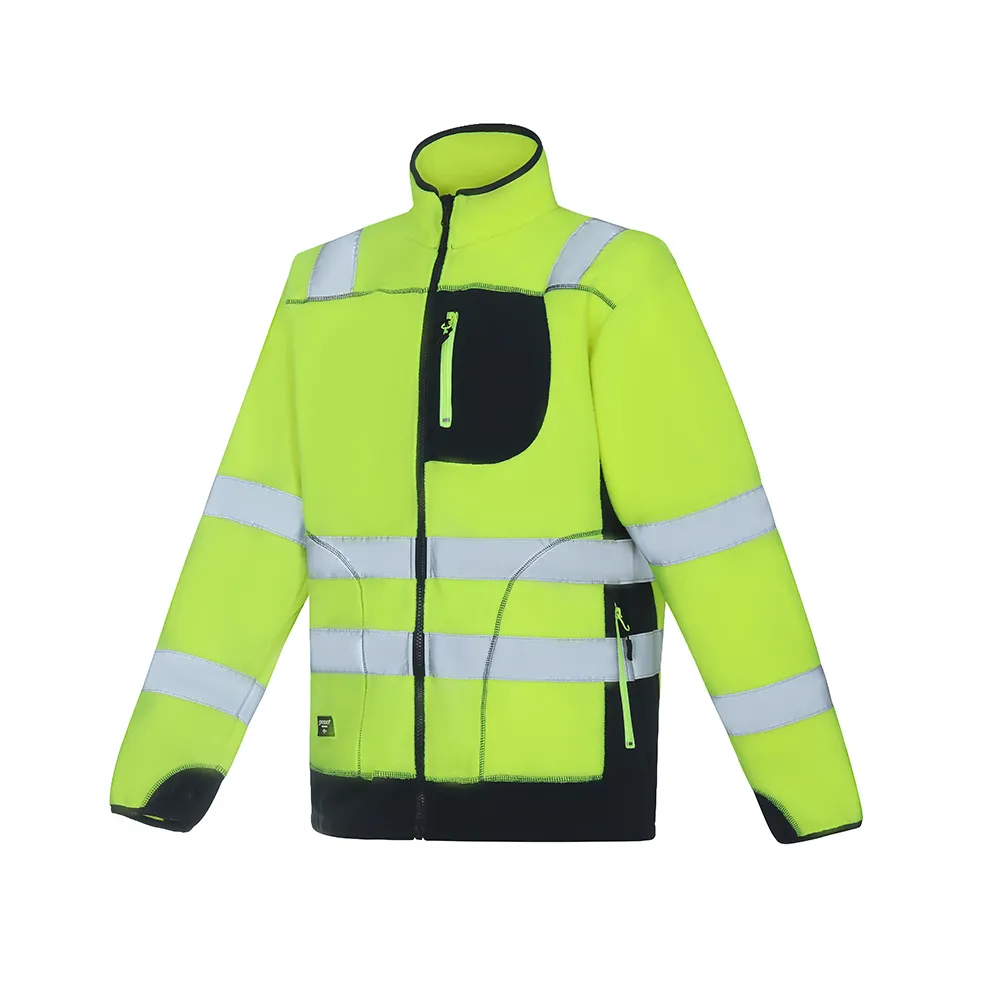
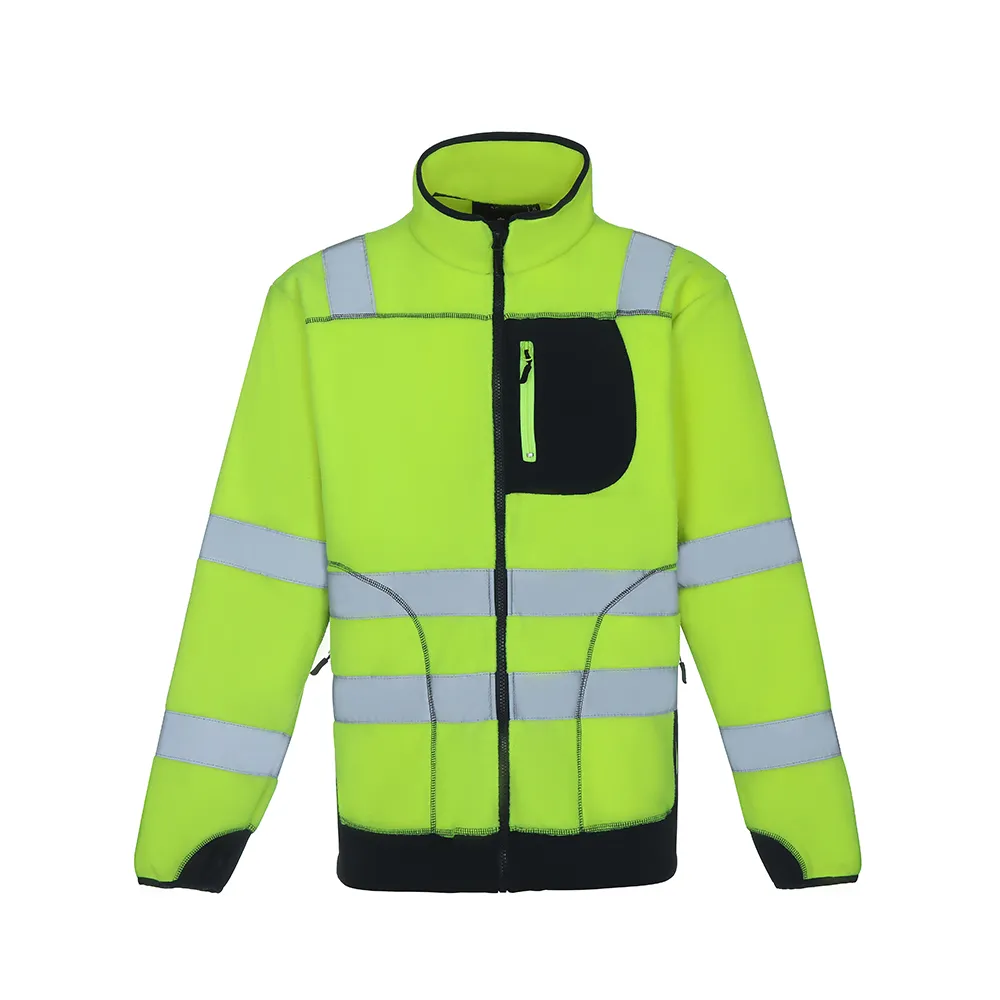
In sustained rain, the winning combo is a breathable shell plus a warm, fast‑drying mid‑layer. Here’s a compact spec for a proven mid‑layer from a reliable OEM base.
| Product | Fleece Jacket |
|---|---|
| Fabric | ≈280 g/sqm polar fleece |
| Lining | 210T polyester taffeta |
| Color | Any color per customer demand |
| Size | S–4XL or customized size |
| Origin | Floor 15, Fortune Building, 24 Guangan Street, Shijiazhuang, Hebei, China |
Why it works: fleece retains loft when damp, layers neatly under a trim rain jacket, and dries fast after downpours.
Vendor comparison (for shell sourcing)
| Vendor Type | Strengths | MOQ | Lead Time | Certifications |
|---|---|---|---|---|
| OEM in Hebei, China (apparel) | Customization, size runs, colorways | ≈300–1000 pcs | ≈30–60 days | Commonly ISO 9001, OEKO‑TEX, WRAP (verify) |
| Global outdoor brand | Proven membranes, retail support | N/A (retail) | Immediate (in stock) | bluesign, OEKO‑TEX (varies) |
| Local boutique workshop | Small runs, quick tweaks | ≈50–200 pcs | ≈15–40 days | Varies—request test reports |
Use cases and feedback
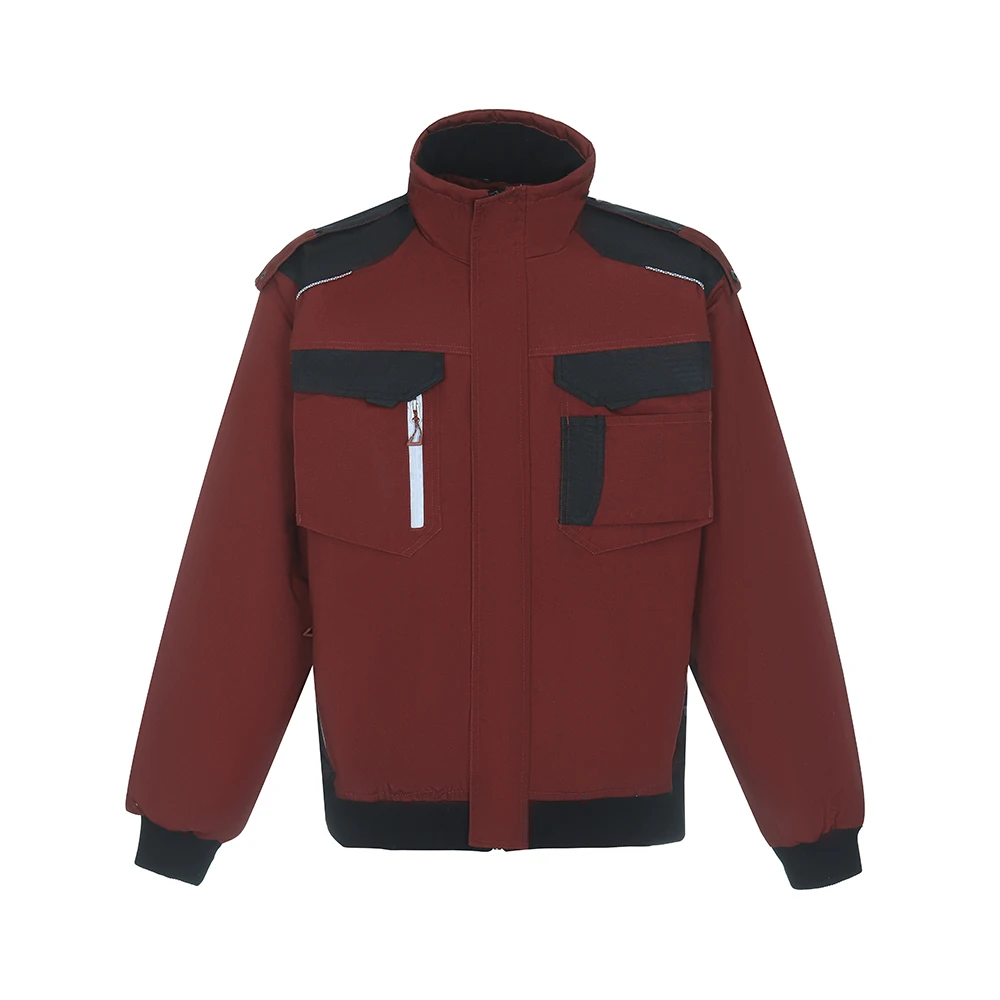
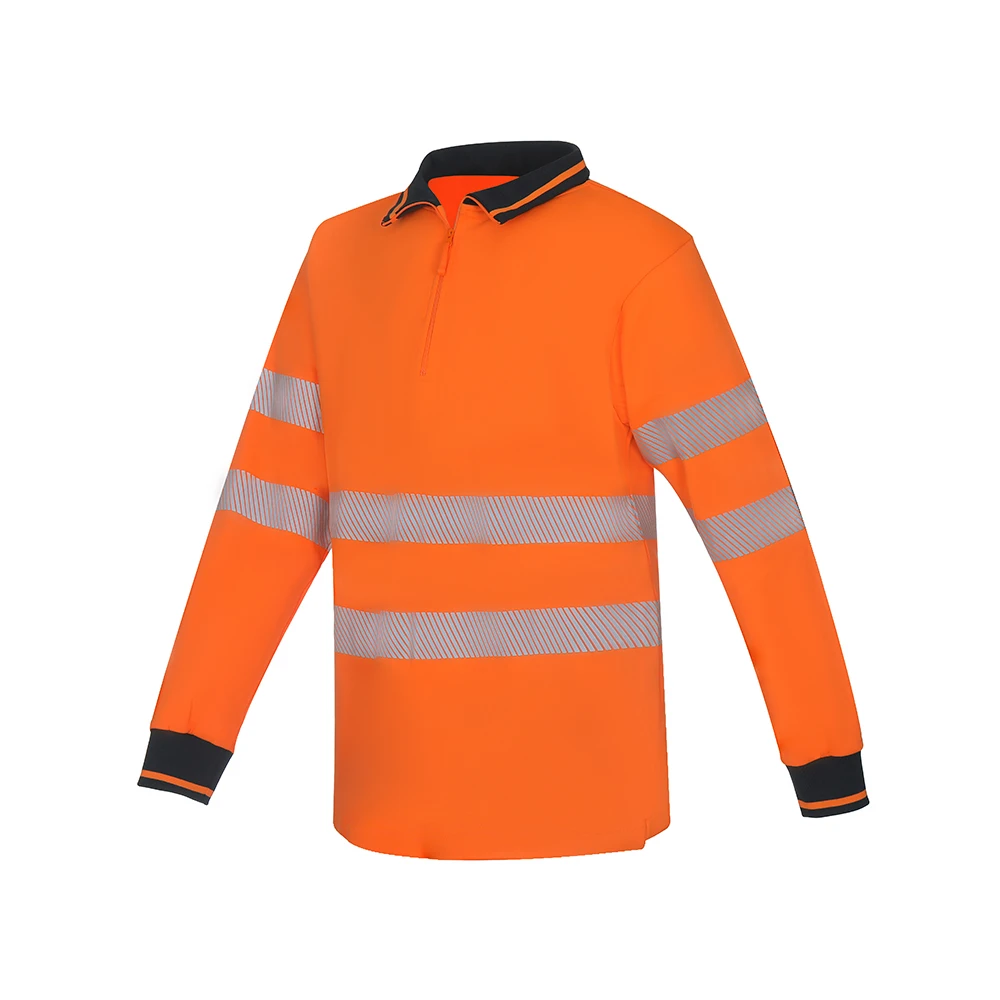
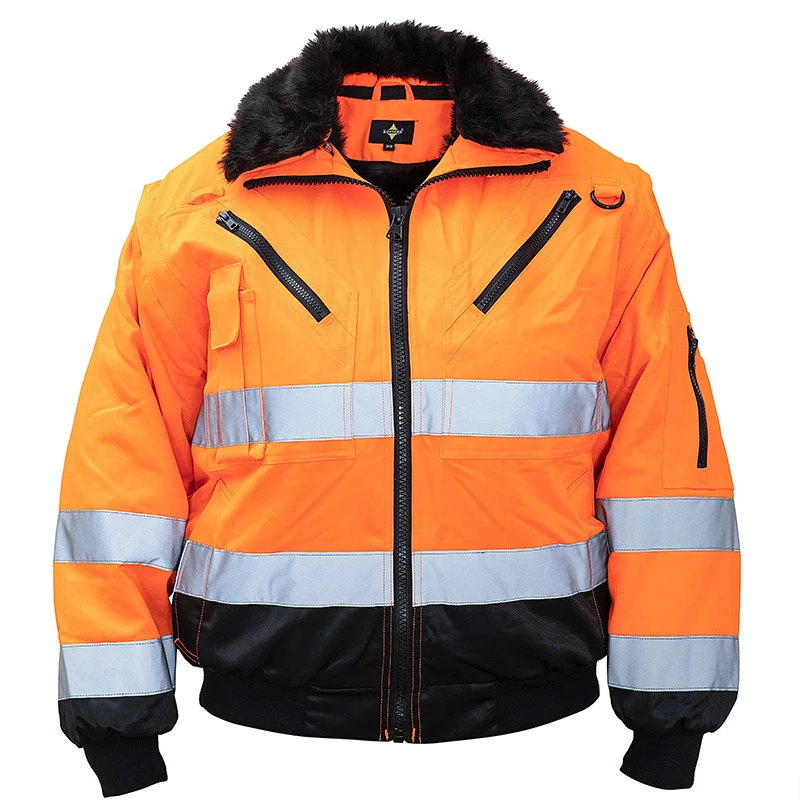
Commuters want packability and quiet fabrics; construction teams need tough face cloth and reflective trims (EN ISO 20471 for high‑vis shells); hikers chase breathability over all. Actually, the best advice is simple: choose a rain jacket you’ll keep on, not one you rip off when you overheat. Many customers say pit zips plus a light mid‑layer hit the sweet spot.
Care, lifespan, and compliance
Wash occasionally (tech wash), reactivate DWR with low heat, and reproof when water stops beading. Expect ≈3–5 years of steady service. Ask vendors for ISO 811 and ISO 11092 data, AATCC 22/35 spray/rain results, and facility certifications such as ISO 9001, OEKO‑TEX, bluesign, or WRAP.