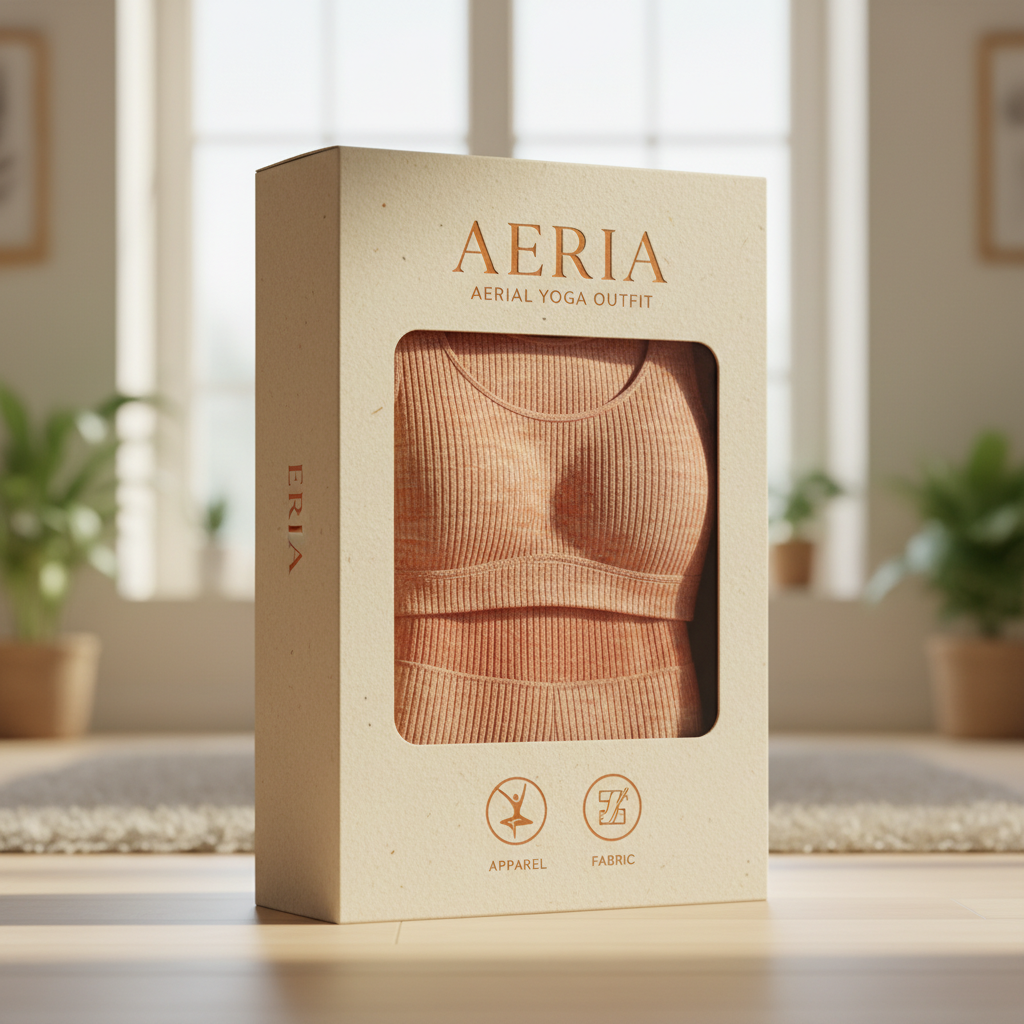
Choosing the right aerial yoga outfit is more than a fashion choice; it is a critical component of safety and performance in an inverted environment. Unlike traditional floor yoga, aerial practices involve constant interaction with a silk hammock, requiring garments that offer maximum coverage to prevent friction burns and unrestricted mobility to support deep stretching.
Across the global fitness landscape, the demand for specialized athletic wear has surged as aerial yoga transitions from a niche discipline to a mainstream wellness trend. The intersection of textile engineering and ergonomic design has led to the development of high-performance fabrics that balance compression, breathability, and durability, ensuring that practitioners can focus on their alignment rather than their attire.
Understanding the technical nuances of an aerial yoga outfit allows athletes and studio owners to optimize their experience, reducing the risk of injury and enhancing the longevity of the gear. From moisture-wicking capabilities to seamless construction, the right apparel transforms the physical sensation of weightlessness into a secure and empowering practice.
Global Industry Context of Aerial Wear
The global athletic apparel market has seen a significant shift toward "hyper-specialization," where generic sportswear is no longer sufficient for advanced modalities. In the realm of aerial arts, the aerial yoga outfit has evolved to meet rigorous ISO standards for textile durability and skin safety, as the friction generated between synthetic silks and human skin can lead to significant abrasion if the clothing is inadequate.
Statistically, the rise of mindful movement practices in North America and Europe has driven a 15% annual growth in the demand for high-compression, full-coverage leggings and tops. This trend reflects a broader societal movement toward holistic health, where the technical specifications of a garment—such as its GSM (grams per square meter) and elasticity—directly impact the practitioner's ability to perform complex inversions safely.
Defining the Technical Aerial Yoga Outfit
At its core, an aerial yoga outfit is a specialized ensemble designed to provide a protective barrier between the practitioner and the aerial fabric. Unlike standard gym wear, these outfits emphasize "skin shielding," typically featuring high-waisted leggings and long-sleeved or form-fitting tops that prevent the hammock from slipping or chafing against the skin during dynamic movements.
Beyond mere protection, these garments are engineered for "four-way stretch," meaning they expand and recover in all directions. This is essential for aerial yoga, where the body assumes extreme angles and deep stretches that would cause ordinary fabric to shear or restrict blood flow, potentially leading to muscle strain or discomfort during a session.
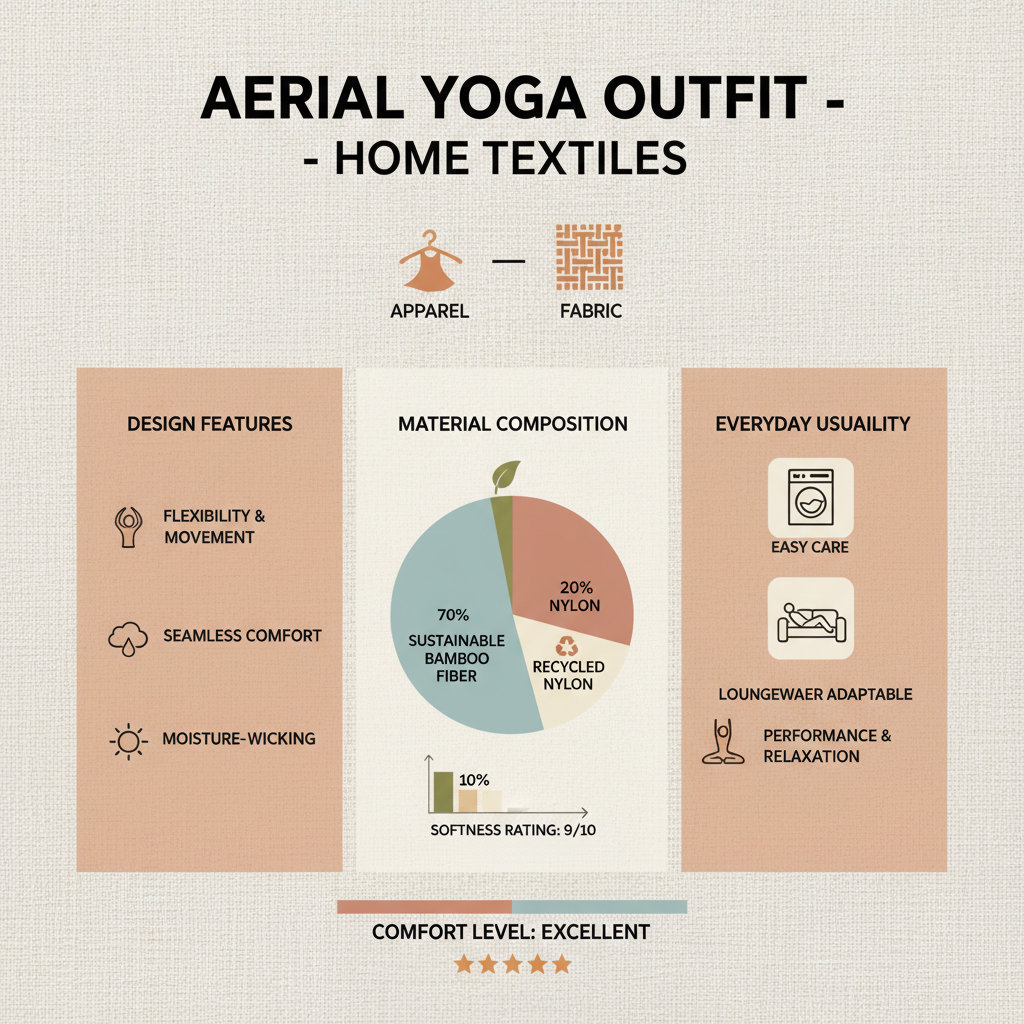
In the context of modern textile manufacturing, this apparel represents a merge of compression technology and moisture management. By utilizing advanced blends of nylon and spandex, manufacturers create a "second skin" effect that supports the muscles while allowing the skin to breathe, meeting the humanitarian need for inclusive, safe, and comfortable wellness tools for people of all body types.
Core Components of High-Performance Gear
The first critical factor of a premium aerial yoga outfit is fabric density and opacity. In an inverted position, "squat-proof" material is non-negotiable; high-gauge knits ensure that the fabric remains opaque even under extreme tension, providing the wearer with the psychological security and dignity needed to focus entirely on their breath and balance.
Secondly, friction resistance is paramount. The interaction between the aerial silk and the aerial yoga outfit must be balanced—too much grip can cause the practitioner to get "stuck" in a pose, while too little can lead to sliding. Engineered smooth-finish fabrics reduce the coefficient of friction, preventing the dreaded "silk burn" on the ankles and underarms.
Lastly, ergonomic seam placement defines the quality of the gear. Flat-lock stitching is used to eliminate internal ridges that could rub against the skin during repetitive movements. By placing seams away from high-pressure points, these outfits ensure that the garment moves with the body rather than against it, maximizing the scalability of the practice from beginner to professional levels.
Practical Applications and Use Cases
In professional studio environments across urban hubs like New York and London, the aerial yoga outfit serves as a standard safety requirement. Instructors mandate full-length leggings to protect the popliteal fossa (the back of the knee), which is the primary point of contact for most aerial wraps, thereby reducing the incidence of skin irritation.
Furthermore, these outfits are increasingly used in therapeutic settings, such as physical rehabilitation centers. For patients recovering from spinal injuries, the combination of gravity-assisted decompression and the supportive compression of specialized activewear helps in stabilizing joints and increasing the range of motion without the risk of skin shear.
Performance Metrics of Various Aerial Yoga Outfit Materials
Tangible Advantages and Long-Term Value
Investing in a professional-grade aerial yoga outfit provides immediate benefits in terms of safety and psychological confidence. When a practitioner knows their clothing will not slip or become transparent, they are more likely to attempt challenging inversions and deeper stretches, which accelerates their progress and enhances the overall efficacy of the practice.
From a long-term perspective, the value lies in durability and sustainability. High-quality synthetic blends are designed to withstand frequent washing and the high-tension environment of aerial silks without losing their shape or elasticity. This reduces the frequency of replacement, lowering the total cost of ownership and minimizing the environmental impact associated with fast-fashion activewear.
Future Trends in Sustainable Activewear
The future of the aerial yoga outfit is leaning heavily toward "circular fashion." We are seeing an increase in the use of Econyl—a regenerated nylon made from abandoned fishing nets and ocean plastic—which offers the same high-performance elasticity and durability as virgin nylon but with a fraction of the carbon footprint.
Additionally, digital transformation is entering the design phase through 3D body scanning. This allows for "precision-fit" garments that eliminate excess fabric, which can be a safety hazard in aerial yoga by potentially getting caught in the hammock, while ensuring the compression is applied exactly where the muscles need it most.
Smart textiles are also on the horizon. Imagine an outfit that can monitor muscle engagement or joint alignment via embedded sensors, providing real-time haptic feedback to the practitioner. This fusion of technology and textile will redefine how we approach the safety and efficiency of aerial practices.
Overcoming Common Apparel Challenges
One of the most common limitations in current aerial yoga outfit designs is the trade-off between compression and breathability. Many high-compression leggings can feel restrictive or cause overheating during intense sessions. The solution lies in "zoned ventilation," where breathable mesh panels are strategically placed in low-friction areas to allow heat to escape without compromising the protective barrier.
Another challenge is the "slippage" of waistbands during inversions. Many practitioners find their leggings sliding down when upside down. Expert designers are solving this by introducing wide, high-rise waistbands with integrated silicone grippers or internal drawstring systems, ensuring the garment stays locked in place regardless of the gravity shift.
Finally, the issue of inclusivity in sizing often leads to a lack of support for diverse body types. The industry is moving toward "adaptive sizing" and multi-panel construction, which ensures that the technical benefits of a professional aerial outfit—such as opacity and support—are consistent across all size ranges.
Comparative Analysis of Aerial Yoga Outfit Design Dimensions
| Design Feature |
Beginner Grade |
Professional Grade |
Impact on Performance |
| Fabric Thickness |
Lightweight/Sheer |
High GSM / Opaque |
Prevents transparency in inversions |
| Seam Type |
Overlock Stitched |
Flat-lock Seamless |
Eliminates skin chafing |
| Elasticity |
2-Way Stretch |
4-Way Stretch |
Enables full range of motion |
| Waistband |
Standard Elastic |
High-Rise Grip Band |
Prevents sliding during inversions |
| Material Source |
Virgin Polyester |
Recycled Econyl |
Long-term sustainability |
| Moisture Wicking |
Basic |
Advanced Hydrophobic |
Maintains thermal comfort |
FAQS
Regular leggings often lack the thickness and coverage required for aerial work. They can become transparent during deep stretches and, more importantly, they don't provide enough skin protection. This leads to "silk burns" or friction rashes on the backs of the knees and ankles. A dedicated aerial yoga outfit ensures full coverage and uses friction-resistant fabrics to keep your skin safe.
The gold standard is a high-density blend of Nylon and Spandex. Nylon provides the durability and abrasion resistance needed to withstand the silk, while Spandex allows for the 4-way stretch necessary for complex poses. For eco-conscious practitioners, recycled Polyamide or Econyl is an excellent high-performance alternative that doesn't sacrifice quality.
To test for opacity, perform a deep squat in front of a bright light or mirror. If you can see your skin or undergarments through the fabric, the GSM (grams per square meter) is too low. Professional aerial yoga outfits are designed with higher fabric density specifically to prevent this, ensuring you feel secure and confident during inversions.
While not always mandatory, long sleeves are highly recommended for beginners or those performing advanced wraps. The underarms are a high-friction area; having a smooth, technical fabric barrier prevents the silk from rubbing directly against the sensitive skin of the axilla, making the practice much more comfortable.
Replacement depends on usage, but you should look for signs of "elastane fatigue"—where the fabric starts to bag at the knees or waist and no longer snaps back. High-quality outfits typically last 1-2 years of regular practice. If you notice pilling or thinning in high-friction areas, it's time to upgrade to ensure your skin remains protected.
Absolutely not. Zippers, buttons, and jewelry can snag or tear the aerial silk, which is a major safety hazard for both you and the equipment. A proper aerial yoga outfit is streamlined and free of any hard hardware. Always choose seamless, smooth designs to protect the integrity of the fabric hammocks.
Conclusion
In summary, the aerial yoga outfit is an indispensable tool that bridges the gap between athletic performance and physical safety. By prioritizing high-density fabrics, 4-way stretch, and ergonomic seam construction, practitioners can mitigate the risks of friction burns and wardrobe malfunctions, allowing for a deeper, more mindful connection with their practice. The transition toward sustainable materials like Econyl further ensures that the growth of this wellness trend does not come at the cost of the planet.
As we look toward the future, the integration of smart textiles and precision-fit engineering will continue to elevate the aerial experience. Whether you are a professional instructor or a curious beginner, investing in technically sound apparel is the first step toward mastering the art of flight. To explore the highest standards in professional athletic wear and find your perfect fit, visit our website: www.qsclothing.com