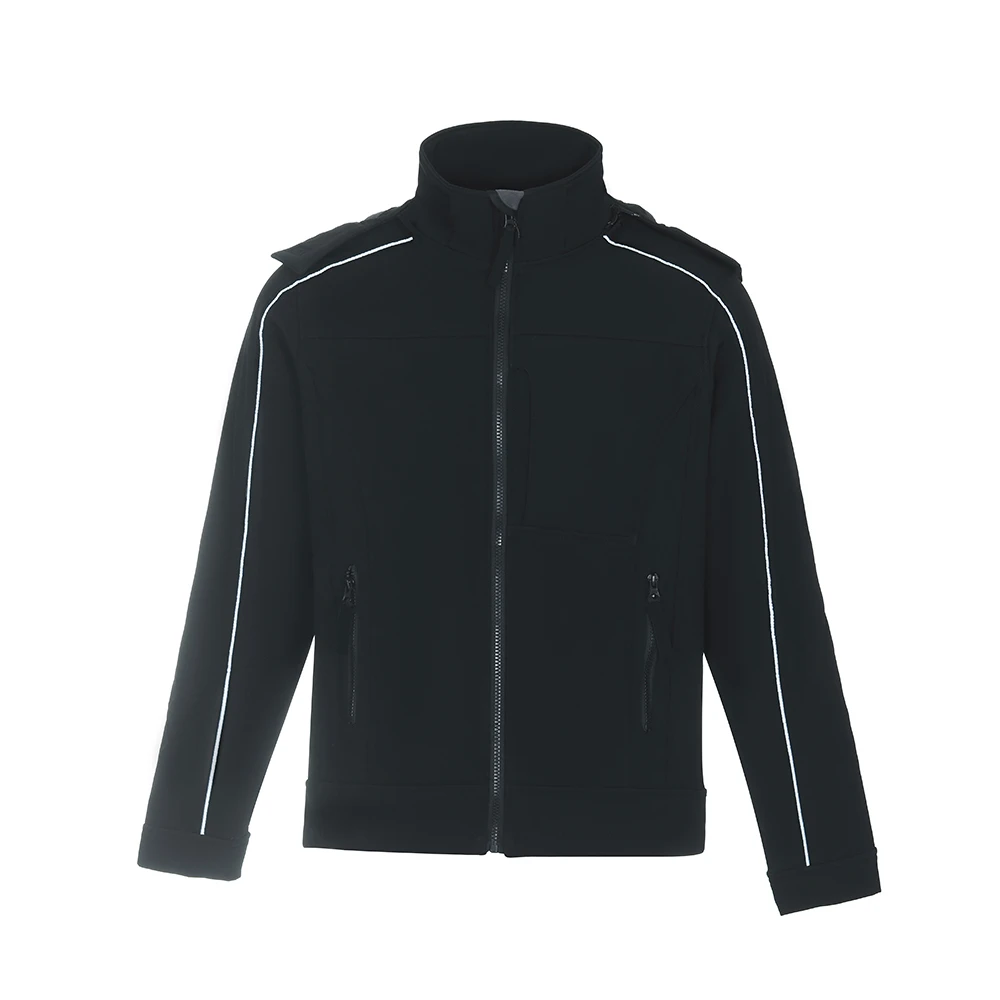
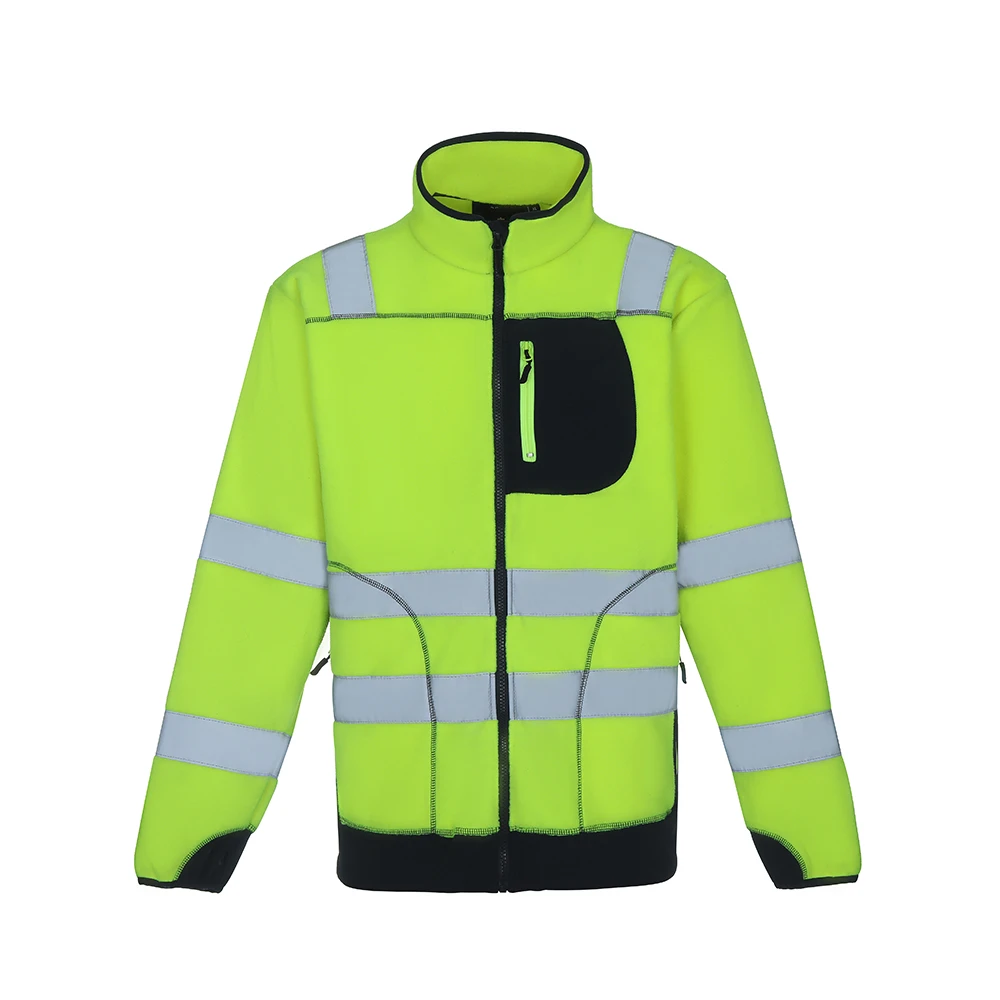
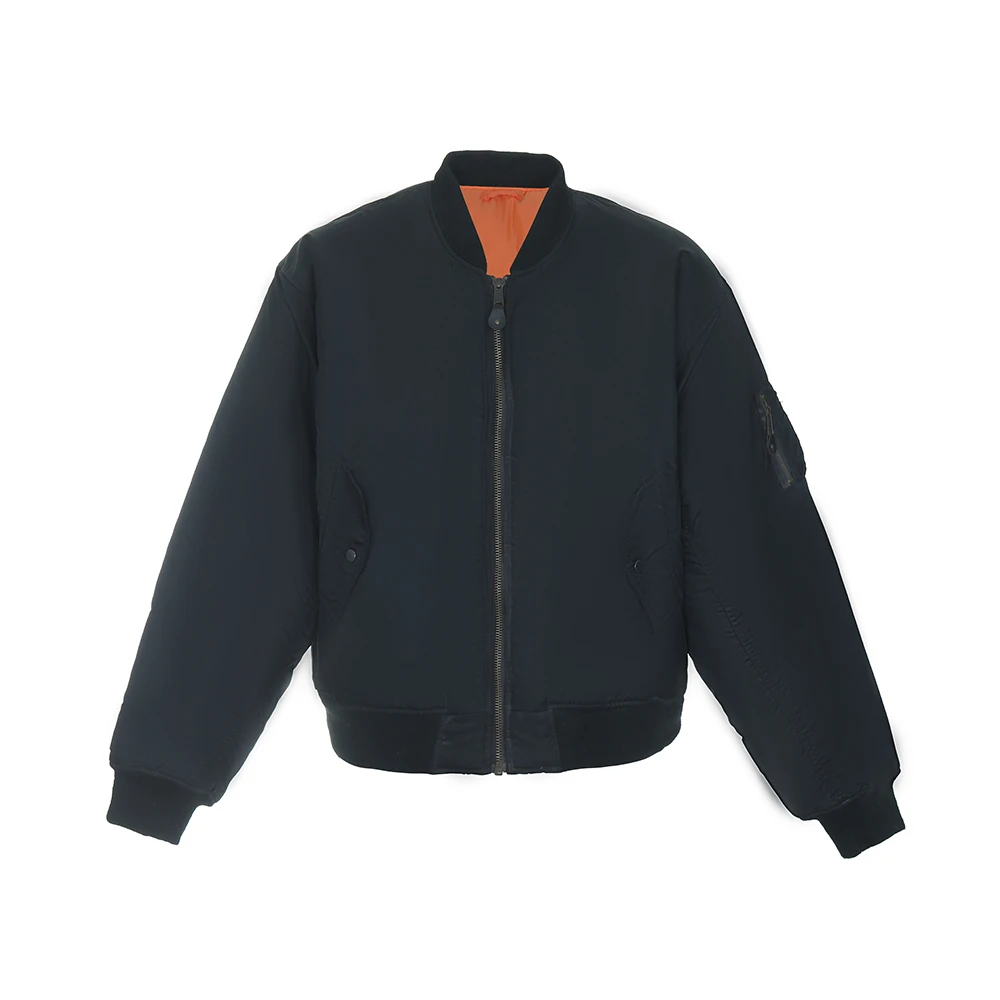
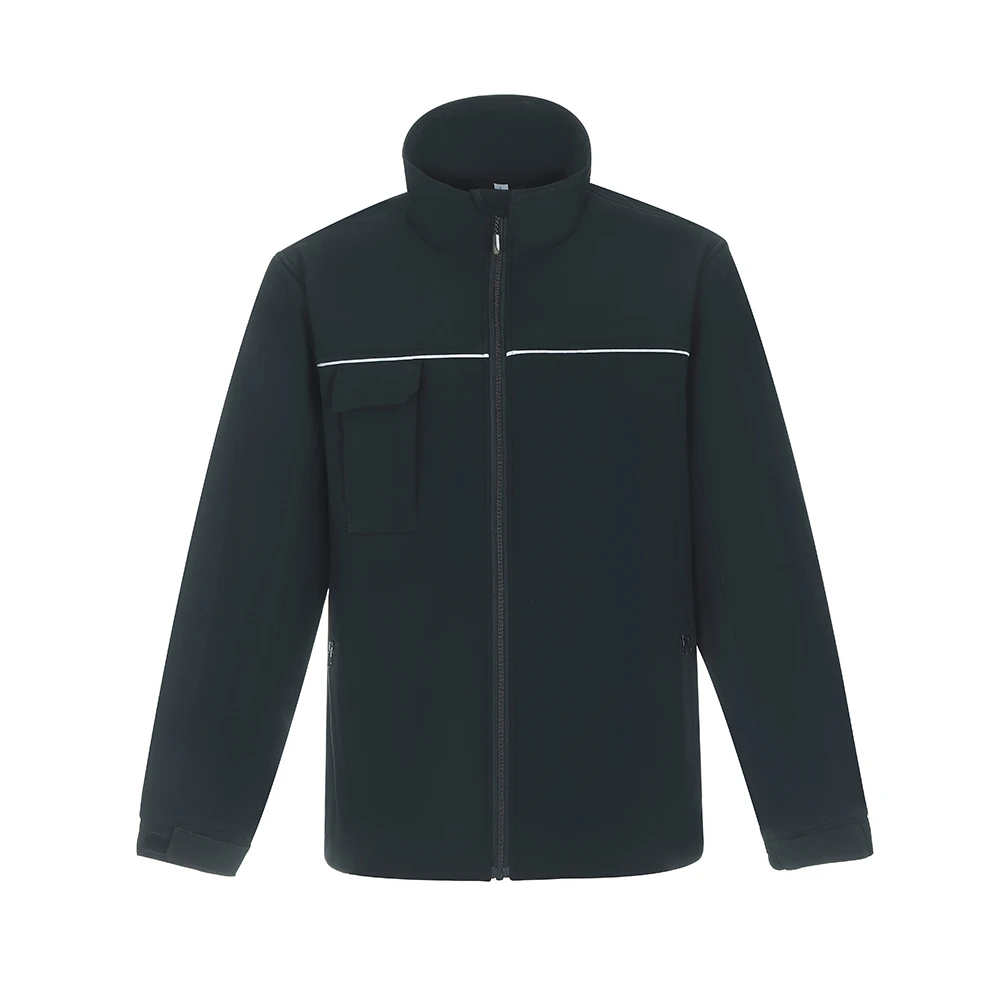
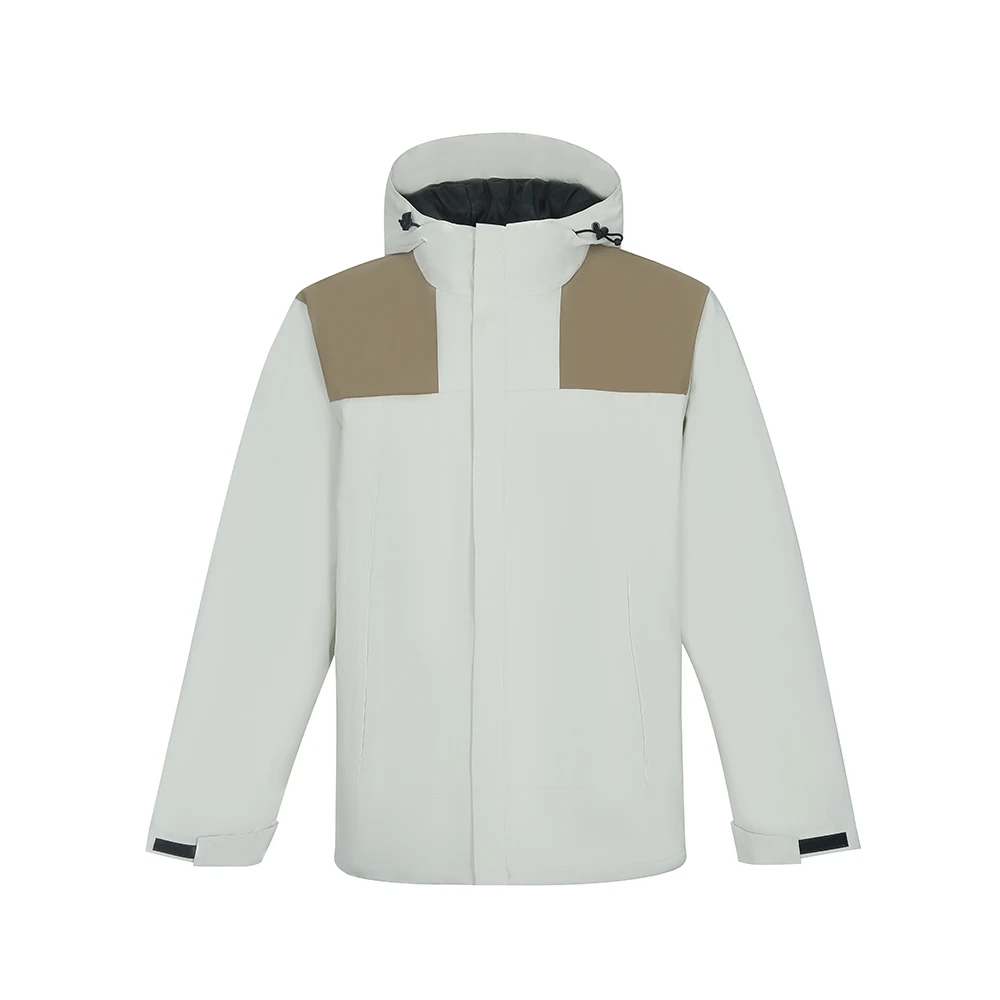
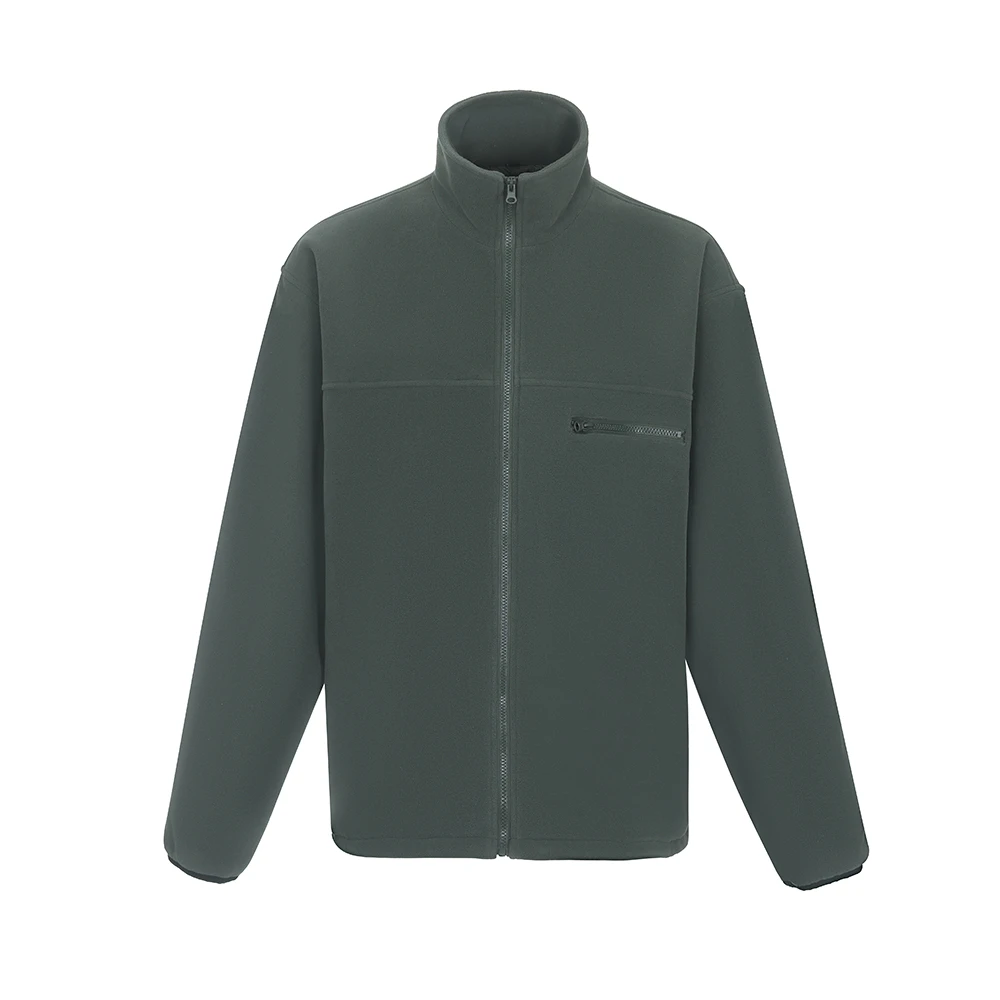
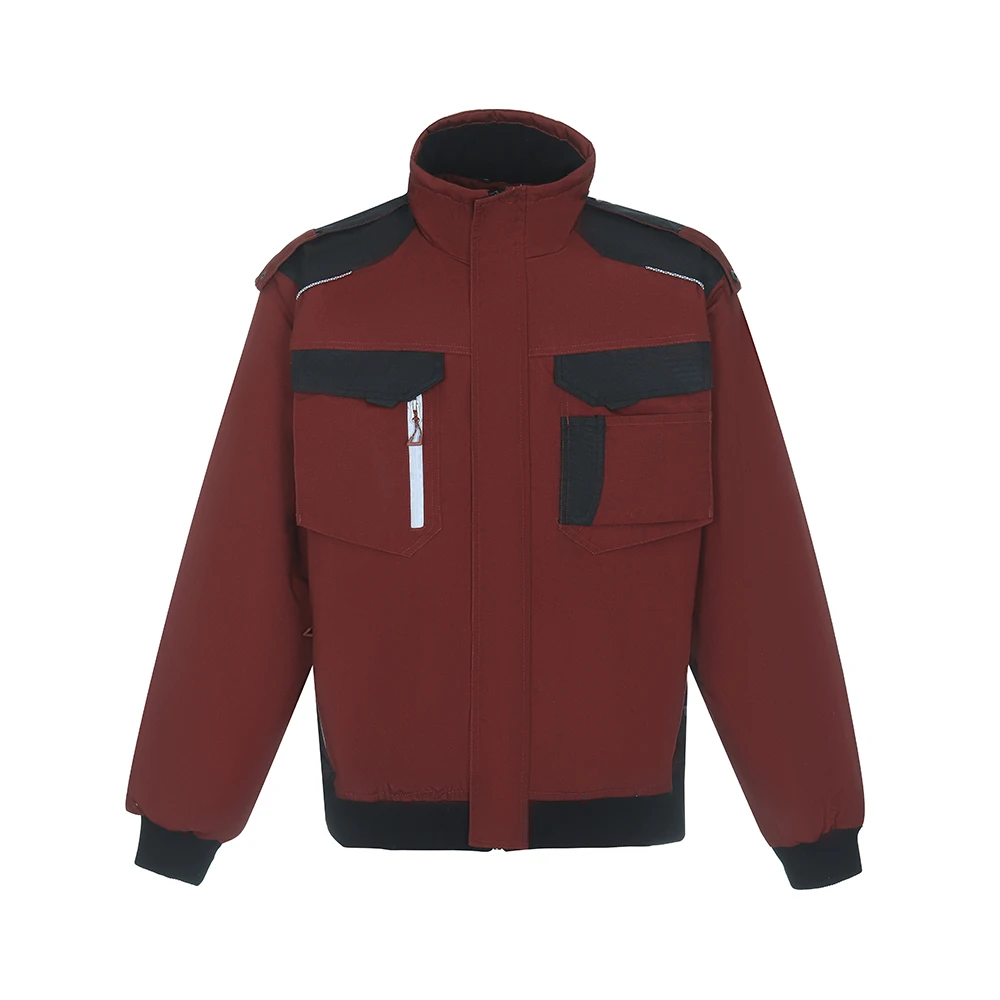
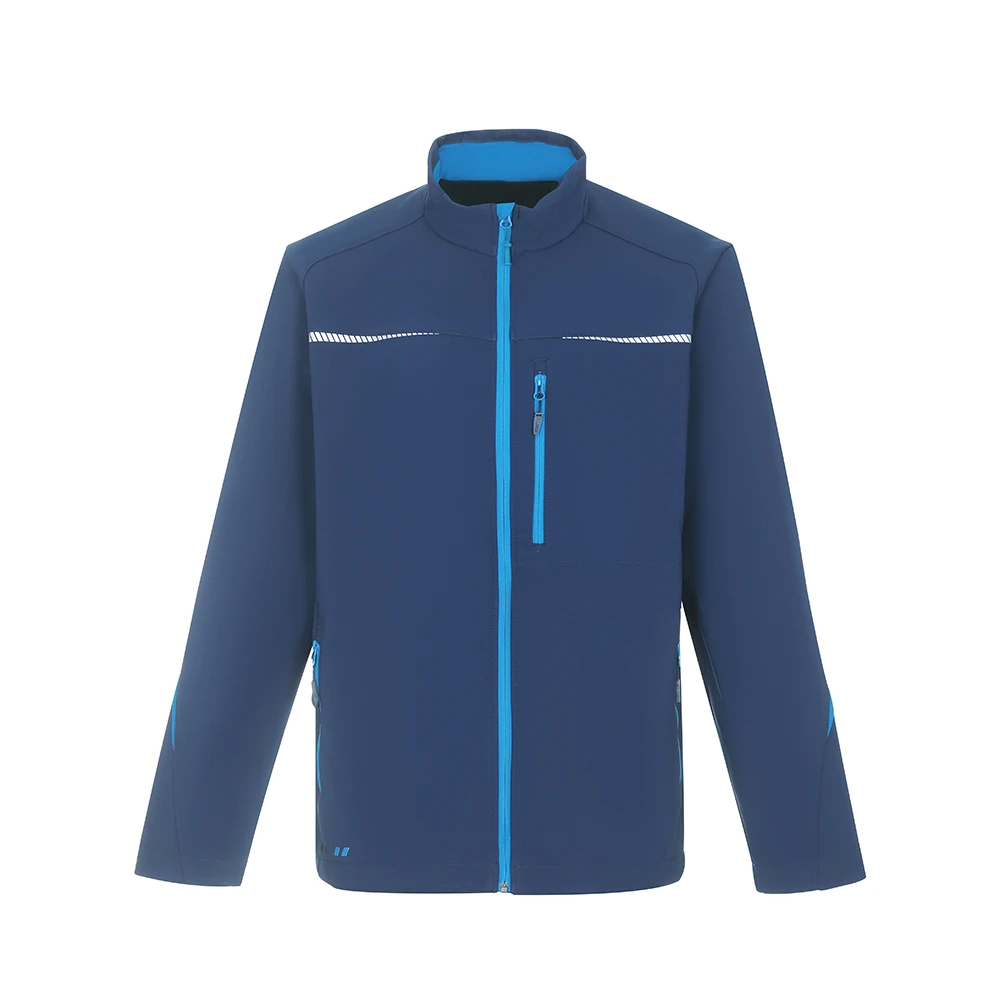
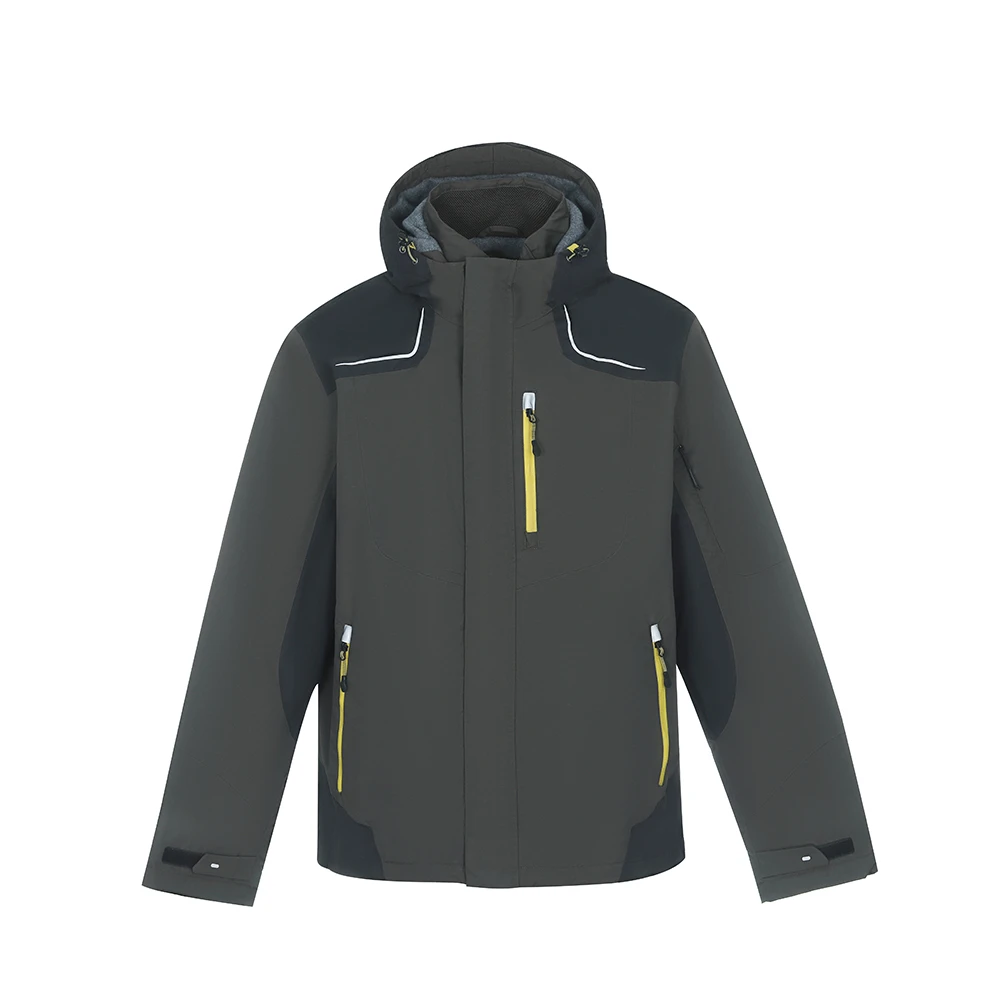
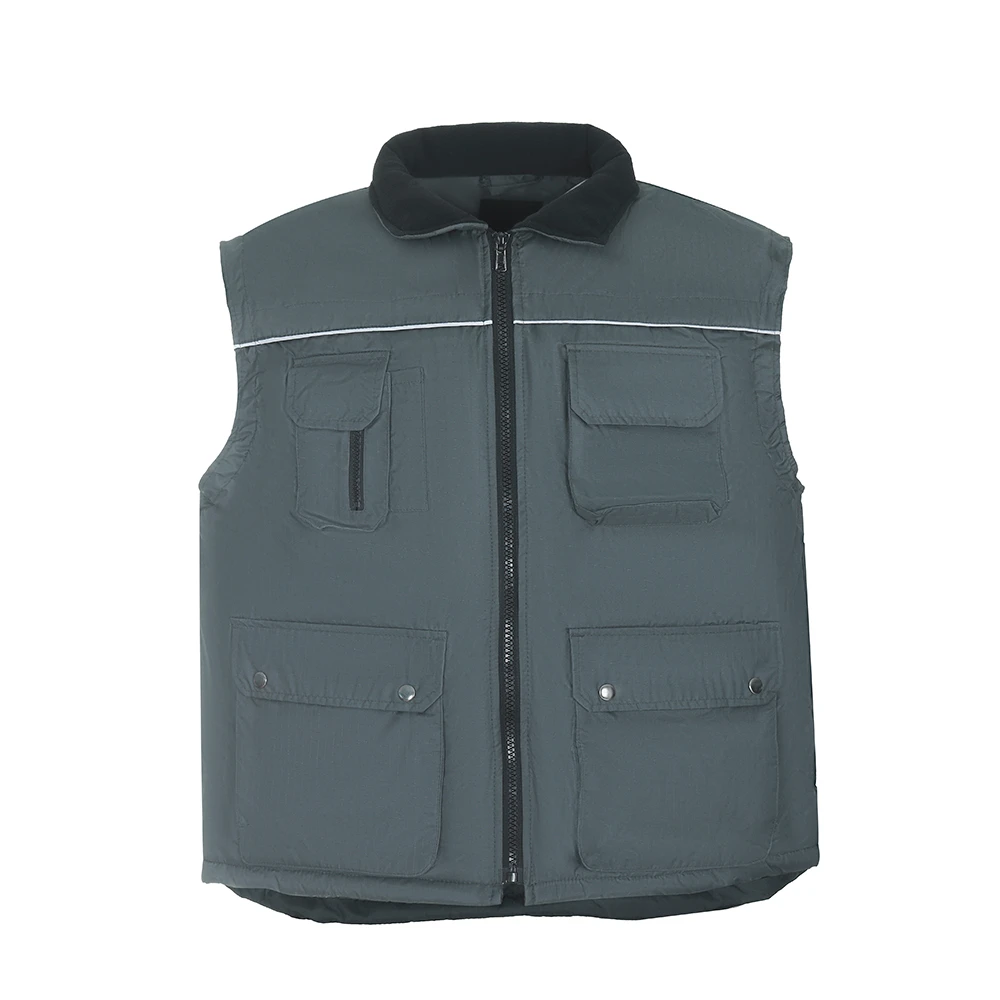
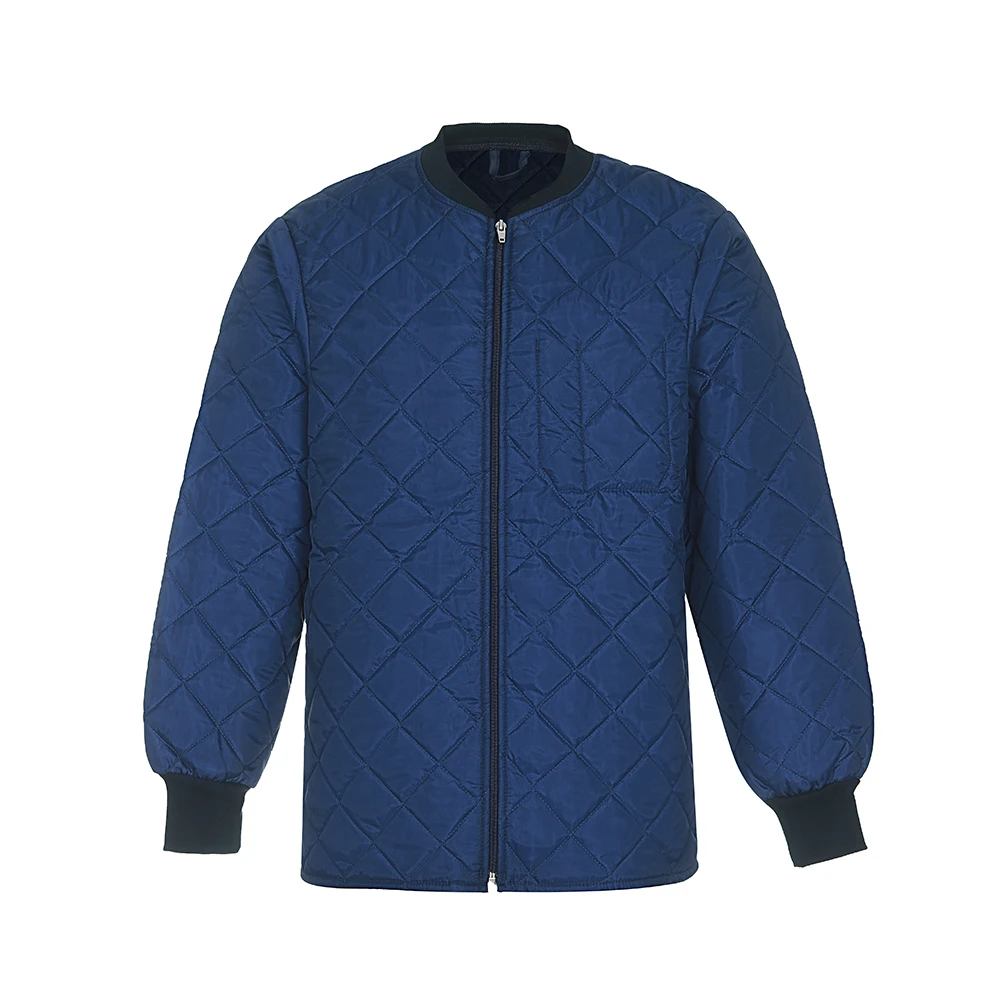
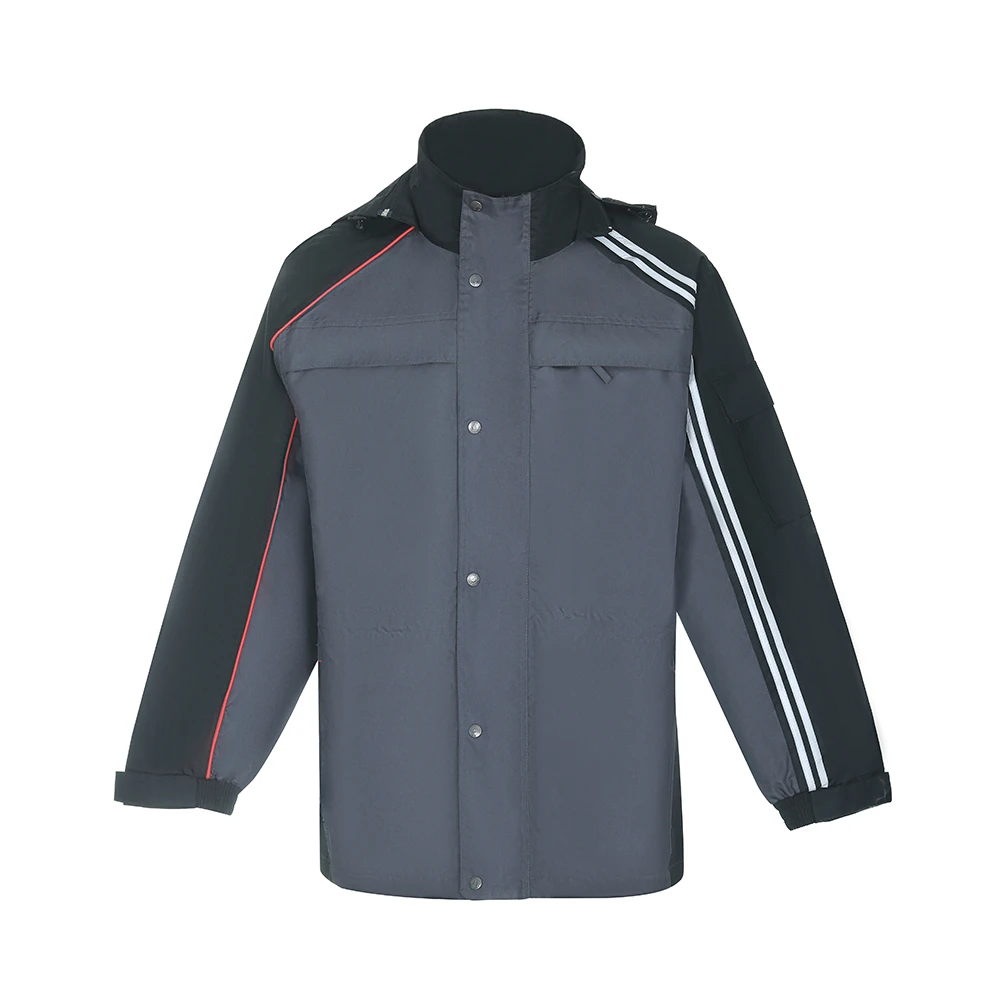
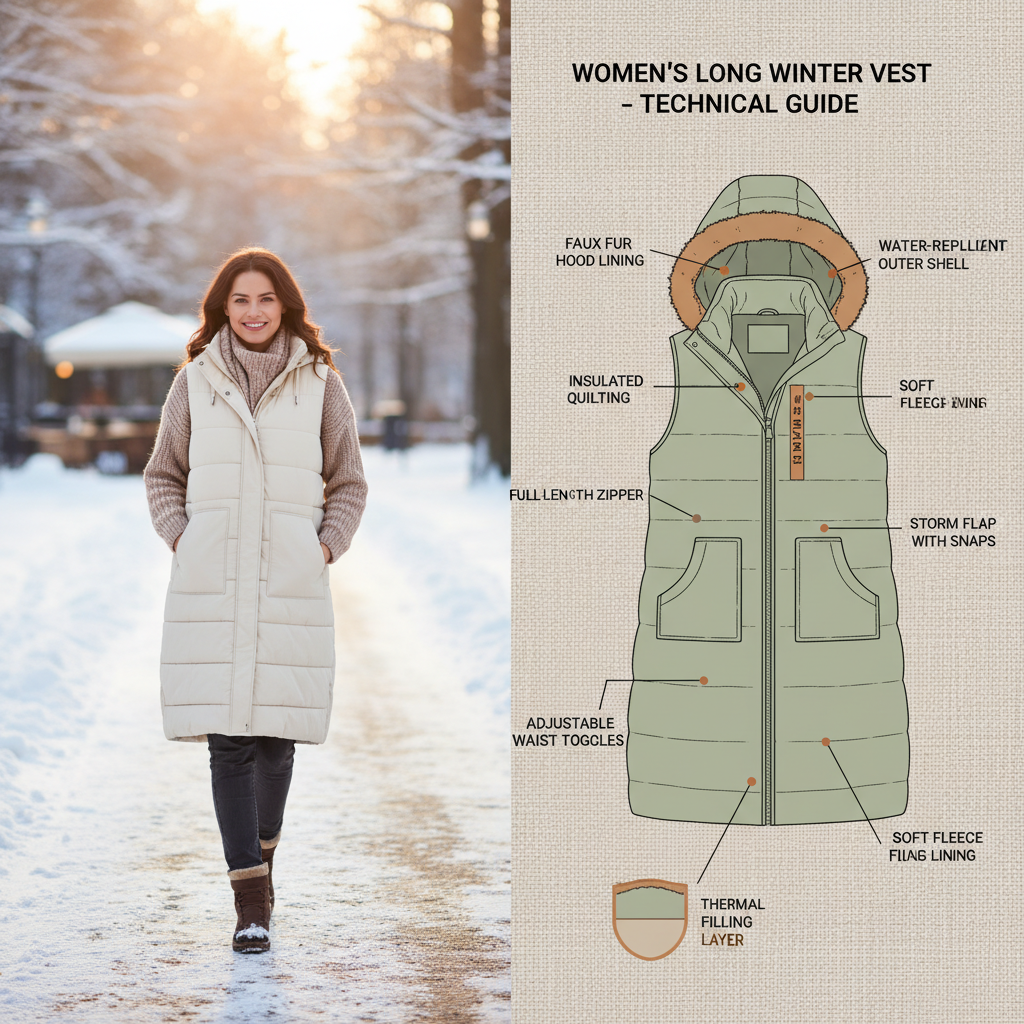
Premium Rain Jacket - Stay Dry, Stylish & Soft
Understanding Industrial-Grade Rain Jackets: Trends and Technicalities
In demanding industrial environments, specialized protective apparel is not merely an accessory but a critical safety component. The industrial rain jacket plays a pivotal role in safeguarding personnel from adverse weather conditions, chemical splashes, and other environmental hazards. This deep dive explores the current landscape, technical specifications, and strategic advantages of modern industrial rainwear.
Current Industry Trends in Protective Rainwear
The market for industrial protective outerwear is evolving rapidly, driven by stricter safety regulations, advancements in material science, and an increasing focus on worker comfort and productivity. Key trends include:
- Advanced Material Science: Beyond traditional PVC, multi-layer laminates like PTFE (e.g., Gore-Tex, eVent) and PU membranes offer superior breathability without compromising waterproof integrity. These materials significantly enhance comfort, reducing heat stress during strenuous activities.
- Ergonomic Design & Flexibility: Modern industrial rainwear is designed to facilitate movement, integrating features such as articulated elbows, adjustable cuffs, and drawcords. This focus improves worker efficiency and reduces fatigue, which is crucial for tasks requiring precision.
- Multi-Hazard Protection: Many industrial environments present more than just rain. Consequently, integrated solutions offering flame resistance (FR), chemical splash protection, and high-visibility (HV) in a single garment are gaining traction. This holistic approach simplifies procurement and ensures comprehensive safety.
- Sustainability Initiatives: Manufacturers are increasingly adopting eco-friendly materials and production processes, including recycled fabrics and PFC-free durable water repellent (DWR) coatings, aligning with global corporate social responsibility goals.
- Smart Integration: Emerging trends include the integration of wearable technology for monitoring worker vitals or environmental conditions, though this is still in nascent stages for general industrial rainwear.
These trends underscore a shift towards more intelligent, comfortable, and versatile protective solutions for the modern industrial workforce.
Manufacturing Process of High-Performance Rain Jackets
The production of a robust industrial rain jacket involves a sophisticated multi-stage process, meticulously engineered to ensure maximum protection and durability. From raw material selection to final testing, each step adheres to stringent quality control standards.
Process Flow Overview
- Material Sourcing & Inspection: Selection of technical fabrics such as polyurethane (PU) coated nylons, polyester with breathable membranes (e.g., ePTFE), or advanced laminates. Materials undergo rigorous inspection for consistency, waterproofing (hydrostatic head test), and breathability (Moisture Vapor Transmission Rate - MVTR). Key materials include durable outer face fabrics (e.g., Cordura, ripstop nylon), a waterproof/breathable membrane, and an inner liner.
- Pattern Cutting: Precision CAD/CAM systems are used to cut fabric panels to exact specifications, minimizing waste and ensuring accurate garment assembly. This stage is critical for achieving an ergonomic fit.
- Garment Assembly & Stitching: Panels are meticulously stitched together. For industrial rainwear, specialized seam construction is employed, often using multi-needle machines and robust threads engineered for harsh conditions.
- Seam Sealing/Taping: This is a critical step for preventing water ingress through stitch holes. Heat-activated tape is applied over all seams, using specialized machinery to create an impermeable barrier. For highly demanding applications, ultrasonic welding or RF welding may be used for superior seam integrity without traditional stitching.
- Component Integration: Attachment of zippers (often waterproof YKK zippers), storm flaps, adjustable cuffs, hoods, reflective tapes (for high-visibility standards like EN ISO 20471), and specialized pockets designed for industrial tools or communication devices.
- Durable Water Repellent (DWR) Treatment: An external DWR coating is applied to the face fabric to make water bead up and roll off, preventing the fabric from wetting out and maintaining breathability.
- Quality Control & Testing: Each rain jacket undergoes comprehensive testing:
- Waterproofness (ISO 811 / EN 343): Hydrostatic head testing to ensure fabric and seams withstand specified water pressure.
- Breathability (ISO 11092 / EN 343): Ret (Resistance to Evaporative Heat Transfer) values are measured to quantify how easily moisture vapor can pass through the fabric.
- Durability (ASTM D3884 / ISO 12947): Abrasion, tear, and tensile strength tests to ensure the garment's longevity in rugged industrial use.
- Chemical Resistance (ASTM F903): For specialized applications, materials are tested for resistance to specific industrial chemicals.
- Final Inspection & Packaging: A final visual and functional inspection before packaging and shipment.
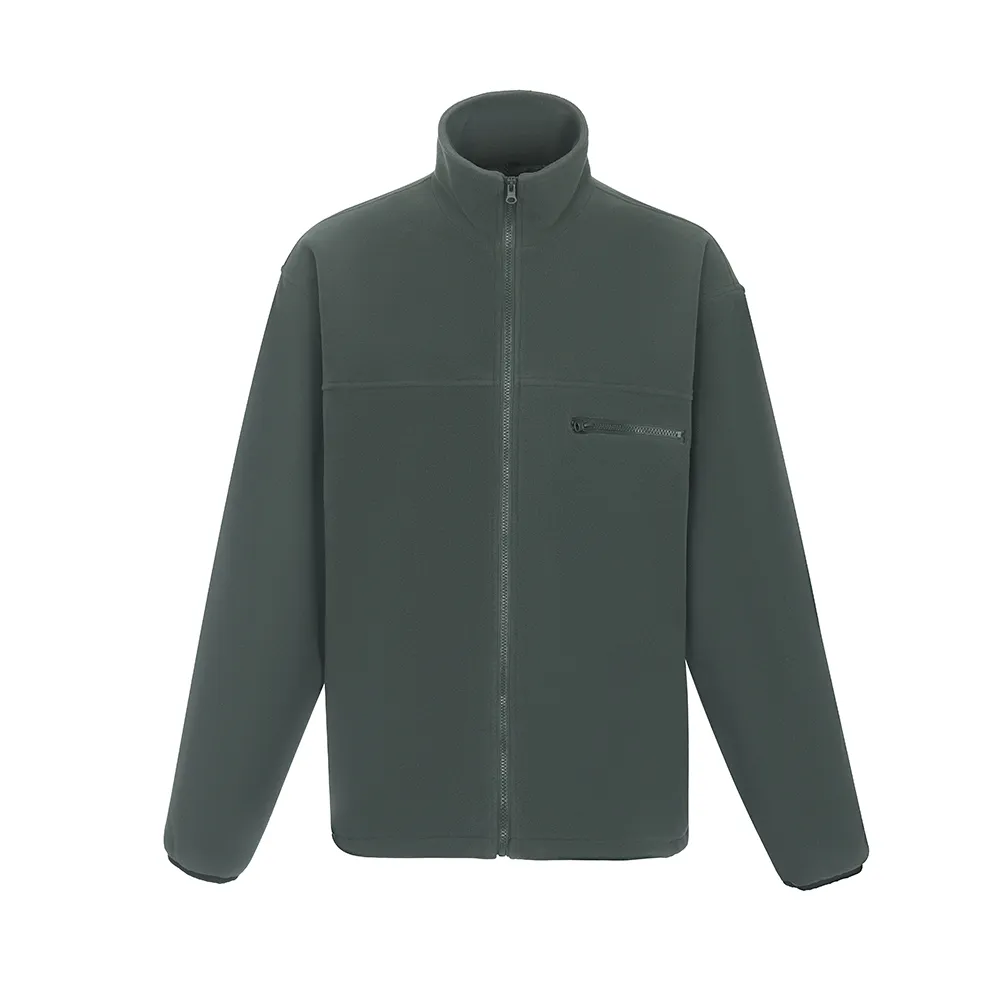
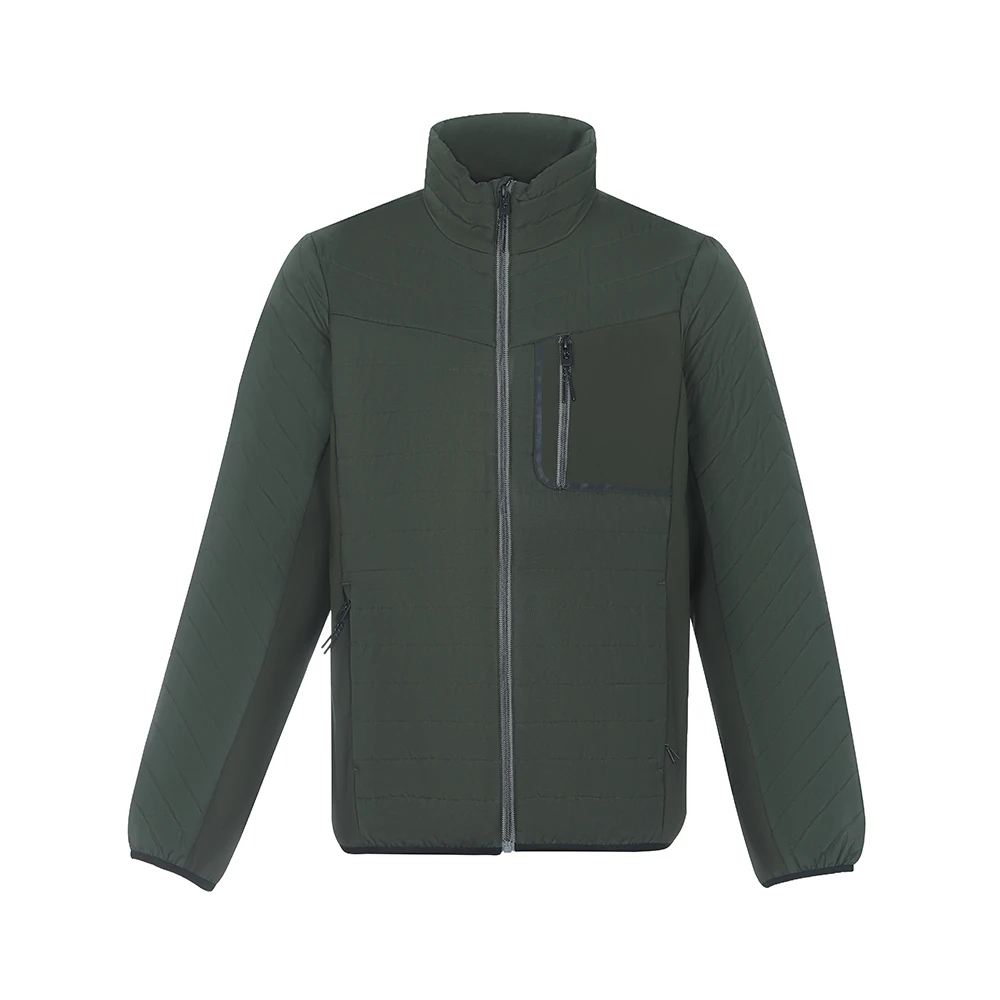
Figure 1: Advanced seam-sealing technology ensuring waterproof integrity of industrial rainwear.
Service Life and Target Industries
The typical service life of an industrial rain jacket, when properly maintained, ranges from 2 to 5 years, depending on the intensity of use and the harshness of the environment. High-quality garments designed for extreme conditions often exceed this, offering enhanced ROI.
These specialized jackets are indispensable across a multitude of target industries:
- Petrochemical: Protection against hydrocarbon splashes and adverse weather on drilling rigs and refineries.
- Metallurgy & Mining: Durability against abrasive materials, high visibility in low-light conditions, and protection from water and grime.
- Water Supply & Drainage: Essential for workers exposed to constant moisture, potential biohazards, and varied outdoor conditions.
- Construction & Infrastructure: All-weather protection, often integrated with high-visibility features and tear resistance.
- Utilities & Telecommunications: Linemen and field engineers require dependable protection in all weather for maintaining critical infrastructure.
- Logistics & Transportation: For outdoor personnel in ports, freight yards, and delivery services.
Advantages in Typical Application Scenarios
- Energy Saving: By preventing workers from getting wet and cold, high-performance rainwear reduces the body's need to expend energy on thermoregulation, indirectly contributing to sustained worker performance and reducing the need for additional heating in controlled environments if workers are coming in and out. Advanced breathability minimizes the accumulation of sweat, keeping the wearer dry from the inside out, which is key to comfort and preventing chilling.
- Corrosion Resistance: Specialized coatings and fabric treatments ensure resistance to corrosive chemicals, oils, and other industrial substances, prolonging the garment's life and protecting the wearer. This is particularly vital in chemical processing plants or wastewater treatment facilities.
- Enhanced Safety & Productivity: By keeping workers dry, warm, and comfortable, these jackets reduce the risk of hypothermia, discomfort-induced errors, and associated lost time. High-visibility features significantly lower accident risks in busy industrial sites.
- Durability & Reduced Downtime: Robust construction and abrasion-resistant materials mean fewer replacements and reduced downtime associated with PPE failure.
Technical Specifications and Performance Metrics
Selecting the right industrial rain jacket requires a deep understanding of its technical specifications and performance ratings, which directly correlate with protection levels and user comfort.
Key Performance Parameters
- Waterproofness (Hydrostatic Head): Measured in millimeters (mm), this indicates the height of a column of water a fabric can withstand before leaking. Industrial standards typically demand >10,000mm, with premium garments reaching 20,000mm or higher. (EN 343: Class 3 requires >13,000 mm).
- Breathability (MVTR / Ret): Moisture Vapor Transmission Rate (MVTR) measures how much moisture passes through a square meter of fabric in 24 hours (g/m²/24hrs). Ret (Resistance to Evaporative Heat Transfer) is a more accurate measure of a fabric's breathability, with lower values indicating better breathability. A Ret value below 6 is considered highly breathable. (EN 343: Class 3 requires Ret
- Durability: Tested via abrasion resistance (e.g., Martindale test cycles), tear strength (N), and tensile strength (N). Essential for longevity in rugged work environments.
- Chemical Resistance: Measured by ASTM F903, which details the resistance of materials to penetration by liquids. Crucial for petrochemical and chemical industries.
- Flame Resistance (FR): If applicable, tested to standards like NFPA 2112 or EN ISO 11612, indicating protection against flash fire or radiant heat.
- High Visibility (HV): Certified to EN ISO 20471, specifying requirements for professional use high-visibility clothing.
Typical Product Specification Table
| Feature | Specification | Standard/Rating |
|---|---|---|
| Outer Fabric | 150D Polyester Oxford with PU Membrane | N/A (Material Grade) |
| Waterproof Rating | 20,000 mm H₂O | EN 343 Class 3/3, ISO 811 |
| Breathability Rating | Ret | EN 343 Class 3/3, ISO 11092 |
| Seam Construction | Fully Taped Seams | N/A (Manufacturing Process) |
| Chemical Resistance | Limited Splash Resistance | ASTM F903 Pass (specific chemicals) |
| Visibility | Reflective Tapes (Class 2) | EN ISO 20471 |
| Weight (L-size) | Approx. 850g | N/A |
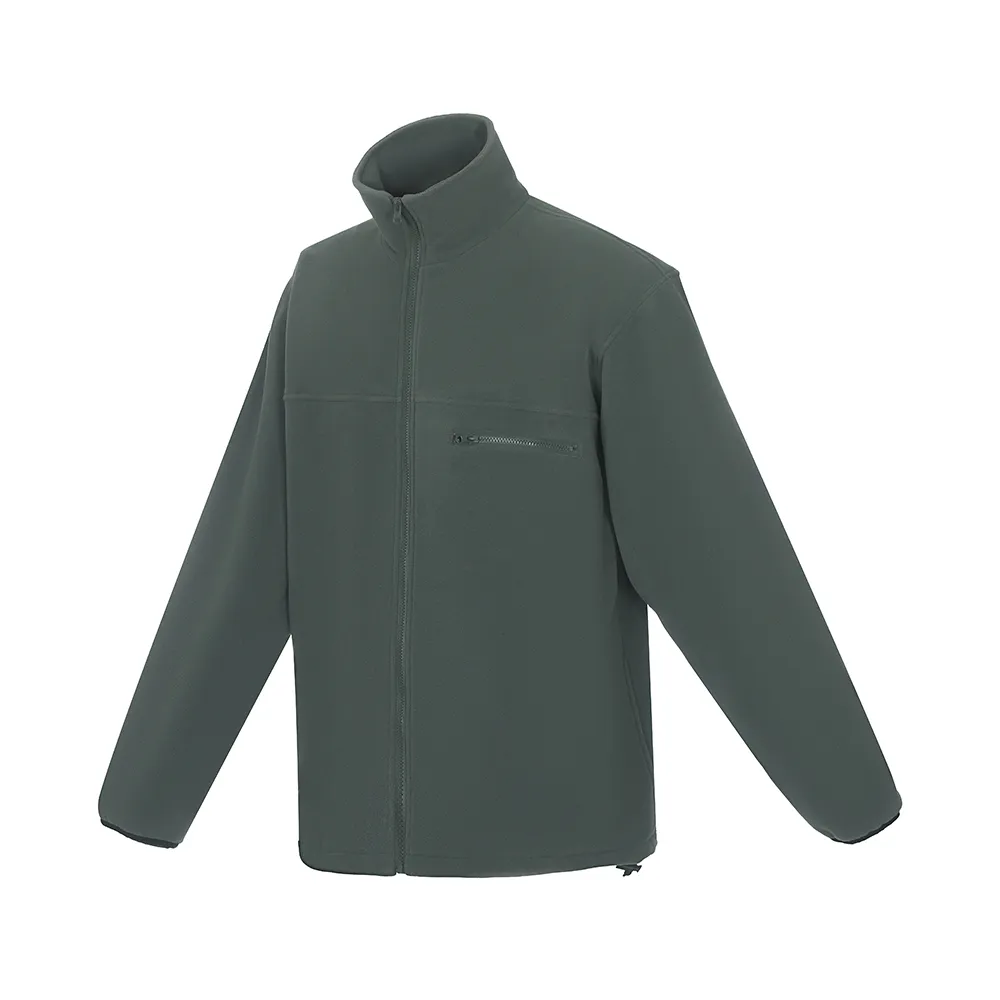
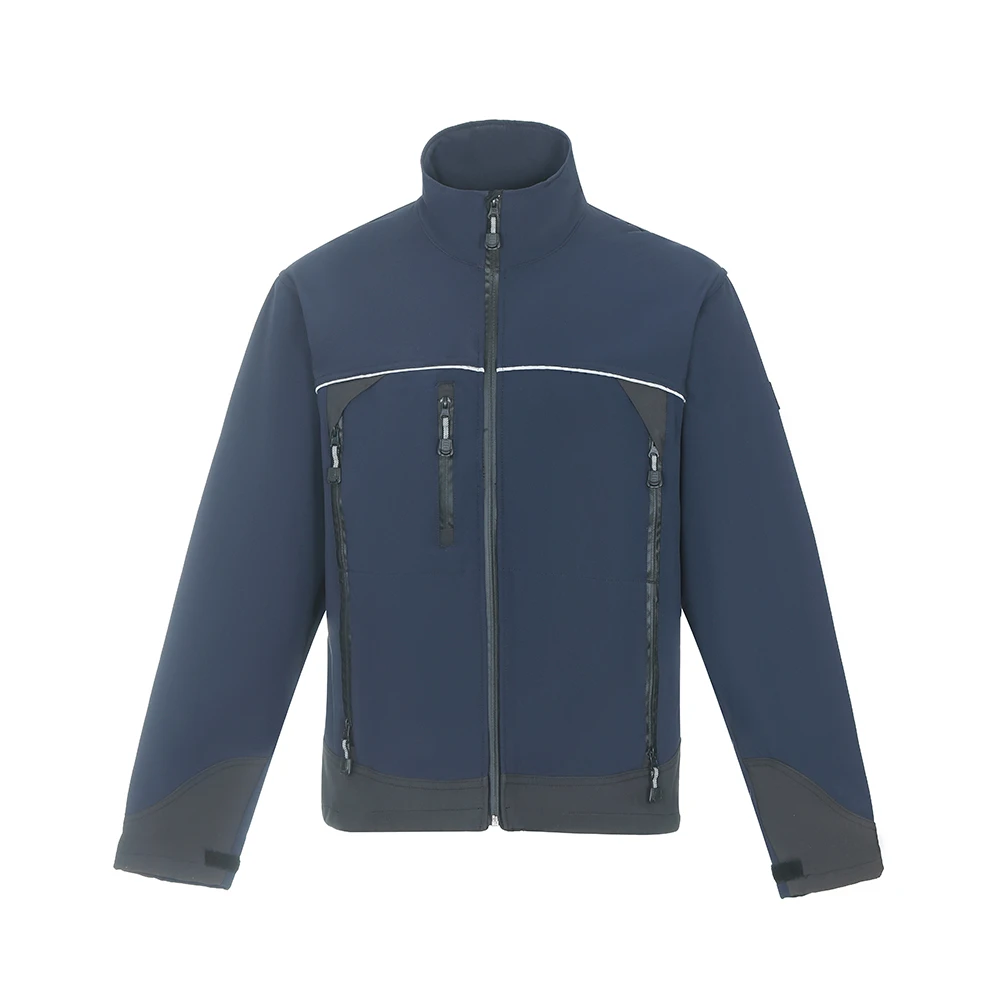
Figure 2: Ergonomically designed industrial rainwear for enhanced mobility and comfort.
Vendor Comparison and Customized Solutions
The market offers a diverse range of industrial protective garments. Choosing the optimal supplier involves evaluating not only product specifications but also comprehensive service capabilities, including customization and support.
Key Considerations for Vendor Selection
- Material Technology: Different vendors specialize in specific waterproof-breathable membranes (e.g., ePTFE, PU, PVC-free options). Understand the performance-to-cost ratio for your specific application.
- Certifications and Compliance: Verify adherence to international standards like EN 343 (rain protection), EN ISO 20471 (high visibility), NFPA (FR), and ISO 9001 for quality management systems.
- Product Range and Integration: Some vendors offer modular systems (e.g., zip-in fleece liners, compatible with a winter jacket) that enhance versatility and allow for seasonal adaptation. A soft jacket or insulated liner can turn a shell into a comprehensive cold-weather solution.
- Customization Capabilities: The ability to tailor garments for specific functional requirements, corporate branding, or unique hazard protection.
- Logistics and Supply Chain Reliability: Timely delivery, global distribution, and inventory management are crucial for large-scale industrial operations.
- After-Sales Support & Warranty: Robust warranty programs and readily available technical support.
Vendor Comparison Table (Illustrative)
| Feature/Vendor | Vendor A (Premium) | Vendor B (Mid-Range) | Vendor C (Value) |
|---|---|---|---|
| Waterproof Rating (mm) | 25,000+ | 15,000 - 20,000 | 8,000 - 10,000 |
| Breathability (Ret) | 6 - 15 | > 15 | |
| Key Fabric Technology | ePTFE 3-Layer Laminate | PU-Coated Nylon/Polyester | PVC-Coated Polyester |
| Integrated FR/Chemical Protection | Full Range Available | Limited Options | Rarely |
| Customization Lead Time | 4-6 Weeks | 6-8 Weeks | 8-12 Weeks |
| Warranty (Years) | 3-5 | 1-2 | 0.5-1 |
Customized Solutions
For specialized industrial applications, off-the-shelf solutions may not suffice. Leading manufacturers offer bespoke solutions for industrial requirements, including:
- Specific Hazard Protection: Integrating FR materials, anti-static properties, or enhanced chemical splash resistance for unique operational risks.
- Integrated Sensor Pockets: Designing specific pockets or attachment points for gas detectors, communication devices, or personal safety alarms.
- Enhanced Durability in Stress Zones: Reinforcing areas prone to wear and tear, such as elbows, shoulders, and knees, with Cordura patches or extra layers.
- Modular Design: Creating systems where a waterproof shell can be combined with various liners – such as a fleece or soft jacket – for adaptable multi-season use.
- Branding and Corporate Identity: Custom embroidery or heat transfer logos for corporate branding while maintaining compliance with safety standards.
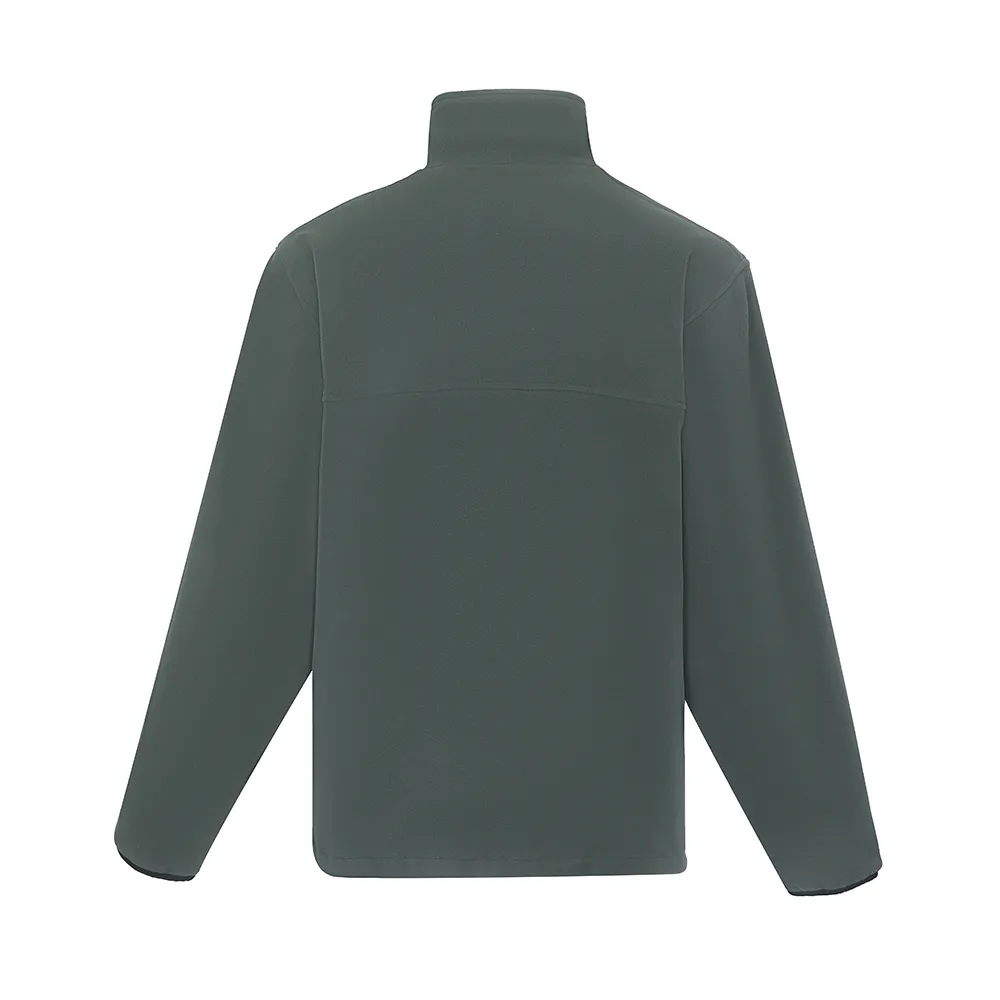
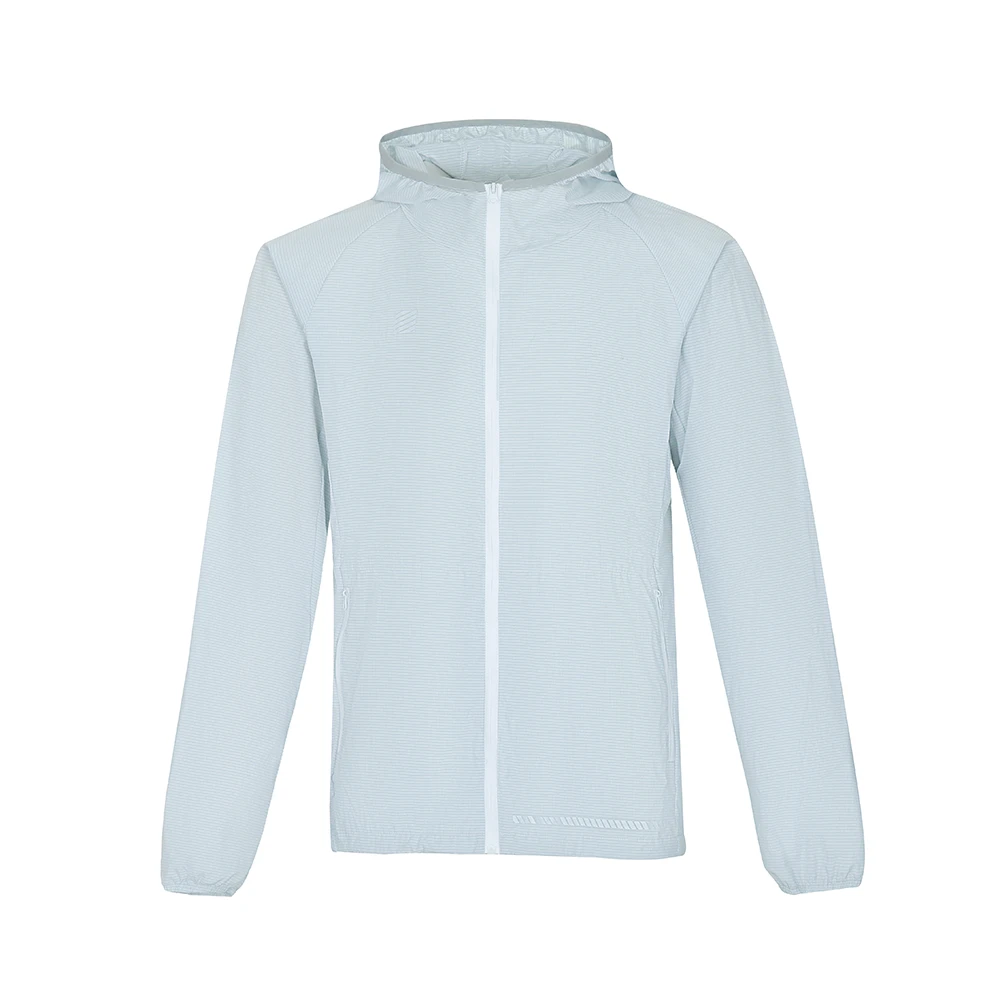
Figure 3: Custom industrial rain jacket with integrated safety features and branding.
Application Case Studies and Authoritativeness
Our commitment to quality and performance is demonstrated through our extensive certifications, long-standing client partnerships, and successful application case studies. We leverage decades of experience in technical apparel manufacturing to deliver reliable protection.
Real-World Application Case Studies
Case Study 1: Offshore Wind Farm Maintenance
A leading renewable energy company required robust protective outerwear for technicians working on offshore wind turbines in the North Sea. Conditions included constant rain, high winds, and corrosive saltwater spray. Our solution involved a 3-layer laminated rain jacket meeting EN 343 Class 4/4 (highest waterproofness and breathability) and integrated high-visibility compliant with EN ISO 20471. The jackets featured reinforced critical areas, marine-grade zippers, and ergonomic designs to facilitate climbing and intricate tool handling. Post-implementation feedback indicated significant improvements in worker comfort, reduced exposure-related health issues, and a measurable increase in operational uptime due to enhanced worker endurance in harsh conditions. The service life of the jackets exceeded expectations, providing a strong return on investment.
Case Study 2: Municipal Wastewater Treatment Facility
A large municipal utility faced challenges with worker discomfort and premature wear of protective gear in their wastewater treatment plants, where exposure to water, biological agents, and mild chemicals was constant. We provided a customized rain jacket with a specialized PU coating offering superior chemical and abrasion resistance, coupled with exceptional breathability to prevent heat stress in warm, humid environments. The design included integrated hood systems compatible with hard hats and waterproof utility pockets. The utility reported a 30% reduction in garment replacement frequency and a notable improvement in employee satisfaction and adherence to safety protocols.
Certifications and Authoritative References
Our manufacturing processes and products adhere to the highest international standards, ensuring reliability and compliance.
- ISO 9001:2015 Certified: Our Quality Management System ensures consistent product quality from design to delivery.
- EN 343:2019 Certified: Our industrial rainwear meets stringent European standards for protection against rain, with many products achieving Class 3 (highest level) for both waterproofness and breathability.
- EN ISO 20471 Certified: For high-visibility requirements, ensuring our garments enhance worker safety in low-light and high-traffic conditions.
- ASTM & ANSI Compliance: Adherence to American Society for Testing and Materials (ASTM) and American National Standards Institute (ANSI) standards for various performance parameters, including FR and chemical resistance where applicable.
- FDA Compliance: For materials used in specific food processing or pharmaceutical environments, ensuring non-toxicity and safety.
We partner with leading industrial corporations globally, providing tailored protective solutions that enhance safety and operational efficiency. Our extensive client portfolio includes major players in energy, construction, and public utilities.
Trustworthiness and Support: FAQ, Lead Time, Warranty
Building long-term partnerships relies on clear communication, dependable logistics, and comprehensive after-sales support. We are committed to transparency and exceptional service.
Frequently Asked Questions (FAQ)
Q: What is the difference between waterproof and water-resistant?
A: "Water-resistant" garments offer some protection against light rain or splashes but will eventually soak through. "Waterproof" garments, especially those meeting industrial standards, are designed to prevent water penetration entirely, typically through a combination of waterproof membranes and sealed seams, even under significant pressure. All our industrial rain jacket offerings are fully waterproof.
Q: How do I choose the correct size?
A: We provide detailed sizing charts on our product pages. For industrial applications, consider layering requirements (e.g., wearing a winter jacket or other PPE underneath) to ensure adequate mobility and comfort. Our specialists can assist with specific sizing recommendations for bulk orders.
Q: Can these jackets be repaired?
A: Minor punctures or tears in the outer fabric can often be professionally repaired using specialized patches and sealants, maintaining the garment's waterproof integrity. We can provide guidance or recommend certified repair centers. Major damage may necessitate replacement.
Q: What is the typical lead time for custom orders?
A: Standard product lead times are typically 2-4 weeks, depending on order volume. Customized industrial rain jacket solutions, involving specific material selections or design modifications, generally require 6-10 weeks for design, prototyping, and production. Expedited options may be available upon request.
Lead Time and Fulfillment Details
Our efficient supply chain and manufacturing capabilities ensure timely fulfillment for orders of all sizes.
- Standard Orders: Typically shipped within 2-4 weeks after order confirmation.
- Bulk Orders: Lead times are subject to production schedule and order complexity; precise estimates are provided during quotation.
- Global Shipping: We offer robust international shipping solutions, with options for expedited delivery.
Warranty Commitments
We stand behind the quality and durability of our products. All industrial protective garments are backed by a comprehensive warranty against manufacturing defects.
- Standard Warranty: 1 to 3 years, depending on the product line and materials.
- Extended Warranty Options: Available for select high-performance products and large-scale deployments.
- Terms & Conditions: Detailed warranty information is provided with each product and can be accessed via our customer portal.
Customer Support Information
Our dedicated customer support team is available to assist with product selection, order inquiries, technical specifications, and after-sales service.
- Technical Sales & Consultation: Contact our experts for tailored advice on your specific industrial PPE needs.
- Online Portal: Access product documentation, order history, and support tickets.
- Service Hours: Monday to Friday, 8:00 AM - 5:00 PM EST.
References
- ISO (International Organization for Standardization). ISO 811:2018 Textiles - Determination of resistance to water penetration - Hydrostatic pressure test.
- CEN (European Committee for Standardization). EN 343:2019 Protective clothing against rain.
- ASTM International. ASTM F903 - 18 Standard Test Method for Resistance of Materials Used in Protective Clothing to Penetration by Liquids.
- OSHA (Occupational Safety and Health Administration). Guidance on Personal Protective Equipment (PPE) for General Industry.
- Gore-Tex Professional. Understanding the Science of Waterproof and Breathable Fabrics. Available at: https://www.gore-tex.com/professional/technologies