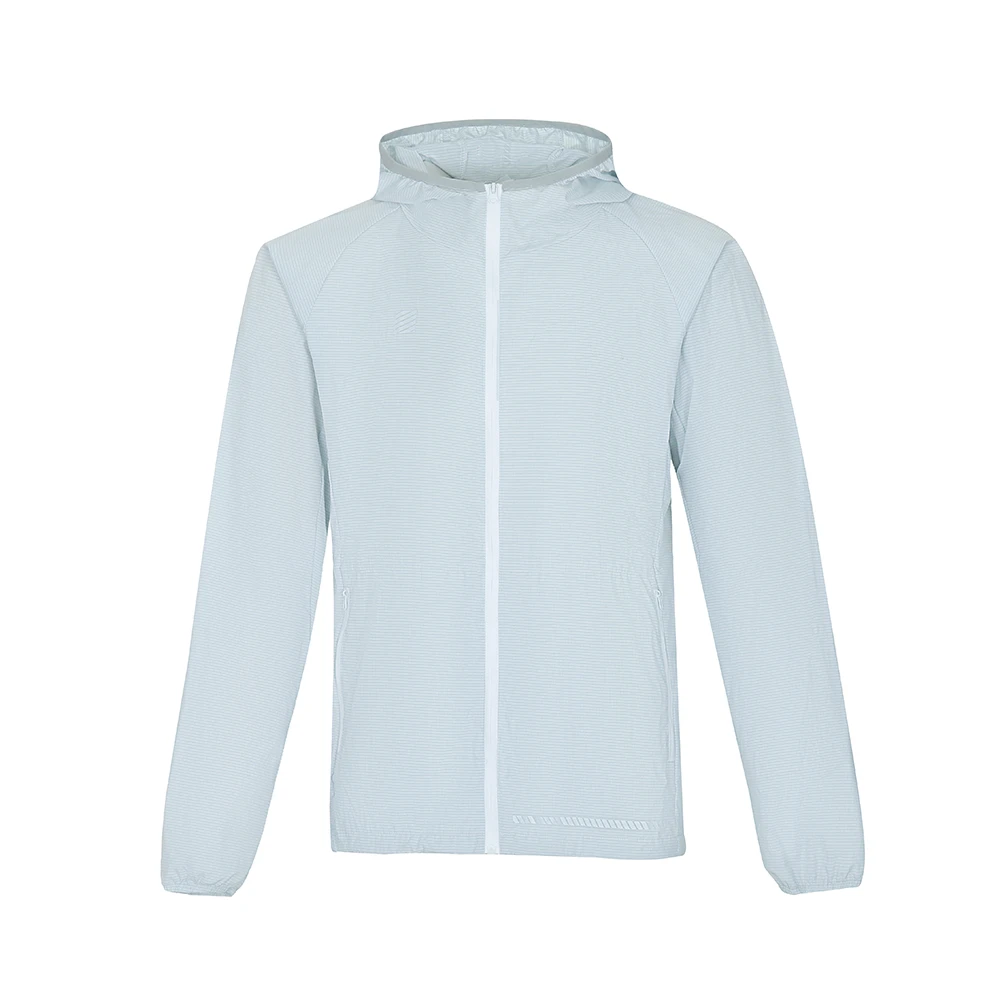
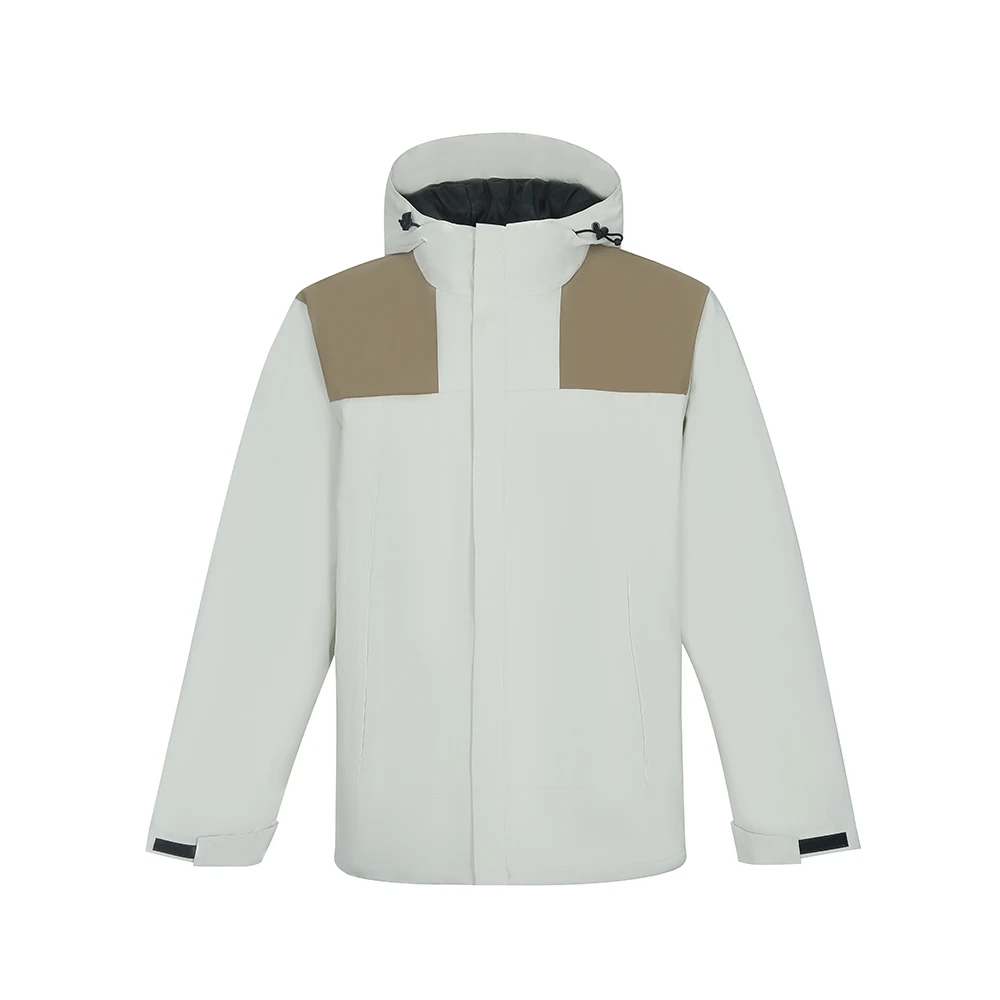
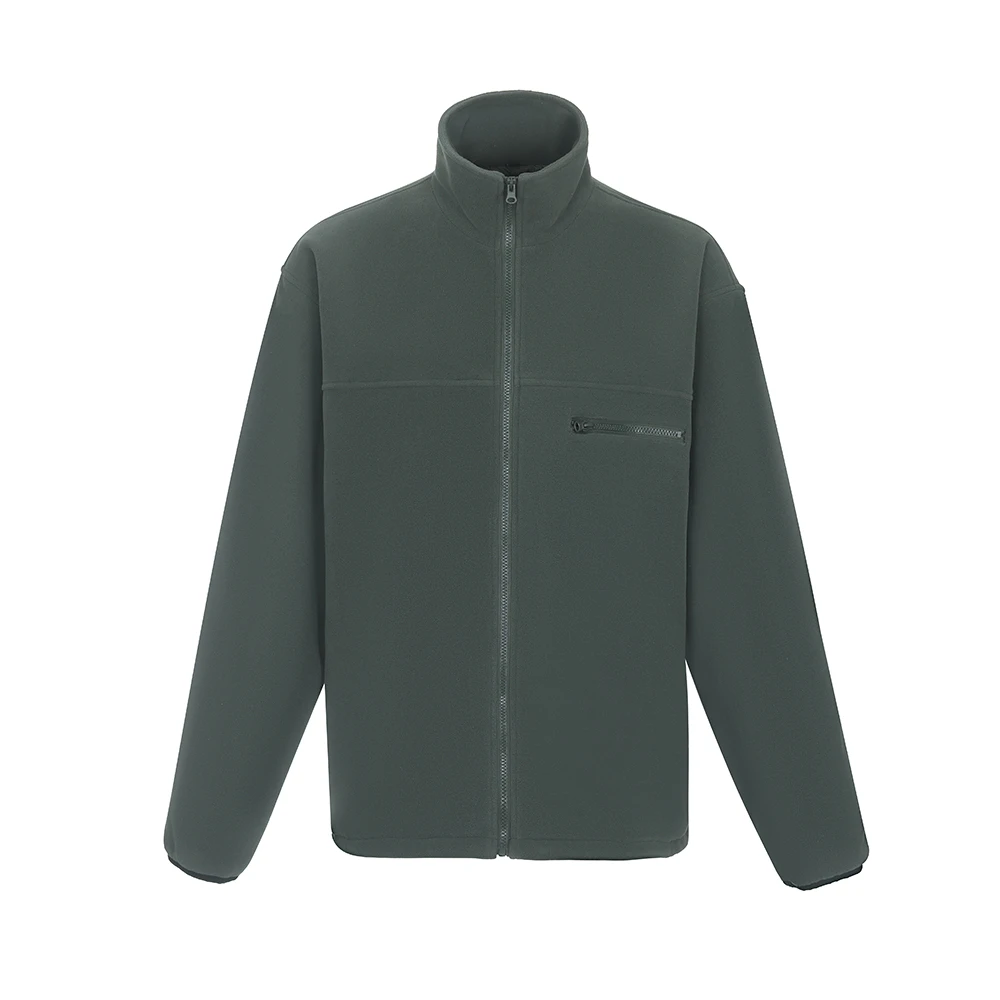
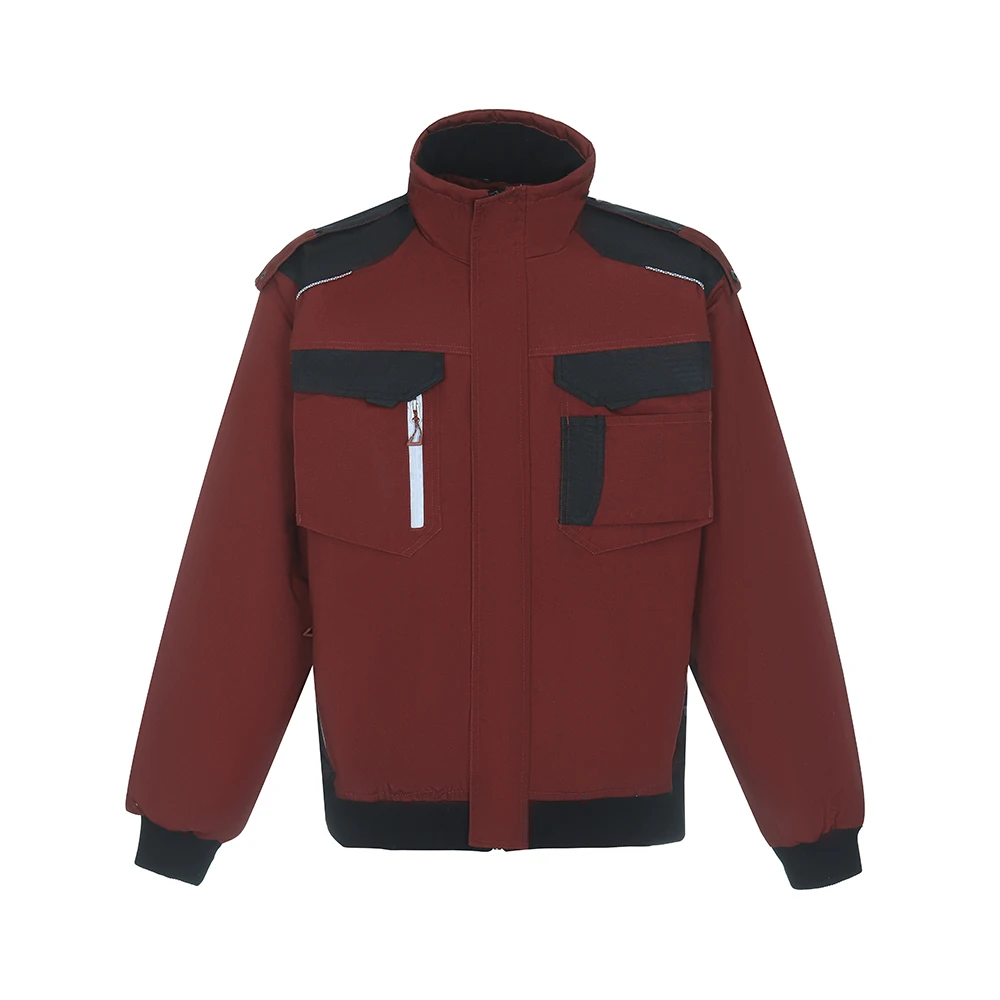
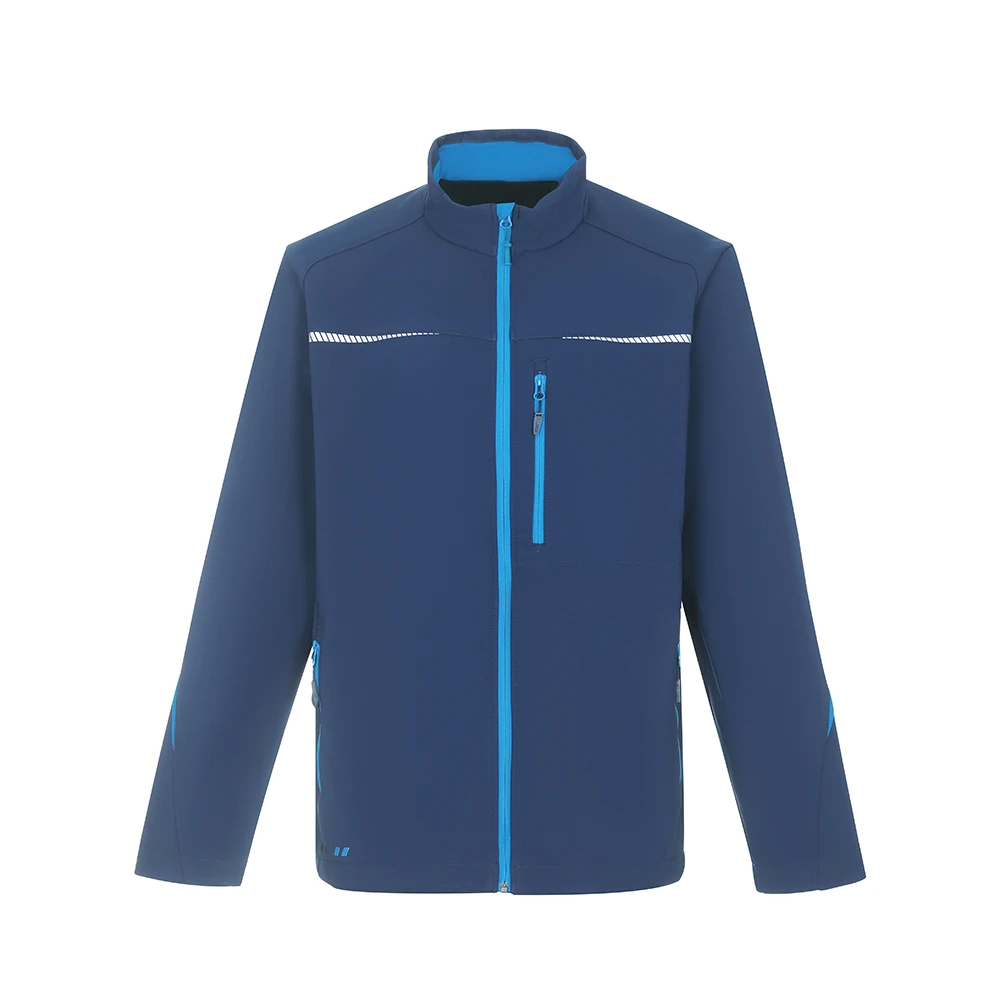
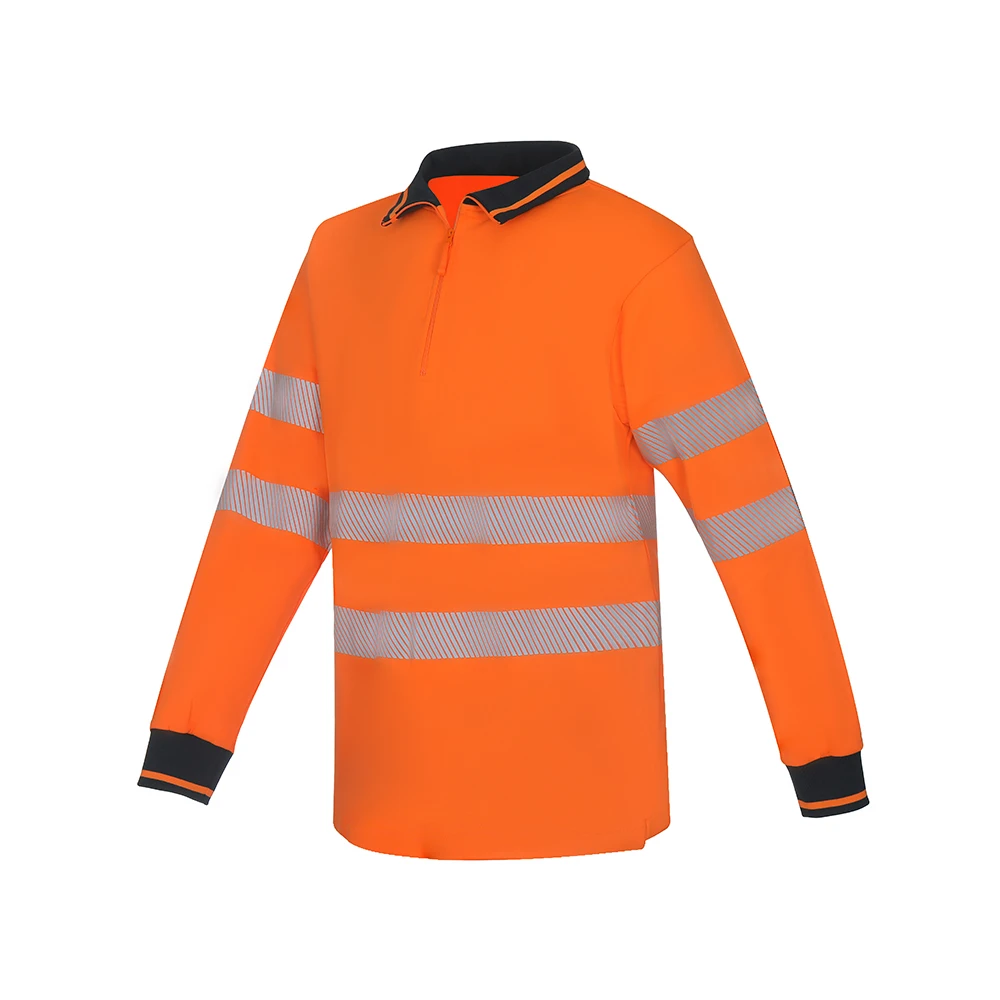
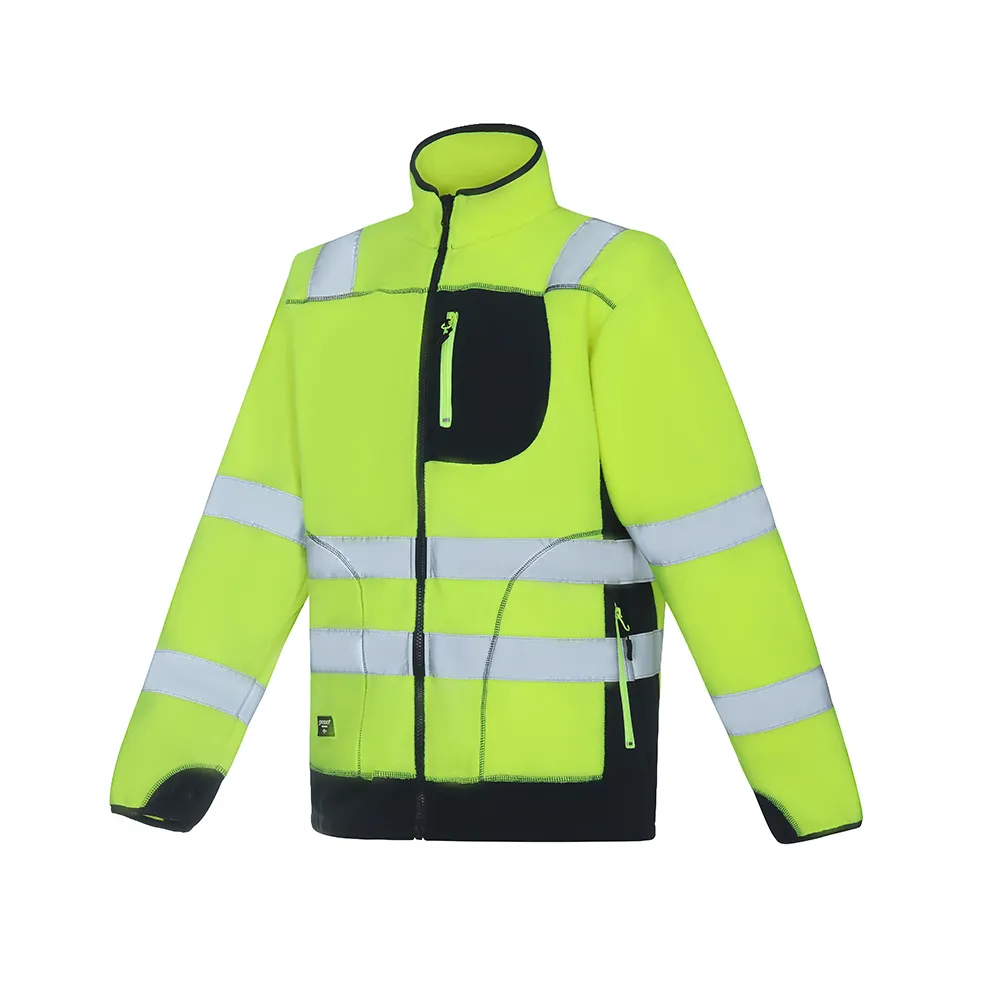
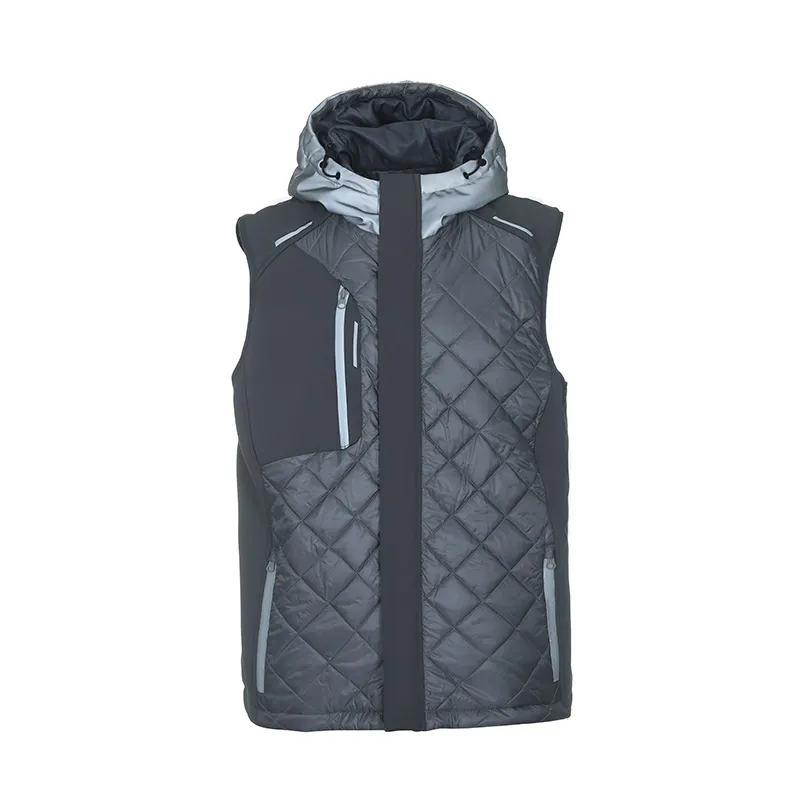
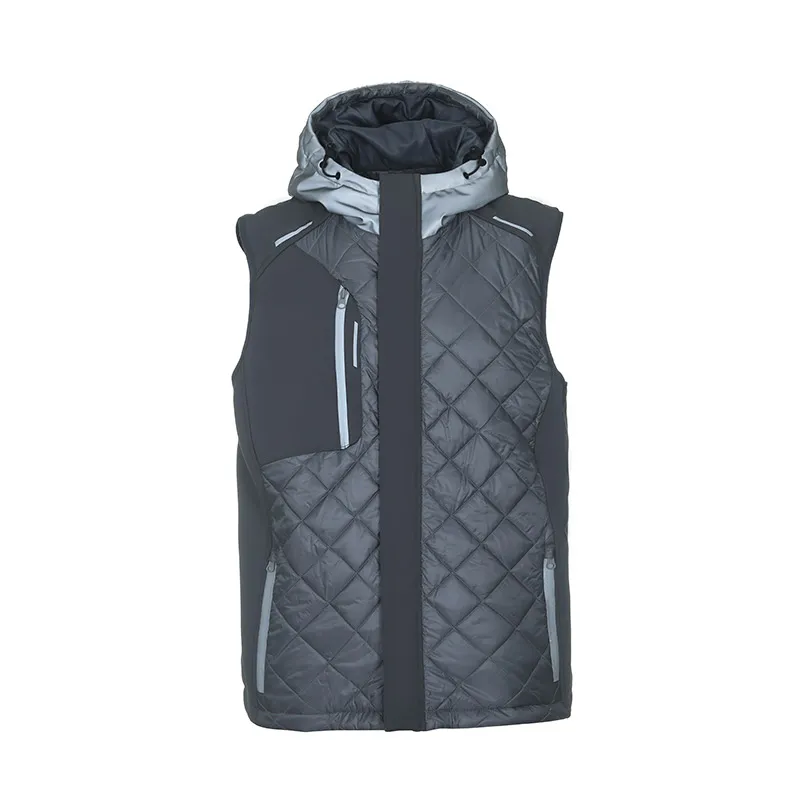
Durable Rain Jacket | Waterproof & Breathable Comfort
Industrial Protective Apparel: Trends in Advanced Outerwear
The demand for high-performance protective outerwear in B2B sectors continues its upward trajectory, driven by stringent safety regulations, the need for enhanced worker comfort, and the increasing frequency of extreme weather events. Industries such as construction, maritime, oil and gas, utilities, and emergency services require garments that offer uncompromised protection against the elements while ensuring operational efficiency. This necessitates a deep understanding of materials, manufacturing processes, and performance specifications for specialized outerwear. Notably, the evolution of the rain jacket as a critical component of personal protective equipment (PPE) reflects this trend, moving beyond basic waterproofing to advanced solutions integrating breathability, durability, and ergonomic design.
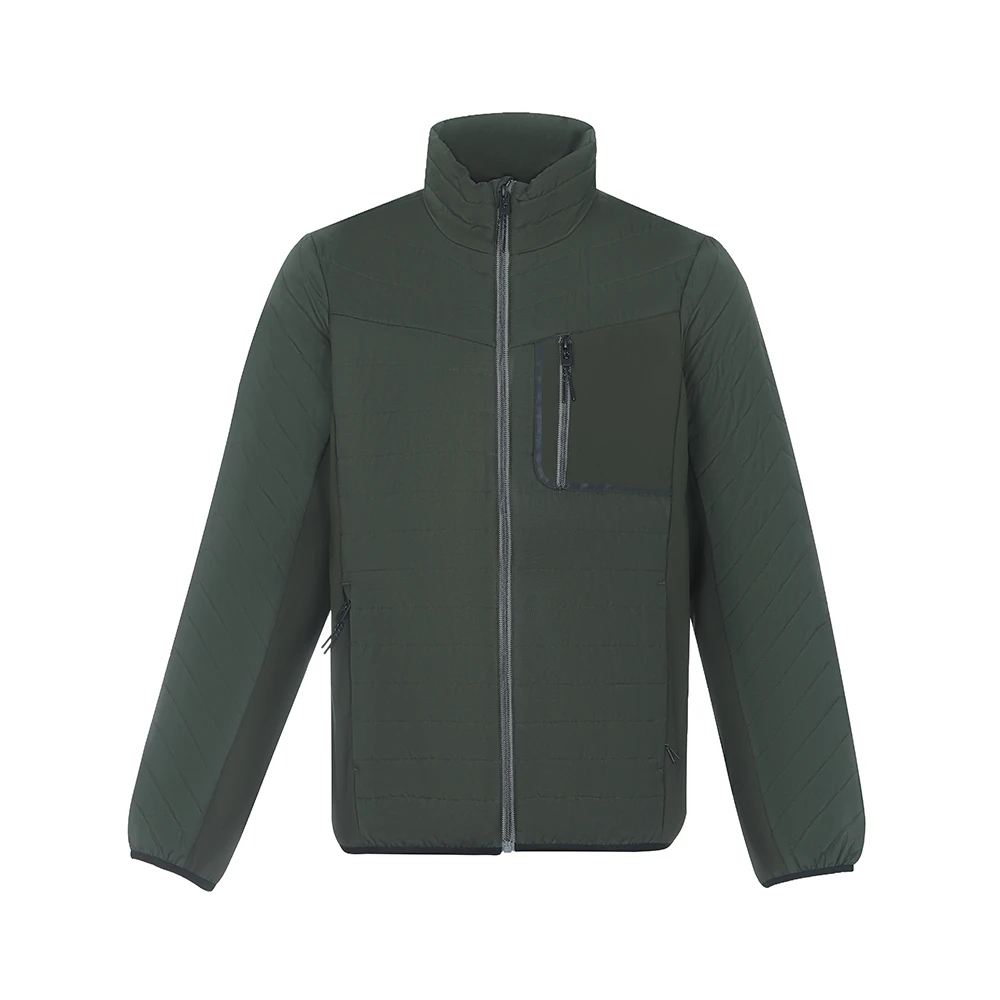
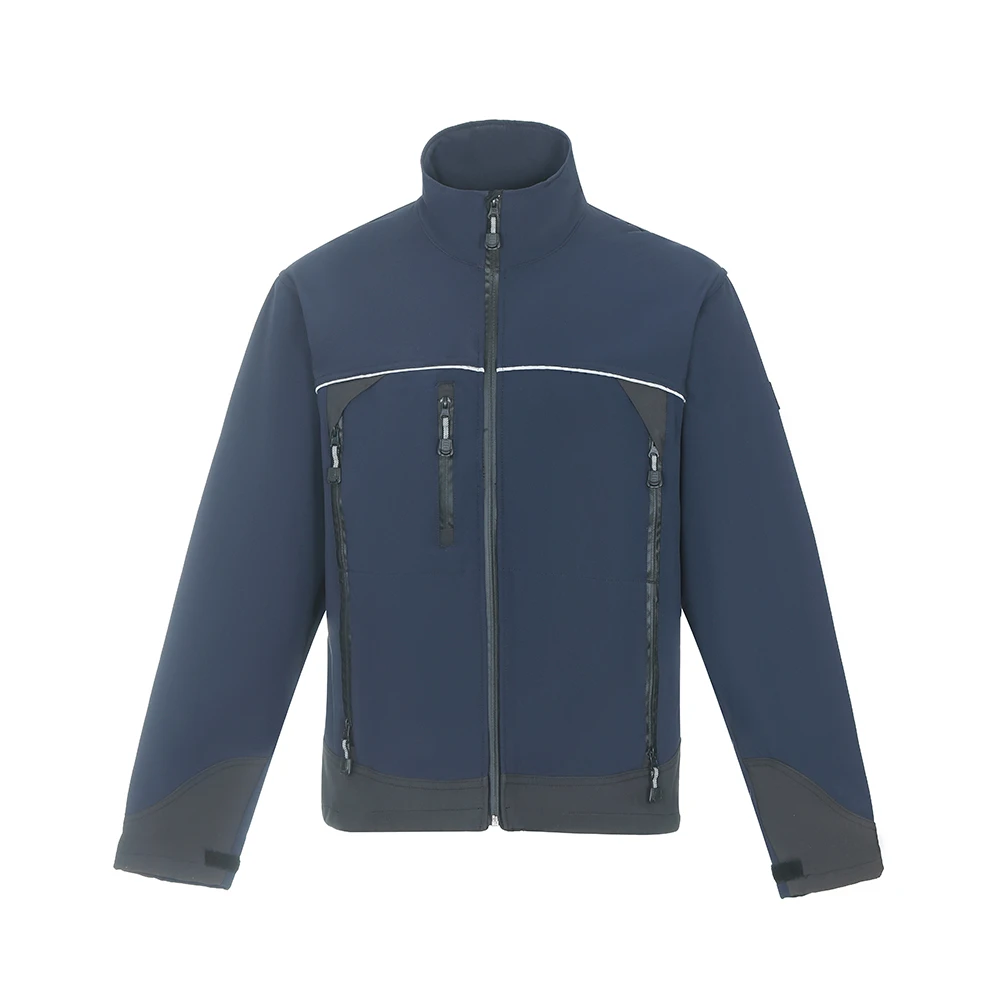
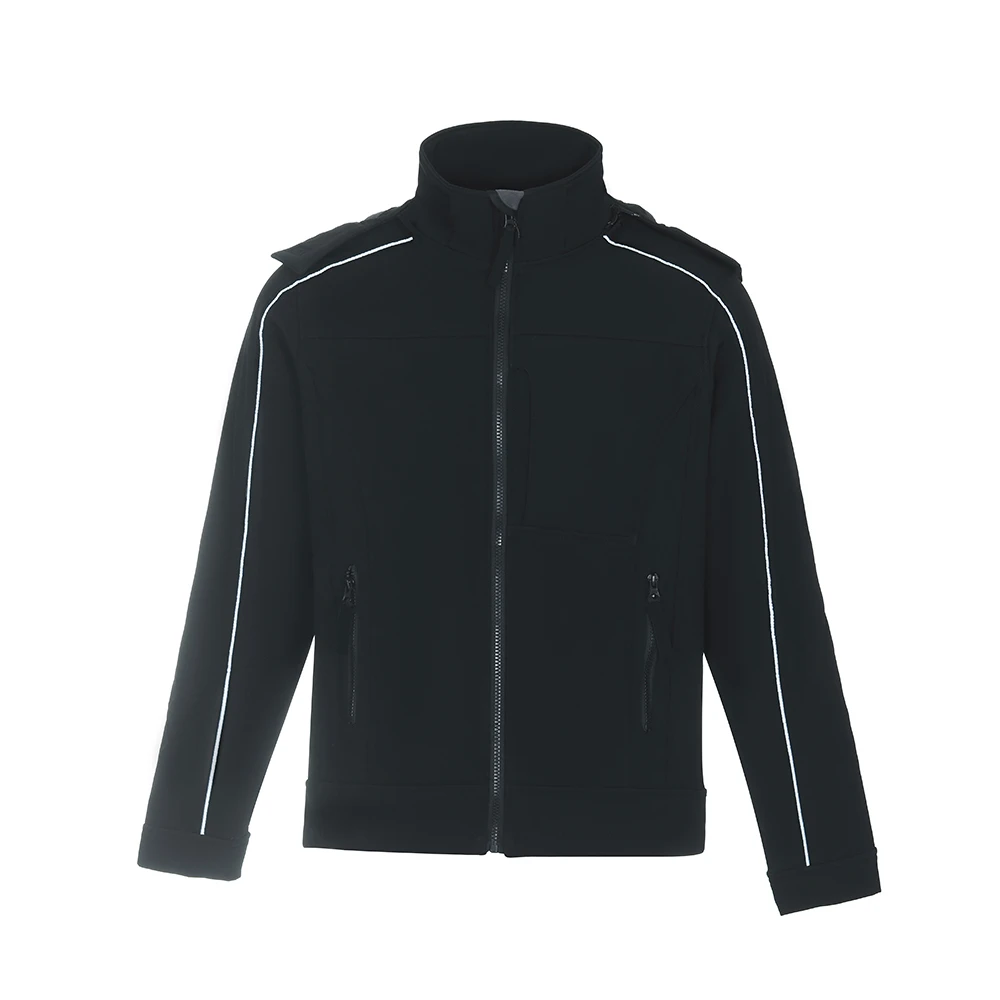
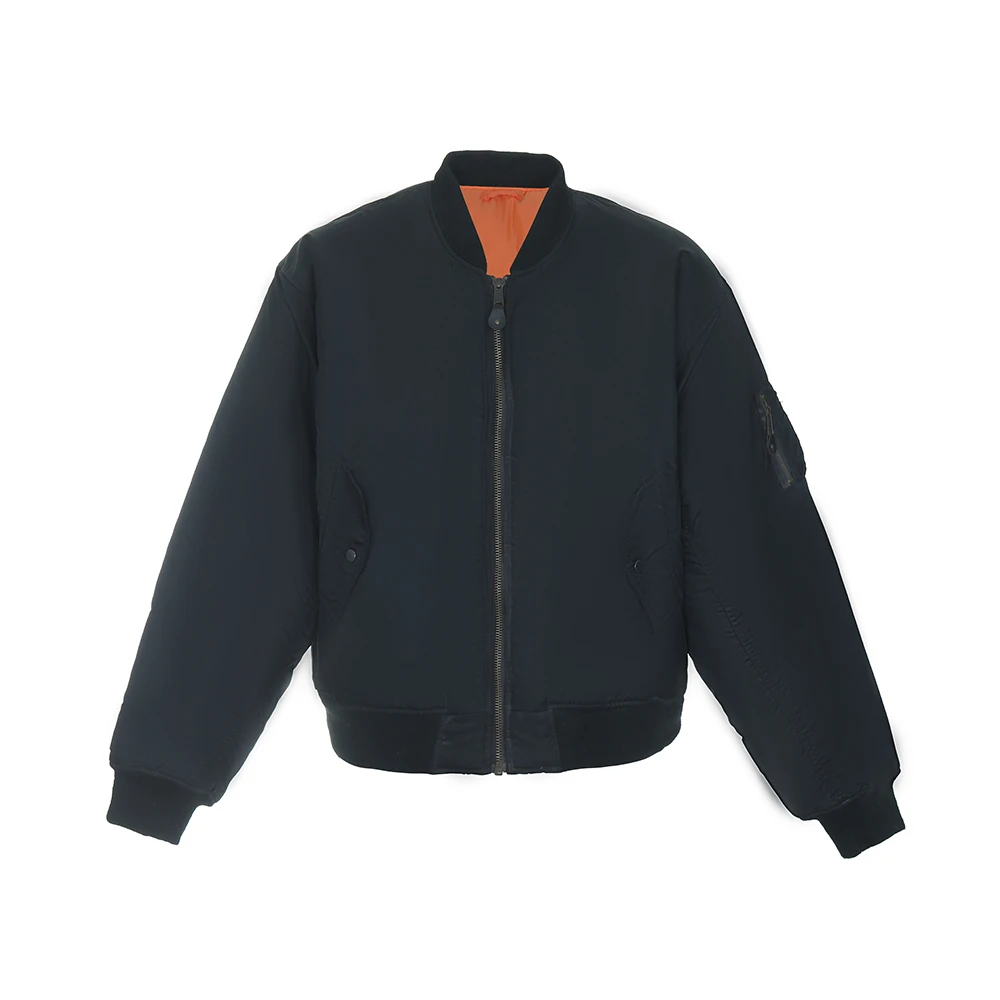
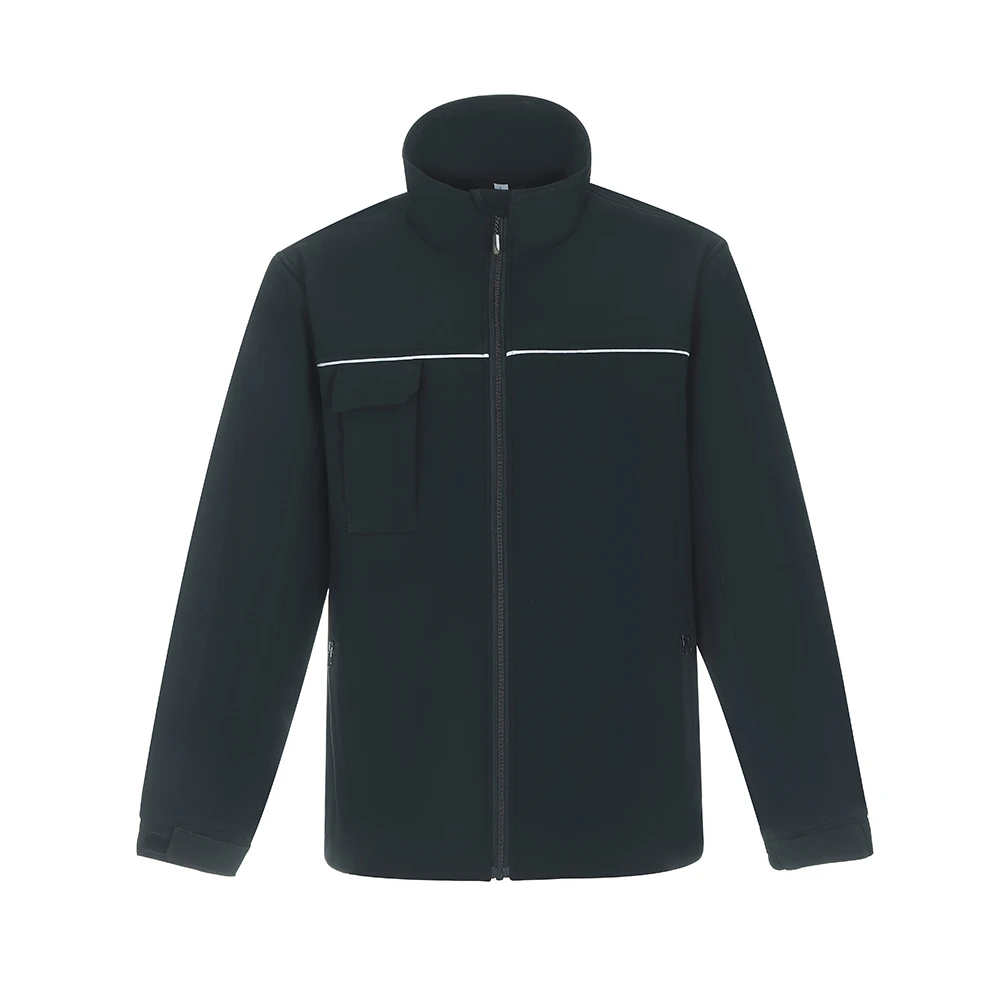
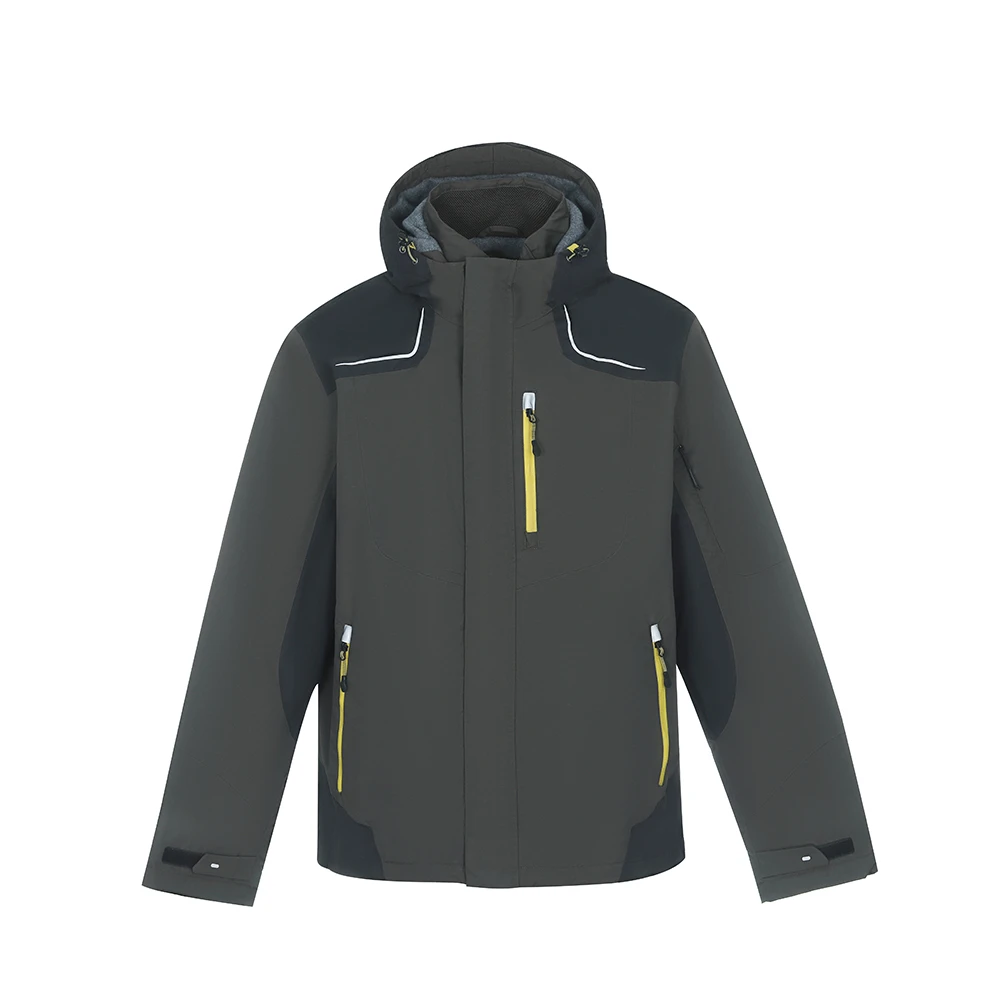
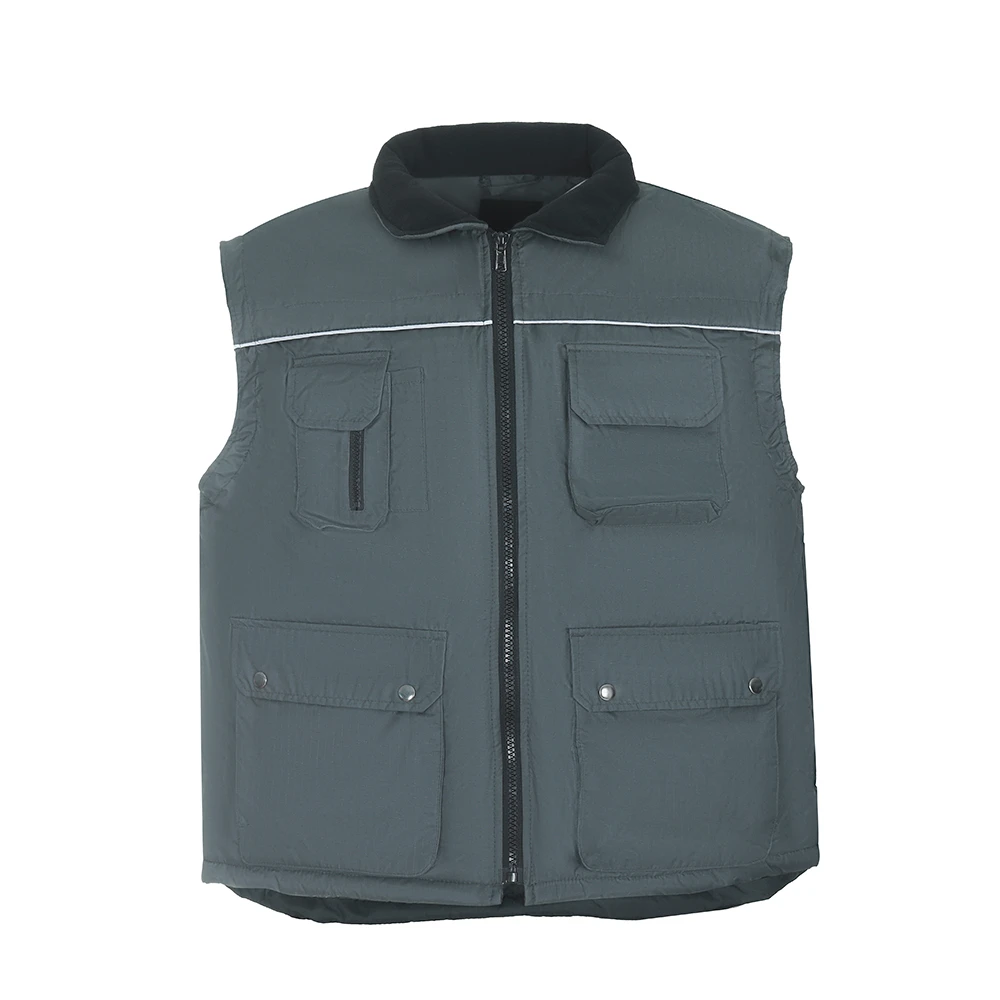
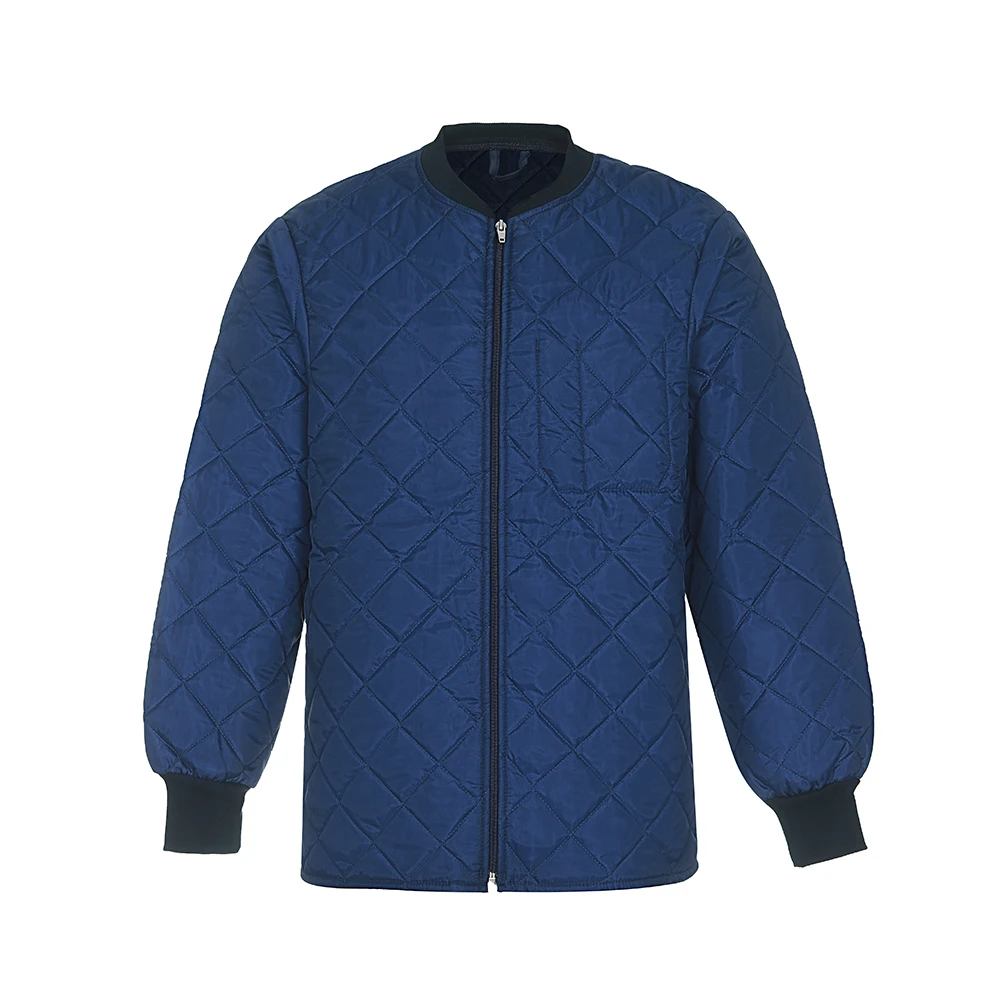
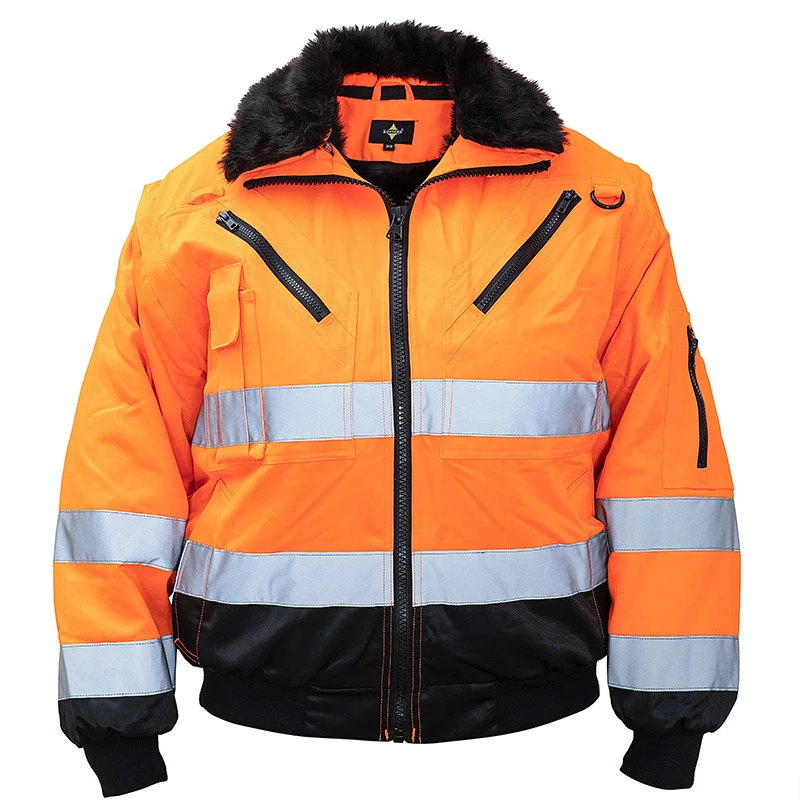
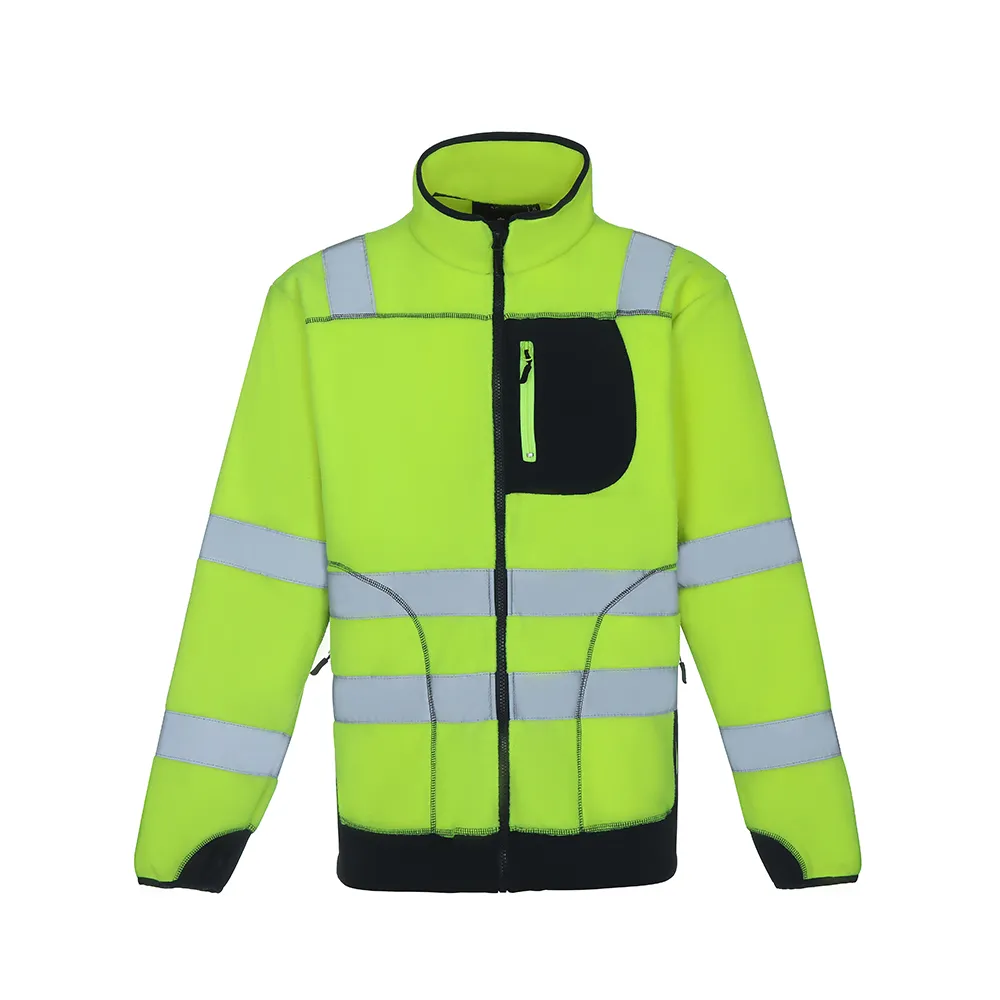
Contemporary industry trends emphasize sustainable material sourcing, lightweight yet robust fabric constructions, and multi-functional designs. There's a significant push towards materials offering superior hydrostatic head ratings paired with excellent moisture vapor transmission rates (MVTR) to prevent internal condensation and maintain thermal comfort. Furthermore, the integration of smart textiles and reflective elements enhances visibility and communication capabilities, underscoring a holistic approach to worker safety and performance. This paradigm shift demands solutions that not only protect but also actively support the wearer's long-term health and productivity in challenging environments. The market is also seeing increased demand for a more versatile soft jacket for temperate conditions, and heavy-duty winter jacket options for extreme cold, each designed with specific insulation and weatherproofing in mind.
The Manufacturing Process of High-Performance Rain Jackets
The production of a professional-grade rain jacket involves a complex, multi-stage process, meticulously engineered to ensure optimal performance and durability in demanding industrial settings. This process prioritizes material science, precision manufacturing, and rigorous quality control to meet industry-specific standards.
1. Material Selection & Preparation
The foundation of any superior rain jacket lies in its fabric. Industrial-grade jackets typically utilize advanced synthetic materials such as laminated polyester, nylon, or proprietary blends. Key material characteristics include a durable outer face fabric (often DWR-treated for water repellency), a waterproof-breathable membrane (e.g., PTFE, PU), and an inner lining or backer fabric. These materials are selected based on their hydrostatic head rating (e.g., 20,000mm H2O), breathability (e.g., 15,000 g/m²/24h MVTR), abrasion resistance (e.g., Martindale cycles), and chemical compatibility for specific industrial exposures. Fabrics are often sourced from certified suppliers ensuring compliance with REACH and OEKO-TEX standards.
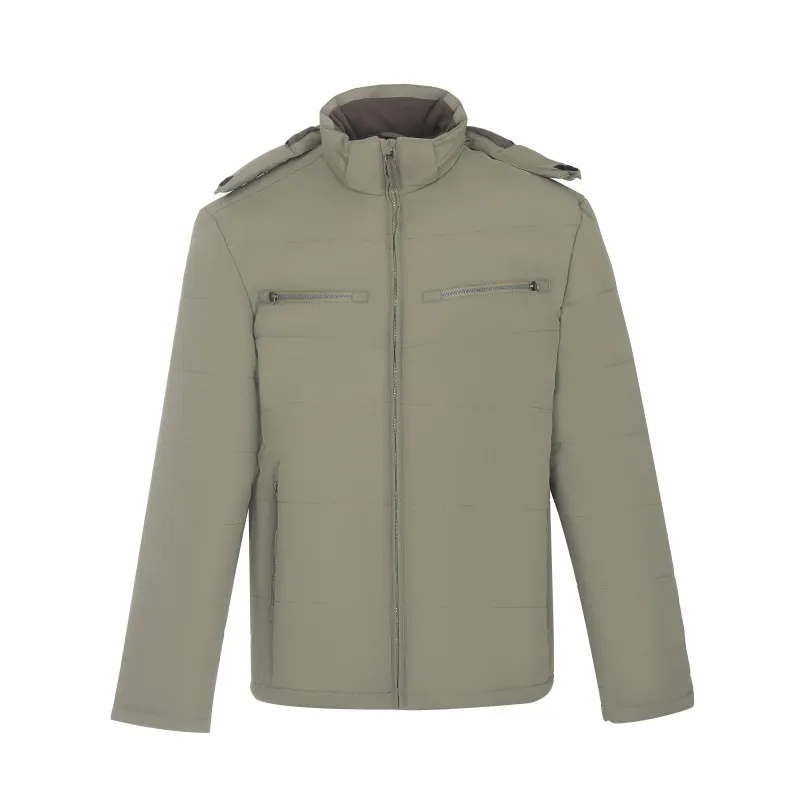
Figure 1: Advanced fabric layers undergoing quality inspection.
2. Precision Pattern Cutting
Digital CAD (Computer-Aided Design) systems are employed to create precise patterns. Automated CNC (Computer Numerical Control) cutting machines then accurately cut the multiple fabric layers. This ensures minimal material waste and exact component dimensions, critical for garment integrity and consistent fit across various sizes. Accuracy in cutting prevents structural weaknesses and aids in the subsequent assembly stages.
3. Assembly & Seam Sealing
Garment components are meticulously assembled using specialized sewing machines equipped for technical fabrics. The most crucial step for waterproofing is seam sealing. All stitched seams, which inherently create perforations, are sealed with a heat-applied waterproof tape. This process, often automated, ensures a hermetic seal against water ingress, maintaining the jacket’s waterproof integrity. Techniques like ultrasonic welding or high-frequency welding may also be used for specific fabric types, minimizing stitching and enhancing durability.
4. Component Integration & Finishing
Elements like waterproof zippers (e.g., YKK AquaGuard), adjustable cuffs, hood systems, and specialized pockets are integrated. Reinforcements are added in high-wear areas (shoulders, elbows) using tougher fabrics or bonding technologies. Finishing processes include a final DWR (Durable Water Repellent) treatment if not already applied, and thorough inspection for defects. Compliance with standards such as EN 343 (Protective clothing against rain) and ISO 811 (Textile fabrics -- Determination of resistance to water penetration -- Hydrostatic pressure test) is verified.
5. Quality Control & Testing
Every batch undergoes rigorous quality control. This includes hydrostatic pressure tests on fabric samples and seam-sealed sections, simulated rain chamber tests for finished garments, and breathability tests (e.g., ISO 11092). Durability tests, such as tear strength (ISO 13937-2) and abrasion resistance (ISO 12947-2), ensure the jacket’s longevity. Service life for a well-maintained industrial rain jacket typically ranges from 3 to 5 years, depending on the severity of use and maintenance protocols.
Target Industries & Advantages
This sophisticated manufacturing process yields jackets with significant advantages for target industries like petrochemicals, metallurgy, water supply & drainage, construction, and infrastructure. Key benefits include superior weather protection, enhanced worker comfort leading to reduced fatigue, improved safety through high-visibility options, and cost savings from reduced garment replacement cycles. In scenarios such as continuous outdoor work in harsh weather, these jackets minimize downtime and protect against hypothermia, directly contributing to energy saving by maintaining core body temperature and providing corrosion resistance by shielding workers from corrosive splashes or acidic rain.
Technical Specifications and Performance Parameters
Understanding the precise technical parameters of an industrial rain jacket is paramount for procurement professionals and engineers to ensure suitability for specific operational environments. Below are typical specifications for high-performance industrial rainwear:
Table 1: Typical Product Specifications for an Industrial Rain Jacket
These specifications highlight the robust engineering required for industrial applications. High hydrostatic head ratings ensure impermeability even under extreme pressure, while superior MVTR values guarantee wearer comfort by facilitating the escape of perspiration. Compliance with international standards such as EN 343 for protection against rain, and OEKO-TEX for ecological safety, underscores the product's authority and trustworthiness.
Application Scenarios and Technical Advantages
The deployment of advanced industrial rain jacket solutions yields quantifiable benefits across diverse operational landscapes. Their technical superiority translates directly into enhanced safety, productivity, and cost-efficiency.
Typical Application Scenarios:
- Construction Sites: Protection against prolonged exposure to rain, wind, and mud, ensuring continuity of work.
- Offshore Wind Farms & Maritime Operations: Withstanding saltwater spray, high winds, and continuous precipitation, essential for maintenance and operational crews.
- Utility Services (Power, Telecom, Water): Safeguarding technicians performing outdoor repairs and installations in all weather conditions.
- Agriculture & Forestry: Durability against rough terrain and vegetation, combined with waterproof protection during fieldwork.
- Emergency Services & Rescue Operations: Providing reliable protection during search and rescue efforts, accident response, and disaster relief.
Technical Advantages:
- Superior Weather Protection: Multi-layer waterproof-breathable membranes prevent water ingress while allowing perspiration to escape, mitigating the risk of heat stress or hypothermia. This is critical for sustained work in adverse conditions.
- Enhanced Durability & Service Life: High denier face fabrics with excellent abrasion and tear resistance ensure longevity, reducing the frequency of replacement and lowering total cost of ownership.
- Ergonomic Design & Mobility: Articulated sleeves, adjustable features, and lightweight construction ensure unrestricted movement, crucial for tasks requiring fine motor skills or heavy lifting.
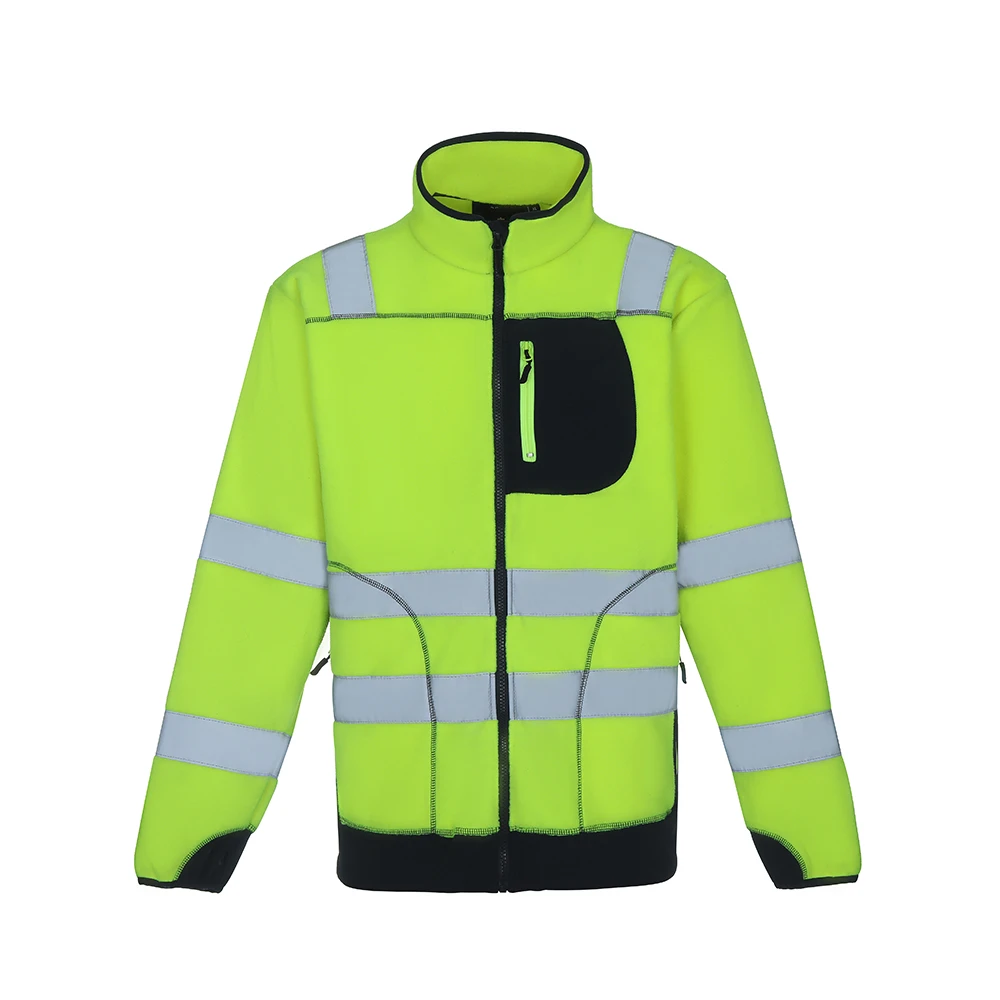
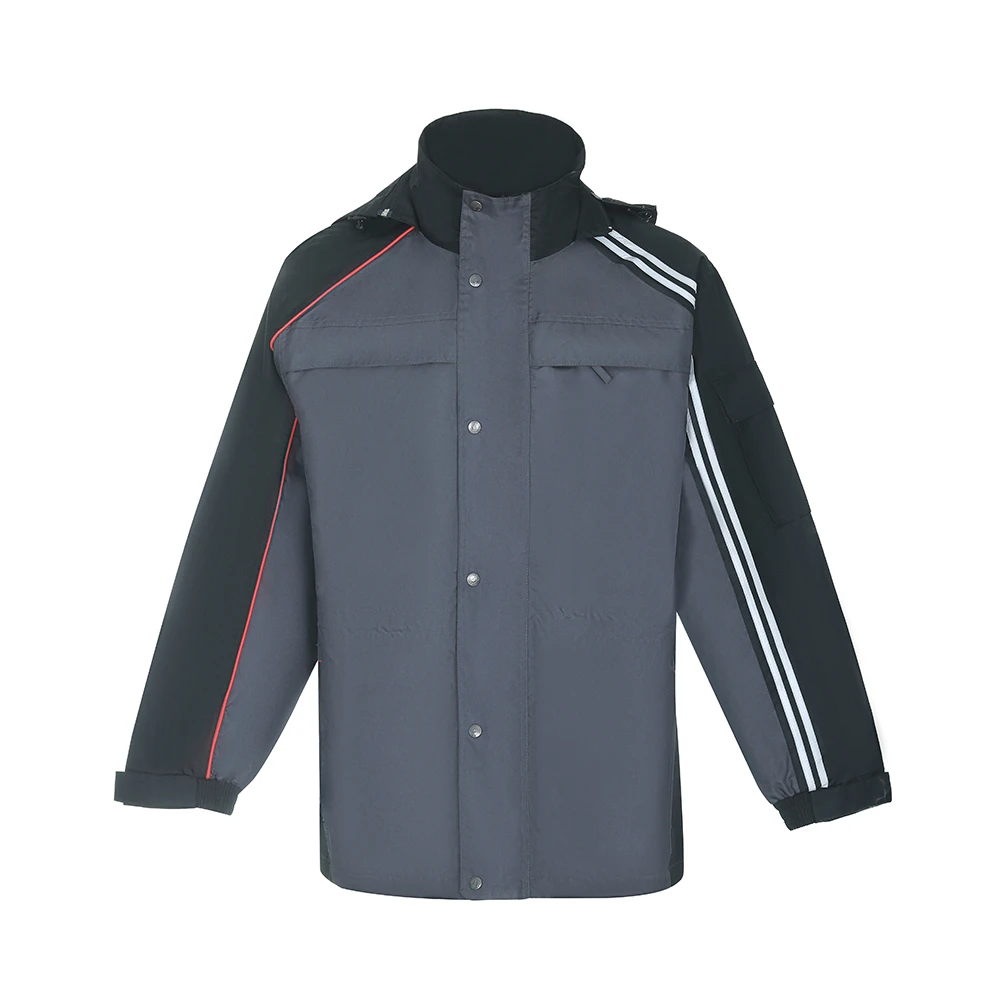
- Integrated Safety Features: High-visibility options (EN ISO 20471 compliance), reflective piping, and integrated harnesses enhance worker safety in low-light or hazardous environments.
- Corrosion Resistance: For specific applications (e.g., chemical plants), specialized coatings or fabric treatments provide resistance against splashes of acids, alkalis, and other corrosive substances, protecting both the wearer and the garment.
- Thermal Regulation: While primarily focused on waterproofing, advanced rain jacket designs often integrate with layering systems, acting as a crucial outer shell to regulate body temperature by preventing wind chill and maintaining a dry internal microclimate, thus contributing to energy saving by reducing body's effort to maintain warmth.
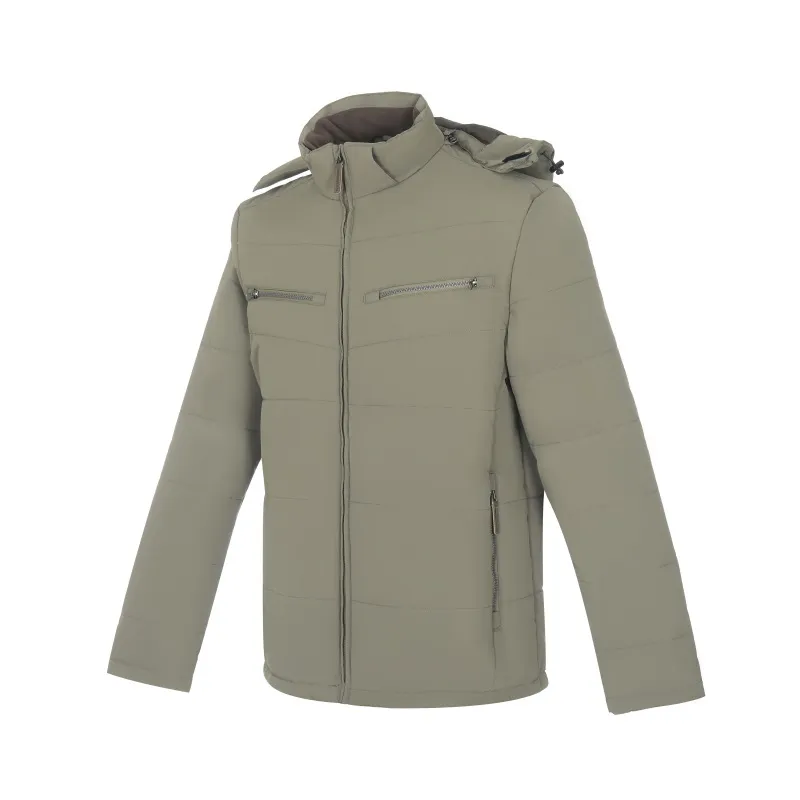
Figure 2: Worker in specialized rainwear performing tasks outdoors.
Vendor Comparison and Customized Solutions
The market for industrial rainwear features a spectrum of vendors, each offering different levels of technology, customization, and support. A critical evaluation extends beyond initial cost to consider total lifecycle value, material performance, and vendor capabilities.
Table 2: Vendor Comparison: Industrial Rain Jacket Tiers
Customized Solutions for B2B Clients
Recognizing the unique demands of various industrial environments, leading manufacturers offer extensive customization options. This ensures that the rain jacket integrates seamlessly into existing PPE protocols and addresses specific operational challenges. Customization can include:
- Branding & Logos: Incorporation of company logos, employee names, or department identifiers.
- Pocket Configurations: Tailored placement and design of pockets for specialized tools, radios, or access cards.
- Integrated Safety Features: Customized placement of reflective tapes, FR (Flame Retardant) treatments, or anti-static properties for hazardous atmospheres.
- Fit & Sizing: Extended size ranges or made-to-measure options for optimal ergonomic fit, reducing fatigue and improving safety.
- Color & Fabric Options: Specific corporate colors or alternative high-performance fabrics to meet niche requirements, such as chemical splash resistance or enhanced tear strength for specific workforces.
- Modular Systems: Design for integration with other PPE components, such as fall protection harnesses or specialized helmets, creating a comprehensive safety system. This flexibility also extends to combining the protective properties of a robust winter jacket with the waterproofing of a rain shell, or the lighter form factor of a soft jacket with integrated wind protection.
Our long-standing relationships with global partners and our ISO 9001 certified manufacturing facilities underscore our commitment to authoritative and trustworthy solutions, providing over two decades of dedicated service in high-performance protective wear.
Application Case Studies
Case Study 1: Offshore Wind Farm Maintenance
A leading European energy company operating offshore wind farms faced significant challenges with their maintenance crews' existing rainwear. Technicians frequently experienced discomfort and reduced efficiency due to inadequate waterproofing and breathability during prolonged exposure to harsh marine weather. Our customized solution involved providing a heavy-duty, 3-layer industrial rain jacket with a hydrostatic head of 30,000mm and MVTR of 25,000 g/m²/24h, specifically designed to resist saltwater corrosion. The jackets were equipped with integrated harness access points, reinforced elbow and shoulder patches, and high-visibility panels. Post-implementation, the client reported a 30% reduction in weather-related sick days, a noticeable increase in worker morale and productivity, and a 25% extension in garment service life compared to previous suppliers.
Case Study 2: Municipal Water & Wastewater Management
A major metropolitan water authority required durable and comfortable rainwear for their field teams responsible for pipeline inspection and repair, often in confined spaces or excavated trenches. Their existing garments were bulky and prone to tearing. We supplied a lighter, yet highly robust, 2.5-layer rain jacket featuring enhanced tear strength and a flexible fabric construction for improved mobility. The jackets included specialized tool pockets and moisture-wicking internal liners. Feedback from the field indicated a significant improvement in agility and comfort, particularly during physically demanding tasks. The authority highlighted the jacket's contribution to worker safety by minimizing fatigue and reducing the risk of slips due to excessive internal moisture buildup, validating our experience in delivering practical solutions.
Trustworthiness and Support
Frequently Asked Questions (FAQ)
- Q: What is the recommended cleaning procedure for industrial rain jackets?
A: For optimal performance, wash at 40°C with a technical fabric cleaner, avoiding fabric softeners and bleach. Tumble dry on low heat or air dry, and periodically re-apply DWR treatment as needed. - Q: Can these jackets be repaired?
A: Minor tears or punctures can often be professionally repaired using specialized patches and seam sealing tapes, restoring the garment's waterproof integrity. We offer repair services or guidance for authorized repair centers. - Q: How do I choose the correct size?
A: Refer to our detailed sizing chart, which includes measurements for chest, waist, and sleeve length. We recommend allowing for layering underneath to ensure comfort and mobility. Custom sizing consultations are available for large orders.
Lead Time and Fulfillment
Standard orders for stock items typically ship within 3-5 business days. For customized solutions or large-volume procurement, lead times range from 4 to 8 weeks, depending on the complexity of customization and order quantity. We maintain robust supply chain logistics to ensure timely delivery and offer expedited shipping options for urgent requirements. Our fulfillment process includes rigorous pre-shipment quality checks and secure packaging.
Warranty Commitments
We stand behind the quality of our industrial protective apparel. All rain jacket products come with a comprehensive 2-year warranty covering manufacturing defects in materials and workmanship from the date of purchase. This warranty does not cover damage caused by misuse, improper care, accidents, or normal wear and tear. Our commitment is to ensure client satisfaction and product reliability.
Customer Support and After-Sales Service
Our dedicated customer support team is available Monday through Friday, 9:00 AM to 5:00 PM (GMT), to assist with product selection, technical inquiries, order tracking, and warranty claims. We provide comprehensive after-sales support, including maintenance guides, repair services, and ongoing consultation to ensure the prolonged performance and safety of our garments. Our global network of service partners ensures prompt and efficient assistance wherever your operations are located.
References
- ISO 811:2018. Textiles – Determination of resistance to water penetration – Hydrostatic pressure test. International Organization for Standardization.
- EN 343:2019. Protective clothing – Protection against rain. European Committee for Standardization.
- ISO 11092:2014. Textiles – Physiological effects – Measurement of thermal and water-vapour resistance under steady-state conditions (sweating guarded-hotplate test). International Organization for Standardization.
- OSHA Technical Manual (OTM) Section III: Chapter 6 - Personal Protective Equipment. Occupational Safety and Health Administration.
- Gore-Tex Professional. "GORE-TEX Fabrics Explained." White Paper, W. L. Gore & Associates, Inc.