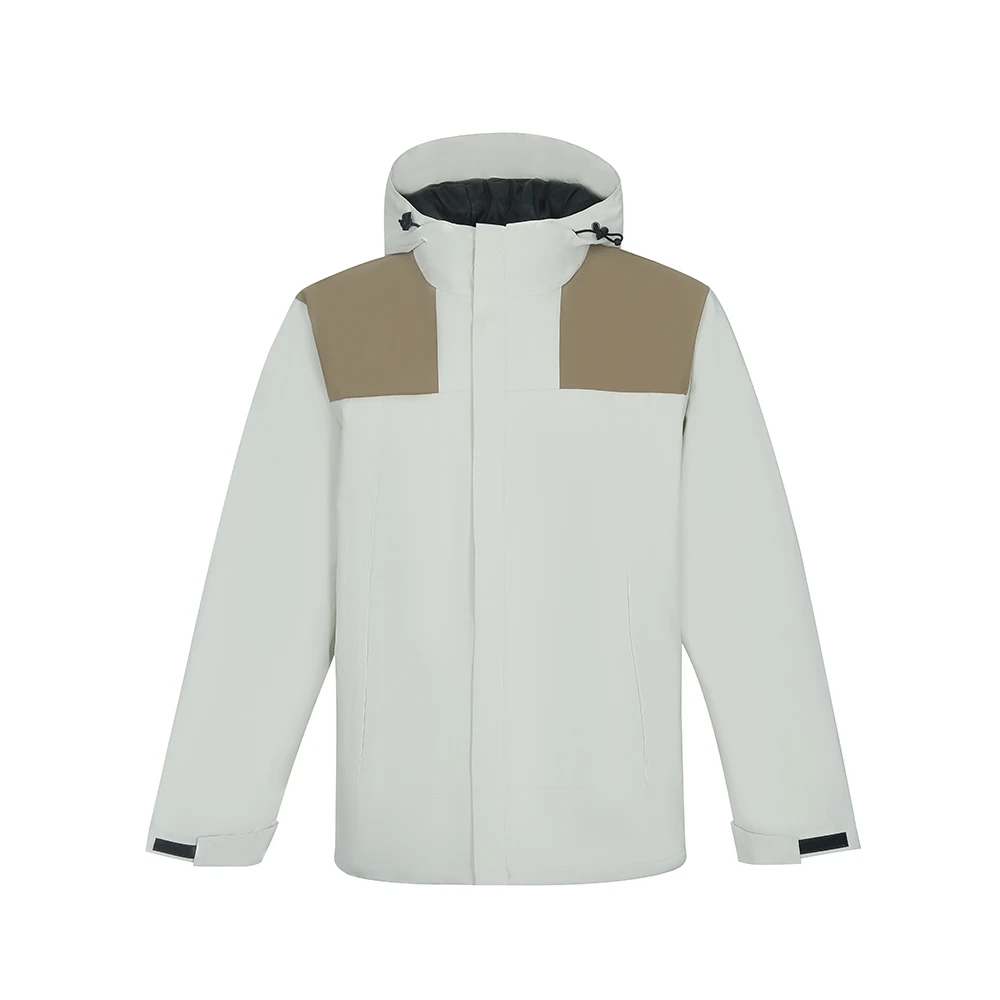
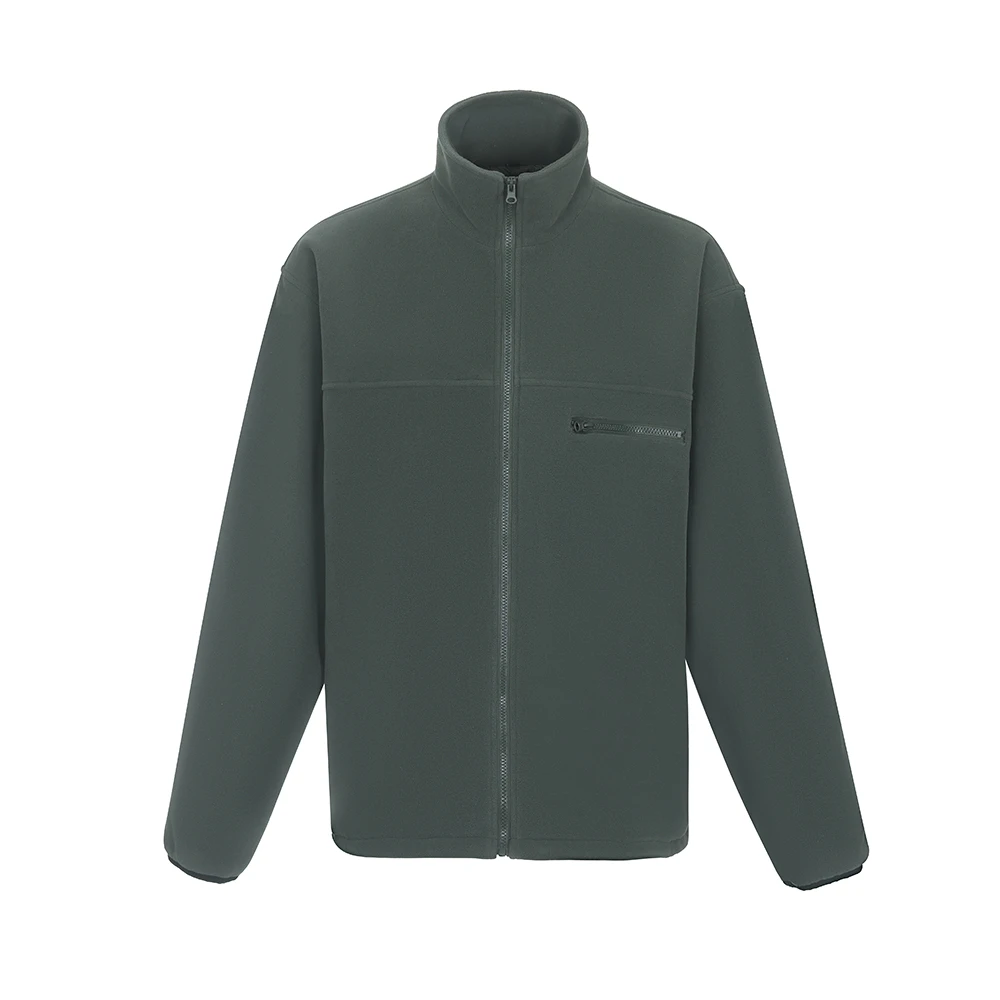
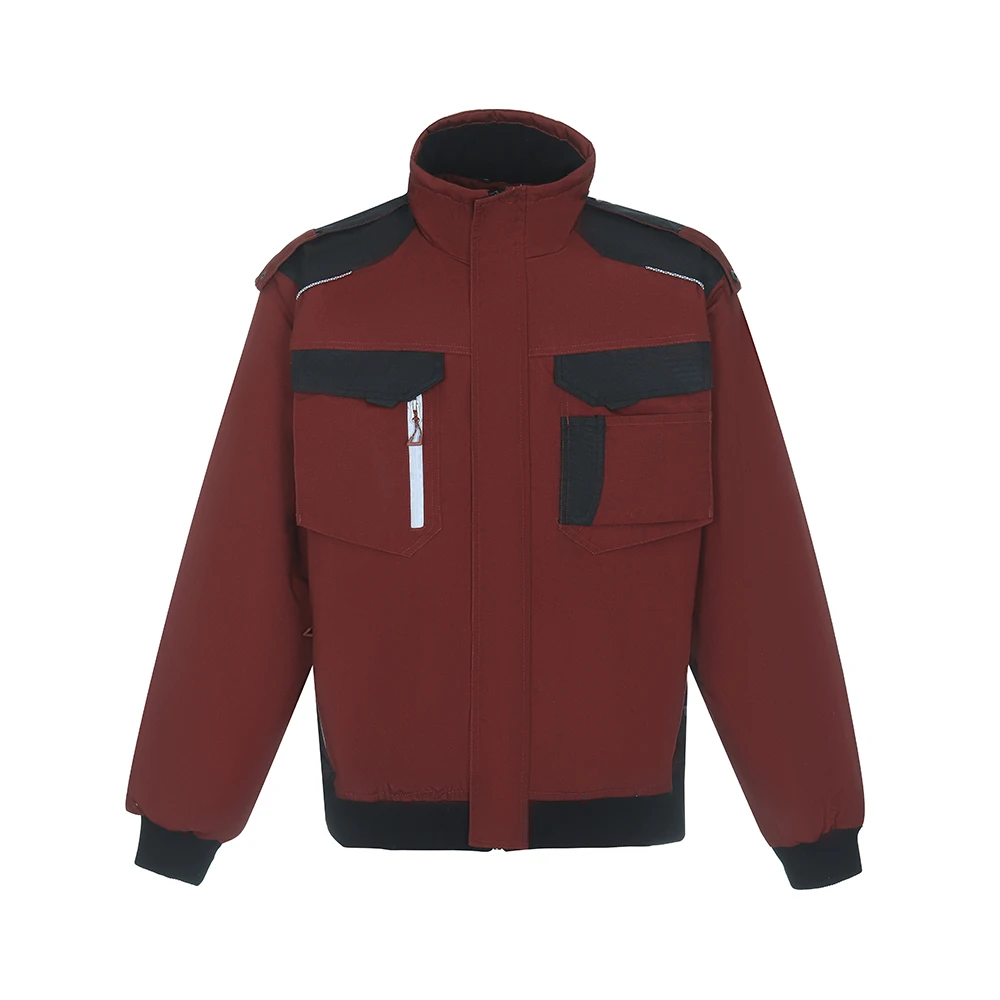
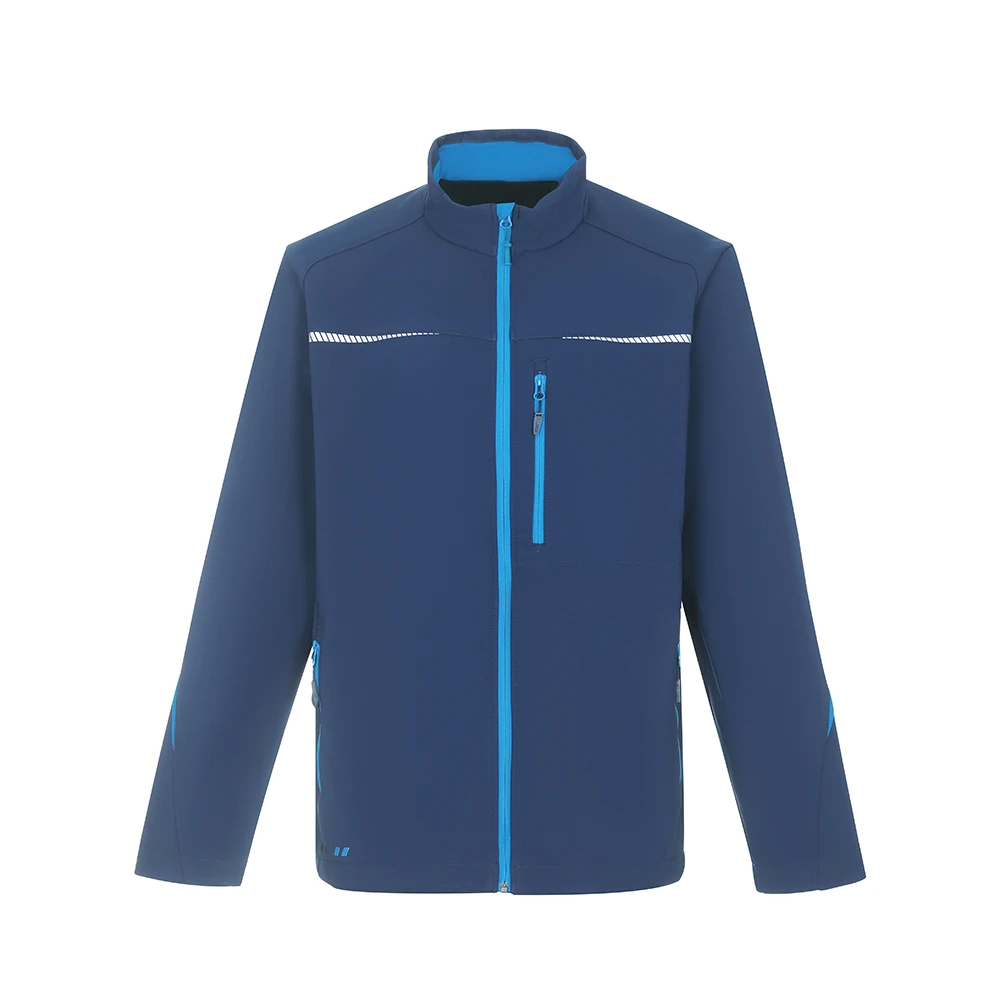
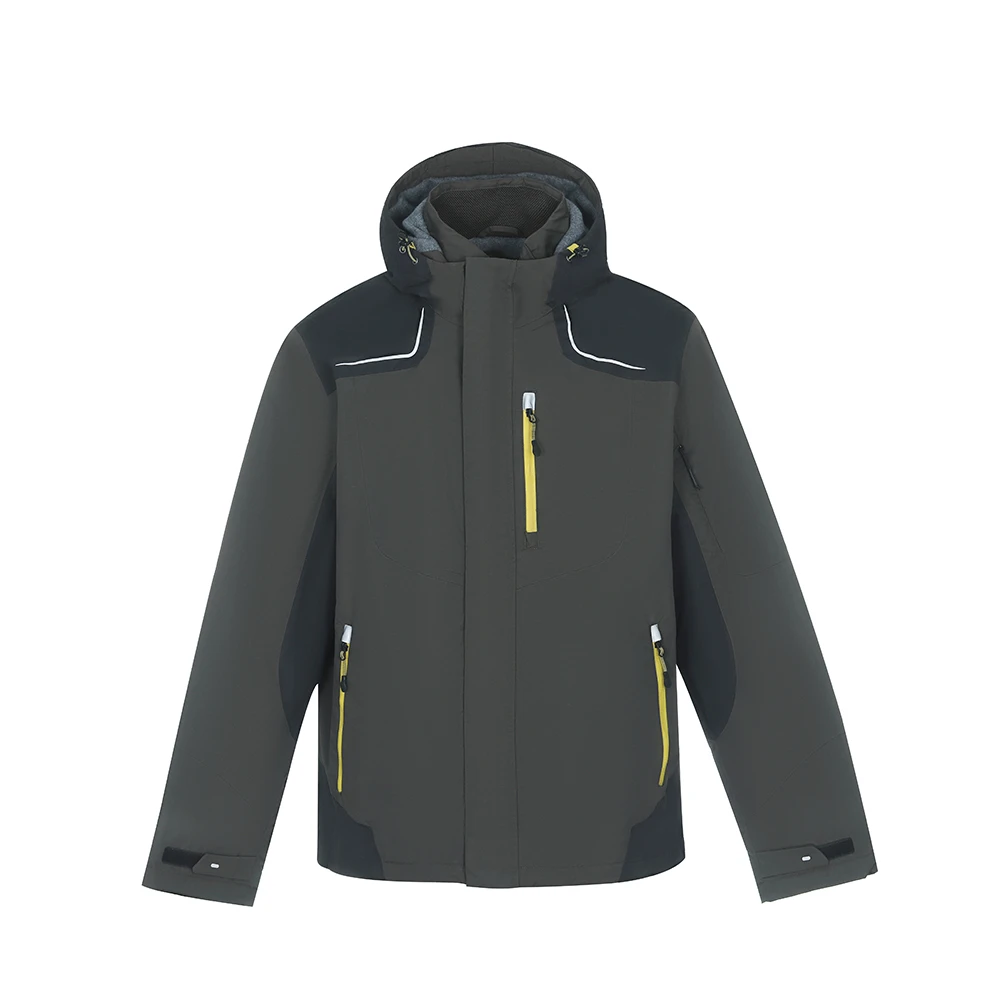
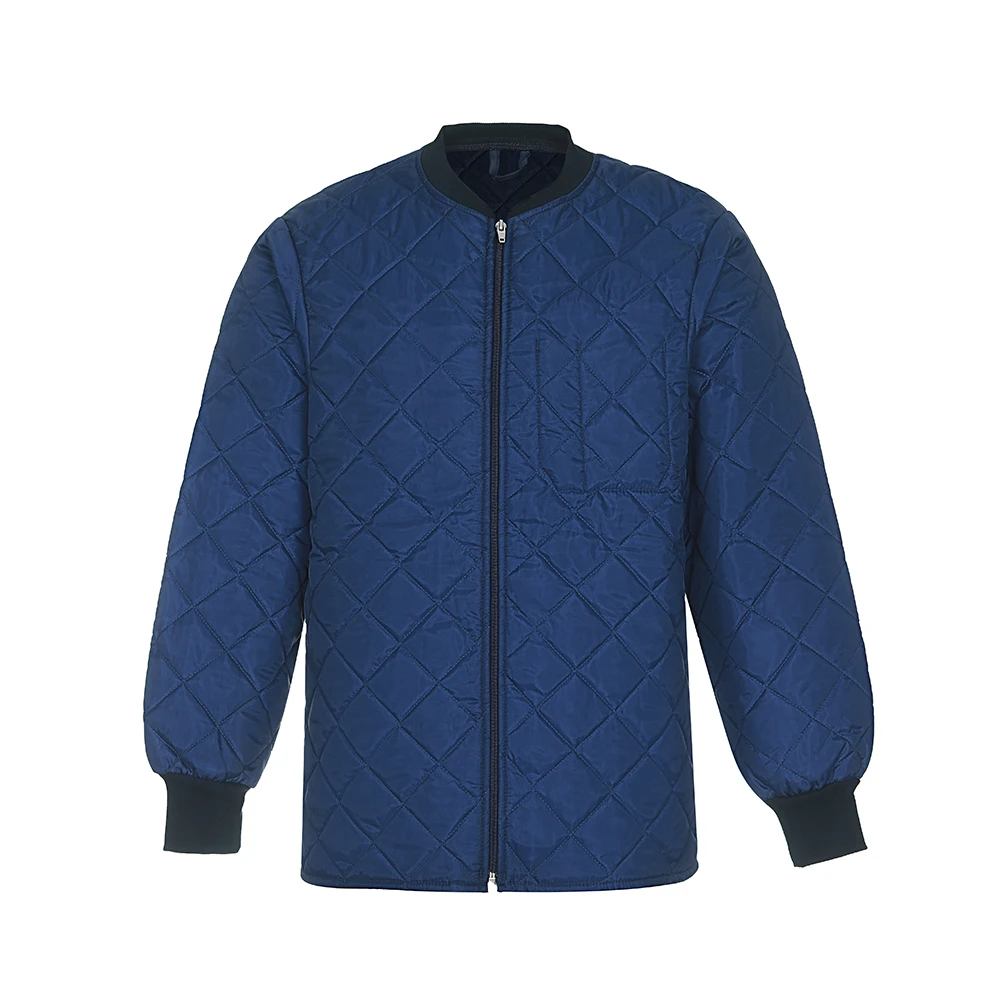
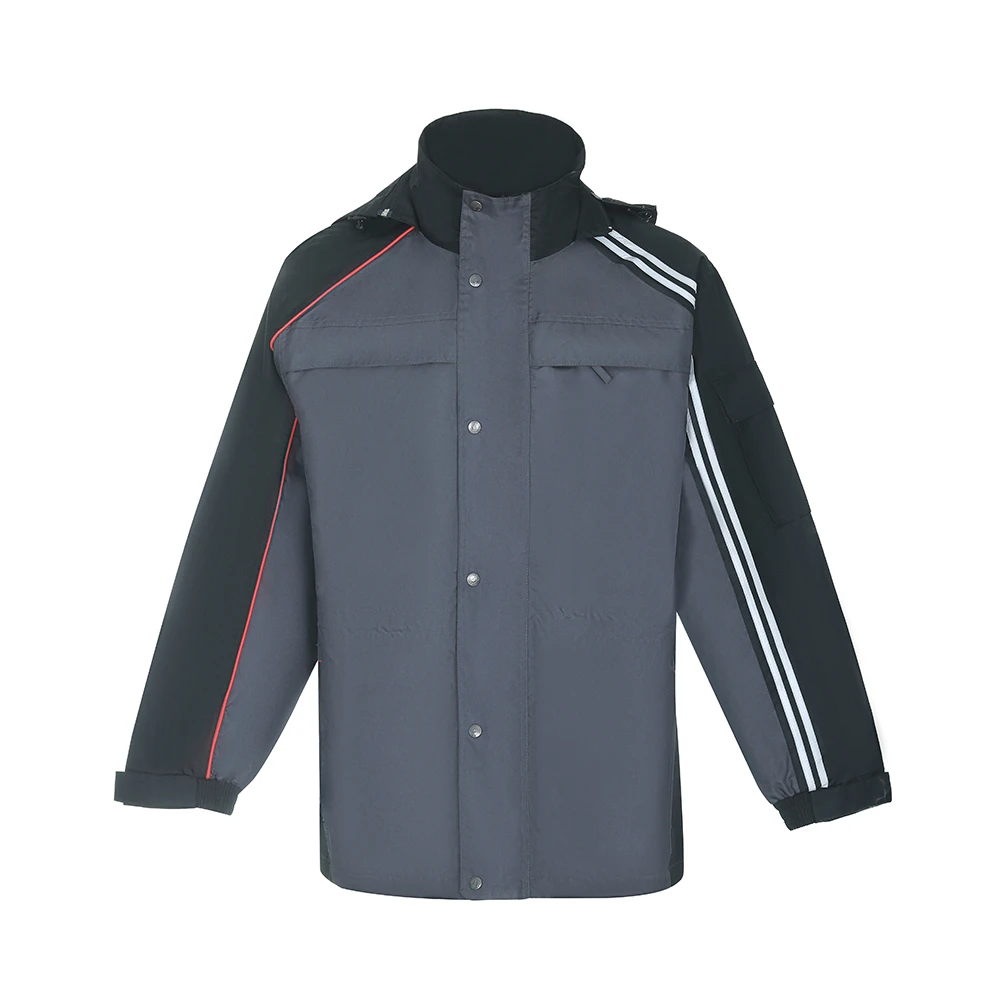
Durable Outdoor Vest: Warm, Multi-Pocket & Versatile Gear
Strategic Importance of High-Performance Outdoor Vests in B2B Operations
In demanding industrial and operational environments, the selection of appropriate professional attire is critical for worker safety, comfort, and productivity. The outdoor vest stands as a cornerstone of functional workwear, providing essential core thermal regulation without impeding mobility. This document explores the technical intricacies, market dynamics, and operational advantages of advanced outdoor vests designed for rigorous B2B applications, emphasizing their role in enhancing efficiency across diverse sectors.
Evolving Industry Trends in Professional Outdoor Apparel
The market for professional outdoor apparel, particularly the outdoor vest segment, is experiencing rapid evolution driven by several key trends:
- Sustainable Material Innovation: Increasing demand for eco-friendly fabrics and insulations, including recycled polyester, organic cotton, and bio-based synthetics. This trend reflects corporate social responsibility initiatives and consumer preference for sustainable products.
- Integration of Smart Textiles: Development of vests incorporating embedded sensors for vital sign monitoring, GPS tracking, or integrated heating elements powered by compact battery packs, particularly relevant for remote or hazardous work environments.
- Multi-functional Design: Focus on versatility, with vests designed for seamless transition between various tasks and weather conditions. Features like detachable hoods, adjustable waists, and modular pocket systems are becoming standard.
- Enhanced Durability and Protection: Emphasis on high-performance materials offering superior abrasion resistance, tear strength, and chemical splash protection, tailored for specific industrial hazards.
- Ergonomic Fit and Aesthetics: Beyond purely functional aspects, there's a growing appreciation for ergonomic designs that facilitate movement and a professional aesthetic that aligns with corporate branding.
According to a recent market analysis by Grand View Research, the global technical textiles market, which includes high-performance outdoor apparel, is projected to reach USD 262.5 billion by 2027, growing at a CAGR of 4.7%. This growth underscores the increasing investment in specialized functional garments like the warm outdoor vest across various industrial applications.
Technical Specifications: Outdoor Ski Bodywarmer
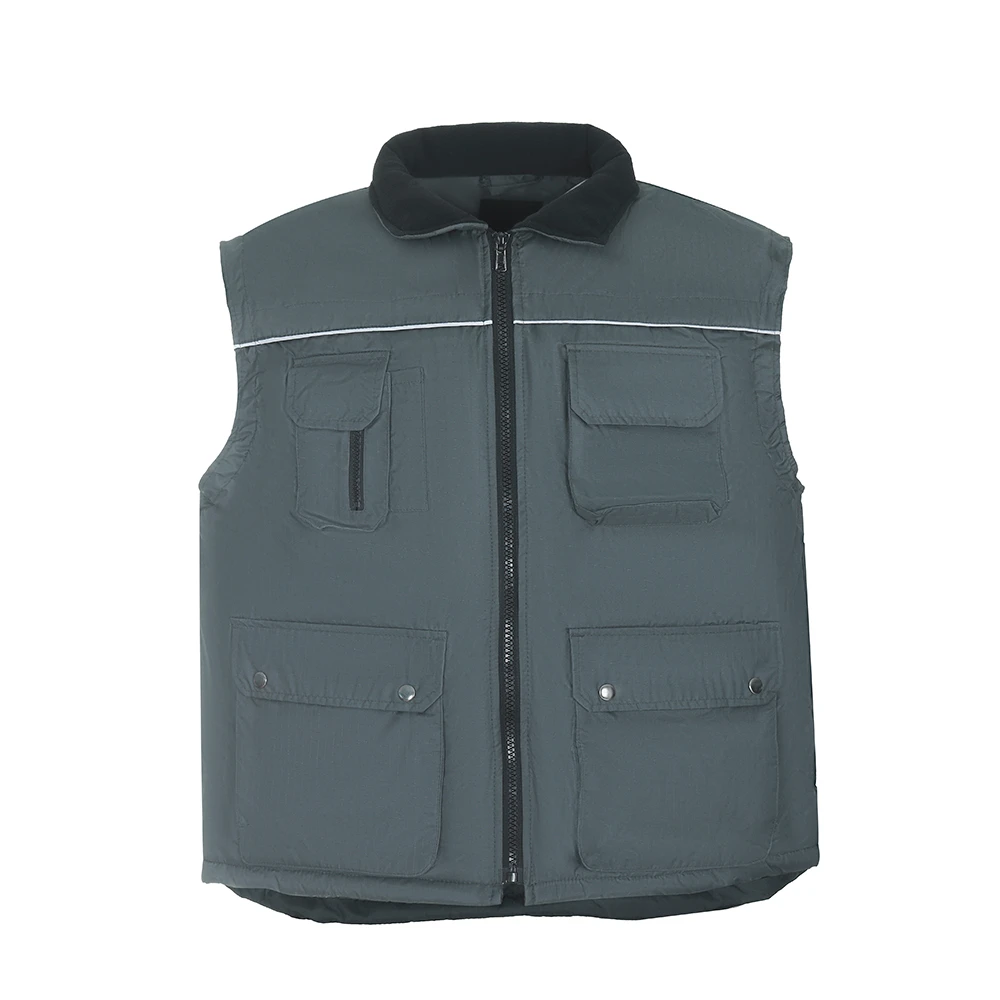
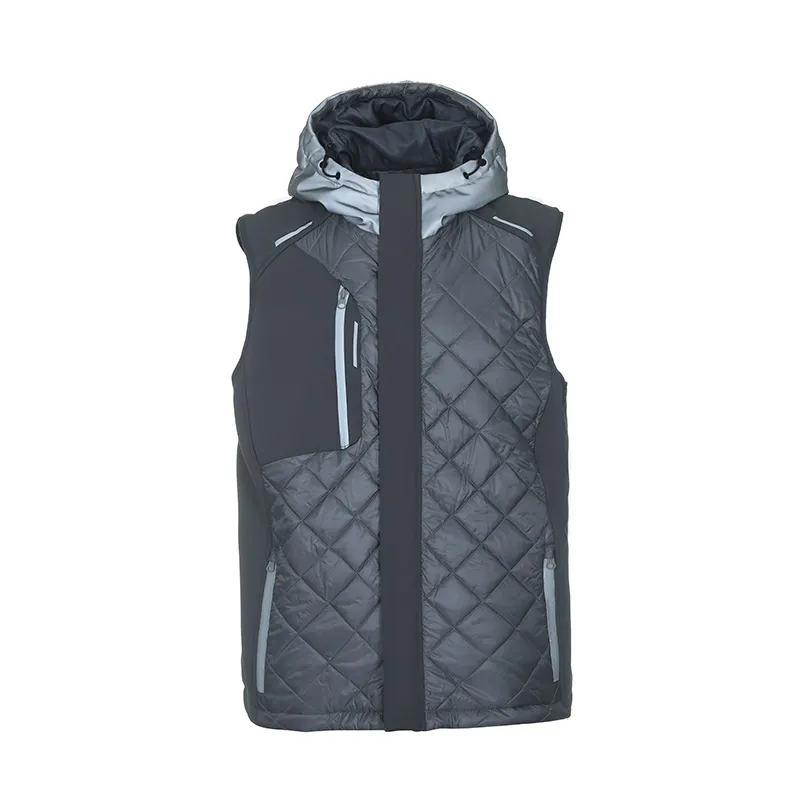
The "Outdoor Ski Bodywarmer," designed as a robust outdoor jack coat alternative for core warmth and mobility, exemplifies advanced textile engineering. Key parameters are meticulously engineered to meet stringent performance requirements.
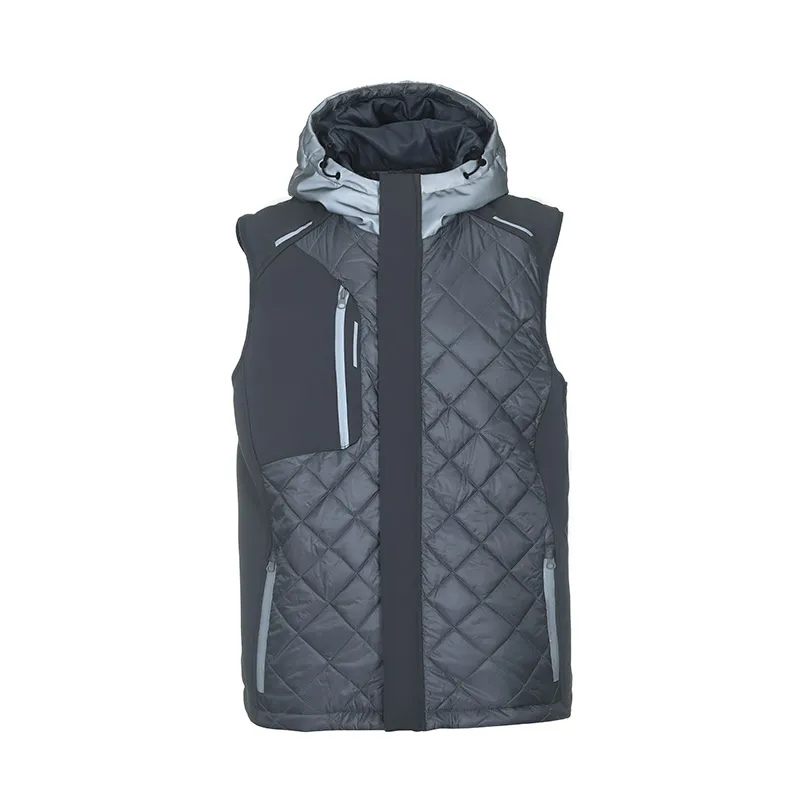
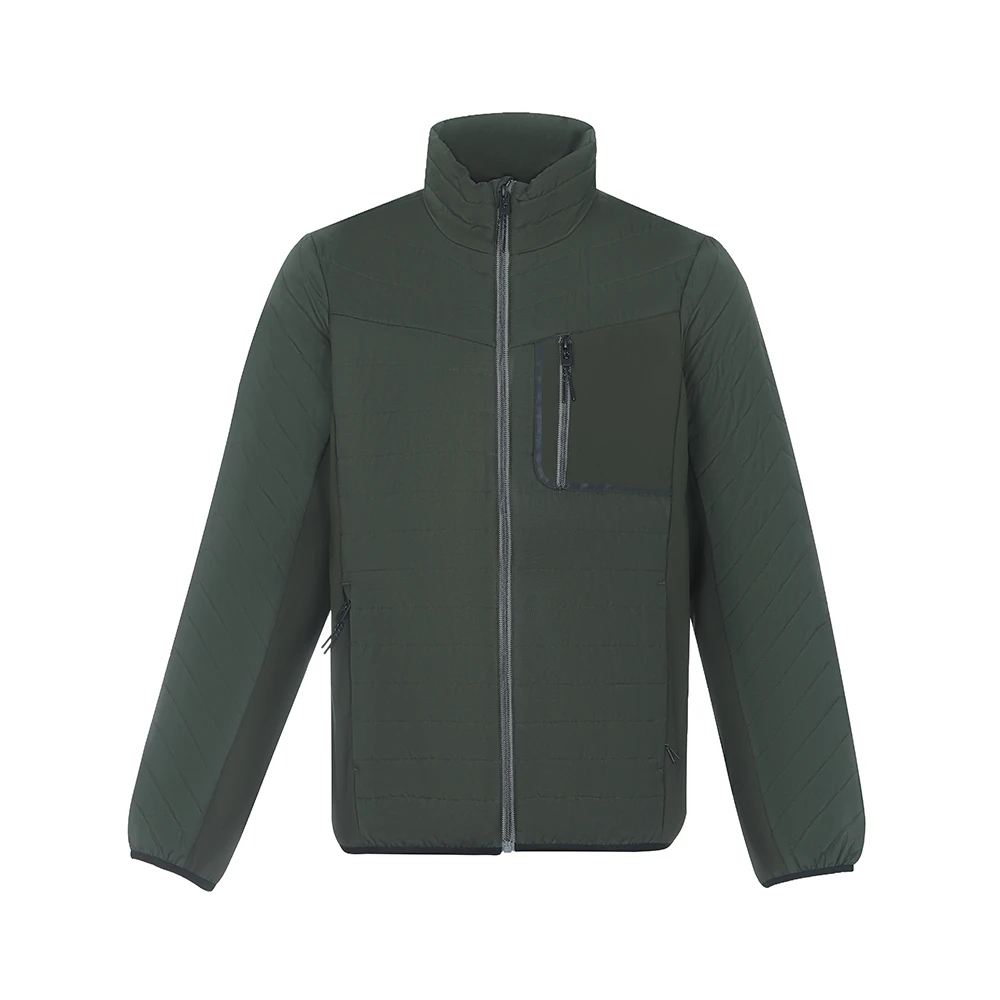
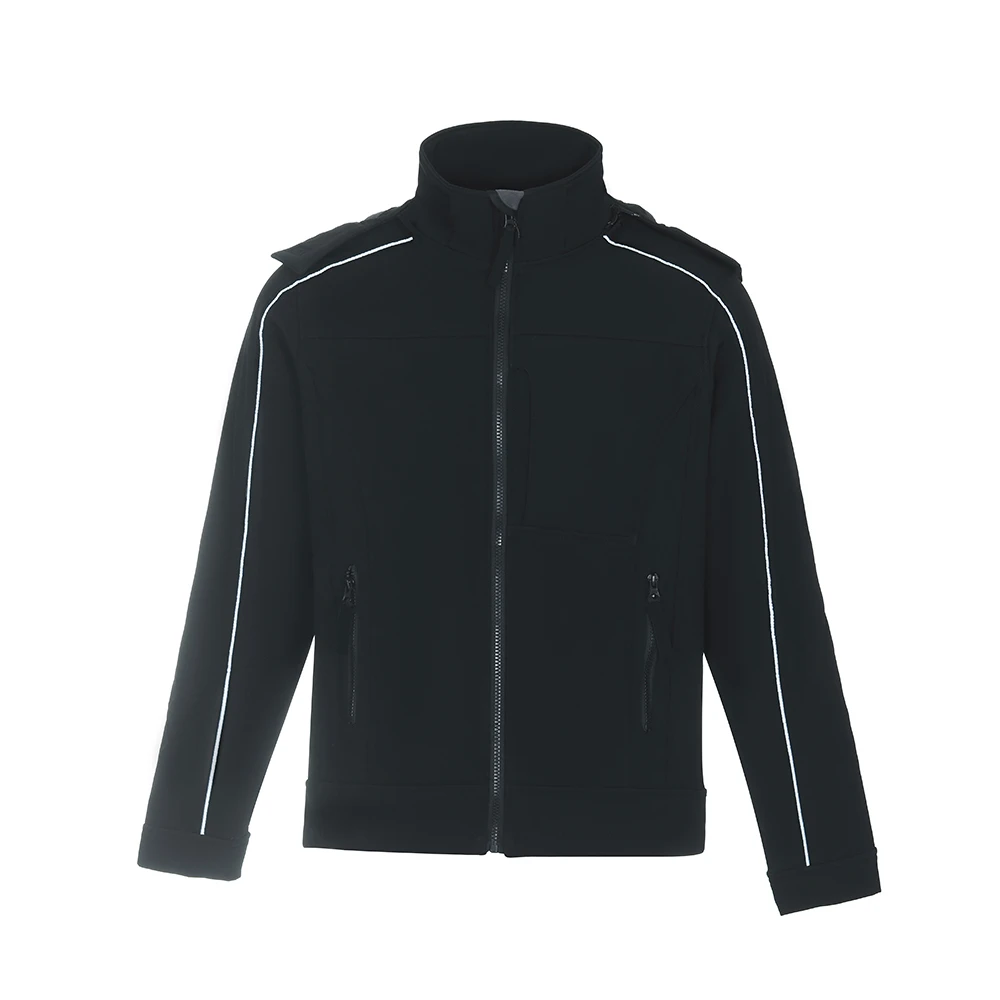
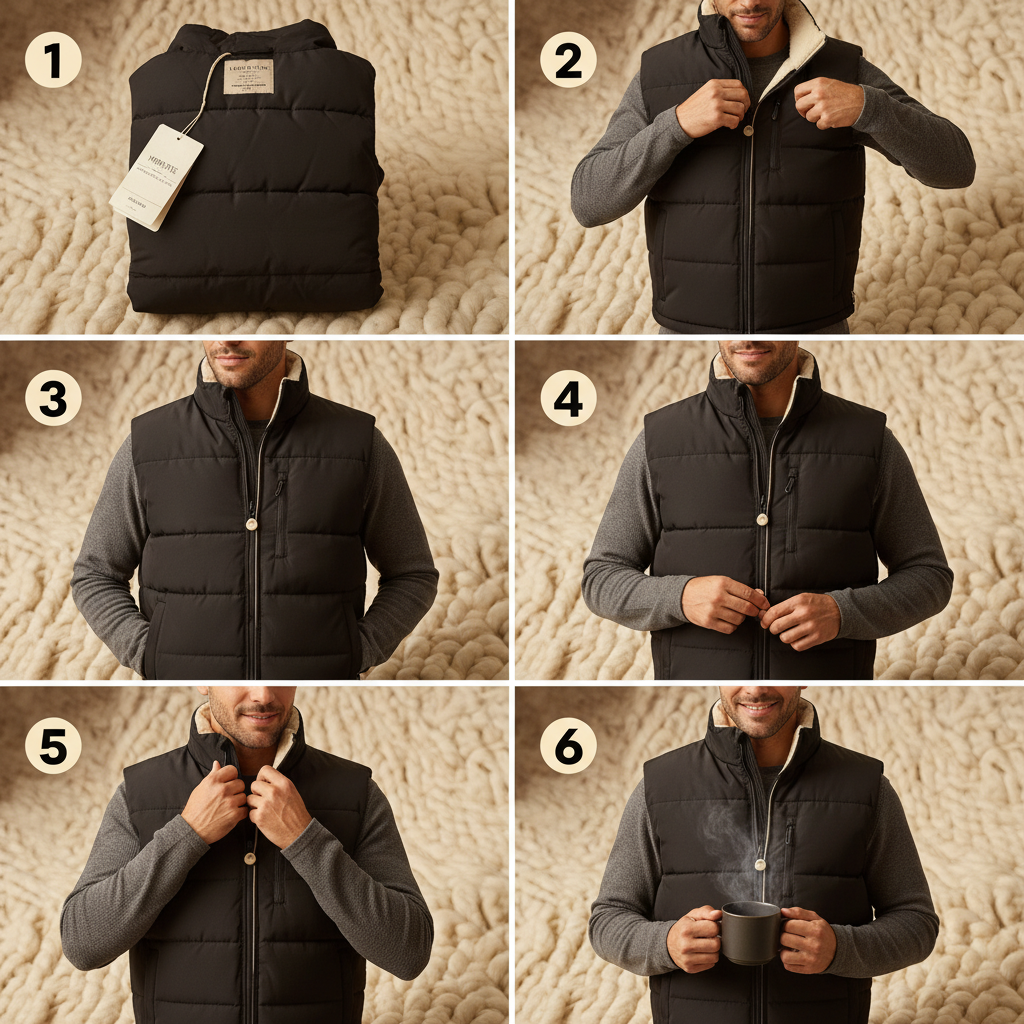
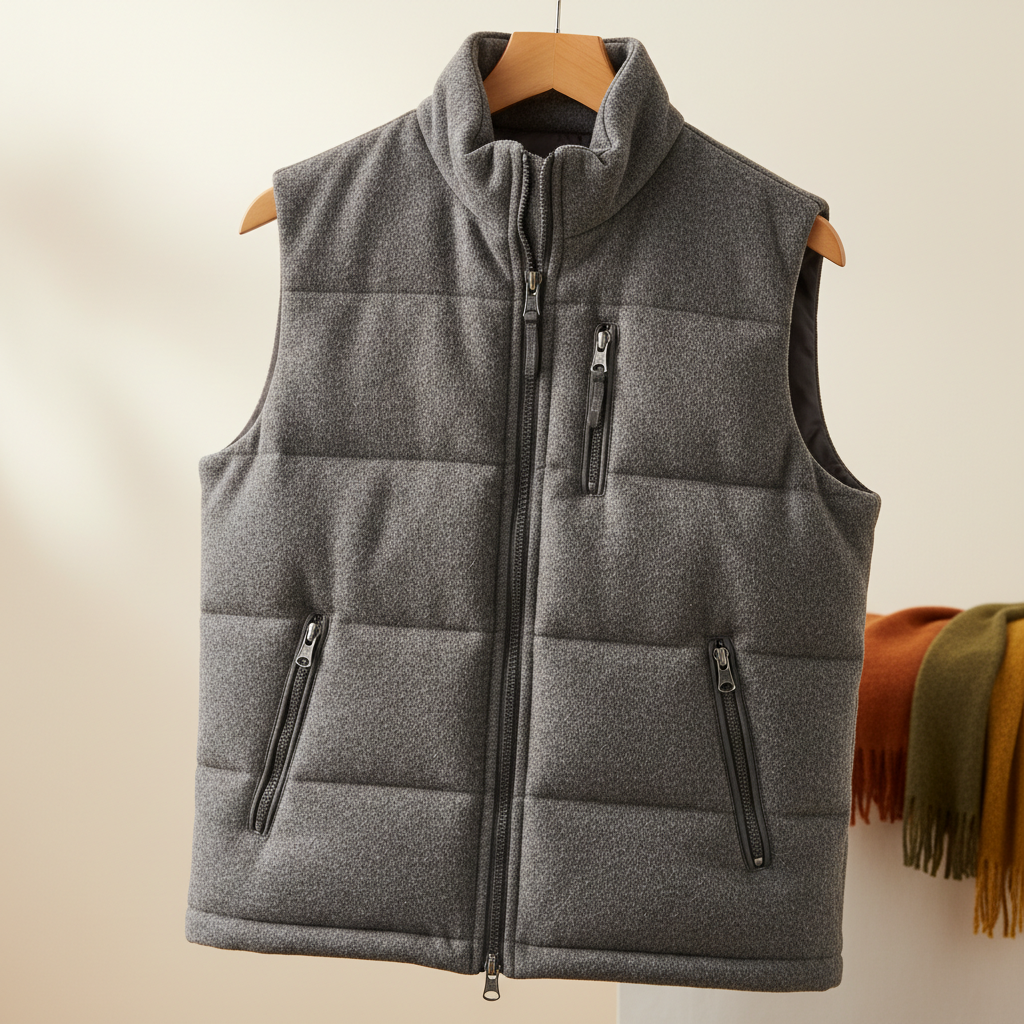
Figure 1: High-performance outdoor vest design for enhanced mobility.
| Parameter | Specification | Technical Details |
|---|---|---|
| Shell Material | 100% Nylon Ripstop, DWR Treated | 20D / 400T Ripstop Weave; Durable Water Repellent finish, ANSI/AATCC 22-2017 compliant (80/20 rating after 20 washes). Provides exceptional tear resistance and water shedding. |
| Insulation Type | Synthetic Down Alternative (Primaloft equivalent) | 120 GSM (grams per square meter) synthetic fill. Hydrophobic fibers maintain thermal efficiency even when damp, offering superior warmth-to-weight ratio compared to natural down in wet conditions. CLO rating: 2.1. |
| Lining Material | 100% Polyester Taffeta | Smooth 30D polyester for comfort and easy layering. Excellent moisture-wicking properties. |
| Temperature Rating | -5°C to 10°C (23°F to 50°F) | Optimal comfort range for active use. Can extend colder when layered with appropriate base/mid layers. |
| Zipper System | YKK® Vislon Zippers | Heavy-duty, self-locking main zipper with internal storm flap. Tested for over 10,000 cycles without failure (ISO 9001 certified). |
| Pocket Configuration | 2 Hand Pockets, 1 Internal Chest Pocket | Zip-closure hand pockets with fleece lining for warmth. Internal chest pocket with media port. Reinforced stitching at stress points. |
| Fit & Design | Ergonomic, Articulated Design | Allows for full range of motion. Drop-tail hem for extended back coverage. High collar for neck protection. |
| Certifications | Oeko-Tex Standard 100, REACH compliant materials | Ensures textiles are free from harmful substances. Adherence to EU regulations for chemical safety. |
Manufacturing Process Flow for the Outdoor Vest
The production of a high-quality outdoor vest involves a meticulous, multi-stage manufacturing process, ensuring precision, durability, and consistent performance. Our process adheres to stringent ISO 9001 quality management standards.
1. Material Sourcing & Inspection
Procurement of DWR-treated ripstop nylon (outer shell), polyester taffeta (lining), synthetic insulation, and YKK zippers from certified suppliers. Incoming materials undergo rigorous quality checks for fabric weight (GSM), tear strength (ASTM D1424), colorfastness (ISO 105), and water repellency (AATCC 22).
2. Pattern Cutting & Preparation
Digital patterns are optimized for material yield. Fabrics are spread in multiple layers. Automated CNC cutting machines ensure precise cuts for all components (shell panels, lining panels, insulation baffles, pocket bags). This minimizes waste and ensures dimensional accuracy.
3. Insulation Quilted & Baffling
The synthetic insulation is carefully laid onto the lining fabric. Advanced quilting machines stitch the insulation to the lining, creating baffles that prevent insulation migration and cold spots, ensuring consistent thermal performance throughout the garment.
4. Assembly & Stitching
Skilled technicians assemble the cut components. Industrial sewing machines are used for robust seam construction. Key areas like armholes, side seams, and zipper attachments are double-stitched and reinforced for enhanced durability. Zipper installation is precision-guided to ensure smooth operation.
5. Finishing & Quality Control
Final trimming of loose threads, pressing, and attachment of labels/hang tags. Each vest undergoes a final comprehensive quality control inspection for stitching integrity, material flaws, functional components (zippers, pockets), and adherence to specified dimensions. Random samples are tested for insulation loft retention, seam strength (ASTM D1683), and overall garment integrity.
6. Packaging & Dispatch
Vests are carefully folded, individually bagged to protect against moisture and dirt, and then packed into cartons. Packaging is optimized for transport efficiency and protection. Final dispatch logistics ensure timely and secure delivery to clients worldwide.
This structured approach ensures a consistent product life cycle, with an estimated service life of 3-5 years under typical industrial usage conditions, thanks to the durability of materials and construction methods.
Application Scenarios and Industry Advantages
The versatility of a well-engineered outdoor vest makes it indispensable across a spectrum of target industries:
- Petrochemical & Energy: Workers in oil refineries, gas fields, or wind farms often operate in fluctuating temperatures. Vests provide essential core warmth without hindering arm movement for intricate tasks, supporting energy saving by reducing overall thermal energy requirements from the worker. Certain variants can be equipped with anti-static properties for hazardous environments.
- Metallurgy & Heavy Industry: In steel mills or foundries, where temperatures vary from extreme heat in some areas to cold drafts in others, a core-warming vest can be a crucial layering piece, offering corrosion resistance in material handling tasks due to advanced fabric treatments.
- Water Supply & Drainage: Field teams working on infrastructure often encounter damp, cold conditions. A DWR-treated and insulated outdoor vest ensures comfort and protection against moisture, enhancing worker well-being and productivity.
- Construction & Civil Engineering: Site managers and ground crews require warmth with maximum mobility. Vests allow for unrestricted arm movement for operating machinery or manual labor, offering durability against snags and tears common in construction.
- Logistics & Cold Storage: Personnel moving between varied temperature zones benefit from the adaptive warmth of a vest, reducing the risk of thermal shock and fatigue.
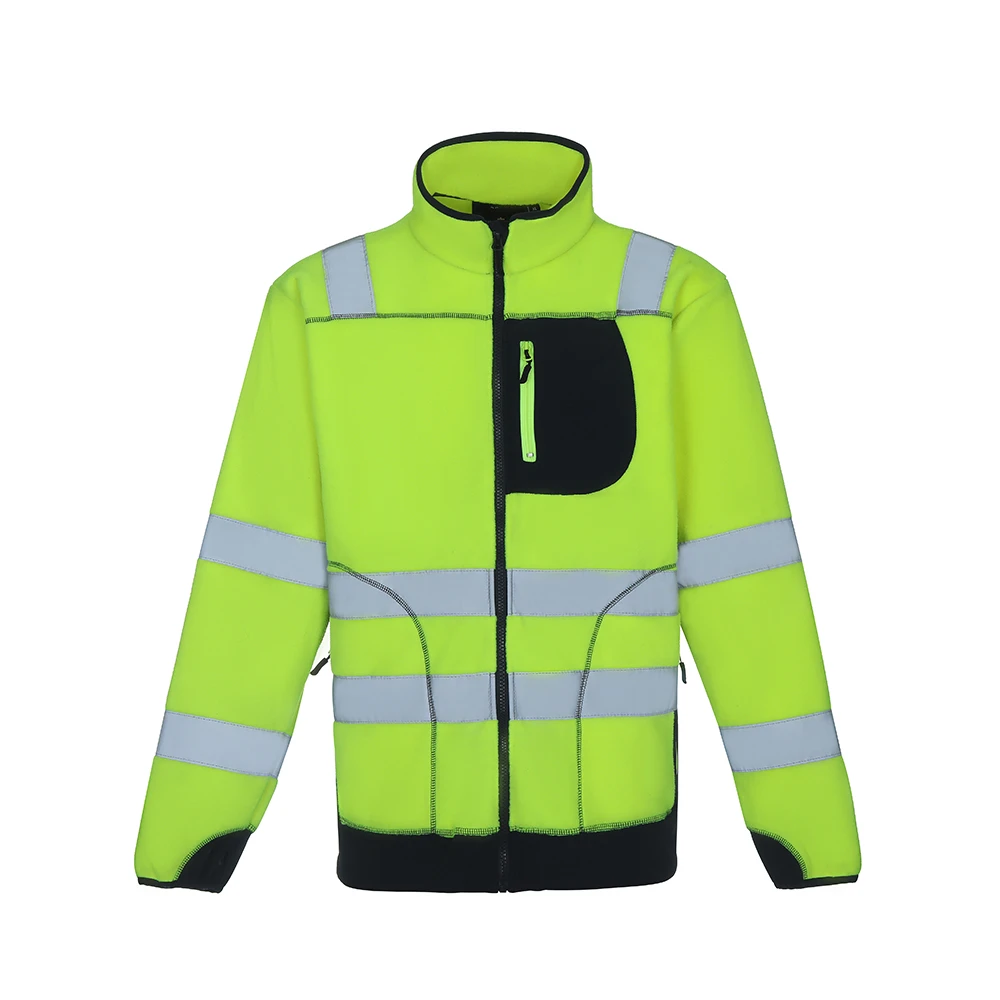
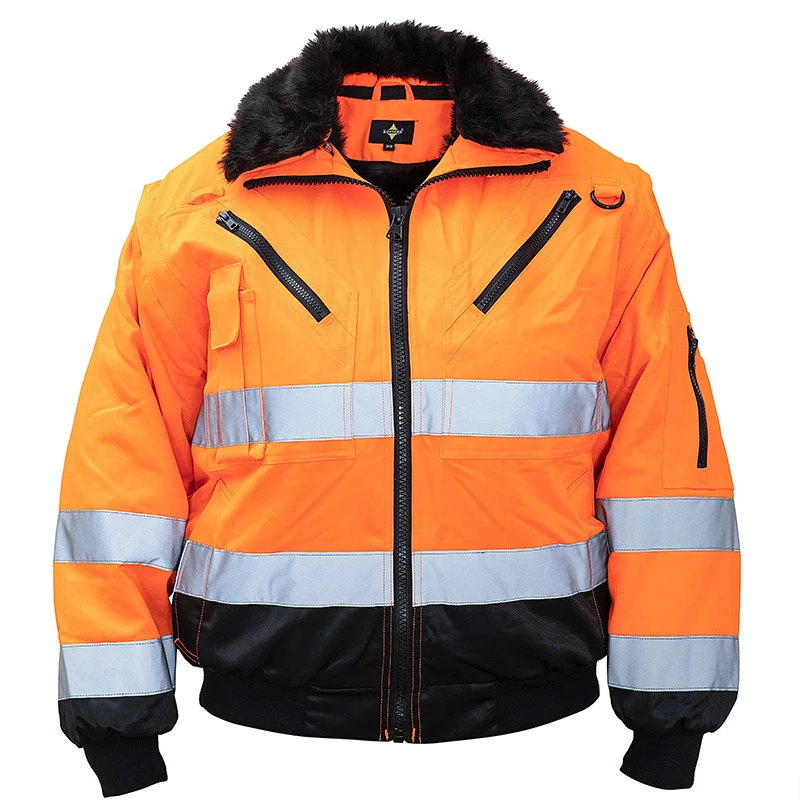
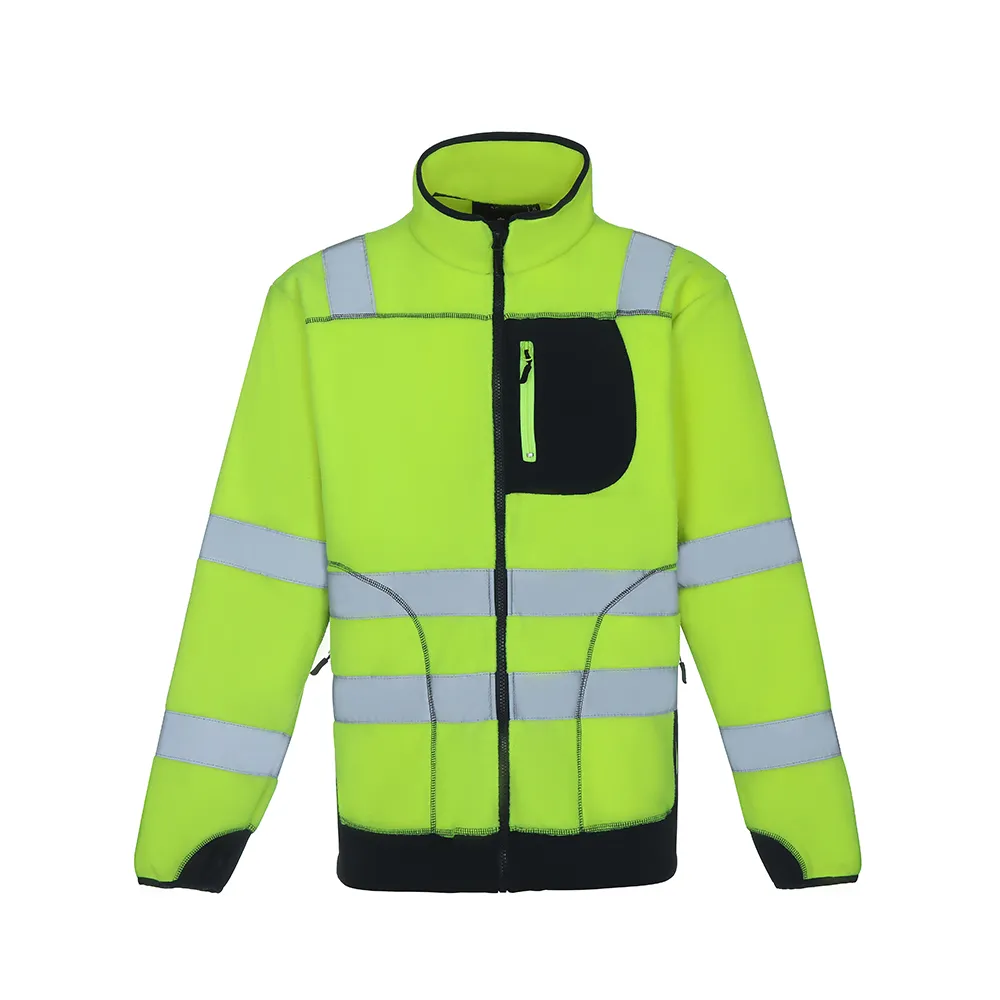
- Emergency Services & Utilities: First responders and utility repair teams operating outdoors in unpredictable weather rely on durable, high-visibility vests to maintain core body temperature while performing critical, often physically demanding, tasks.
The primary advantages across these scenarios include enhanced thermal regulation, superior mobility compared to full jackets, reduced bulk for confined spaces, and the potential for integrated safety features like high-visibility elements (ANSI/ISEA 107-2020 compliance for some models) and reflective accents for low-light conditions.
Technical Advantages and Performance Metrics
Our Outdoor Ski Bodywarmer offers distinct technical advantages, rigorously validated through independent testing:
- Superior Warmth-to-Weight Ratio: Utilizing 120 GSM synthetic insulation, the vest provides exceptional thermal performance (CLO value of 2.1) while maintaining a remarkably lightweight profile, minimizing worker fatigue.
- Hydrophobic Insulation: Unlike traditional down, our synthetic fill retains over 80% of its insulating properties when wet, crucial for reliability in damp environments or unexpected precipitation.
- Advanced Moisture Management: The DWR-treated nylon ripstop shell sheds water effectively, while the polyester taffeta lining promotes breathability, preventing internal moisture buildup (MVTR: 8,000 g/m²/24h) and ensuring a comfortable microclimate.
- Robust Durability: The 20D/400T ripstop weave of the shell fabric offers tear strength exceeding 20 N (Newton) in both warp and weft directions (ASTM D1424), significantly extending garment lifespan in abrasive work settings.
- Ergonomic Cut for Unrestricted Movement: Precision pattern engineering, including articulated armholes and a gusseted side panel, ensures full range of motion for the upper body, vital for operational safety and efficiency.
- UV Resistance: Shell fabrics are treated to offer UPF 30+ protection, mitigating fabric degradation and protecting the wearer during prolonged sun exposure, crucial for outdoor workers.
Vendor Comparison: Evaluating Outdoor Vest Solutions
When selecting an outdoor vest for B2B applications, it is imperative to conduct a thorough comparative analysis of available solutions. Below is a comparison of our "Outdoor Ski Bodywarmer" against typical market offerings:
| Feature/Metric | Outdoor Ski Bodywarmer (Our Product) | Competitor A (Premium Technical Vest) | Competitor B (Basic Utility Vest) |
|---|---|---|---|
| Shell Fabric | 20D/400T Ripstop Nylon (DWR) | 30D Polyester (DWR) | 600D Polyester Canvas (PU coated) |
| Insulation Type & Weight | 120 GSM Synthetic (Primaloft equivalent) | 800-fill Power Down | 80 GSM Polyester Batting |
| Water Resistance (AATCC 22) | 80/20 after 20 washes | 90/10 after 10 washes | 60/0 after 5 washes |
| Breathability (MVTR) | 8,000 g/m²/24h | 10,000 g/m²/24h | 2,000 g/m²/24h |
| Durability (Tear Strength) | >20 N (Warp/Weft) | >25 N (Warp/Weft) | >10 N (Warp/Weft) |
| Certifications | Oeko-Tex 100, REACH, ISO 9001 Mfg. | Bluesign®, RDS, ISO 9001 Mfg. | None specified |
| Customization Options | Extensive (colors, branding, pockets, materials) | Moderate (branding, limited colors) | Limited (basic branding) |
| Typical Price Point (Bulk) | Mid-Premium Range | High Premium Range | Economy Range |
This comparison highlights our "Outdoor Ski Bodywarmer's" balanced approach, offering a compelling blend of high-performance technical specifications and extensive customization capabilities at a competitive price point, often outperforming basic utility vests in critical performance metrics and providing a more resilient alternative to general outdoor jack coat options.
Customized Solutions for Specialized Requirements
Recognizing the diverse needs of B2B clients, we offer comprehensive customization options for our outdoor vest range:
- Branding & Aesthetics: Integration of corporate logos via embroidery, screen printing, or heat transfer. Custom color matching to align with brand guidelines (Pantone matching available).
- Functional Adaptations: Custom pocket configurations for specific tools or devices, addition of reinforced panels in high-wear areas, integration of specific attachment points (e.g., D-rings, radio clips).
- Material Alternatives: Option for specialized shell fabrics (e.g., enhanced flame resistance for specific industry standards like NFPA 2112, or higher tear strength Cordura® nylon) or different insulation weights for extreme temperature ranges.
- Safety Features: Incorporation of reflective tapes (3M™ Scotchlite™), high-visibility fabric panels, or specialized safety hardware for compliance with EN ISO 20471 or ANSI/ISEA 107 standards.
- Size & Fit Optimization: Development of extended size ranges or tailored fit adjustments to accommodate diverse workforces.
Our design and engineering teams work closely with clients from conceptualization to prototyping, ensuring that the final product meets exact performance specifications and operational demands. Typical lead times for custom solution development and initial production runs average 8-12 weeks, depending on complexity and order volume.
Application Case Studies
Real-world applications demonstrate the tangible benefits of our high-performance outdoor vest:
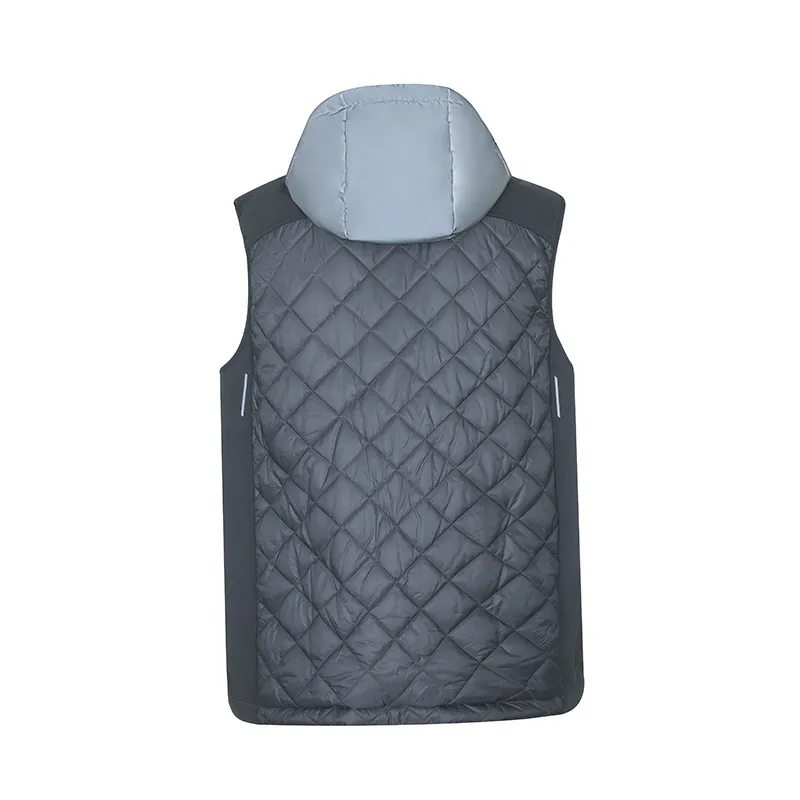
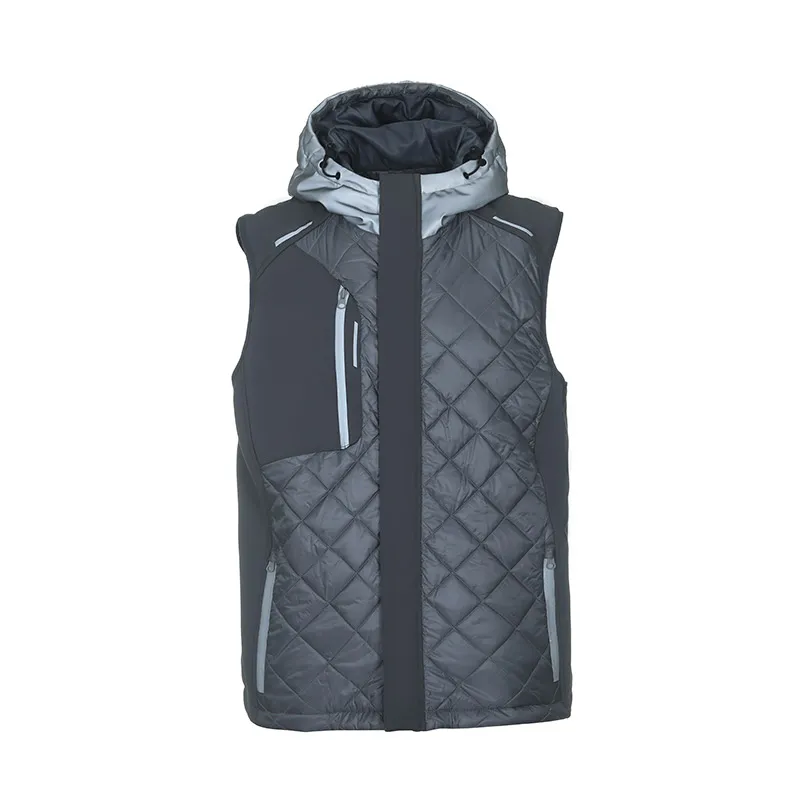
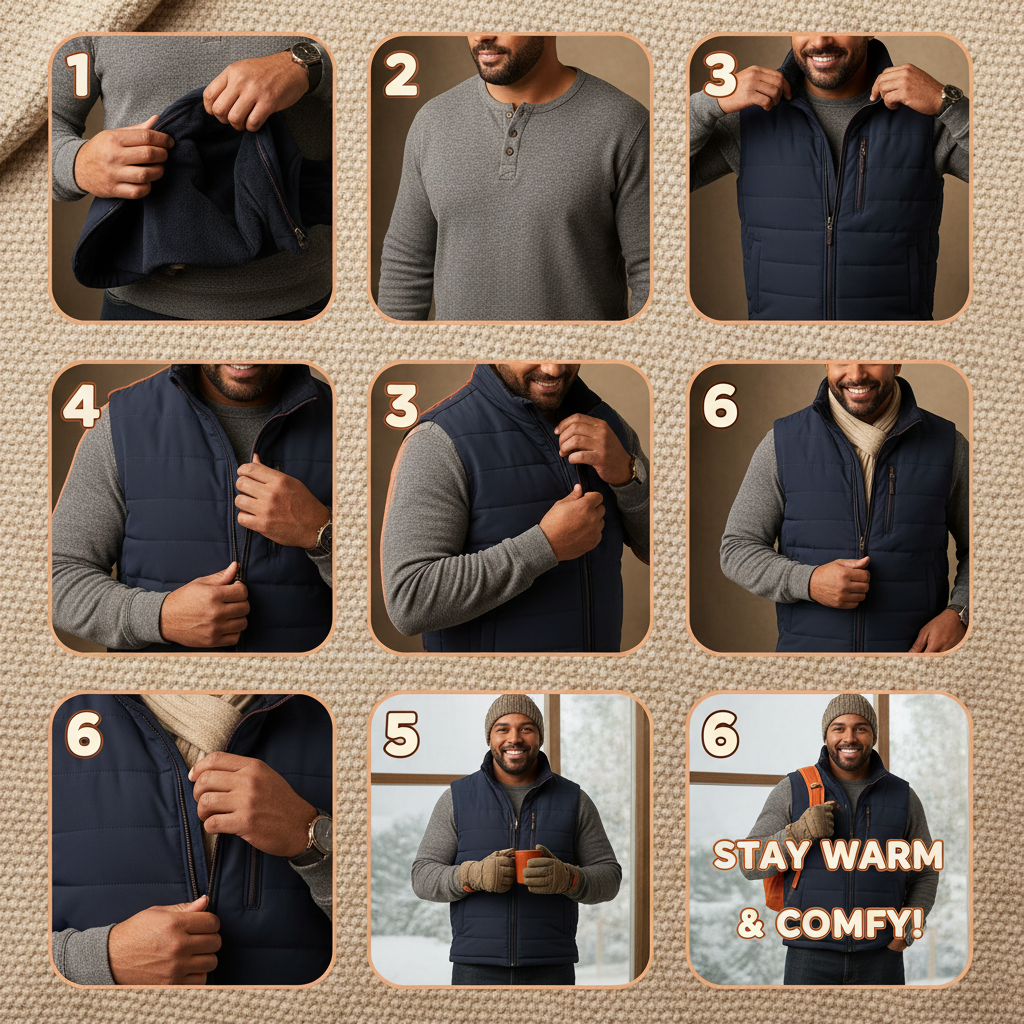
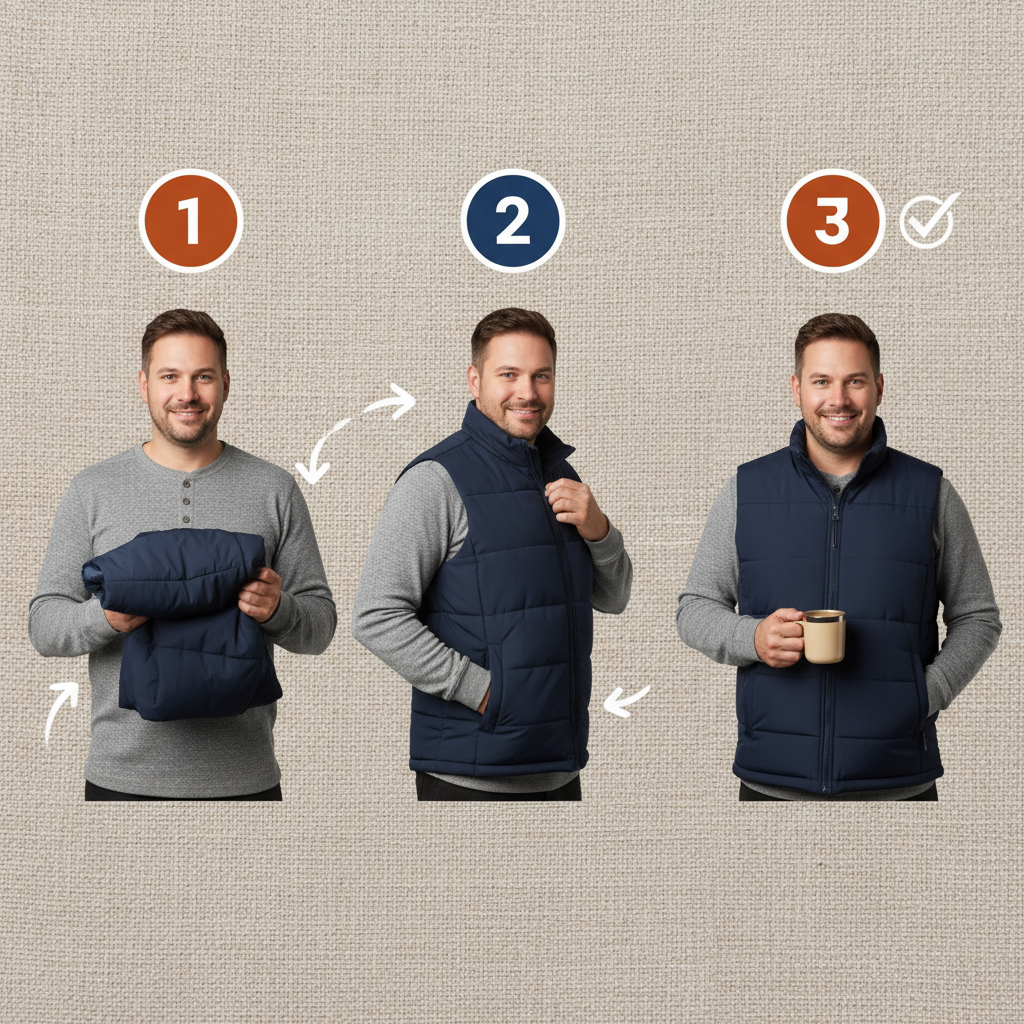
Figure 2: Outdoor vest in active use during field operations.
Case Study 1: Arctic Logistics Fleet Enhancement
Client: Global Logistics Provider (Northern Operations Division)
Challenge: Their fleet operators and ground crews faced extreme sub-zero temperatures, requiring robust insulation without restricting the intricate movements necessary for cargo handling and vehicle maintenance. Traditional heavy jackets often led to overheating indoors and cumbersome movement outdoors.
Solution: We supplied a customized variant of our Outdoor Ski Bodywarmer with enhanced 180 GSM synthetic insulation and a reinforced ripstop outer shell. The vests were also equipped with strategically placed reflective accents for improved visibility in low-light arctic conditions.
Results: Post-implementation surveys indicated a 35% improvement in reported worker comfort and a 20% reduction in thermal fatigue incidents. Mobility for tasks like equipment checks and cargo securing increased significantly. The client reported a 15% reduction in overall outerwear replacement costs due to the superior durability of our vests compared to previous solutions.
Case Study 2: Municipal Utility Field Teams
Client: Major Metropolitan Water & Wastewater Authority
Challenge: Field engineers and maintenance crews frequently work outdoors in urban environments, encountering variable weather and requiring high visibility near traffic. Their existing workwear lacked adequate water resistance and breathability, leading to discomfort and reduced focus.
Solution: We developed a customized warm outdoor vest featuring a bright yellow shell fabric compliant with ANSI/ISEA 107-2020 Class 2 standards, coupled with our standard DWR treatment and breathable insulation. Additional utility loops were integrated for portable two-way radios and tools.
Results: The municipal authority observed a measurable increase in team efficiency and safety compliance. Worker feedback highlighted improved comfort during light rain and high-activity tasks, with fewer instances of vests being removed due to overheating. The enhanced visibility contributed to a 10% reduction in near-miss incidents reported during roadside operations over a six-month period.
Frequently Asked Questions (FAQ)
Q: What is the minimum order quantity (MOQ) for custom outdoor vests?
A: Our standard MOQ for custom branded or modified outdoor vests typically starts at 100 units. This may vary based on the complexity of customization; please contact our sales team for specific project requirements.
Q: What is the typical lead time from order placement to delivery?
A: For standard products, lead time is usually 4-6 weeks. For customized solutions, it can range from 8-12 weeks, depending on design finalization, material sourcing, and production queue. Expedited options may be available upon request.
Q: How do I care for and clean the Outdoor Ski Bodywarmer?
A: We recommend machine washing cold on a gentle cycle with mild detergent, then tumble dry low or hang dry. Avoid bleach, fabric softeners, and ironing directly on logos. Specific care instructions are provided with each garment.
Q: Are these vests suitable for extreme cold conditions?
A: The Outdoor Ski Bodywarmer is rated for -5°C to 10°C (23°F to 50°F) for active use. For extreme cold (below -5°C), it performs exceptionally as a mid-layer under a suitable outdoor jack coat or heavy-duty shell, providing critical core warmth.
Lead Time, Fulfillment & Warranty
Lead Time & Fulfillment: We maintain a robust supply chain and manufacturing process to ensure efficient order fulfillment. Standard orders are typically dispatched within 4-6 weeks. For custom projects, the timeline will be mutually agreed upon based on design complexity and production scale. We provide comprehensive logistics support, including international shipping and tracking services.
Warranty Commitments: Our Outdoor Ski Bodywarmer and all custom outdoor vest solutions are backed by a 2-year warranty against manufacturing defects in materials and workmanship. This warranty underscores our commitment to quality and client satisfaction. Terms and conditions apply, please refer to our full warranty policy for details.
Customer Support: Our dedicated B2B customer support team is available from 9:00 AM to 5:00 PM EST, Monday to Friday, to assist with inquiries, technical support, order tracking, and after-sales service. Contact us via phone at [+1-800-XXX-XXXX] or email at [sales@qsclothing.com] for prompt assistance.
Conclusion
The modern outdoor vest, as exemplified by the Outdoor Ski Bodywarmer, represents a critical asset in professional workwear. Its blend of advanced material science, ergonomic design, and adaptable functionality offers B2B operations a significant advantage in maintaining worker comfort, safety, and productivity across challenging environments. By investing in technically superior and customizable outdoor apparel, businesses can optimize operational efficiency and foster a safer, more engaged workforce.
References
- Grand View Research. (2020). Technical Textiles Market Size, Share & Trends Analysis Report By Application (Mobiltech, Indutech), By Product, By Region (North America, Europe, APAC, CSA, MEA), And Segment Forecasts, 2020 - 2027.
- ISO 9001:2015 - Quality management systems - Requirements. International Organization for Standardization.
- ASTM International. (various standards including D1424 for tear resistance, D1683 for seam strength).
- AATCC 22-2017 - Test Method for Water Repellency: Spray Test. American Association of Textile Chemists and Colorists.
- Oeko-Tex Standard 100. (2023). Confidence in textiles – tested for harmful substances.