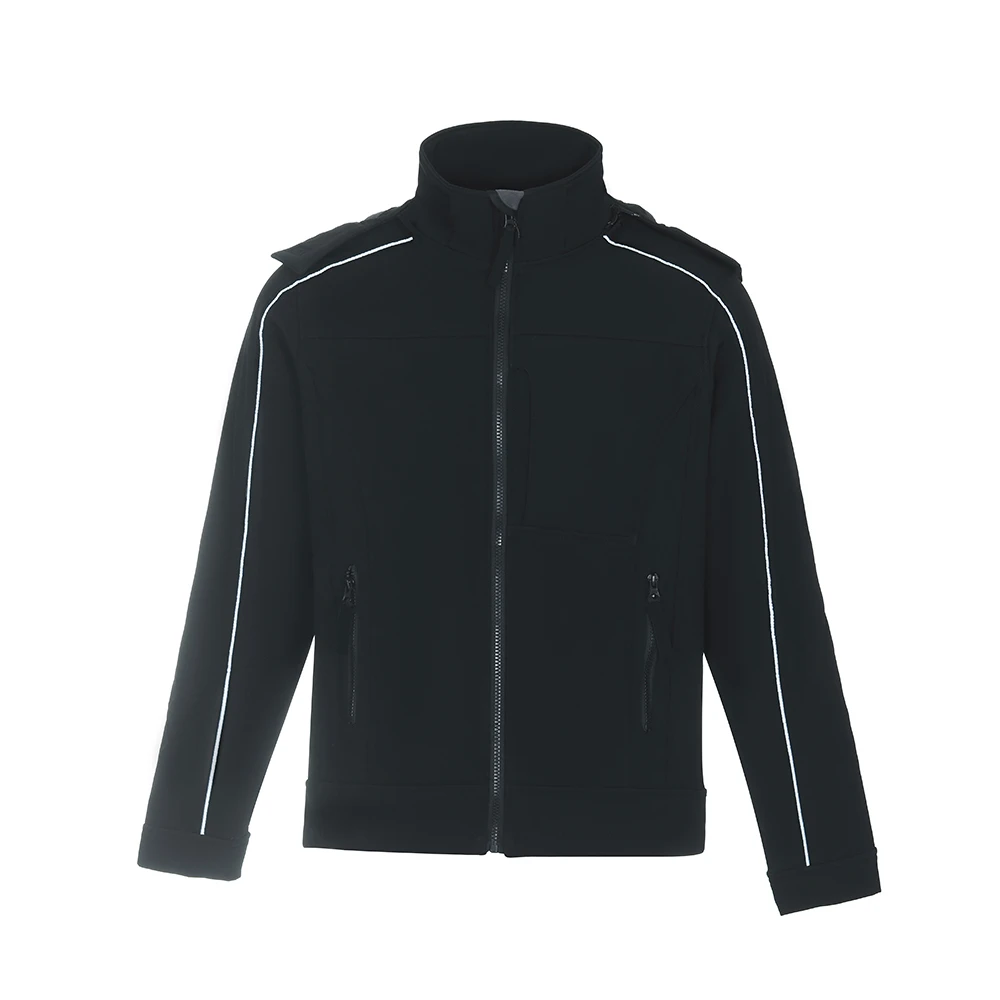
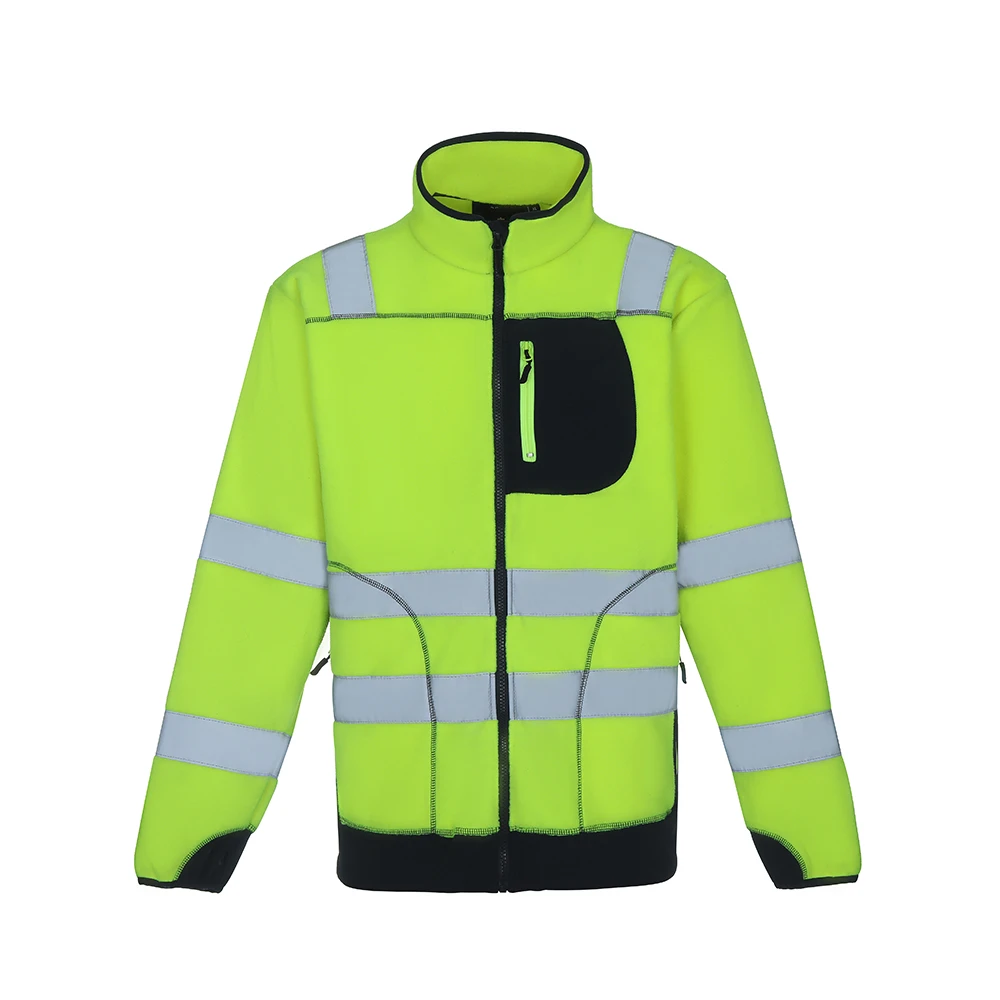
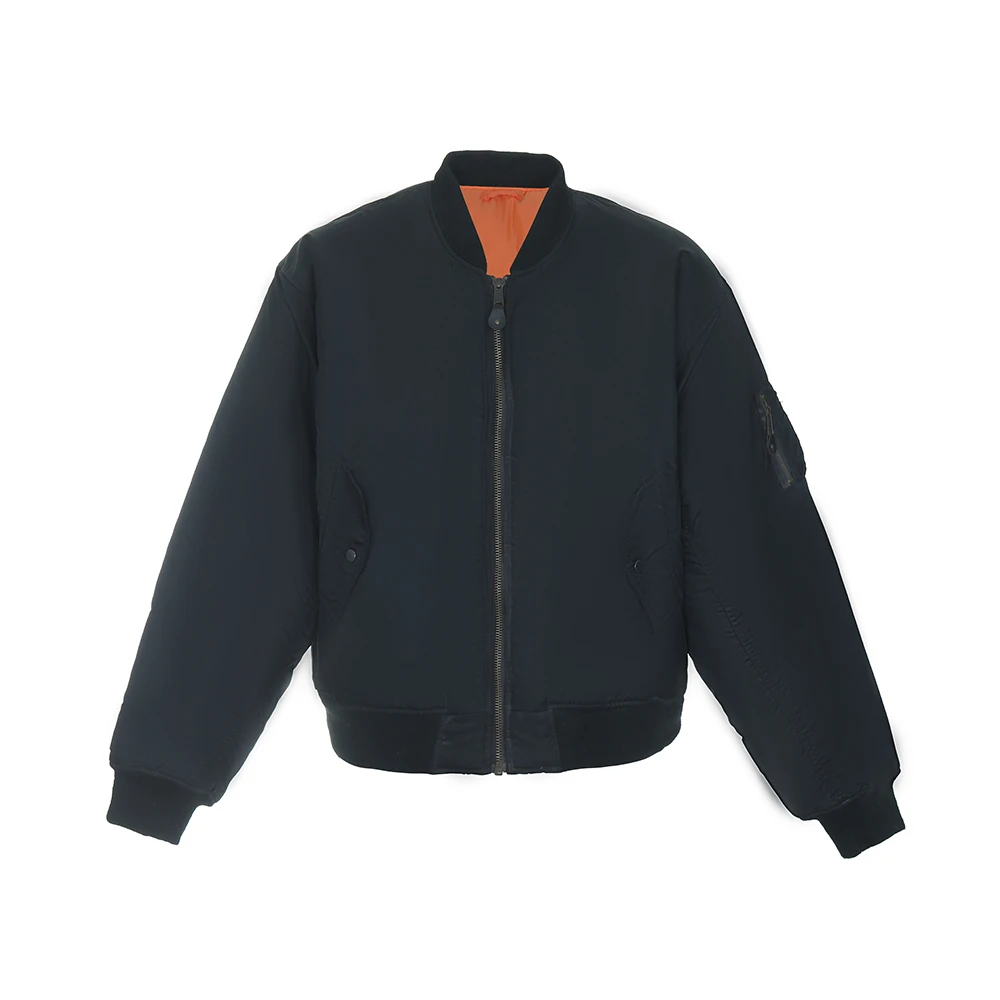
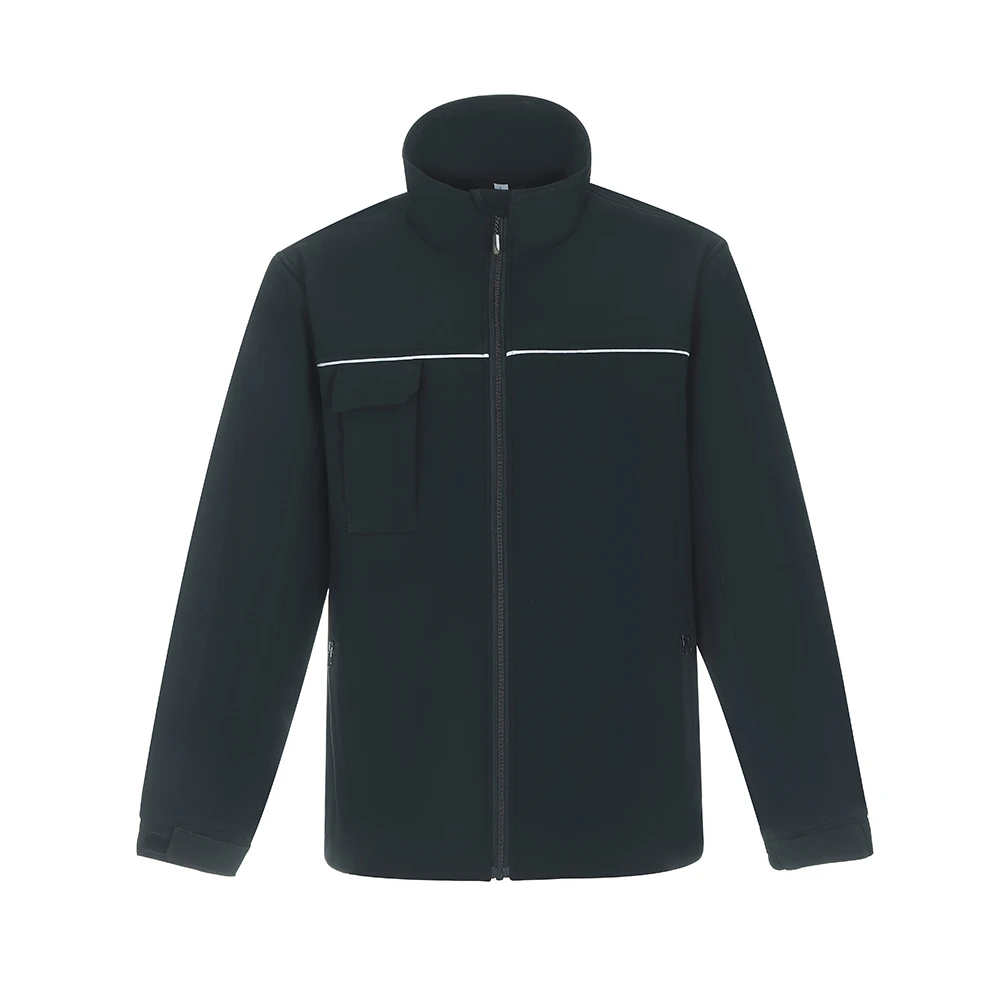
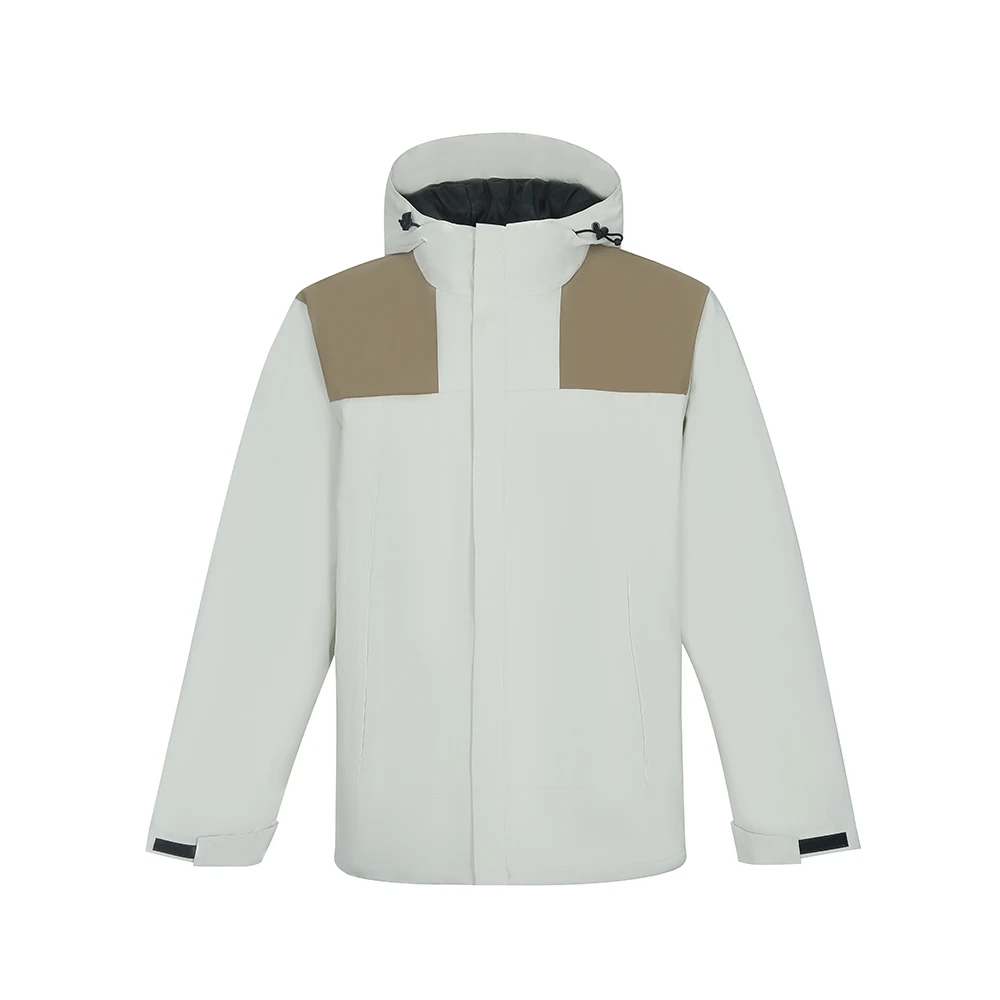
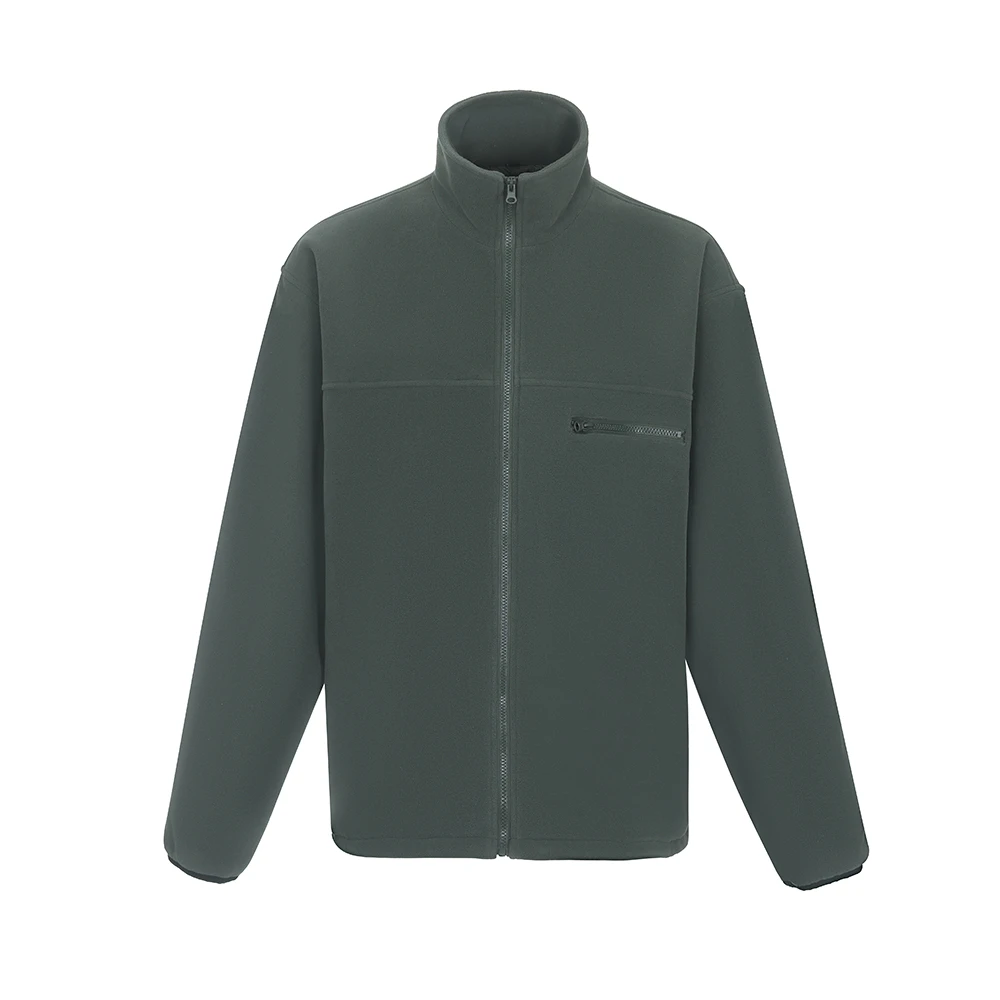
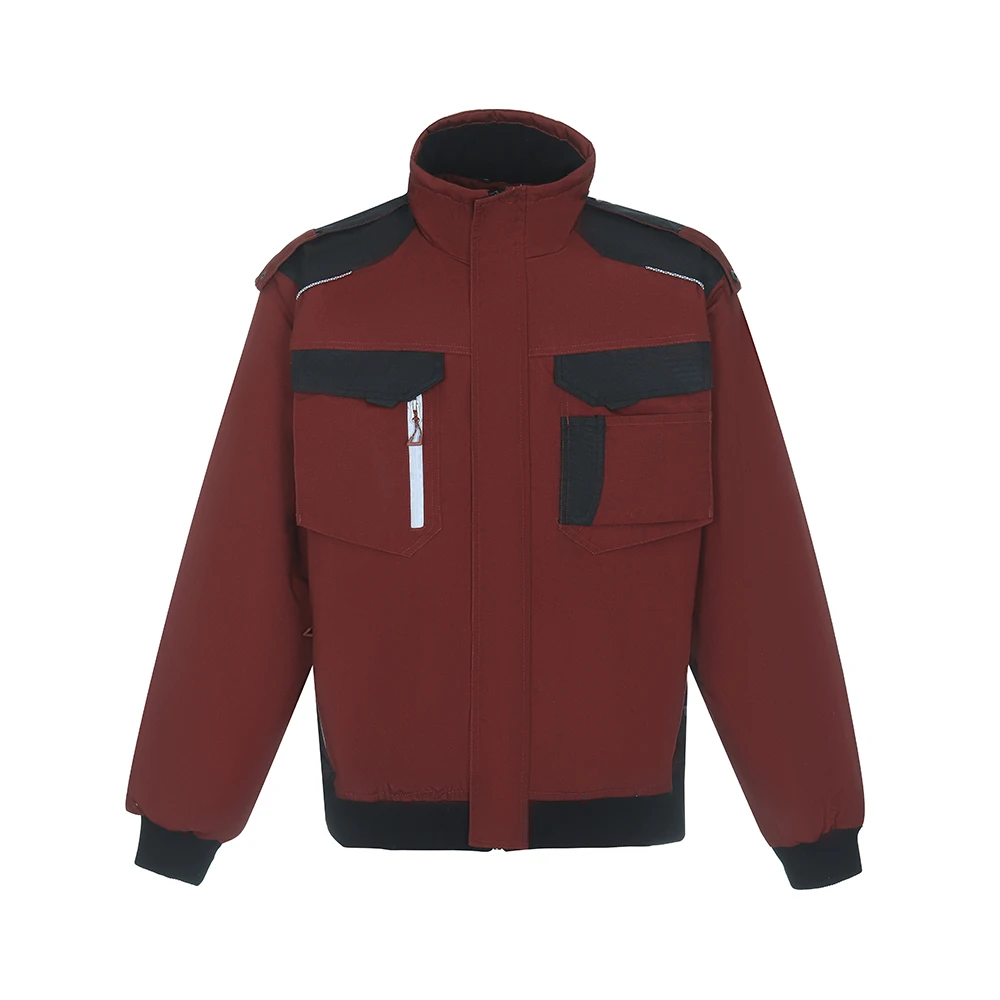
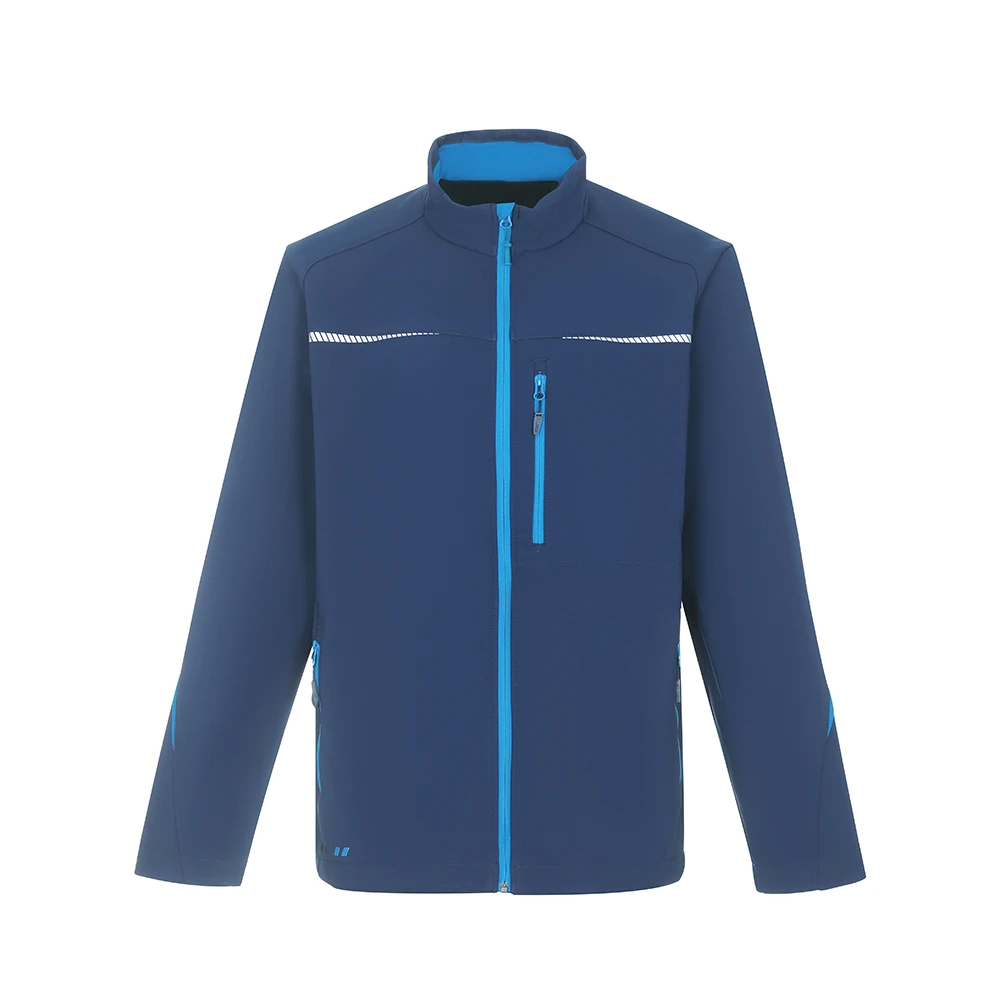
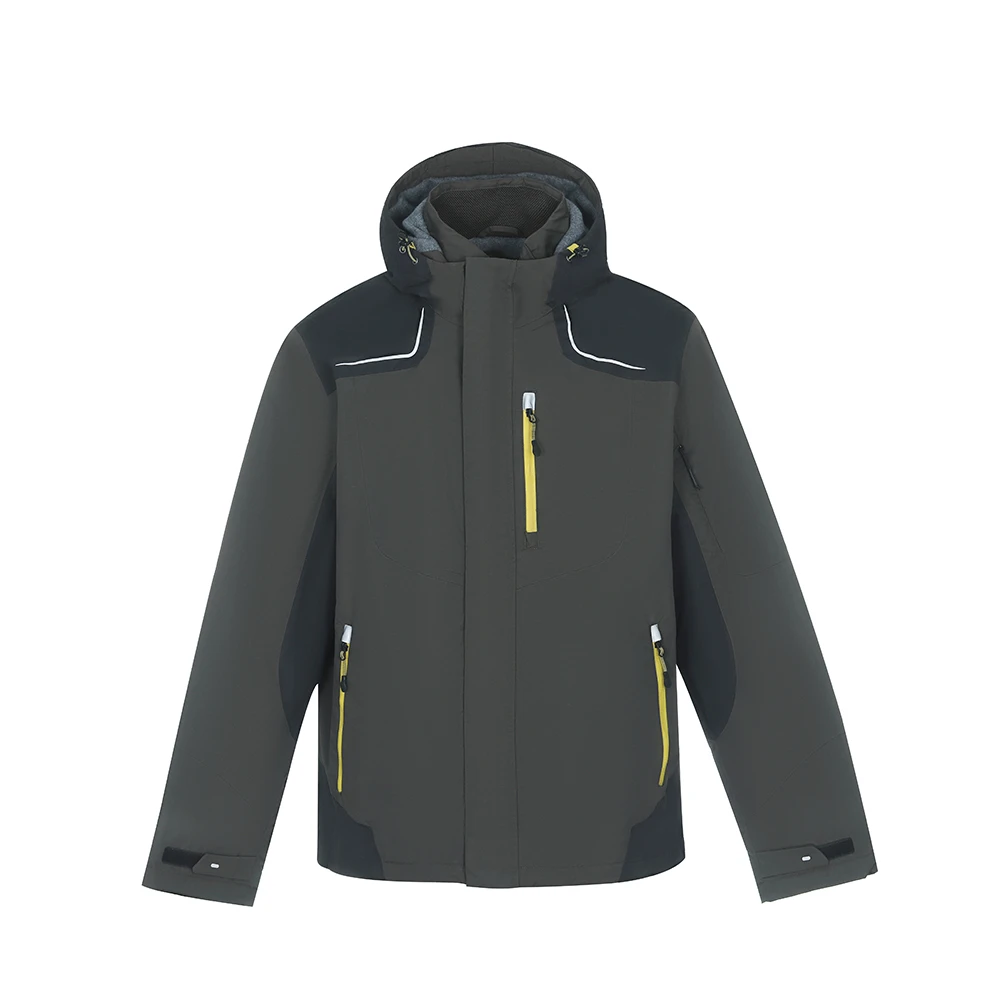
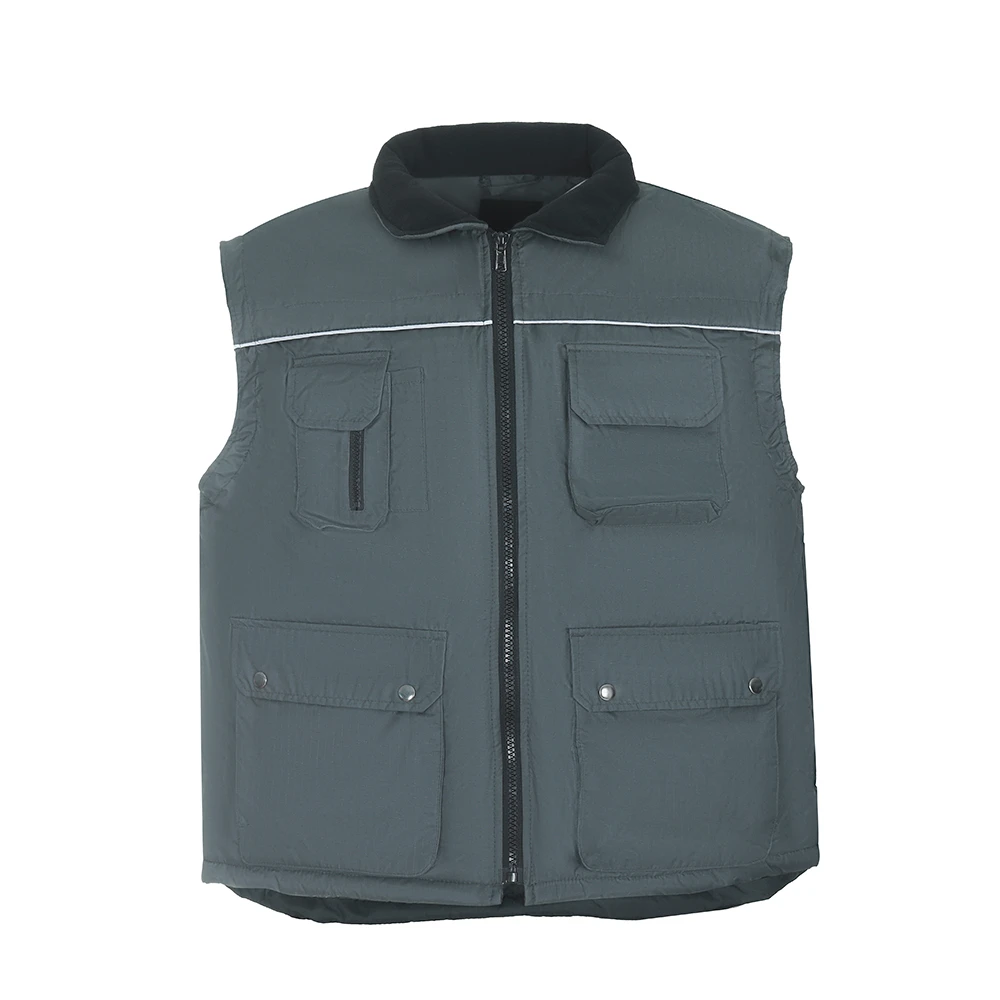
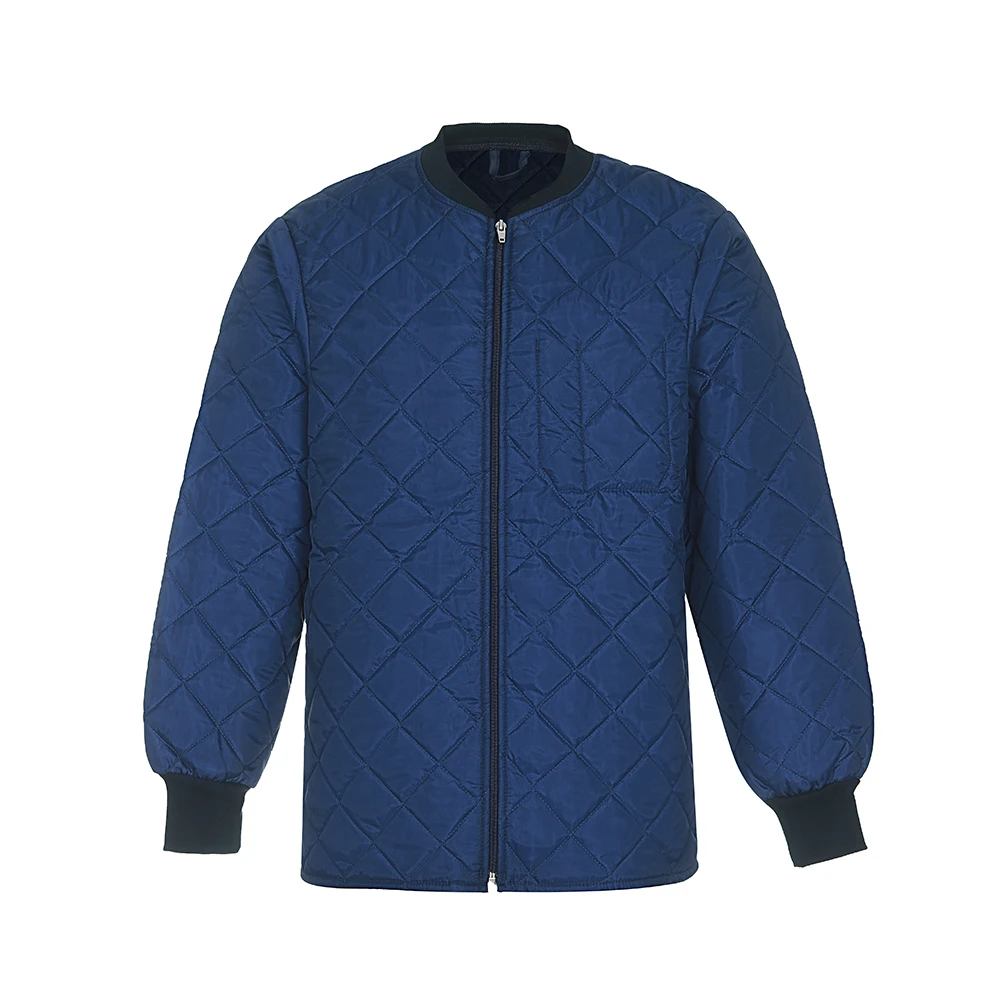
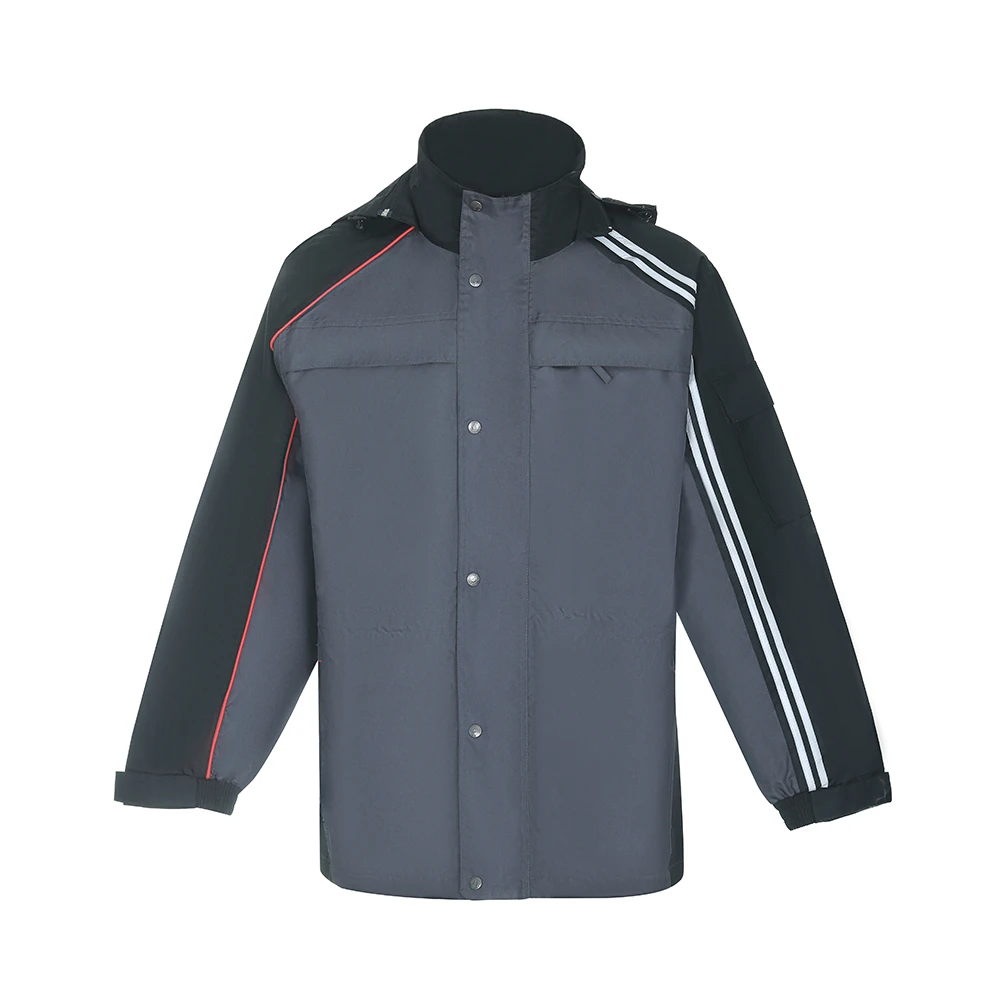
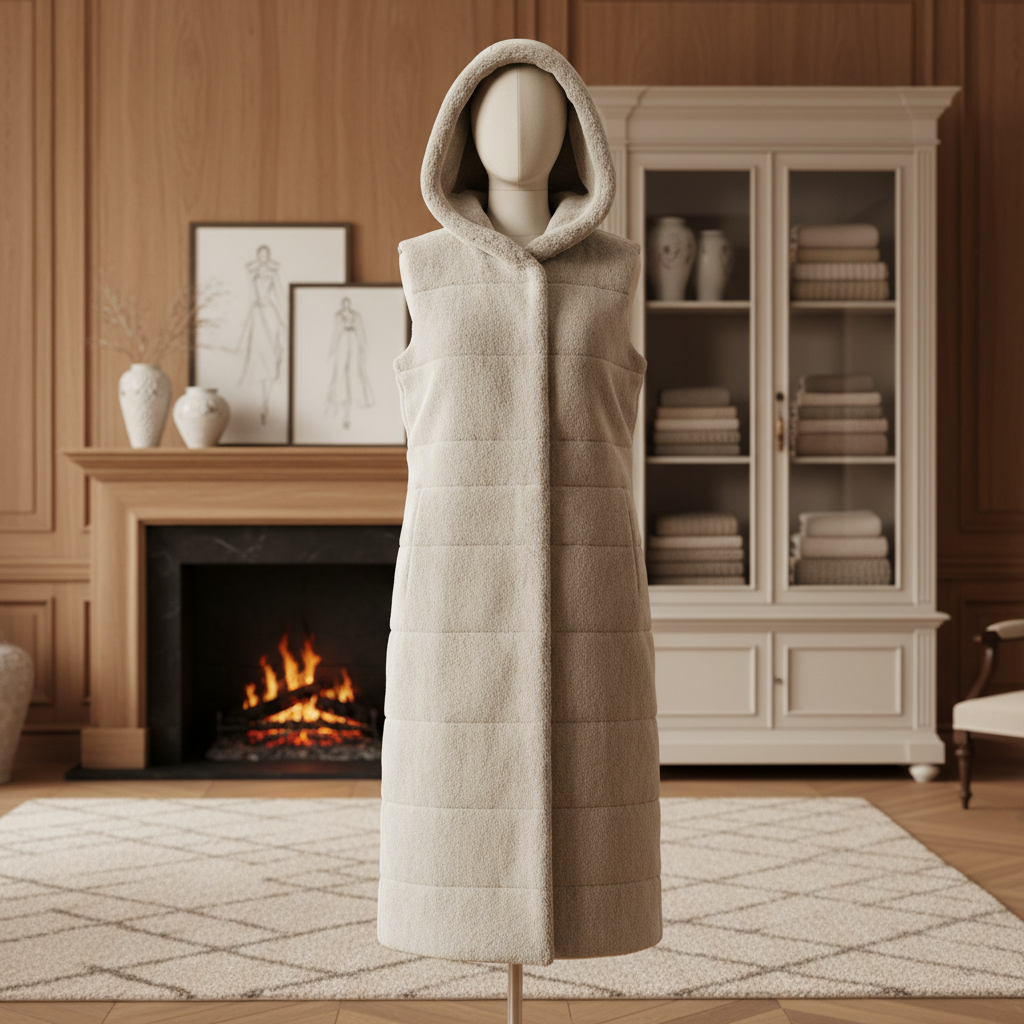
Durable & Comfortable Warmer Gilet Vest for Industrial Use | QSC Clothing
Why the warmer gilet vest is a game-changer in the industrial sector
Having spent a good part of my career trudging through chilly worksites—from warehouses to dusty outdoor rigs—I’ve come to appreciate a piece of gear that often flies under the radar: the warmer gilet vest. Now, I know what you’re thinking — a vest sounds too simple to matter much, right? Oddly enough, this kind of insulated, flexible outerwear makes a surprisingly big difference when you’re on your feet for hours in cold weather.
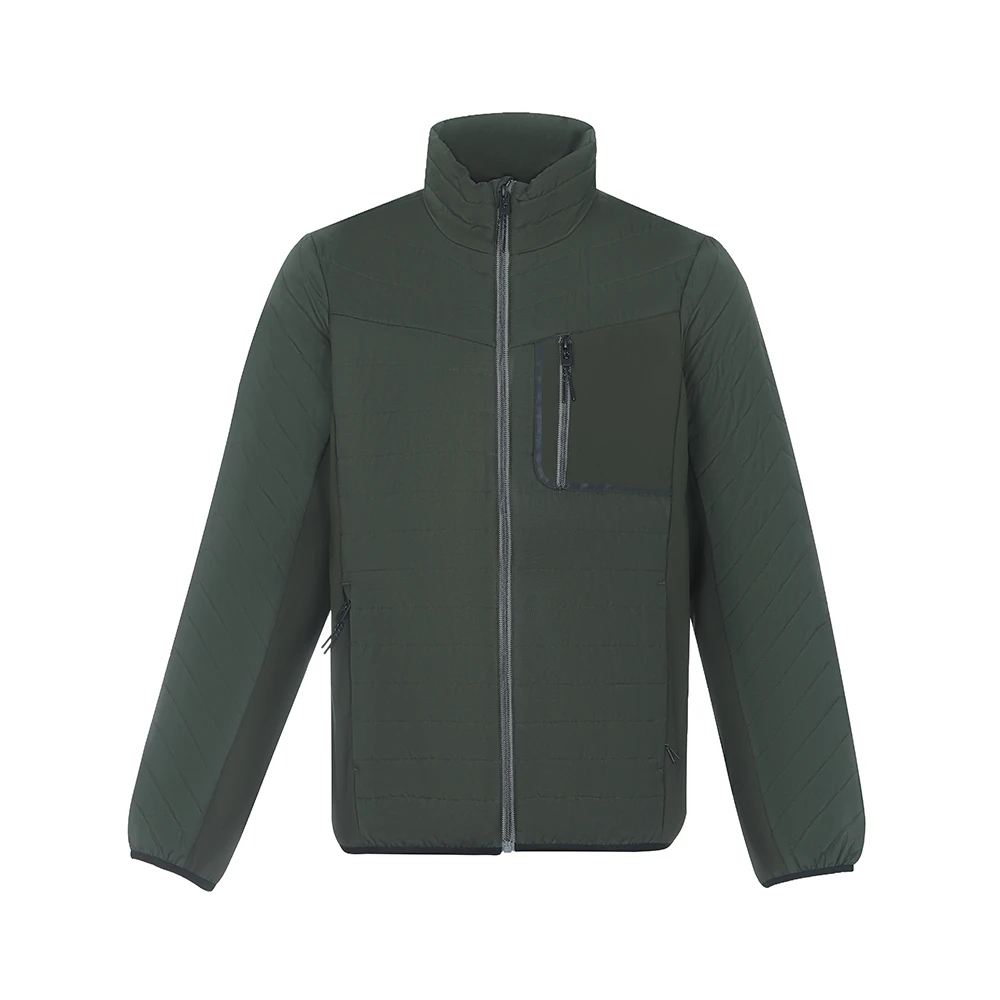
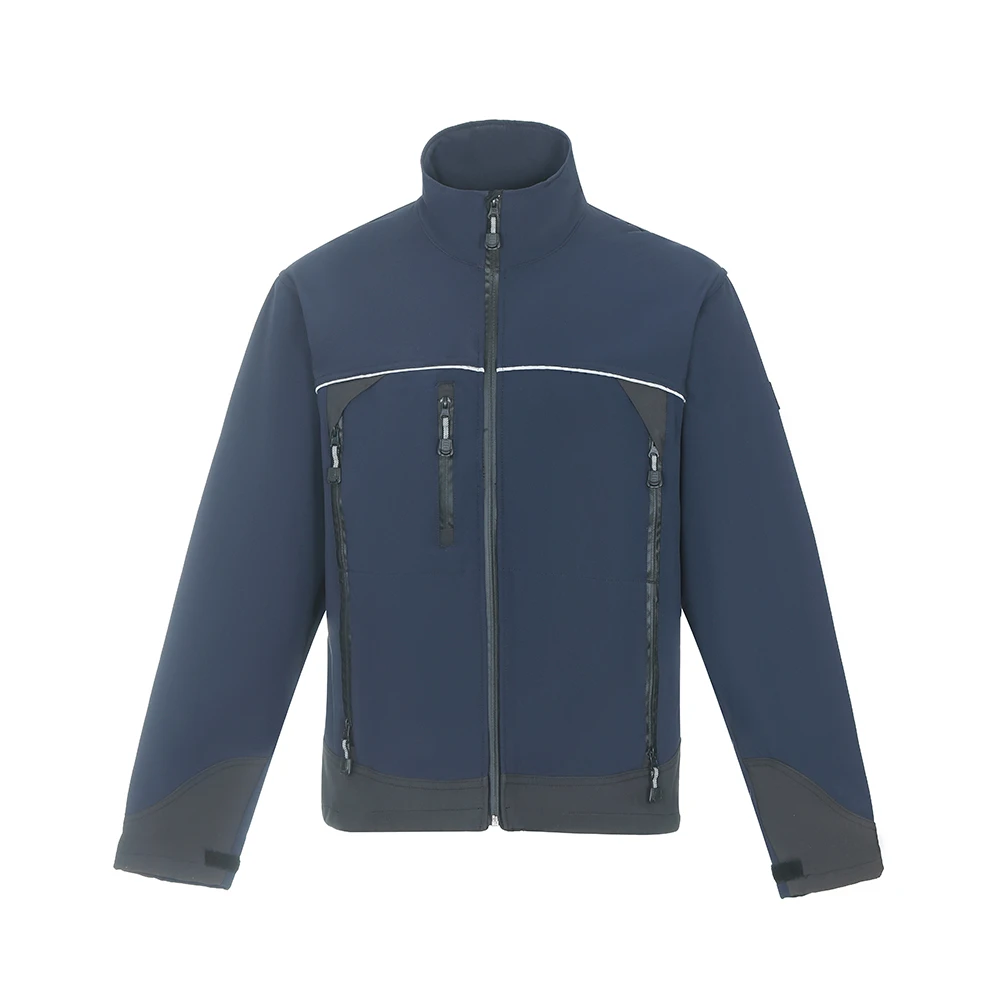
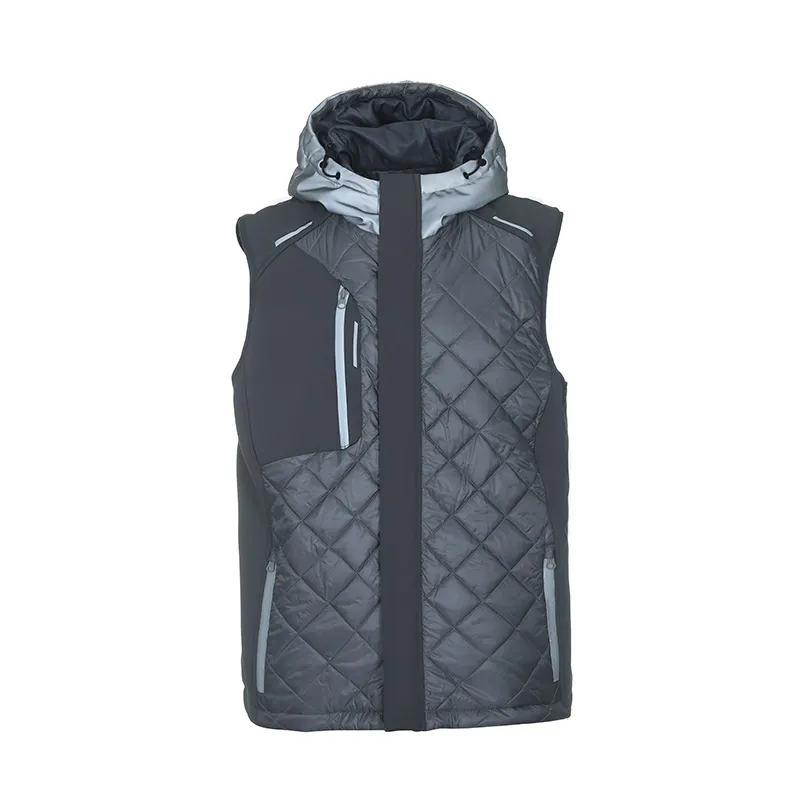
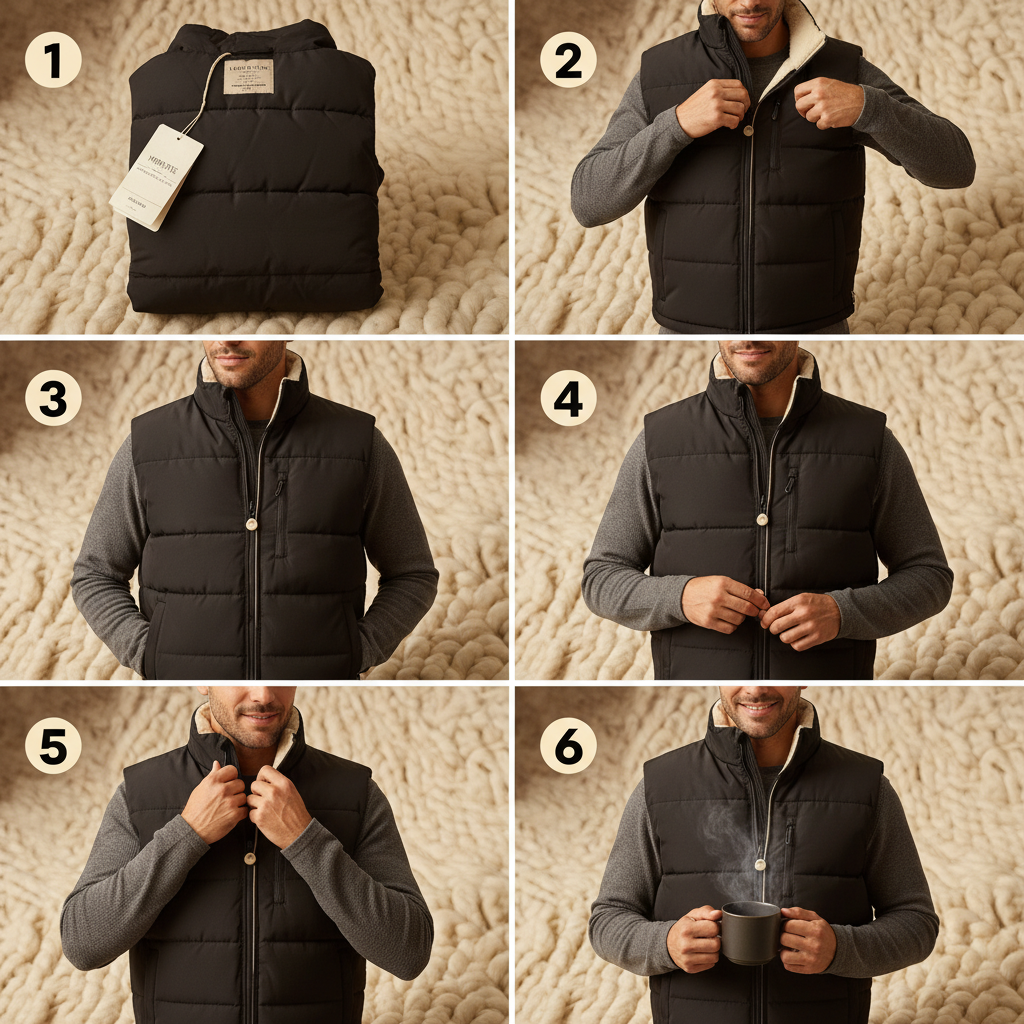
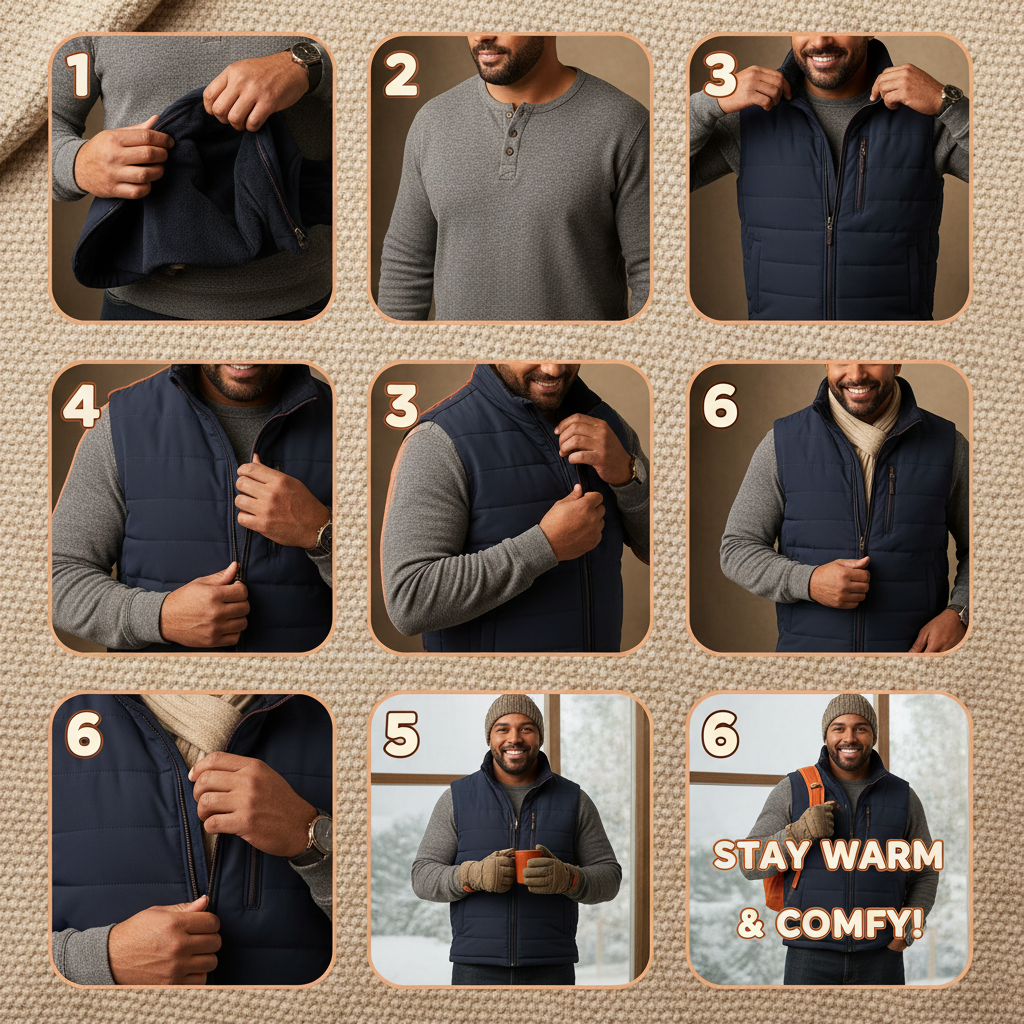
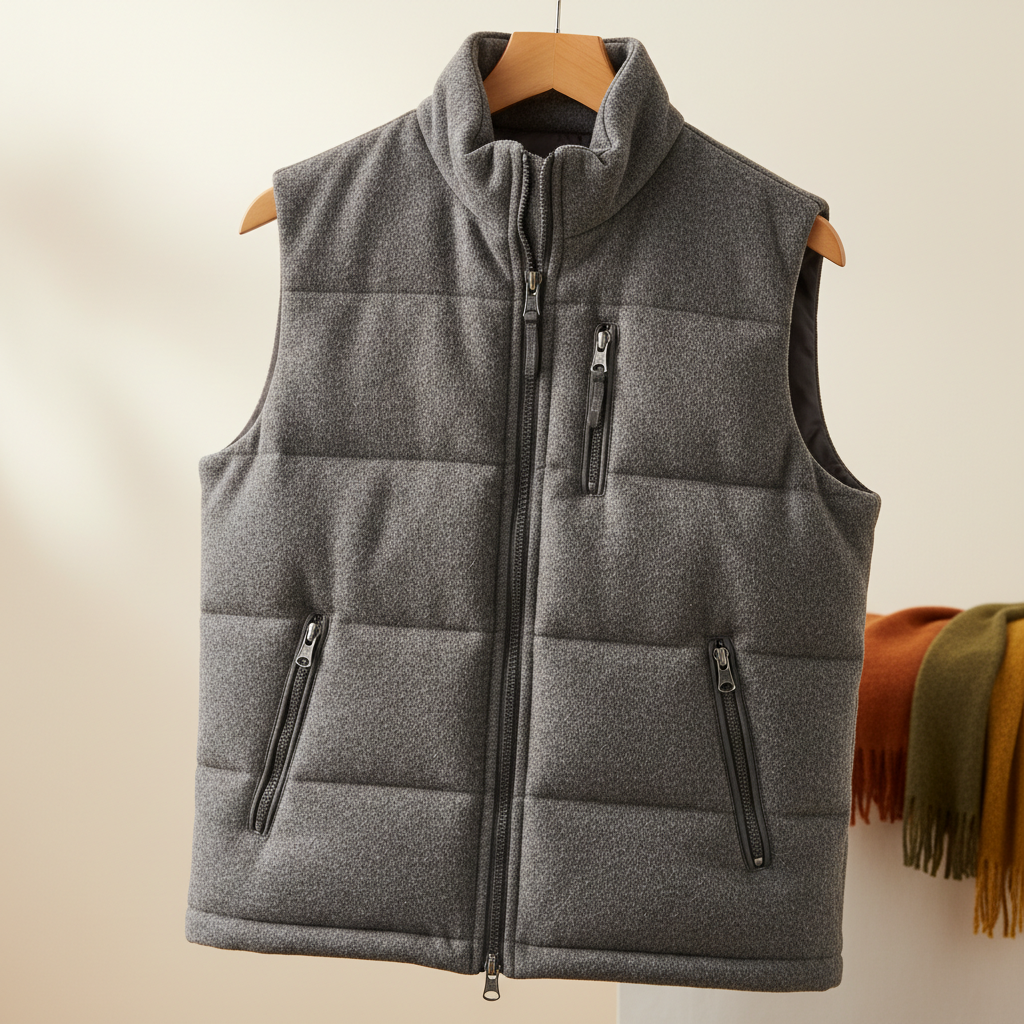
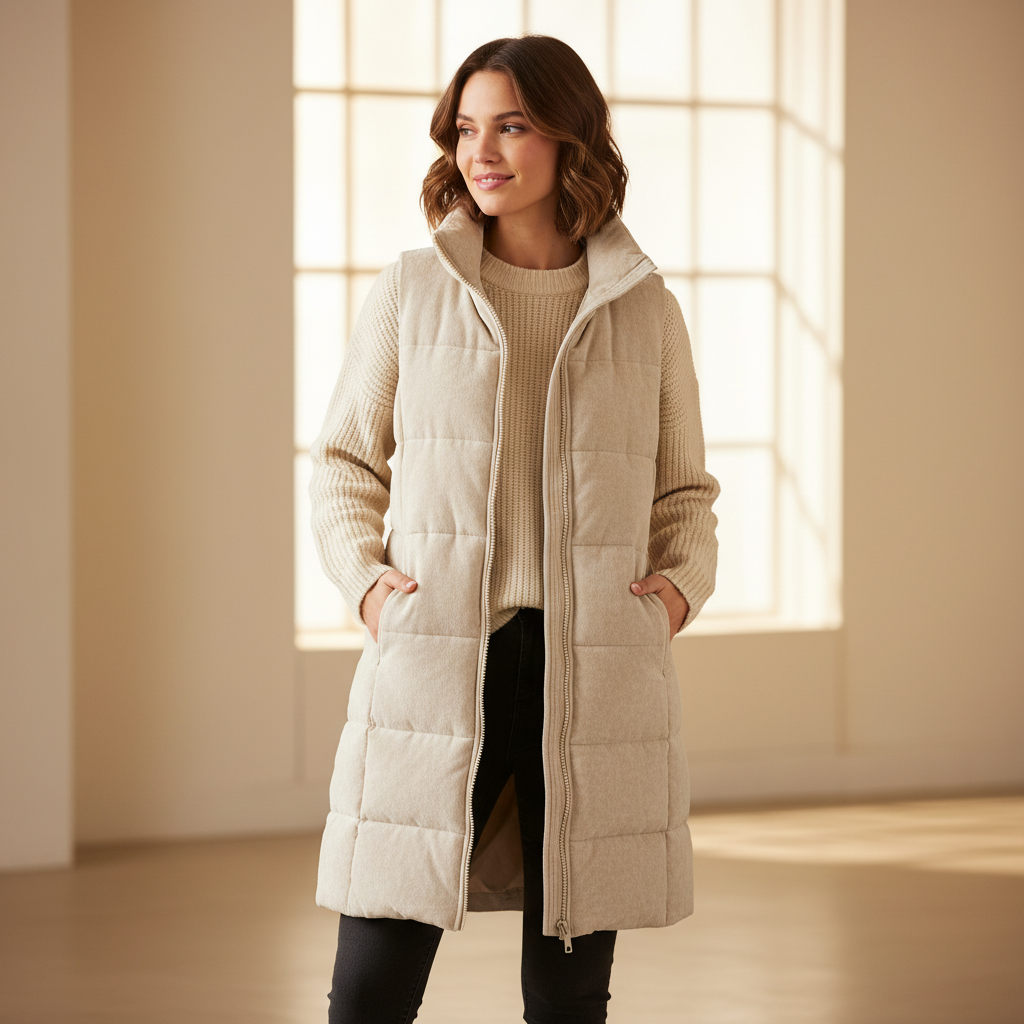
In real terms, the warmer gilet vest blends the warmth of heavier jackets with the mobility you need on the job. You get core insulation without feeling bulky or restricted. Frankly, it’s easy to underestimate how much freedom of movement counts—especially when handling tools, climbing ladders, or doing that awkward crouch-to-reach that every technician knows all too well.
The industrial clothing landscape has evolved a lot, with brands paying more attention to materials and design suited for harsh environments. Many engineers and safety managers I’ve worked with consistently highlight key features they want: breathability, durability, and easy layering. And this is where the warmer gilet vest shines, thanks to modern fabrics and clever construction.
| Feature | Details |
|---|---|
| Insulation | Lightweight synthetic fiberfill (e.g., Thinsulate® or PrimaLoft®) |
| Outer Shell | Water-resistant polyester or nylon with ripstop options |
| Weight | Typically 300-400 grams (varies by size) |
| Features | Multiple zipped pockets, reflective trims, adjustable hems |
| Sizes | S to XXL, often custom fits available |
What really caught my eye (no pun intended) about these vests was how manufacturers are mixing technical textiles for better moisture management — so you don’t end up sweating all day or chilled from dampness. I remember a colleague who swore by his warmer gilet vest on a particularly cold, rainy winter shift. He said it felt like “wearing a light thermal shield” but still letting him bend and move — pretty vital when your job's to reach tight spots or carry equipment.
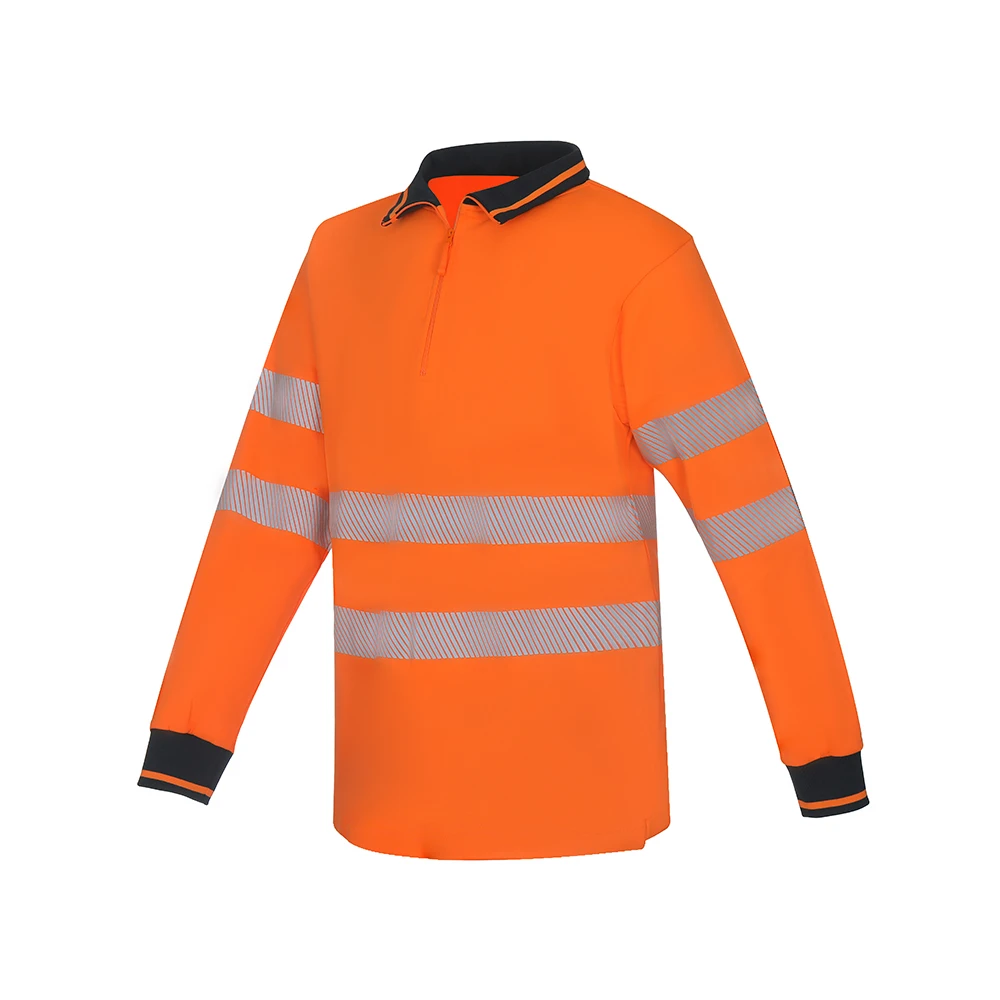
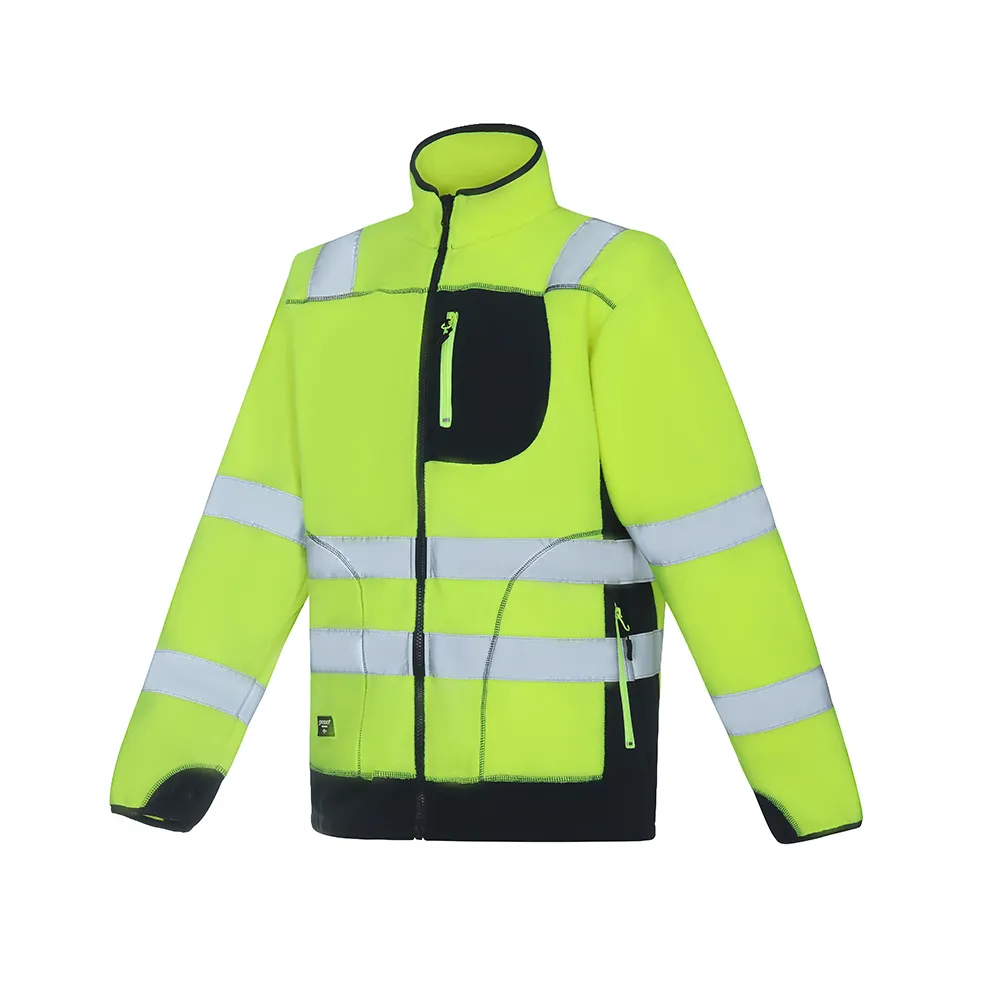
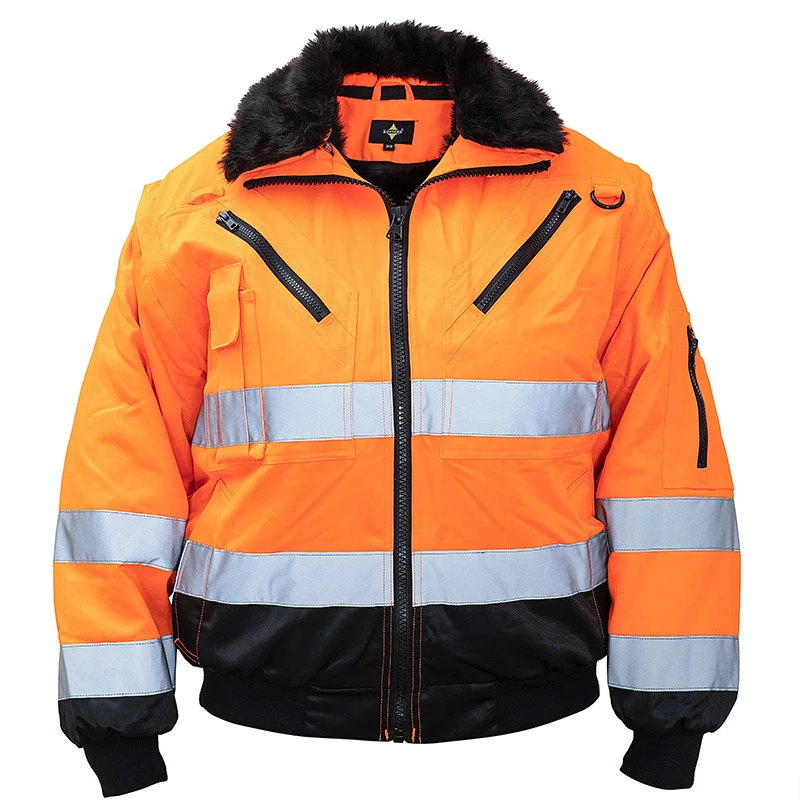
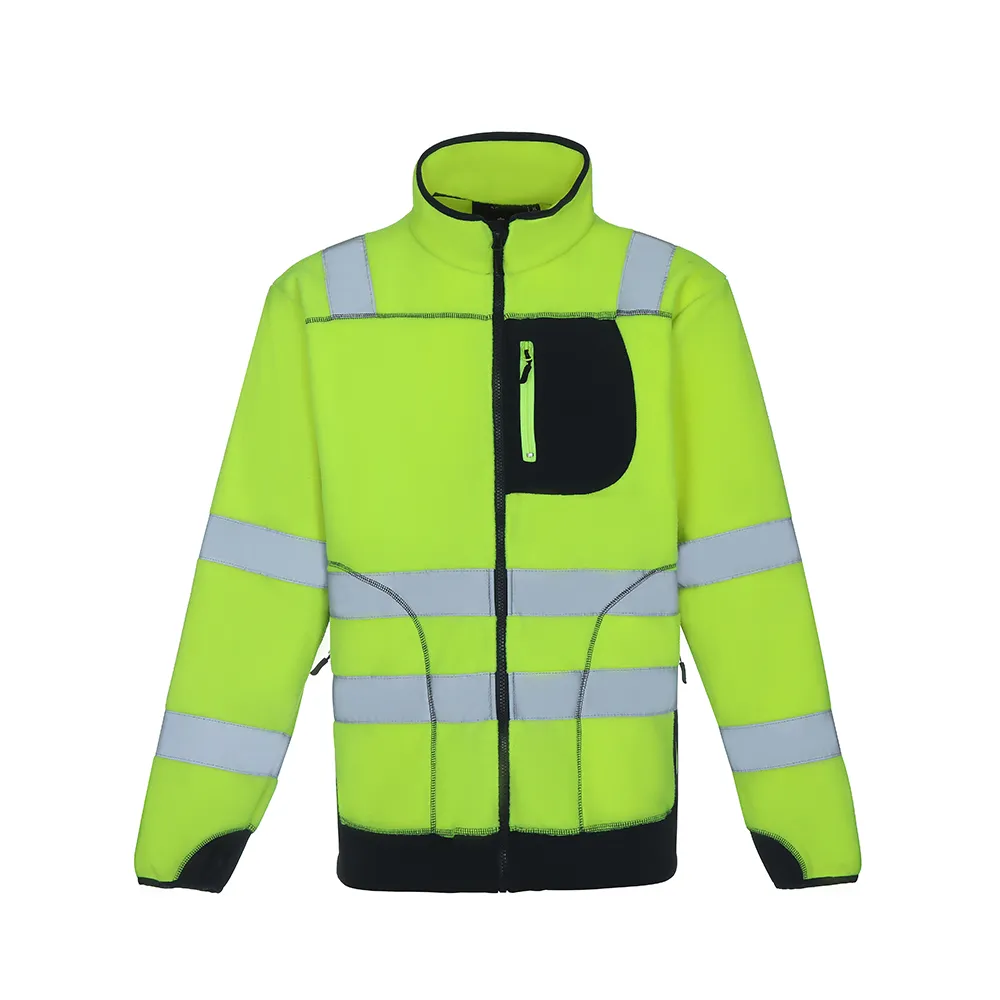
It’s not just about warmth, though. Durability in harsh industrial conditions counts for a lot. You want abrasion resistance where tools might scrape or heavy-duty pockets that don’t sag after months of wear. Insert a high-vis stripe here, and you’re also boosting safety — which many outfits require nowadays.
| Vendor | Insulation | Water Resistance | Customization | Price Range |
|---|---|---|---|---|
| QSC Clothing | PrimaLoft® synthetic fill | Yes, water-resistant shell fabric | Logo embroidery, sizing, colors | $$–$$$ |
| Industrial WarmWear | Thinsulate® insulation | Water-repellent finish | Limited sizes, some patch options | $–$$ |
| WorkGear Pro | Synthetic fiberfill | Basic water resistance | No customization | $ |
You’ll find that reputable suppliers like QSC Clothing offer a neat balance of quality and adaptability. The option to customize your vest — whether for company branding, color coding, or sizing — means you get gear that truly fits your team’s needs. Plus, their consistent use of proven insulating tech gives you some peace of mind even before putting the vest on.
Of course, nothing substitutes trying gear out for yourself, but from what I’ve seen, the warmer gilet vest isn’t just a fashion statement in industrial wear — it’s practical, tested, and made for the kind of environments where comfort and mobility have a direct impact on productivity and safety.
In the end, it’s these often-overlooked gear pieces that make daily challenges a little easier to manage — a small comfort that shows respect to the folks who keep things running no matter the weather. For a closer look into gear like this, and the fine balance it strikes between warmth and workflow, check them out. I suppose it’s the little things that often add up.
References:
1. Occupational Health and Safety Journal, Winter Workwear Trends, 2023.
2. Manufacturer specs from QSC Clothing product sheets, 2024.
3. Informal interviews with industrial engineers and site safety managers (2019-2023).