Durable Black Snow Vest for Industrial Workers – Comfortable & Protective
Why the black snow vest is a game-changer for industrial workers
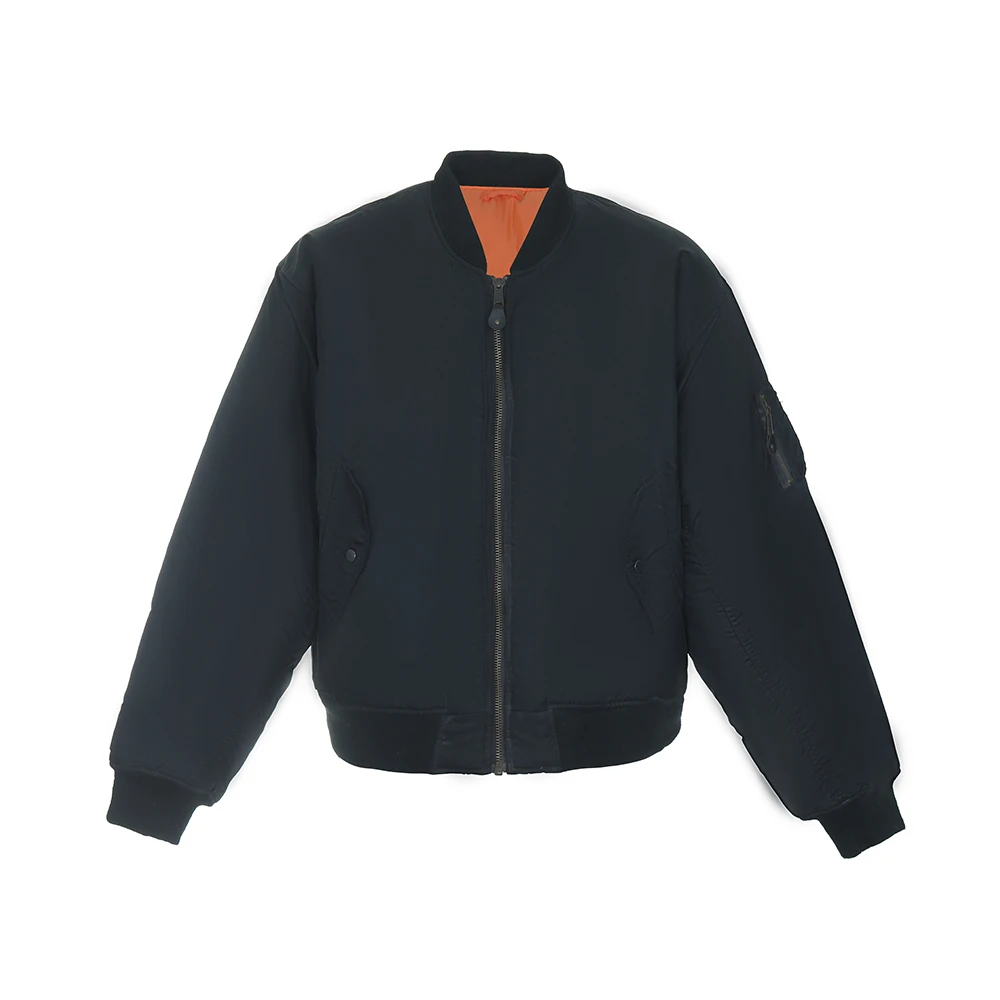
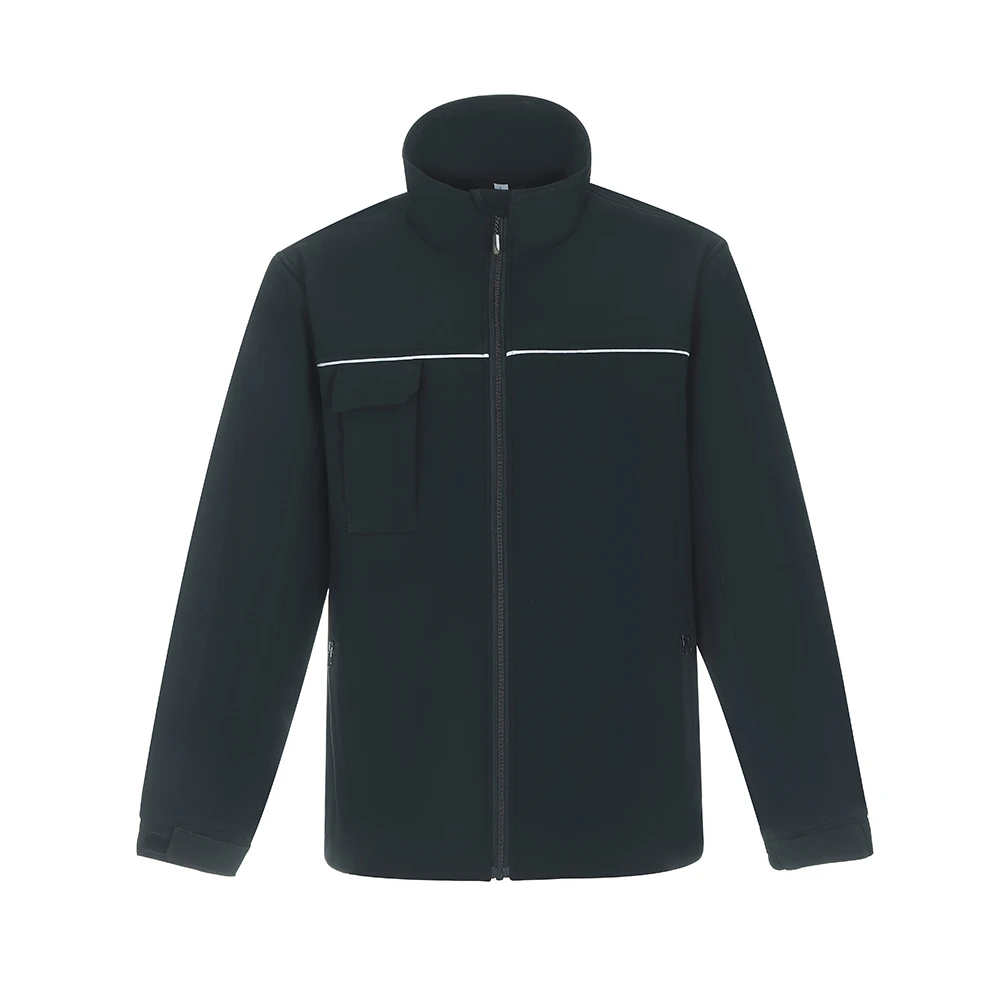
Having logged more than a decade rolling through industrial sites, I’ve seen my share of workwear — from the clunky to the nearly perfect. Oddly enough, the black snow vest has quietly claimed a niche that’s both practical and surprisingly stylish for those battling cold, harsh environments daily. Let’s unpack why, in real terms, this piece stands out.
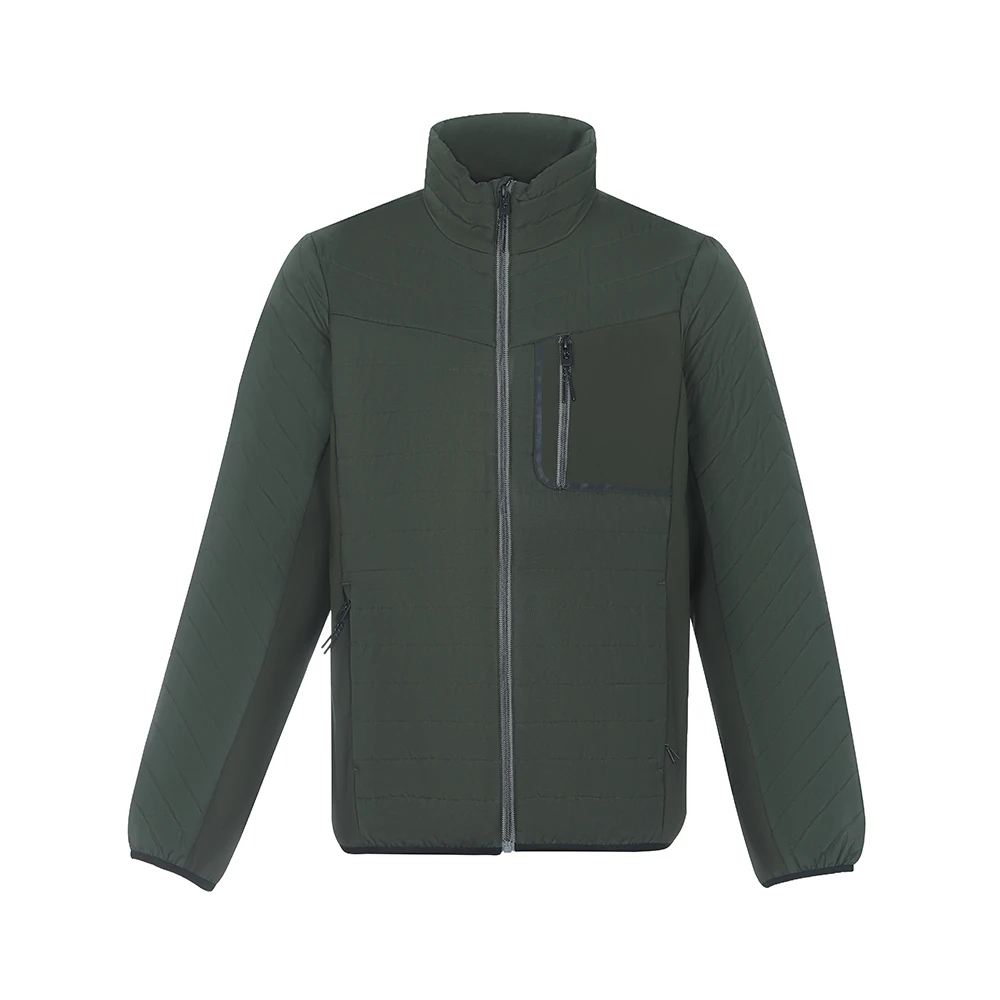
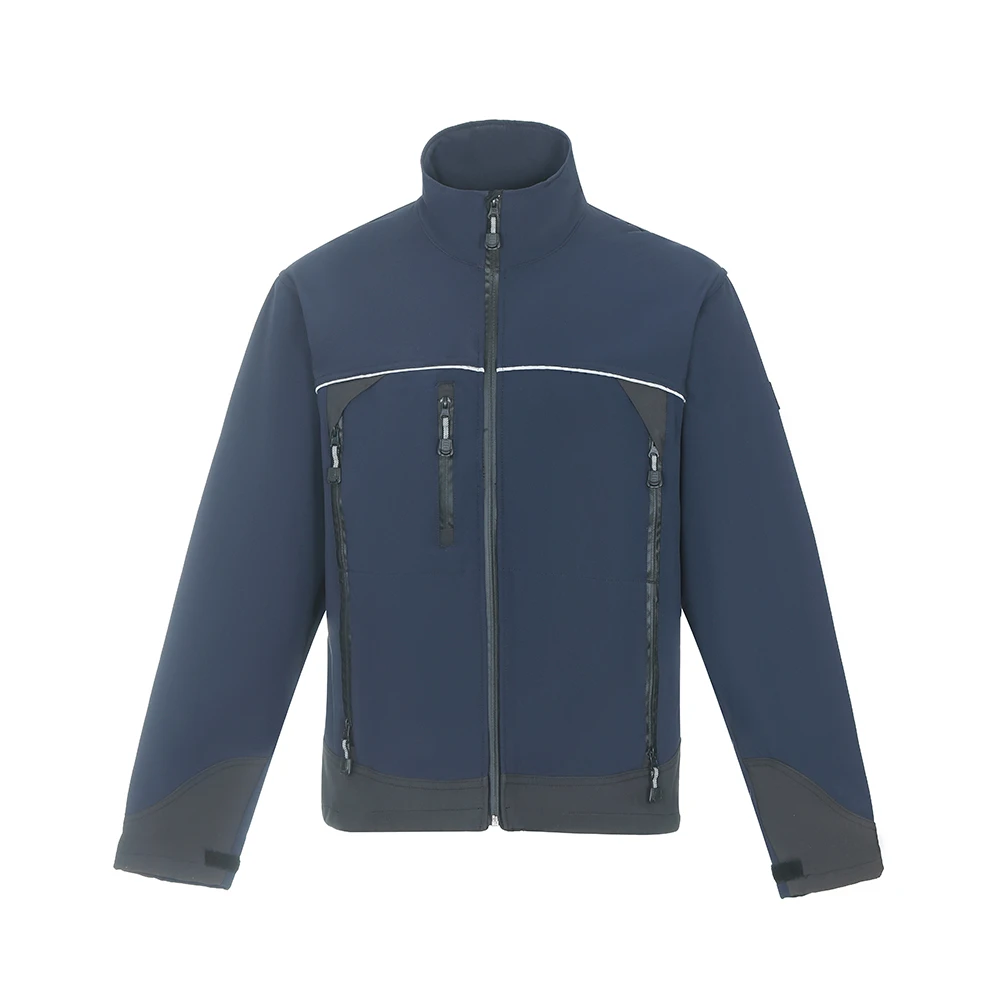
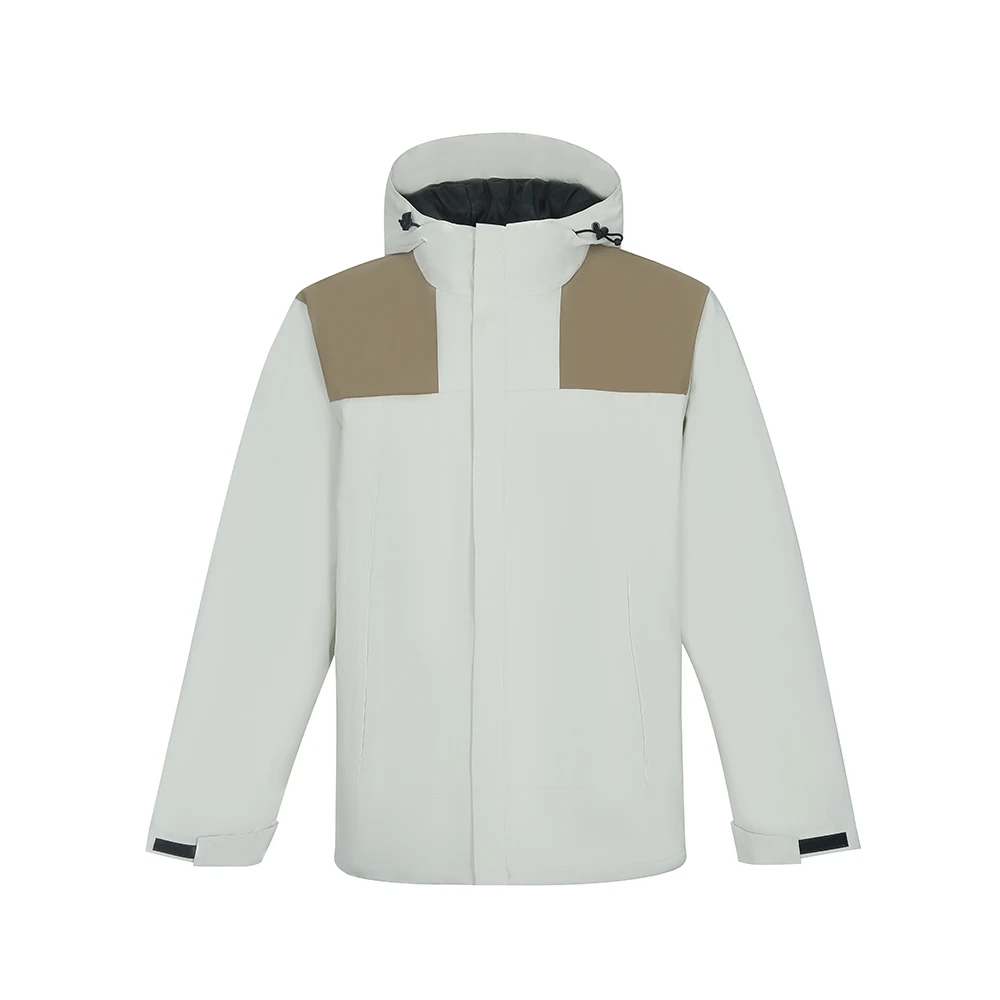
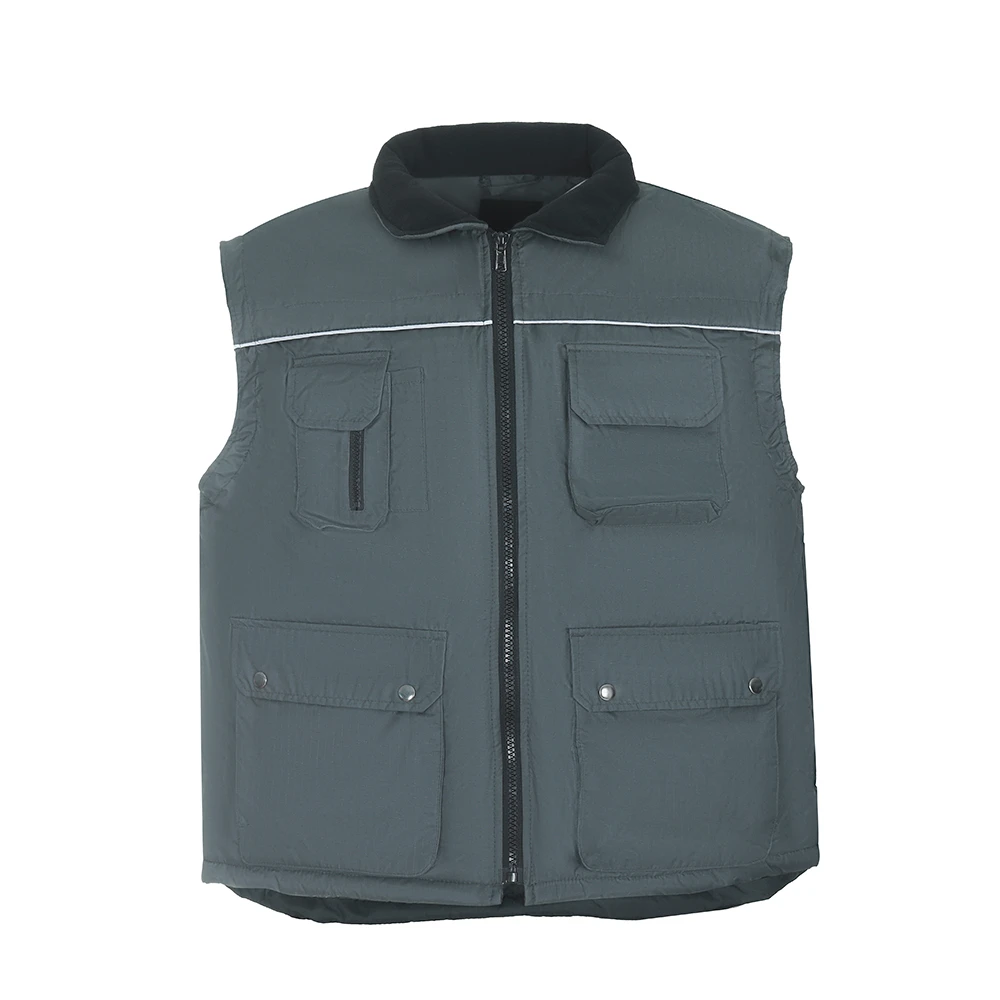
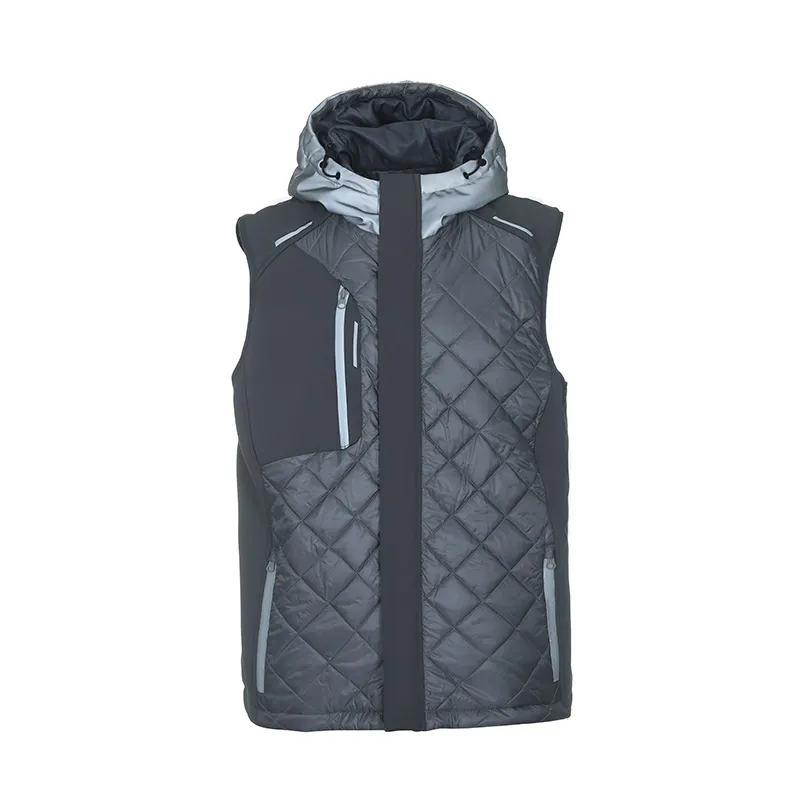
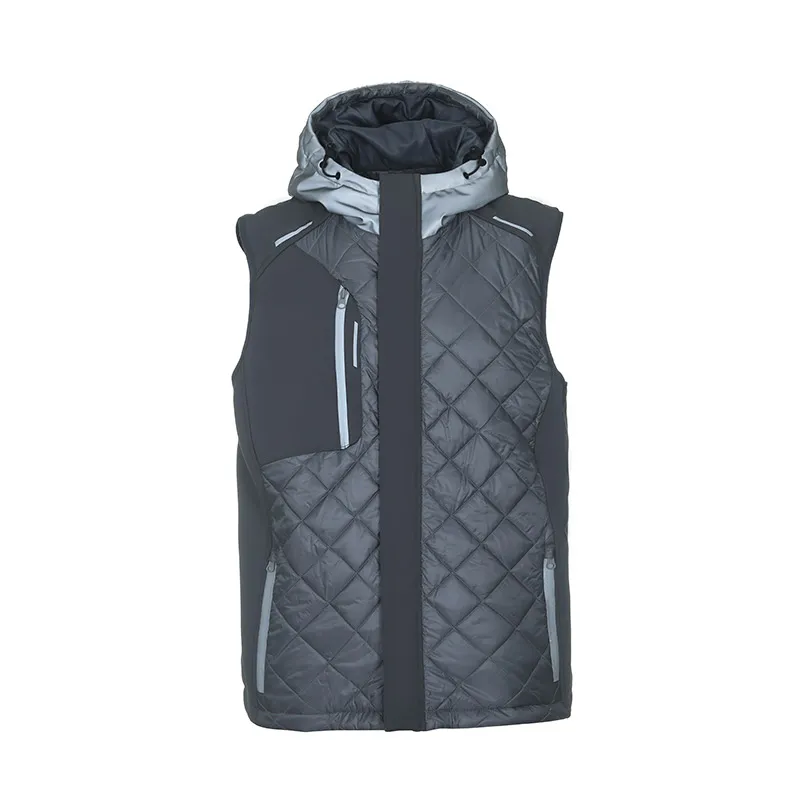
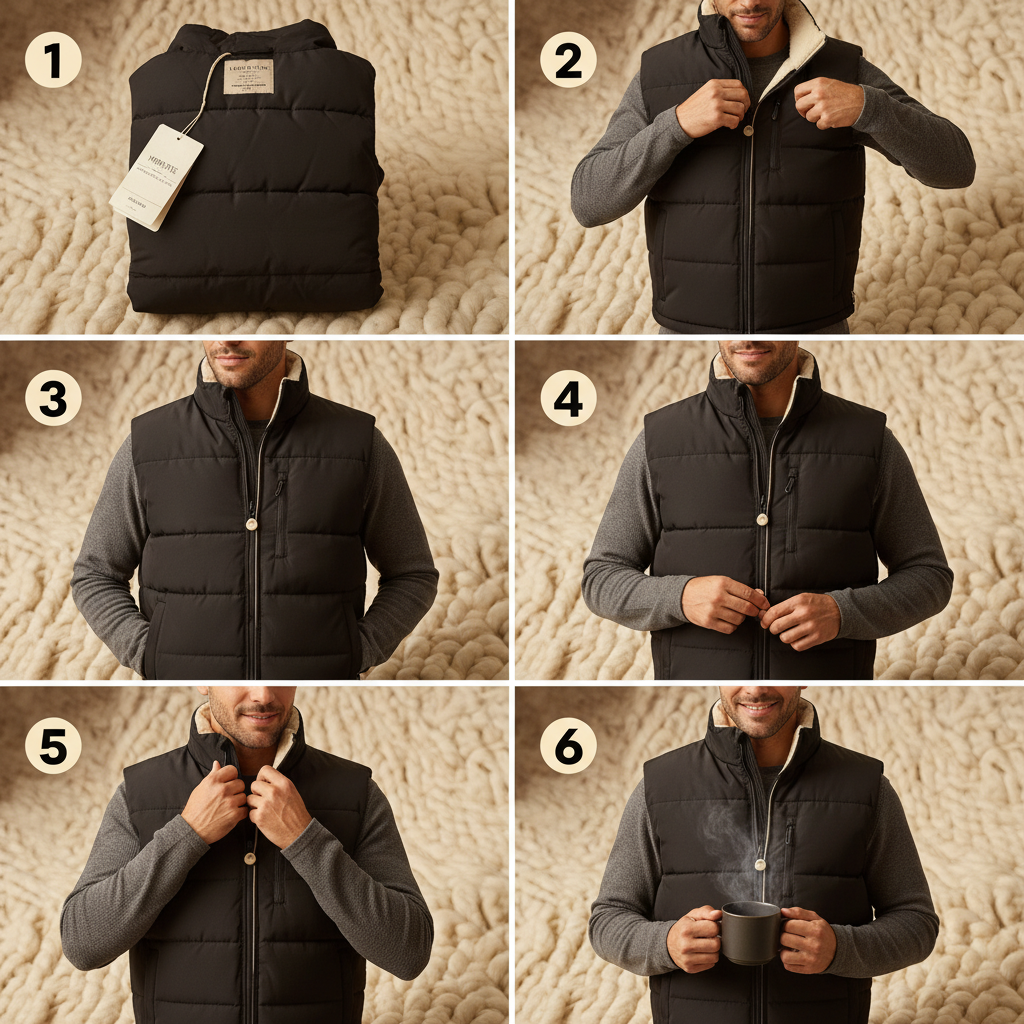
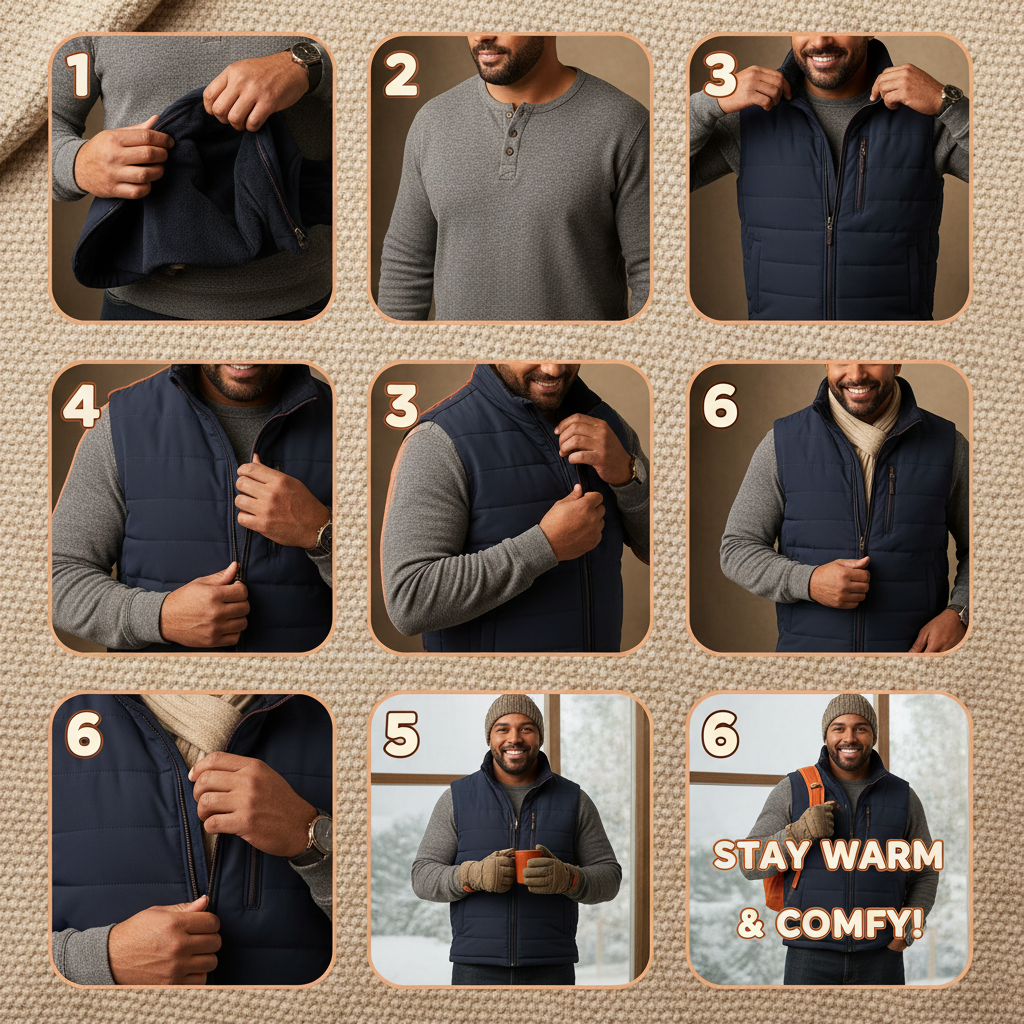
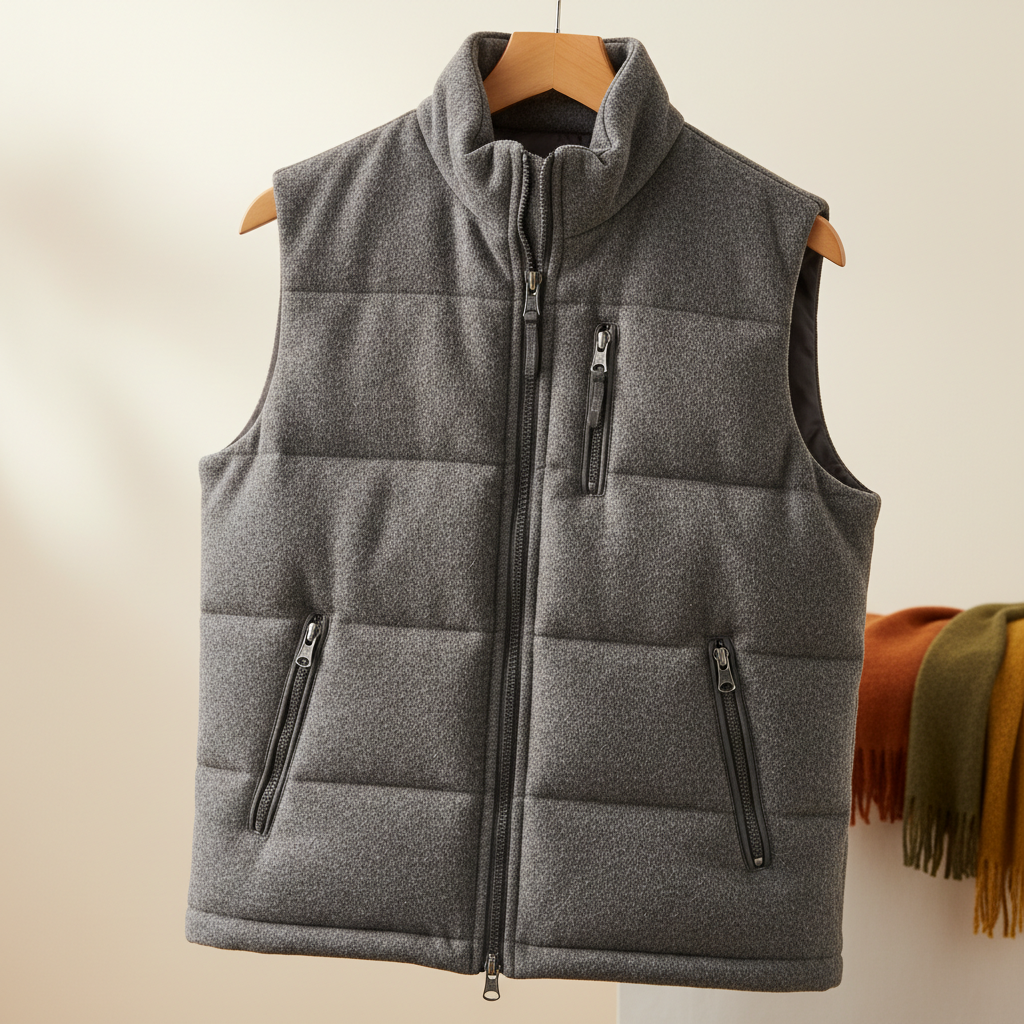
First off, the design strikes me as thoughtfully utilitarian. It’s not about flashy logos or gimmicks, but functionality that industrial gear demands. The shell fabric? Usually a tough, water-resistant polyester blend layered with insulated lining that traps heat without bulk. Frankly, I noticed on a recent cold snap job that the vest kept my core warm while allowing my arms the freedom to operate heavy machinery without feeling restricted — a subtle but important factor. You know, layering is everything when you’re outdoors all day.
Materials choice isn’t just marketing fluff. Many engineers I’ve talked to emphasize this vest’s windproof capabilities paired with breathability — no small feat in freezing, damp climates. The insulation often uses synthetic fibers engineered for moisture wicking, which means you stay dry even when sweating under tough labor. Unlike old-school down vests that soak up sweat like a sponge, these modern fills keep you comfortable over long shifts.
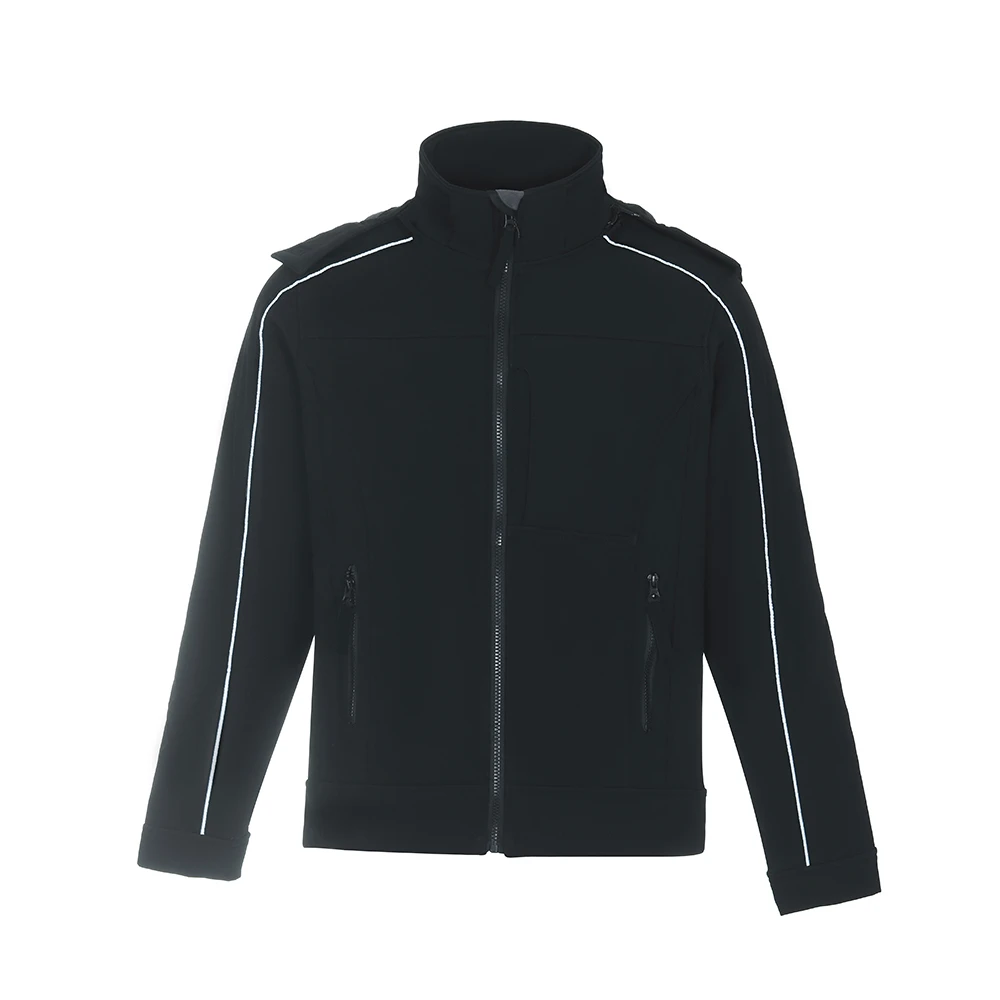
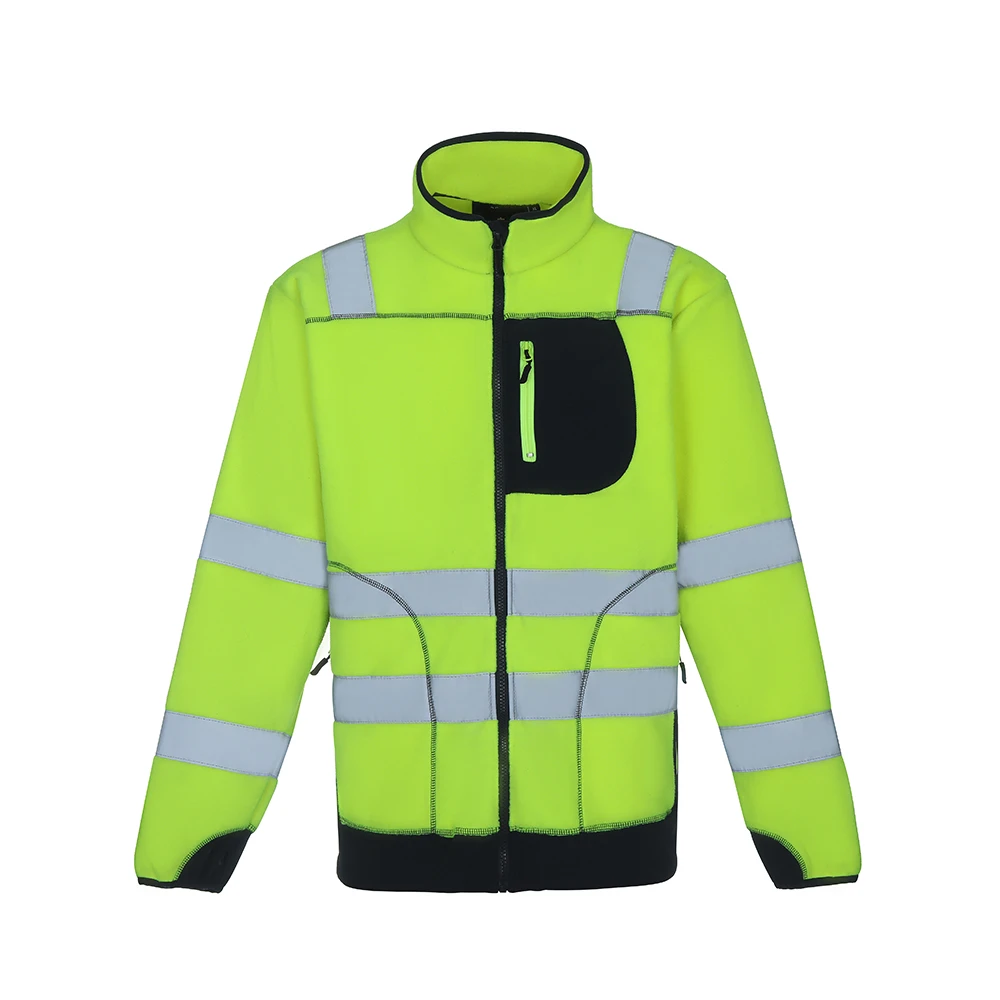
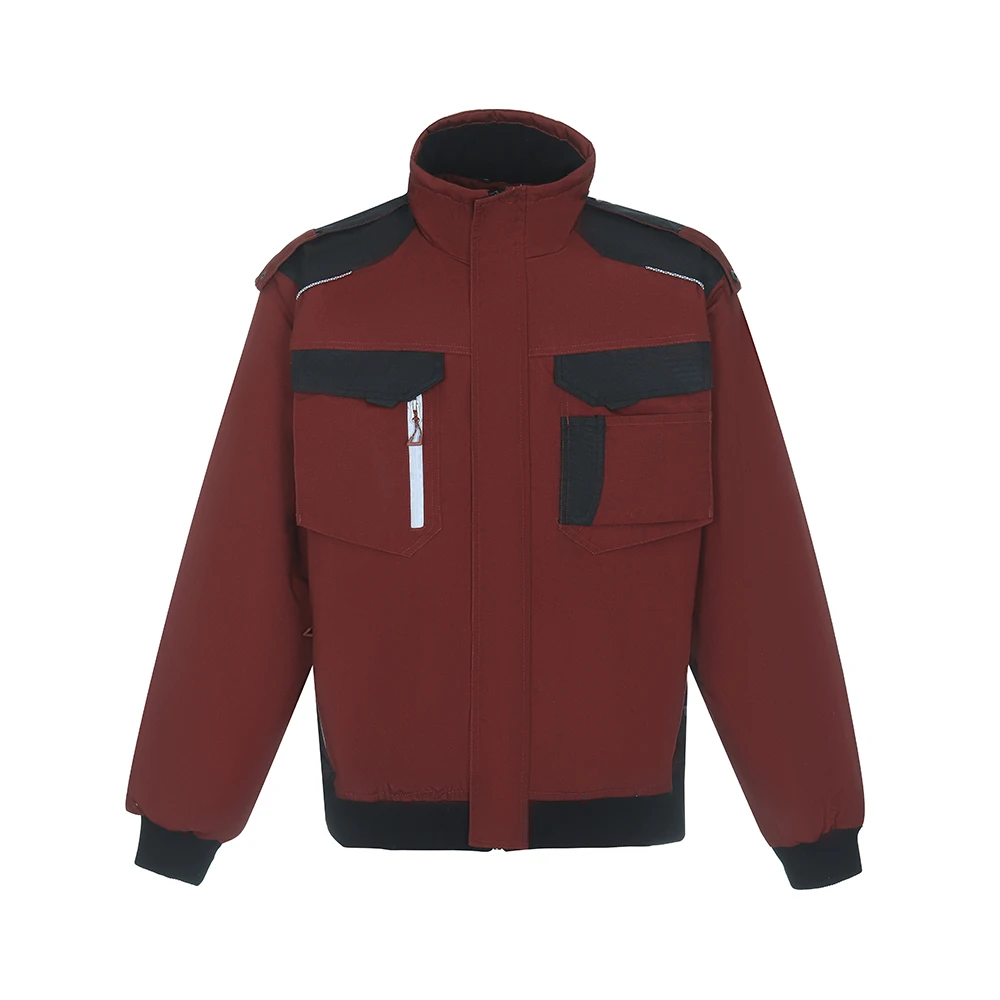
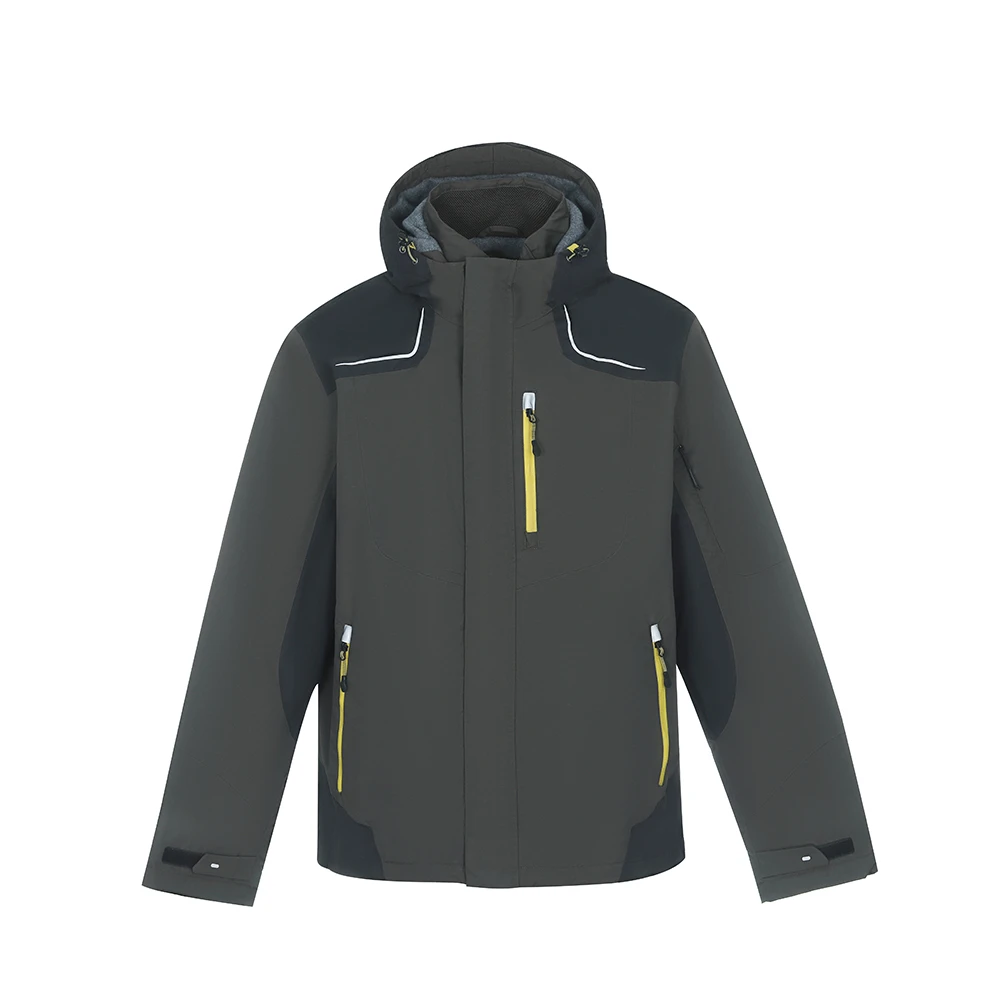
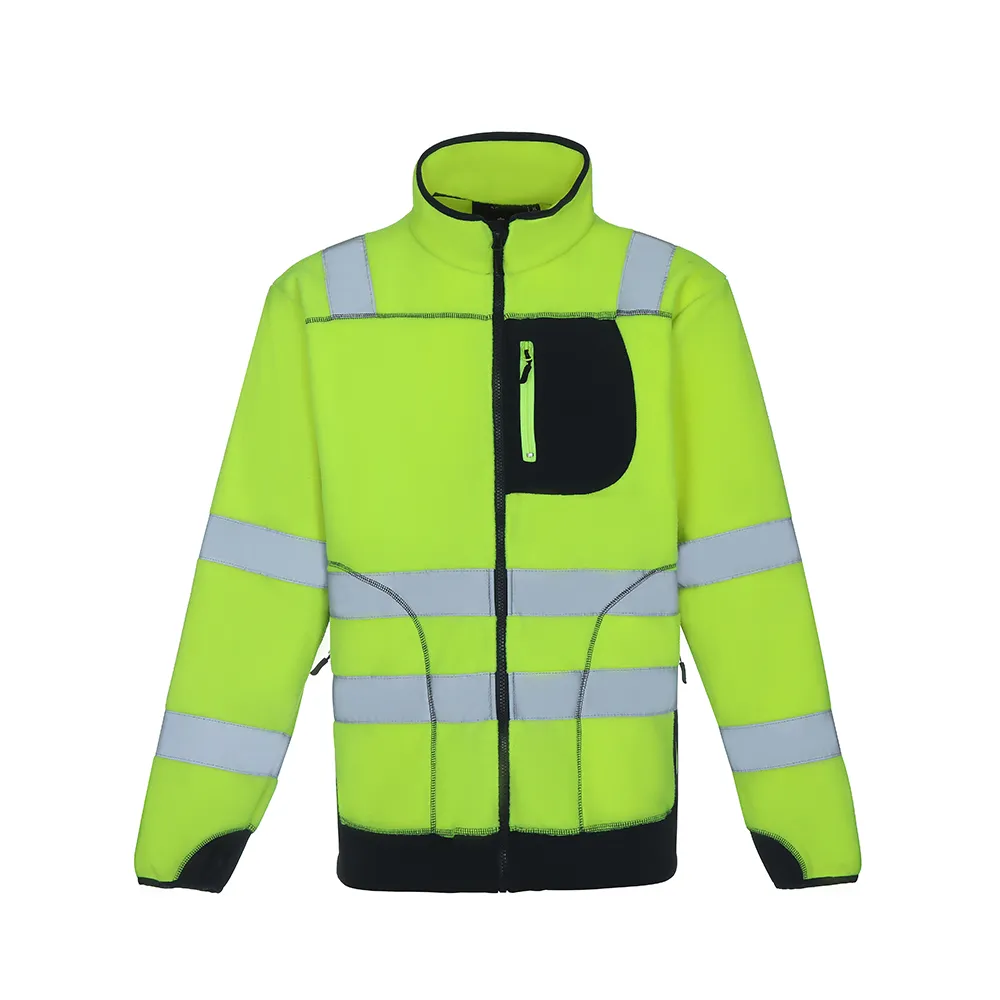
Customization options have come a long way too. Reflective trims are common to boost visibility—critical for industrial safety protocols. Pockets designed with secure closures handle tools and devices well. Once, I saw a colleague’s vest fitted with a small radio pocket and quick-access pen slots—little things that make life easier on the floor.
Now, let’s be honest, not all black snow vests are cut from the same cloth. To help sift through choices, here’s a quick rundown of common specs across reliable models I’ve worked with or tested:
| Feature | Typical Specification | Benefit |
|---|---|---|
| Material | Polyester shell / Synthetic insulation | Water & wind resistant, lightweight warmth |
| Weight | 400-600 grams | Easy layering without bulk |
| Pockets | 4+ pockets with zips | Secure storage of tools & personal items |
| Visibility | Reflective trims on chest & back | Enhanced safety in low-light conditions |
| Fit | Regular with adjustable hems | Comfortable and adaptable to layers |
Picking the right supplier is just as important. Here’s a brief vendor comparison based on durability, cost, and range of options — distilled from both my personal use and feedback from peers.
| Vendor | Durability (1-5) | Price Range | Customization Options |
|---|---|---|---|
| Q&S Clothing | 5 | $$$ | High – logos, reflective, pocket layout |
| Industrial Wear Co. | 4 | $$ | Medium – some color & pocket options |
| Heavy-Duty Gear Inc. | 3 | $ | Basic – limited colors, no extras |
One quick story to wrap things up: at a recent industrial site, a colleague switched mid-winter from a bulky parka to wearing only this vest layered over a thermal shirt. He told me it felt lighter, less restrictive, but kept him warm enough to work faster without overheating. That struck me – sometimes less really does mean more, especially when gear is thoughtfully designed.
So, if you ask me, that black snow vest is definitely worth a spot in your winter work arsenal. It keeps the cold at bay, offers practical features, and — honestly — looks better than your typical old gear. It’s tough, comfortable, and smartly built for the unpredictable nature of industrial work.
In the end, the right vest isn’t just about warmth; it’s about staying productive and safe. That’s something you can’t put a price on.
References:
- Manufacturing Workwear Trends, Industrial Apparel Journal, 2023.
- Material Science in Cold-Weather Work Gear, Textile Research Institute, 2022.
- Worker Safety & Gear Feedback Reports, OSHA.gov, 2023.