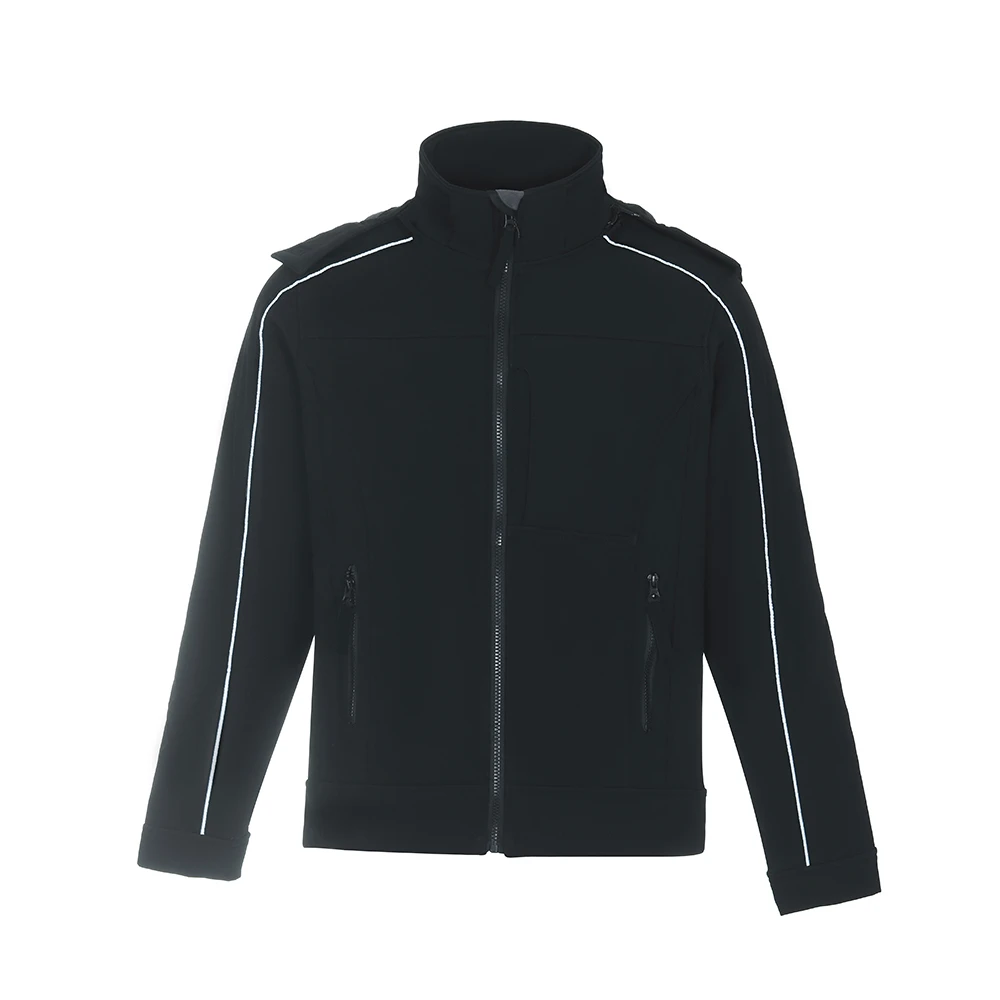
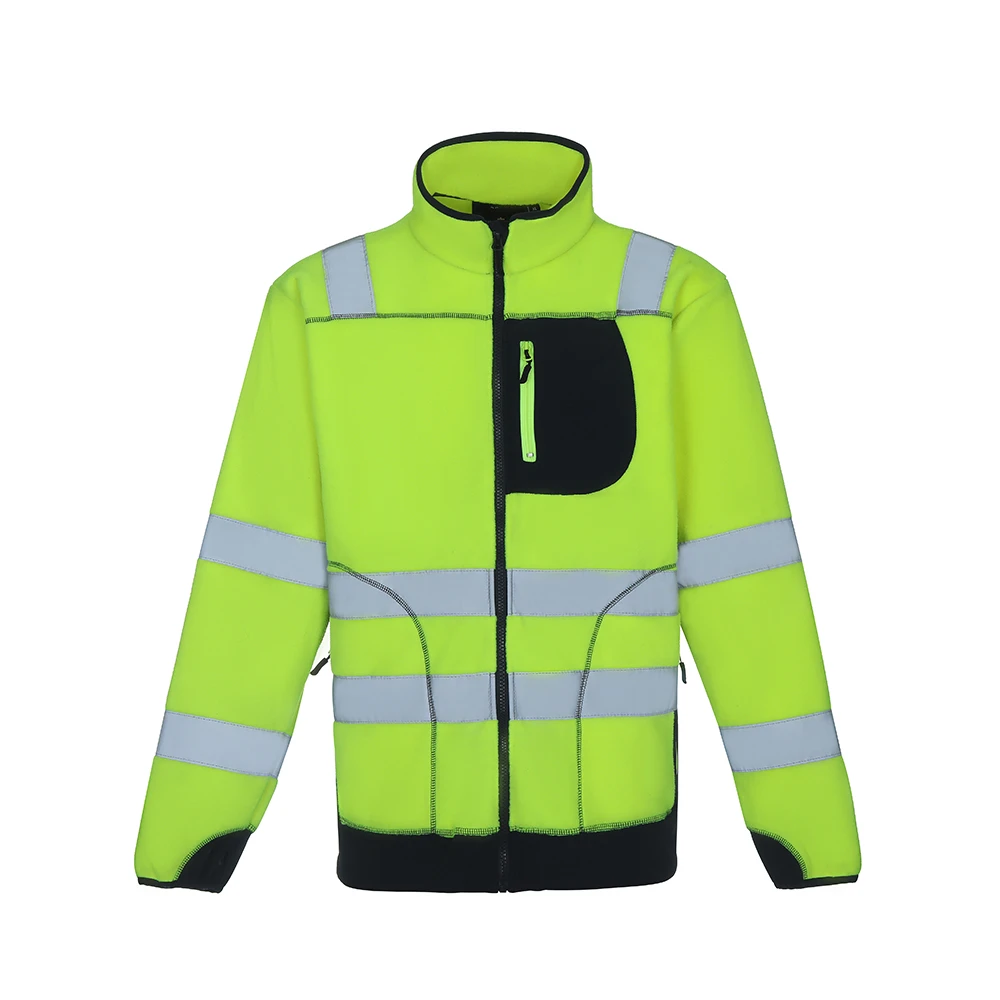
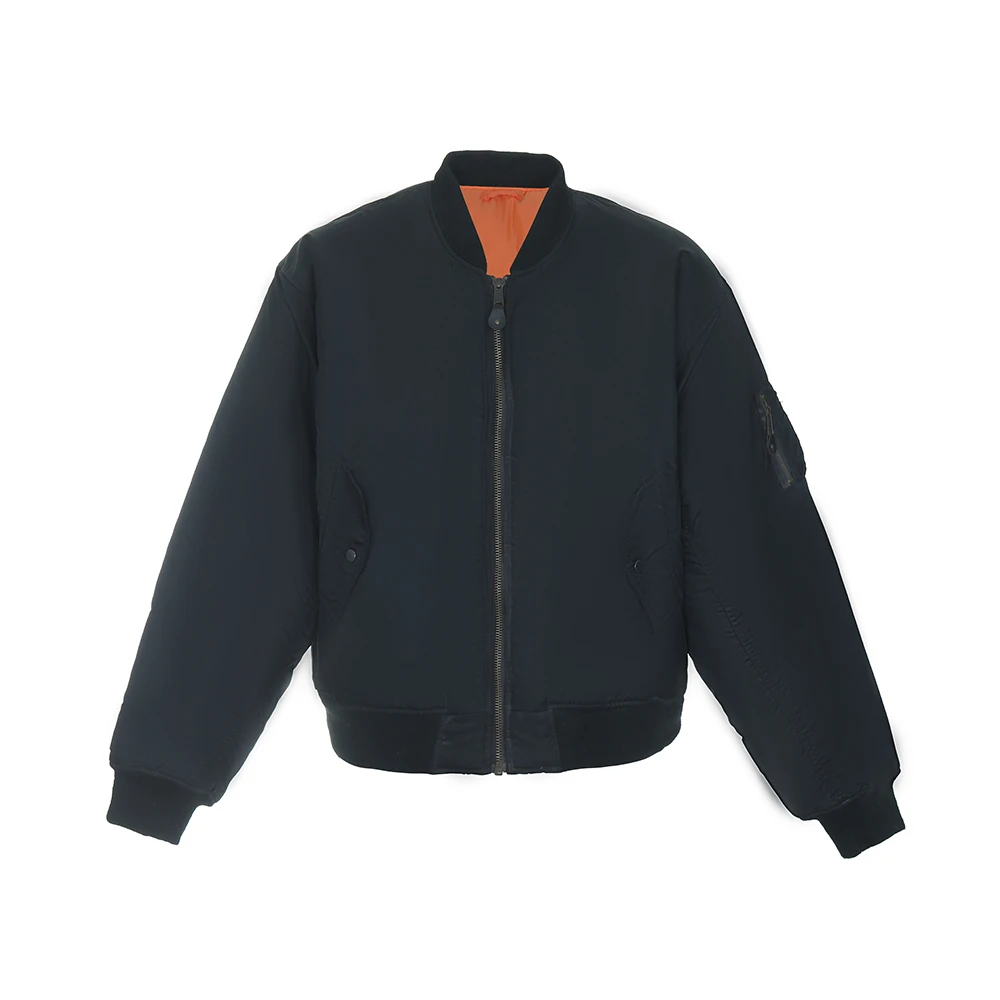
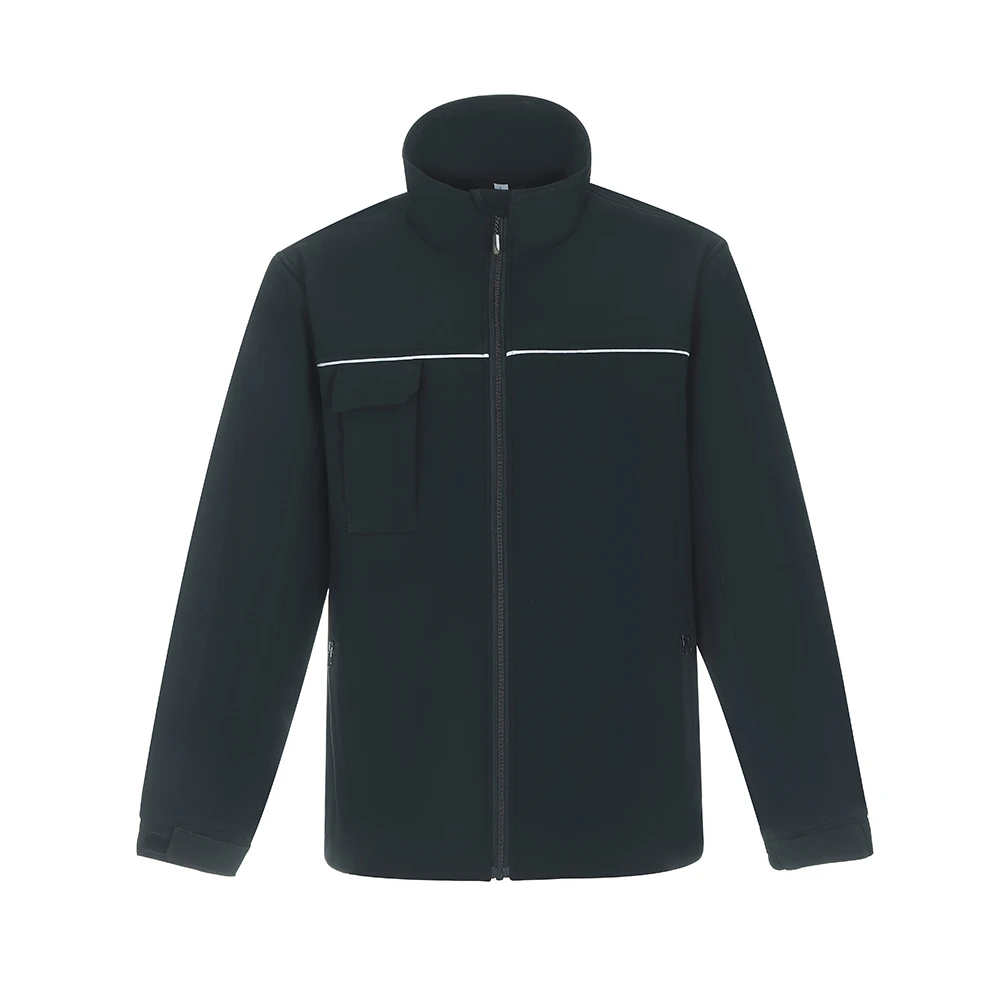
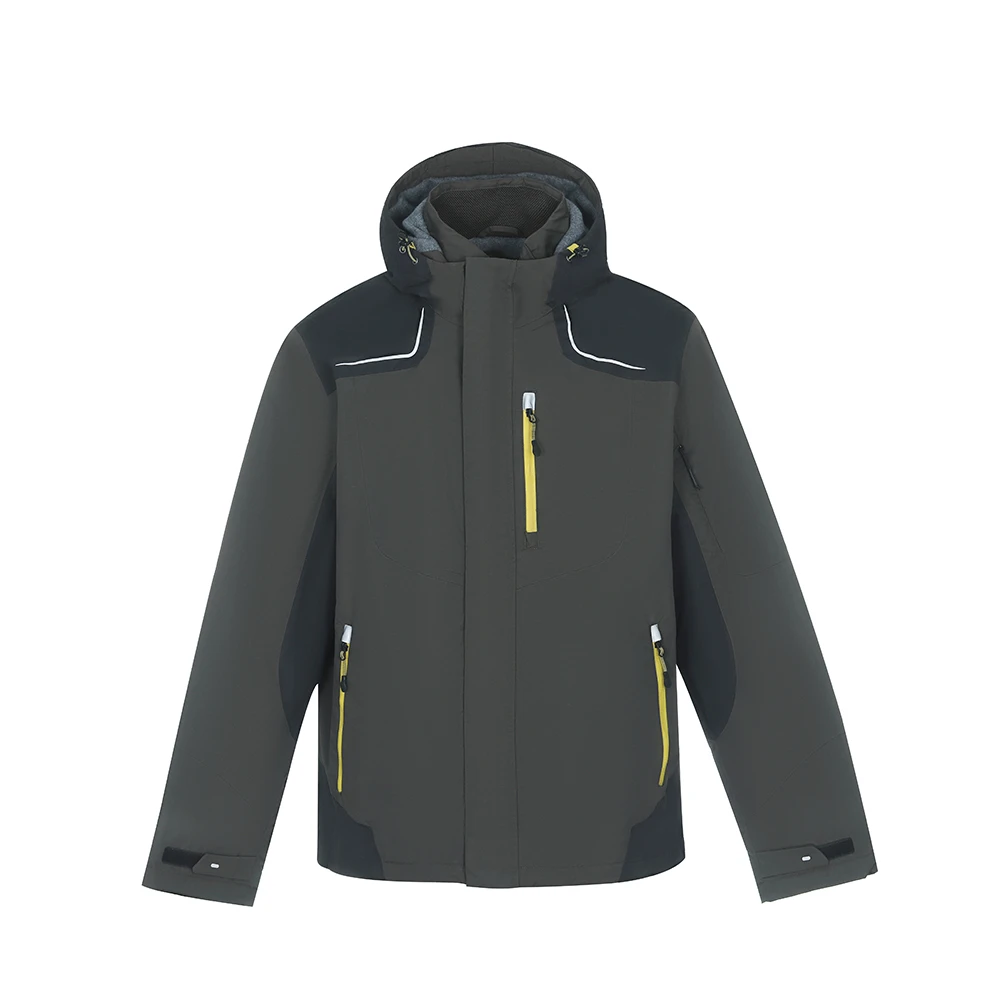
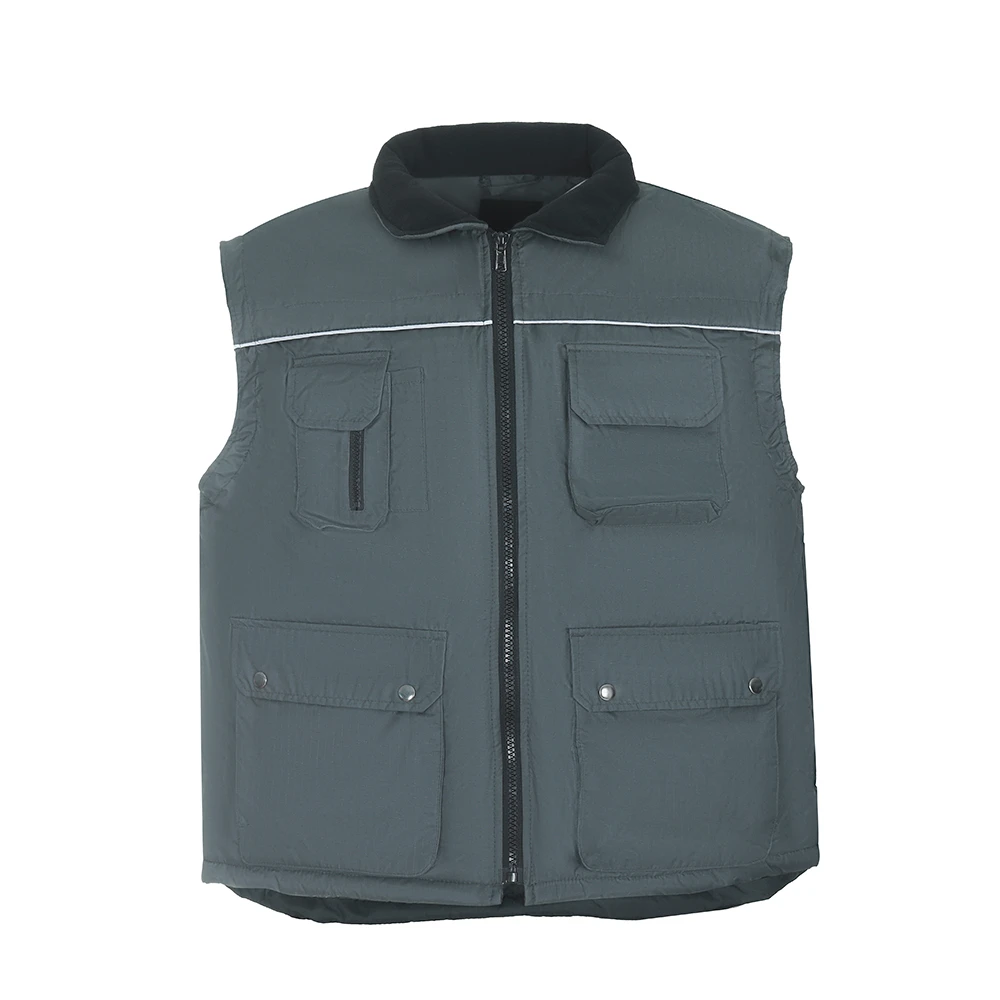
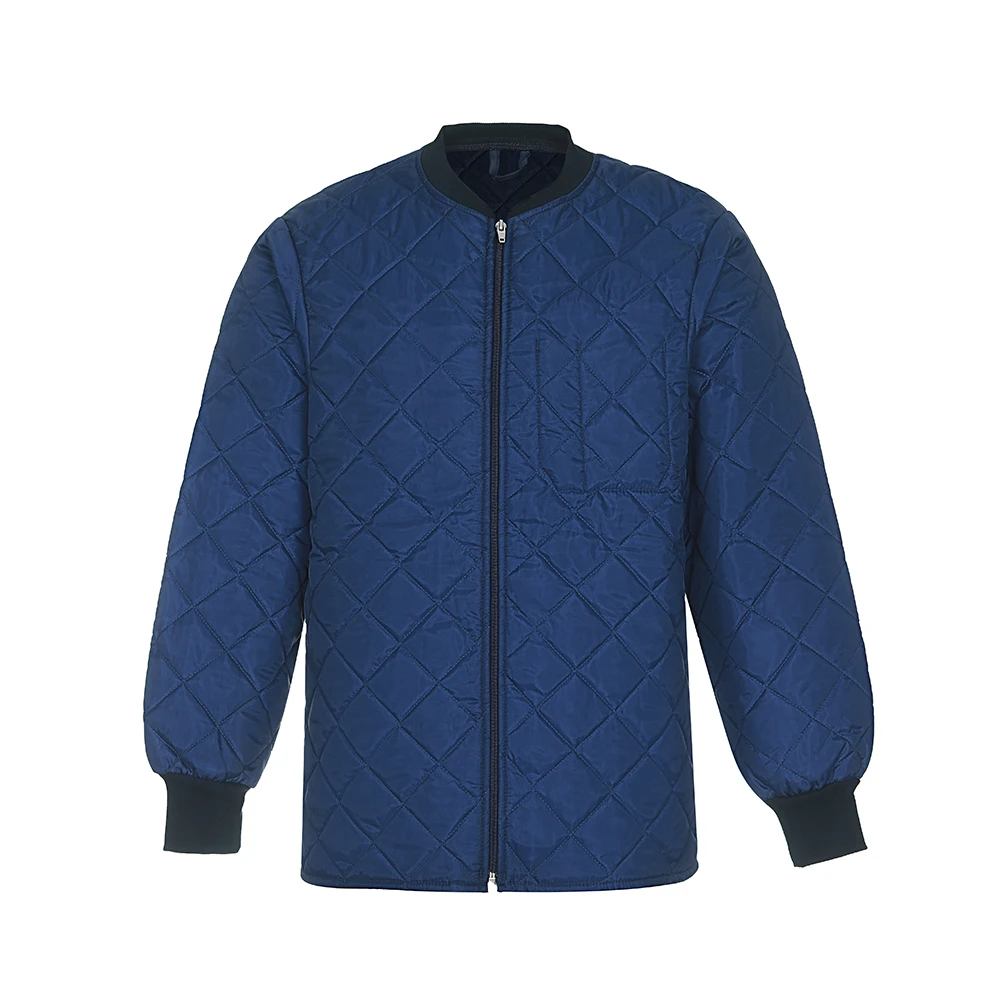
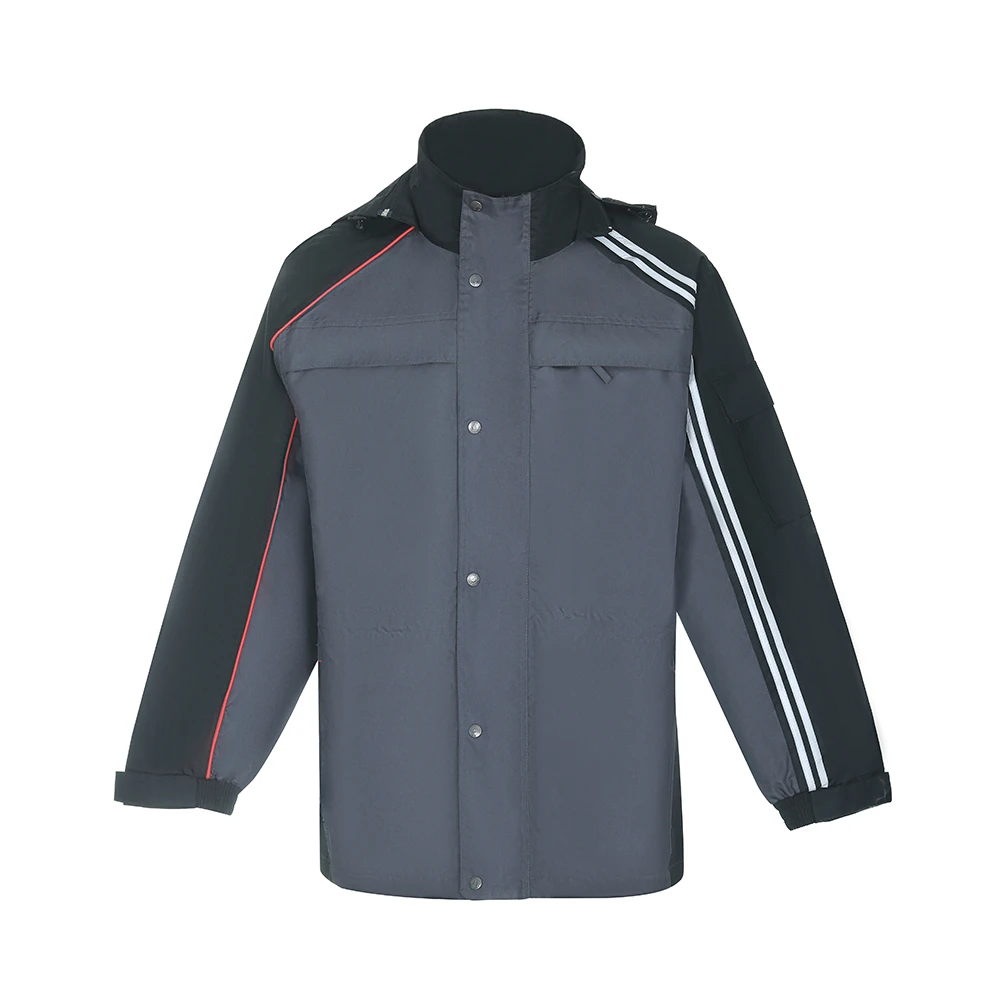
Bomber Jacket Hi Viz - FR, Waterproof, ANSI Compliant
Field notes on hi‑vis bombers: what’s working on real job sites
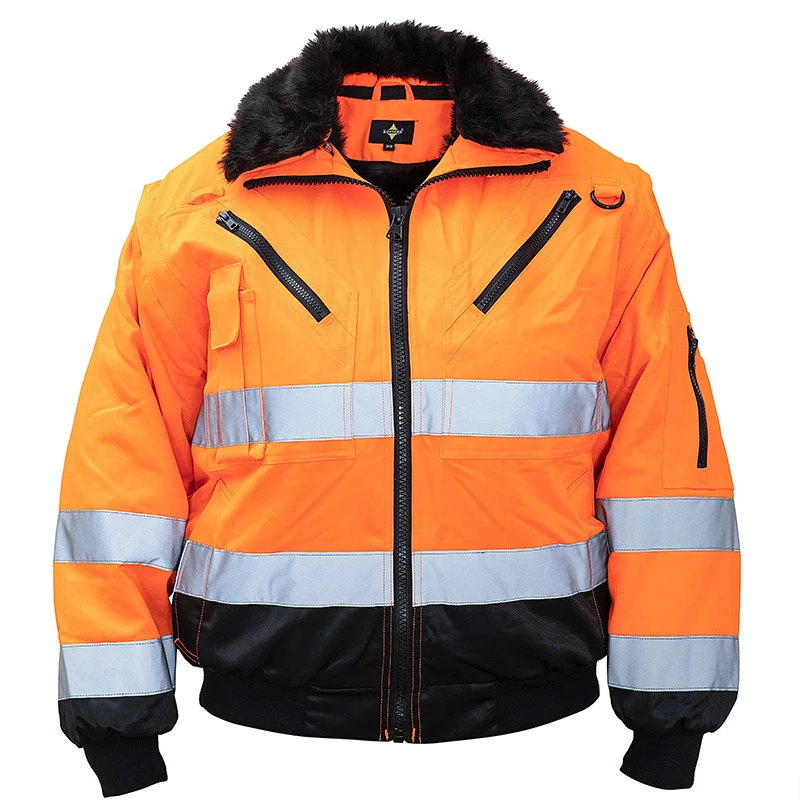
If you’re weighing a Bomber Jacket Hi Viz for crews or for your own winter kit, here’s the quick version: the newest quilted bombers are warmer, easier to customize, and—when specified correctly—meet today’s visibility standards without feeling like a plastic poncho. I’ve been talking to buyers and safety managers all season; the consensus is shifting toward quilted shells with smart tape layouts and durable laundering performance.
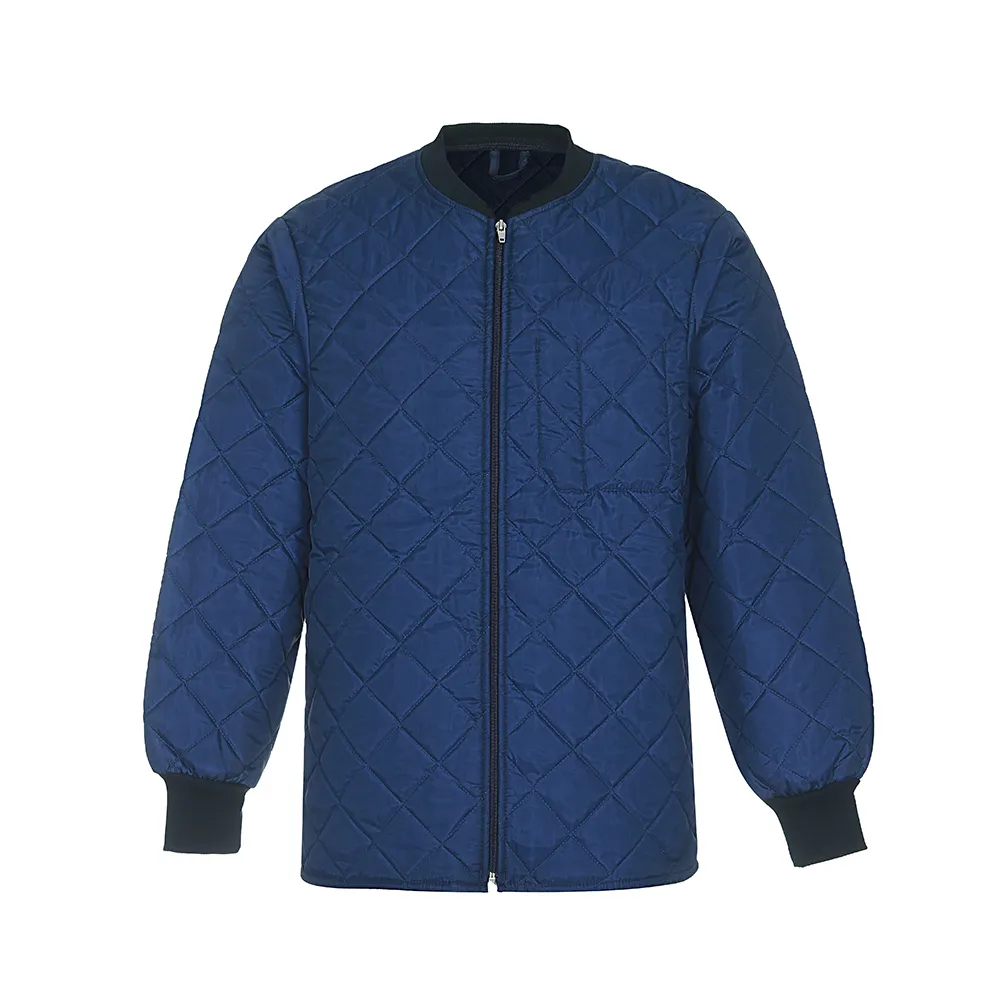
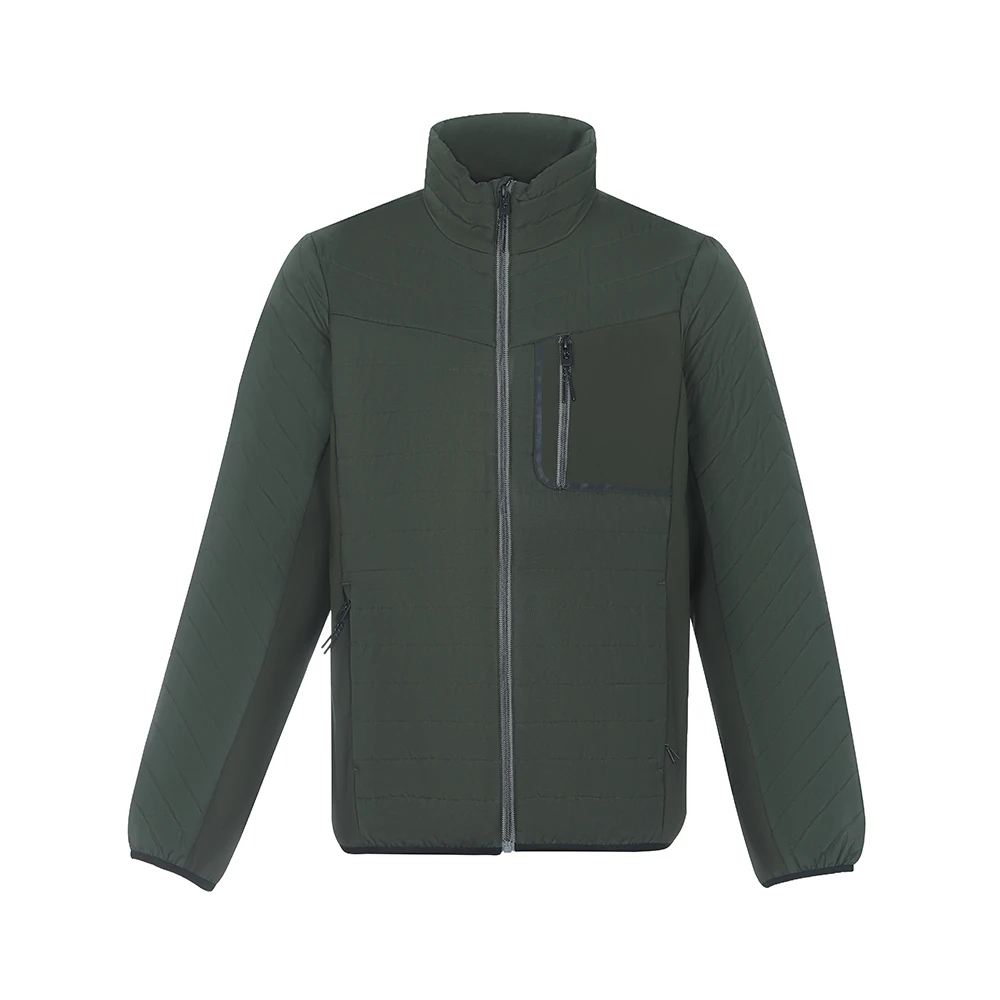
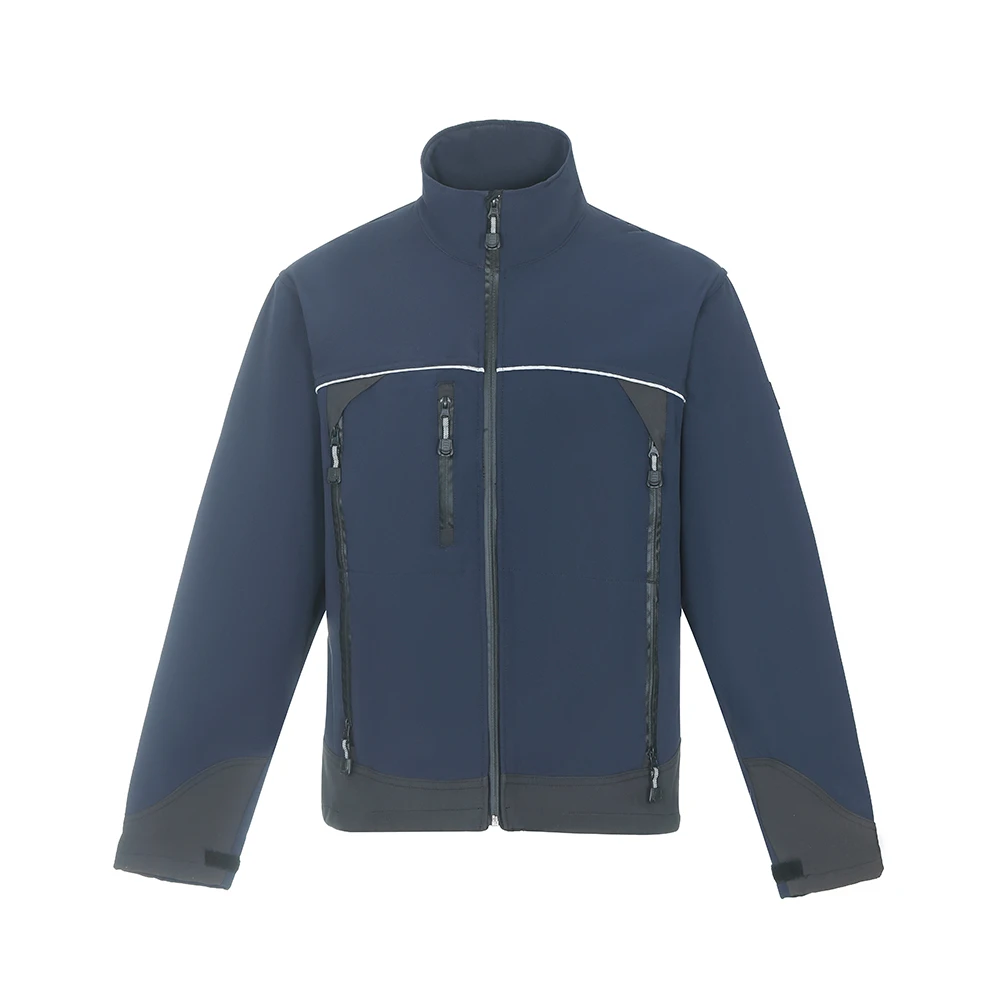
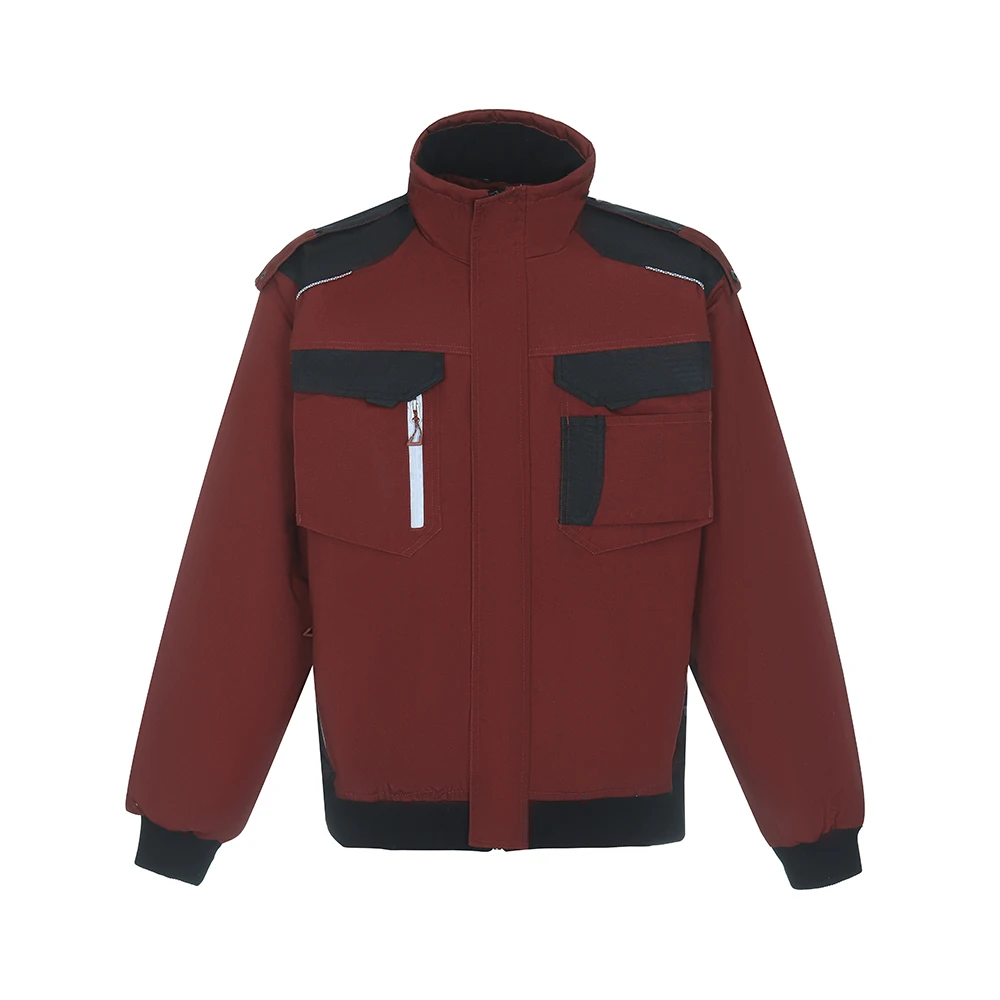
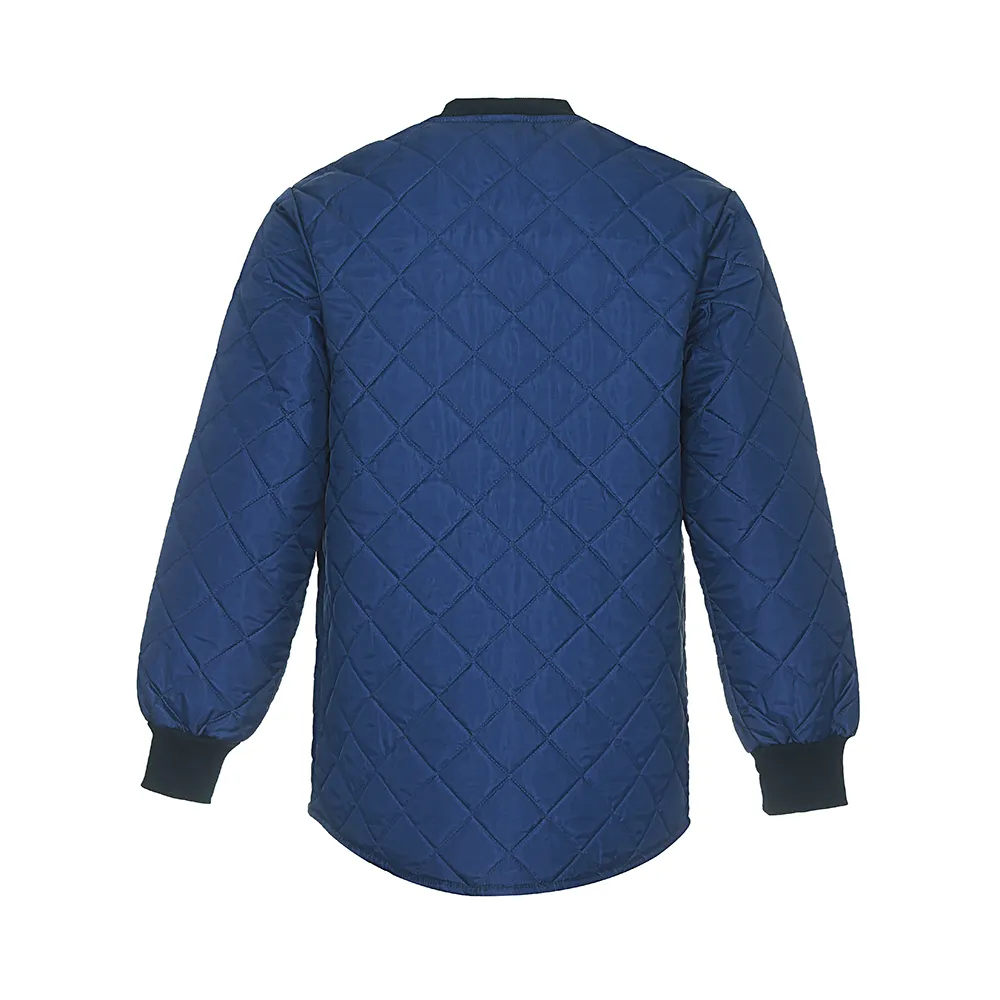
Product snapshot: Quited Bomber Jacket (hi‑viz configuration)
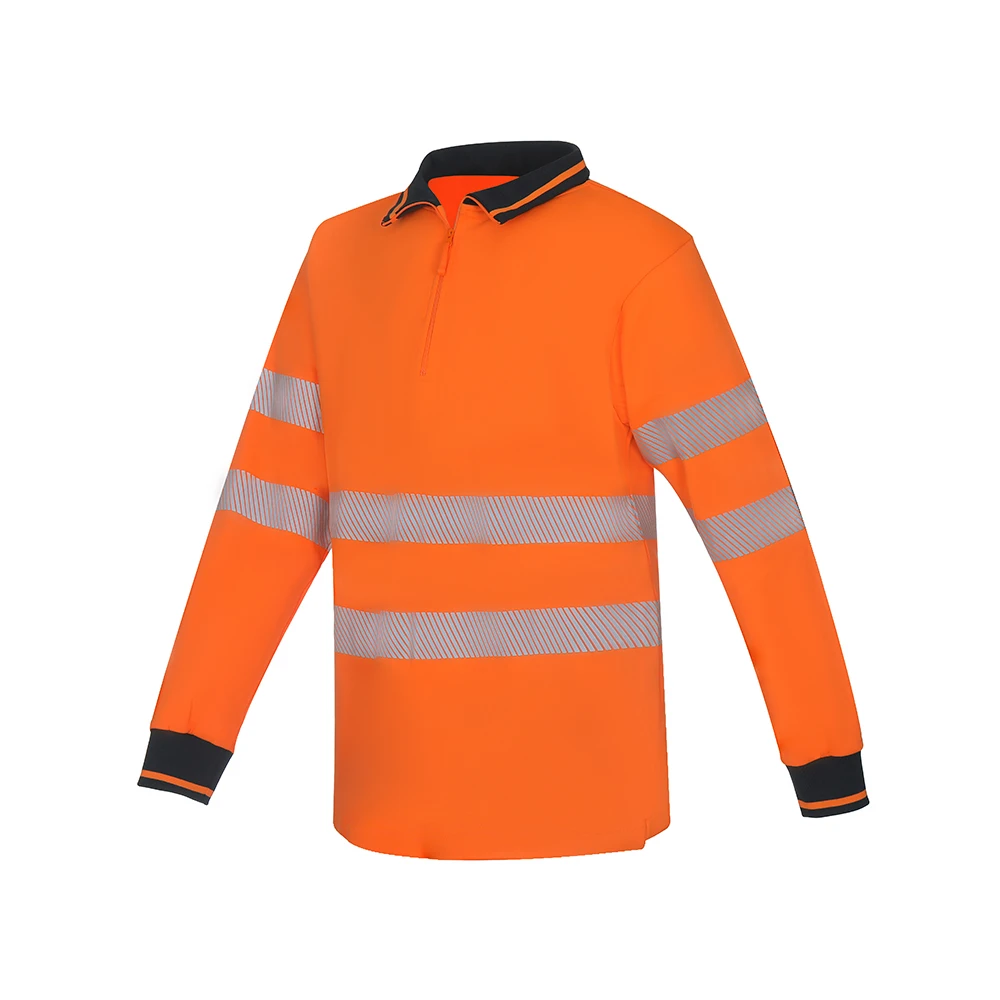
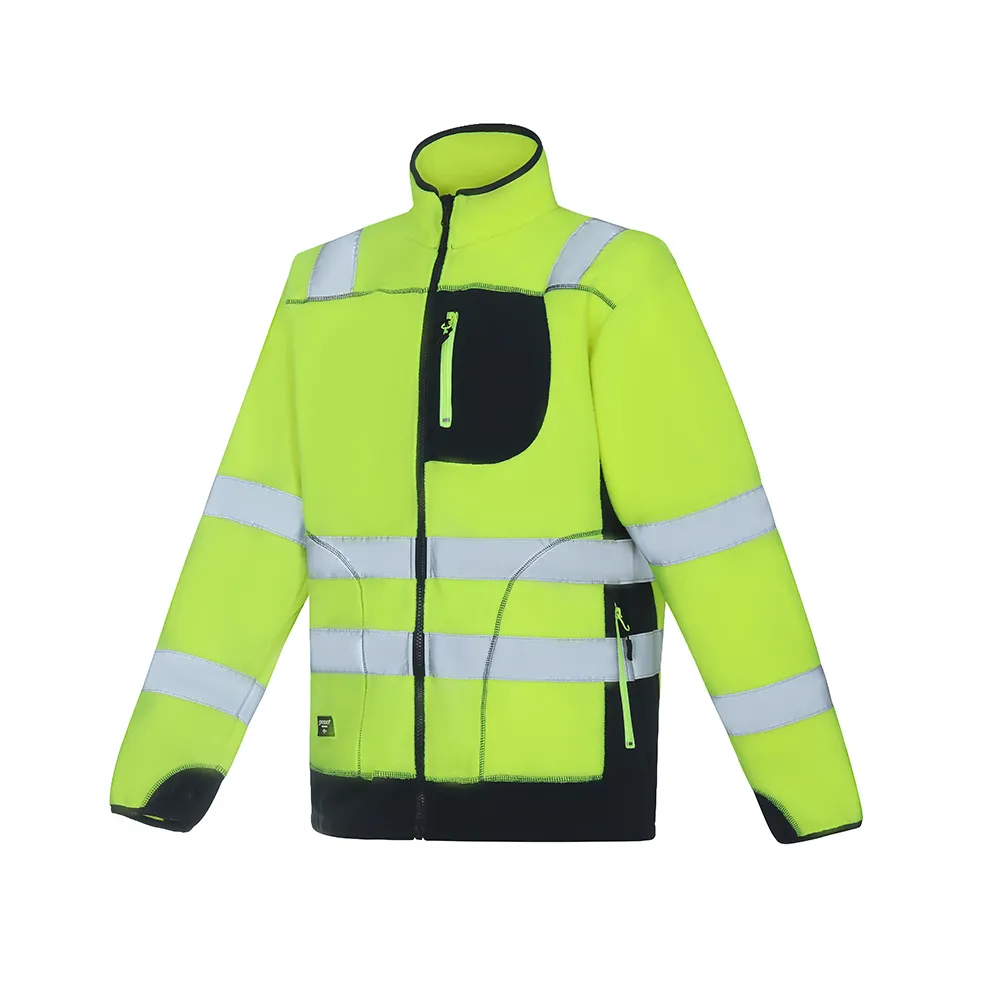
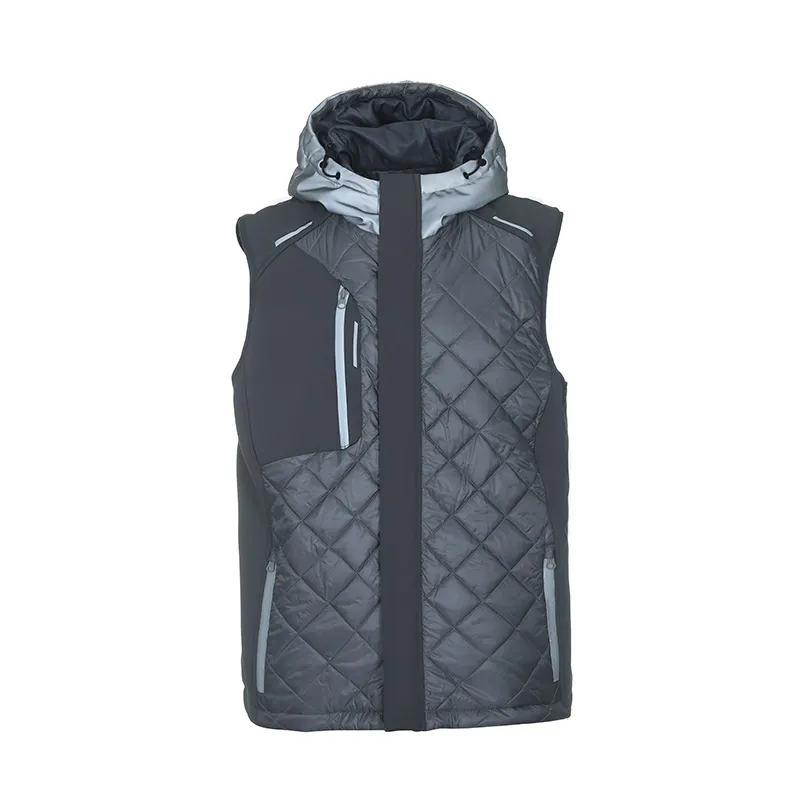
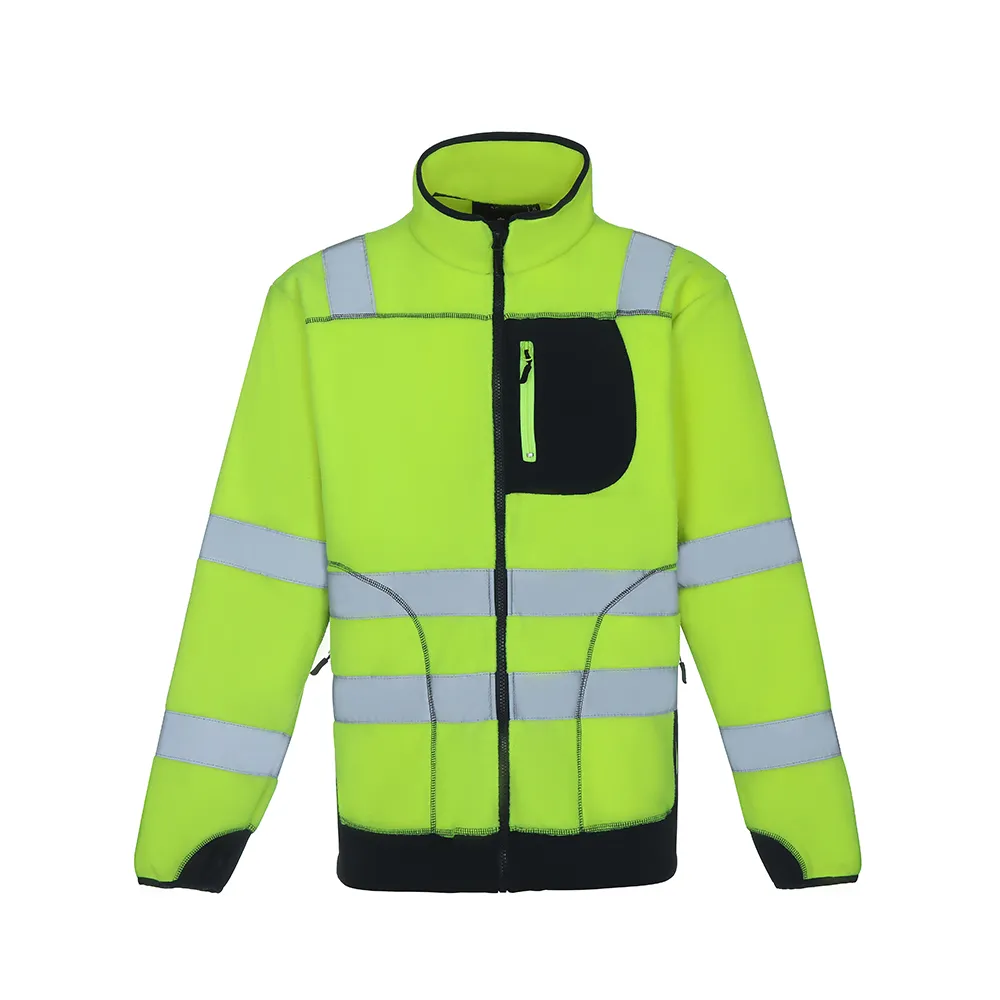
This model comes out of Floor 15, Fortune Building, 24 Guangan Street, Shijiazhuang, Hebei, China—an area with a serious cut‑and‑sew supply base. The base style is called “Quited Bomber Jacket” (yes, quilted), and it’s increasingly specified in Bomber Jacket Hi Viz colors (lime/orange) with reflective tape packages to meet ANSI/ISEA or EN ISO visibility classes.
| Shell fabric | 100% polyester, quiltable; optional DWR/PU coating (on request) |
| Lining / Padding | 100% polyester lining; ≈120 g/m² polyester padding |
| Colors & sizes | Any color; hi‑viz lime/orange common. Sizes S–4XL or customized. |
| Visibility options | Configurable to meet ANSI/ISEA 107‑2020 Type R Class 2/3 or EN ISO 20471 when specified |
| Typical tape performance | RA ≈ 330 cd/lx/m² (white microprismatic); ≈ 130 for glass‑bead—real‑world use may vary |
| Service life | 2–3 winter seasons in heavy use; 25–50 home washes depending on tape spec |
Process flow, testing, and what actually matters
Materials arrive as dyed polyester (hi‑viz shades need controlled luminance). Cutting follows a bomber block; quilting locks padding for even loft. After sewing, reflective tape is applied (heat‑transfer or sew‑on), then trims and rib knit cuffs/hem. QC includes color/luminance checks, tape adhesion, seam strength, and size grading.
For durability, I ask vendors about laundering validation: AATCC 135 or ISO 6330 cycles, plus retroreflectivity retention following ANSI/ISEA 107 or EN ISO 20471 protocols. Retro tests often cite ASTM E1709/E2540 geometry. A decent data point: microprismatic tape maintaining ≥ 100 cd/lx/m² after 25 washes is common; many customers say that’s the difference between a one‑season and a two‑season jacket.
Where it’s being used (and why)
- Road and bridge crews: night shifts need Class 3 layouts in cold, windy conditions.
- Airside/ground handling: quilted warmth without bulk; tape patterns that don’t snag on belts.
- Utilities and linework: bright backgrounds help in mixed-light environments.
- Warehousing and last‑mile: supervisors like Bomber Jacket Hi Viz for visibility on docks.
Customer feedback? “Warmer than softshells, less crinkly than rain shells,” one Midwest buyer told me. Another flagged that “rib cuffs matter—keep wind out, but please reinforce them,” which, honestly, is spot‑on.
Vendor comparison (what I’d look at)
| Vendor | MOQ | Lead time | Customization | Compliance | Notes |
|---|---|---|---|---|---|
| QS Clothing (Quited Bomber Jacket) | ≈ 300 pcs | 25–35 days after approval | Colors, tape layout, logos, size runs | ANSI/ISEA 107 or EN ISO 20471 upon request | Factory address in Shijiazhuang; consistent quilting |
| Trading House A | ≈ 100–200 pcs | Varies (30–50 days) | Limited tape options | Mixed—verify certificates | Often multi‑factory sourcing; QC can fluctuate |
| EU Boutique Mill B | ≈ 50–100 pcs | 15–25 days | High customization | Strong EN ISO 20471 documentation | Premium pricing; fast sampling |
Certifications and paperwork
For Bomber Jacket Hi Viz programs, insist on: declaration of conformity (EU), ANSI/ISEA 107‑2020 label data (US), wash test reports, and tape certificates (listing RA values and wash cycles). Also check your traffic control plans; some sites require Class 3 at night per MUTCD guidance.
Bottom line
Quilted bombers hit the warm‑to‑weight sweet spot. Specify certified reflective tape, verify wash retention, and don’t skimp on tape layout. Do that, and your Bomber Jacket Hi Viz order should sail through wear trials—and keep crews visible when it counts.
- ANSI/ISEA 107‑2020: American National Standard for High‑Visibility Safety Apparel and Accessories — isea.org
- EN ISO 20471:2013+A1:2016 High visibility clothing — iso.org / standards bodies
- ASTM E1709/E2540 Retroreflective material test methods — astm.org
- AATCC 135: Dimensional Changes of Fabrics after Home Laundering — aatcc.org
- FHWA MUTCD 2009 (with Revisions) Part 6: Temporary Traffic Control — mutcd.fhwa.dot.gov