Black Winter Vest: Durable Industrial Workwear Essential
Why a Black Winter Vest is a Staple for Industrial Workwear
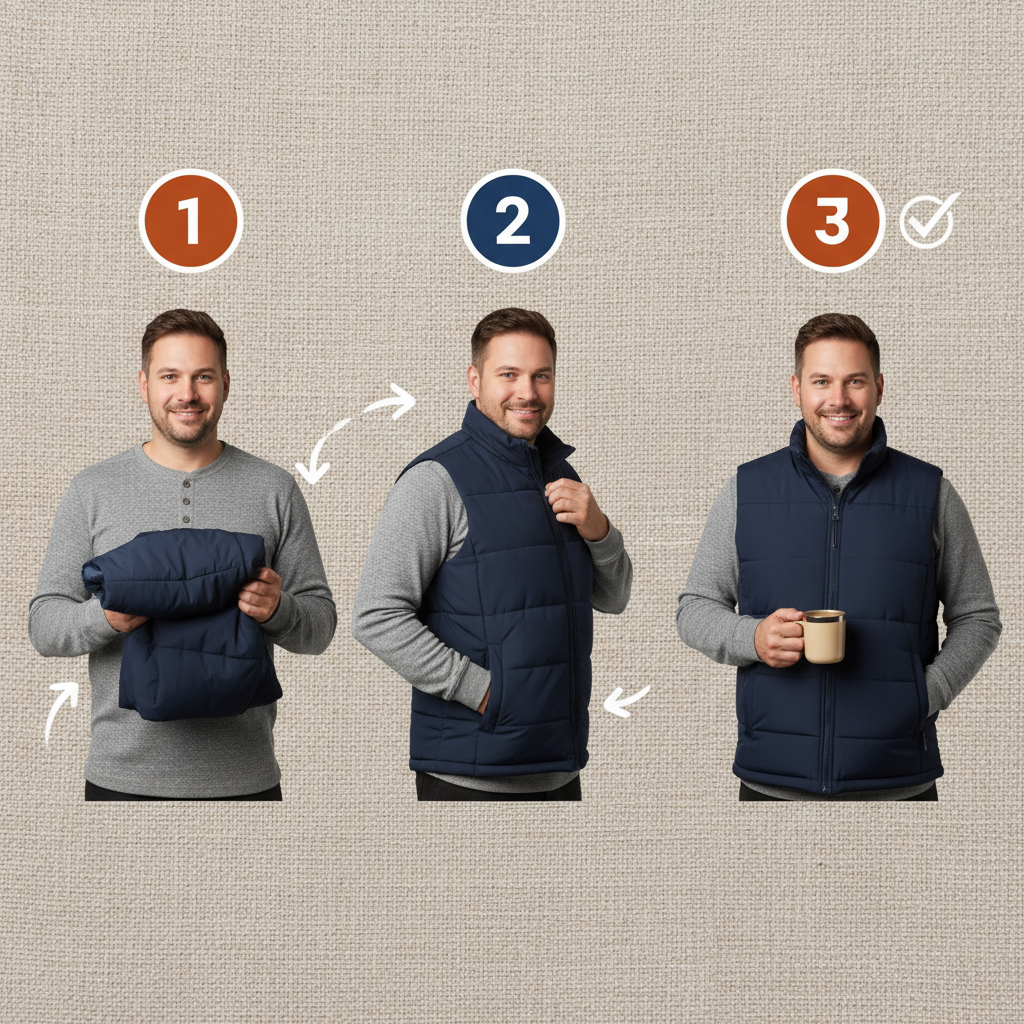
Having spent more than a decade in the industrial equipment sector, I’ve learned a few things about workwear essentials. One piece that keeps showing up on site during those bone-chilling winter months is the black winter vest. Oddly enough, it’s not just about looking sharp — though the black color certainly helps with that — but about layering smartly and staying mobile under extreme conditions.
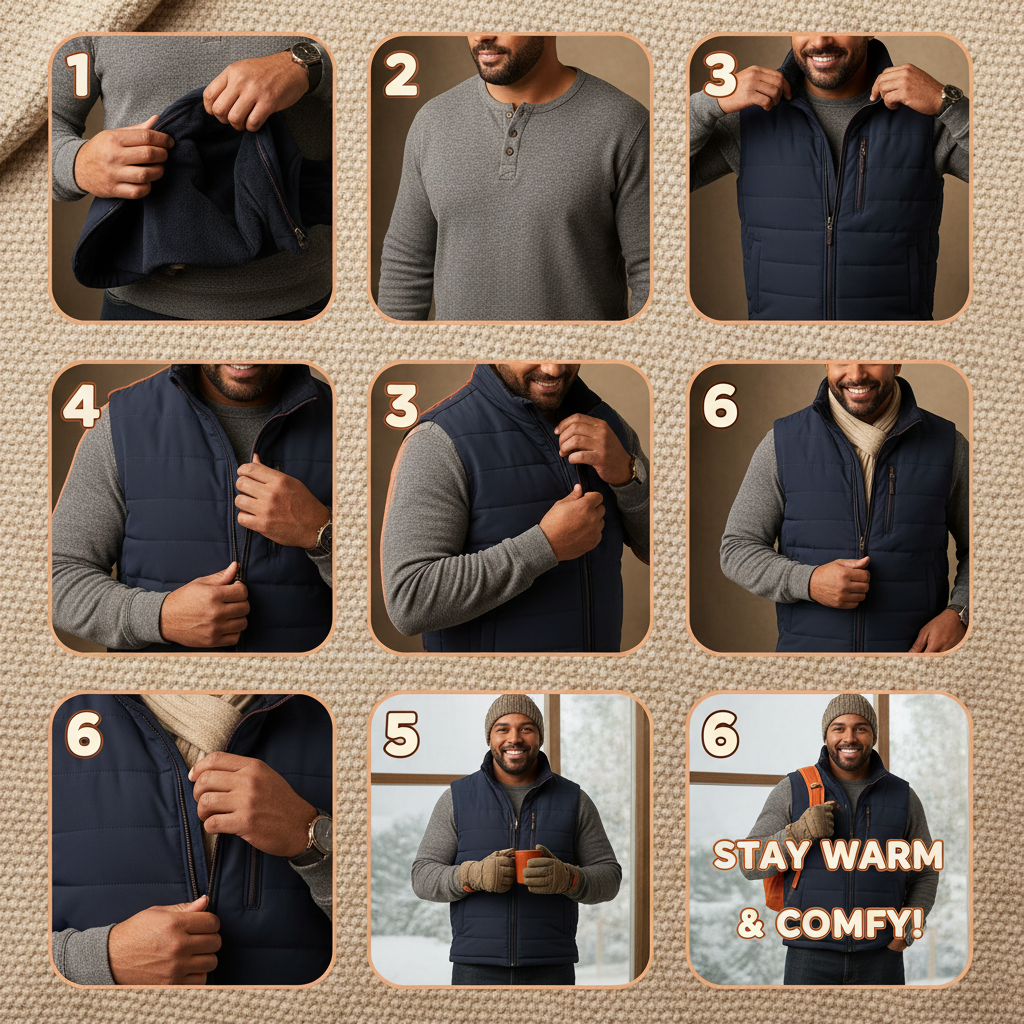
Here’s the thing: winter gear in industrial settings needs to be durable, comfortable, and practical. I recall a project in Minnesota where temperatures plummeted well below zero, and the clever layering with a sturdy winter vest made the difference between freezing fingers and staying productive. It feels kind of like a warm hug for your core, without weighing you down during those long hours.
Material and Design Considerations
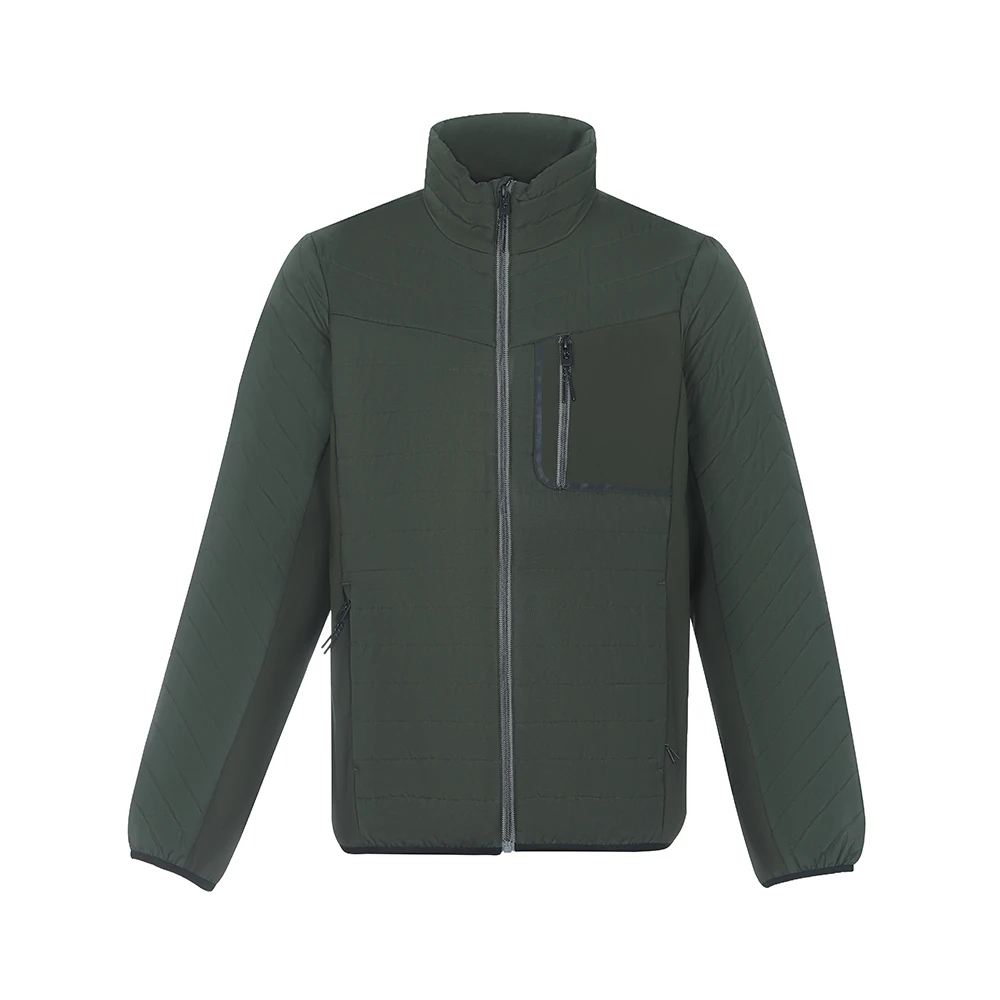
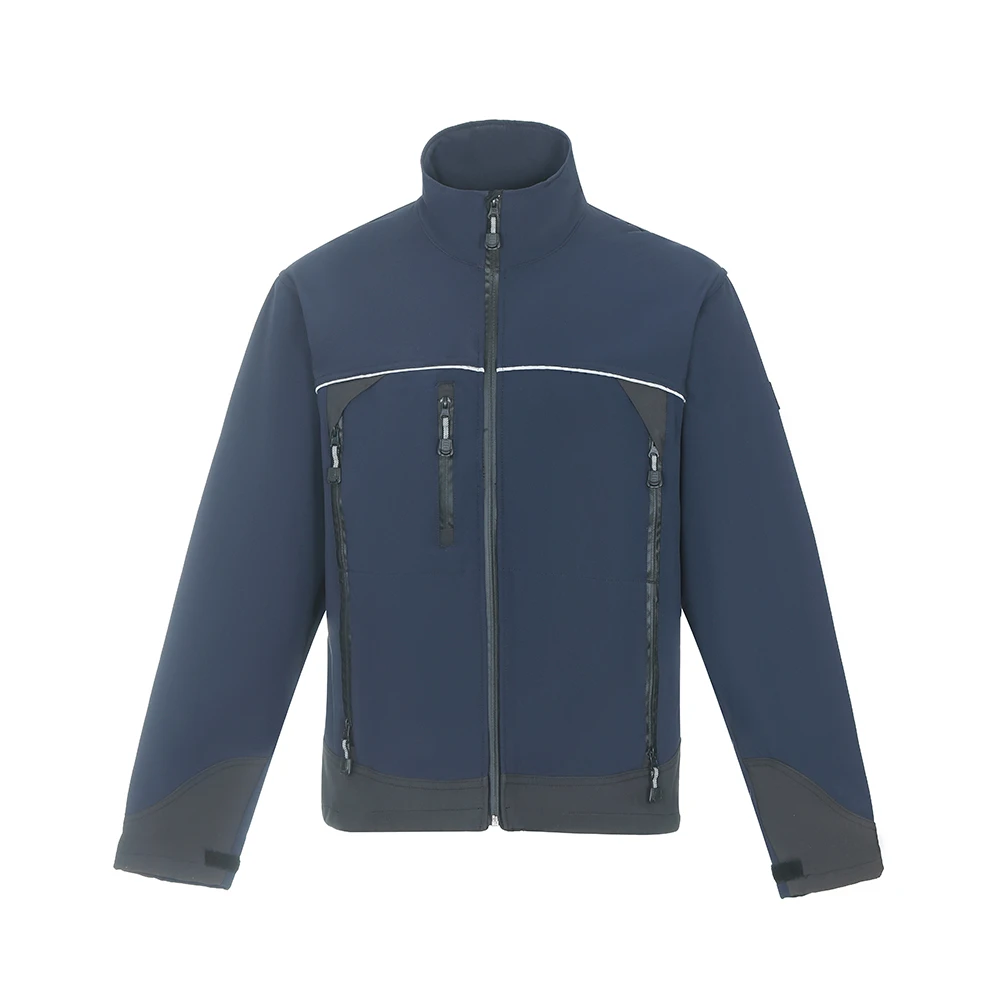
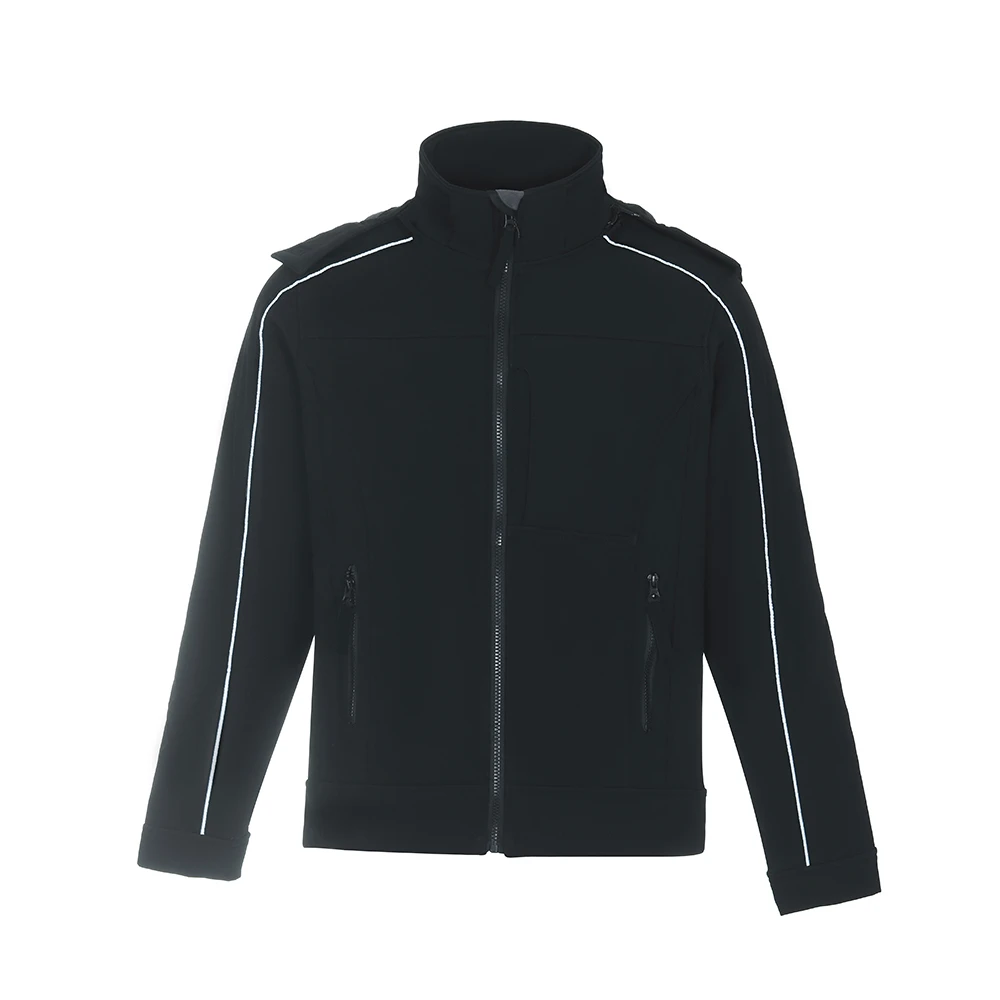
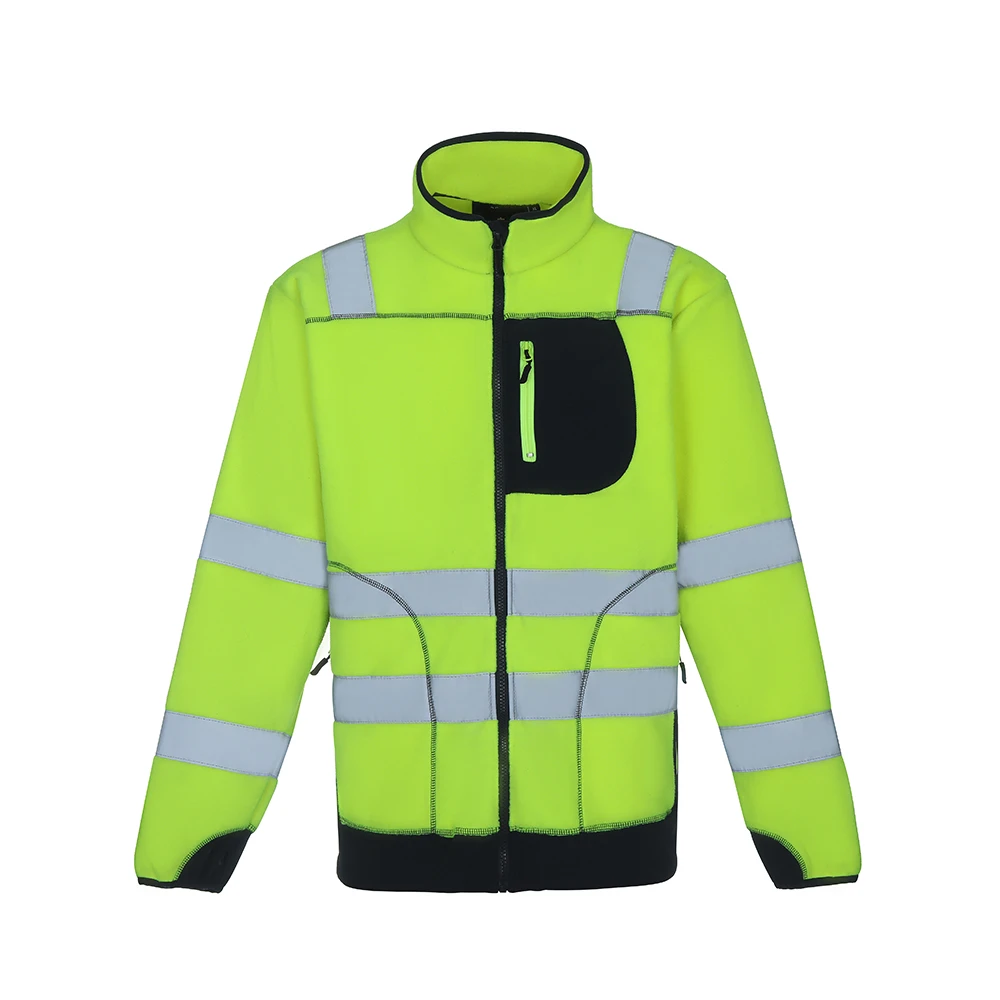
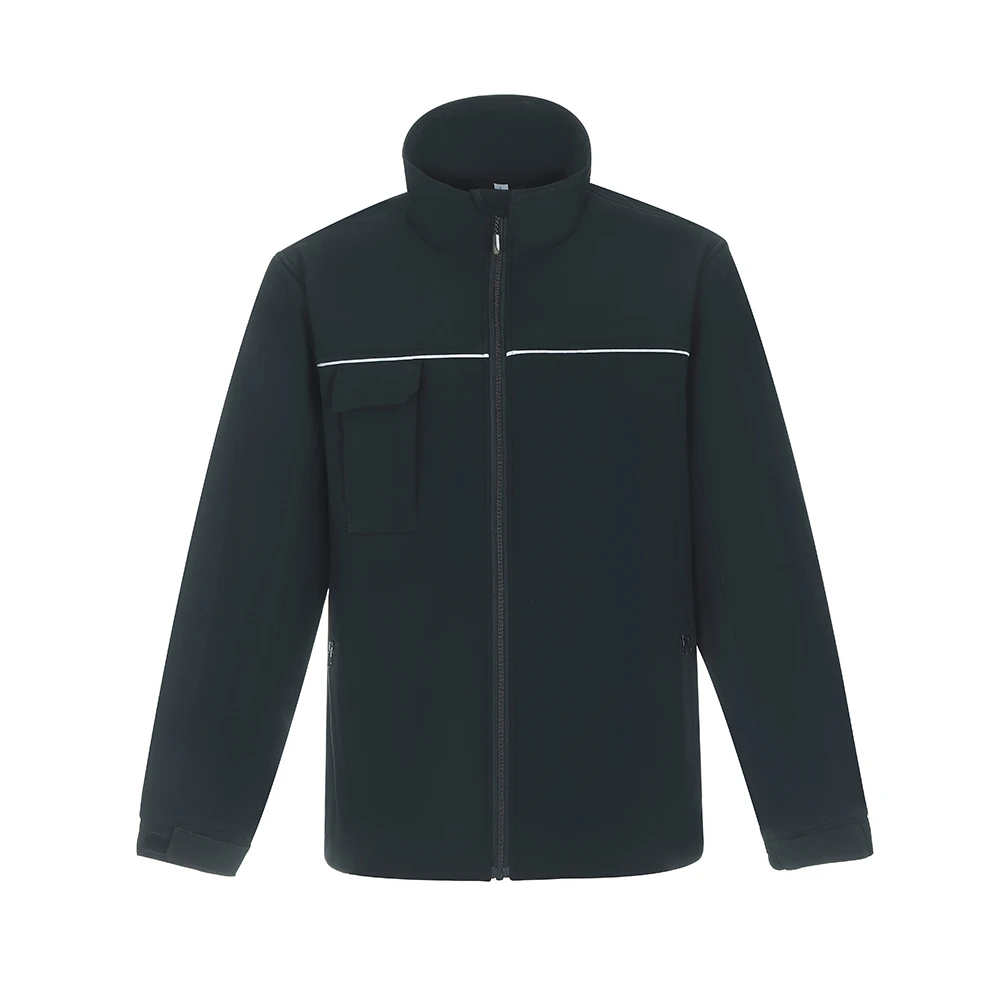
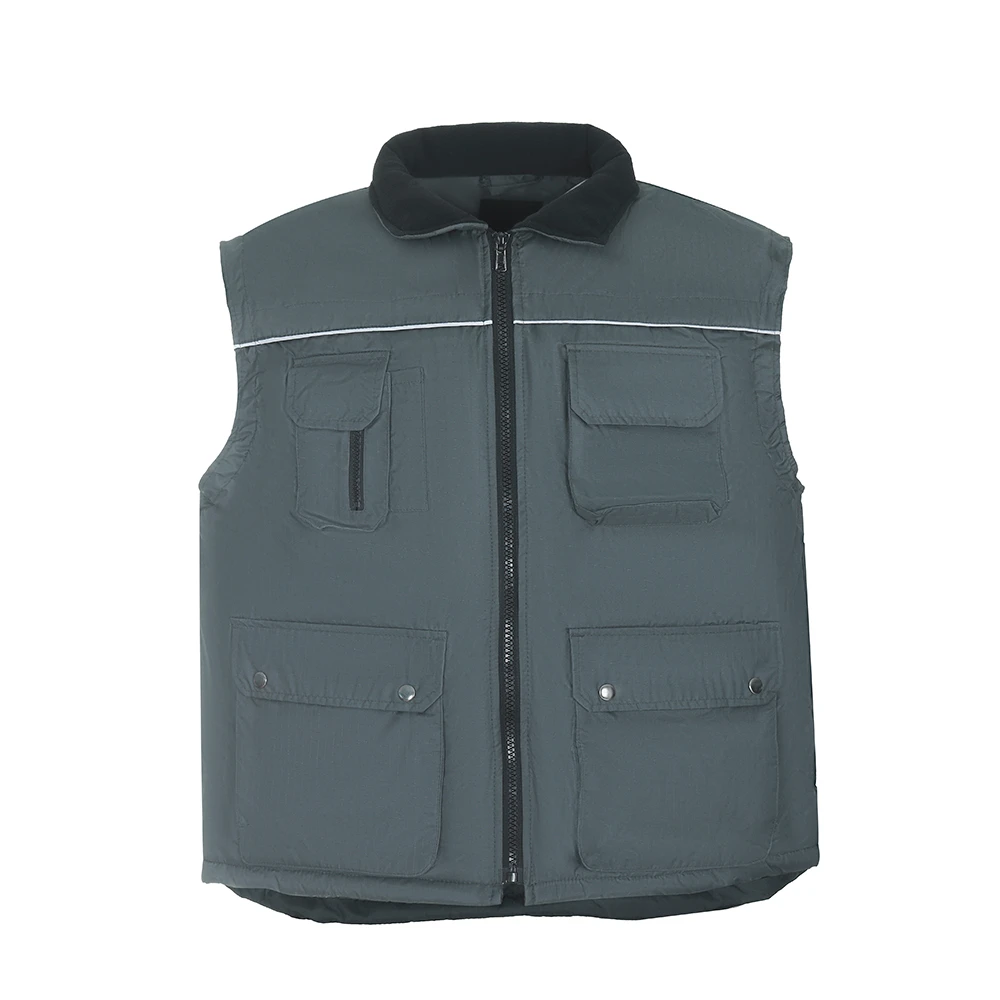
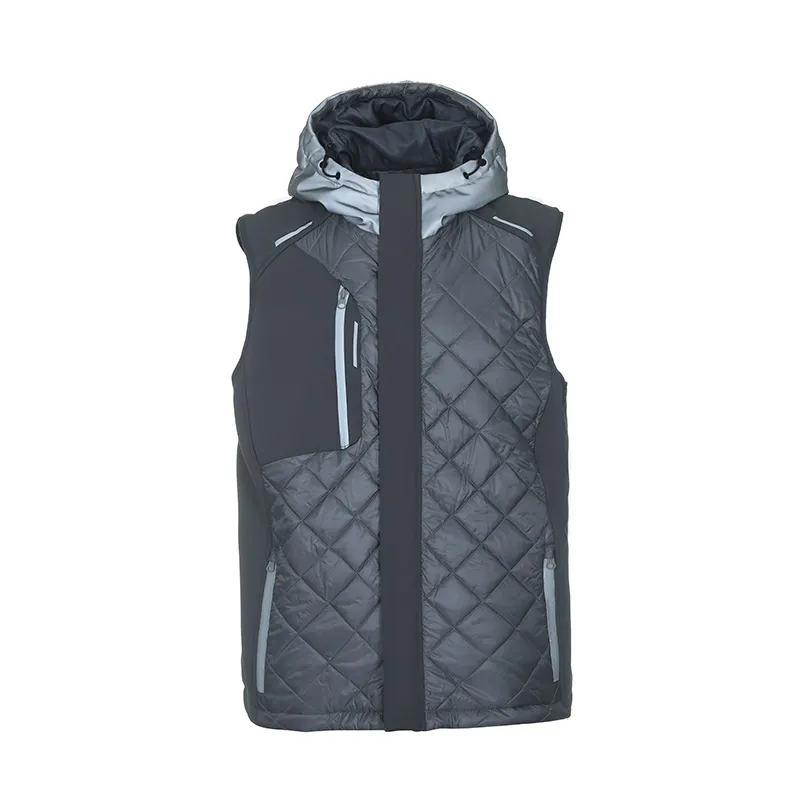
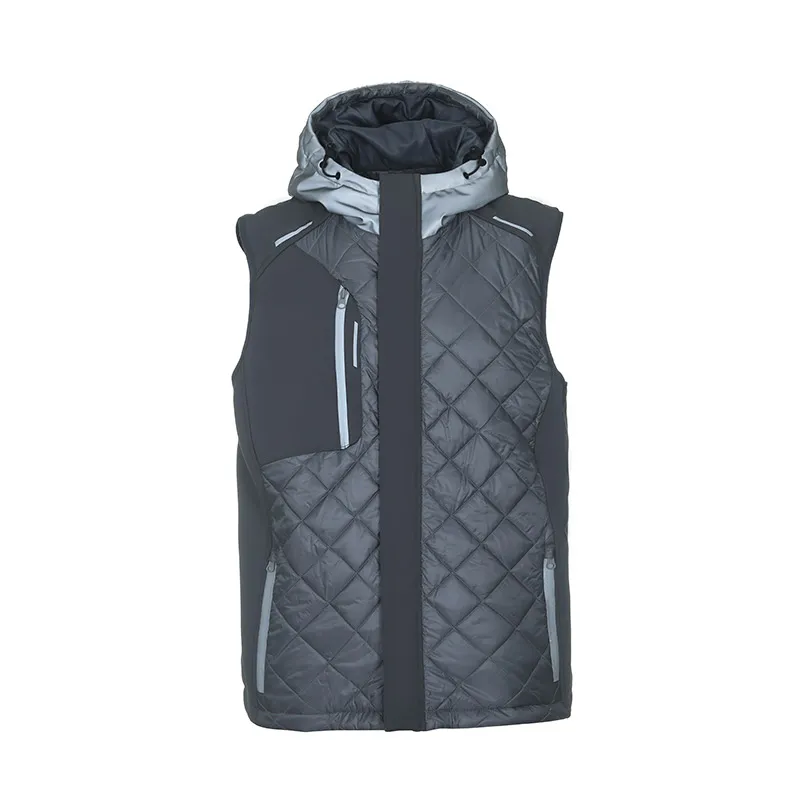
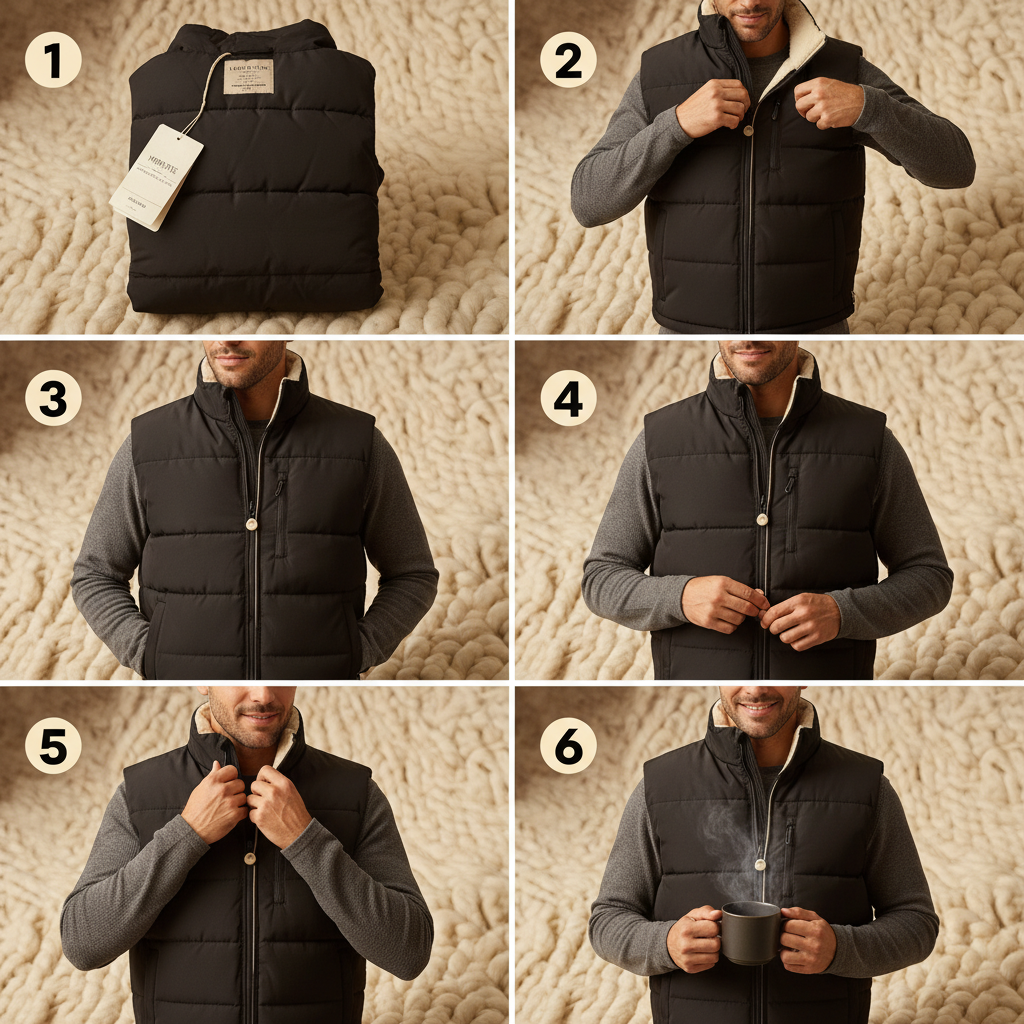
When I look at a black winter vest, I’m keenly aware of its materials. Most high-performance industrial vests use insulated polyester blends or fleece-lined interiors. These fabrics strike a balance between warmth and breathability — crucial when you alternate between heated cabins and subzero outdoor tasks. The outer shell usually carries a water-resistant finish, something I’ve found essential on wetlands projects or snowy construction sites.
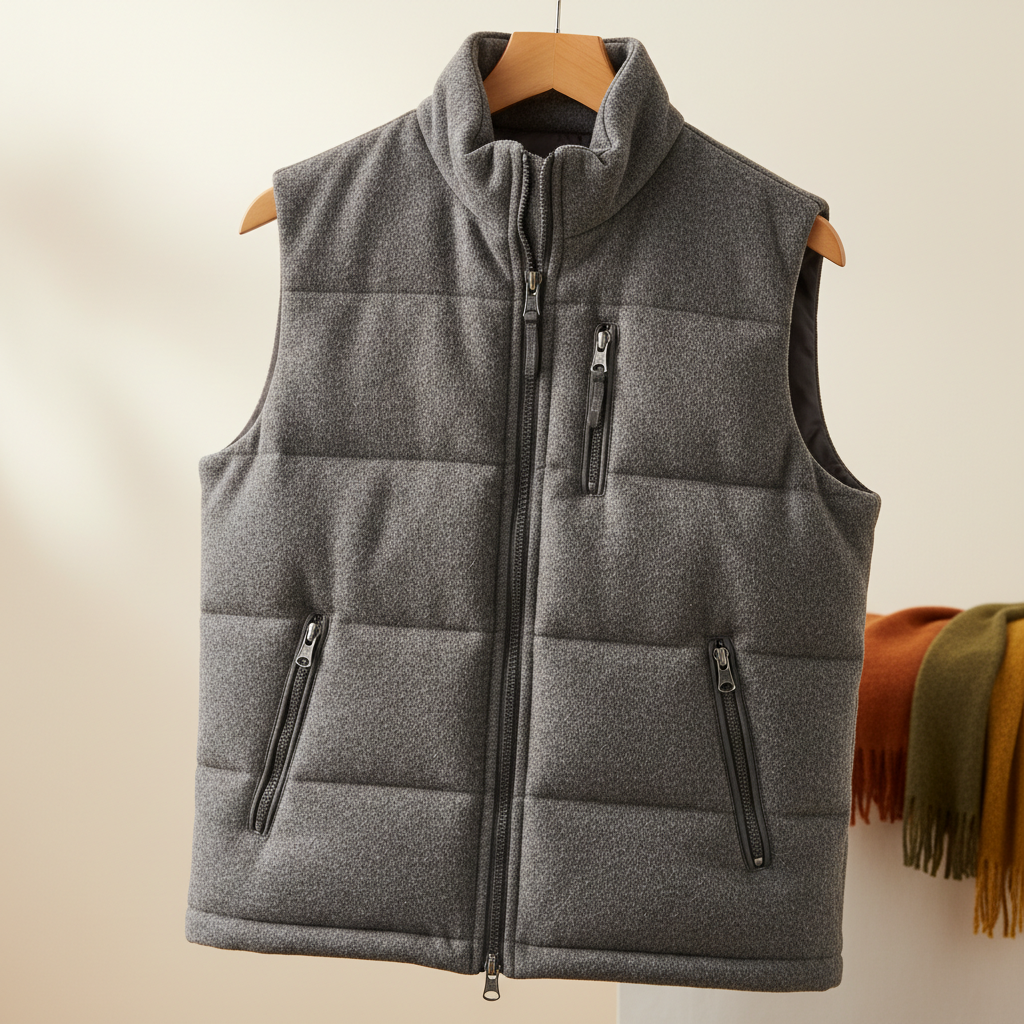
Many vests include adjustable closures and multiple pockets — zipped, flap, or fleece-lined. Pockets are a small but critical detail; they keep your gadgets, notes, and gloves handy without resorting to bulky tool belts. Plus, a high collar on these vests shields your neck from icy winds, which in my experience, tends to be an underestimated feature.
In Real Terms: What Specs Matter?
| Specification | Typical Feature |
|---|---|
| Insulation Type | Polyester fill, fleece lining |
| Outer Fabric | Water-resistant nylon or polyester |
| Closure | Heavy-duty zipper with storm flap |
| Pocket Count | 4-6, varying pockets with zippers/flaps |
| Weight | 300-500 grams (light & mobile) |
| Colors | Typically black, some gray or navy |
| Sizes | S - 3XL, often adjustable hems/cuffs |
Choosing the Right Vendor: A Quick Comparison
With so many brands offering winter vests, I’ve found it useful to break down some common options side by side — based on durability, comfort, and value. These aren’t endorsements per se, but observations over the years working with various suppliers.
| Vendor | Material Durability | Insulation Warmth | Price Range | Customization Options |
|---|---|---|---|---|
| Q&S Clothing | High-grade polyester, water-resistant | Medium-high, fleece-lined | $$ | Logo embroidery & sizing |
| Industrial Gear Co. | Durable nylon shell | High, synthetic down | $$$ | Limited color options |
| WorkPro Apparel | Standard polyester | Medium | $ | Basic sizing only |
A Customer Tale
Just last winter, a long-time client from a mining outfit told me how he swore by his black winter vest—the one from Q&S Clothing, in fact. He reminisced about how it held up during a week of near-whiteout conditions, keeping his torso warm while allowing him unrestricted movement for safety inspections. Stories like these reinforce why the right vest isn’t just gear—it’s a productivity tool on site.
So, if you’re asking yourself, “Why invest in a black winter vest for industrial use?” the answer, frankly, is simple. It’s about combining warmth, mobility, durability, and that trustworthy layer you need when you’re out in unforgiving winter conditions.
In the end, the best vest is the one that fits your workflow without fuss. I suppose that’s true whether you’re tightening bolts or checking gauges. And the black color? It just happens to look good, hide grime, and remain timeless.
Have a favorite winter vest story or question? Feel free to reach out — I’ve got plenty more to share from the field!
Sources:
- Industrial Workwear Trends Report, 2023
- Q&S Clothing Product Specifications, 2024
- Field Interviews with Site Engineers, Midwest 2022-2023