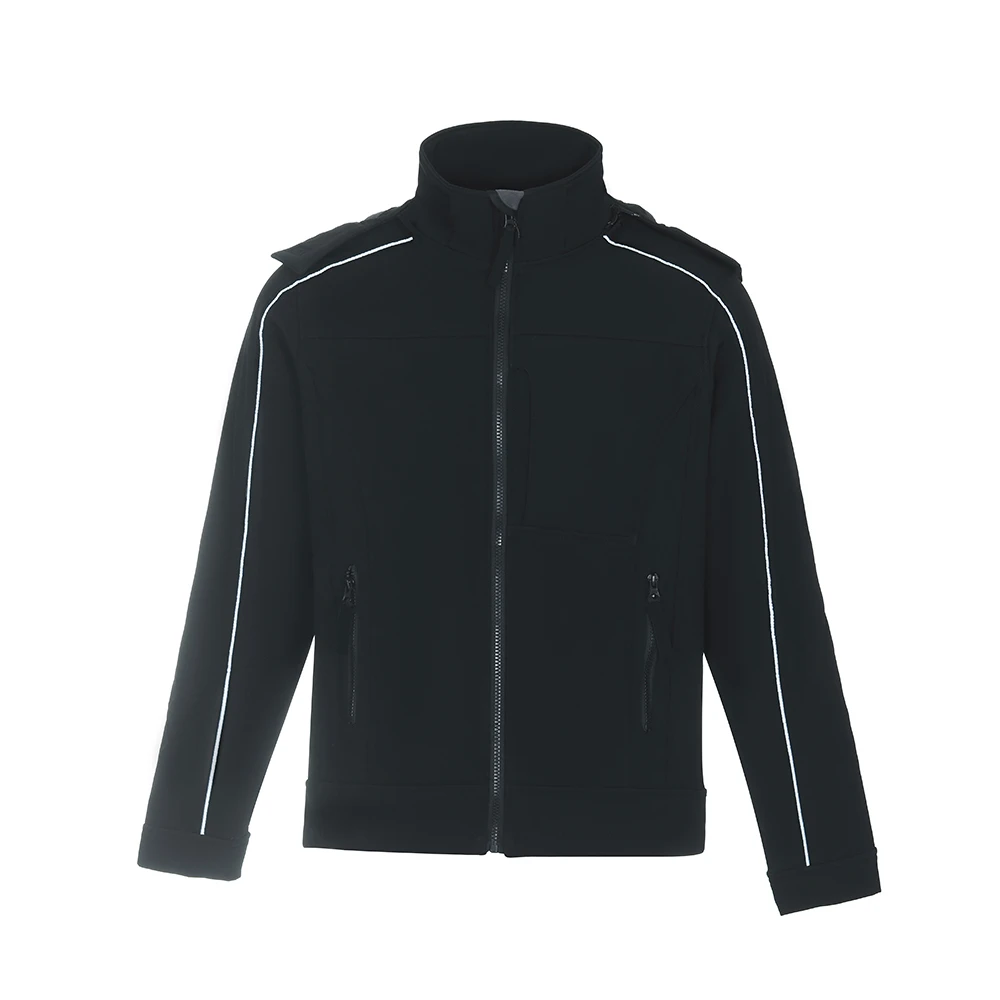
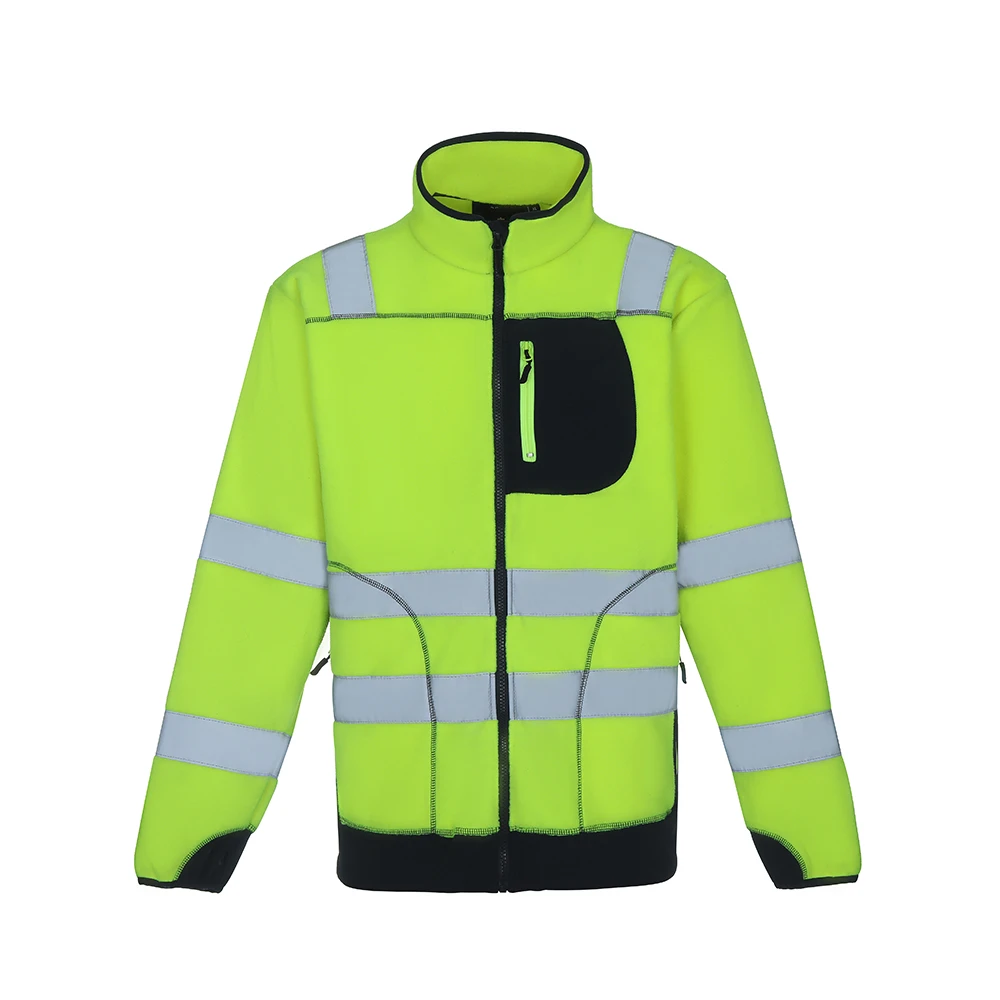
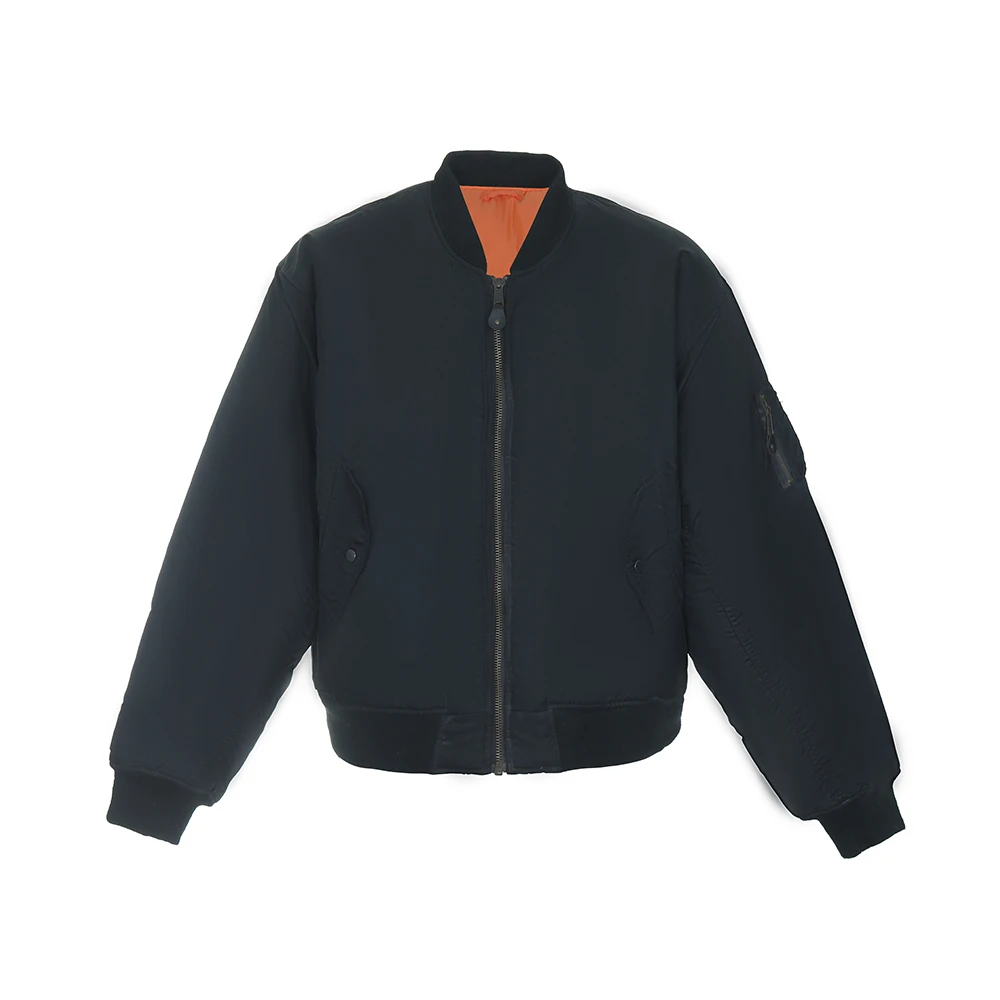
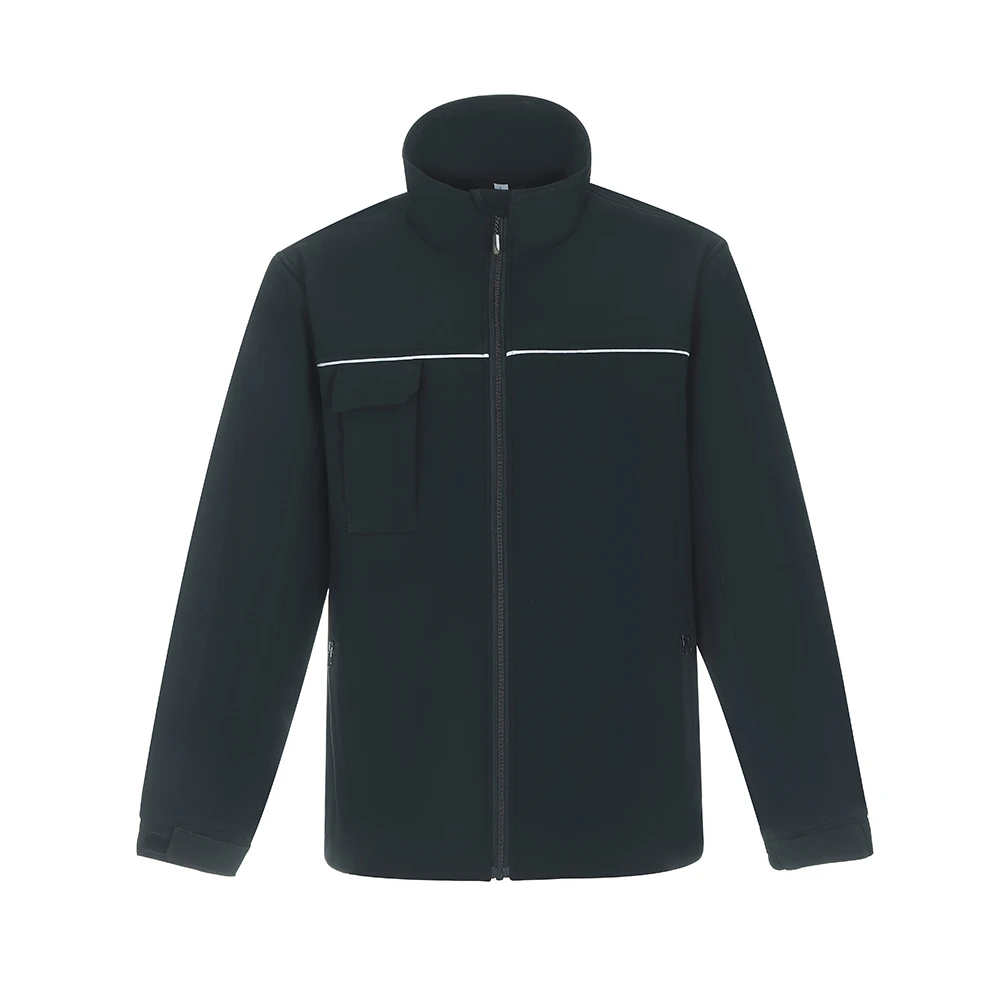
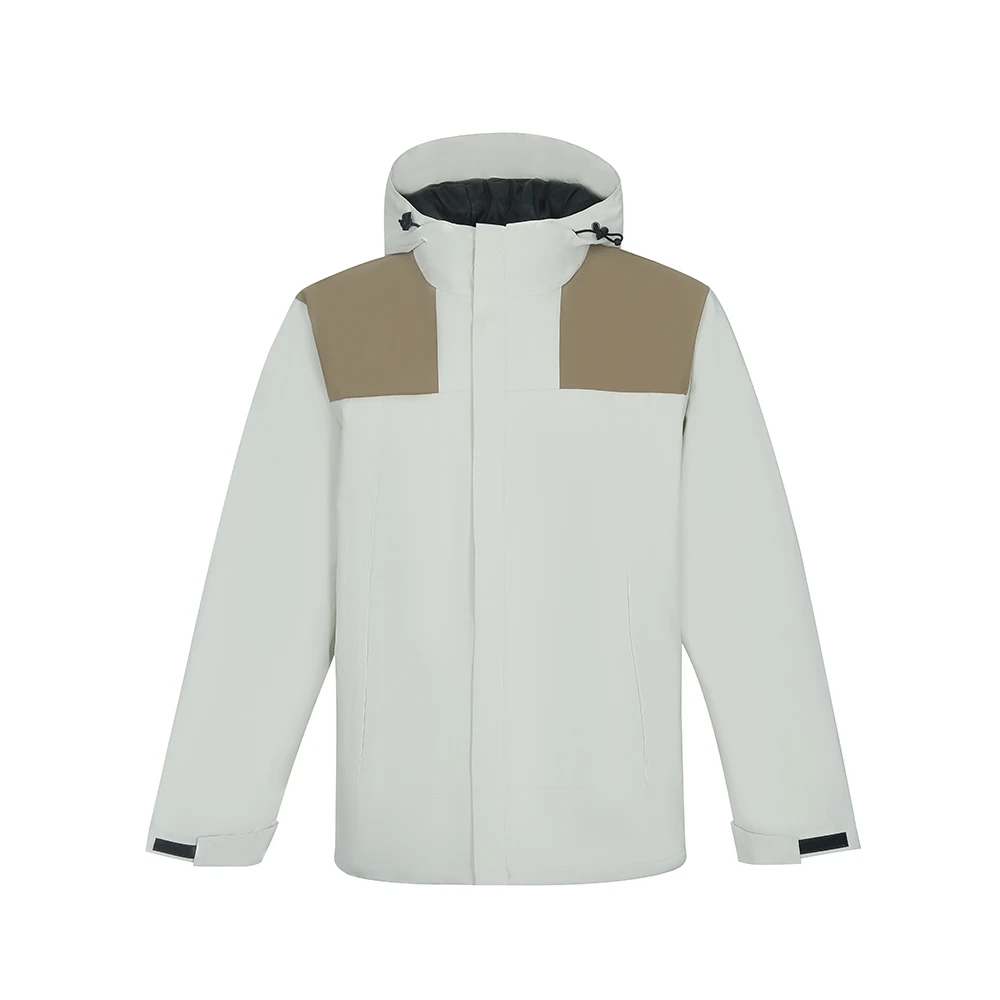
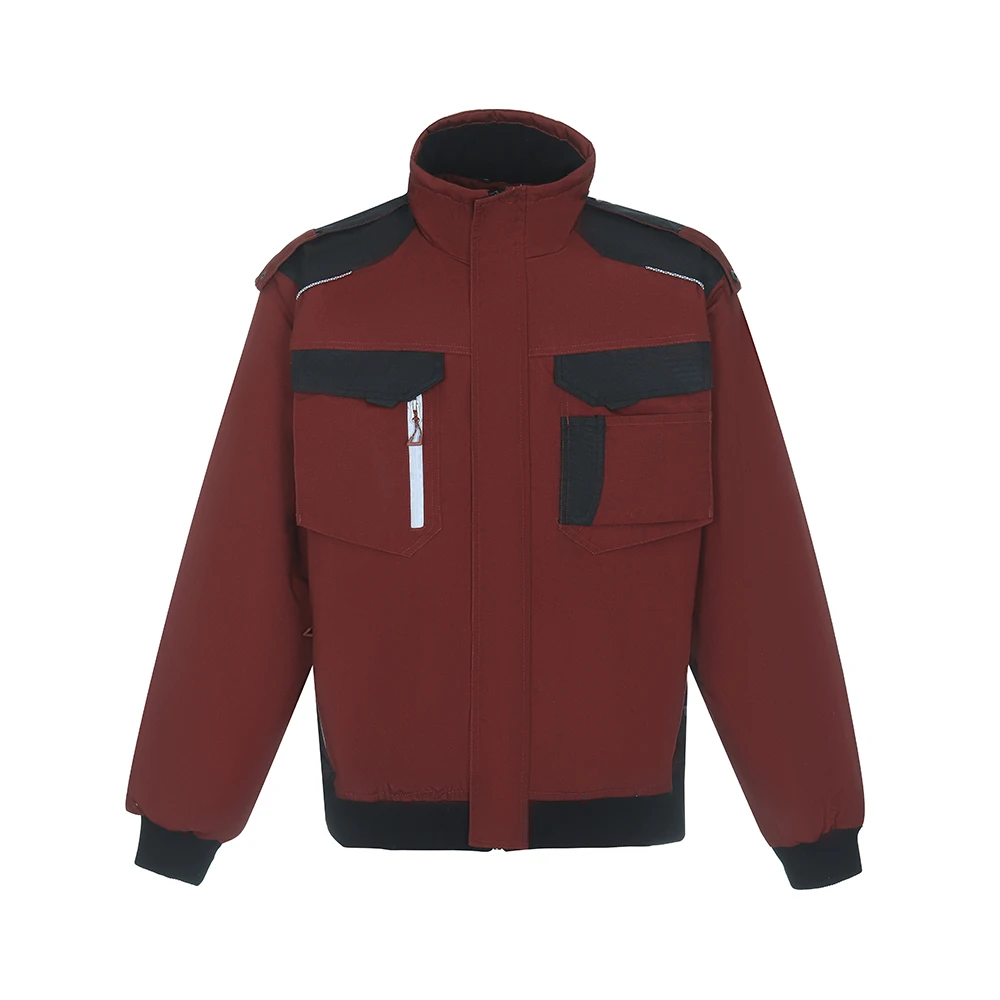
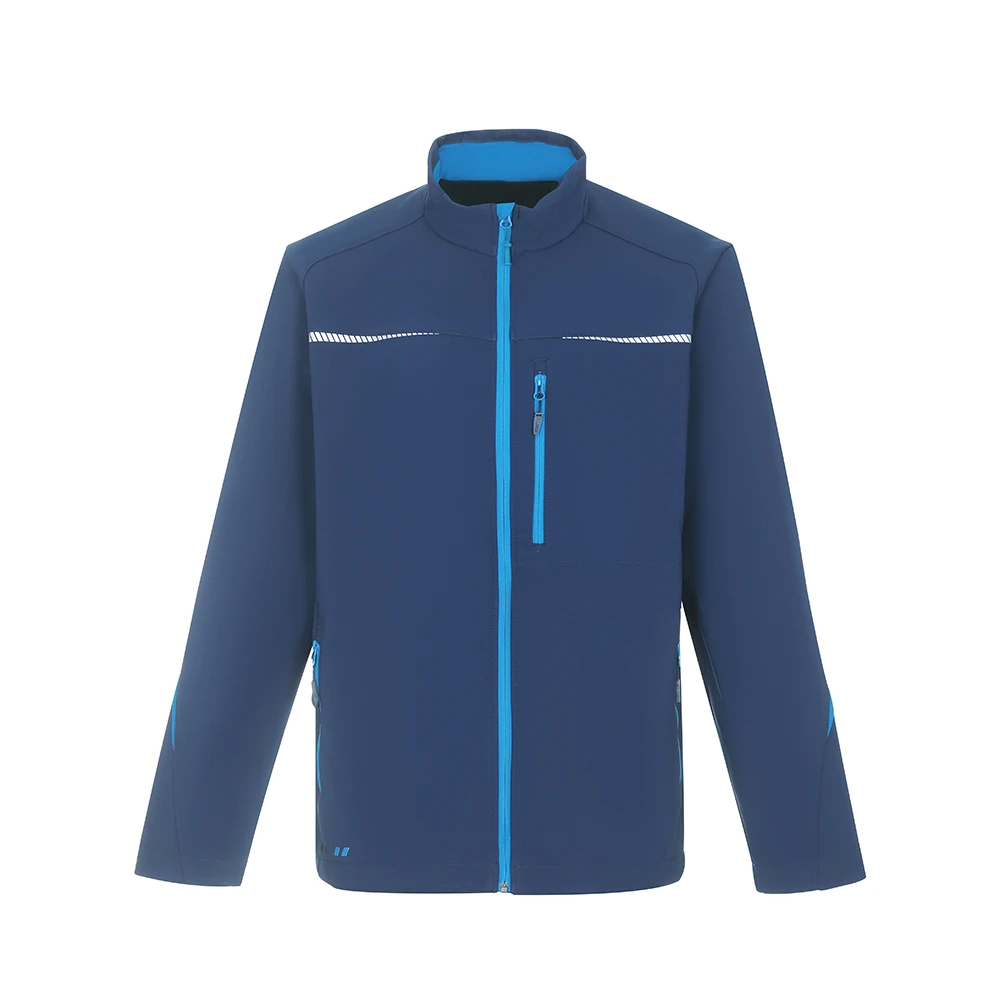
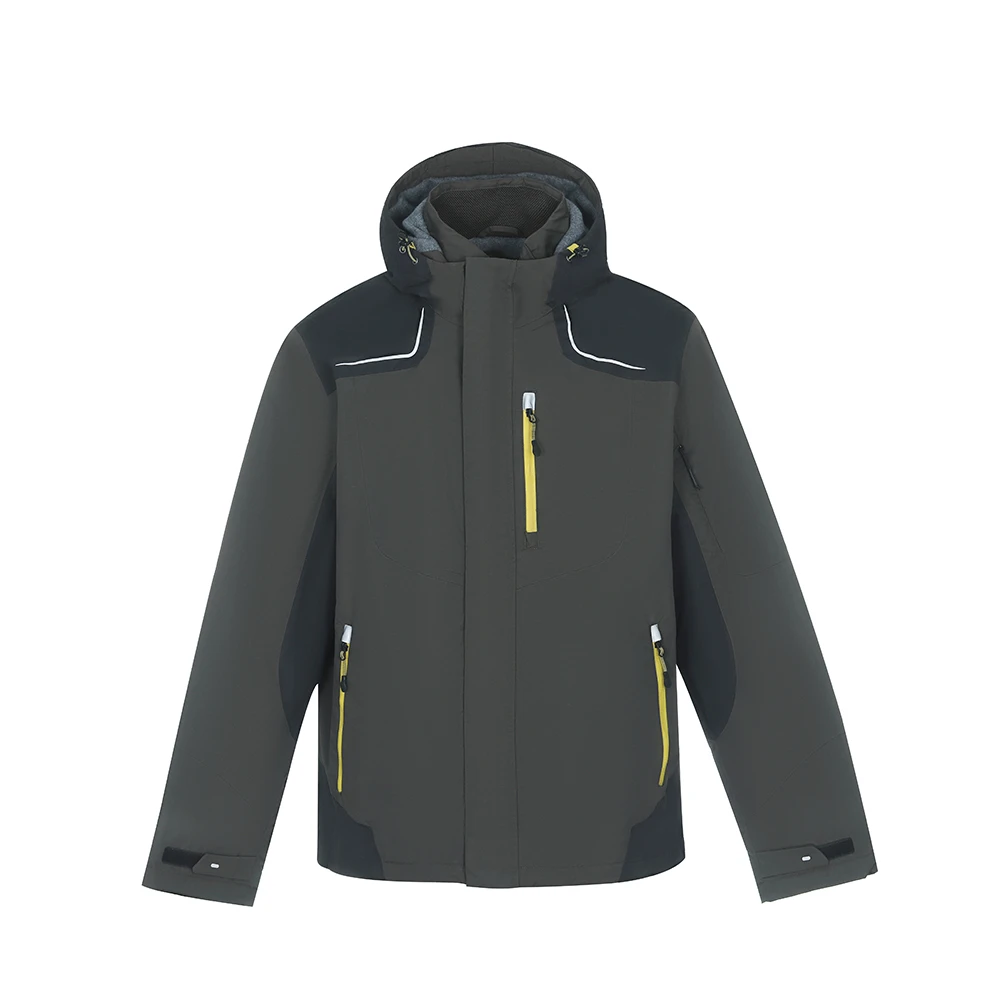
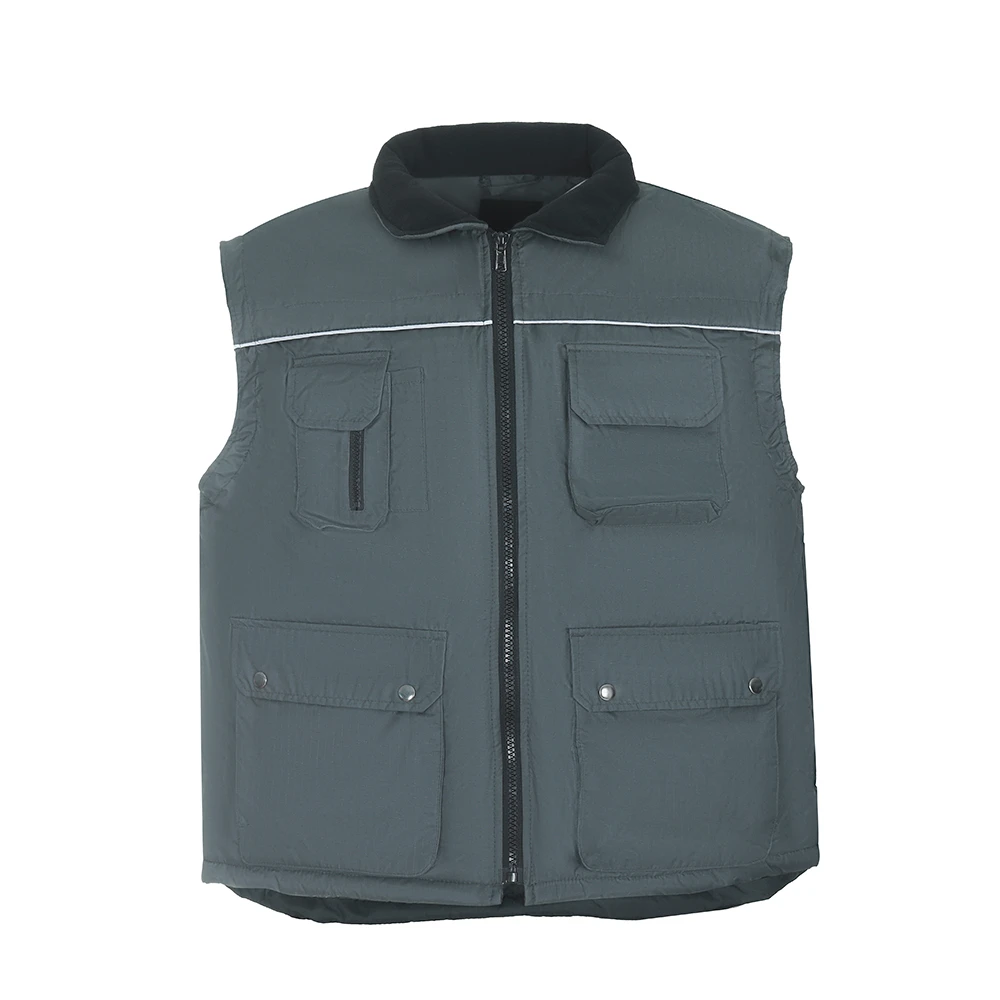
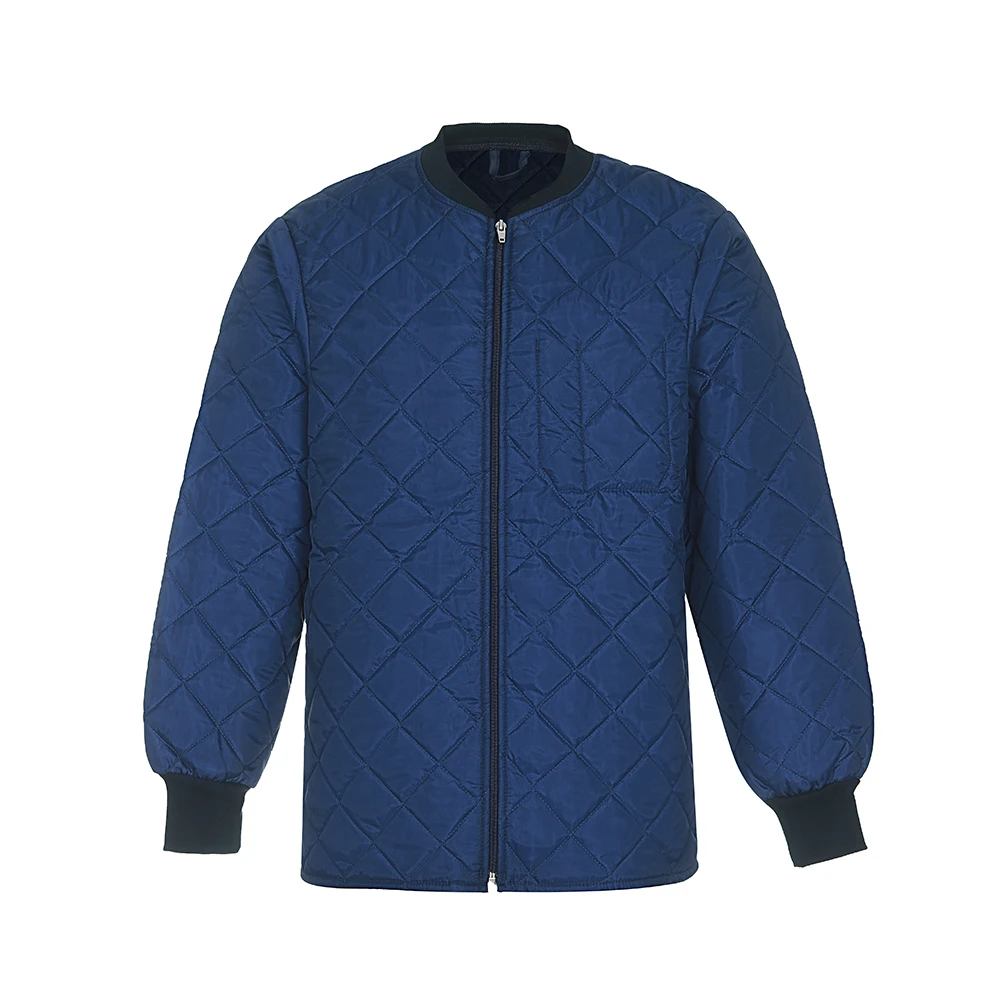
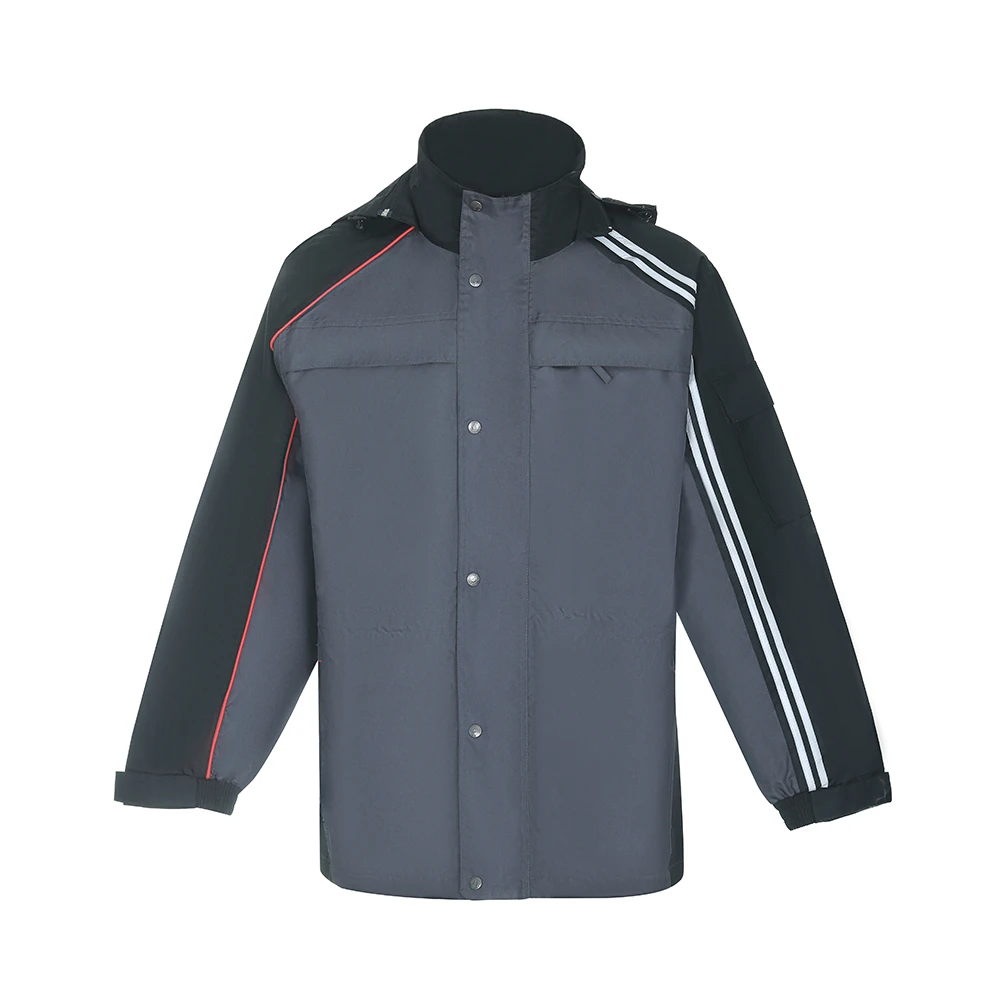
Black Vest for Winter: Warm, Lightweight - Why Pick This?
Black Winter Waterproof Vest: Field Notes From a Cold Season
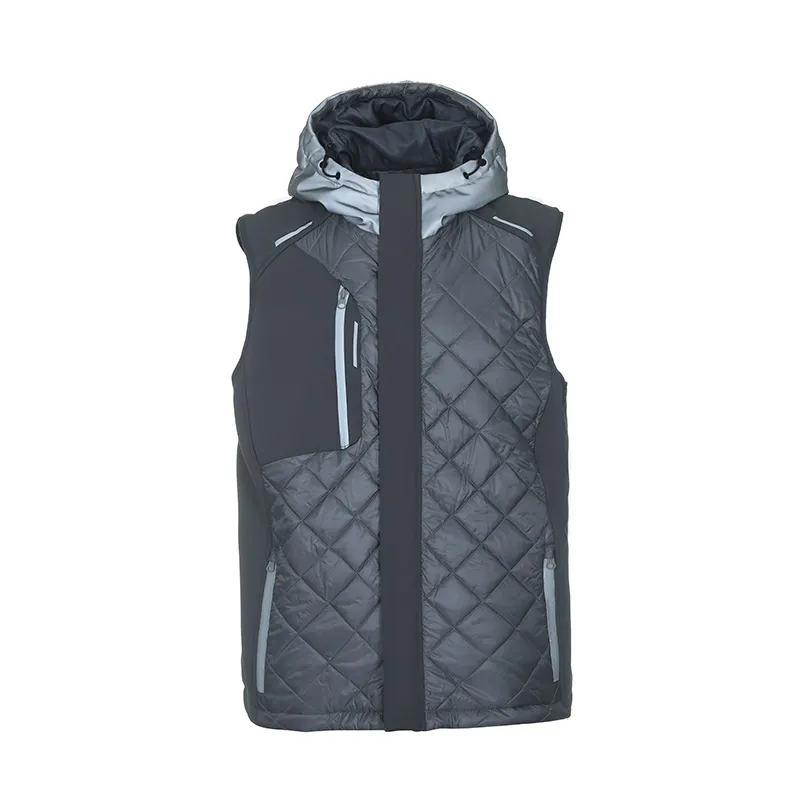
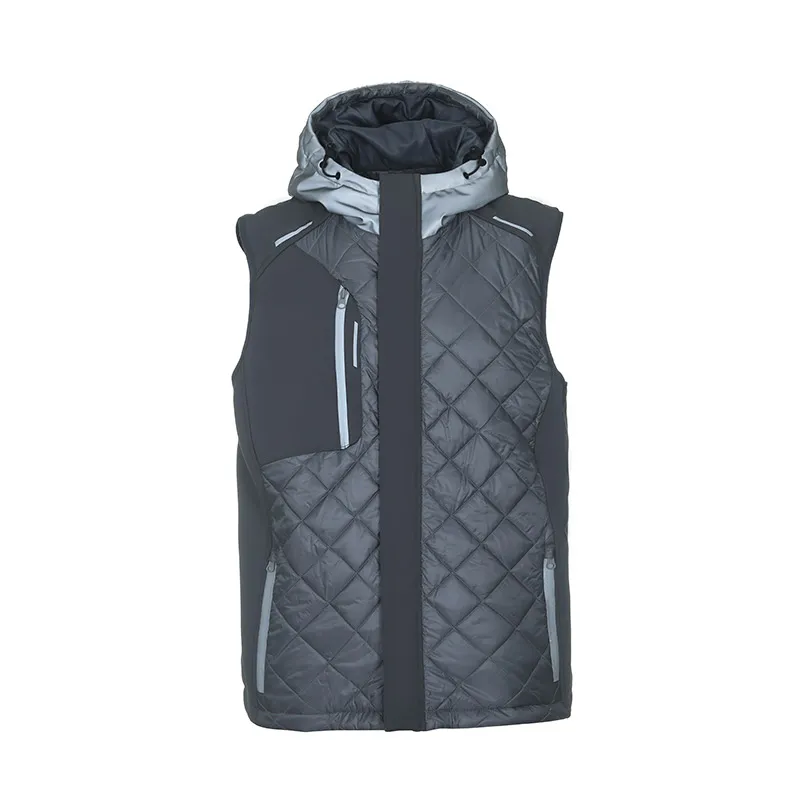
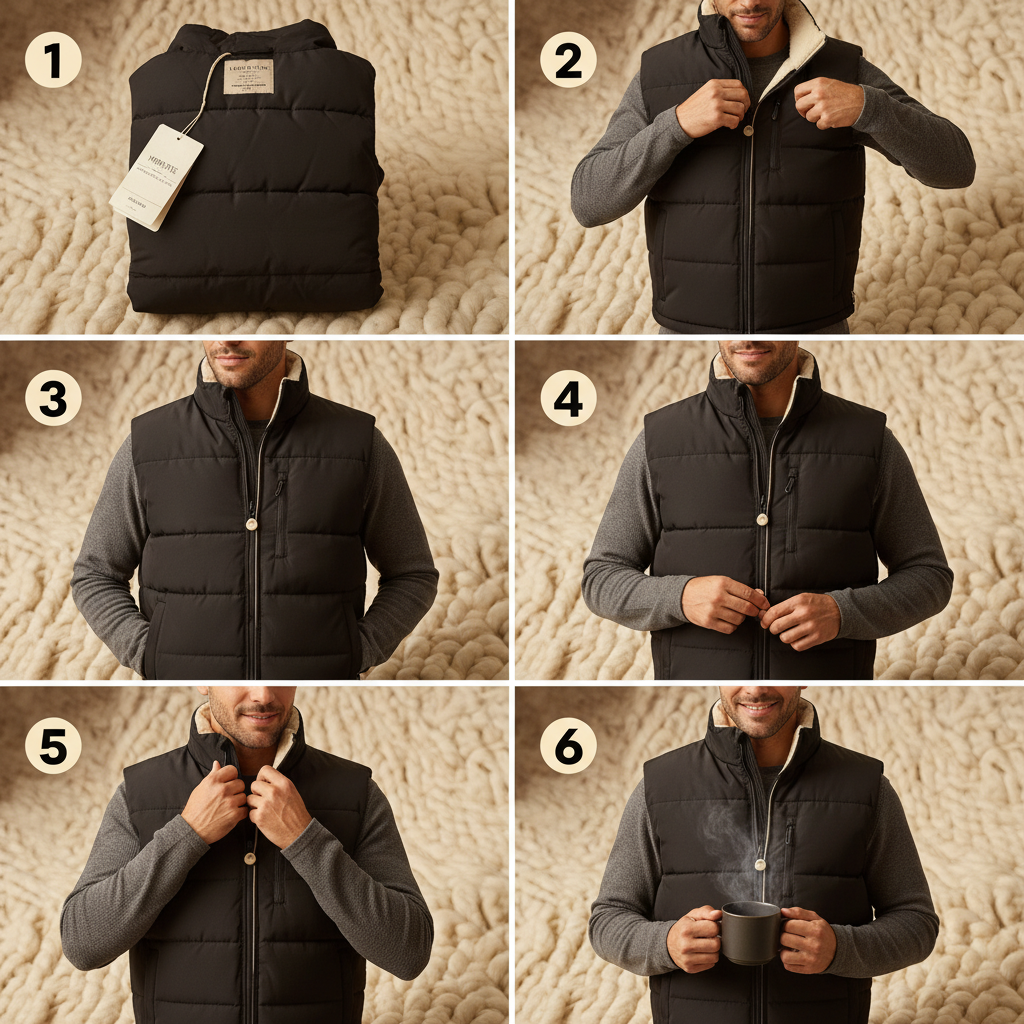
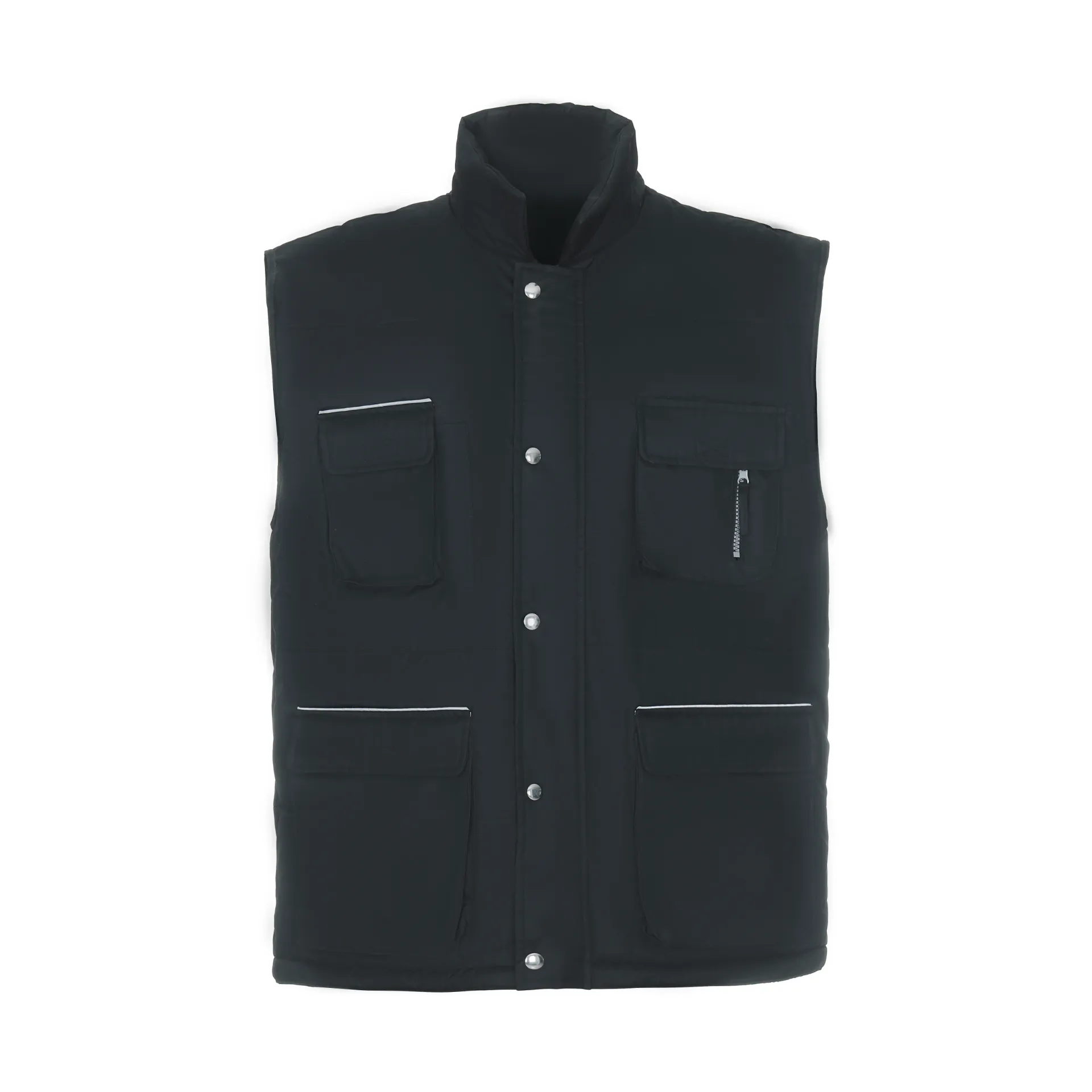
If you spend winters hopping between airports, job sites, and the odd mountain town, a good black vest becomes less of an accessory and more of a habit. The Black Winter Waterproof Vest: A Close Companion For Winter Travel isn’t trying to be loud. It just does the work—warmth, weatherproofing, pockets in the right places—without fuss. Made in Shijiazhuang, Hebei (Floor 15 Fortune Building, 24 Guangan Street, China), it carries that practical, factory-floor DNA I appreciate.
Industry trend check
Quick snapshot: buyers are moving to PFC-free DWR, recycled fill, and versatile layering that covers the commute-to-trail handoff. Brands are quoting hydrostatic head and breathability like nutrition facts—because savvy customers now ask. Interestingly, many customers say they want warmth without the “marshmallow” bulk. This black vest leans into that: synthetic insulation, taped seams, and a shell finish that sheds sleet without the crunchy feel.
Technical specifications (short, honest, useful)
| Parameter | Spec | Notes |
|---|---|---|
| Shell fabric | 75D ripstop polyester, PU membrane | DWR finish (PFC-free) |
| Waterproof rating | ≈10,000–12,000 mm (ISO 811) | Real-world: shrug off slush and wet snow |
| Breathability | 8,000–10,000 g/m²/24h | Balanced for stop–start travel days |
| Insulation | Recycled synthetic, ~120 g/m² | Keeps loft when damp; packs flat |
| Seams | Fully taped | EN 343 guidance for rain protection |
| Weight | ~380 g (M) | Around; varies by size |
| Temp comfort | -5°C to +10°C layering range | Depends on base/mid layers & wind |
| Hardware | YKK zips, storm flap | Glove-friendly pullers |
| Sizes | XS–3XL | Unisex graded fit |
How it’s made (process, testing, service life)
- Materials: 75D ripstop shell + PU membrane, recycled insulation, tricot lining.
- Methods: laser-cut panels, seam taping at critical joins, bar-tacks at pocket stress points, QC at each station.
- Testing: ISO 811 hydrostatic head; AATCC 22 spray; ISO 11092 thermal/RET; ASTM D737 air permeability; zipper cycle tests (5,000+ pulls).
- Service life: ≈3–5 winters with normal use; extend by cold wash, gentle cycle, low-heat tumble, reproof DWR every season.
- Certifications: fabrics available with OEKO-TEX Standard 100 and bluesign-approved options upon request.
Where it works best
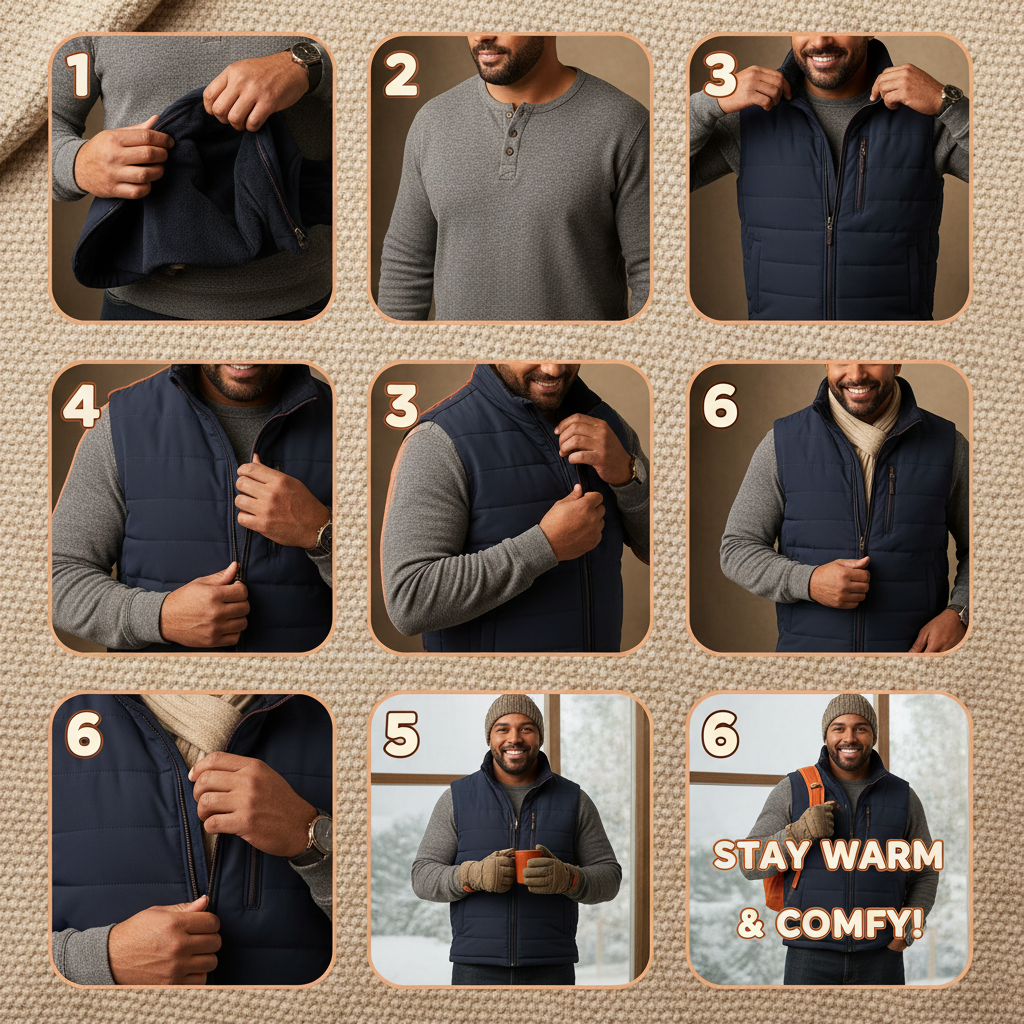
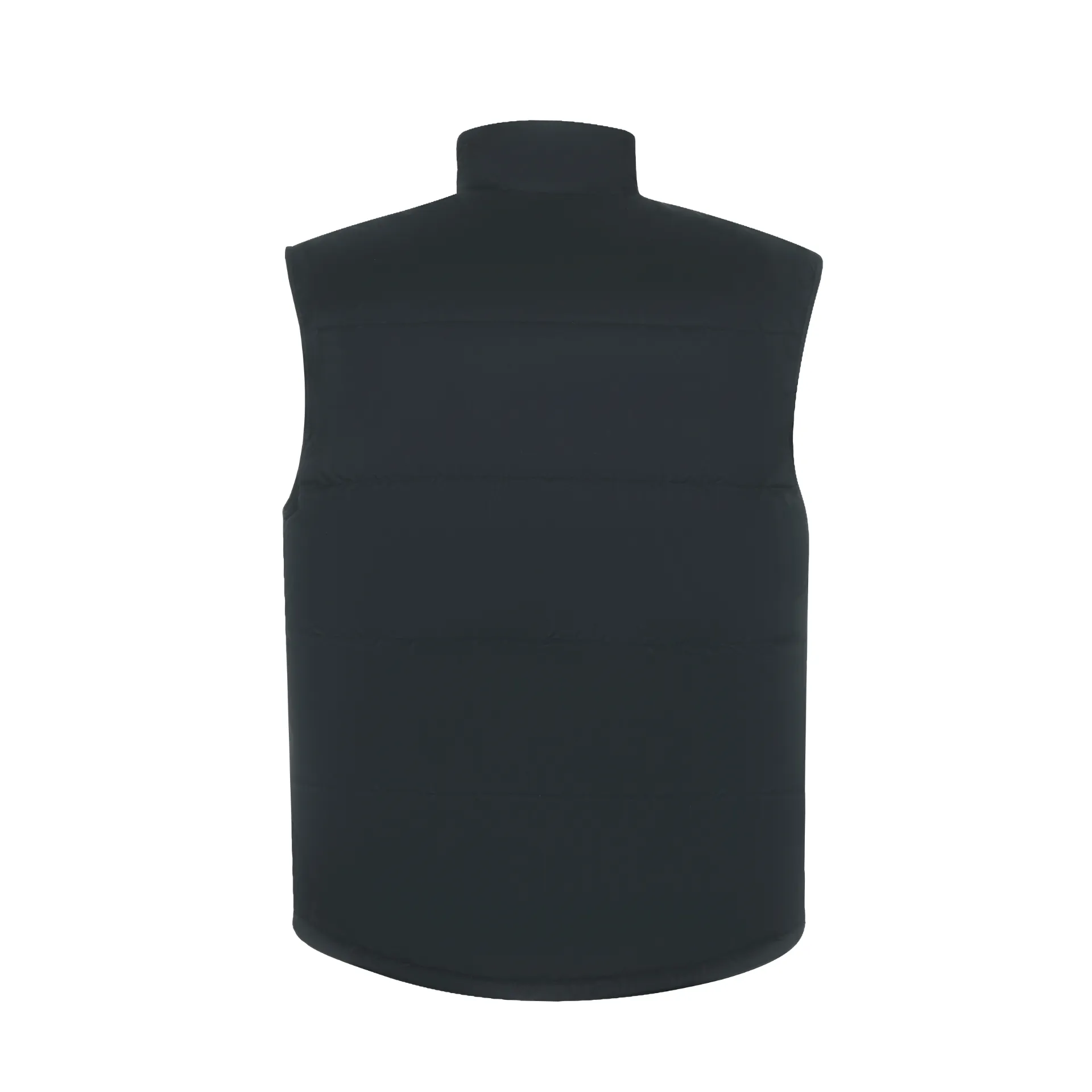
Airport-to-Uber dashes, logistics yards, winter city commutes, guiding tours, weekend snow trips, even indoor warehouse shifts where you still need core warmth. One customer told me they layered this black vest under a shell in Iceland and “basically forgot the weather existed.” Fair.
Vendor comparison (why this model stands out)
| Vendor/Model | Waterproof | Insulation | Seams | Customization | Certs |
|---|---|---|---|---|---|
| QS Clothing Black Winter Waterproof Vest | ≈10–12k mm | Recycled 120 g/m² | Fully taped | Logos, colors, trims; MOQ ≈200; 25–35 days | OEKO-TEX/bluesign options |
| Competitor A (urban) | ≈5k mm | 80 g/m² | Critical only | Limited; MOQ high | Partial |
| Big-box generic | Unspecified | Unknown | No | None | No |
Customization and B2B notes
- Branding: heat-transfer, embroidery, woven labels; colorways to match corporate palettes.
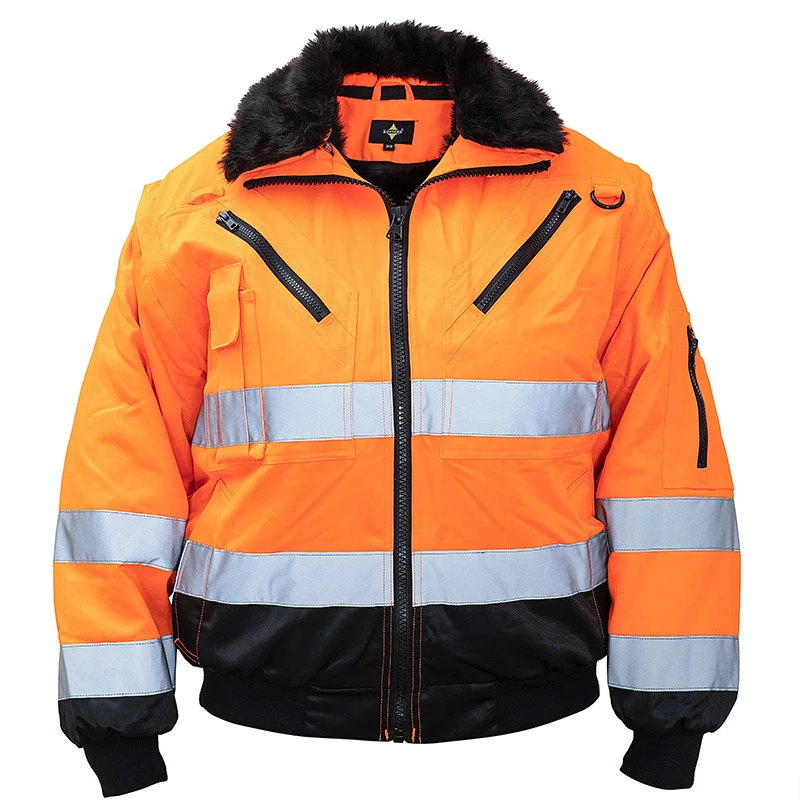
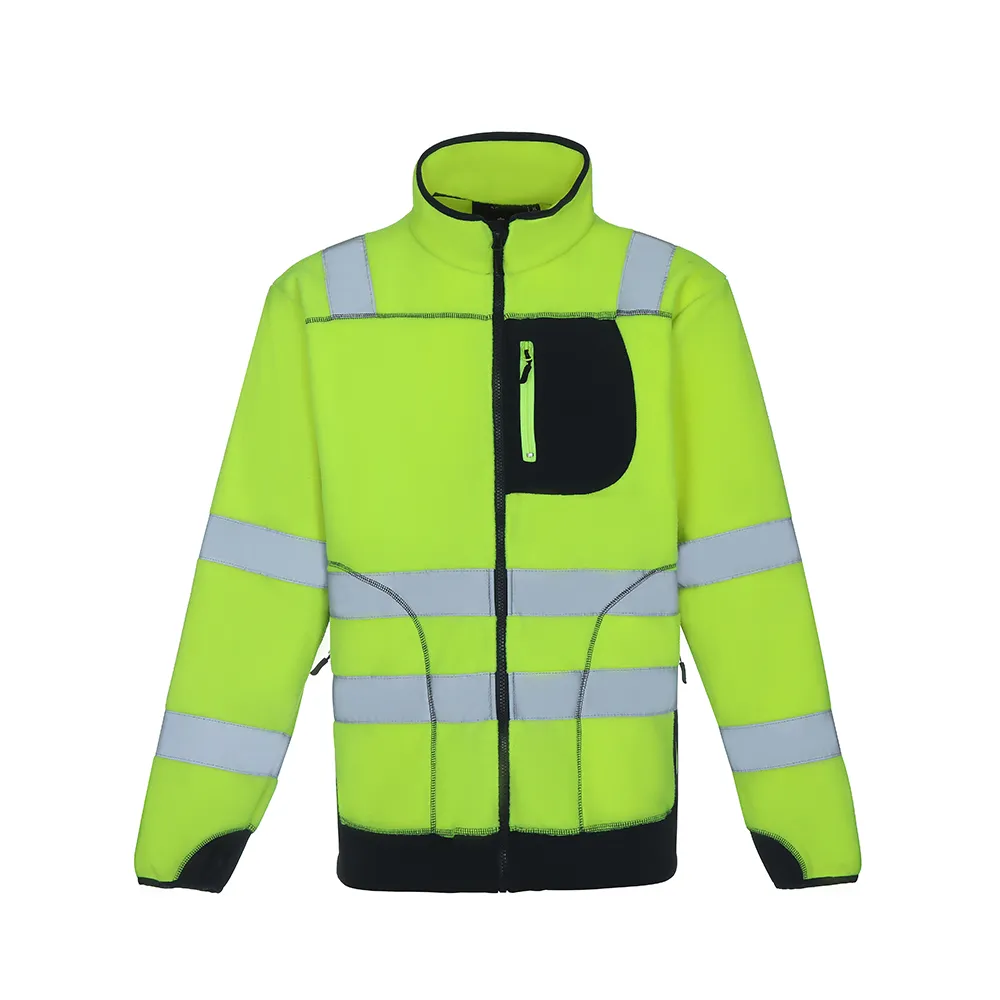
- Fit tweaks: extended hem, tall sizes, reflective trims for night shift crews.
- Industries served: outdoor retail, corporate travel teams, field services, construction supervision, logistics and last-mile delivery, tourism.
Real-use feedback and quick case
A courier fleet trialed 60 units over a wet January. Notes came back: drivers liked the arm mobility and the “no soggy shoulders” effect; one asked for a pen sleeve add-on (which, yes, became an option). Failure rate? Zero, aside from one zip puller bent in a van door—occupational hazard, not a product flaw.
Standards and references
- ISO 811: Textile fabrics—Determination of resistance to water penetration—Hydrostatic pressure test.
- EN 343: Protective clothing—Protection against rain.
- ISO 11092: Measurement of thermal and water-vapour resistance (skin model).
- ASTM D737: Air permeability of textile fabrics.
- AATCC 22: Water repellency—Spray test.
- OEKO-TEX Standard 100; bluesign system—restricted substances and responsible manufacturing.