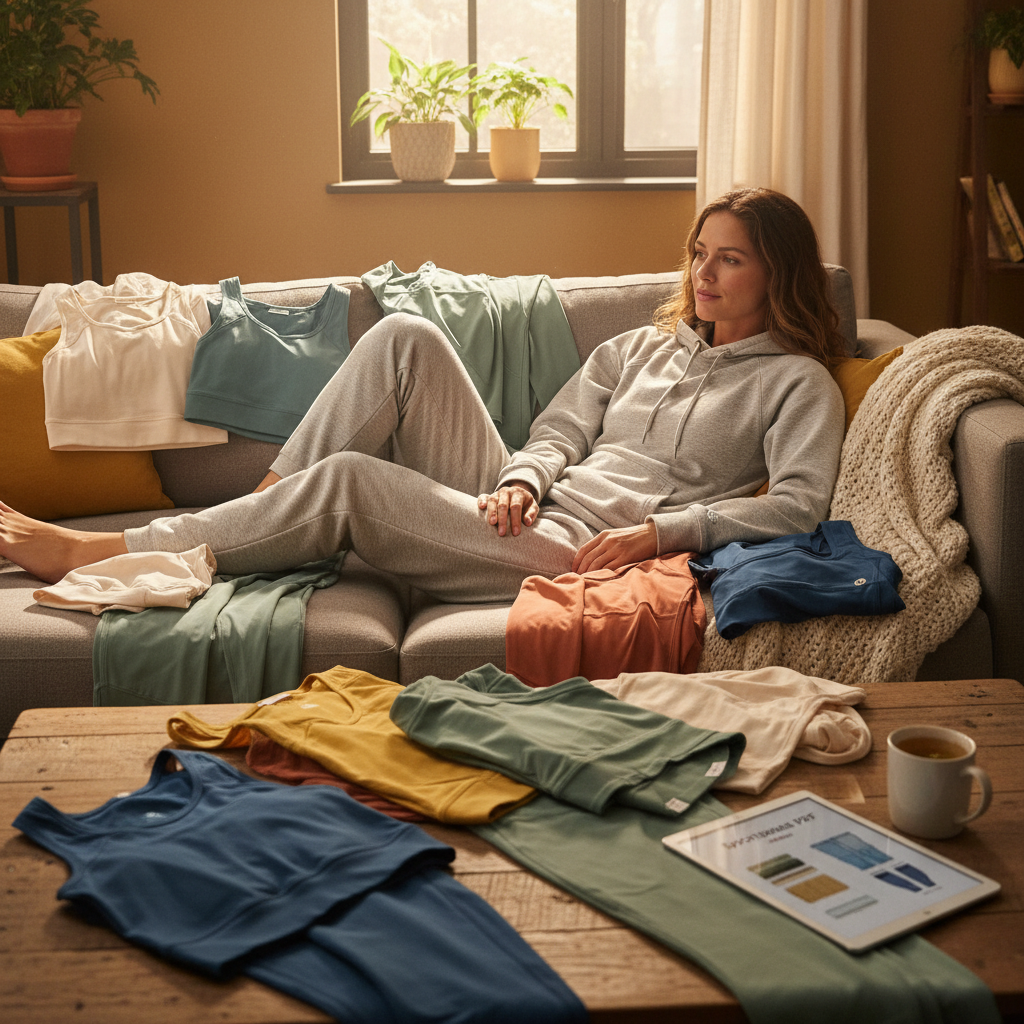
Look, activewear yoga pants aren’t just about looking good in the studio anymore. I’ve spent years crawling around construction sites, talking to engineers, and getting my hands dirty with materials, and what I see is a huge overlap in what we need from our clothing – durability, flexibility, and comfort. These pants have evolved. We’re seeing materials and designs that can actually hold up to real-world wear and tear, not just a light workout. It's about performance, plain and simple, whether you’re bending over rebar or holding a pose.
The demand is driven by a shift in how people live. Folks are hitting the gym before work, then spending the day on the job site, and maybe unwinding with a yoga class afterwards. They want one set of clothing that can do it all. I’ve seen site managers ditching their old work pants for a pair of these, especially in warmer climates. It's about streamlining, and frankly, about getting more out of your day. This isn’t a fad; it’s a practical solution.
And let's be honest, the old standards just aren’t cutting it. Heavy denim fades, restricts movement, and gets soaked through with sweat. Traditional work pants lack the stretch and breathability needed for demanding physical tasks. That’s where high-quality activewear yoga pants come in. They offer a serious upgrade in performance and comfort, and that’s something my guys are definitely noticing.
The Evolution of Activewear Yoga Pants
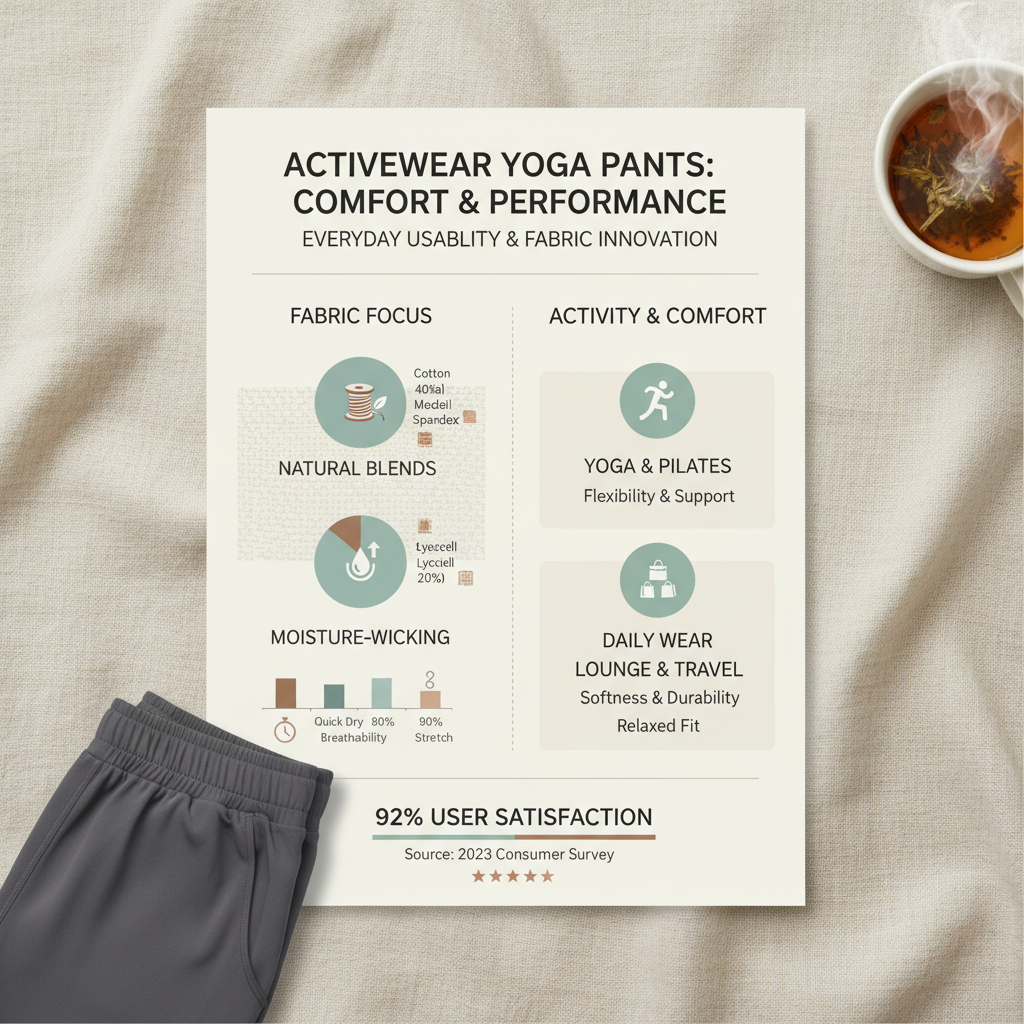
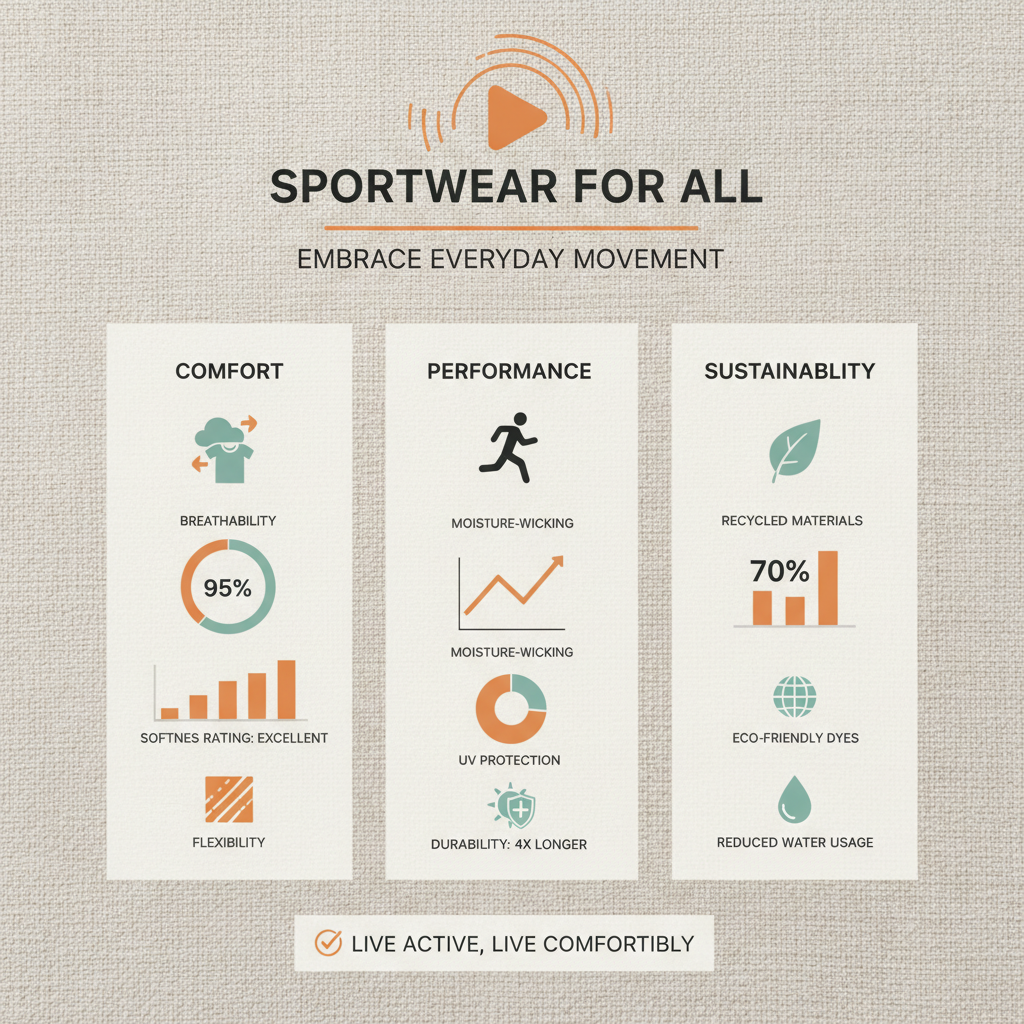
These aren’t your grandma’s yoga pants. I remember when ‘activewear’ meant thin, easily-torn fabric. Now, we’re talking about blends of nylon, spandex, and polyester designed to withstand abrasion, UV exposure, and constant movement. It’s all about the engineering. We're seeing fabrics with moisture-wicking properties, four-way stretch, and reinforced stitching.
I've been seeing crews on solar farm installations using them—they need something durable enough for the rocky terrain, but flexible enough for climbing around panels. It's a prime example. The key is the development of performance fabrics that don’t sacrifice comfort. It used to be you picked one or the other. Now, with activewear yoga pants, you can have both.
Defining Activewear Yoga Pants for Practical Use
Let's cut through the marketing fluff. Activewear yoga pants, in the context of practical work, are fundamentally about mobility and protection. They're designed to allow a full range of motion without restriction – think squatting, bending, lifting, and climbing. But they also need to offer a degree of protection against scrapes, abrasions, and the elements.
They’re a departure from traditional workwear, which prioritizes bulk and toughness over flexibility. Activewear yoga pants bridge that gap, offering a lightweight yet robust solution. They’re a tool, like any other piece of equipment on the job site. The goal isn’t just comfort; it's increased efficiency and reduced fatigue.
The connection to modern industry is all about demanding more from our clothing. We need apparel that can keep up with the pace of work, reduce the risk of injury, and improve overall productivity. Activewear yoga pants, done right, deliver on all those fronts.
Core Factors: Material Science & Construction
The core of any good pair of activewear yoga pants is the material. You've got your standard nylon-spandex blends, but increasingly, we’re seeing materials incorporating recycled fibers and bio-based polymers. This is a big deal for sustainability, and it doesn’t compromise performance.
Then there's the construction. Flatlock seams are critical for preventing chafing during prolonged movement. Reinforced knees and seat panels add durability where you need it most. Gusseted crotches improve range of motion and reduce wear and tear. These details aren’t just cosmetic; they directly impact the longevity and usability of the pants.
Finally, the fit is crucial. Too loose, and they’ll get snagged on equipment. Too tight, and they’ll restrict movement. A properly fitted pair of activewear yoga pants should feel like a second skin – supportive, comfortable, and unrestrictive.
Real-World Applications Across Industries
I've seen these pants pop up everywhere. Solar installers swear by them for working on rooftops. Landscapers appreciate the freedom of movement for pruning and planting. Even some electricians are switching over—they need to be able to bend and reach into tight spaces.
We’re seeing increased adoption in logistics and warehousing too. Workers who spend all day on their feet appreciate the comfort and support. And don't underestimate the impact on remote industrial zones, where access to traditional workwear can be limited. A durable, versatile pair of activewear yoga pants can be a lifesaver.
Activewear Yoga Pants Adoption Rate by Industry
Advantages: A Tangible Return on Investment
The benefits go beyond just comfort. Reduced fatigue means increased productivity. Fewer injuries mean lower insurance costs. And durable activewear yoga pants last longer, reducing the need for frequent replacements.
I’ve talked to foremen who’ve seen a noticeable difference in their crews’ performance after switching over. It’s not just about feeling good; it’s about working smarter, not harder. There’s a real economic argument to be made here.
Future Innovations in Activewear Design
We’re on the cusp of some exciting developments. I'm seeing prototypes with integrated sensors that track movement and provide feedback on posture and form. Imagine pants that can help prevent injuries by alerting you to improper lifting techniques.
There’s also a push for even more sustainable materials. Companies are experimenting with fabrics made from algae, mushrooms, and other renewable resources. And we'll see more smart fabrics that can regulate temperature, repel water, and even generate energy.
Addressing Challenges & Ensuring Longevity
The biggest challenge right now is perception. Some folks still see activewear yoga pants as “soft” or “unsuitable” for heavy work. That’s changing, but it requires educating people about the advancements in materials and construction.
Another issue is durability. Even the best activewear yoga pants will eventually wear out. That’s why it’s important to invest in quality brands and properly care for your clothing. Regular washing and drying can significantly extend their lifespan.
We need to focus on creating more robust designs and materials that can withstand the rigors of real-world work. And we need to promote responsible disposal and recycling practices to minimize the environmental impact.
Key Considerations for Maximizing Activewear Yoga Pants Lifespan
| Fabric Type |
Reinforcement Zones |
Washing Frequency |
Expected Lifespan (Months) |
| Nylon/Spandex Blend |
Knees, Seat |
Weekly |
12 |
| Polyester/Spandex Blend |
Knees, Seat, Crotch |
Bi-Weekly |
18 |
| Recycled Nylon Blend |
Full Leg Reinforcement |
Weekly |
15 |
| Bio-Based Polyester Blend |
Knees, Seat |
As Needed |
10 |
| High-Denier Nylon |
Full Leg Reinforcement, Abrasion-Resistant Coating |
Weekly |
24 |
| Nylon/Elastane Blend |
Strategic Placement |
Bi-Weekly |
16 |
FAQS
Yes, modern activewear yoga pants are often made with incredibly durable materials like reinforced nylon and polyester blends. They're designed to withstand abrasions, tears, and constant movement. While they're not indestructible, they can absolutely hold up to a lot more than traditional work pants, especially when reinforced in key areas like the knees and seat.
Proper care is key. Wash them inside out in cold water with a mild detergent. Avoid using bleach or fabric softeners, as these can damage the fibers. Tumble dry on low heat or, even better, hang them to dry. Avoid harsh chemicals and prolonged exposure to direct sunlight.
Many activewear yoga pants are made with moisture-wicking fabrics that help draw sweat away from the body, keeping you cool and comfortable even in hot weather. Look for materials like polyester and nylon, which are known for their breathability. Ventilated panels can also improve airflow.
Focus on durability, flexibility, and comfort. Look for reinforced knees and seat panels, flatlock seams to prevent chafing, a gusseted crotch for increased range of motion, and a moisture-wicking fabric. A secure waistband is also important to prevent them from slipping down.
While generally safe, consider visibility. Some activewear colors may blend in with the surroundings. If working in low-light conditions or near moving equipment, opt for brighter colors or wear a high-visibility vest. Also, ensure the fabric isn't flammable, and that the pants meet any required safety standards for your specific job site.
In the long run, yes. While the initial investment might be higher, activewear yoga pants are often more durable and require less frequent replacement. This can save you money over time. Plus, increased comfort and productivity can lead to additional cost savings.
Conclusion
Activewear yoga pants have evolved beyond the gym, becoming a legitimate and practical option for demanding work environments. From their enhanced durability and flexibility to their comfort and sustainability features, they offer a tangible return on investment for both individuals and businesses. They represent a shift towards smarter, more efficient workwear.
The future of activewear is bright. With continued innovation in materials and design, we can expect to see even more advanced features and improved performance. I encourage everyone to consider the benefits of incorporating activewear yoga pants into their work wardrobe. Visit our website at activewear yoga pants to explore our range of durable and comfortable options.