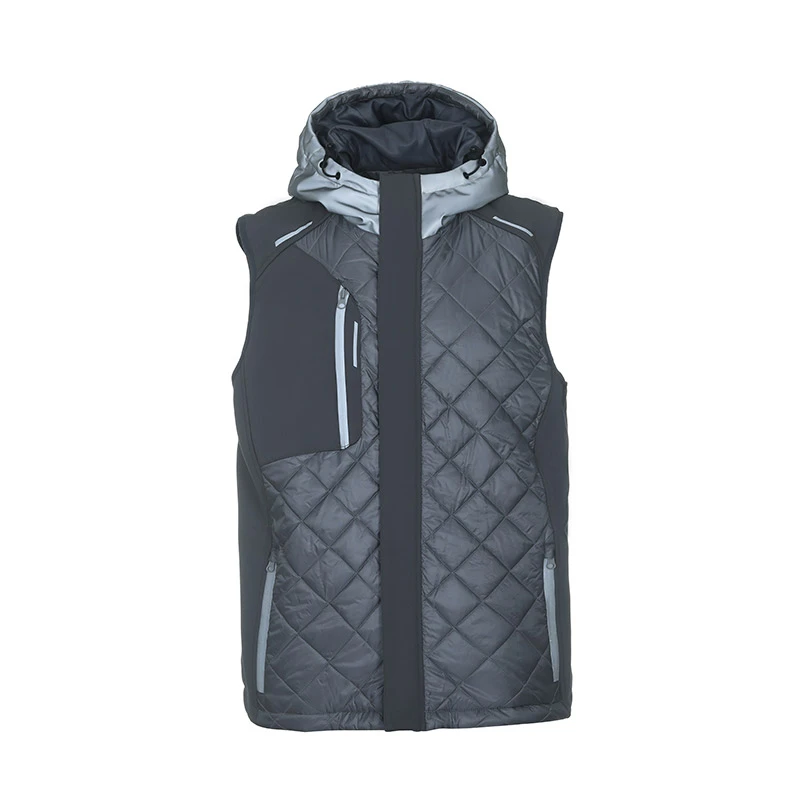
High-Performance hi vis safety jacket Solutions for Bolivia

Engineering advanced textile protection for the diverse altitudes and industrial landscapes of the Bolivian market.

High-Performance hi vis safety jacket Solutions for Bolivia

Our specialized manufacturing process integrates high-visibility materials with thermal insulation to meet the rigorous safety standards of Bolivia's mining and construction sectors.

The State of Protective Apparel in Bolivia

Analyzing the intersection of extreme geography and industrial safety needs.

Bolivia's unique geography, ranging from the high-altitude Altiplano to the humid tropical lowlands, creates a complex demand for apparel. In regions like Potosí and Oruro, the need for a women's winter jacket waterproof is not just about fashion but survival against freezing temperatures and unpredictable precipitation.

The industrial sector, particularly lithium mining and road infrastructure, relies heavily on safety work jackets. However, there is a significant gap in the market for garments that combine high-visibility requirements with the breathability needed for physical labor in varying oxygen levels.

Furthermore, the rise of outdoor tourism and urban athletic trends in La Paz has surged the demand for high-quality sport clothes. Local enterprises are shifting from basic cotton blends to technical synthetic fibers that offer better moisture management and durability.
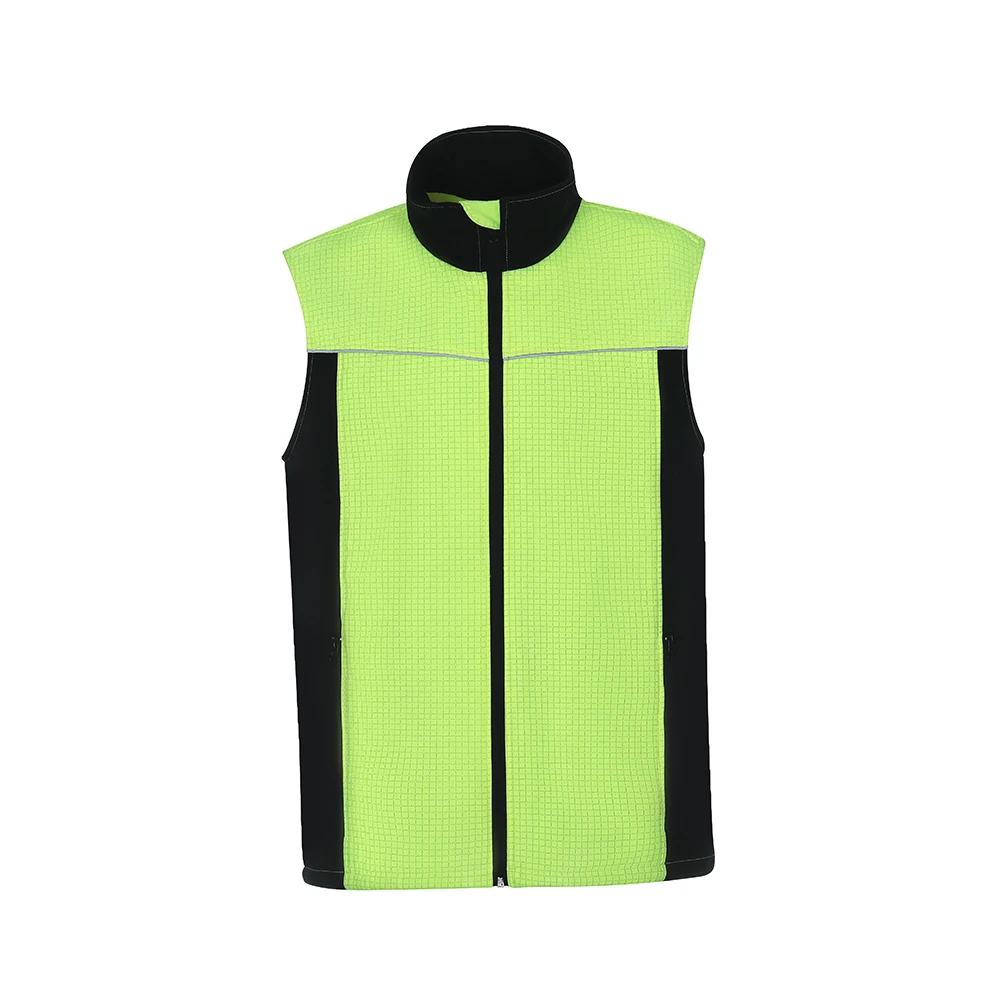
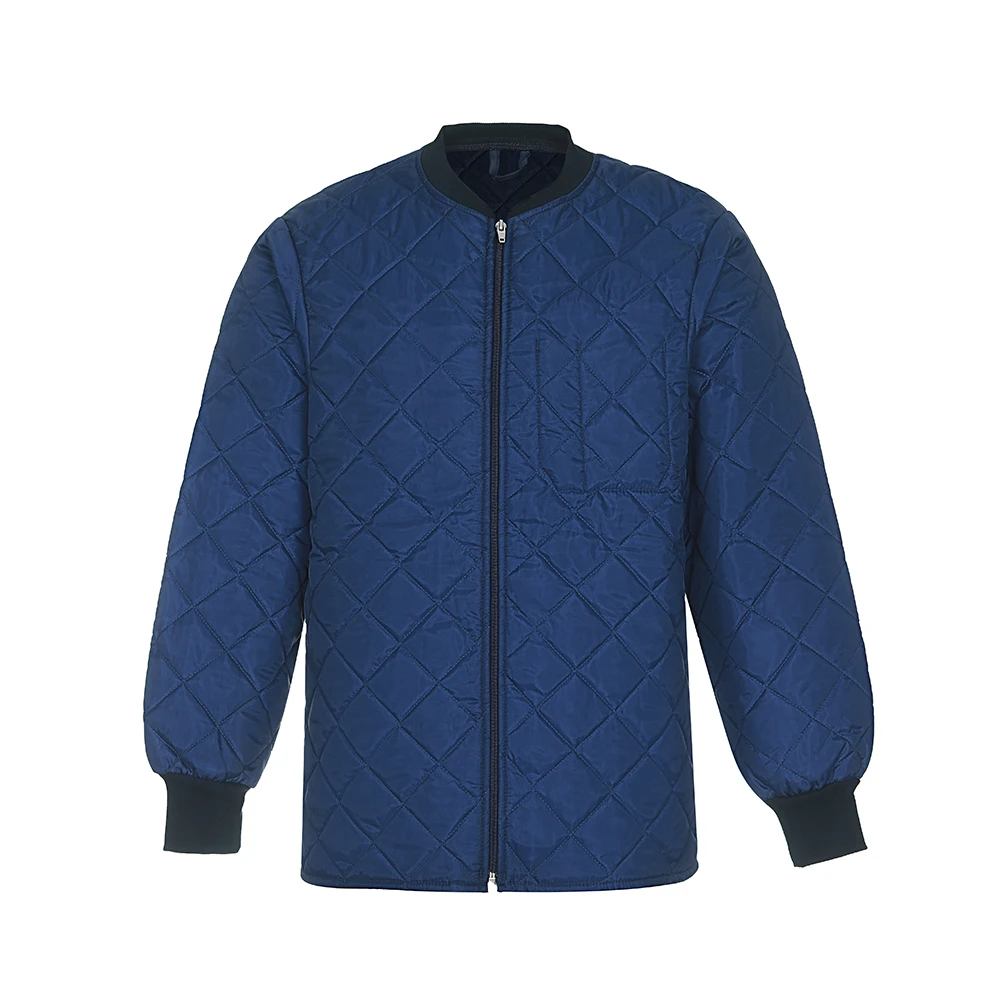
Evolution of Textile Manufacturing for the Andean Market

From traditional wools to high-tech waterproof membranes.

Market Development History

During the late 20th century, the Bolivian garment industry was dominated by traditional wool and heavy fabrics. These provided warmth but lacked the technical capabilities to repel water or provide visibility in industrial settings.

Between 2010 and 2020, the integration of synthetic polymers allowed for the introduction of the first generation of winter jacket waterproof womens styles, moving away from bulky layers toward streamlined, multi-functional outerwear.

Recently, the focus has shifted toward "smart textiles." Manufacturing now incorporates reflective micro-beads and breathable TPU membranes, ensuring that safety gear can withstand the abrasive environment of mine sites while maintaining thermal regulation.

Future Development Trends

Biodegradable Synthetic Fibers

Driven by environmental consciousness in the Amazon basin, the next 3 years will see a shift toward recycled polyesters in all sport clothes lines.

Adaptive Thermal Regulation

Integration of phase-change materials (PCM) will allow jackets to adapt to the rapid temperature swings common in Bolivian highland transitions.

IoT-Integrated Safety Gear

Future safety work jackets will likely incorporate RFID and sensor technology for real-time worker tracking in hazardous mining zones.

Industry Trends and Future Outlook

Strategic forecasting for the Bolivian apparel manufacturing sector.

Advanced Waterproofing
Implementing nano-coating technology to ensure zero permeability in extreme Andean rain.
Enhanced Visibility
Using retro-reflective fabrics that exceed ISO 20471 standards for low-light industrial zones.
Ergonomic Design
3D pattern cutting to allow full range of motion for construction and mining professionals.
Sustainable Sourcing
Transitioning to GRS-certified recycled materials to reduce the carbon footprint of textile imports.

Industry Outlook

Based on Google search trends in the South American region, there is a growing intersection between safety wear and athletic performance. This indicates that the "athleisure" trend is merging with professional safety gear, demanding garments that look modern but function rigorously.

We anticipate that the Bolivian market will shift toward customized B2B procurement, where companies request specific weight-to-warmth ratios based on the exact altitude of their operation sites, moving away from generic "one-size-fits-all" imports.

Localized Application Scenarios in Bolivia

Real-world deployment of high-performance textile solutions.

01. High-Altitude Lithium Mining Operations

Deployment of heavy-duty safety work jackets in the Salar de Uyuni, focusing on wind-blocking capabilities and extreme thermal retention for night shifts.

02. Urban Commuting in La Paz

Providing lightweight yet effective winter jacket waterproof womens options for professional women navigating the steep, misty terrain of the administrative capital.

03. Road Construction in the Yungas

Utilizing hi vis safety jacket designs with enhanced moisture-wicking linings to prevent overheating in humid, rainforest-edge environments.

04. Andean Trekking and Eco-Tourism

Supplying specialized sport clothes for guides and tourists that offer UV protection and rapid-dry properties for high-altitude hiking.

05. Industrial Warehousing in Santa Cruz

Implementing breathable, high-visibility uniforms that balance the need for safety identification with the ventilation required for tropical lowland climates.

Brand Story

Global Development Process of Hebei Qiushi Light Textile Trade Co., Ltd.

Foundational Excellence

Established with a focus on precision textile engineering, we began by solving the fundamental conflict between fabric durability and wearer comfort.

Technical Breakthroughs

We pioneered the integration of waterproof membranes with high-visibility pigments, eliminating the need for heavy overlays that restrict movement.

Global Expansion

Expanding our reach to South America, we adapted our manufacturing lines to meet the specific climatic challenges of the Andean regions.

Sustainability Commitment

We implemented a closed-loop production system, reducing water waste and integrating recycled polymers into our professional garment lines.

Industry Leadership

Today, we stand as a leading partner for global industrial firms, delivering safety apparel that protects lives in the harshest environments on Earth.

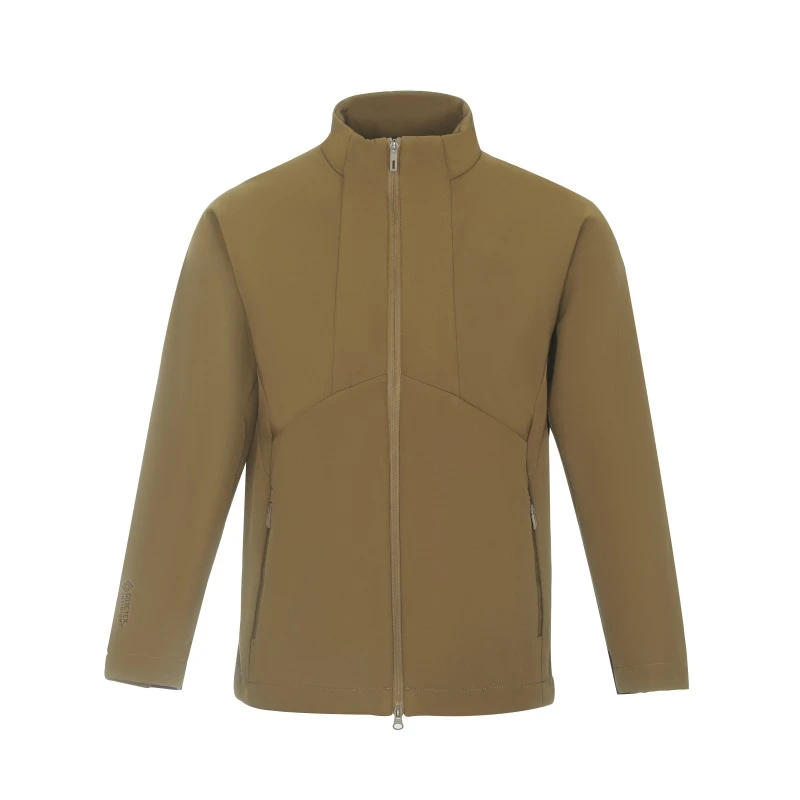
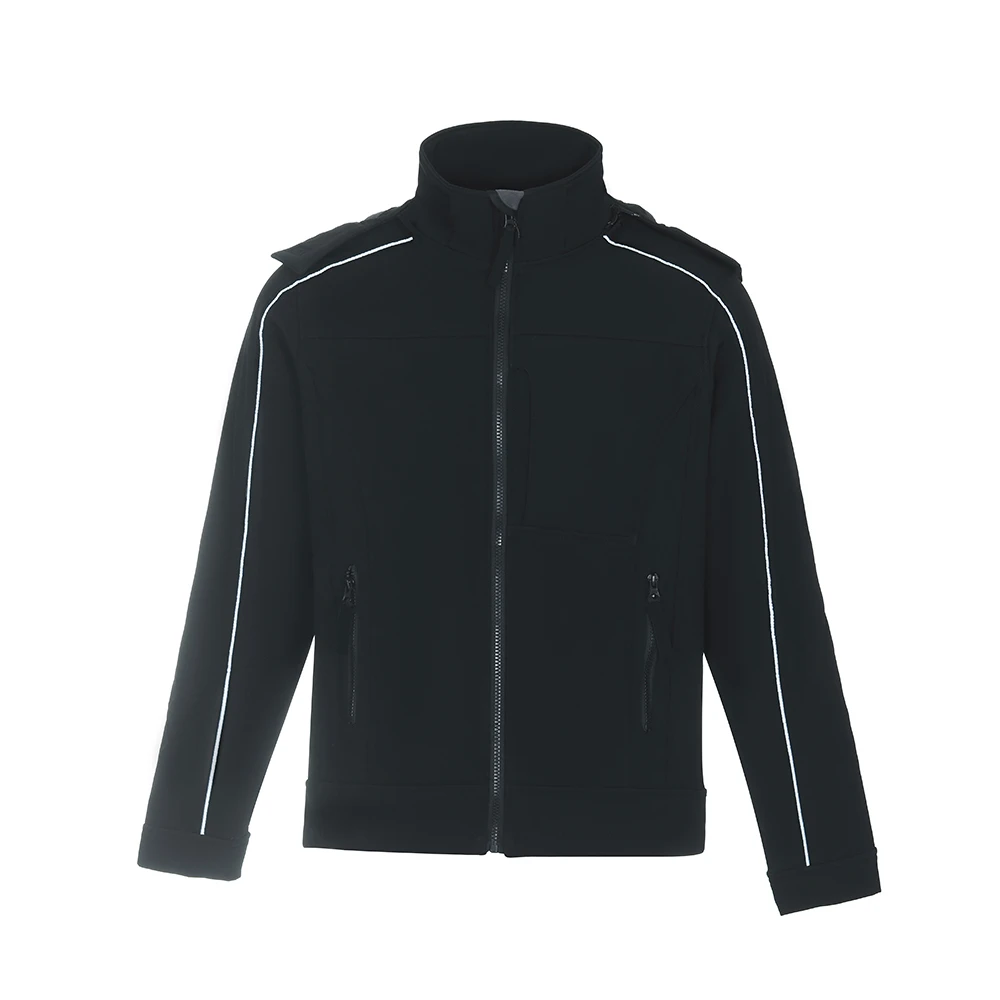
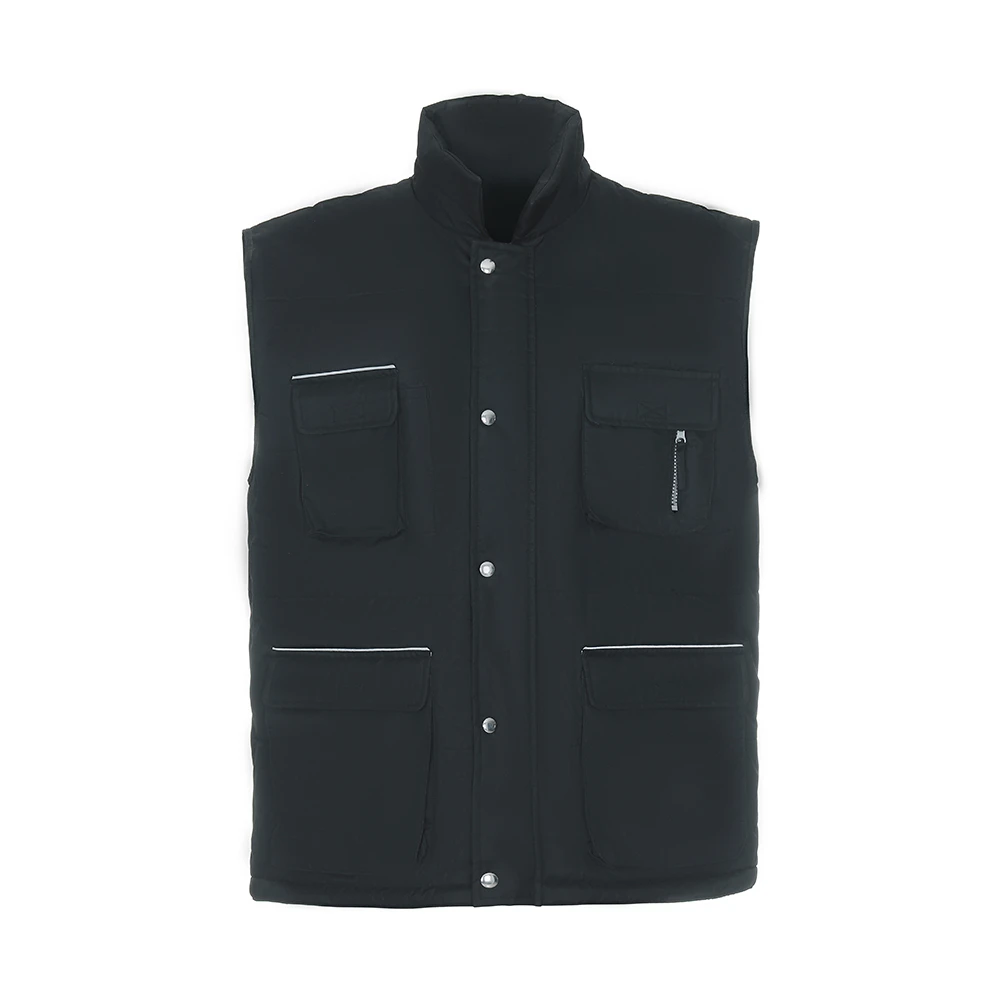
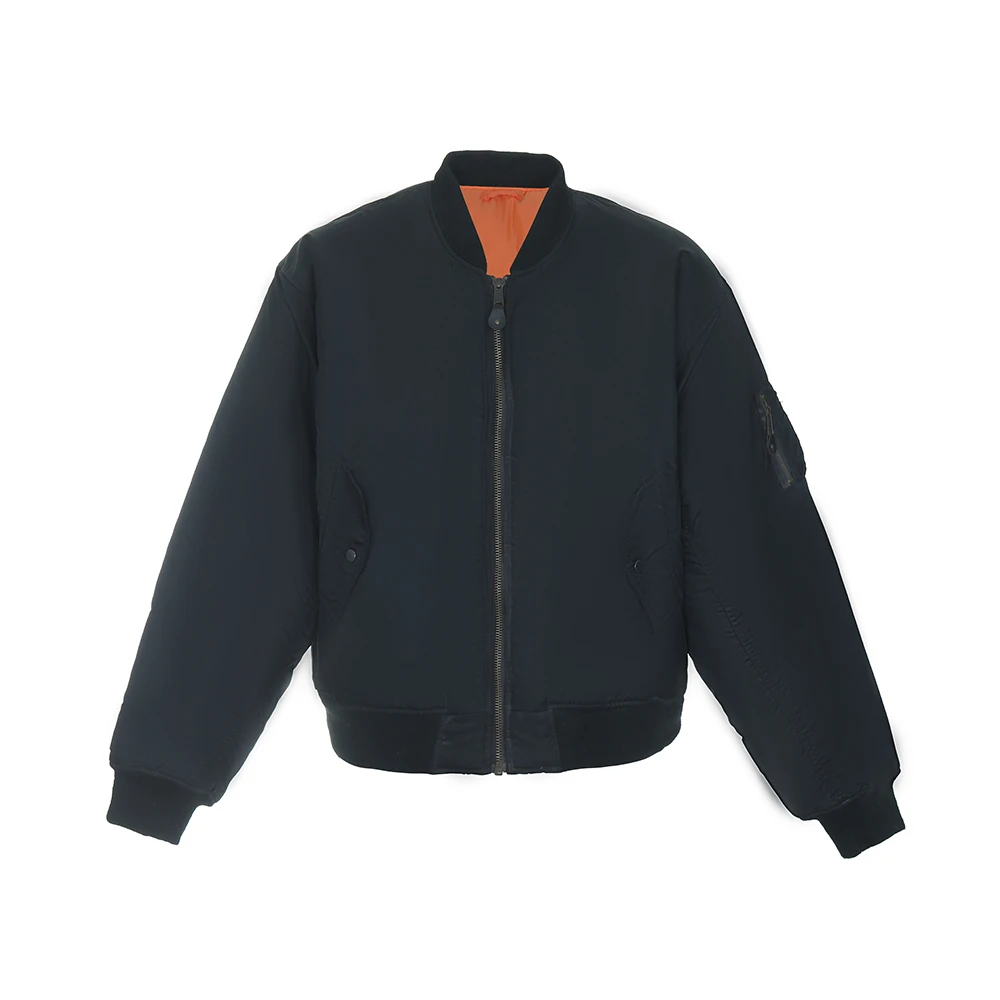
Comprehensive Apparel Portfolio for the Bolivian Market

From high-altitude protection to industrial safety, our full range is engineered for Bolivia.

Frequently Asked Questions - Bolivia Region

Expert answers to common technical queries regarding protective clothing.

How does a women's winter jacket waterproof perform in Altiplano climates?

Our jackets utilize a triple-layer construction: an outer DWR-coated shell for water repellency, a breathable membrane for moisture escape, and a thermal lining for extreme cold, making them ideal for Bolivia's highlands.

What standards do your hi vis safety jacket products meet?

Our high-visibility gear complies with international ANSI/ISEA and EN ISO 20471 standards, ensuring maximum visibility in mining and road construction environments.

Can safety work jackets be customized for specific corporate branding?

Yes, we offer industrial-grade embroidery and heat-transfer printing that does not compromise the reflective properties or the waterproof integrity of the garment.

What makes your sport clothes suitable for high-altitude training?

We use advanced moisture-wicking polyester blends that prevent sweat from chilling the body during the rapid temperature drops common in high-altitude Bolivian cities.

Are the winter jacket waterproof womens lines available in bulk for corporate fleets?

Absolutely. We specialize in B2B manufacturing and can provide scaled production with consistent quality control for corporate workforce requirements across South America.

How should hi-vis garments be maintained to preserve reflectivity?

We recommend cold-water washing with mild detergents and avoiding bleach, as harsh chemicals can degrade the micro-prismatic beads in the reflective strips.

Ready to Upgrade Your Industrial Protection?

Contact our technical consultants for bespoke apparel manufacturing solutions tailored specifically for the unique environment of Bolivia.

Contact Us Now
tel email tel top

If you are interested in our products, you can choose to leave your information here, and we will be in touch with you shortly.