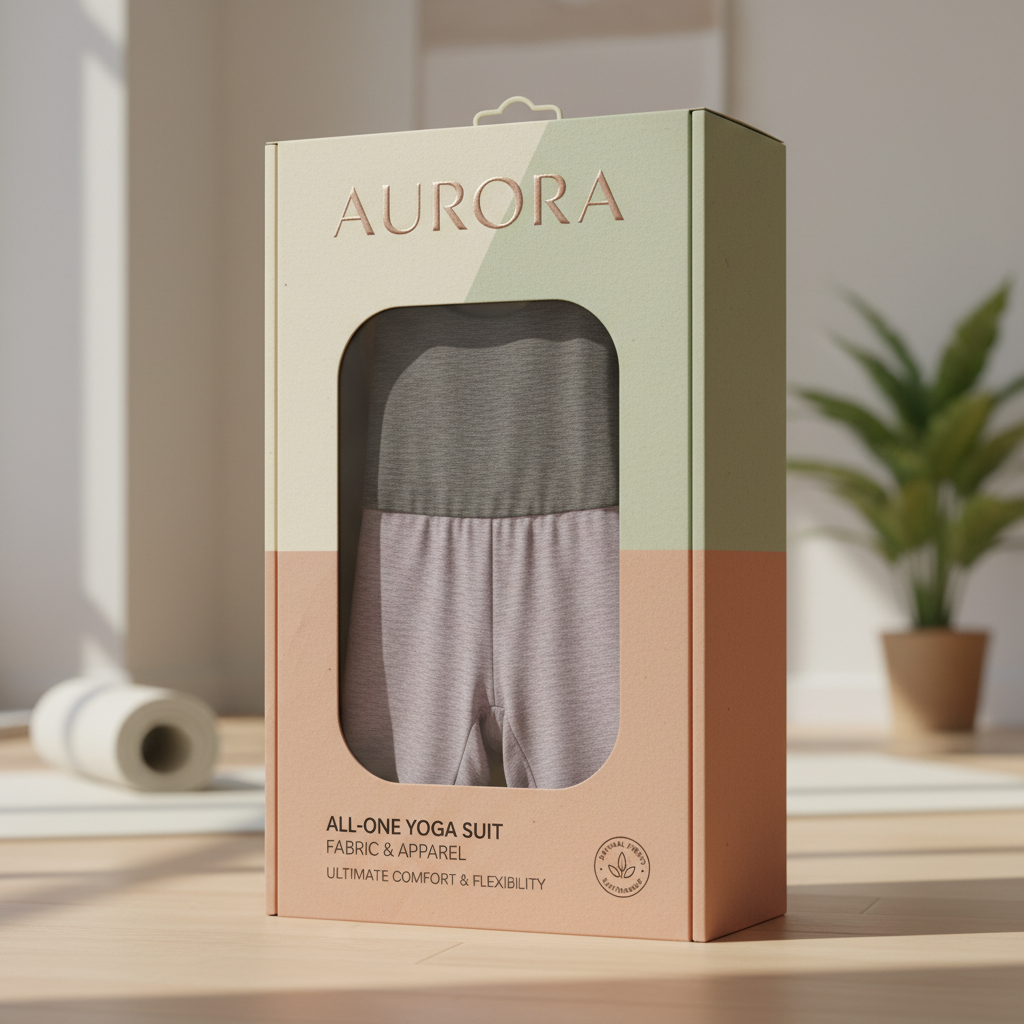
The evolution of athletic wear has reached a pinnacle of convenience and performance with the emergence of the all in one yoga outfit. In an era where wellness is integrated into every facet of a busy lifestyle, the demand for apparel that transitions seamlessly from a high-intensity vinyasa flow to a casual coffee date has surged. These integrated garments eliminate the friction of coordinating separate pieces, providing a streamlined silhouette that supports the body's natural movement while reducing decision fatigue for the modern athlete.
From a manufacturing perspective, the development of a high-quality all in one yoga outfit requires a sophisticated blend of textile engineering and ergonomic design. By utilizing advanced synthetic blends and seamless knitting technology, manufacturers can ensure that the garment provides targeted compression and maximum breathability. This shift toward "unitized" apparel reflects a broader global trend in the sportswear industry toward efficiency, minimalism, and the prioritization of the wearer's psychological comfort.
Understanding the nuances of this garment—from the moisture-wicking properties of the fabric to the precision of the gusset construction—is essential for both consumers and industry professionals. As the global wellness market continues to expand, the all in one yoga outfit stands as a symbol of the intersection between fashion and function, offering a holistic solution to the challenges of modern active living and sustainable clothing consumption.
Global Context of All in One Yoga Outfit
The global activewear market has witnessed a paradigm shift toward versatility, driven by a post-pandemic preference for "athleisure." The all in one yoga outfit has emerged as a key driver in this transition, aligning with ISO standards for textile performance and ergonomic safety. As urban populations increase and time-poverty becomes a systemic issue, the demand for a single, high-performance garment that replaces the need for multiple pieces is no longer just a fashion choice, but a lifestyle necessity.
Across North America, Europe, and Asia-Pacific, the integration of wellness into daily routines is backed by data showing a significant increase in mindful movement practices. The primary challenge this garment addresses is "wardrobe friction"—the physical and mental effort of changing and coordinating gear. By streamlining the dressing process, the all-in-one design allows practitioners to enter a state of flow more quickly, removing the distractions of slipping waistbands or mismatched layers.
Defining the All in One Yoga Outfit
At its core, an all in one yoga outfit is a unified garment—typically a jumpsuit, unitard, or bodysuit—that combines the functions of a sports bra and leggings into a single, seamless piece. Unlike traditional two-piece sets, this design ensures that there is no gap between the top and bottom, providing total coverage regardless of the inversion or stretch involved in complex yoga asanas.
Beyond the physical structure, this outfit represents a shift toward "human-centric" design in the garment industry. It acknowledges the need for clothing that adapts to the body's kinetics rather than forcing the body to adapt to the clothing. This connection to modern humanitarian and wellness needs is evident in how these garments are designed to be inclusive of all body types, promoting a sense of dignity and confidence through strategic compression and adaptive sizing.
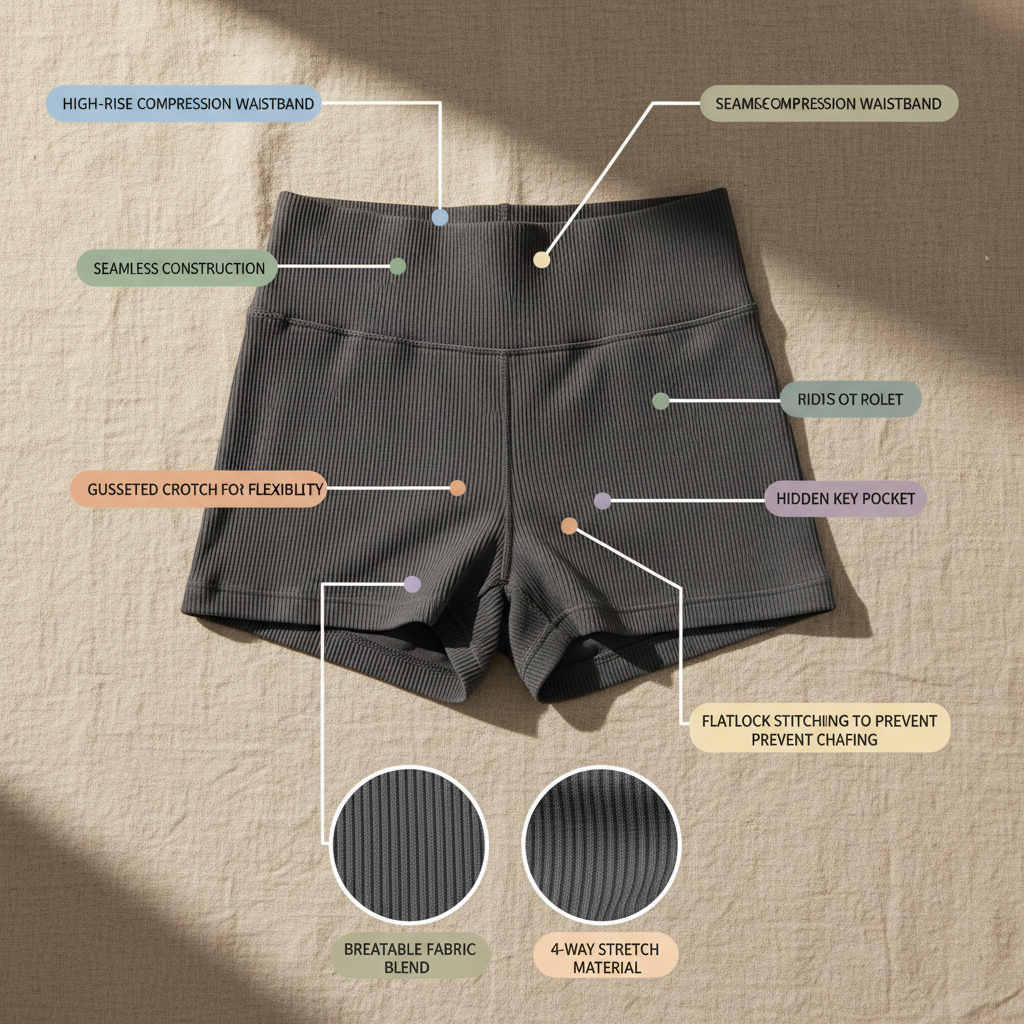
In the broader industrial context, the production of these outfits pushes the boundaries of textile manufacturing. It requires a deep understanding of four-way stretch fabrics and heat-bonding techniques to ensure that the unified piece does not restrict movement or create pressure points, making it a benchmark for quality in the modern sportswear sector.
Core Components of High-Performance Outfits
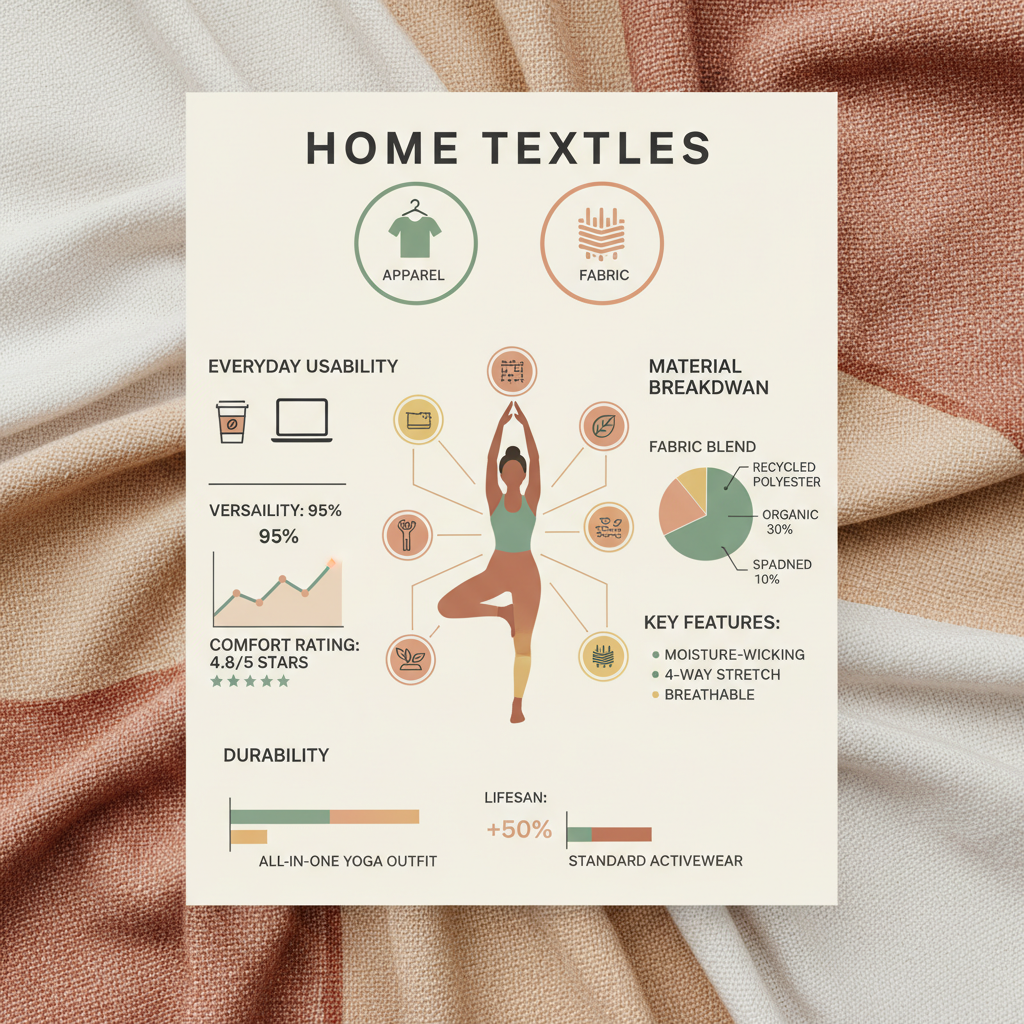
The first critical factor of a premium all in one yoga outfit is Fabric Durability. High-grade nylon and spandex blends are essential to prevent "sheering" or transparency during deep squats. The fabric must maintain its elasticity over hundreds of wash cycles, ensuring the garment doesn't lose its shape or support.
Ergonomic Scalability is the second pillar. A truly effective all in one yoga outfit must account for varying torso lengths. By incorporating adjustable straps or high-stretch panels in the midsection, manufacturers can ensure that the garment fits a wide range of heights without pulling or sagging, which is vital for maintaining a professional and comfortable fit.
Finally, Thermal Regulation and Moisture Management play a pivotal role. The integration of capillary-action fibers allows sweat to be pulled away from the skin and evaporated quickly. This is particularly important in a one-piece design, where airflow can be more restricted than in two-piece sets, necessitating advanced breathability zones in high-heat areas like the back and underarms.
Technical Factors and Material Efficiency
When analyzing the performance of the all in one yoga outfit, we must look at the intersection of tensile strength and skin sensitivity. The use of "brushed" finishes provides a buttery-soft feel against the skin, while the internal structure relies on high-denier yarns to provide the necessary support for the bust and core.
From a cost-efficiency standpoint, while the initial production of a one-piece is more complex than a two-piece, the long-term value for the consumer is higher. There is less waste in the cutting process when using optimized 3D knitting patterns, and the consumer receives a complete solution in one purchase, reducing the shipping and packaging footprint of multiple separate items.
Performance Comparison of All in One Yoga Outfit Variants
Global Applications and User Personas
The application of the all in one yoga outfit extends far beyond the yoga studio. In the realm of outdoor wear, these pieces serve as excellent base layers for hiking and trekking in temperate climates, providing warmth and a snug fit that prevents chafing during long-distance movement.
In professional settings, such as boutique fitness instruction or dance therapy, the all-in-one design is the gold standard. It allows instructors to demonstrate movements with precision and modesty, ensuring that their attire never interferes with the educational aspect of the class. From the wellness retreats of Bali to the high-intensity studios of New York, this garment is utilized as a tool for both mental focus and physical liberation.
Long-Term Value and Sustainability
Investing in a high-quality all in one yoga outfit offers significant long-term economic and environmental value. By replacing the need for separate bras and leggings, consumers reduce the total volume of clothing they purchase, directly combating the "fast fashion" cycle. The emotional value is equally potent; the feeling of being "held" by a compressive, well-fitted garment provides a psychological sense of security and readiness.
From a reliability standpoint, the reduced number of seams in a unitard design minimizes the risk of failure points. Traditional waistbands can roll or tear, but a unified piece distributes tension more evenly across the torso. This durability ensures that the outfit remains a staple in the athlete's wardrobe for years rather than months.
Furthermore, the shift toward sustainable materials—such as Econyl (regenerated nylon from ocean waste)—means that the modern yoga outfit is becoming a vehicle for ecological restoration. Choosing an all-in-one solution made from recycled plastics combines the logic of minimalism with the ethics of environmental stewardship.
Future Trends in Yoga Apparel Innovation
The future of the all in one yoga outfit lies in the integration of smart textiles. We are seeing the emergence of fabrics embedded with biometric sensors that can track heart rate and muscle activation in real-time, sending data to an app to help the practitioner correct their form. This digital transformation turns clothing into a wearable coach.
Automation in manufacturing, specifically through 3D seamless knitting, will allow for mass customization. In the near future, a customer could provide their exact body measurements via a 3D scan, and a perfectly tailored all-in-one outfit would be printed to their specific proportions, eliminating the "standard sizing" struggle entirely.
Finally, we anticipate a move toward biodegradable performance fabrics. The goal is to create an outfit that offers the same high-compression and moisture-wicking properties as synthetic blends but can be safely composted at the end of its life cycle, completing the loop of a truly sustainable fashion ecosystem.
Analysis of All in One Yoga Outfit Material and Performance Dimensions
|
Material Type
|
Compression Level
|
Breathability Score
|
Sustainability Index
|
| Recycled Nylon Blend |
High |
8/10 |
9/10 |
| Organic Cotton Spandex |
Medium |
9/10 |
8/10 |
| Premium Polyamide |
Very High |
7/10 |
5/10 |
| Bamboo Fiber Mix |
Low |
10/10 |
9/10 |
| Compression Lycra |
Extreme |
6/10 |
4/10 |
| Hybrid Eco-Poly |
Medium-High |
8/10 |
7/10 |
FAQS
Not if it is designed correctly. High-quality all-in-one outfits use 4-way stretch fabrics and strategic gusseting in the crotch and underarm areas. This allows for a full range of motion, often providing better support during inversions because the garment stays in place without the need for constant adjustment of the waistband.
The most critical measurement for a unitard is the torso length. We recommend measuring from the shoulder to the ankle. If you fall between sizes, it is generally better to size up to avoid excessive pulling at the shoulders, which can restrict breathing during deep pranayama sessions.
Yes, provided you choose a moisture-wicking, lightweight fabric. Look for "breathability zones" or seamless mesh panels. Because they eliminate the overlap of fabric found in two-piece sets (like the waistband and bra band), they can actually feel cooler and less bulky in high-heat environments.
To preserve the spandex fibers, always wash in cold water on a gentle cycle and avoid fabric softeners, which can clog the moisture-wicking pores of the fabric. Air drying is highly recommended, as high dryer heat can break down the elastic components and lead to sagging over time.
Absolutely. The compression and stability of a one-piece make it excellent for weightlifting, Pilates, and cardio. The streamlined fit reduces wind resistance and prevents any clothing from getting caught in equipment, making it a versatile piece for any athletic endeavor.
Generally, yes. By reducing the number of individual garments required to create a full outfit, there is less overall material consumption and packaging. When produced using 3D knitting technology, waste is further minimized as the garment is "printed" to shape rather than cut from large sheets of fabric.
Conclusion
The all in one yoga outfit represents a significant evolution in the apparel industry, blending textile science with the practical needs of a wellness-oriented society. By addressing the core challenges of comfort, durability, and efficiency, these garments provide a seamless experience that empowers the wearer to focus entirely on their practice. From the use of recycled ocean plastics to the integration of biometric sensors, the unitard is no longer just a piece of clothing, but a sophisticated tool for health and mindfulness.
As we look toward the future, the continued integration of sustainable materials and personalized manufacturing will make the all-in-one solution the gold standard for activewear. Whether you are a professional instructor or a casual practitioner, embracing this streamlined approach to dressing can enhance both your physical performance and your mental clarity. We invite you to experience the perfect balance of form and function. Visit our website: www.qsclothing.com